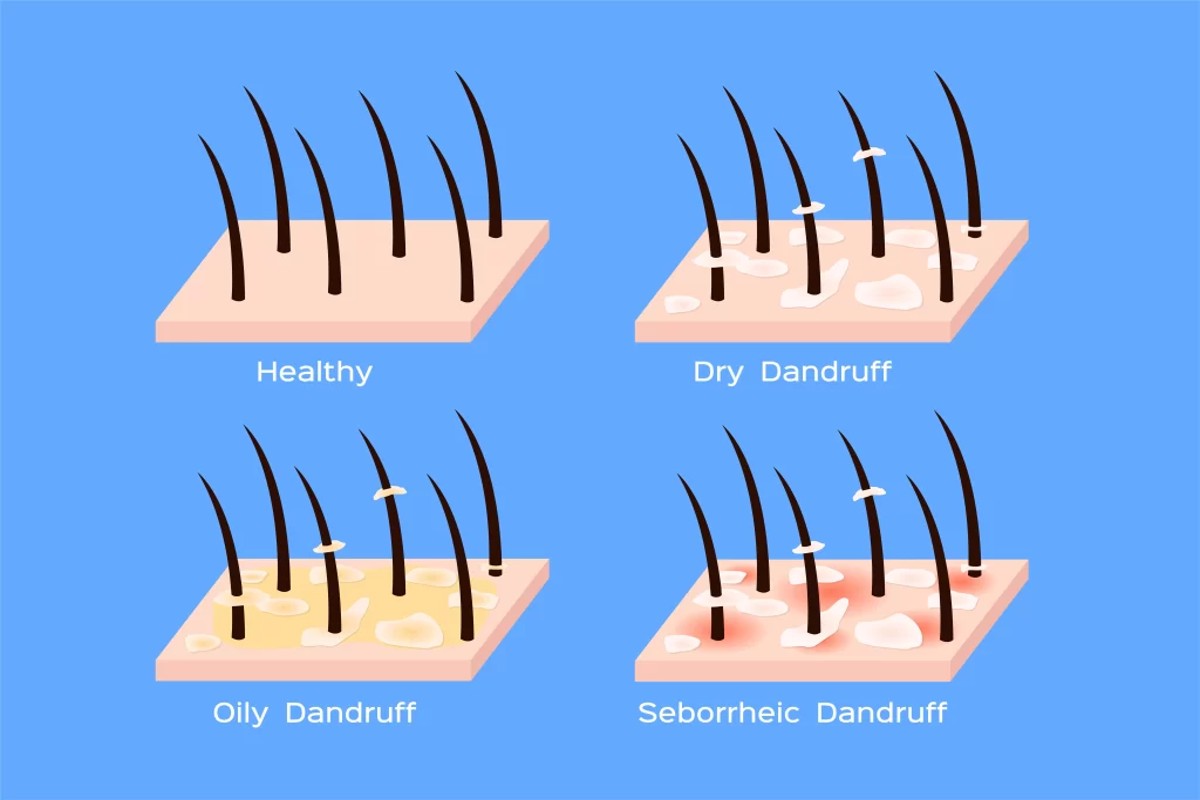
Can dandruff make you lose your hair? While dandruff itself does not directly cause hair loss, severe dandruff can lead to hair thinning due to inflammation and scratching of the scalp.
This topic is crucial for individuals experiencing dandruff and potential hair loss, as misunderstanding the connection can lead to ineffective treatments and exacerbated symptoms. Recognizing the underlying causes is vital for maintaining scalp health and preventing further hair thinning.
This article will clarify the relationship between dandruff and hair loss, explore the mechanisms behind inflammation and scalp irritation, and provide actionable strategies for managing dandruff effectively.
Can dandruff cause hair loss?
Dandruff itself does not directly cause hair loss, but it can contribute to conditions that may lead to hair thinning. When dandruff is severe, it can result in itching and inflammation of the scalp, which may disrupt the hair growth cycle. Chronic scratching or irritation can damage hair follicles, potentially resulting in temporary hair loss.
Dandruff, or seborrheic dermatitis, is a common scalp condition characterized by flaking and itching. Although it is primarily a cosmetic concern, the associated symptoms can lead to complications. Factors that may exacerbate hair loss in individuals with dandruff include:
- Inflammation: Persistent inflammation from dandruff can weaken hair follicles.
- Scratching: Frequent scratching to relieve itching can cause physical damage to hair strands and follicles.
- Underlying conditions: Conditions like psoriasis or fungal infections may coexist with dandruff and contribute to hair loss.
While most individuals with dandruff do not experience significant hair loss, those with severe symptoms or related scalp conditions may be at risk. Addressing the underlying cause of dandruff through appropriate treatment can help alleviate symptoms and minimize any risk of hair loss. Effective management often includes medicated shampoos, topical treatments, and lifestyle modifications to reduce stress and improve scalp health.
Expert Tip: Regular scalp care, including gentle cleansing and moisturizing, can help maintain a healthy environment for hair growth and mitigate the effects of dandruff. Seeking professional advice from a dermatologist can provide tailored treatment options for persistent dandruff and associated hair loss concerns.
What are the best treatments for dandruff?
The best treatments for dandruff involve a combination of medicated shampoos, lifestyle changes, and home remedies. These approaches can help reduce flaking and irritation, which may ultimately prevent potential hair loss associated with severe dandruff. Consistent application and careful selection of products are essential for effective management.
Medicated shampoos are the cornerstone of dandruff treatment. Look for products containing active ingredients such as:
- Zinc pyrithione: This antifungal agent helps reduce the yeast that can contribute to dandruff.
- Selenium sulfide: Effective in reducing scalp flakiness, it also combats fungal growth.
- Ketoconazole: A broad-spectrum antifungal that targets various types of fungi linked to dandruff.
- Coal tar: Helps slow down the production of skin cells on the scalp, reducing flakiness and irritation.
In addition to medicated shampoos, maintaining a healthy scalp environment is crucial. Regularly washing hair with a gentle shampoo can help remove excess oil and product buildup. Incorporating a balanced diet rich in vitamins, such as B vitamins and zinc, can also support scalp health. Reducing stress through relaxation techniques may further alleviate dandruff symptoms, as stress can exacerbate skin conditions.
Home Remedies
Some individuals find relief from dandruff using natural remedies. Tea tree oil, known for its antifungal properties, can be mixed with carrier oils and applied to the scalp. Apple cider vinegar may also help balance the scalp’s pH and reduce yeast growth when diluted with water and used as a rinse. However, these remedies should complement, not replace, medicated treatments.
For optimal results, it is advisable to consult a dermatologist if dandruff persists despite treatment. They can provide personalized recommendations and rule out other underlying scalp conditions.
Implementing a consistent treatment plan is critical. Regularly assess the effectiveness of chosen products and be willing to adjust based on scalp health and response to treatment.
How long does it take to treat dandruff?
Typically, it takes about 2 to 8 weeks to see noticeable improvement in dandruff symptoms after starting treatment. The duration can vary based on the severity of the condition and the type of treatment used. Consistency in treatment is key for effective results.
Several factors can influence the timeline for dandruff treatment. First, the severity of the dandruff can affect how quickly symptoms improve. Mild cases may respond to over-the-counter shampoos within a couple of weeks, while more severe cases might require prescription-strength treatments that take longer to show effects. Additionally, individual variations in skin type and response to active ingredients, such as ketoconazole or salicylic acid, can also impact treatment duration.
Another crucial factor is adherence to the treatment regimen. Regular application of anti-dandruff shampoos or topical treatments, as directed, is essential for achieving results. Moreover, lifestyle factors such as diet, stress levels, and overall scalp hygiene can play a role in how quickly dandruff is controlled. Addressing these factors may expedite the improvement process.
Expert Tip: For optimal results, consider rotating between different types of anti-dandruff shampoos every few weeks. This approach can help prevent the scalp from becoming resistant to any one treatment, ensuring continued effectiveness.
Is there a difference between dandruff and dry scalp?
Dandruff and dry scalp are distinct conditions, although they share some similarities. Dandruff is characterized by the presence of flakes and is often accompanied by itchiness, while dry scalp typically results in a feeling of tightness and may lead to small, fine flakes. Understanding these differences is essential for effective treatment.
Dandruff, or seborrheic dermatitis, is a chronic condition caused by an overgrowth of Malassezia yeast on the scalp. This can lead to oiliness, redness, and significant flaking. Symptoms often include larger, oily flakes along with itching. In contrast, dry scalp results from a lack of moisture, often due to environmental factors, skin conditions, or harsh hair products. The flakes from dry scalp are usually smaller and less oily, often accompanied by a sensation of dryness or tightness on the scalp.
- Causes: Dandruff is primarily linked to fungal overgrowth, while dry scalp is often due to dehydration or irritation.
- Flake Appearance: Dandruff flakes are typically larger and greasier, whereas dry scalp flakes are smaller and drier.
- Itchiness: Both conditions can cause itching, but dandruff often results in more intense discomfort.
Practical implications for treatment also differ. Dandruff may require antifungal shampoos or medicated treatments, while dry scalp can often be addressed with moisturizers and gentle cleansing routines. Identifying the correct condition is crucial for effective management and to prevent further scalp issues.
Expert Tip: Regularly assessing scalp health can help differentiate between these conditions early on, allowing for timely and appropriate treatment to prevent complications such as hair loss.
What are the long-term effects of untreated dandruff?
Untreated dandruff can lead to several long-term effects, including potential hair loss. Over time, persistent dandruff can cause inflammation and irritation of the scalp, which may disrupt the hair growth cycle and weaken hair follicles.
For instance, consider an individual who neglects their dandruff condition for years. Initially, they may experience only mild flakiness and itching. However, as the dandruff persists without treatment, the scalp becomes increasingly inflamed, resulting in conditions such as seborrheic dermatitis. This inflammation can lead to a cycle of scratching and further irritation, damaging hair follicles and ultimately leading to a condition known as telogen effluvium, where hair prematurely enters the shedding phase. Consequently, this individual may notice thinning hair or patches of hair loss, directly linked to their untreated dandruff.
Moreover, untreated dandruff can also exacerbate underlying scalp conditions, such as psoriasis or fungal infections, which further contribute to hair loss. The longer the scalp remains inflamed and irritated, the greater the risk of permanent damage to hair follicles. This not only impacts hair density but may also lead to a more challenging recovery process once treatment is initiated. Individuals may require more intensive interventions, such as prescription medications or specialized shampoos, to restore scalp health and encourage hair regrowth.
Expert Tip: Regularly addressing dandruff with appropriate treatment can prevent not only discomfort but also potential long-term hair loss. Early intervention is key to maintaining scalp health and promoting a healthy hair growth environment.
Can stress worsen dandruff and hair loss?
Yes, stress can exacerbate dandruff and contribute to hair loss. Elevated stress levels can increase sebum production and disrupt the skin’s natural balance, worsening dandruff symptoms. Additionally, stress can lead to hair shedding through mechanisms such as telogen effluvium.
When the body is under stress, it triggers inflammatory responses that can affect the scalp, leading to an increase in dandruff severity. Individuals with pre-existing conditions like seborrheic dermatitis may experience more pronounced flaking and itching during stressful periods. Furthermore, the psychological effects of stress can also lead to habits such as scratching or excessive hairstyling, which can further damage hair and exacerbate hair loss.
- Identify stressors: Recognize the sources of stress in daily life, whether they are work-related, personal, or environmental. Keeping a journal can help pinpoint patterns.
- Practice relaxation techniques: Incorporate activities such as deep breathing, meditation, or yoga into your routine. These methods can reduce cortisol levels and promote a sense of calm.
- Exercise regularly: Physical activity is a proven stress reliever. Aim for at least 30 minutes of aerobic exercise most days of the week to boost endorphins and improve mood.
- Maintain a healthy diet: A balanced diet rich in vitamins and minerals can support hair health and help mitigate stress. Focus on foods high in omega-3 fatty acids, antioxidants, and B vitamins.
- Seek professional help: If stress becomes overwhelming, consider consulting a mental health professional. Therapy can provide coping strategies tailored to individual needs.
Managing stress is pivotal, not only for reducing dandruff severity but also for maintaining overall hair health. Regular self-care practices can significantly improve both scalp condition and hair vitality over time.
Expert Tip: Incorporating scalp massages into your routine can enhance blood circulation, potentially improving hair growth while simultaneously providing a calming effect during stressful times.
What foods help reduce dandruff?
Certain foods can help reduce dandruff by promoting scalp health and minimizing inflammation. Incorporating a balanced diet rich in specific nutrients may alleviate symptoms and support hair retention. Foods high in omega-3 fatty acids, zinc, and vitamins may be particularly beneficial.
- Incorporate fatty fish: Salmon, mackerel, and sardines are rich in omega-3 fatty acids, which help maintain scalp hydration and reduce inflammation. Regular consumption can improve overall scalp health.
- Add nuts and seeds: Walnuts, flaxseeds, and chia seeds are excellent sources of omega-3s and zinc. Zinc plays a crucial role in skin health and can aid in reducing dandruff.
- Include leafy greens: Spinach, kale, and other greens are packed with vitamins A and C, which support scalp health and promote hair growth. These vitamins also help in the production of sebum, which keeps the scalp moisturized.
- Eat whole grains: Whole grains like brown rice and quinoa contain B vitamins, which are essential for healthy hair and skin. They can help in reducing dryness and flakiness associated with dandruff.
- Consume probiotic-rich foods: Yogurt, kefir, and fermented vegetables support gut health, which has been linked to improved skin conditions, including dandruff. A healthy gut can enhance the immune response, potentially reducing inflammation.
Making these dietary adjustments may not only help reduce dandruff but also support overall hair health. A comprehensive approach, including proper hair care, hydration, and nutrition, is essential for optimal results.
Expert Tip: Consider maintaining a food diary to identify any dietary triggers that may worsen dandruff. This can help tailor nutritional choices to better support scalp health and minimize potential hair loss associated with dandruff.
When should I see a doctor for dandruff?
You should see a doctor for dandruff if over-the-counter treatments do not improve your symptoms after a few weeks, or if you experience severe itching or inflammation. Additionally, consult a healthcare professional if you notice unusual hair loss or flaking that extends beyond the scalp.
Recognizing the right time to seek medical advice for dandruff can prevent further complications. If dandruff is accompanied by redness, swelling, or painful lesions on the scalp, it may indicate an underlying skin condition, such as seborrheic dermatitis or psoriasis. These conditions may require prescription treatments to manage effectively.
Another sign to consult a doctor is if you are experiencing significant hair thinning or bald patches. While dandruff itself does not directly cause hair loss, chronic irritation from scratching or inflammation can contribute to hair shedding. A healthcare provider can evaluate your symptoms and recommend appropriate interventions.
Lastly, if dandruff occurs in conjunction with other symptoms, such as fever or widespread rash, it may suggest a more serious health issue that warrants immediate medical attention. Don’t hesitate to reach out to a healthcare professional to discuss your symptoms and receive tailored advice.
Expert Tip: Keep a record of your symptoms, including when they worsen or improve, as this information can aid your doctor in diagnosing potential underlying conditions more effectively.
The Science Behind Dandruff and Hair Loss
This section explores the biological mechanisms that link dandruff to hair health, emphasizing the underlying processes that can contribute to hair loss. Understanding these connections is essential for effective management of both dandruff and hair preservation.

Inflammatory Response Triggered by Dandruff
Dandruff is often associated with an inflammatory response in the scalp, primarily driven by the overgrowth of a yeast-like fungus called Malassezia. This organism thrives on the natural oils of the scalp, leading to irritation and an inflammatory reaction. The body’s immune system responds by sending inflammatory cells to the area, resulting in redness, itching, and flaking. Chronic inflammation can disrupt the normal hair growth cycle, potentially leading to hair thinning or loss.
Role of Scalp Health in Hair Growth
A healthy scalp environment is critical for optimal hair growth. Dandruff can compromise scalp health by creating a disrupted microbiome and fostering an environment where harmful bacteria or fungi can flourish. This imbalance can lead to conditions such as seborrheic dermatitis, which is characterized by excessive oiliness, redness, and scaling. A compromised scalp can hinder hair follicles, stunting growth and potentially leading to hair loss.
Impact of Scratching on Hair Follicles
Itching is a common symptom of dandruff, often leading individuals to scratch their scalps. Frequent scratching can cause trauma to hair follicles, damaging them and impairing their ability to produce healthy hair. Additionally, consistent scratching may result in scarring or inflammation, further exacerbating hair loss. This mechanical damage can be particularly detrimental to individuals already experiencing thinning hair.
Connection Between Sebum Production and Dandruff
Sebum, the natural oil produced by sebaceous glands, plays a dual role in dandruff. While it provides essential moisture to the scalp, excessive sebum can contribute to the proliferation of Malassezia, exacerbating dandruff. High sebum production may also lead to clogged hair follicles, further impeding hair growth. Balancing sebum levels is crucial for maintaining a healthy scalp and preventing both dandruff and associated hair loss.
Nuanced Perspectives on Dandruff and Hair Loss
While the connection between dandruff and hair loss is often emphasized, it is essential to consider individual variations. Not everyone with dandruff will experience hair loss, as genetic predisposition, overall health, and hair care practices play significant roles. Additionally, a common misconception is that all types of dandruff are equally harmful; however, dry scalp flakes differ from oily dandruff in their impact on hair health. Understanding these distinctions can guide more effective treatment approaches.
Practical Applications for Scalp and Hair Health
- Implement a targeted hair care routine that includes anti-dandruff shampoos containing active ingredients like zinc pyrithione or ketoconazole.
- Limit scratching by using soothing scalp treatments, such as tea tree oil or aloe vera gel, to reduce inflammation and itchiness.
- Maintain a balanced diet rich in vitamins and minerals, particularly biotin, zinc, and omega-3 fatty acids, to support hair and scalp health.
- Consult with a dermatologist for persistent dandruff or hair loss to explore underlying conditions and appropriate treatment options.
Effective Home Remedies for Dandruff Management
This section outlines practical home remedies to effectively manage dandruff, which is crucial for minimizing the risk of hair loss associated with severe dandruff conditions.
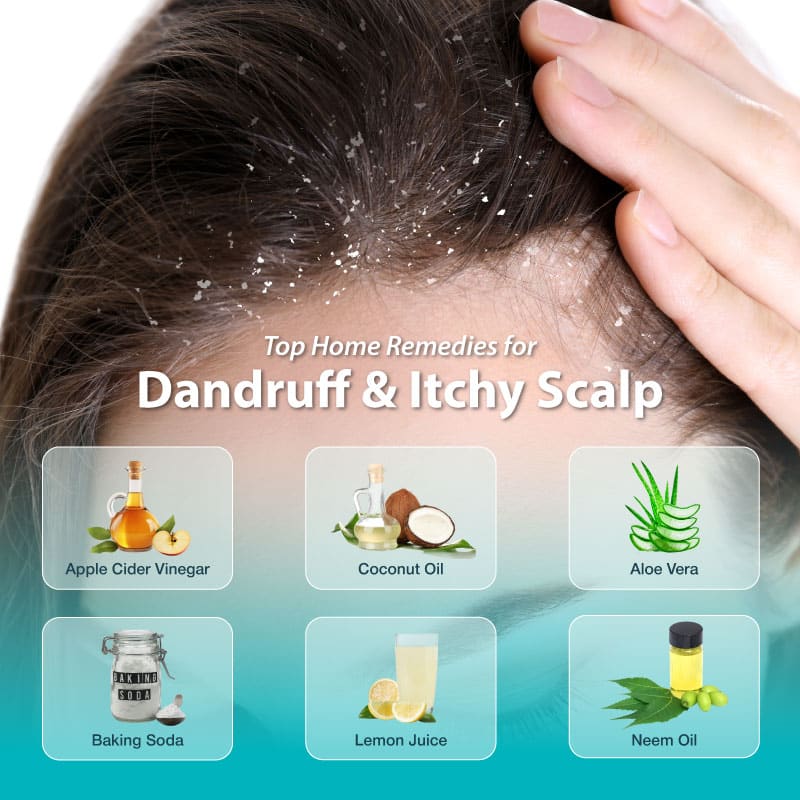
Natural Ingredients for Dandruff Treatment
Natural ingredients can provide effective relief from dandruff. The following are some potent options:
- Tea Tree Oil: Known for its antifungal properties, tea tree oil can reduce the severity of dandruff. Dilute it with a carrier oil before applying directly to the scalp.
- Aloe Vera: This plant has soothing and anti-inflammatory qualities that can alleviate scalp irritation. Apply fresh aloe vera gel to the scalp and leave it on for 30 minutes before rinsing.
- Apple Cider Vinegar: Its acidity can help balance the scalp’s pH and reduce fungal growth. Mix equal parts apple cider vinegar and water, apply to the scalp, and leave it on for 15 minutes before washing out.
DIY Scalp Treatments and Their Effectiveness
Creating DIY scalp treatments at home can be beneficial. Consider the following methods:
1. **Coconut Oil Treatment:**
– Warm a tablespoon of coconut oil.
– Massage into the scalp and leave for at least 30 minutes.
– Rinse with a gentle shampoo. This can moisturize the scalp and reduce flaking.
2. **Baking Soda Exfoliation:**
– Mix a tablespoon of baking soda with water to create a paste.
– Apply to the scalp and gently massage for a few minutes.
– Rinse thoroughly. This can help remove dead skin cells and reduce dandruff.
3. **Oatmeal Mask:**
– Combine ground oatmeal with water to form a paste.
– Apply to the scalp and let sit for 20 minutes before rinsing. Oatmeal soothes irritation and reduces inflammation.
Lifestyle Changes to Support Scalp Health
Implementing lifestyle changes can significantly enhance scalp health. Consider these adjustments:
- Diet: Incorporate foods rich in omega-3 fatty acids, antioxidants, and vitamins A, D, and E to promote healthy skin and scalp.
- Hydration: Drink plenty of water to keep the scalp hydrated and prevent dryness.
- Stress Management: Engage in stress-reduction techniques such as yoga or meditation; chronic stress can exacerbate dandruff issues.
Importance of Consistent Hair Care Routine
A consistent hair care routine is vital for managing dandruff effectively. Regular shampooing with mild, anti-dandruff products can help maintain scalp health. Avoid excessive heat styling and harsh chemical treatments, as these can exacerbate scalp conditions.
Expert Insights
Many assume that dandruff is merely a cosmetic issue, but it can lead to hair loss if left untreated. Severe dandruff may cause inflammation and irritation of hair follicles, potentially leading to telogen effluvium—a condition where hair falls out due to stress on the scalp. Furthermore, some individuals may misuse home remedies, applying them too frequently or in excessive amounts, which can irritate the scalp further. Professional consultation is advisable for persistent issues.
Practical Application
To effectively manage dandruff at home, start by integrating one or more natural remedies into your routine. Establish a hair care regimen that includes regular washing, dietary improvements, and stress management. Monitor your scalp’s condition and adjust treatments as necessary, seeking professional advice for persistent or severe cases.
Understanding Different Types of Dandruff and Their Treatments
This section delves into the various forms of dandruff, highlighting their distinct characteristics and appropriate treatments. Understanding these differences is essential for effectively managing dandruff and preventing potential hair loss.
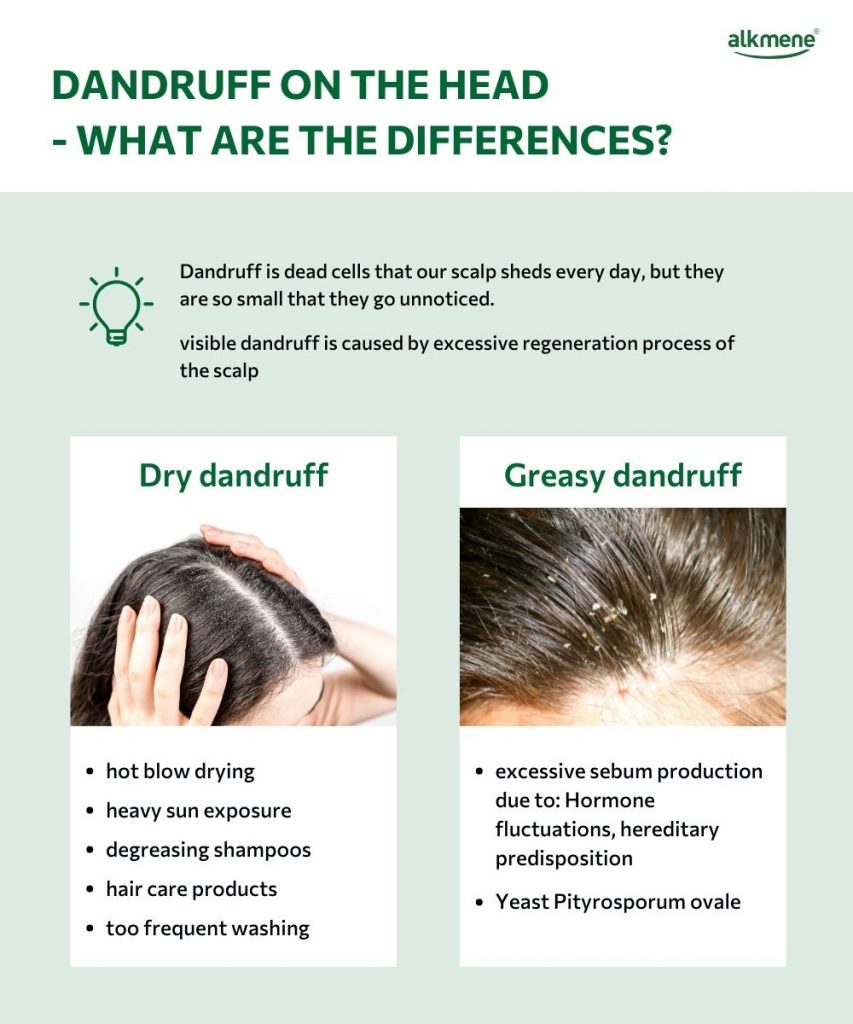
Oily vs. Dry Dandruff Characteristics
Dandruff primarily manifests in two forms: oily and dry. Each type has unique characteristics that can influence treatment options.
- Oily Dandruff: This type presents as greasy flakes that adhere to the scalp and hair. It is often associated with an overproduction of sebum, which can lead to itchiness and irritation.
- Dry Dandruff: Characterized by small, white flakes that easily detach from the scalp, dry dandruff typically results from a dry scalp or environmental factors. It may not cause as much itchiness but can still lead to discomfort and embarrassment.
Medicated Shampoos for Specific Dandruff Types
Choosing the right medicated shampoo is crucial for treating dandruff effectively. Different active ingredients target specific types of dandruff:
- Ketoconazole: An antifungal agent effective against oily dandruff caused by fungal overgrowth.
- Coal Tar: Reduces scalp flakiness and inflammation, beneficial for oily dandruff.
- Zinc Pyrithione: Antifungal and antibacterial properties make it suitable for both oily and dry dandruff.
- Selenium Sulfide: Helps control flaking and is particularly useful for severe cases of oily dandruff.
- Salicylic Acid: Aids in exfoliating the scalp, making it effective for dry dandruff.
When to Switch Treatments Based on Effectiveness
Monitoring treatment effectiveness is vital in managing dandruff. If no improvement is observed after 4 to 6 weeks of consistent use, consider switching to another product. This approach ensures that the selected treatment is addressing the specific type of dandruff effectively.
Consulting a Dermatologist for Persistent Cases
For individuals experiencing persistent or severe dandruff, consulting a dermatologist is advisable. A specialist can diagnose underlying conditions such as seborrheic dermatitis or psoriasis, which may require more targeted interventions. Early intervention can mitigate the risk of associated hair loss, making professional guidance essential.
Common misconceptions include the belief that dandruff is solely a hygiene issue. In reality, it often involves complex factors such as skin type, scalp health, and environmental influences. Many individuals mistakenly assume that using more shampoo will resolve dandruff, but this can exacerbate oily dandruff by stripping natural oils, leading to compensatory sebum production.
To manage dandruff effectively and protect against hair loss, follow these actionable steps:
- Identify whether your dandruff is oily or dry.
- Select a medicated shampoo that targets your specific type.
- Use the shampoo consistently for at least 4 to 6 weeks.
- If no improvement is seen, consult a dermatologist for further evaluation and treatment options.
Preventing Hair Loss: Best Practices for Scalp Care
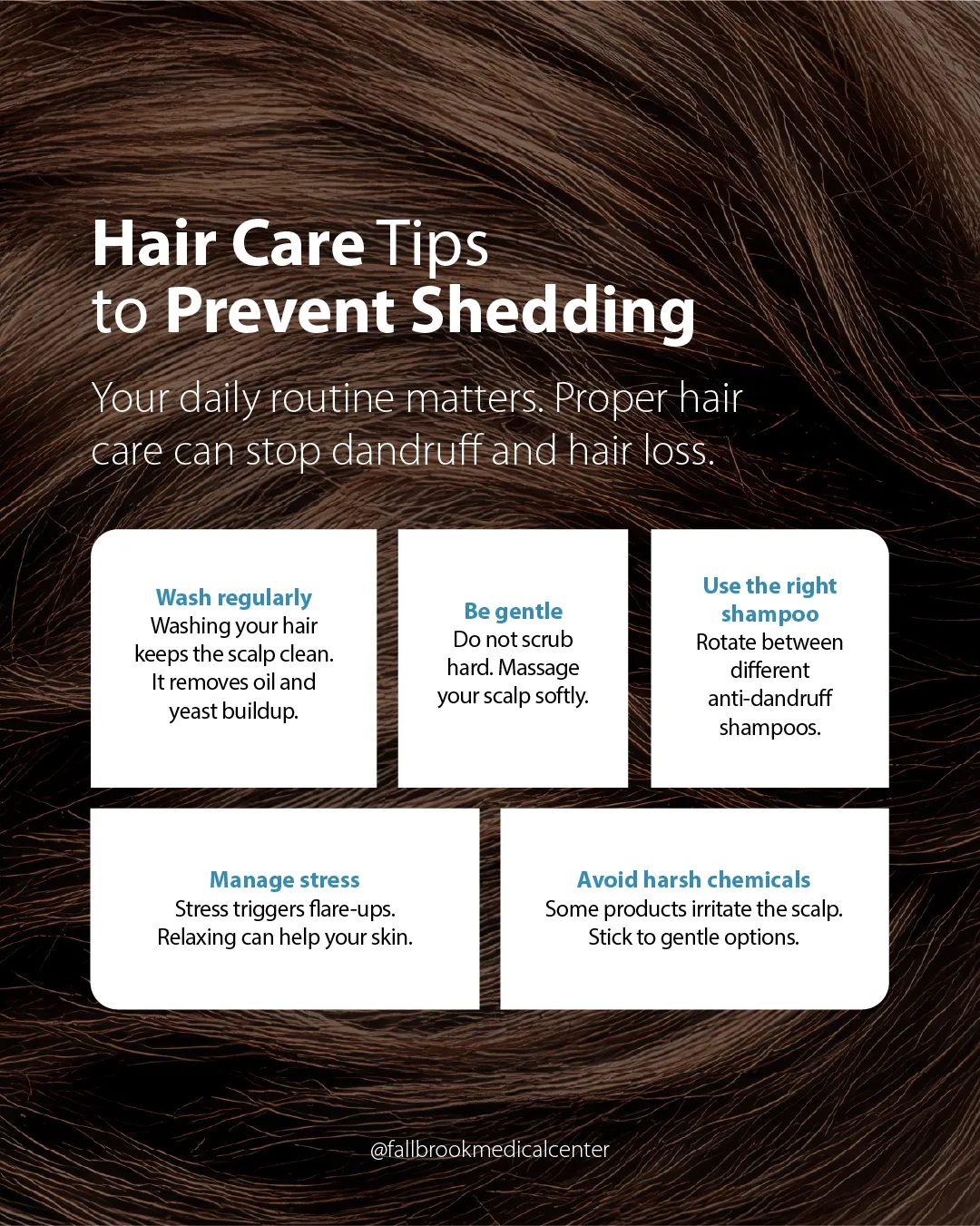
Maintaining optimal scalp health is crucial for preventing hair loss linked to dandruff. This section outlines effective strategies for scalp care that can mitigate the risk of hair thinning and promote overall hair vitality.
Regular Scalp Exfoliation Techniques
Exfoliating the scalp helps remove dead skin cells and excess oil, which can contribute to dandruff. Effective techniques include:
- Physical Exfoliation: Use a gentle scalp scrub or a brush designed for scalp massage to stimulate circulation and slough off flakes.
- Chemical Exfoliation: Incorporate products containing salicylic acid or glycolic acid, which can help dissolve build-up and unclog hair follicles.
- DIY Exfoliation: Create a mixture of sugar and coconut oil for a natural scrub that hydrates while exfoliating.
Importance of Hydration and Nutrition for Scalp Health
Hydration is essential for maintaining scalp moisture and preventing dryness. A well-hydrated scalp can reduce the likelihood of dandruff formation. Consider these approaches:
- Drink Plenty of Water: Aim for at least 8 cups of water daily to support overall skin and scalp hydration.
- Balanced Diet: Incorporate foods rich in omega-3 fatty acids, zinc, and vitamins A, D, and E to nourish hair follicles and improve scalp health.
- Scalp-specific Supplements: Consider biotin or fish oil supplements if dietary sources are insufficient.
Choosing the Right Hair Products to Avoid Irritation
Product selection plays a significant role in scalp health. Opt for products that are gentle, free of harsh chemicals, and suitable for your scalp type. Key recommendations include:
- Shampoos: Select sulfate-free, anti-dandruff shampoos containing ingredients like ketoconazole or zinc pyrithione for effective dandruff control.
- Conditioners: Use hydrating conditioners that do not contain alcohol, which can exacerbate dryness.
- Styling Products: Avoid heavy gels and sprays that can build up on the scalp and trigger irritation.
Monitoring Scalp Condition for Early Intervention
Regularly assessing the scalp can help identify changes that may require attention. Signs to monitor include:
- Increased flaking or scaling on the scalp
- Persistent itchiness or discomfort
- Changes in hair density or hair loss patterns
Consulting a dermatologist at the first sign of significant changes can lead to timely intervention and effective treatment strategies to address dandruff and potential hair loss.
Many assume that dandruff is merely a cosmetic issue, but it can lead to hair loss if left untreated. Misconceptions abound, such as the belief that all dandruff is caused by dry skin; however, it can also be linked to fungal overgrowth or other scalp conditions. Understanding these nuances is essential for effective treatment.
To implement these best practices, establish a regular scalp care routine that includes:
- Exfoliate your scalp weekly to remove dead skin.
- Stay hydrated and consume a nutrient-rich diet.
- Choose gentle hair care products tailored to your scalp needs.
- Monitor your scalp’s health and seek professional advice when necessary.
By following these actionable steps, individuals can significantly improve their scalp health and reduce the risk of hair loss associated with dandruff.
Frequently Asked Questions
Can dandruff cause hair loss?
Dandruff itself does not directly cause hair loss, but severe itching and scratching can lead to hair damage and thinning. It is important to manage dandruff to maintain healthy hair.
What are the best treatments for dandruff?
Effective treatments for dandruff include medicated shampoos containing ingredients like zinc pyrithione, ketoconazole, or salicylic acid. Regular use of these products can help control dandruff symptoms.
How long does it take to treat dandruff?
Most people notice improvement in dandruff symptoms within a few weeks of consistent treatment. However, complete resolution may take several weeks to months, depending on the severity.
Is there a difference between dandruff and dry scalp?
Yes, dandruff is characterized by oily flakes and is often caused by a yeast overgrowth, while dry scalp results in smaller, dry flakes due to lack of moisture. Identifying the cause is crucial for effective treatment.
What are the long-term effects of untreated dandruff?
Untreated dandruff can lead to chronic scalp irritation, increased itching, and potential hair thinning due to constant scratching. It may also affect self-esteem and overall quality of life.
Can stress worsen dandruff and hair loss?
Yes, stress can exacerbate dandruff and contribute to hair loss by triggering inflammation and hormonal changes. Managing stress is essential for overall scalp health.
What foods help reduce dandruff?
Foods rich in omega-3 fatty acids, zinc, and vitamins B and E may help reduce dandruff. Incorporating fish, nuts, seeds, and leafy greens can support scalp health.
When should I see a doctor for dandruff?
A doctor should be consulted if dandruff persists despite treatment, worsens, or is accompanied by severe itching or redness. Persistent symptoms may indicate an underlying condition requiring professional care.
Final Thoughts on can dandruff make you lose your hair
Dandruff itself does not directly cause hair loss, but the underlying conditions that lead to excessive flaking can contribute to thinning hair if left untreated. Effective management of dandruff, particularly through targeted treatments and lifestyle adjustments, can mitigate any associated hair loss, preserving both scalp health and hair density.
To effectively address dandruff, individuals should consult a dermatologist to identify the specific type and root cause of their condition, enabling a tailored treatment plan that may include medicated shampoos or topical therapies.
Understanding the connection between scalp health and hair vitality is crucial, as proactive care can prevent more severe hair loss issues in the future.
Leave a Reply