Category: FAQ
-
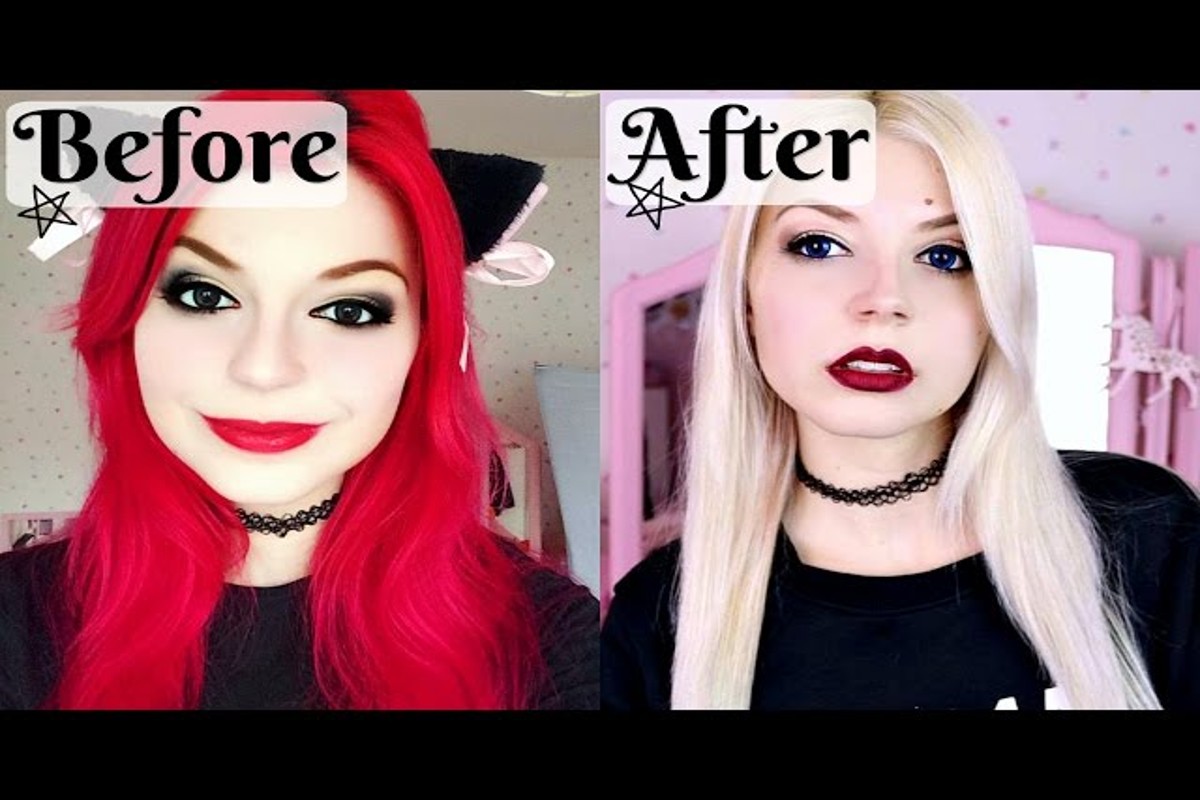
How to Remove Semi Permanent Hair Dye: Effective Methods
To remove semi permanent hair dye, you can use clarifying shampoo, baking soda, or vitamin C treatments. These methods effectively fade the color gradually, allowing for a more natural look or a fresh start. Understanding how to remove semi permanent hair dye is crucial for anyone looking to change their hair color without damaging their…
-
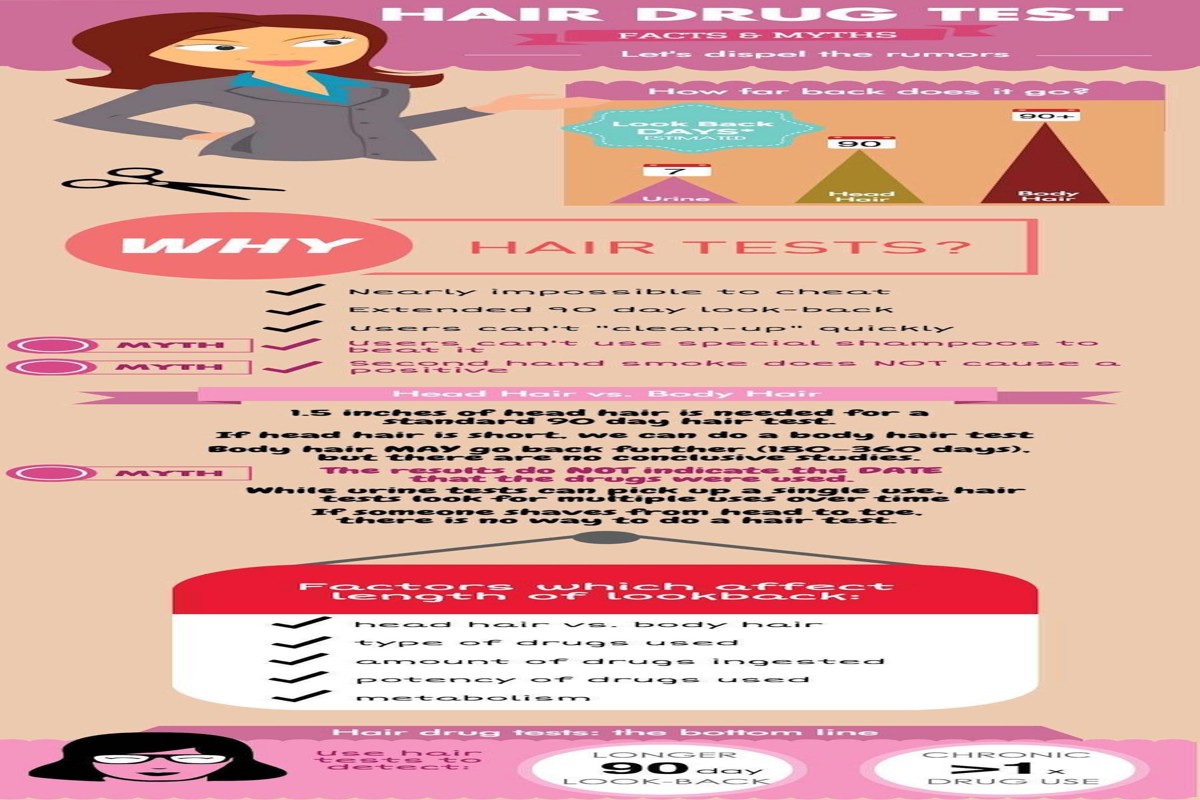
How to Pass Hair Follicle ASAP: Proven Techniques and Tips
To pass a hair follicle test ASAP, consider using detox shampoos, abstaining from drug use, and maintaining a healthy diet. Additionally, staying well-hydrated can aid in the detoxification process. This topic is crucial for individuals facing employment screenings or legal situations where hair follicle tests are utilized. Failing such a test can result in job…
-
How to Get Vaseline Out of Hair: Effective Methods Explained
To get Vaseline out of hair, apply cornstarch or dry shampoo to absorb the grease, then wash with a clarifying shampoo. Follow with a conditioner for best results. Understanding how to get Vaseline out of hair is crucial for anyone who inadvertently uses this petroleum jelly in their beauty routine. Failure to remove it effectively…
-
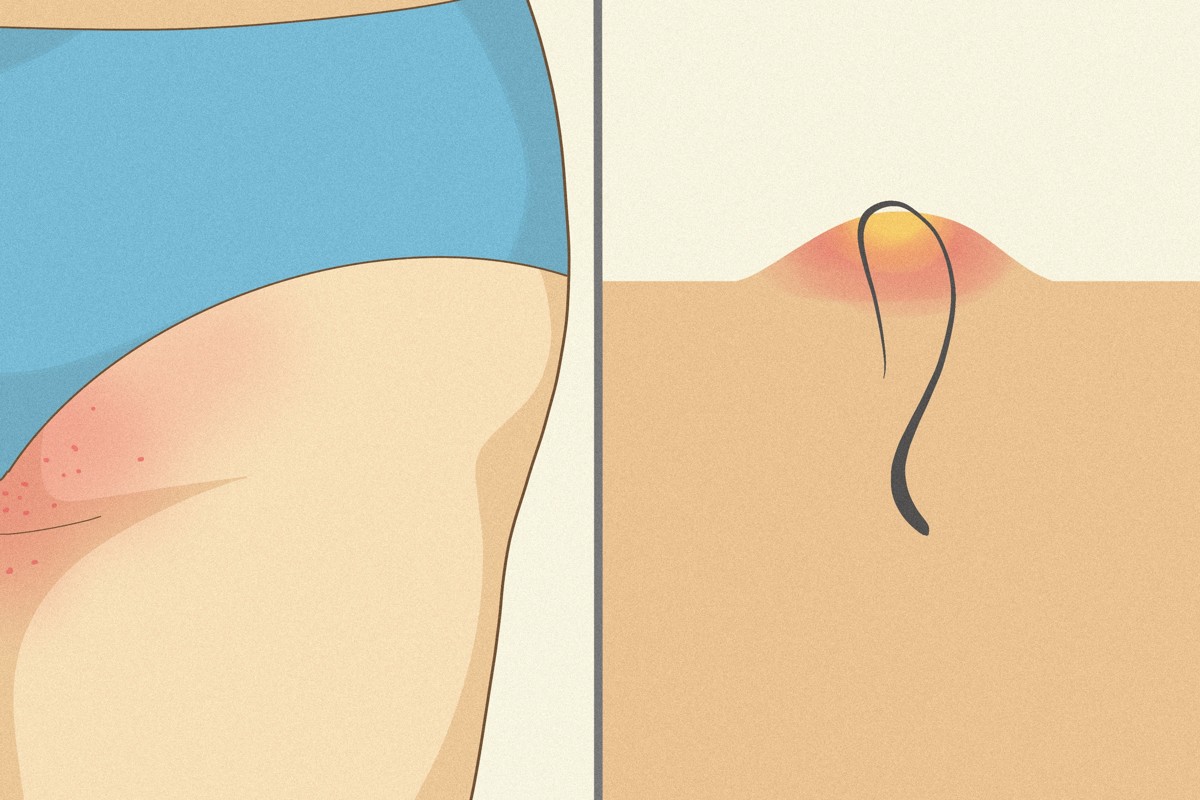
How to Get Rid of Booty Hair: Effective Methods & Tips
To get rid of booty hair, consider methods like shaving, waxing, or using hair removal creams. Each method varies in effectiveness and duration, allowing individuals to choose based on their preferences and skin sensitivity. This topic is important for anyone seeking personal grooming solutions, as improper hair removal can lead to skin irritation, ingrown hairs,…
-
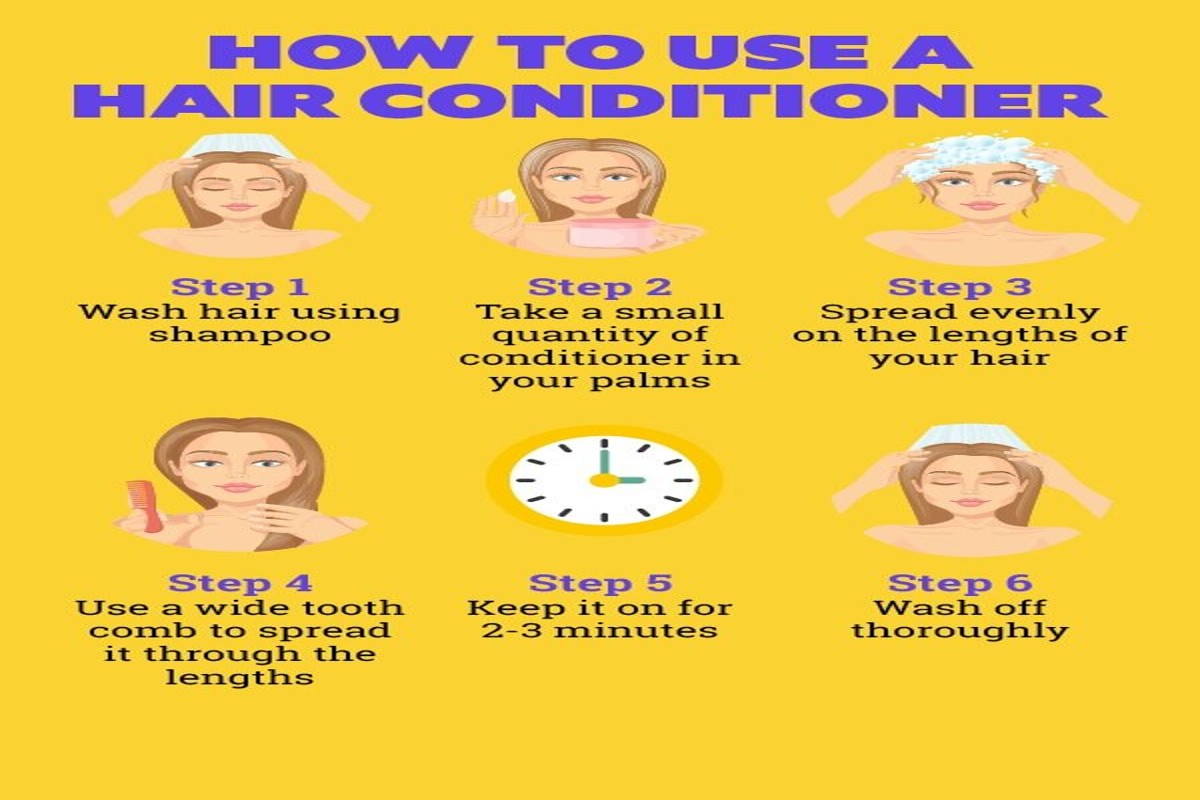
How to Apply Conditioner to Hair: Step-by-Step Guide
To apply conditioner to hair, start with clean, wet hair. Use a quarter-sized amount, focusing on the mid-lengths and ends. Leave it in for a few minutes before rinsing thoroughly. Understanding how to apply conditioner to hair is essential for maintaining healthy locks. Proper application can enhance moisture retention, improve manageability, and prevent damage, while…
-
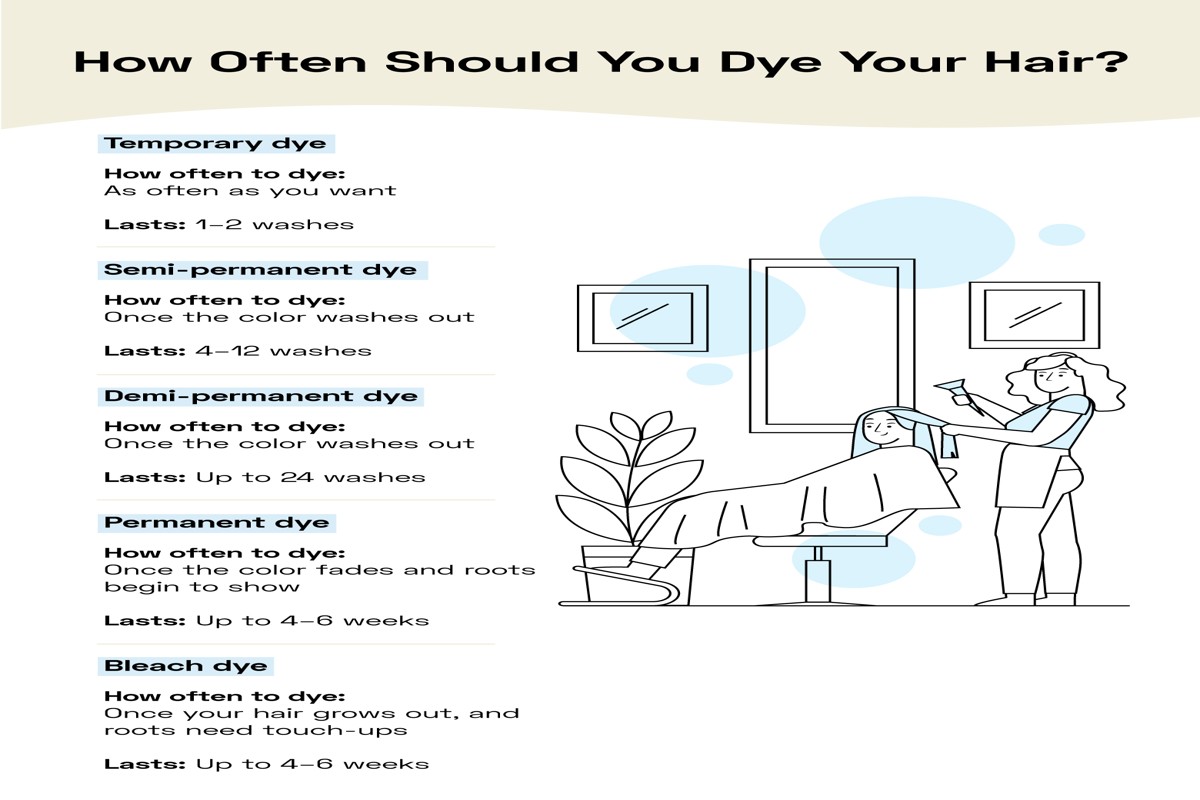
How Often Can You Dye Your Hair? Expert Guide & Tips
How often can you dye your hair? You can typically dye your hair every 4 to 6 weeks, but it’s important to consider hair health and type before dyeing. Understanding how often to dye your hair is crucial for maintaining its health and vibrancy. Overly frequent dyeing can lead to damage, breakage, and an unhealthy…
-
How Long Should You Leave Hair Dye In for Best Results?
How long should you leave hair dye in? Generally, you should leave hair dye in for 30 to 45 minutes, depending on the type of dye and your hair type. Understanding the appropriate duration for leaving hair dye in is crucial for achieving the desired color and maintaining hair health. Incorrect timing can lead to…
-
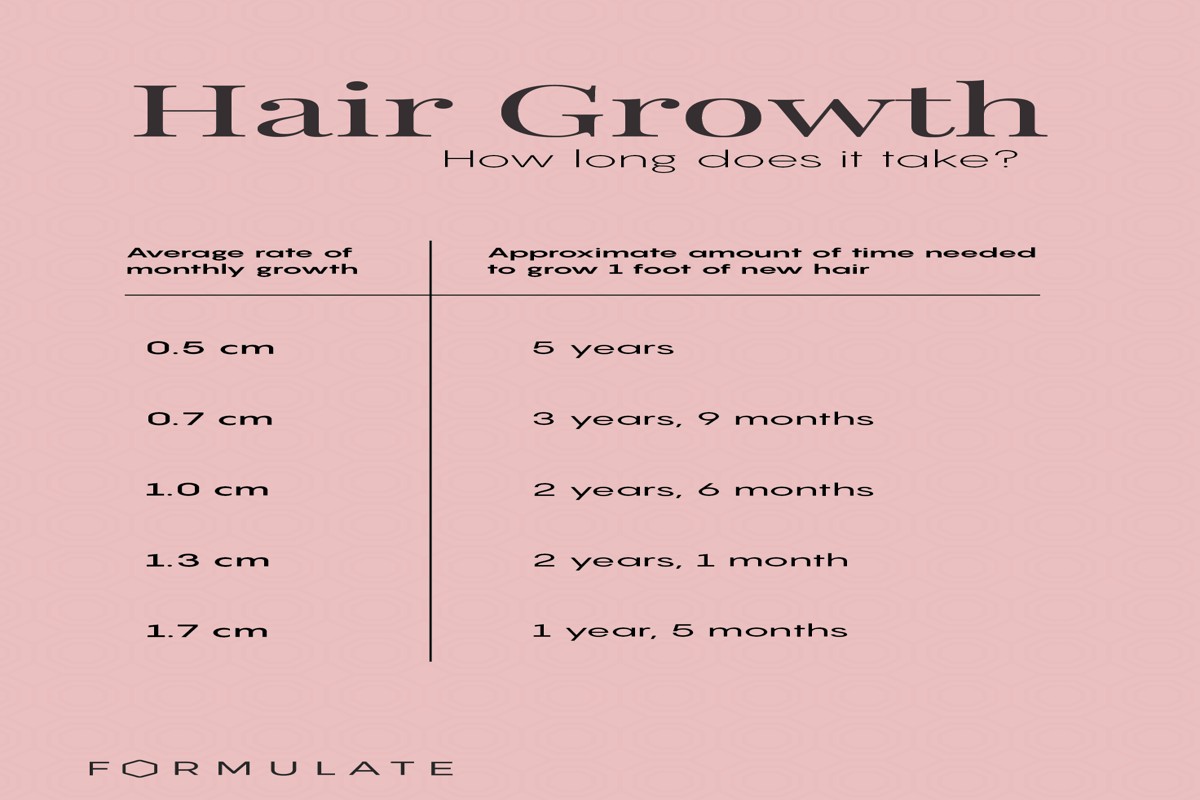
How Long Does It Take to Get Long Hair? A Complete Guide
How long does it take to get long hair? On average, hair grows about half an inch per month, meaning it can take 18 months or more to achieve long hair, depending on your starting length. Understanding the time required to grow long hair is crucial for anyone looking to enhance their hairstyle or achieve…
-
How Long Does It Take to Dye Hair: A Complete Guide
How long does it take to dye hair? The process typically takes between 30 minutes to 2 hours, depending on hair length, color type, and technique used. Understanding the duration of hair dyeing is crucial for anyone considering a color change, whether at home or in a salon. Misjudging this timeline can lead to scheduling…
-
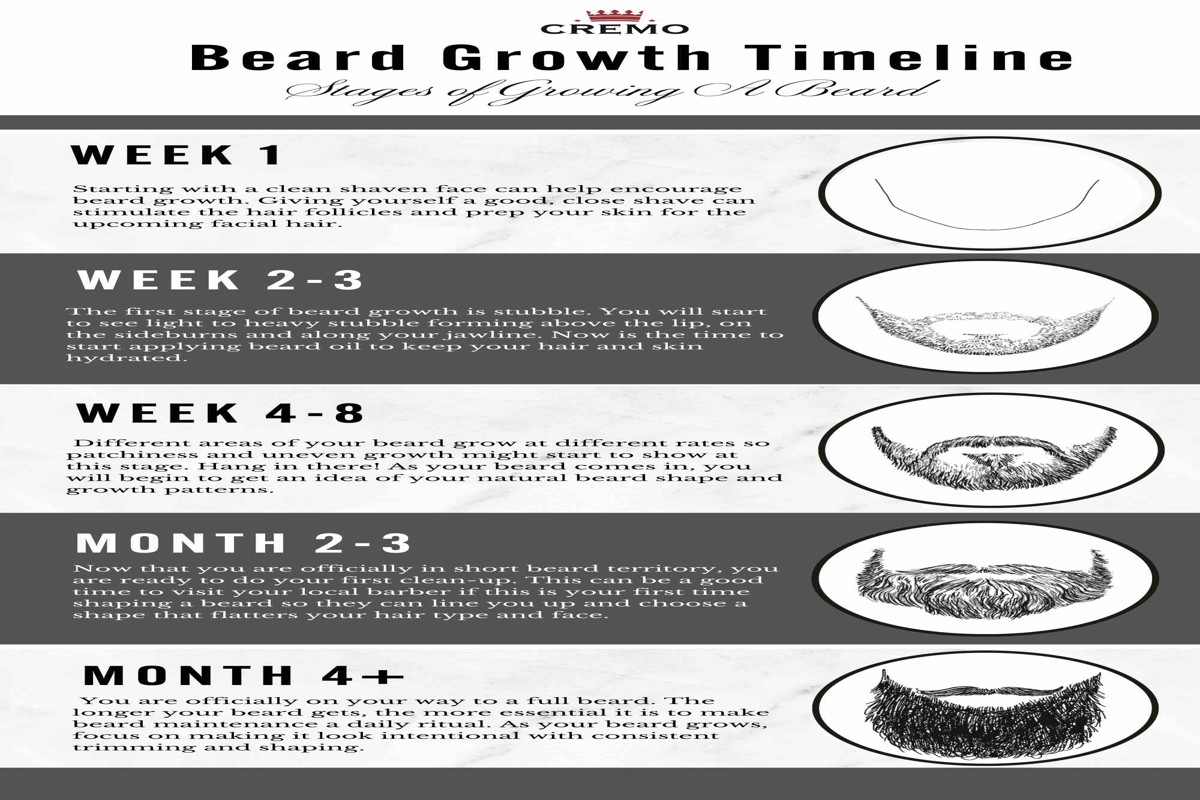
How Fast Does Facial Hair Grow? Understanding Growth Rates
Facial hair grows at an average rate of half an inch per month. However, individual growth rates can vary based on genetics, age, and health. Understanding how fast facial hair grows is essential for grooming, styling, and personal care. Misconceptions about growth rates can lead to unrealistic expectations and ineffective grooming practices. This article examines…