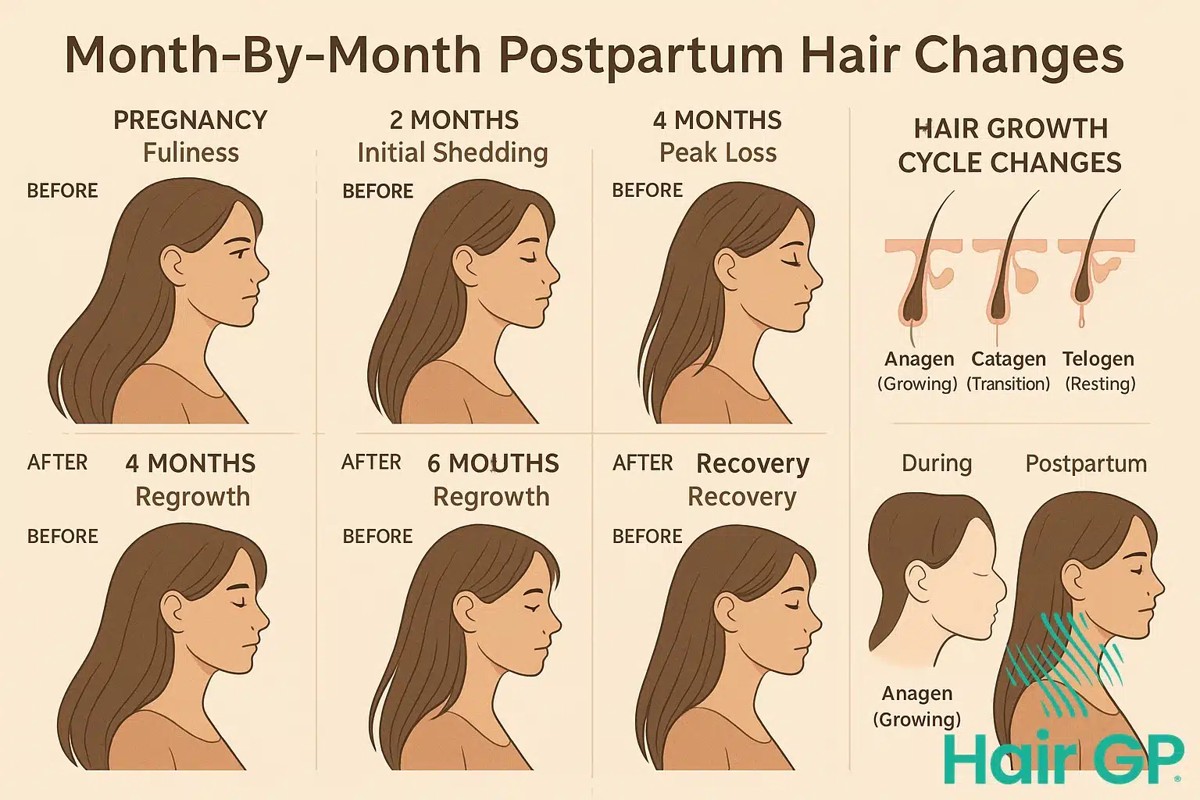
Postpartum hair loss starts about 3 to 6 months after childbirth. This common condition is primarily caused by hormonal changes that occur following delivery, leading to increased shedding of hair.
Understanding when postpartum hair loss starts is crucial for new mothers, as it can impact their emotional well-being and self-esteem. Misconceptions about this natural process may lead to unnecessary anxiety or ineffective coping strategies.
This article provides essential insights into the timeline of postpartum hair loss, the underlying hormonal factors, and effective ways to manage this condition during the postpartum period.
What causes postpartum hair loss?
Postpartum hair loss is primarily caused by hormonal fluctuations that occur after childbirth. During pregnancy, elevated levels of estrogen prolong the growth phase of hair, leading to thicker hair. After delivery, estrogen levels drop sharply, which can trigger increased hair shedding.
The primary hormonal change is the decrease in estrogen and progesterone, which results in a higher proportion of hair follicles entering the telogen phase, or the resting phase, of the hair growth cycle. Alongside hormonal shifts, other factors can contribute to postpartum hair loss:
- Stress: The physical and emotional stress of childbirth can exacerbate hair loss.
- Nutritional deficiencies: Changes in diet or insufficient nutrient intake during and after pregnancy can impact hair health.
- Medical conditions: Conditions such as thyroid disorders or anemia can also lead to increased hair shedding.
Typically, postpartum hair loss begins around three months after childbirth and can last for up to six months. However, the severity and duration can vary significantly among individuals. Some women may experience only mild thinning, while others may notice more substantial hair loss. It is essential to differentiate between normal postpartum shedding and other potential causes of hair loss, such as alopecia areata or other underlying health issues.
Expert Tip: Maintaining a balanced diet rich in vitamins and minerals, particularly iron, biotin, and folic acid, can help support hair health during the postpartum period. Consulting with a healthcare provider can also provide tailored advice for managing hair loss based on individual circumstances.
How long does postpartum hair loss last?
Postpartum hair loss typically lasts between 3 to 6 months after giving birth. Most women experience a noticeable shedding phase around 3 to 4 months postpartum, which can gradually resolve as hormone levels stabilize. By around the 6-month mark, many women see significant improvement in hair density.
The duration of postpartum hair loss can vary among individuals due to several factors, including hormonal changes, genetics, and overall health. After childbirth, elevated levels of estrogen that promote hair growth drop significantly, leading to increased hair shedding. Stress levels, nutritional status, and any underlying medical conditions can also impact recovery time.
For some women, particularly those with a family history of hair thinning or other hair-related issues, postpartum hair loss may extend beyond the typical range. In such cases, it can take up to a year for hair to return to its pre-pregnancy state. Women who experience severe hair loss or notice bald patches should consult a healthcare provider to rule out other potential health concerns.
Expert Tip: Maintaining a balanced diet rich in vitamins and minerals, especially biotin and iron, can support hair recovery. Additionally, gentle hair care practices, such as avoiding tight hairstyles and minimizing heat styling, can help reduce further damage during this sensitive period.
Are there any treatments for postpartum hair loss?
Yes, there are various treatments for postpartum hair loss that can help manage and potentially reduce the effects. These treatments range from topical solutions to lifestyle changes and dietary adjustments. While hair loss is often temporary, addressing it early can improve outcomes.
- Topical Minoxidil: This over-the-counter topical solution promotes hair growth and is commonly used for androgenetic alopecia. Applying it as directed may help stimulate hair follicles during the postpartum period.
- Biotin Supplements: Biotin, a B vitamin, is essential for hair health. Incorporating biotin supplements into the diet may strengthen hair and reduce shedding. Consult a healthcare provider for appropriate dosage recommendations.
- Balanced Nutrition: A nutrient-rich diet supports overall health and hair regrowth. Focus on foods high in vitamins A, C, D, E, zinc, and omega-3 fatty acids. Prioritize whole grains, lean proteins, fruits, and vegetables.
- Gentle Hair Care: Minimize stress on hair by using a wide-tooth comb and avoiding tight hairstyles or excessive heat styling. Gentle washing and conditioning can help reduce breakage and promote healthier hair.
- Stress Management: High stress levels can exacerbate hair loss. Implement relaxation techniques such as yoga, meditation, or deep breathing exercises to help manage stress effectively.
Consulting with a healthcare professional is advisable to determine the best treatment plan based on individual circumstances. Every woman’s experience with postpartum hair loss varies, so a tailored approach is essential.
Expert Tip: Consider periodic scalp massages to improve blood circulation to hair follicles. This simple practice, combined with a nutrient-rich diet, can enhance the effectiveness of other treatments.
How does postpartum hair loss compare to regular hair loss?
Postpartum hair loss, often referred to as telogen effluvium, is a temporary condition that typically occurs after childbirth. In contrast, regular hair loss can result from various factors, including genetics, hormonal changes, stress, and medical conditions. While both types can lead to noticeable thinning, their causes, duration, and underlying mechanisms differ significantly.
Postpartum hair loss generally begins around three to six months after delivery, coinciding with the end of the pregnancy-related hormonal surge. This condition is characterized by excessive shedding of hair that was previously in the growth phase during pregnancy. Regular hair loss, on the other hand, can be chronic and may persist without a defined timeline, often influenced by hereditary patterns or ongoing health issues. Unlike postpartum hair loss, regular hair loss may not see a complete recovery without addressing the underlying causes.
- Duration: Postpartum hair loss usually resolves within six to twelve months, while regular hair loss can be long-term or permanent.
- Causes: Postpartum hair loss is primarily hormonal, triggered by changes in estrogen levels after childbirth. Regular hair loss can stem from a variety of sources, including genetics, medical conditions, and lifestyle factors.
- Growth Cycle: In postpartum hair loss, hair follicles prematurely enter the shedding phase, while regular hair loss involves a gradual thinning process affecting the hair growth cycle over time.
Restoring hair after postpartum shedding mostly requires patience, as the body recalibrates hormonal levels. Regular hair loss may necessitate more proactive measures, including medical interventions or lifestyle changes, to halt progression.
Monitoring overall health and nutrition can significantly impact hair restoration for both conditions. Consulting a healthcare provider for persistent hair loss, regardless of the type, is advisable for tailored treatment options.
Can postpartum hair loss be prevented?
Postpartum hair loss can be minimized, although it may not be entirely preventable for everyone. The hormonal changes following childbirth are a primary cause, but certain practices can help reduce its severity. Implementing these strategies can support hair health during this transitional period.
Nutrition plays a critical role in maintaining healthy hair. A balanced diet rich in vitamins and minerals, particularly those known to promote hair health, can be beneficial. Focus on incorporating foods high in iron, zinc, and vitamins A, C, D, and E. These nutrients help strengthen hair follicles and promote growth.
- Manage Stress: High stress levels can exacerbate hair loss. Engage in relaxation techniques such as yoga, meditation, or regular physical activity to help manage stress effectively.
- Gentle Hair Care: Use a wide-toothed comb to minimize breakage and avoid tight hairstyles that pull on the scalp. Opt for sulfate-free shampoos and conditioners to maintain moisture and reduce damage.
- Consider Supplements: Consult a healthcare provider about taking supplements specifically designed for postpartum women, including biotin and omega-3 fatty acids, which may support hair health.
- Stay Hydrated: Adequate hydration is essential for overall health, including hair health. Aim to drink plenty of water throughout the day to support bodily functions and maintain healthy hair.
Monitoring hair health can also be beneficial. If significant hair loss persists beyond six months postpartum, consulting a healthcare professional may provide insights into underlying issues or alternative treatments.
Incorporating these practices can create a supportive environment for hair recovery. Tailoring approaches to individual needs is crucial for optimal outcomes in postpartum hair management.
What are the signs of postpartum hair loss?
Signs of postpartum hair loss typically include increased shedding of hair, noticeable thinning in certain areas, and changes in hair texture. This condition often starts around three to six months after childbirth and can last several months.
One clear example of postpartum hair loss is when a new mother notices clumps of hair on her pillow or in the shower drain. Initially, this may seem alarming, especially if the hair loss becomes more pronounced over time. In some cases, women may observe that their ponytail feels thinner or that their part appears wider than it did before pregnancy. These changes can be distressing, leading to heightened concern about overall hair health.
Additionally, postpartum hair loss can vary in severity among individuals. While some women may experience only mild shedding, others might face significant thinning. Factors such as hormonal fluctuations, stress, and overall health can influence the extent of hair loss. Furthermore, certain hairstyles, like tight ponytails or braids, may exacerbate the condition by putting additional stress on hair follicles.
Maintaining a healthy diet rich in vitamins and minerals, particularly biotin and iron, can support hair health during this transitional phase. Regularly consulting with a healthcare professional can also provide tailored advice and reassurance.
Expert Tip: Monitoring hair loss patterns can be beneficial; if excessive shedding continues beyond a year, it may warrant further investigation for underlying health issues such as thyroid dysfunction or nutritional deficiencies.
Is postpartum hair loss permanent?
Postpartum hair loss is typically not permanent; it is a temporary condition that many women experience after childbirth. Most women notice a significant increase in hair shedding around three to six months postpartum, with hair generally returning to its normal growth cycle within six to twelve months. However, individual experiences may vary based on several factors.
The phenomenon known as telogen effluvium causes the hair loss seen after pregnancy. During pregnancy, elevated hormone levels promote hair retention, leading to thicker hair. After childbirth, hormone levels drop, resulting in a sudden shedding phase. While this condition is usually reversible, some women may experience prolonged hair thinning if other underlying issues, such as hormonal imbalances or nutritional deficiencies, arise.
- Individual Variation: Each woman’s body responds differently to hormonal changes, which can influence the severity and duration of hair loss.
- Nutritional Factors: A lack of essential nutrients, such as iron or biotin, can exacerbate hair loss and delay recovery.
- Medical Conditions: Conditions like thyroid disorders or polycystic ovary syndrome (PCOS) may contribute to ongoing hair loss and require medical intervention.
Most women can expect their hair to return to its pre-pregnancy state over time. However, if hair loss persists beyond a year or worsens, consultation with a healthcare provider is advisable to rule out other medical concerns.
Expert Tip: Maintaining a balanced diet rich in vitamins and minerals can support hair health during the postpartum recovery phase. Consider incorporating foods high in omega-3 fatty acids and antioxidants to promote hair growth and overall well-being.
What can I do to support hair growth after postpartum hair loss?
Supporting hair growth after postpartum hair loss involves a combination of proper nutrition, hair care practices, and sometimes medical intervention. While hair loss is a common experience during the postpartum period, following specific steps can enhance regrowth and improve hair health.
1. Maintain a balanced diet. Consuming a diet rich in vitamins and minerals, particularly those that promote hair health such as biotin, zinc, and vitamins A, C, D, and E, can significantly support hair regrowth. Incorporate foods like leafy greens, nuts, fish, and eggs into daily meals to provide the necessary nutrients.
2. Consider supplements. If dietary changes are insufficient, consider taking supplements specifically designed for postpartum hair health. Speak with a healthcare provider to identify appropriate options, such as prenatal vitamins or hair growth supplements containing essential nutrients.
3. Implement gentle hair care practices. Avoid harsh treatments like chemical dyes or excessive heat styling, which can exacerbate hair loss. Instead, use mild shampoos, limit washing frequency, and opt for protective hairstyles to minimize stress on the hair shafts.
4. Manage stress levels. High stress can contribute to hair loss. Practicing relaxation techniques such as yoga, meditation, or deep-breathing exercises can help reduce stress and promote overall well-being, positively impacting hair growth.
5. Consult a healthcare professional. If hair loss persists beyond the typical postpartum period or worsens, seek advice from a dermatologist or healthcare provider. They may recommend treatments such as topical minoxidil or other therapies tailored to individual needs.
For optimal results, consistency is key. Adopting these practices can create a supportive environment for hair regrowth during the postpartum phase.
Expert Tip: Focus on hydration as well; drinking adequate water supports overall health and can improve nutrient delivery to hair follicles, enhancing regrowth potential.
Understanding Hormonal Changes and Their Impact
This section explores the hormonal fluctuations experienced during and after pregnancy and their direct influence on hair loss. Recognizing these changes is vital for new mothers seeking to understand and manage postpartum hair loss effectively.
Overview of Hormonal Fluctuations
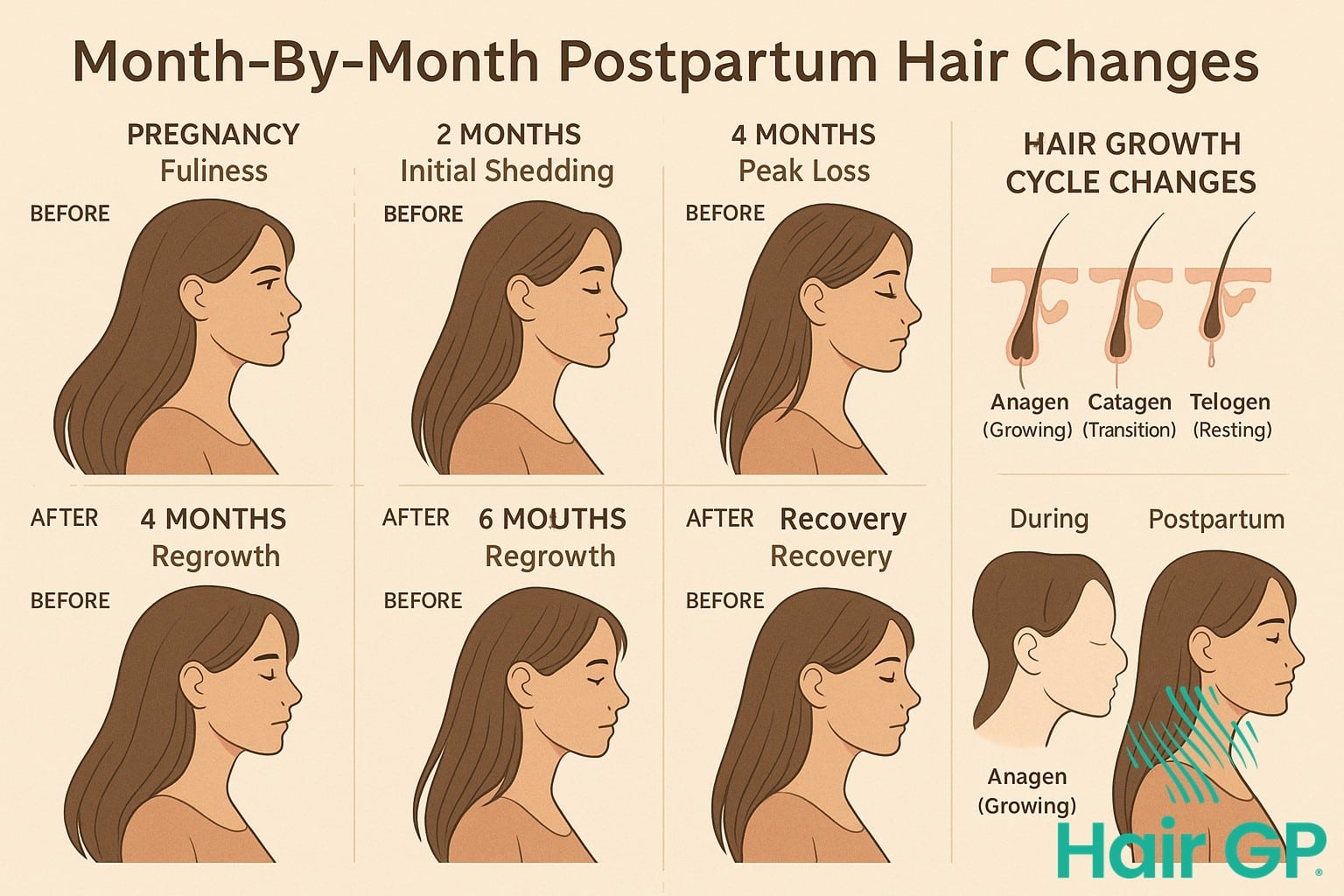
During pregnancy, significant hormonal changes occur, primarily involving increases in estrogen and progesterone. These hormones play essential roles in maintaining pregnancy and promoting hair growth. The elevated levels of estrogen lead to a longer hair growth phase, known as the anagen phase, resulting in thicker, more abundant hair. However, after childbirth, hormone levels drop dramatically, triggering a shift in hair growth cycles.
Role of Estrogen and Progesterone in Hair Growth
Estrogen and progesterone contribute to the hair growth cycle in the following ways:
- Estrogen: Prolongs the anagen phase, reducing hair shedding and promoting growth.
- Progesterone: Supports overall hair health and may influence follicle activity.
- Postpartum Decline: A rapid decrease in these hormones after childbirth can lead to increased hair loss, as hair follicles transition to the telogen phase, where shedding occurs.
Impact of Stress and Sleep Deprivation
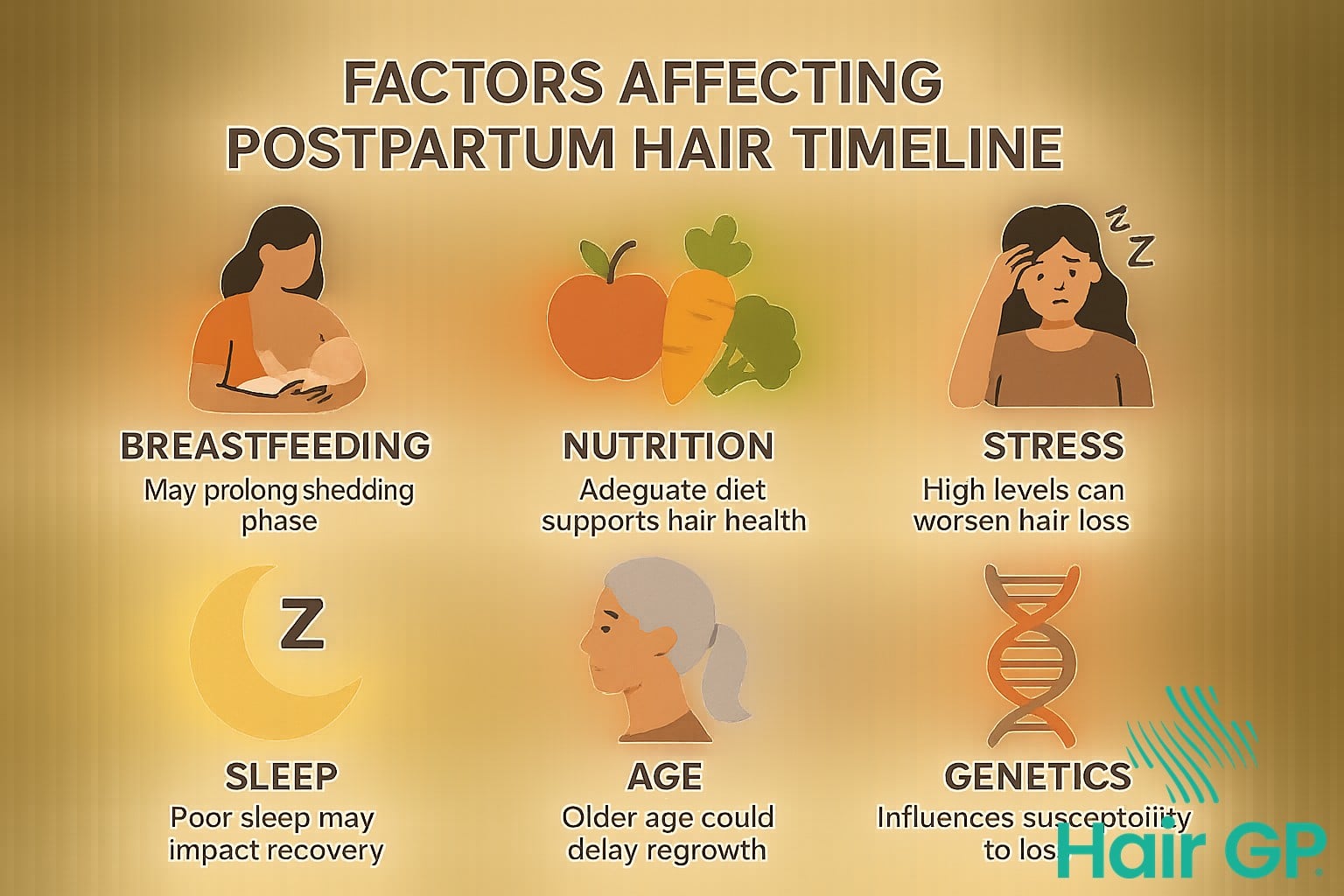
Postpartum life often involves heightened stress levels and sleep deprivation, both of which can exacerbate hair loss. Stress triggers the release of cortisol, a hormone that can disrupt hair growth cycles and contribute to hair thinning. Additionally, inadequate sleep impairs the body’s ability to regulate hormones effectively, further complicating the postpartum recovery process.
Individual Variations in Hair Loss Onset and Severity
The onset and severity of postpartum hair loss can vary significantly among individuals. Factors influencing these differences include:
- Genetic Predisposition: Family history of hair loss may play a role in individual experiences.
- Overall Health: Pre-existing medical conditions or nutritional deficiencies can affect hair health.
- Age: Older mothers may experience more pronounced hair loss due to hormonal changes associated with aging.
Common misconceptions suggest that all new mothers will experience severe hair loss. In reality, the extent of postpartum hair loss is influenced by a combination of hormonal changes, individual health factors, and lifestyle conditions. Some women may notice only mild thinning, while others may face more significant challenges.
Expert Insights
A frequent oversight in discussions about postpartum hair loss is the timing of its onset. While many expect hair loss to begin immediately after childbirth, it often starts around three months postpartum, coinciding with hormonal adjustments. This delay can lead to confusion and anxiety among new mothers. Additionally, not all women will experience hair loss; some may retain their thicker hair due to favorable individual factors.
Practical Application
To manage postpartum hair loss effectively:
- Maintain a balanced diet rich in vitamins and minerals, particularly those that support hair health, such as biotin, zinc, and iron.
- Practice stress-reducing techniques, such as mindfulness or yoga, to help mitigate cortisol levels.
- Prioritize sleep whenever possible to allow the body to recover and regulate hormones.
Understanding these hormonal changes and their impacts equips mothers with the knowledge to address and potentially mitigate postpartum hair loss.
Nutritional Support for Healthy Hair Postpartum
Nutrition plays a pivotal role in promoting hair health after childbirth. Adequate intake of specific vitamins and minerals can significantly mitigate postpartum hair loss and support overall well-being for new mothers.
Essential Vitamins and Minerals for Hair Growth
Several vitamins and minerals are crucial for hair growth and health, particularly during the postpartum period:
- Biotin: This B-vitamin enhances hair growth and strength, and deficiency can lead to increased hair shedding.
- Vitamin D: Low levels of vitamin D have been linked to hair loss, making supplementation or sun exposure important.
- Iron: Essential for oxygen transport in the body, iron deficiency can lead to hair thinning. New mothers, especially those who experienced significant blood loss during childbirth, should monitor their iron levels.
- Zinc: This mineral supports hair tissue growth and repair. A deficiency can contribute to hair loss.
- Omega-3 Fatty Acids: Found in fish and flaxseeds, these acids nourish hair follicles and promote growth.
Dietary Recommendations for New Mothers
A balanced diet rich in whole foods supports both hair health and overall recovery postpartum. Key dietary components include:
- Lean Proteins: Chicken, fish, beans, and legumes provide the amino acids necessary for hair structure.
- Fruits and Vegetables: These are high in antioxidants, which help combat oxidative stress that can affect hair health.
- Whole Grains: Foods like brown rice and oats provide essential nutrients and energy, supporting recovery and hair health.
- Dairy Products: Rich in calcium and protein, dairy can help maintain hair strength.
The Role of Hydration
Hydration is vital for maintaining hair health. Dehydration can lead to dry, brittle hair and exacerbate hair loss. New mothers should aim to drink at least 8-10 cups of water daily, adjusting for breastfeeding and physical activity levels. Herbal teas and hydrating foods, such as fruits and vegetables, can also contribute to overall fluid intake.
Breastfeeding and Nutritional Needs
Breastfeeding significantly impacts a mother’s nutritional requirements. Lactation demands additional calories and nutrients. New mothers should consume an extra 300-500 calories daily, focusing on nutrient-dense foods to ensure both their health and that of their infant. This includes increased intake of:
- Calcium: Essential for bone health, found in dairy and fortified alternatives.
- Vitamin B12: Important for energy and neurological function, primarily found in animal products.
- Folic Acid: Supports cell division and is critical during breastfeeding; sources include leafy greens and fortified cereals.
Understanding Nutritional Nuances
Common misconceptions often arise regarding postpartum nutrition. For instance, many believe that hair loss is solely due to hormonal changes. While hormones do play a role, nutritional deficiencies can exacerbate hair loss. Additionally, some women may not realize that certain diets, particularly restrictive ones, can lead to deficiencies that affect hair health. Individual nutritional needs can vary significantly based on factors like pre-pregnancy health, delivery method, and overall lifestyle.
Practical Steps for Nutritional Support
To promote healthy hair postpartum, consider the following actionable steps:
- Incorporate a variety of nutrient-rich foods into daily meals, focusing on proteins, fruits, and vegetables.
- Stay hydrated by drinking sufficient water and including hydrating foods in your diet.
- Consult with a healthcare provider to assess specific nutritional needs and consider supplements if necessary.
- Monitor iron levels, especially if experiencing excessive hair shedding.
By prioritizing nutrition, new mothers can support their hair health effectively during the postpartum period and help mitigate the onset of postpartum hair loss.
Psychological Effects of Postpartum Hair Loss
This section explores the emotional and psychological ramifications of experiencing hair loss after childbirth. Understanding these effects is essential for new mothers as they navigate the challenges of postpartum changes.
Emotional Responses to Changes in Appearance
Postpartum hair loss often leads to a significant emotional response. Many new mothers associate their hair with femininity and self-image, making hair loss feel like a loss of identity. This can trigger feelings of inadequacy, anxiety, and low self-esteem. The transition into motherhood can already be overwhelming, and the added stress of physical changes can exacerbate mental health struggles.
Coping Strategies for Body Image Issues
Developing effective coping strategies can help mitigate the psychological impact of postpartum hair loss. Consider the following approaches:
- Acceptance: Recognizing that postpartum hair loss is a temporary condition can ease emotional distress.
- Positive Affirmations: Practicing affirmations can help reinforce self-worth beyond physical appearance.
- Styling Alternatives: Experimenting with new hairstyles, wigs, or accessories can provide a confidence boost.
Support Systems and Resources for New Mothers
Connecting with support systems can significantly alleviate feelings of isolation. New mothers can benefit from:
- Support Groups: Joining local or online groups allows mothers to share experiences and coping strategies.
- Professional Counseling: Seeking therapy can provide a safe space to discuss feelings related to body image and identity shifts.
- Family and Friends: Engaging with loved ones can provide emotional support and reassurance.
Importance of Self-Care and Mental Health
Prioritizing self-care is vital during this transition. Simple practices such as regular exercise, adequate sleep, and mindfulness can enhance mental well-being. Incorporating self-care routines helps new mothers regain a sense of control, which can be empowering in the face of postpartum changes.
Beyond these strategies, it is essential to recognize that not all women experience postpartum hair loss in the same way. Some may have minimal shedding, while others may face significant hair thinning. Misconceptions often arise regarding the permanence of this condition. While hair loss can be distressing, it typically resolves within six to twelve months postpartum. Awareness of this variability can help mothers set realistic expectations and reduce anxiety related to their appearance.
To effectively address the psychological effects of postpartum hair loss, new mothers should:
- Engage with support networks for shared experiences and advice.
- Practice self-acceptance and focus on positive self-talk.
- Explore new styles that enhance their confidence.
- Consider professional help if feelings of distress persist.
By implementing these strategies and utilizing available resources, new mothers can foster resilience and navigate the emotional landscape of postpartum hair loss more effectively.
Real-Life Experiences: Stories from New Mothers
This section captures the authentic experiences of mothers who have faced postpartum hair loss, providing valuable insights and practical advice for those navigating this common challenge.

Personal Stories of Coping with Postpartum Hair Loss
Many mothers report a profound emotional impact due to postpartum hair loss. For instance, Sarah, a mother of two, shared her struggle with self-image during the hair shedding phase. After her first child, she noticed significant thinning around her hairline. “I was unprepared for how much hair I would lose and how it would affect my confidence,” she recounted. Another mother, Jessica, found humor in the situation, saying, “I started calling my hairbrush my ‘hair collector’ because it felt like I was losing more than I had!”
Advice on Managing Expectations and Emotions
Many mothers emphasize the importance of managing expectations during this transition. Emily, who experienced hair loss after her third child, advised, “Accept that your body is going through changes. It’s a temporary phase, and you’re not alone.” Another mother, Lily, suggested keeping a journal to document feelings and experiences. This practice can help in processing emotions and recognizing patterns in hair loss.
Finding Support from Community and Healthcare Providers
Support systems play a crucial role. Mothers recommend connecting with local parenting groups or online forums. Resources like these can provide a sense of community. “Sharing stories with other moms made me feel less isolated,” explained Anna, who turned to social media for support. Additionally, consulting with healthcare providers can offer reassurance and strategies for addressing hair loss, such as dietary adjustments and stress management techniques.
Lessons Learned and Embracing the Postpartum Journey
Many mothers express that postpartum hair loss taught them resilience and acceptance. “I learned to embrace the changes rather than fight against them,” shared Mia. This perspective shift can foster a healthier relationship with one’s body. Mothers also found that maintaining a balanced diet rich in vitamins, such as biotin and omega-3 fatty acids, contributed positively to their hair health.
Some common misconceptions about postpartum hair loss include the belief that it is solely due to hormonal changes. While hormones do play a significant role, factors such as stress, nutrition, and overall health are also crucial. Experts highlight that hair loss can start as early as three months postpartum and may last for several months, but the timeline can vary significantly among individuals.
To address postpartum hair loss effectively, mothers can take actionable steps:
- Consult a healthcare provider for personalized advice.
- Join support groups to share experiences and gain insights.
- Maintain a balanced diet to promote hair health.
- Practice stress-reducing activities like yoga or meditation.
- Document your journey through journaling to track emotional changes.
These strategies can empower new mothers to navigate postpartum hair loss with greater confidence and support, fostering a more positive postpartum experience.
Frequently Asked Questions
What causes postpartum hair loss?
Postpartum hair loss is primarily caused by hormonal changes following childbirth. The drop in estrogen levels can lead to an increased shedding of hair that was previously retained during pregnancy.
How long does postpartum hair loss last?
Postpartum hair loss typically begins around three months after delivery and can last for up to six months. Most women notice a significant reduction in shedding by the end of the first year postpartum.
Are there any treatments for postpartum hair loss?
While postpartum hair loss often resolves on its own, treatments such as topical minoxidil or supplements may be recommended to support hair regrowth. Consulting a healthcare provider is advisable to explore effective options.
How does postpartum hair loss compare to regular hair loss?
Postpartum hair loss is usually temporary and linked to hormonal fluctuations, whereas regular hair loss can be chronic and influenced by genetics or medical conditions. The shedding during the postpartum period is often more pronounced but typically resolves over time.
Can postpartum hair loss be prevented?
While it may not be entirely preventable, maintaining a balanced diet and managing stress can help minimize the severity of postpartum hair loss. Adequate prenatal care and postnatal nutrition also play a role in hair health.
What are the signs of postpartum hair loss?
Signs of postpartum hair loss include noticeable thinning of hair, increased hair shedding in the shower or on pillows, and wider parts in hairstyles. These symptoms typically become evident a few months after childbirth.
Is postpartum hair loss permanent?
No, postpartum hair loss is not permanent for most women. Hair usually regrows within six to twelve months after the initial shedding period.
What can I do to support hair growth after postpartum hair loss?
To support hair growth, consider a nutritious diet rich in vitamins and minerals, manage stress levels, and avoid harsh hair treatments. Gentle hair care practices and possibly supplements can also promote healthier hair regrowth.
Final Thoughts on when does postpartum hair loss start
Postpartum hair loss typically begins around three months after childbirth, driven by hormonal shifts and nutritional factors. Understanding this phenomenon is crucial for new mothers, as it not only affects physical appearance but can also impact psychological well-being.
To effectively manage postpartum hair loss, prioritize a balanced diet rich in vitamins and minerals essential for hair health, such as biotin and iron, while consulting a healthcare provider for personalized advice on supplementation if needed.
Addressing postpartum hair loss is vital for fostering self-esteem and mental health during the challenging transition into motherhood.
Leave a Reply