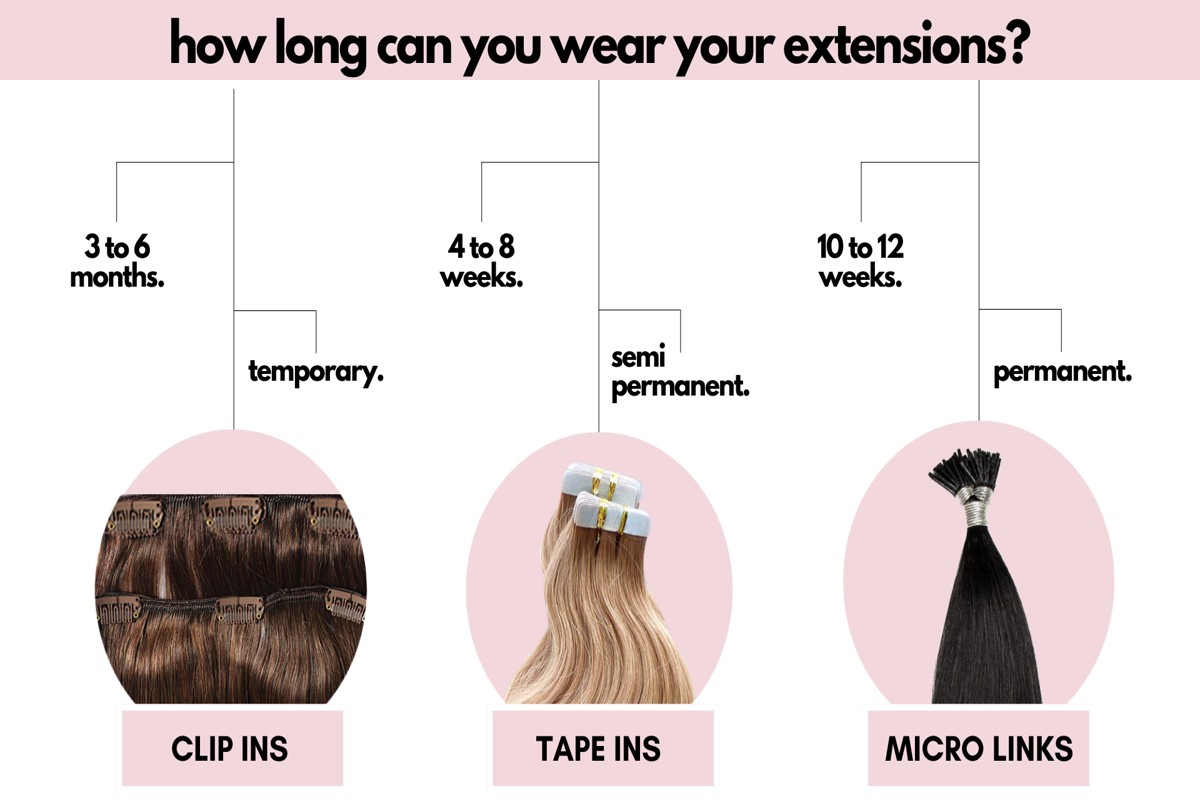
Hair extensions typically last between 2 to 6 months, depending on the type, care, and maintenance. Proper upkeep can extend their lifespan significantly.
Understanding how long hair extensions last is crucial for anyone considering their use, as it impacts both the financial investment and the overall hair health. Mismanagement or lack of proper care can lead to premature damage, resulting in wasted resources and dissatisfaction.
This guide details the various types of hair extensions, factors influencing their longevity, and essential maintenance tips to maximize their lifespan.
What factors affect the lifespan of hair extensions?
The lifespan of hair extensions varies significantly based on several factors, including the type of extensions, maintenance practices, and the individual’s hair type. Typically, hair extensions can last anywhere from a few weeks to several months, depending on these influencing elements.
The type of hair extensions plays a crucial role in their durability. For instance, clip-in extensions can last up to a year with proper care, whereas bonded or fusion extensions may last 3 to 6 months due to their semi-permanent application. Weft extensions, which are sewn into the natural hair, generally have a lifespan of 6 to 8 weeks before needing maintenance or replacement. Each type has its unique application method and wear characteristics, affecting overall longevity.
Maintenance practices also significantly impact how long extensions last. Regular washing with sulfate-free shampoos, avoiding excessive heat styling, and using appropriate conditioning products can enhance the lifespan of extensions. Additionally, proper installation and timely removal by a professional stylist are critical. Neglecting these practices can lead to tangling, matting, and damage, which shorten the lifespan of the extensions.
- Type of Extension: Varies in longevity; clip-ins (up to 1 year), bonded (3-6 months), wefts (6-8 weeks).
- Maintenance: Regular care and professional handling can extend life; poor care leads to damage.
- Hair Type: Natural texture and health can influence how well extensions blend and hold.
Understanding your hair type is also essential. Curly or coarse hair may hold extensions differently than straight, fine hair. Extensions may blend better or be more prone to tangling based on the natural hair’s texture and health, which can affect their overall lifespan.
Expert Tip: Consistent use of a leave-in conditioner can help maintain moisture and reduce wear, particularly for extensions that are more susceptible to dryness and damage. Additionally, consult with a professional stylist about the best products tailored to your specific type of extensions.
How can I make my hair extensions last longer?
To extend the lifespan of hair extensions, proper care and maintenance are essential. Following specific practices can significantly enhance their durability and appearance. Here are effective strategies to help maintain hair extensions for as long as possible.
- Use sulfate-free shampoo and conditioner. Traditional hair products often contain harsh chemicals that can strip the hair of moisture and cause damage. Opt for sulfate-free alternatives to keep your extensions hydrated and healthy.
- Limit heat styling. Excessive heat can lead to dryness and breakage. When styling, use heat protectant sprays and try to minimize the use of tools like curling irons and flat irons.
- Brush gently. Use a wide-tooth comb or a brush designed for extensions to detangle your hair. Start from the ends and work your way up to prevent pulling and breaking.
- Wash less frequently. Over-washing can lead to dryness and tangling. Aim to wash your hair extensions every 4-6 weeks, depending on your hair type and lifestyle.
- Store properly. When not in use, store your extensions in a cool, dry place in a protective case or bag. Avoid folding or crushing them to maintain their shape.
- Get regular maintenance. Schedule appointments for professional maintenance, especially if your extensions are bonded or sewn in. Regular checks can prevent damage and ensure they stay secure.
Incorporating these practices into your routine can significantly enhance the lifespan of your hair extensions. Each step contributes to preserving their quality, ensuring they remain looking vibrant and healthy for longer periods.
Expert Tip: Consider using a leave-in conditioner or hair oil specifically formulated for extensions. These products can provide additional moisture and protection without weighing the hair down or causing build-up.
What are the different types of hair extensions and their longevity?
Hair extensions come in various types, each with distinct methods of application and longevity. The lifespan of hair extensions can range from a few weeks to several months, depending on the type and care regimen. Below are the main types of hair extensions and their typical durability.
- Clip-in Extensions: These are temporary extensions that can be applied and removed daily. They typically last 6 to 12 months with proper care, depending on the frequency of use and maintenance.
- Tape-in Extensions: These extensions use adhesive tape to attach to natural hair. They can last 6 to 8 weeks before reapplication is needed, with a lifespan of up to 3 to 6 months if maintained correctly.
- Sew-in (Weft) Extensions: Sew-in extensions are braided into natural hair and can last 6 to 8 weeks before needing to be reinstalled. Overall, they can last up to 6 months with proper care and maintenance.
- Fusion Extensions: These involve keratin bonds that attach extensions to natural hair. They can last 3 to 6 months, depending on hair growth and care practices.
- Micro-link Extensions: These extensions are attached using small beads or links. They generally last 2 to 4 months, but with regular maintenance, they can last up to 6 months.
The longevity of hair extensions is influenced by several factors, including hair type, maintenance routines, and the quality of the extensions themselves. For instance, high-quality extensions from reputable brands tend to last longer than cheaper alternatives. Additionally, proper care, such as avoiding excessive heat styling and using the right products, can significantly extend the lifespan of hair extensions.
Regular maintenance appointments are crucial for longer-lasting extensions. During these appointments, professionals can assess the condition of the extensions and perform necessary adjustments, ensuring they remain secure and look natural.
Expert Tip: To maximize the lifespan of your extensions, invest in high-quality products and follow a consistent care routine tailored to your specific extension type. This proactive approach can lead to better performance and longevity.
Are hair extensions worth the cost for the longevity they provide?
Hair extensions can be a worthwhile investment, with longevity varying significantly based on the type chosen. Generally, high-quality extensions can last anywhere from three to six months, while some premium types may last even longer with proper care. Evaluating the cost against the lifespan of the extensions is essential to determine their overall value.
Several factors influence the cost of hair extensions, which in turn affects their longevity. These factors include:
- Type of Extensions: Clip-in, tape-in, sew-in, and fusion extensions vary widely in price and durability. Clip-ins are often the least expensive but may not last as long as sew-ins or fusion extensions.
- Hair Quality: Remy human hair extensions are typically more expensive but offer better longevity and a more natural look compared to synthetic alternatives.
- Application Method: Professional installation often incurs additional costs. Methods like fusion or sew-in require a skilled technician, increasing the overall investment.
- Maintenance Requirements: Higher maintenance can lead to higher costs over time. Regular salon visits for upkeep can add to the overall expenditure.
In terms of cost versus longevity, it is crucial to consider how often the extensions will be worn and the desired look. For those seeking a long-term solution and willing to invest in quality, premium extensions can provide significant value. However, for occasional wear or experimentation, lower-cost options may suffice, even if they require more frequent replacement.
Expert Tip: Always consider the total cost of ownership, including maintenance and potential replacements, when calculating the value of hair extensions. Investing in quality products and professional application can lead to better long-term satisfaction.
How do I know when to replace my hair extensions?
Hair extensions should be replaced when they show significant signs of wear and tear. Regular assessment is essential to maintain a natural appearance and avoid damage to your natural hair. Key indicators include changes in texture, visible damage, and difficulty in styling.
To determine when to replace hair extensions, consider the following signs:
- Texture Changes: If the hair extensions become frizzy, tangly, or lose their original softness, it may be time for a replacement. Quality extensions should maintain a smooth texture with proper care.
- Visible Damage: Look for split ends, excessive shedding, or thinning strands. If the extensions appear unhealthy or damaged, replacing them will ensure a more polished look.
- Difficulty Styling: If you find it increasingly challenging to style your extensions or they do not hold curls or straightening, they may have reached the end of their lifespan. Extensions should be manageable and versatile.
- Color Fading: Over time, hair extensions may lose their vibrancy or fade due to exposure to heat and styling products. If the color is no longer matching your natural hair or looks dull, consider replacing them.
- Attachment Issues: For bonded or tape-in extensions, if the bonds or tapes begin to loosen or detach, it is crucial to replace them to prevent damage to your natural hair.
Regular maintenance and care can prolong the life of hair extensions. However, recognizing these signs is essential to ensure your extensions look their best and do not harm your natural hair.
Choosing high-quality extensions can also impact longevity. Investing in premium materials often results in better durability and easier maintenance.
What is the average lifespan of different hair extension types?
The average lifespan of hair extensions varies significantly by type, typically ranging from 3 to 12 months. Synthetic extensions generally last 3 to 6 months, while human hair extensions can last anywhere from 6 to 12 months, depending on factors such as maintenance and application method.
Several factors influence the longevity of hair extensions. The type of hair used—synthetic versus human—and the application method, such as clip-in, tape-in, or sew-in, play crucial roles. Synthetic hair is less durable and more prone to damage from heat styling and environmental factors, limiting its lifespan. In contrast, high-quality human hair extensions can withstand styling and treatments, extending their usability.
Maintenance practices also significantly impact how long hair extensions last. Regular washing with suitable products, minimizing heat exposure, and avoiding harsh chemicals help preserve the quality and lifespan of extensions. Additionally, proper installation and removal techniques, particularly for methods like sew-ins or tape-ins, can prevent damage to both the extensions and natural hair, further prolonging their usability.
Types of Hair Extensions and Their Lifespans
- Clip-in Extensions: 3 to 6 months with proper care.
- Tape-in Extensions: 6 to 8 weeks, requiring reapplication for optimal use.
- Sew-in Extensions: 6 to 12 months, depending on maintenance and care.
- Fusion Extensions: 3 to 6 months, with careful application needed.
Regular touch-ups and professional maintenance can enhance the lifespan of hair extensions significantly. Using products specifically designed for extensions can also protect them from wear and tear, ensuring they remain in good condition for as long as possible.
Can hair extensions damage my natural hair and affect their lifespan?
Yes, hair extensions can damage natural hair and this, in turn, can affect their lifespan. The extent of damage often depends on the type of extensions used, the application method, and how well they are maintained. Improper application or neglecting care can lead to breakage or thinning of natural hair.
For instance, consider a scenario involving tape-in extensions. If applied without proper sectioning or by an inexperienced stylist, the weight of the extensions can cause tension on the natural hair. Over time, this tension can lead to traction alopecia, a condition where hair follicles become damaged from constant pulling. As the natural hair weakens, the extensions may also become loose or start to shed, reducing their longevity.
In contrast, well-maintained extensions, such as sew-in types, can last longer if the natural hair is healthy. Regular maintenance, including gentle washing, conditioning, and avoiding excessive heat, can significantly mitigate damage. Additionally, using a professional stylist who understands the balance of weight distribution and attachment techniques can prolong both the health of natural hair and the lifespan of the extensions.
Expert Tip: To minimize damage, choose high-quality extensions and prioritize regular maintenance sessions with a skilled stylist. This approach not only preserves the health of your natural hair but also enhances the durability of the extensions.
Understanding Hair Extension Types and Their Lifespans
This section explores various types of hair extensions, their expected lifespans, suitability for different hair types, and maintenance requirements. Understanding these factors is essential for selecting the right hair extension for individual needs.

Types of Hair Extensions
- Clip-in Extensions: These are temporary extensions that can be easily attached and removed at home. They are available in various lengths and colors.
- Tape-in Extensions: These extensions are pre-taped and bonded to the natural hair using a special adhesive. They are semi-permanent and typically last for 6 to 8 weeks.
- Sew-in Extensions: Also known as wefts, these extensions are sewn into braids of natural hair. They can last from 6 to 12 weeks, depending on maintenance and hair growth.
- Fusion Extensions: These involve bonding individual strands of hair using a keratin adhesive. They can last up to 4 to 6 months with proper care.
Lifespan Comparison
The lifespan of hair extensions varies significantly based on the type used and the care provided:
- Clip-in Extensions: 1 day to several months, depending on frequency of use.
- Tape-in Extensions: 6 to 8 weeks, requiring repositioning as the natural hair grows.
- Sew-in Extensions: 6 to 12 weeks, needing reinstallation after hair growth.
- Fusion Extensions: 4 to 6 months, with potential for longer use if maintained properly.
Best Uses and Suitability
Different hair extension types cater to various needs and hair types:
- Clip-in Extensions: Ideal for those seeking temporary enhancement for special occasions.
- Tape-in Extensions: Suitable for those with fine to medium hair, offering a natural look.
- Sew-in Extensions: Best for individuals with thicker hair, providing a secure fit.
- Fusion Extensions: Recommended for users with strong hair, as they require significant commitment and maintenance.
Maintenance Requirements
Proper maintenance prolongs the lifespan of hair extensions and ensures they remain in good condition:
- Clip-in Extensions: Clean with mild shampoo and conditioner; store properly to avoid tangling.
- Tape-in Extensions: Avoid heavy oils; use sulfate-free products to prevent adhesive breakdown.
- Sew-in Extensions: Keep scalp clean and well-moisturized; visit a stylist for regular tightening.
- Fusion Extensions: Use gentle cleansing products and avoid excessive heat to maintain bond integrity.
Common misconceptions surround the use of hair extensions, particularly regarding their lifespan and maintenance. For instance, many believe that all extensions can be maintained with the same products and techniques. In reality, each type requires tailored care to maximize its longevity. Additionally, the notion that longer-lasting extensions equate to better quality can be misleading; the suitability for individual hair types and lifestyle is often more critical than the extension type itself.
To effectively choose and maintain hair extensions, assess your hair type and lifestyle. For temporary changes, clip-in extensions are ideal. If seeking a more permanent solution, consider tape-in or sew-in options. Ensure to follow specific maintenance guidelines for the chosen extension type to maximize their lifespan and appearance. Regular visits to a professional stylist for adjustments and care can significantly enhance the longevity of your extensions.
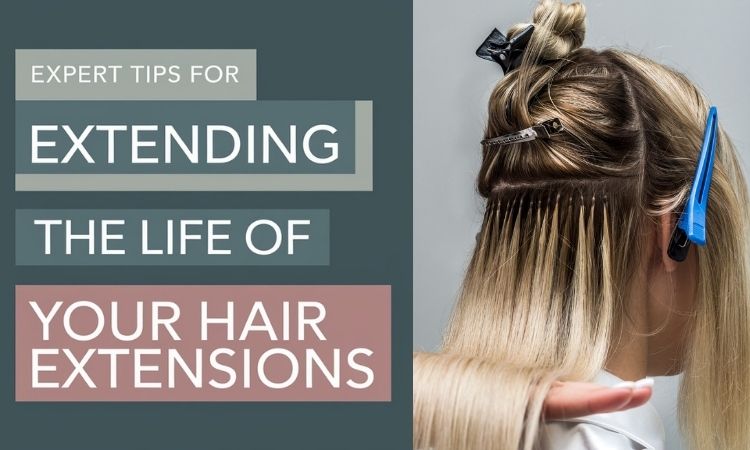
Essential Care Tips for Prolonging Hair Extension Life
This section delves into essential maintenance routines, product recommendations, and styling tips that significantly extend the lifespan of hair extensions. Proper care not only enhances appearance but also ensures your investment lasts longer.
Daily and Weekly Maintenance Routines
Establishing a consistent maintenance routine is vital for preserving the quality of hair extensions. Daily care should include gentle brushing to prevent tangles and distribute natural oils. Use a wide-tooth comb or brush specifically designed for extensions.
- Brush extensions before washing.
- Limit washing to 1-3 times per week, depending on hair type.
- Use cool or lukewarm water to rinse hair.
Product Recommendations for Cleaning and Conditioning
Selecting the right products is crucial. Avoid sulfates and alcohol-based products, which can dry out extensions. Instead, opt for sulfate-free shampoos and deep conditioners formulated for extensions.
- Shampoo: Choose a gentle, sulfate-free option.
- Conditioner: Use a rich, moisturizing deep conditioner.
- Leave-in Treatment: Apply a leave-in conditioner or serum to maintain hydration.
Styling Tips to Avoid Damage
Styling hair extensions requires caution to prevent damage. Minimize heat exposure by using heat protectants and opting for air drying whenever possible. When styling with heat tools, keep temperatures below 300°F (150°C) to avoid compromising the hair.
- Use heat protectant sprays before styling.
- Avoid tight hairstyles that can cause tension on the extensions.
- Limit the use of hair ties and clips that can snag the hair.
Importance of Professional Maintenance and Adjustments
Regular visits to a professional stylist are essential for maintaining hair extensions. Professionals can assess the condition of extensions, make necessary adjustments, and provide specialized treatments to prolong lifespan.
- Schedule touch-ups every 6-8 weeks for bonded or tape-in extensions.
- Seek professional detangling services if issues arise.
- Consider professional deep conditioning treatments to restore moisture.
Common misconceptions suggest that any hair care product is suitable for extensions. However, extensions require specialized products to prevent excessive wear and maintain their integrity over time. Additionally, many individuals underestimate the importance of regular professional maintenance. Skipping these appointments can lead to premature wear and damage.
To ensure longevity for hair extensions, establish a daily brushing routine, use the recommended products, and avoid high-heat styling techniques. Schedule regular professional maintenance and adjust your care routine based on your hair texture and extension type. Following these practices will help you maximize the lifespan of your hair extensions effectively.
Common Mistakes That Shorten Hair Extension Lifespan
Hair extensions can significantly enhance one’s appearance, but their longevity can be compromised by common user mistakes. This section identifies these errors and explains their impact on the lifespan of hair extensions.

Improper Washing and Drying Techniques
Washing hair extensions requires specific techniques to maintain their integrity. Using hot water can strip natural oils, leading to dryness and tangling. Always wash extensions in lukewarm water using sulfate-free shampoos. Additionally, avoid vigorous scrubbing; instead, gently massage the scalp and let the water flow through the strands. When drying, refrain from rubbing the extensions with a towel. Instead, use a microfiber cloth to absorb moisture and let them air dry whenever possible.
Using the Wrong Styling Tools
Heat styling tools can inflict damage on hair extensions if not used properly. High-temperature settings can lead to melting or burning the synthetic fibers or damaging the bonds in human hair extensions. Use a heat protectant spray and keep styling tools at a temperature below 350°F. Opt for tools designed specifically for extensions, such as wide-toothed combs and soft bristle brushes, to minimize stress on the hair.
Neglecting Regular Maintenance Visits
Regular maintenance is crucial for extending the life of hair extensions. Many users underestimate the importance of professional upkeep. Schedule maintenance appointments every 6-8 weeks to address issues like matting, bond integrity, and overall appearance. Professionals can also provide expert care tips tailored to the specific type of extensions, ensuring they remain in optimal condition.
Ignoring Signs of Damage
Recognizing early signs of wear can prevent further damage. Common indicators include excessive tangling, shedding, or visible bond wear. Address these issues immediately by consulting a professional. Ignoring these signs can lead to irreversible damage, significantly reducing how long hair extensions last.
Expert Insights on Common Misconceptions
Many users mistakenly believe that hair extensions require no special care once installed. This misconception can lead to neglect and premature deterioration. Additionally, some users may not realize that even high-quality extensions have a finite lifespan, often lasting 6 to 12 months with proper care. Understanding the nuances of different extension types, such as tape-in versus clip-in, can also influence their maintenance needs and longevity.
Practical Application
To maximize the lifespan of hair extensions, implement the following actionable steps:
- Wash with lukewarm water and sulfate-free shampoos.
- Use heat protectants and lower temperature settings for styling tools.
- Schedule maintenance appointments every 6-8 weeks.
- Monitor for signs of damage and seek professional advice promptly.
Cost Analysis: Are Hair Extensions a Worthwhile Investment?
This section delves into the financial implications of hair extensions, evaluating their initial costs against potential long-term value and maintenance needs. Understanding these aspects helps consumers make informed decisions regarding their investment in hair extensions.

Initial Costs Versus Long-Term Value
The initial investment in hair extensions can range significantly depending on the type and quality selected. Basic synthetic extensions may start at approximately $50, while high-quality human hair extensions can cost upwards of $300 or more. However, the longevity and usability of these products can vary. Higher-priced options often last longer and offer a more natural appearance, ultimately providing better value over time.
Calculating the long-term value involves considering how often extensions will need replacement. For instance, high-quality human hair extensions, with proper care, can last between six months to a year or longer. In contrast, synthetic options may need to be replaced every couple of months, significantly increasing overall costs.
Comparative Analysis of Different Types and Their Costs
The cost of hair extensions varies by type and method of application. Here’s a breakdown of common types:
- Clip-in Extensions: Generally range from $50 to $300, depending on length and quality. They are temporary and require no salon visits.
- Tape-in Extensions: Typically priced between $200 and $600. They last 6 to 8 weeks and require professional installation and maintenance.
- Micro-link Extensions: Cost between $300 and $800. These can last up to 3 months but require regular maintenance visits.
- Fusion Extensions: Usually range from $500 to $1,500. They offer a long-lasting solution but involve a more complex application process and higher maintenance costs.
Potential Savings Through Proper Maintenance
Proper maintenance is vital to prolonging the lifespan of hair extensions, which can lead to significant savings. Key maintenance practices include:
- Using sulfate-free shampoos and conditioners to maintain moisture and prevent damage.
- Regularly scheduled salon visits for professional maintenance, especially for tape-in and micro-link extensions.
- Avoiding excessive heat styling, which can degrade the quality of the extensions.
Investing time and resources into proper care can extend the life of hair extensions, allowing users to maximize their investment.
Long-Term Benefits of Investing in Quality Extensions
Quality hair extensions not only enhance appearance but also provide long-term benefits. High-quality extensions tend to blend seamlessly with natural hair, offering a more polished look. They are also more versatile when it comes to styling options. Additionally, premium extensions are often made from ethically sourced human hair, adding an ethical dimension to the investment.
Investing in quality extensions also minimizes the frequency of replacements, thereby reducing overall expenditure over time.
Nuance / Expert Layer
A common misconception is that all hair extensions are created equal. In reality, the origin, processing, and quality of hair significantly affect both performance and longevity. For example, Remy hair extensions, where the cuticles are aligned, tend to last longer and maintain a natural appearance compared to non-Remy options. Furthermore, cheaper extensions often lack the durability and can lead to increased costs over time due to frequent replacements.
Practical Application
To make the most of your investment in hair extensions, consider the following actionable steps:
– Research and choose a reputable brand known for high-quality extensions.
– Factor in the total costs, including maintenance and replacement, when budgeting for hair extensions.
– Implement a consistent care routine to extend the lifespan of your extensions, ultimately enhancing their value.
Frequently Asked Questions
What factors affect the lifespan of hair extensions?
The lifespan of hair extensions is influenced by factors such as hair type, maintenance routine, and the quality of the extensions. Additionally, the method of application can also play a significant role in how long they last.
How can I make my hair extensions last longer?
To extend the lifespan of hair extensions, use sulfate-free shampoos, avoid excessive heat styling, and follow a proper care routine. Regular maintenance, including gentle detangling and conditioning, is essential for longevity.
What are the different types of hair extensions and their longevity?
Common types of hair extensions include clip-ins, tape-ins, sew-ins, and fusion extensions, each with varying longevity. Clip-ins may last a few months, while high-quality tape-ins and sew-ins can last up to a year with proper care.
Are hair extensions worth the cost for the longevity they provide?
Hair extensions can be a worthwhile investment, particularly when considering their longevity and the versatility they offer. Quality extensions, when maintained properly, can provide a significant return on investment through extended use.
How do I know when to replace my hair extensions?
Hair extensions should be replaced when they show signs of wear, such as tangling, shedding, or loss of luster. Additionally, if they no longer blend seamlessly with your natural hair, it may be time for a replacement.
What is the average lifespan of different hair extension types?
The average lifespan varies by type: clip-in extensions last 3-6 months, tape-ins can last 6-8 weeks, sew-ins may last 6-12 months, and fusion extensions typically last 3-6 months. Quality and maintenance significantly impact these timelines.
Can hair extensions damage my natural hair and affect their lifespan?
Improper application and care of hair extensions can lead to damage to natural hair, affecting both its health and the lifespan of the extensions. It’s crucial to follow recommended guidelines to minimize any potential harm.
Final Thoughts on how long do hair extensions last
The longevity of hair extensions is primarily determined by the type, care regimen, and individual usage. By understanding and implementing proper maintenance techniques tailored to the specific type of extensions, users can maximize their investment and enjoy beautiful results for an extended period.
To ensure the longevity of your hair extensions, prioritize a consistent care routine that includes using sulfate-free shampoos, avoiding excessive heat, and scheduling regular maintenance appointments with a professional stylist.
Leave a Reply