Permanent hair dye can last anywhere from 4 to 8 weeks, depending on hair type, care routine, and the dye’s formulation. Regular maintenance can extend its vibrancy.
Understanding how long permanent hair dye lasts is crucial for anyone considering a color change. Misjudging the longevity can lead to unexpected color fades, requiring more frequent touch-ups and potentially damaging the hair.
This article provides detailed insights into the factors affecting the lifespan of permanent hair dye, tips for maximizing color retention, and recommendations for suitable aftercare products.
How long does permanent hair dye take to process?
Permanent hair dye typically takes about 30 to 45 minutes to process, depending on the specific product and desired results. This timeframe allows the dye to effectively penetrate the hair shaft, ensuring long-lasting color. Factors such as hair type, color depth, and individual product instructions can influence the actual processing time.
Processing time can vary based on several factors. For instance, thicker or coarser hair may require a longer processing period to ensure even color absorption. Conversely, fine hair might process more quickly. Additionally, the specific brand and formulation of the dye can dictate the necessary processing duration. Always follow the manufacturer’s instructions, as they provide the best guidance for achieving optimal results.
Environmental conditions may also play a role. In warmer settings, the dye may activate more rapidly, while cooler environments could slow down the process. Hair health is another consideration; damaged or porous hair may absorb dye more quickly, potentially requiring adjustments to the processing time to avoid over-saturation.
For the best outcome, consider performing a strand test before applying the dye to the entire head. This test will help determine the ideal processing time for your hair type and the specific dye used.
Expert Tip: Always set a timer when processing hair dye. Checking the color at intervals can prevent unwanted results, especially with high-lift shades or vibrant colors that may become overly intense if left on too long.
What factors affect how long permanent hair dye lasts?
The longevity of permanent hair dye is influenced by several factors, including hair type, dye quality, and maintenance practices. Each of these elements can significantly alter how well the color holds over time. Understanding these variables can help in achieving longer-lasting results.
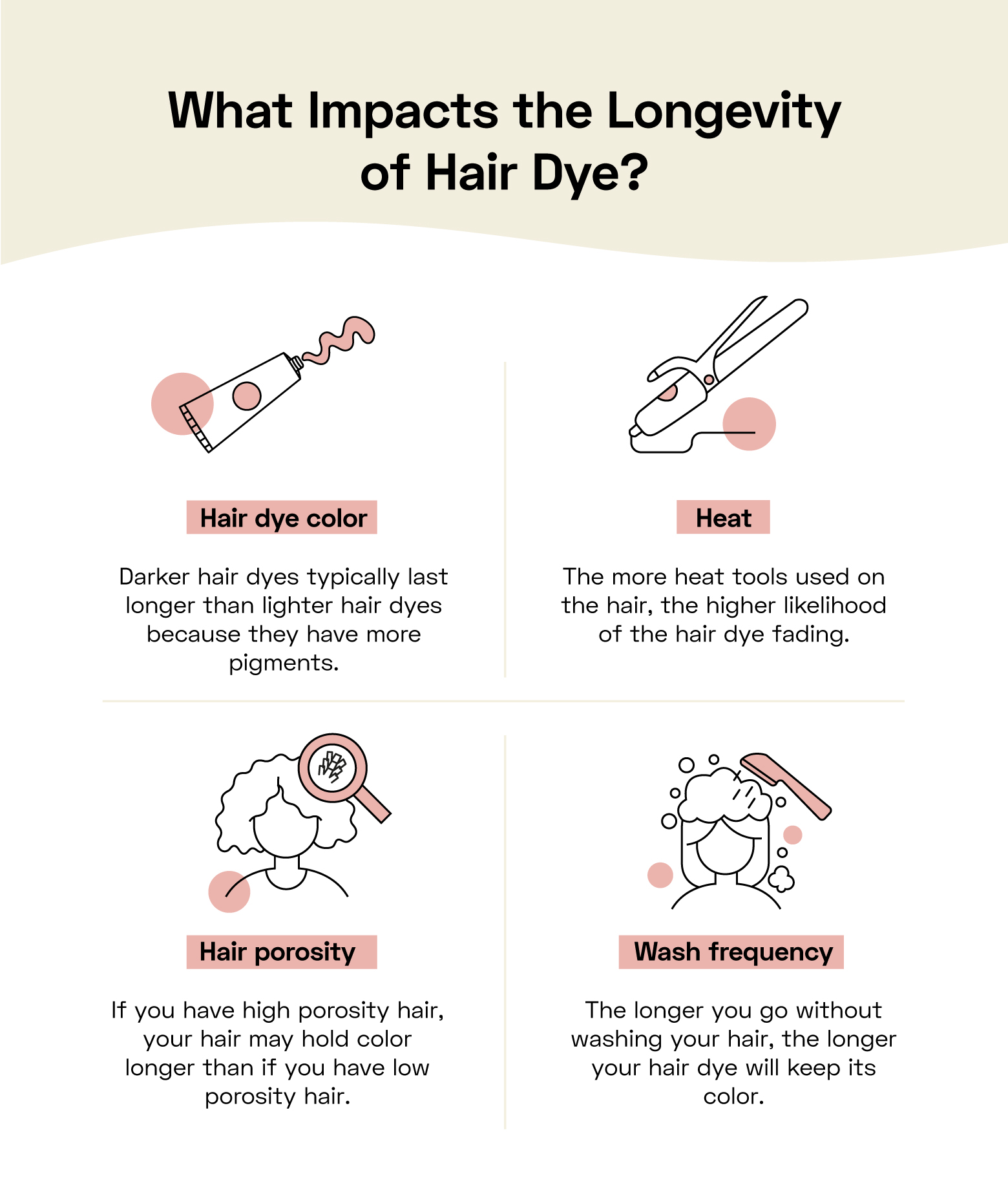
Hair Type: Different hair types absorb and retain dye differently. For instance, coarse hair typically holds color longer than fine hair due to its texture and structure. Fine hair may require more frequent touch-ups as the dye tends to fade more quickly. Additionally, porous hair, often found in chemically treated or damaged strands, may absorb dye more readily but also lose it faster.
Dye Quality: The formulation of the dye plays a crucial role in its longevity. High-quality permanent dyes often contain better pigments and conditioning agents that enhance color retention. In contrast, lower-quality products may not penetrate the hair shaft effectively, leading to faster fading. Furthermore, professional-grade dyes generally last longer than drugstore alternatives due to their superior formulation.
Maintenance Practices: Regular hair care routines greatly affect how long the dye lasts. Using sulfate-free shampoos and conditioners designed for color-treated hair can extend the life of the color. Additionally, minimizing heat styling and sun exposure can prevent premature fading. Regular touch-ups every 4-6 weeks can also maintain vibrancy and coverage of gray hair.
Comparison of Key Factors
- Hair Type: Coarse vs. fine; porous vs. healthy.
- Dye Quality: Professional vs. drugstore; high vs. low-quality formulations.
- Maintenance Practices: Use of specialized products; frequency of touch-ups; heat and sun exposure management.
To maximize the longevity of permanent hair dye, individuals should consider their hair type and invest in high-quality products. Tailoring maintenance practices to suit specific hair needs will also enhance color retention.
How can I make my permanent hair dye last longer?
To extend the life of permanent hair dye, adopt a series of careful maintenance practices. These strategies can help preserve your color vibrancy and reduce fading over time. Implementing these tips will ensure your hair looks its best for as long as possible.
- Use sulfate-free shampoos: Regular shampoos often contain sulfates that can strip color from the hair. Opting for sulfate-free products will help maintain the integrity of the dye.
- Limit washing frequency: Washing hair too often can lead to quicker fading. Aim to wash your hair no more than two to three times a week to retain color.
- Wash with cool water: Hot water can open the hair cuticle, allowing color to escape. Rinsing with cool or lukewarm water helps seal the cuticle and retain dye.
- Use color-protecting conditioners: Incorporate conditioners designed for color-treated hair. These products help nourish and protect hair while locking in color.
- Avoid excessive heat styling: High temperatures from styling tools can damage the hair and lead to color loss. Limit the use of blow dryers, flat irons, and curling wands, or use a heat protectant spray.
- Protect from sun exposure: UV rays can fade hair color. Wearing a hat or using hair products with UV protection can shield your hair from sun damage.
- Schedule regular touch-ups: Depending on hair growth and color fade, plan touch-up appointments every 4 to 8 weeks. This keeps roots looking fresh and color consistent.
By following these practical steps, you can significantly enhance the longevity of your permanent hair dye. Regular maintenance not only preserves color but also promotes overall hair health.
Expert Tip: Consider using a color-depositing conditioner once a week to refresh your color between dye applications. This can help maintain vibrancy and extend the time between salon visits.
Is permanent hair dye better than semi-permanent?
Permanent hair dye typically offers longer-lasting color compared to semi-permanent options, making it a preferred choice for many. However, the best option depends on individual needs, hair type, and desired maintenance level. Each type of dye has distinct advantages and drawbacks.
Permanent hair dye penetrates the hair shaft and alters its structure, resulting in vibrant color that can last anywhere from 4 to 8 weeks or longer, depending on hair care practices. This type of dye is ideal for individuals seeking significant color changes or coverage of gray hair. However, it requires more upkeep, as regrowth can become noticeable, necessitating touch-ups every 4-6 weeks. The harsh chemicals involved can also lead to potential damage, especially for those with already fragile hair.
Semi-permanent hair dye, on the other hand, coats the hair shaft without permanent alteration, leading to a more temporary color that typically lasts 4 to 12 washes. This makes it suitable for those experimenting with color or looking to enhance their natural shade without commitment. It is generally less damaging and easier to apply, often resulting in a softer, more natural look. However, the frequent need for reapplication can be a drawback for those seeking low-maintenance options.
- Longevity: Permanent dye lasts longer than semi-permanent dye.
- Damage Potential: Permanent dye can cause more damage due to its chemical composition.
- Maintenance: Semi-permanent dye requires more frequent applications, while permanent dye necessitates touch-ups for roots.
Expert Tip: Consider your lifestyle and hair health when choosing dye types. For those with damaged hair, semi-permanent options may provide a vibrant look without further stress on the hair structure.
What is the cost of permanent hair dye?
The cost of permanent hair dye can range from $10 to $200, depending on whether it is applied at home or in a salon. At-home kits generally cost between $10 and $30, while salon applications can range from $50 to $200 or more, depending on various factors.
Several elements influence the cost of permanent hair dye. These include the brand and quality of the dye, the complexity of the application process, and the experience level of the stylist. Additionally, geographical location can also play a role, as salon prices vary significantly from one region to another.
- Brand and Quality: High-end brands often charge more due to superior ingredients and formulations.
- Application Method: Basic color applications are less expensive than more complex services like highlights or balayage.
- Stylist Experience: More experienced stylists may charge higher rates for their expertise and skill.
- Geographical Location: Urban areas typically have higher salon prices compared to rural regions.
For those opting for at-home dyeing, investing in quality tools, such as brushes and gloves, can increase initial costs but may yield better results. Additionally, purchasing salon-quality dyes can enhance the overall outcome when dyeing at home.
Expert Tip: Regular maintenance, including touch-ups every 4-6 weeks, should be factored into the overall cost of permanent hair dye. Consider scheduling appointments or purchasing kits in advance to manage expenses effectively.
Does permanent hair dye fade over time?
Yes, permanent hair dye does fade over time, although it is designed to last longer than semi-permanent or temporary dyes. The fading process occurs gradually due to various factors, including hair care practices, environmental exposure, and the natural growth cycle of hair.
Permanent hair dye works by penetrating the hair shaft and chemically altering the hair color. However, over time, external elements such as sunlight, heat styling, and chlorine can weaken the dye molecules, leading to a noticeable reduction in vibrancy. Additionally, washing hair with harsh shampoos or frequent washing can accelerate fading. The following factors can significantly influence the longevity of permanent hair color:
- Hair Care Products: Sulfate-free shampoos and conditioners can help maintain color integrity.
- Heat Exposure: Frequent use of heat styling tools can strip color and moisture from the hair.
- Sun Exposure: UV rays can break down color molecules, causing discoloration.
Furthermore, the initial application technique and the hair’s porosity play crucial roles in how well the dye adheres and lasts. Hair that is more porous may absorb color more readily but can also lose it more quickly. Regular touch-ups every 6 to 8 weeks can help maintain the desired color and prevent noticeable roots from appearing.
Expert Tip: To maximize the life of permanent hair dye, consider using color-protecting products and minimizing sun exposure. Regular deep conditioning treatments can also help maintain hair health, which is essential for retaining color vibrancy.
Can I dye my hair again immediately after using permanent dye?
No, it is not advisable to dye your hair again immediately after using permanent dye. Waiting at least 4 to 6 weeks is recommended to allow your hair and scalp to recover from the chemical processes involved in dyeing. This waiting period helps to prevent damage, dryness, and scalp irritation.
Permanent hair dye works by penetrating the hair shaft and changing its color on a molecular level. Reapplying dye too soon can lead to excessive damage, as the hair cuticle may still be compromised from the initial application. Additionally, frequent dyeing can result in uneven color, as the previously dyed hair may not absorb the new dye uniformly.
- Assess hair health: Before considering a re-dye, check your hair for signs of damage such as brittleness or excessive dryness. Healthy hair can better withstand the coloring process.
- Consider color fading: If the color has faded but the hair remains healthy, it may be appropriate to dye again after the recommended waiting period.
- Consult a professional: If unsure, seek advice from a professional hairstylist. They can assess your hair’s condition and recommend the best course of action.
When re-dyeing, consider using a color that is similar to your existing shade to minimize damage. This approach can help to refresh your color without overwhelming your hair with chemicals.
Expert Tip: Use a deep conditioning treatment in between dye applications to help restore moisture and maintain hair health, ensuring optimal results when you do choose to re-dye.
What are the best practices for applying permanent hair dye?
Applying permanent hair dye effectively requires careful preparation and technique to ensure optimal results. Following proper practices can enhance color longevity and minimize damage to hair. Here are essential steps to achieve the best outcome.
- Perform a patch test: Always conduct a patch test 48 hours before applying dye. This checks for allergic reactions and ensures the color is suitable for your hair.
- Prepare your hair: Start with clean, dry hair. Avoid washing your hair on the day of application, as natural oils help protect the scalp from irritation.
- Use appropriate tools: Utilize a tint brush and a bowl for mixing dye. These tools allow for precise application, ensuring even coverage throughout the hair.
- Section your hair: Divide hair into manageable sections. Use clips to secure each section, which enables systematic application and helps avoid missing spots.
- Follow timing guidelines: Adhere to the manufacturer’s timing recommendations. Leaving the dye on longer than suggested can lead to over-processing and damage.
Each of these best practices contributes to a successful dyeing experience. In particular, sectioning hair properly facilitates even distribution, which is crucial for achieving a uniform color. Additionally, using the right tools minimizes mess and helps in applying the dye accurately.
Proper aftercare is also vital for maintaining color vibrancy. Use sulfate-free shampoos and conditioners designed for color-treated hair to extend the life of the dye. Regular treatments with a color-safe conditioner can further nourish and protect the hair.
Expert Tip: Consider using a color sealant or a treatment specifically designed for post-dye application. These products lock in color and help prevent fading, maximizing the longevity of the dye.
Understanding Hair Structure and Dye Penetration
This section delves into the anatomy of hair and the mechanics of how permanent hair dye interacts with it. Understanding these elements is crucial for grasping how long does permanent hair dye last.
Overview of Hair Anatomy
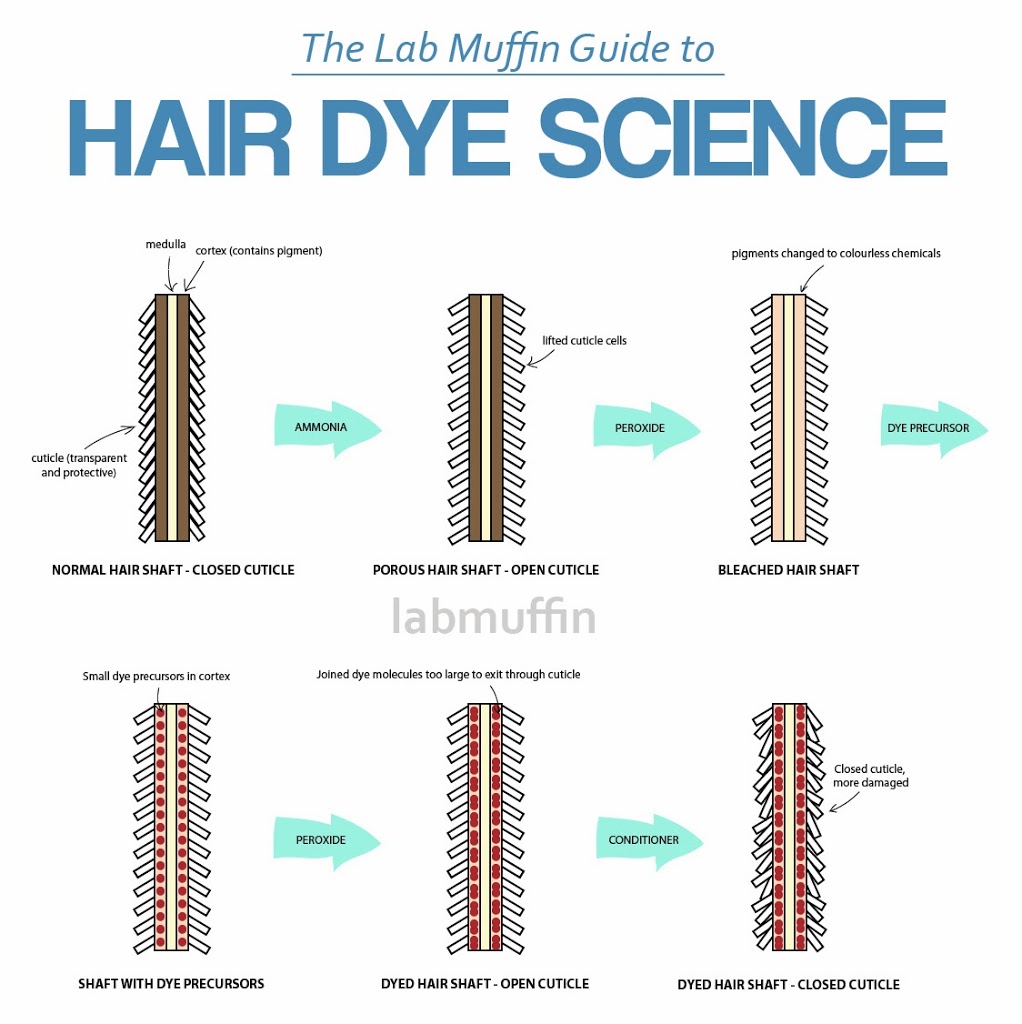
Hair is composed of three primary layers: the cuticle, cortex, and medulla. The cuticle is the outermost layer, consisting of overlapping, scale-like cells that protect the inner structures. Beneath the cuticle lies the cortex, which contains the majority of the hair’s pigment and contributes to its strength and elasticity. The innermost layer, the medulla, is often absent in finer hair types and has minimal impact on dye absorption.
How Dye Penetrates the Hair Cuticle
Permanent hair dye is formulated with small pigment molecules that can penetrate the cuticle. When applied, the dye’s alkaline agents open the cuticle, allowing the color molecules to enter the cortex. This process is crucial for achieving long-lasting color, as it embeds the pigments within the hair shaft. The effectiveness of this penetration is influenced by the condition of the cuticle, which can be affected by factors such as damage, treatment history, and overall hair health.
Impact of Hair Porosity on Dye Retention
Hair porosity refers to the hair’s ability to absorb moisture and products, including dye. It is categorized into three types:
- Low Porosity: Hair cuticles are tightly packed, making it difficult for dye to penetrate. Color may fade more slowly but may be challenging to achieve initially.
- Medium Porosity: Hair has a balanced structure, allowing for optimal dye absorption and retention. This type typically holds color effectively.
- High Porosity: Cuticles are raised or damaged, leading to quick absorption but also rapid fading. Color may wash out faster due to the increased exposure of the cortex.
Differences in Dye Performance on Various Hair Types
The effectiveness of permanent hair dye can vary significantly across different hair types. Factors such as texture, thickness, and natural color influence dye performance:
- Straight Hair: Generally absorbs dye evenly but may require a longer processing time for full saturation.
- Curly Hair: May have higher porosity, leading to faster absorption and quicker fading. Care should be taken to ensure even application.
- Coarse Hair: Typically holds color well due to its structural integrity, though it may require stronger formulations.
Nuances of Dye Absorption
Common misconceptions about hair dye longevity often overlook the role of environmental factors. For instance, sun exposure, chlorine from swimming pools, and the use of harsh shampoos can accelerate color fading. Additionally, even hair that appears healthy may have underlying damage that affects dye retention. Factors such as hormonal changes, diet, and even stress can alter hair’s porosity over time, impacting how long does permanent hair dye last.
Practical Application
To maximize the longevity of permanent hair dye, consider the following actions:
- Assess hair porosity before dyeing to choose appropriate formulations.
- Use color-safe shampoos and conditioners to maintain vibrancy.
- Avoid excessive sun exposure and chemical treatments that may damage the cuticle.
By understanding hair structure and dye penetration, individuals can make informed choices for achieving and maintaining their desired hair color effectively.
Post-Dye Care: Essential Tips for Longevity
Maintaining the vibrancy and longevity of permanent hair dye requires diligent post-dye care. This section covers essential aftercare practices to ensure that the color remains rich and your hair stays healthy.
Recommended Shampoos and Conditioners for Colored Hair
Using the right hair care products is crucial for preserving color. Look for shampoos and conditioners specifically formulated for colored hair. These products often contain gentle, sulfate-free formulas that help maintain color vibrancy. Consider the following options:
- Sulfate-Free Shampoos: These prevent stripping color while cleansing.
- Color-Safe Conditioners: These products help seal in color and provide moisture.
- UV Protection: Some shampoos and conditioners come with UV filters to guard against sun damage.
Avoiding Heat Styling Tools
Heat styling tools can drastically affect the lifespan of permanent hair dye. High temperatures can lead to color fading and damage. To protect your hair:
- Limit the use of blow dryers, flat irons, and curling wands.
- When heat styling is necessary, always apply a heat protectant spray.
- Opt for air-drying whenever possible to minimize heat exposure.
Protecting Hair from Sun Damage
Ultraviolet (UV) rays can cause significant color fading. Protecting hair from sun exposure is essential. Consider these strategies:
- Wear a hat or scarf when outdoors for extended periods.
- Use hair products containing SPF specifically designed for hair.
- Avoid direct sunlight during peak hours (10 AM – 4 PM) when UV radiation is strongest.
Hydration and Moisture Retention Techniques
Well-hydrated hair retains color better and looks healthier. Implement the following techniques to enhance moisture retention:
- Incorporate deep conditioning treatments into your routine at least once a week.
- Use leave-in conditioners or hair oils to lock in moisture.
- Consider using a humidifier in dry environments to maintain hair hydration.
Many assume that any hair care product will suffice for colored hair; however, this is a misconception. Not all shampoos and conditioners are created equal. Products with harsh chemicals can strip color and moisture, leading to faded, dry hair. Always choose formulations specifically designed for color-treated hair.
To effectively maintain your permanent hair dye, implement these practices consistently. Select the right products, minimize heat exposure, protect against UV rays, and prioritize hydration. By following these guidelines, you can significantly extend the life of your color and ensure that your hair remains healthy and vibrant.
Common Mistakes When Using Permanent Hair Dye
Permanent hair dye can provide long-lasting color, but several common mistakes can undermine its durability and effectiveness. Identifying these errors and correcting them can extend the life of your color and enhance the overall results.

Overwashing Hair After Dyeing
One of the most frequent mistakes is overwashing hair immediately after dyeing. Frequent washing strips hair of its natural oils and can accelerate color fading. Ideally, wait at least 48 hours before washing dyed hair to allow the cuticle to fully close and lock in the color. When you do wash, opt for sulfate-free shampoos, as they are gentler on color-treated hair.
Ignoring Patch Tests Before Application
Many individuals skip patch tests, leading to unexpected allergic reactions or adverse effects. A patch test involves applying a small amount of dye on a discreet area of skin and waiting 48 hours to check for any reactions. This step is crucial for ensuring safety and achieving the desired color without complications.
Using the Wrong Products for Colored Hair
Using standard shampoos and conditioners can diminish the longevity of permanent hair dye. Products specifically formulated for colored hair contain ingredients that help protect the dye and maintain vibrancy. Look for products labeled as “color-safe” or “sulfate-free” to ensure compatibility with your newly dyed hair.
Not Following the Manufacturer’s Instructions
Each hair dye product comes with specific instructions that detail the correct application process, timing, and aftercare. Failing to adhere to these guidelines can lead to uneven color, poor results, or quicker fading. Always read and follow the instructions carefully to achieve optimal results.
Additional Factors Affecting Dye Longevity
- Water Temperature: Hot water can open the hair cuticle, leading to color loss. Use lukewarm or cool water for washing.
- Sun Exposure: UV rays can fade hair color. Wearing a hat or using UV-protective hair products can mitigate damage.
- Environmental Factors: Chlorine from swimming pools can strip color. Rinse hair thoroughly before and after swimming.
While these factors are commonly overlooked, they are essential for maintaining the richness and longevity of permanent hair dye. Misconceptions often arise about the permanence of dye, leading to frustration when results do not meet expectations. Permanent dye can indeed last several weeks to months, but external influences and improper care significantly affect this duration.
Practical Application
To maximize the longevity of permanent hair dye, implement the following practices:
- Wait 48 hours before washing your hair after dyeing.
- Always perform a patch test to avoid allergic reactions.
- Select shampoos and conditioners labeled as color-safe.
- Strictly follow the manufacturer’s instructions for application and aftercare.
- Protect hair from excessive sun exposure and chlorinated water.
By avoiding these common mistakes, individuals can enjoy vibrant, long-lasting color, ultimately enhancing their overall hair care experience.
Exploring the Science Behind Hair Dye Formulations
This section delves into the chemical composition of permanent hair dyes, focusing on how these ingredients contribute to their longevity and safety. Understanding these formulations can help consumers make informed choices about their hair care products.

Understanding the Role of Ammonia and Peroxide
Permanent hair dyes typically contain ammonia and peroxide, which play crucial roles in the coloring process. Ammonia opens the hair cuticle, allowing dye molecules to penetrate the hair shaft. Without this step, the dye would not achieve the desired depth or permanence. Peroxide acts as an oxidizing agent, facilitating the chemical reaction that develops the color and lightens the natural pigment of the hair. Together, these components create a lasting color that can endure multiple washes.
Differences Between Natural and Synthetic Dyes
Hair dyes can be broadly categorized into natural and synthetic formulations. Natural dyes, derived from plants and minerals, often lack the harsh chemicals found in synthetic options. However, they may not provide the same level of color intensity or longevity. Synthetic dyes, on the other hand, are engineered to offer vibrant colors and extended wear but can pose risks of irritation or allergic reactions due to their chemical composition. Consumers should weigh the benefits of durability against potential sensitivities when choosing between these two types.
How pH Levels Influence Dye Effectiveness
The pH level of hair dye formulations significantly impacts their effectiveness. Most permanent dyes have a pH between 9 and 10, which supports the opening of the hair cuticle for optimal dye penetration. A higher pH can enhance color uptake but may also increase the risk of damage to the hair and scalp. Conversely, lower pH levels can lead to less effective color application. Therefore, formulators strive to balance pH levels to maximize color retention while minimizing potential harm.
Future Trends in Hair Dye Technology
The hair dye industry is evolving, with a growing focus on developing safer, more sustainable products. Innovations include ammonia-free formulations that utilize alternative ingredients to achieve similar results with less damage. Additionally, advancements in technology are leading to the creation of dyes that offer longer-lasting results with improved fade resistance. As consumers become more aware of the implications of chemical exposure, companies are increasingly prioritizing eco-friendly and health-conscious formulations.
Common misconceptions about permanent hair dye often revolve around its longevity and safety. Many believe that all permanent dyes are equally damaging; however, formulations vary widely. Products labeled as “gentle” or “low-ammonia” can provide durable results without the harsh effects commonly associated with traditional dyes. Moreover, the idea that permanent color means no fading is misleading; factors such as hair type, maintenance routines, and environmental exposure can all influence how long does permanent hair dye last.
Practical Application
To maximize the longevity of permanent hair dye, consider the following steps:
- Choose a dye that suits your hair type and desired color intensity.
- Consult with a professional colorist to understand the formulation and its potential effects.
- Implement aftercare routines, such as using sulfate-free shampoos and conditioners, to maintain color vibrancy.
- Limit exposure to harsh environmental factors, such as sun and chlorine, which can accelerate fading.
By understanding the science behind hair dye formulations, consumers can make informed choices that align with their aesthetic and health preferences.
Frequently Asked Questions
How long does permanent hair dye take to process?
Permanent hair dye typically takes 30 to 45 minutes to process, depending on the brand and desired results. Follow the manufacturer’s instructions for optimal timing.
What factors affect how long permanent hair dye lasts?
Factors such as hair type, color choice, and hair care routine play a significant role in the longevity of permanent hair dye. Environmental factors like sun exposure and chlorine can also contribute to fading.
How can I make my permanent hair dye last longer?
To extend the life of permanent hair dye, use sulfate-free shampoos and conditioners, limit heat styling, and protect hair from sun exposure. Regular deep conditioning treatments can also help maintain color vibrancy.
Is permanent hair dye better than semi-permanent?
Permanent hair dye offers longer-lasting results and greater color intensity compared to semi-permanent options. However, semi-permanent dye is less damaging and allows for easier color changes.
What is the cost of permanent hair dye?
The cost of permanent hair dye varies widely, ranging from $5 to $20 for at-home kits and up to $200 or more for salon services. Prices depend on brand, quality, and salon reputation.
Does permanent hair dye fade over time?
Yes, permanent hair dye does fade over time due to factors like washing, sun exposure, and hair care products. Regular maintenance and protective measures can help slow down this fading process.
Can I dye my hair again immediately after using permanent dye?
It is generally recommended to wait at least 4 to 6 weeks before reapplying permanent hair dye to avoid damaging the hair. This allows the hair to recover and reduces the risk of adverse reactions.
What are the best practices for applying permanent hair dye?
Best practices include performing a patch test, following the instructions carefully, and applying dye to clean, dry hair. Sectioning the hair and using gloves can also ensure even application and safety.
Final Thoughts on how long does permanent hair dye last
The longevity of permanent hair dye is influenced by various factors, including hair structure, dye formulation, and post-dye care practices. Achieving vibrant, lasting color requires not only understanding these elements but also making informed choices in maintenance to minimize fading and damage.
To maximize the lifespan of your permanent hair dye, invest in high-quality color-safe shampoos and conditioners, and establish a routine that minimizes heat exposure and sun damage to your hair.
Understanding the dynamics of permanent hair dye is crucial for anyone seeking to maintain their hair’s aesthetic appeal and health, ultimately enhancing their overall style and confidence.
Leave a Reply