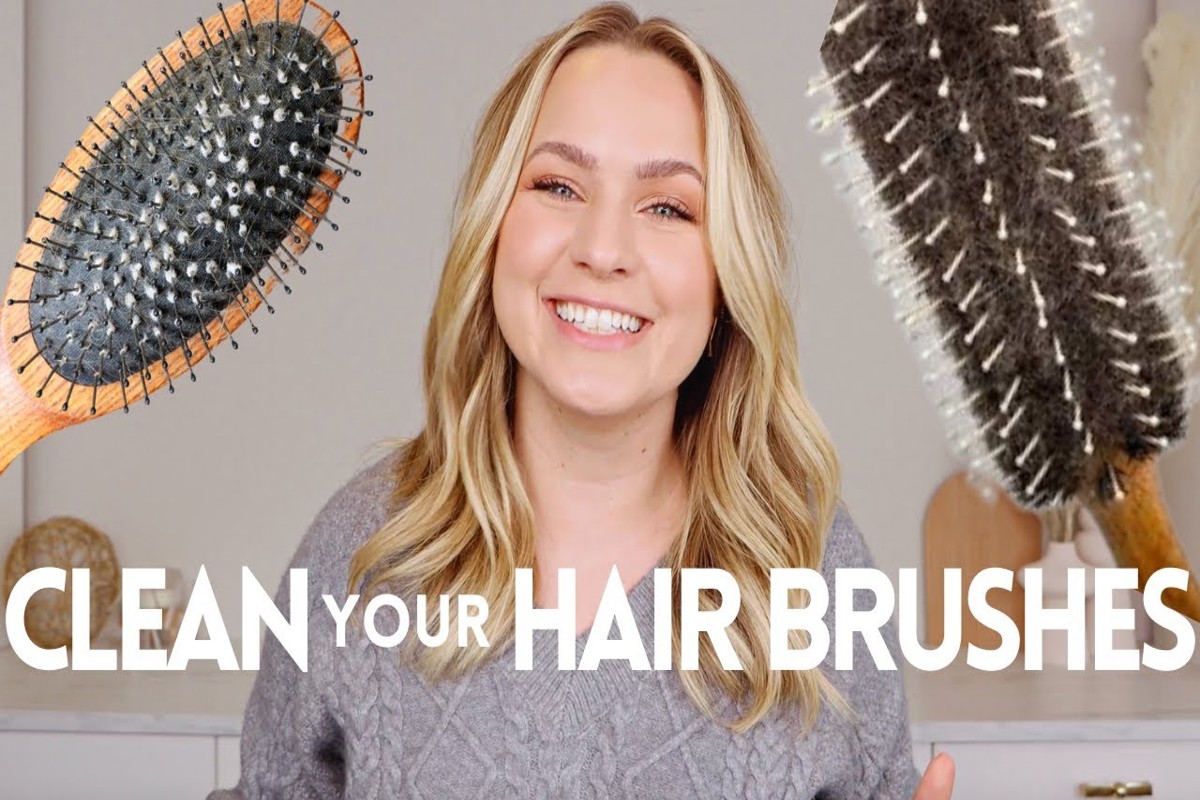
To wash hair brushes, first remove hair strands, then soak the brushes in warm soapy water for about 10 minutes. Finally, scrub gently with an old toothbrush and rinse thoroughly.
Understanding how to wash hair brushes is essential for maintaining hair health and hygiene. Dirty brushes can harbor oils, dirt, and product buildup, leading to scalp issues and hair damage. Regular cleaning is crucial for anyone who uses hair brushes, from casual users to professional stylists.
This guide details the step-by-step process for effectively cleaning hair brushes, including the best cleaning solutions, techniques for different brush types, and tips for maintaining brush longevity.
What is the best way to clean hair brushes?
The best way to clean hair brushes involves a systematic approach using the right materials and techniques. Regular cleaning helps maintain the brush’s integrity and ensures optimal performance. Follow these steps to effectively clean your hair brushes.
- Gather materials: You will need a comb or scissors, warm water, mild shampoo or dish soap, a small bowl, and a clean towel. These items are essential for safely and effectively cleaning your brushes.
- Remove hair from the brush: Use a comb or scissors to gently lift and pull out hair strands from the bristles. Make sure to remove as much hair as possible to prevent buildup.
- Prepare the cleaning solution: In a small bowl, mix warm water with a few drops of mild shampoo or dish soap. This mixture will help break down oils and product residue on the brush.
- Soak the brush: Submerge the bristles of the brush in the cleaning solution for 5-10 minutes. Avoid soaking wooden brushes, as prolonged exposure to water can damage them.
- Clean the bristles: After soaking, use an old toothbrush or a similar tool to gently scrub the bristles. Focus on the base of the bristles where product buildup is most likely to occur.
- Rinse thoroughly: Rinse the brush under warm running water to remove soap and loosened debris. Ensure that all cleaning solution is washed away to prevent residue buildup.
- Dry the brush: Shake off excess water and place the brush bristle-side down on a clean towel to dry. Avoid placing it upright, as water can seep into the base and damage the brush.
Cleaning hair brushes regularly is crucial for maintaining their effectiveness and prolonging their lifespan. Aim to wash brushes at least once a month, or more frequently if they are used daily with styling products.
Expert Tip: For brushes with natural bristles, consider using a vinegar solution (one part vinegar to four parts water) for deeper cleaning. This helps to break down oils more effectively while also sanitizing the bristles.
How often should you wash your hair brushes?
You should wash your hair brushes every 1 to 4 weeks, depending on your hair type and how often you use the brush. Regular cleaning prevents product buildup and maintains the brush’s effectiveness. For optimal hygiene, adjust the frequency based on your specific needs.
For individuals with fine or oily hair, washing brushes every week is advisable. These hair types tend to accumulate oils, dirt, and product residue more quickly. Conversely, those with dry or coarse hair may only need to wash their brushes every 2 to 4 weeks, as they typically produce less oil and may not require as frequent cleaning.
- Daily users: If you use your hair brush daily, aim to wash it once a week to prevent buildup of oils and styling products.
- Occasional users: For brushes used less frequently, such as once a week or every few days, a bi-weekly wash should suffice.
- Special circumstances: If you frequently use hair products like gels or sprays, consider washing your brushes weekly, regardless of hair type, to remove residual buildup.
- Health considerations: If you or someone in your household has a scalp condition or dandruff, it may be prudent to wash brushes more often to prevent the spread of bacteria and fungi.
Maintaining a regular cleaning schedule not only enhances brush performance but also contributes to healthier hair. Brushes harbor dirt and oil that can be transferred back to the hair, leading to scalp issues. Regular washing is a simple yet effective way to ensure hair health.
For an expert tip, always allow brushes to dry completely after washing. This reduces the risk of mold and bacteria growth, ensuring that your brushes remain in optimal condition for use.
Can I use vinegar to clean hair brushes?
Yes, vinegar can be used to clean hair brushes effectively. It acts as a natural disinfectant and helps break down product buildup. However, there are other cleaning solutions available that may be more suitable depending on the type of brush and the extent of dirtiness.
Vinegar is a popular choice for cleaning hair brushes due to its antibacterial properties and ability to dissolve residue. However, other solutions like soap and water, baking soda, and commercial brush cleaners also serve this purpose. Each option has its own advantages and disadvantages, which can influence the effectiveness of the cleaning process.
- Vinegar: A natural disinfectant that effectively removes buildup. Its acidic nature can help dissolve styling products and oils. However, it may leave a lingering smell if not rinsed thoroughly.
- Soap and Water: A simple solution that is effective for general cleaning. Mild shampoos or dish soaps can break down oils and dirt. This method may require more effort to remove stubborn buildup compared to vinegar.
- Baking Soda: Known for its abrasive properties, baking soda can help scrub away stubborn residue. It can be mixed with water to form a paste. However, it may not be as effective against bacteria unless combined with vinegar or another disinfectant.
- Commercial Brush Cleaners: Specifically formulated to clean hair tools, these products often contain ingredients that target buildup and bacteria. They can be more effective than home remedies but may come at a higher cost.
Choosing the right cleaning solution depends on factors such as brush material, type of hair products used, and personal preference. For example, wooden brushes may not react well to vinegar due to potential damage from moisture. Conversely, plastic brushes can withstand a vinegar soak without issue.
When cleaning hair brushes, it is essential to rinse them thoroughly, regardless of the cleaning solution used, to prevent any residue from affecting hair health.
For optimal results, consider alternating between different cleaning methods based on the condition of the brushes. This approach can enhance the longevity of the brushes while ensuring they remain hygienic and effective for use.
How long does it take to wash hair brushes?
Washing hair brushes typically takes about 15 to 30 minutes, including drying time. The exact duration depends on the type of brush, the amount of product buildup, and the drying method used.
The initial cleaning process generally takes around 5 to 10 minutes. This involves removing hair strands, soaking the brushes in warm water, and using a gentle cleanser to eliminate residue. Brushes with more intricate designs or those made from natural bristles may require additional time to clean thoroughly.
Drying times can vary considerably. Air drying usually takes 30 minutes to several hours, depending on humidity and brush materials. If expedited drying is needed, placing brushes in a well-ventilated area or using a hairdryer on a cool setting can speed up the process, but care must be taken to avoid damaging the bristles.
Factors Influencing Cleaning Time
Several factors can influence the time required to wash hair brushes effectively. The frequency of cleaning plays a significant role; brushes cleaned regularly will have less buildup, reducing the cleaning time. Conversely, infrequently cleaned brushes may require more effort to remove stubborn product residue and dirt.
The type of cleanser used can also impact the cleaning duration. Specialized brush cleaners may work more quickly than general soaps, allowing for a faster overall process. Additionally, the size and shape of the brush may affect the cleaning time, with larger brushes generally requiring more effort to clean thoroughly.
Expert Tip: To maintain optimal hygiene, aim to wash hair brushes every 1-2 weeks. This regular maintenance prevents excessive buildup, making each cleaning session quicker and more efficient.
Are there any special tips for cleaning wooden hair brushes?
Yes, cleaning wooden hair brushes requires special care to prevent damage. Avoid soaking the brush or exposing it to excessive moisture, as this can warp the wood. Instead, use a gentle cleaning method to maintain the integrity of the brush.
Start by removing hair strands from the brush using a comb or your fingers. Once free of hair, create a cleaning solution using warm water and a few drops of mild shampoo. Dampen a soft cloth or sponge with this solution and gently wipe the bristles and the handle of the brush. Be careful not to saturate the wood. After cleaning, use a separate damp cloth to remove any soap residue, followed by a dry cloth to absorb excess moisture.
After cleaning, allow the wooden brush to air dry completely, upright and away from direct sunlight. This prevents the wood from cracking or fading. For additional care, periodically apply a small amount of mineral oil to the handle to nourish the wood and maintain its luster. This practice not only enhances the appearance but also extends the life of the brush.
Expert Tip: Regular maintenance, such as cleaning the brush every few weeks and avoiding heat exposure, will help preserve the quality and functionality of wooden hair brushes.
What cleaning products should I avoid for hair brushes?
Avoid using certain cleaning products that can damage hair brushes or reduce their effectiveness. Specifically, products containing harsh chemicals can break down the materials of the brush, leading to deterioration over time. Additionally, substances that leave residues can affect hair health and styling.
The following cleaning products should be avoided when washing hair brushes:
- Bleach: This powerful chemical can degrade bristles and weaken the brush structure, making them less effective for styling.
- Alcohol-based cleaners: These can dry out the bristles and lead to brittleness, causing them to break or shed during use.
- Fabric softeners: While they may seem gentle, fabric softeners leave residues that can transfer to hair, affecting its texture and appearance.
- Strong detergents: Many dish soaps or laundry detergents contain additives that can be too harsh for hair brushes, leading to damage or loss of bristle integrity.
- Vinegar in excess: While diluted vinegar can be useful for cleaning, using it in high concentrations can corrode certain materials found in brushes.
Using inappropriate cleaning products can lead to poor brush performance and even damage hair during styling. Selecting gentle, non-toxic cleaners is crucial for maintaining the longevity of hair brushes while ensuring they remain effective in their function. Regular cleaning with safe products will keep brushes in optimal condition, benefiting both the tools and the hair they style.
Expert Tip: Consider using a mild shampoo or a dedicated brush cleaner to effectively remove buildup without harming the bristles. Regular maintenance with the right products can extend the life of your hair brushes significantly.
How do you remove product buildup from hair brushes?
To effectively remove product buildup from hair brushes, start by detangling the brush and soaking it in a cleaning solution. This process helps dissolve residues, making it easier to clean the bristles thoroughly.
Begin by gathering the necessary materials: a bowl, warm water, mild shampoo or dish soap, and a comb or old toothbrush. First, remove any hair strands from the brush using your fingers or a comb. This step prevents further tangling and allows for better access to the bristles.
- Prepare the cleaning solution: Fill a bowl with warm water and add a few drops of mild shampoo or dish soap. Stir the mixture until it is well combined.
- Soak the brush: Submerge the bristles of the brush in the cleaning solution. Allow it to soak for 10-15 minutes to loosen the buildup.
- Scrub the bristles: After soaking, use a comb or an old toothbrush to gently scrub the bristles. Focus on areas with heavy buildup, ensuring all residues are removed.
- Rinse thoroughly: Rinse the brush under warm running water to wash away any remaining soap and loosened debris. Ensure no soap residue remains, as it can attract more dirt.
- Dry properly: Shake off excess water and place the brush bristle-side down on a clean towel to air dry. This position helps maintain the shape of the bristles.
Regular cleaning of hair brushes is vital for maintaining hair health and ensuring optimal styling results. Built-up products can hinder the brush’s effectiveness and transfer residues back onto the hair.
For best results, wash hair brushes every 2-4 weeks, particularly if using products like gels or sprays. This practice minimizes buildup and prolongs the life of the brush.
Is it necessary to disinfect hair brushes?
Yes, it is necessary to disinfect hair brushes to prevent the buildup of bacteria, fungi, and other pathogens. Regular disinfection is particularly important for brushes that come into contact with hair products, oils, and scalp debris. This practice helps maintain hygiene and can prevent scalp issues or infections.
Disinfection is essential for brushes used by multiple people, such as those in salons or shared spaces. In these cases, the risk of transmitting bacteria or fungal infections increases significantly. Additionally, individuals with certain conditions—such as dandruff, psoriasis, or a recent scalp infection—should prioritize disinfecting their brushes to avoid exacerbating their issues.
- Frequency of Use: Brushes used daily should be disinfected weekly, while those used less frequently can be disinfected monthly.
- Type of Brush: Natural bristle brushes may require gentler disinfectants than synthetic brushes, which can withstand harsher cleaning agents.
- Cleaning Products: Use a solution that is effective against a broad spectrum of microorganisms, such as a diluted vinegar solution or specialized brush disinfectants.
After disinfection, ensure brushes are thoroughly rinsed and dried before use to avoid any residue that could irritate the scalp. Maintaining a consistent cleaning routine not only extends the life of hair brushes but also promotes overall hair health.
Expert Tip: For added protection, consider using disposable brush covers or sanitizing wipes between clients in a salon setting. This practice minimizes cross-contamination and enhances hygiene standards.
The Science Behind Hair Brush Cleaning
Cleaning hair brushes is essential for maintaining hair health and achieving optimal styling results. This section explores the impact of product buildup, the presence of bacteria, and the benefits of using appropriate cleaning solutions.

Product Buildup and Its Effects on Hair
Hair products such as gels, sprays, and oils can accumulate on brushes over time. This buildup can transfer back to the hair during styling, leading to several issues:
- Clogged Cuticles: Product residue can coat hair strands, preventing moisture absorption and leading to dryness.
- Unwanted Texture: Residue can create a lack of smoothness, resulting in tangles and frizz.
- Reduced Shine: A buildup of products can dull hair’s natural luster, making it appear lifeless.
The Role of Bacteria and Germs in Hair Tools
Hair brushes can harbor bacteria, fungi, and other microorganisms. These pathogens can originate from hair, scalp oils, and environmental exposure. Regular cleaning minimizes the risk of:
- Scalp Irritation: Bacteria can contribute to conditions like dandruff or seborrheic dermatitis.
- Infections: Tools that are not cleaned can lead to infections, particularly if brushes come into contact with broken skin on the scalp.
- Allergic Reactions: Residues can trigger allergic responses, causing discomfort and inflammation.
Improved Styling Results with Clean Brushes
Using clean brushes enhances styling efficacy. Brushes free from product buildup allow for:
- Better Distribution: Products can be applied more evenly, ensuring consistent results.
- Enhanced Grip: Clean bristles can grip hair better, improving control during styling.
- Longer Lasting Styles: Without residue, styles are likely to hold longer and look fresher throughout the day.
Scientific Reasons for Using Specific Cleaning Solutions
Choosing the right cleaning solution for hair brushes is crucial. Different materials and types of buildup require tailored approaches:
- Detergents: Mild dish soap effectively breaks down product residue without damaging bristles.
- Vinegar: A natural disinfectant, vinegar helps eliminate bacteria and restore brush hygiene.
- Alcohol: Isopropyl alcohol can sanitize brushes, especially beneficial for those used on multiple clients in professional settings.
Many articles overlook the necessity of using a gentle approach when cleaning brushes. Overly harsh chemicals can degrade the bristles, leading to a shorter lifespan for the tool. Additionally, some believe that simply rinsing brushes with water suffices; however, this method does not effectively remove residues or disinfect.
To maintain hair health and enhance styling results, follow these actionable steps:
1. Remove hair strands from the brush after each use.
2. Soak brushes in a mixture of warm water and a suitable cleaning solution for 10-15 minutes.
3. Gently scrub bristles with a soft toothbrush to dislodge buildup.
4. Rinse thoroughly and let air dry completely before using them again.
Step-by-Step Guide to Different Brush Types
This section provides detailed cleaning techniques tailored to various hairbrush materials and designs. Proper maintenance ensures longevity and optimal performance of brushes, enhancing overall hair care routines.

Cleaning Techniques for Plastic Brushes
Plastic brushes are commonly used for their durability and ease of cleaning. Follow these steps for effective cleaning:
- Remove hair strands: Use a comb or your fingers to pull out hair trapped in the bristles.
- Prepare a cleaning solution: Mix warm water with a few drops of mild shampoo or dish soap.
- Soak the brush: Submerge the brush in the soapy water for about 10-15 minutes to loosen dirt and grime.
- Scrub the bristles: Use an old toothbrush to gently scrub the bristles and the base, removing any residual product buildup.
- Rinse thoroughly: Hold the brush under running water to rinse away soap and debris.
- Dry: Shake off excess water and lay the brush bristle-side down on a clean towel to air dry.
Cleaning Techniques for Wooden Brushes
Wooden brushes require special care to prevent damage from moisture. Use these steps:
- Remove hair: As with plastic brushes, remove all hair strands first.
- Wipe with a damp cloth: Instead of soaking, lightly dampen a cloth with water and a small amount of shampoo.
- Clean the bristles: Gently scrub the bristles with the cloth, ensuring not to saturate the wood.
- Dry immediately: Use a dry cloth to wipe off any excess moisture and allow the brush to air dry completely.
Special Care for Boar Bristle Brushes
Boar bristle brushes require careful cleaning to maintain their integrity. Follow these steps:
- Remove hair: Use a comb or fingers to extract hair from the bristles.
- Prepare a gentle solution: Create a mixture of warm water and a few drops of natural shampoo.
- Soak briefly: Dip the bristles in the solution for no more than 5 minutes to avoid damage.
- Gently scrub: Use a soft toothbrush to clean the bristles without applying too much pressure.
- Rinse and dry: Rinse under cool water and lay the brush bristle-side down to dry.
How to Clean Round Brushes and Combs
Round brushes and combs can accumulate product buildup and hair. Use these methods:
- Remove hair: Pull out any hair strands caught in the bristles.
- Soak in a solution: Create a mixture of warm water and mild soap, then submerge the brush or comb for 10 minutes.
- Scrub gently: For round brushes, use a toothbrush to clean the barrel and bristles; for combs, scrub each tooth.
- Rinse thoroughly: Rinse under running water, ensuring all soap is removed.
- Dry: Shake off excess water and lay flat to dry.
Addressing Common Issues with Different Brush Types
Different brush types may face specific issues:
- Static buildup: Use an anti-static spray on plastic brushes after cleaning to reduce static.
- Product buildup: Regularly clean brushes to prevent product residue that can lead to hair damage.
- Frayed bristles: Inspect brushes regularly; replace any that show signs of wear to maintain effectiveness.
For effective hairbrush maintenance, always tailor your cleaning process to the specific material and design of the brush. Regular cleaning enhances performance and extends the life of hair tools. Implement these techniques as part of your hair care routine to keep brushes in optimal condition.
Common Mistakes When Washing Hair Brushes
Proper maintenance of hair brushes is essential for both hygiene and performance. However, many individuals make critical errors that undermine their efforts. This section highlights common mistakes and offers guidance on how to avoid them.

Over-Soaking and Its Consequences
One of the most frequent mistakes is over-soaking hair brushes in water. Prolonged exposure can weaken the adhesive that holds the bristles in place, leading to shedding. Additionally, excessive water can damage wooden handles, causing warping or cracking.
Using the Wrong Cleaning Agents
Many people use harsh chemicals or inappropriate cleaning agents when washing hair brushes. Products containing alcohol, bleach, or strong detergents can degrade the materials of the brush, especially synthetic bristles. Instead, opt for gentle shampoos or mild dish soaps that effectively remove buildup without damaging the brush.
Neglecting to Remove Hair Before Cleaning
Failing to remove hair strands before washing is a common oversight. Residual hair can trap dirt and oils, making the cleaning process less effective. Additionally, leaving hair in the brush can lead to bacterial growth. Always use a comb or your fingers to extract hair before proceeding with a wash.
Not Allowing Brushes to Dry Properly
Improper drying techniques can lead to mold and mildew growth, particularly in brushes made from natural materials. Brushes should be air-dried with the bristles facing downward to allow water to escape. Avoid placing brushes in direct sunlight or using heat sources, as these can warp the bristles or damage the handle.
Expert Insights on Common Misconceptions
A prevalent misconception is that all hair brushes require the same cleaning method. In reality, different types of brushes—such as those made from boar bristle, nylon, or plastic—may necessitate tailored cleaning approaches. For instance, boar bristle brushes benefit from regular cleaning with a mild shampoo to maintain their natural oils, while plastic brushes can withstand more vigorous cleaning methods. Additionally, many articles overlook the importance of regular maintenance; brushes should ideally be cleaned every 1-4 weeks, depending on usage and hair type.
Practical Application
To effectively wash hair brushes without making common mistakes, follow these steps:
- Remove all hair strands from the brush.
- Fill a bowl with warm water and add a few drops of mild shampoo.
- Soak the brush for no more than 10 minutes.
- Gently scrub the bristles with a soft toothbrush to remove buildup.
- Rinse thoroughly under running water, ensuring no soap remains.
- Shake off excess water and place the brush bristle-side down on a towel to air dry.
Implementing these practices will extend the life of your hair brushes and maintain their effectiveness. Regular cleaning and proper care are essential for optimal performance and hygiene.
Maintaining Hair Brushes for Longevity
Proper maintenance of hair brushes not only enhances performance but also extends their lifespan. This section provides practical storage solutions, routine maintenance tips, signs indicating when to replace brushes, and proper sanitization methods for professional use.

Storage Solutions to Prevent Damage
Effective storage is essential for preserving the integrity of hair brushes. Consider these methods:
- Brush Holder: Use a dedicated brush holder or organizer to keep brushes upright and separated, preventing bristle damage.
- Drawer Storage: Store brushes in a drawer lined with soft fabric to protect them from scratches and dust.
- Travel Cases: For on-the-go storage, invest in a travel case that secures brushes and minimizes movement.
Routine Maintenance Tips
Regular maintenance can significantly enhance the performance and longevity of hair brushes. Implement the following practices:
- Regular Cleaning: Clean brushes every 1-2 weeks to remove hair, product buildup, and oils.
- Brushing Technique: Use gentle strokes when brushing hair to minimize stress on the bristles.
- Inspect for Damage: Routinely check brushes for bent or broken bristles and replace them as needed.
Signs It’s Time to Replace Your Brushes
Recognizing when to replace hair brushes is crucial for maintaining hair health. Watch for these indicators:
- Bristle Wear: If bristles are frayed, bent, or missing, they can damage hair.
- Loss of Shape: Brushes that no longer maintain their original shape may not style effectively.
- Persistent Odors: Foul odors that persist even after cleaning indicate a need for replacement.
Proper Sanitization for Professional Use
For professionals, sanitizing brushes is non-negotiable to ensure client safety. Follow these steps:
- Remove Hair: Carefully remove all hair strands from the brush before sanitizing.
- Wash with Soap: Use warm water and a gentle shampoo or brush cleanser to wash the bristles.
- Disinfect: Soak brushes in a disinfectant solution (such as 70% isopropyl alcohol) for at least 10 minutes.
- Rinse Thoroughly: Rinse brushes under running water to remove any soap or disinfectant residue.
- Air Dry: Allow brushes to air dry completely before storing or using them again.
Many articles overlook the importance of the brush material when discussing replacement. Natural bristles, for example, may require more frequent replacement than synthetic ones due to their susceptibility to damage from moisture and product buildup. Furthermore, professionals should be aware that not all sanitization methods are suitable for all brush materials; always check manufacturer guidelines before applying any cleaning solutions.
To maintain hair brushes effectively, implement a regular cleaning schedule, use appropriate storage solutions, and monitor for signs of wear. Establish a routine that includes sanitization, especially for professional tools, to ensure optimal performance and hygiene. Regularly inspect your brushes and replace them when necessary to safeguard hair health and styling efficacy.
Frequently Asked Questions
What is the best way to clean hair brushes?
The best way to clean hair brushes is to remove hair strands, then soak the bristles in warm, soapy water. Use a gentle brush cleaner or mild shampoo, and rinse thoroughly to remove any residue.
How often should you wash your hair brushes?
Hair brushes should be washed at least once a month to prevent buildup of hair products and oils. Frequent use may require more regular cleaning to maintain brush hygiene.
Can I use vinegar to clean hair brushes?
Yes, vinegar can be used to clean hair brushes due to its natural antibacterial properties. Mix equal parts of vinegar and water, soak the brush, then rinse thoroughly.
How long does it take to wash hair brushes?
Washing hair brushes typically takes about 10 to 15 minutes, including soaking time. Allow additional time for drying after rinsing.
Are there any special tips for cleaning wooden hair brushes?
When cleaning wooden hair brushes, avoid soaking them in water to prevent damage. Instead, use a damp cloth to wipe the bristles and handle, and dry them immediately.
What cleaning products should I avoid for hair brushes?
Avoid harsh chemicals, alcohol-based products, and bleach when cleaning hair brushes, as these can damage the bristles and handle. Stick to mild soaps or specialized brush cleaners instead.
How do you remove product buildup from hair brushes?
To remove product buildup, soak the brush in warm, soapy water and gently agitate it to loosen residue. Use a comb or an old toothbrush to scrub stubborn areas before rinsing.
Is it necessary to disinfect hair brushes?
Disinfecting hair brushes is recommended, especially when sharing them or after illness. Use a diluted solution of rubbing alcohol or a disinfectant spray to ensure they are sanitized.
Final Thoughts on how to wash hair brushes
A meticulous approach to cleaning hair brushes not only enhances their longevity but also ensures optimal hair health by preventing product buildup and bacterial growth. By adhering to the recommended cleaning frequency and methods specific to each brush type, users can maintain the effectiveness of their grooming tools and promote healthier hair.
To implement these practices effectively, schedule a dedicated time each month to thoroughly clean your brushes, using appropriate solutions such as vinegar or gentle detergents, depending on the brush material.
Maintaining clean hair brushes is essential for achieving the best results in hair care, underlining the importance of this often-overlooked aspect of personal grooming.
Leave a Reply