To take hair dye off your skin, use rubbing alcohol, baby oil, or a mixture of baking soda and water. Gently rub the stained area until the dye is removed.
Understanding how to effectively remove hair dye from skin is essential for anyone who dyes their hair at home. Failure to address dye stains can lead to skin irritation, unsightly marks, and a less polished appearance, which may be particularly concerning before an event or outing.
This article details various effective methods for removing hair dye from skin, including the use of household products and professional options, ensuring you can restore your skin’s natural appearance quickly and safely.
What is the best way to remove hair dye from skin?
The best way to remove hair dye from skin involves using gentle yet effective methods that minimize irritation. Several household items and products can effectively lift the dye without damaging the skin. It is essential to act quickly for optimal results, as older stains can be more challenging to remove.
Start with the following effective techniques for removing hair dye:
- Soap and Water: Use a mild soap or body wash combined with warm water. Gently scrub the stained area with a soft cloth or sponge. Rinse thoroughly. This method works best immediately after dye application.
- Baby Oil or Mineral Oil: Apply baby oil or mineral oil to a cotton ball and gently rub the stained area. The oil helps dissolve the dye while being gentle on the skin. Rinse with soap and water afterward for best results.
- Rubbing Alcohol: Dampen a cotton ball with rubbing alcohol and gently dab the stained area. This method is particularly effective for stubborn stains but should be used sparingly to avoid skin irritation. Follow up with moisturizer to soothe the skin.
- Makeup Remover: Use an oil-based makeup remover on a cotton pad to wipe away the dye. This is effective for small areas and is less harsh than some other methods. Ensure to cleanse the skin afterward.
- Toothpaste: Apply a small amount of non-gel toothpaste to the stain and gently rub it in with your fingers. The mild abrasives in toothpaste can help lift the dye. Rinse thoroughly with water.
Acting quickly is crucial, as hair dye sets into the skin over time, making removal more challenging. Always perform a patch test with any product on a small area of skin to check for sensitivity before applying it more broadly.
Expert Tip: For frequent hair dye users, applying a thin layer of petroleum jelly around the hairline before dyeing can create a barrier, preventing stains from occurring in the first place.
Can hair dye stains be removed after they set?
Yes, hair dye stains can be removed even after they have set, but the effectiveness of removal largely depends on the type of dye and the duration the stain has been on the skin. Various techniques can be employed to deal with set-in stains, each with varying degrees of success.
The first step in removing set-in hair dye stains is to act quickly. The sooner a stain is treated, the easier it is to remove. However, if the stain has already set, several methods can be utilized effectively. Common household items, such as rubbing alcohol, baby oil, or even toothpaste, can help lift the dye. These substances break down the dye’s chemical structure, making it easier to wipe away.
- Rubbing Alcohol: Apply a small amount of rubbing alcohol to a cotton ball and gently dab the stained area. This method works best for semi-permanent and permanent dyes.
- Baby Oil or Mineral Oil: Rub a small amount of baby oil on the stain and let it sit for a few minutes before wiping it off with a cloth. This method is less harsh and can be effective for sensitive skin.
- Toothpaste: Use a non-gel toothpaste and apply a small amount to the stained area. Gently scrub with a soft cloth or your fingers, then rinse off with warm water.
- Makeup Remover: Certain makeup removers are designed to break down pigments and can help lift hair dye stains. Apply a small amount to a cotton pad and wipe the area clean.
While these methods can be effective, the success of stain removal can be influenced by the dye’s formulation and the skin type. Some individuals may experience skin irritation from harsh chemicals, so it is advisable to conduct a patch test before full application.
Always follow up with a gentle moisturizer after removing hair dye to soothe the skin and prevent dryness. Additionally, using gloves during the dyeing process can help prevent stains from occurring in the first place.
Expert Tip: For persistent stains, consider using a gentle exfoliating scrub. This can help remove dead skin cells and further lighten the stain, especially if the dye has settled into the skin’s surface.
Is it safe to use bleach to remove hair dye from skin?
No, using bleach to remove hair dye from skin is not safe. Bleach can cause skin irritation, burns, and allergic reactions. Safer alternatives exist that effectively remove dye without compromising skin health.
When considering bleach versus other methods for removing hair dye from skin, it’s crucial to evaluate both safety and effectiveness. Bleach is a harsh chemical that can disrupt the skin’s natural barrier, leading to potential damage. In contrast, gentler methods like baby oil, rubbing alcohol, or commercial stain removers are formulated to be less abrasive while still effectively lifting dye from the skin. Each option has distinct advantages and disadvantages.
- Bleach: Highly effective at removing hair dye but poses significant risks of skin damage and irritation.
- Baby Oil: Gentle and moisturizing, it helps dissolve dye without harsh effects, making it suitable for sensitive skin.
- Rubbing Alcohol: Effective for most dyes but may lead to dryness or irritation; should be followed by a moisturizer.
- Commercial Stain Removers: Specifically designed for this purpose, these products combine effectiveness with safety, often containing ingredients that are less harsh than bleach.
Each method’s effectiveness can vary based on the type of hair dye used and the duration it has been on the skin. For example, semi-permanent dyes may respond differently than permanent dyes. Testing a small area first is advisable to gauge skin sensitivity.
For optimal results, consider using a combination of gentler methods before resorting to harsher chemicals. Always follow up with a soothing lotion to maintain skin health.
Expert Tip: When using any removal method, apply the product gently and avoid scrubbing, as this can further irritate the skin. Always rinse thoroughly and moisturize afterward to help restore the skin’s barrier.
How long does it take to remove hair dye from skin?
The time it takes to remove hair dye from skin can range from a few minutes to several hours, depending on the method used. Most techniques can effectively remove dye within 10 to 30 minutes, while some may require repeated applications over a few hours or days for complete removal.
Several factors influence the duration of the removal process. The type of hair dye plays a significant role; semi-permanent dyes tend to be easier to remove than permanent ones. Additionally, the skin type and the dye’s adherence to the skin can affect removal time. For instance, individuals with oily skin may find dye removal easier than those with dry skin due to the natural oils helping to loosen the dye.
The method chosen for removal also impacts the time required. Common methods include using makeup remover, alcohol-based products, or household items like baking soda and dish soap. Makeup removers and alcohol-based solutions can work quickly, often within 5 to 15 minutes. In contrast, natural remedies like olive oil or vinegar may take longer, sometimes requiring multiple applications over several hours. Moreover, for stubborn stains, professional removal products or methods may be necessary, which could extend the time frame significantly.
Ultimately, the quickest results are often achieved with commercial products specifically designed for hair dye removal. However, patience may be required with gentler methods to avoid skin irritation.
Expert Tip: For the most effective removal, act promptly after dye application. The sooner you address the stain, the easier it will be to remove, minimizing the need for harsher chemicals or repeated treatments.
What household items can help remove hair dye from skin?
Several household items can effectively remove hair dye from skin, including rubbing alcohol, vinegar, baking soda, and dish soap. These common items can help lift the dye without causing irritation or damage to the skin. With the right approach, you can minimize staining after a dye application.
For instance, using rubbing alcohol is a straightforward method. Apply a small amount of rubbing alcohol to a cotton ball or a clean cloth and gently rub the stained area. This process can effectively break down the dye molecules. If the stain persists, a mixture of baking soda and dish soap can also work. Combine equal parts baking soda and dish soap, apply it to the stained skin, and scrub gently. The mild abrasive action of the baking soda, combined with the degreasing properties of the dish soap, helps lift the dye more effectively.
Vinegar is another option that can be used similarly to rubbing alcohol. Soak a cotton ball in vinegar and dab it on the stained area, followed by rinsing with warm water. However, this method might not be suitable for very sensitive skin types, so patch-testing is advisable. Each of these methods can be effective, but results may vary depending on the hair dye formulation and the duration the dye has been in contact with the skin. Quick action usually yields the best results.
Expert Tip: To prevent hair dye stains on skin in the first place, consider applying a layer of petroleum jelly or a thick moisturizer along the hairline before dyeing. This creates a barrier that makes cleaning up much easier.
What should you do if hair dye gets on your skin?
If hair dye stains your skin, act quickly to minimize the discoloration. Immediate action is crucial for effective removal. Follow these steps to safely and efficiently remove the dye.
- Rinse with warm water: Begin by rinsing the stained area under warm running water. This can help to loosen the dye from the skin’s surface.
- Use soap: Apply a gentle soap or body wash to the stained area and scrub gently with your fingers or a soft cloth. This can aid in breaking down the dye molecules.
- Try rubbing alcohol: If soap and water do not completely remove the dye, dab a cotton ball with rubbing alcohol and gently rub the stained area. This solvent can effectively dissolve hair dye.
- Use a commercial stain remover: If the dye persists, consider using a commercial product designed for removing hair dye stains. Follow the manufacturer’s instructions for best results.
- Moisturize: After successfully removing the dye, apply a moisturizer to the area. This helps to soothe any irritation caused by the cleaning agents.
Hair dye can stain the skin differently based on the formulation and duration of contact. For instance, some dyes may set quickly, making immediate action more critical. Additionally, the type of skin—oily, dry, or sensitive—can impact how effectively the dye is removed.
For stubborn stains, repeated applications of the same method may be necessary. Always test any cleaning agent on a small area first to avoid skin irritation. Avoid using abrasive materials, as they can damage the skin.
Expert Tip: To prevent hair dye from staining the skin in the first place, apply a thin layer of petroleum jelly around the hairline and ears before dyeing. This barrier can significantly reduce the likelihood of stains.
Are there any products specifically designed to remove hair dye from skin?
Yes, there are several products specifically formulated to remove hair dye from skin. These products include stain removers, cleansing wipes, and oils that effectively break down hair dye pigments. They are designed to be gentle on the skin while providing efficient removal of unwanted stains.
Common types of hair dye removal products include:
- Stain Remover Creams: These creams often contain ingredients like glycerin or aloe vera that help lift dye from the skin without causing irritation.
- Cleansing Wipes: Pre-moistened wipes are convenient for quick clean-up and are often infused with gentle cleansers to remove dye effectively.
- Oil-Based Removers: Products containing natural oils, such as coconut or olive oil, can dissolve the dye while conditioning the skin.
In addition to commercial products, household items like rubbing alcohol, baby oil, or even vinegar can be effective for dye removal. However, the effectiveness of these alternatives can vary based on the type of hair dye used and the duration of contact with the skin. It is advisable to perform a patch test before applying any product extensively to avoid skin irritation.
For optimal results, apply the chosen product immediately after dye application, as older stains may require more effort to remove. Always follow the instructions on the product packaging for safe and effective use.
Expert Tip: When using any removal product, it is beneficial to use a cotton pad or soft cloth to avoid scrubbing the skin too harshly, which could lead to irritation or damage.
Understanding Hair Dye Composition and Its Effects on Skin
This section examines the chemical makeup of hair dye, its interaction with skin, and the implications for stain removal. Understanding these factors is vital for effective stain management and prevention.

Chemical Components of Hair Dye
Hair dyes typically contain several key chemical components, including ammonia, peroxide, and various dyes. Ammonia acts as an alkaline agent, opening the hair cuticle to allow the dye to penetrate. Peroxide serves as a bleaching agent, lightening the natural pigment of the hair while simultaneously enabling the dye to adhere more effectively. The actual color is derived from synthetic dyes, which are often formulated to bond with hair proteins but can inadvertently stain the skin due to their strong pigmentation.
Skin Reaction to Hair Dye
Different skin types may react variably to hair dye. For instance, individuals with sensitive skin may experience irritation or allergic reactions, leading to increased absorption of the dye. Oily skin can trap dye pigments more effectively, resulting in more pronounced staining. Conversely, dry skin may allow for easier removal of the dye due to less oil retention. Understanding your skin type can assist in anticipating the intensity of staining and the efficacy of removal methods.
The Importance of Immediate Action
Immediate action is crucial for effective stain removal. Once hair dye comes into contact with the skin, it begins to bond within minutes, making removal increasingly difficult over time. The longer the dye remains on the skin, the deeper the penetration into the outer layers, leading to more persistent stains. Quick intervention can prevent long-lasting discoloration.
Preventative Measures to Avoid Staining
- Barrier Creams: Apply a barrier cream or petroleum jelly along the hairline and on ears before dyeing.
- Wear Gloves: Always use disposable gloves to minimize direct contact with the dye.
- Use a Cape: A protective cape can shield clothing and skin from splashes and drips.
Nuances in Hair Dye Staining
Common misconceptions include the belief that all hair dyes stain equally, which is not the case. Temporary dyes, for example, often contain less aggressive pigments and are generally easier to remove than permanent dyes. Moreover, some formulations are designed to be less staining, utilizing natural colorants. Additionally, not all skin types react to hair dye in the same way; those with atopic dermatitis or other skin conditions may experience heightened staining and irritation. Understanding these distinctions can help users choose appropriate products and methods for dye application.
Practical Application
To effectively manage hair dye stains, act quickly. If dye contacts the skin, immediately wipe the area with a damp cloth. Follow with a gentle cleanser or a mixture of baking soda and water, applying it to the stain and gently scrubbing. For stubborn stains, consider using rubbing alcohol or a specialized stain remover. Employ preventative measures during the dyeing process to minimize staining risks in the first place.
Expert Tips for Effective Hair Dye Removal
This section provides advanced techniques and professional advice for effectively removing hair dye from the skin while minimizing irritation and ensuring skin health. Mastering these methods can lead to better results and less frustration.
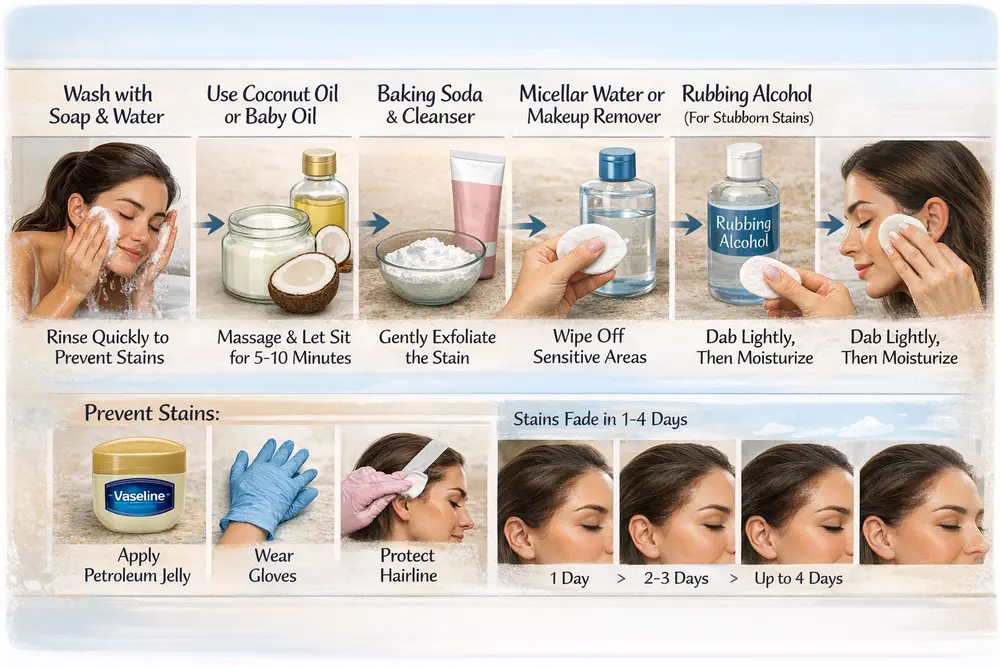
Using Oils and Solvents Effectively
Natural oils such as coconut oil, olive oil, or baby oil can effectively break down hair dye pigments. Apply a generous amount of oil to the stained area and gently massage it into the skin. This process not only lifts the dye but also hydrates the skin, reducing irritation.
For quicker results, consider using commercial solvents like isopropyl alcohol or acetone. Apply a small amount to a cotton ball and dab it on the stain. However, these substances can be harsh; thus, they should only be used sparingly and followed by a soothing moisturizer.
Layering Techniques for Stubborn Stains
When faced with particularly stubborn stains, layering techniques can enhance effectiveness. Start with an oil-based method, then follow these steps:
- Apply a small amount of dish soap or shampoo over the stained area.
- Gently scrub using a soft cloth or sponge for 1-2 minutes.
- Rinse thoroughly with warm water and repeat if necessary.
This combination helps to lift the dye more effectively than using a single method alone.
Post-Removal Skin Care
After successfully removing hair dye, it is crucial to care for the skin. Use a gentle, hydrating moisturizer to soothe any irritation and restore moisture. Products containing aloe vera or vitamin E are particularly beneficial. Additionally, consider applying a soothing balm to protect the skin from potential dryness or irritation caused by the removal process.
When to Seek Professional Help
In cases where home remedies fail to remove the dye, it may be time to consult a professional. Persistent stains, especially from permanent dyes, may require specialized products or techniques available at salons. If significant irritation or allergic reactions occur, seek medical advice immediately.
Common misconceptions suggest that all hair dyes are easily removable with household items. However, some dyes contain stronger chemicals that can bond to the skin, necessitating professional intervention. Always conduct a patch test with any removal method to prevent adverse reactions.
To effectively remove hair dye from the skin, start with natural oils followed by gentle scrubbing with soap. For stubborn stains, employ a layering technique with dish soap and oil. After removal, prioritize skin care by moisturizing and soothing any irritation. If stains persist or skin reacts negatively, consider professional assistance. These methods provide a reliable roadmap for addressing hair dye stains while maintaining skin health.
Common Mistakes to Avoid When Removing Hair Dye from Skin
Removing hair dye from skin can be tricky, and many individuals inadvertently make mistakes that exacerbate the issue. Understanding these common errors is essential for effective stain removal and skin safety.

Over-scrubbing the Skin
One prevalent mistake is over-scrubbing the stained area. This approach can irritate the skin, leading to redness, inflammation, and even abrasions. The skin barrier may be compromised, increasing the risk of infection or allergic reactions. Instead, gentle rubbing with a soft cloth or cotton pad is advisable to avoid further irritation.
Using Inappropriate Products
Many individuals resort to harsh chemicals or abrasive scrubs in an attempt to remove hair dye. Products containing strong solvents, such as acetone or bleach, can cause severe burns or allergic reactions. Always opt for gentler alternatives specifically designed for skin use, like baby oil or makeup remover, to minimize the risk of skin damage.
Ignoring Skin Sensitivity
Skin sensitivity varies from person to person, and failing to consider this can lead to adverse effects. Testing any removal method on a small, inconspicuous area first helps determine if there will be a reaction. Individuals with sensitive skin should be particularly cautious, as they may react negatively even to mild products.
Delaying Removal
Another common error is the delay in removing hair dye after it has come into contact with the skin. The longer the dye sits, the more it bonds with the skin, making it increasingly difficult to remove. Prompt action significantly increases the likelihood of complete stain removal, so immediate attention is crucial.
Practical Application
- Use a gentle approach when scrubbing; opt for soft materials.
- Select skin-safe products to avoid chemical burns.
- Test new methods on a small area first to gauge sensitivity.
- Act quickly to remove stains for the best results.
By avoiding these common mistakes, individuals can effectively manage hair dye stains on the skin while safeguarding their skin health. Always prioritize gentle methods and appropriate products for optimal results.
Comparing DIY Methods vs. Commercial Products for Hair Dye Removal
This section evaluates the effectiveness, safety, and cost of DIY methods against commercial products for removing hair dye from the skin. Understanding the strengths and weaknesses of each approach can help individuals select the most suitable option for their needs.
Cost-Effectiveness of DIY Methods
DIY methods for hair dye removal often utilize household items, making them highly cost-effective. Common ingredients include:
- Baking soda – An abrasive that can lift stains.
- Dish soap – Effective at breaking down oils and pigments.
- Olive oil – A natural emollient that can help dissolve dye.
These ingredients are typically inexpensive and readily available, whereas commercial products can range from $5 to $30, depending on the brand and formulation.
Efficacy of Natural Remedies vs. Chemical Solutions
Natural remedies often show varying degrees of effectiveness based on the dye type and how long it has been on the skin. For instance, baking soda combined with dish soap can effectively remove most hair dyes if applied promptly. In contrast, commercial products, which may contain stronger chemicals like ammonia or alcohol, generally offer quicker results and may be more effective on stubborn stains.
Potential Side Effects of Commercial Products
While commercial hair dye removers are often effective, they can pose risks. Common side effects include:
- Skin irritation – Many products contain harsh chemicals that can lead to redness or rashes.
- Allergic reactions – Some individuals may experience severe allergic responses to specific ingredients.
- Dryness – Chemical solutions can strip natural oils, leading to dryness or flakiness of the skin.
In contrast, DIY methods typically use gentler ingredients, reducing the risk of adverse reactions.
User Experiences and Testimonials
User testimonials highlight varied experiences with both DIY and commercial methods. Many individuals report success with simple DIY solutions, particularly when treating fresh stains. For example, a mixture of baking soda and water has garnered positive feedback for its effectiveness and minimal irritation. However, some users have found commercial products beneficial for more stubborn dye stains, appreciating the speed and ease of use despite potential side effects.
Nuanced Considerations
Many articles on hair dye removal fail to address the importance of dye formulation. Semi-permanent dyes often require different removal techniques than permanent dyes, which can more deeply penetrate the skin. Additionally, individuals with sensitive skin may prefer DIY methods for their gentler approach, while those with tougher stains may benefit from commercial solutions. Understanding these distinctions can lead to more effective removal strategies.
Practical Application
To effectively remove hair dye from the skin, consider the following steps:
- Identify the type of dye used (permanent vs. semi-permanent).
- Choose a removal method based on the dye’s formulation and your skin sensitivity.
- If opting for DIY, combine baking soda and dish soap for effective stain lifting.
- For commercial products, select a reputable brand and perform a patch test to check for adverse reactions.
By assessing both DIY and commercial options, individuals can make informed decisions on how do you take hair dye off your skin while minimizing costs and potential side effects.
Frequently Asked Questions
What is the best way to remove hair dye from skin?
The best way to remove hair dye from skin is to act quickly using a mixture of dish soap and baking soda. Gently scrub the stained area with a cloth or sponge until the dye fades.
Can hair dye stains be removed after they set?
Yes, hair dye stains can still be removed after they set, but it may require more effort and time. Using stronger cleaning agents or specialized products may be necessary for older stains.
Is it safe to use bleach to remove hair dye from skin?
Using bleach to remove hair dye from skin is not recommended as it can cause irritation and damage to the skin. Opt for gentler alternatives specifically designed for skin use.
How long does it take to remove hair dye from skin?
The time it takes to remove hair dye from skin varies depending on the method used and the dye type, but it typically takes a few minutes to an hour. Immediate action usually yields the best results.
What household items can help remove hair dye from skin?
Household items such as olive oil, coconut oil, or rubbing alcohol can effectively remove hair dye from skin. These substances help break down the dye, making it easier to wipe away.
What should you do if hair dye gets on your skin?
If hair dye gets on your skin, promptly wash the area with soap and water to minimize staining. For stubborn stains, follow up with a gentle scrub using a household cleaning agent.
Are there any products specifically designed to remove hair dye from skin?
Yes, there are products specifically formulated to remove hair dye from skin, such as stain removers and makeup removers. Look for products that are safe for skin use and designed for dye removal.
Final Thoughts on how do you take hair dye off your skin
Removing hair dye from the skin requires a strategic approach, as the effectiveness of various methods depends on the dye’s composition and the timing of the removal. Utilizing gentle yet effective solutions, such as oil-based products or specialized removers, can yield the best results, particularly when addressed promptly before the dye sets.
To effectively tackle any stains, apply a mixture of olive oil and baking soda directly to the affected area, gently scrubbing in circular motions for optimal results. This method not only helps in lifting the dye but also nourishes the skin, minimizing irritation.
Maintaining clean skin during hair dye application is crucial for preventing stains, underscoring the importance of preparation and proactive measures in personal grooming practices.
Leave a Reply