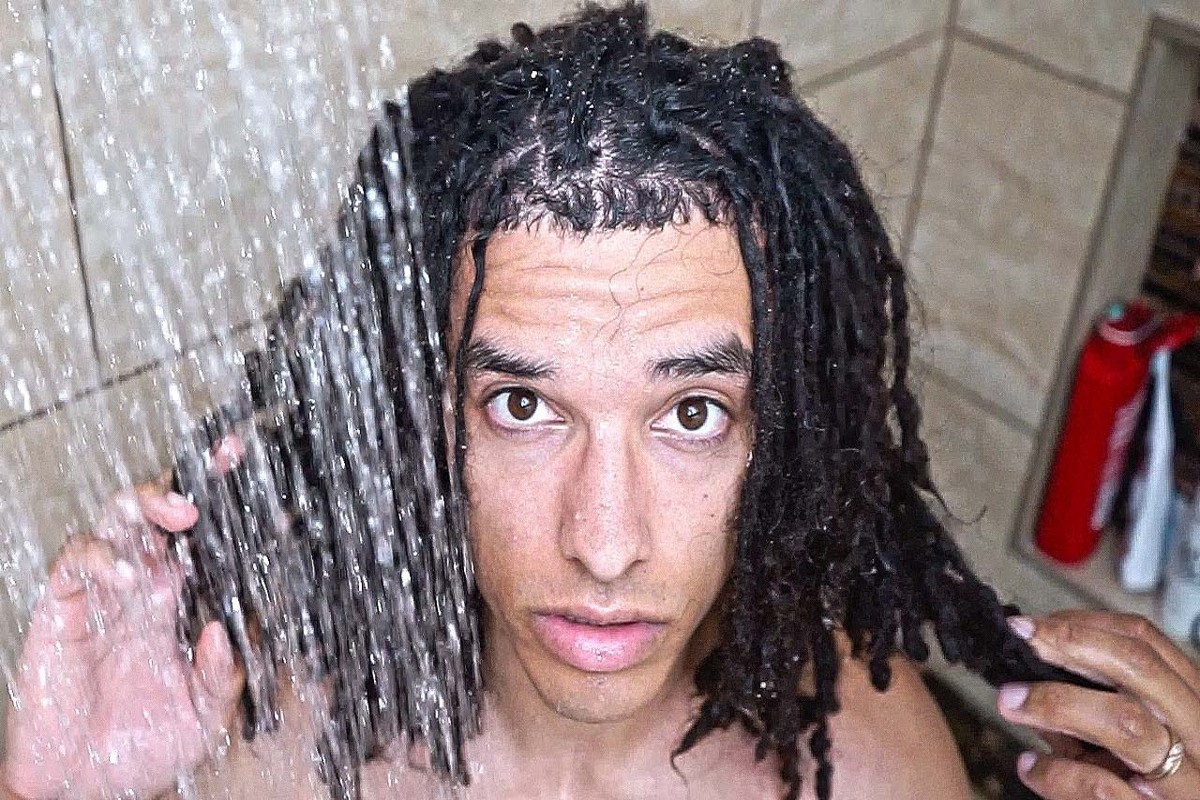
What happens if you shampoo with dreads in your hair can lead to frizz, unraveling, and buildup if not done correctly. Using the wrong products or techniques may compromise the integrity of the dreadlocks, affecting their appearance and health.
Understanding the effects of shampooing on dreadlocks is crucial for anyone maintaining this unique hairstyle. Incorrect practices can result in significant damage, making it essential for individuals with dreads to be informed about proper hair care to preserve their locks.
This article outlines the best practices for shampooing dreadlocks, including product recommendations and techniques to avoid complications such as frizz and buildup.
Can you use regular shampoo on dreadlocks?
Using regular shampoo on dreadlocks is generally not recommended. Regular shampoos often contain sulfates and other harsh ingredients that can disrupt the lock formation and cause buildup. Instead, products specifically designed for dreadlocks are more suitable for maintaining their health and integrity.
Regular shampoo is formulated to cleanse the hair and scalp effectively but may strip natural oils, leading to dryness. This can be detrimental to dreadlocks, which require moisture to remain healthy and prevent frizz. In contrast, dreadlock-specific shampoos are typically residue-free and contain natural ingredients that nourish the hair without interfering with the locking process.
Here are the key differences between regular shampoo and products formulated for dreadlocks:
- Ingredients: Regular shampoos often contain sulfates and detergents, while dreadlock shampoos utilize natural, residue-free ingredients.
- Moisture Retention: Dreadlock shampoos focus on maintaining moisture levels, preventing dryness and frizz.
- Buildup Prevention: Dreadlock-specific products help reduce buildup, which can hinder the locking process.
For individuals with dreadlocks, choosing the right product is essential. Regular shampoos can lead to problems such as unraveling or excessive frizz, ultimately affecting the longevity and appearance of the dreads. Always opt for a product specifically designed for your hair type to ensure optimal care.
Expert Tip: When transitioning from regular shampoo to dreadlock-specific products, consider conducting a thorough rinse to remove any residual buildup. This will enhance the effectiveness of the new shampoo and support healthier dreadlock formation.
How often should you wash dreads?
Washing dreadlocks typically occurs every 1 to 2 weeks, depending on individual hair type, lifestyle, and environmental factors. This frequency helps maintain scalp health and cleanliness without compromising the integrity of the locks. Over-washing can lead to dryness, while under-washing may result in buildup and odor.
Several factors influence the optimal washing frequency for dreadlocks. For individuals with oily scalps or those living in humid climates, washing every week may be necessary to prevent excess oil and dirt accumulation. Conversely, those with dry or coarse hair might find that washing every two weeks is sufficient, allowing for natural oils to nourish the hair. Additionally, active lifestyles that involve sweating or exposure to dirt may necessitate more frequent cleansing.
- Scalp condition: If the scalp feels itchy or appears flaky, increase washing frequency to address potential buildup.
- Hair type: Fine hair may require more frequent washing than thicker hair, which can retain oils longer.
- Environmental exposure: Regular exposure to dust, smoke, or pollutants may call for more frequent washes to maintain cleanliness.
- Product use: If using styling products, consider washing more often to prevent residue buildup.
After washing, ensure that dreadlocks are thoroughly dried to prevent mildew and odor. Consider using a residue-free shampoo specifically formulated for dreadlocks to avoid buildup. This practice not only keeps the hair clean but also maintains the structure and appearance of the locks.
For optimal maintenance, evaluate personal circumstances regularly and adjust washing frequency as needed. Consistent care is key to long-lasting and healthy dreadlocks.
What type of shampoo is best for dreads?
The best shampoos for dreadlocks are typically residue-free, clarifying, or specifically formulated for locking hair. These shampoos help maintain the integrity of the dreads while preventing buildup that can lead to odors or scalp issues. Look for options that are sulfate-free and contain natural ingredients to promote a healthy scalp.
One popular choice is a clarifying shampoo, which is designed to remove product buildup and excess oils. This type of shampoo is particularly beneficial for those who use styling products frequently. However, it should not be used too often, as overuse can dry out the hair and scalp. Another option is a residue-free shampoo, which is formulated to cleanse without leaving any film or residue behind. These shampoos are ideal for maintaining the natural look and feel of dreadlocks.
Furthermore, some brands offer shampoos specifically designed for dreadlocks, such as Dr. Bronner’s Castile Soap or Jamaican Mango & Lime Tingle Shampoo. These products often feature natural ingredients that cleanse while also enhancing the texture and longevity of the locks. Users report that these shampoos help keep their dreads clean and fresh without causing excessive frizz or unraveling.
When selecting a shampoo, consider personal hair type and any specific scalp conditions. For instance, individuals with sensitive scalps may prefer gentler formulations, while those with oily hair might benefit from a stronger clarifying shampoo. Experimenting with different products can help determine the best fit for individual needs.
Expert Tip: Always follow shampooing with a thorough rinse to ensure no product is trapped in the dreads, which can lead to odor and discomfort. Regular maintenance and proper cleansing routines are essential for healthy dreadlocks.
What happens if you don’t wash your dreads?
Not washing dreadlocks can lead to a number of negative consequences, including build-up of dirt and oils, unpleasant odors, and potential scalp issues. Over time, neglecting to cleanse the hair can compromise the integrity of the dreads themselves. This can result in matting, itching, and even infections.
When dreadlocks are not washed, a variety of substances accumulate within the hair. These may include:
- Natural oils from the scalp
- Environmental pollutants
- Product residues from styling products
- Dead skin cells
The build-up can create a breeding ground for bacteria and fungi, leading to conditions such as dandruff or folliculitis. Additionally, the hair may become excessively greasy and lose its intended appearance, making it more difficult to maintain the desired shape and structure of the dreadlocks.
Furthermore, failure to wash dreadlocks can result in an unpleasant odor. This odor often arises from the accumulation of sweat and dirt, which can become trapped in the locks. For those with tightly packed dreads, the lack of regular washing can also lead to the formation of lint and debris, which can be challenging to remove without proper cleansing methods.
Practical Implications
Regular washing is essential for maintaining healthy dreadlocks. Most experts recommend washing every 1-2 weeks, depending on individual hair type and lifestyle. This frequency helps prevent excessive build-up while supporting scalp health. It is also advisable to use a residue-free shampoo specifically formulated for dreadlocks to avoid further complications.
Expert Tip: Incorporate a light, clarifying rinse or herbal rinse into your washing routine. This can help to maintain freshness and reduce buildup without stripping the hair of its natural oils.
How do you wash dreadlocks without ruining them?
Washing dreadlocks requires a careful approach to avoid disrupting their structure. Proper techniques can help maintain the integrity and appearance of the locks while ensuring cleanliness. Following specific steps will prevent frizz and unraveling.
- Choose the right shampoo. Use a residue-free, gentle shampoo specifically formulated for dreadlocks. Avoid products with heavy oils or silicones, which can cause buildup.
- Prepare your hair. Before washing, separate your dreadlocks to prevent tangling. This can be done by gently pulling apart the roots and ensuring each lock is distinct.
- Wet your hair thoroughly. Use lukewarm water to wet your dreadlocks completely. This helps the shampoo distribute evenly and opens the hair cuticles for effective cleansing.
- Apply shampoo carefully. Dilute the shampoo with water in a spray bottle for easier application. Focus on the scalp, massaging gently with your fingertips, and let the suds flow down the length of the dreads.
- Rinse thoroughly. Rinse your hair completely with lukewarm water. Ensure all shampoo is removed, as residue can lead to itchiness and buildup.
- Condition if necessary. If your hair feels dry, apply a light conditioner to the ends of your dreadlocks. Avoid the roots to maintain the lock structure.
- Dry properly. Squeeze excess water from your locks and pat them dry with a microfiber towel. Avoid rubbing, as this can cause frizz.
Regular washing, ideally every 1-2 weeks, is essential for keeping dreadlocks healthy. Consider using a clarifying shampoo occasionally to remove buildup, but ensure it’s suitable for dreadlocks.
Expert Tip: After washing, allow dreadlocks to air dry thoroughly to prevent mildew. A hooded dryer can expedite the process without disturbing the lock formation.
Can washing dreads too often damage them?
Yes, washing dreadlocks too often can lead to damage. Excessive washing can strip natural oils, causing dryness and brittleness. This imbalance may result in frizz, breakage, and even the loosening of the locks.
When considering how often to wash dreadlocks, it’s essential to balance cleanliness and hair health. Typically, individuals with dreadlocks may wash their hair every 1-2 weeks, but this can vary based on hair type, lifestyle, and product use.
- Frequent Washing (Every 1-3 Days): This can lead to overly dry hair, as the natural oils are stripped away. The locks may become fragile and more prone to breakage.
- Moderate Washing (Every Week): This allows for some oil retention while still maintaining cleanliness. It suits most dreadlock wearers, balancing hygiene and hair health.
- Infrequent Washing (Every 2-4 Weeks): This approach may help retain moisture and natural oils, promoting stronger locks. However, it can lead to product buildup and odor if not managed properly.
Different hair types and lifestyles can influence the ideal washing frequency. For example, individuals with oily scalps may need to wash more often, while those with drier hair may benefit from less frequent washing. Additionally, the use of heavy products can necessitate more frequent cleansing to prevent buildup.
Maintaining healthy dreadlocks involves finding a washing routine that suits personal needs while preventing damage. Consider the specific characteristics of your hair and adjust washing frequency accordingly.
Expert Tip: Incorporating a gentle, residue-free shampoo and a deep conditioning treatment can help maintain moisture levels, especially for those who wash their dreads more frequently.
What is the best way to dry dreads after washing?
Drying dreadlocks properly after washing is essential to prevent mildew and maintain their shape. The best methods involve using gentle techniques that minimize friction and avoid damaging the hair. Here are effective steps to dry dreads safely.
- Gently Squeeze Water Out: After rinsing, gently squeeze each dreadlock to remove excess water. Avoid twisting or wringing them, as this can cause breakage.
- Use a Microfiber Towel: Wrap your dreads in a microfiber towel to absorb moisture. This material is less abrasive than regular towels and helps reduce frizz.
- Air Dry: Allow your dreadlocks to air dry in a well-ventilated area. This method is the safest and most effective way to prevent mildew growth.
- Use a Hair Dryer on Low: If you need to speed up the process, use a hair dryer on a low heat setting. Keep it at least six inches away from your hair to avoid heat damage.
- Drying with a Fan: Position a fan near your dreads for enhanced airflow. This will help them dry quickly without direct heat, reducing the risk of damage.
When drying dreadlocks, it is crucial to ensure they are completely dry before tying them up or wearing hats. Any residual moisture can lead to mildew and odor, which are detrimental to the health of your hair.
Expert Tip: For added freshness, consider using a few drops of essential oil in your towel or dryer to impart a pleasant scent. Additionally, using a dreadlock-specific spray that promotes drying can also help maintain hair health.
Understanding the Science Behind Dreadlocks and Shampoo
This section delves into the formation of dreadlocks and the specific effects of shampoo on them, highlighting why dreadlocks require unique care compared to straight hair types.

The Structure of Dreadlocks
Dreadlocks are formed through a process of matting and tangling hair strands. Unlike straight hair, which flows smoothly, the texture of curly or coily hair facilitates the interlocking of strands. This structure allows dreadlocks to trap dirt, oils, and product residues, creating a unique environment within each lock. Over time, the accumulation of these substances can impact the health and appearance of the locks.
Impact of Shampoo Ingredients
Shampoo formulations vary significantly, and the ingredients can affect the locking process. Certain ingredients can disrupt the natural oils that contribute to the formation and maintenance of dreadlocks. For instance, shampoos containing sulfates are effective in removing buildup but can also strip essential oils, leading to dryness and brittleness. In contrast, natural or residue-free shampoos are gentler and help maintain moisture without compromising the integrity of the locks.
Moisture Levels in Dreadlock Maintenance
Moisture is crucial for the health of dreadlocks. Maintaining appropriate moisture levels prevents hair from becoming too dry, which can lead to breakage. When shampooing with dreads, it is essential to consider the hydration balance. Post-shampoo conditioning treatments, such as leave-in conditioners, can help replenish moisture while allowing the locks to maintain their structure.
The Role of pH Balance in Hair Care
The pH balance of hair products plays a significant role in dreadlock care. Hair typically has a pH range of 4.5 to 5.5. Shampoos that are too alkaline can lead to the cuticle layer of hair raising, resulting in frizz and increased susceptibility to damage. Choosing shampoos with a balanced pH can help maintain the health of dreadlocks, ensuring they remain strong and well-formed.
Nuance in Dreadlock Care
Common misconceptions about dreadlock maintenance often overlook the need for regular cleansing. While some believe that washing can unravel or damage dreads, the reality is that proper washing techniques and appropriate products can enhance their longevity. Additionally, individuals with finer hair may experience different effects from shampooing than those with coarser textures. Recognizing these distinctions is essential for effective care.
Practical Application
- Opt for a natural or residue-free shampoo to minimize buildup.
- Consider using a pH-balanced shampoo to maintain hair health.
- Incorporate a moisturizing treatment after shampooing to replenish hydration.
- Wash dreadlocks regularly, ideally every 1-2 weeks, to prevent excessive buildup.
By understanding what happens if you shampoo with dreads in your hair, individuals can make informed decisions about their hair care routines, ensuring their dreadlocks remain healthy and well-maintained.
Common Mistakes When Shampooing Dreadlocks
This section identifies frequent errors associated with washing dreadlocks and emphasizes their impact on hair and scalp health. Proper shampooing is essential for maintaining the integrity and cleanliness of dreadlocks.

Using the Wrong Type of Shampoo
Choosing an inappropriate shampoo can significantly affect dreadlock maintenance. Conventional shampoos often contain sulfates and artificial fragrances, which can strip natural oils and lead to dryness. Instead, opt for a clarifying shampoo specifically designed for dreadlocks, as it effectively cleanses without causing excessive buildup or dryness.
Over-Washing Dreadlocks
Washing dreadlocks too frequently can disrupt the natural balance of oils on the scalp. Over-washing may lead to a dry scalp, increased flakiness, and irritation. It is generally recommended to wash dreadlocks every 1-2 weeks, depending on individual scalp oiliness and lifestyle factors.
Neglecting to Rinse Thoroughly
Insufficient rinsing can result in product buildup within the dreadlocks. This buildup not only creates an unpleasant odor but can also lead to mold growth if moisture becomes trapped. Rinse thoroughly until the water runs clear, ensuring that all shampoo residues are eliminated.
Applying Shampoo Directly to Dreads
Applying shampoo directly onto dreads can prevent even distribution and lead to uneven cleaning. Instead, it is advisable to dilute the shampoo with water in a spray bottle or bowl before application. This method allows for better penetration and coverage, ensuring that each lock is cleaned effectively.
- Use a clarifying shampoo made specifically for dreadlocks.
- Avoid washing dreadlocks more than once every 1-2 weeks.
- Ensure thorough rinsing to eliminate all shampoo residue.
- Dilute shampoo before applying it to the hair.
Nuanced Considerations
While the aforementioned practices are widely applicable, individual hair types and scalp conditions may necessitate tailored approaches. For example, those with extremely oily scalps may require more frequent washing but can still benefit from using a gentle, residue-free shampoo. Additionally, misconceptions about the necessity of using commercial products abound; many natural alternatives can effectively cleanse dreadlocks without harsh chemicals. Understanding the specific needs of one’s hair and experimenting with different products can lead to optimal results.
Practical Application
To maintain healthy dreadlocks, select a sulfate-free, clarifying shampoo and limit washes to every 1-2 weeks. Always dilute shampoo before use and ensure thorough rinsing to prevent buildup. Monitor scalp health and adjust washing frequency based on individual needs, incorporating natural alternatives if desired.
Real-Life Experiences: Case Studies of Shampooing Dreads
This section delves into the firsthand experiences of individuals with dreadlocks regarding their shampooing practices. Insights shared here illuminate the practical implications of shampooing with dreads, highlighting both successes and challenges.

Personal Stories of Dreadlock Maintenance
Individuals with dreadlocks often have unique approaches to shampooing, influenced by hair type and personal preference. For instance, one user reported using a residual-free shampoo that effectively cleansed without leaving buildup. Another individual shared a contrasting experience, noting that using a traditional shampoo led to excessive frizz and unraveling. These narratives underscore the importance of selecting appropriate products tailored to dreadlock care.
Before-and-After Comparisons of Washing Techniques
Comparative experiences reveal significant differences in hair condition based on washing techniques. A study involving two participants highlighted the following:
- Participant A: Used a diluted apple cider vinegar rinse post-shampooing, resulting in softer, more manageable dreads.
- Participant B: Opted for a clarifying shampoo without rinsing thoroughly, which resulted in stiff, sticky locks that required extensive reconditioning.
- Participant C: Implemented a cold water rinse after shampooing, leading to increased shine and reduced frizz.
The before-and-after scenarios illustrate how technique and product choice can dramatically impact the health of dreadlocks.
Lessons Learned from Mistakes
Many dreadlock wearers have encountered challenges during the shampooing process. Common mistakes include:
- Using shampoos with sulfates, leading to dryness and potential unraveling of dreads.
- Failing to rinse thoroughly, which can cause residue buildup and an unpleasant odor.
- Over-washing, resulting in loss of natural oils and increased frizz.
These lessons emphasize the need for a balanced approach to shampooing, considering both frequency and product choice.
Expert Opinions from Hairstylists
Hairstylists specializing in dreadlocks offer valuable insights into effective shampooing practices. Many recommend using natural, residue-free shampoos to maintain the integrity of the locks. Experts also stress the importance of gentle washing techniques to avoid disturbing the formation of the dreads. Stylist feedback indicates that individuals should assess their hair’s response to different products, adjusting as necessary to prevent damage.
Nuance and Expert Layer
One common misconception is that all shampoos are detrimental to dreadlocks. However, certain formulations can be beneficial when used correctly. For example, specific herbal shampoos can promote scalp health without compromising the dreads. Additionally, the frequency of washing can vary greatly among individuals; some may thrive on weekly washes, while others might find bi-weekly or monthly washing more suitable. Recognizing these nuances is essential for optimal dreadlock maintenance.
Practical Application
To effectively manage dreads during shampooing, consider the following actionable steps:
- Choose a residue-free shampoo tailored for dreadlocks.
- Experiment with different washing techniques, such as cold rinses or vinegar rinses, to find what works best.
- Avoid sulfates and heavy conditioners that may disrupt the structure of your dreads.
- Monitor your hair’s response and adjust your routine as needed to maintain health and appearance.
By applying these strategies, individuals can better navigate the complexities of shampooing with dreads in their hair, ensuring their locks remain healthy and well-maintained.
The Best Practices for Maintaining Healthy Dreadlocks
This section explores expert recommendations for maintaining dreadlocks, emphasizing proper shampooing practices and overall hair care. Implementing these best practices can significantly enhance the longevity and appearance of dreadlocks.

Recommended Shampooing Frequency
The frequency of shampooing depends on hair type and lifestyle. For individuals with thicker, coarser hair, shampooing every 1-2 weeks is often sufficient. Those with finer hair may need to wash every 5-7 days to prevent buildup. Active individuals or those exposed to heavy dirt and sweat may require more frequent washes. Always use a residue-free shampoo to avoid product buildup that can hinder the locking process.
Techniques for Detangling and Maintaining Shape
Maintaining the shape of dreadlocks requires specific techniques. Regularly palm-rolling the dreads helps to keep them compact and uniform. Additionally, using a crochet hook can aid in tightening loose hairs. When detangling, do so gently to avoid unraveling the lock. Here are some effective techniques:
- Palm rolling: Roll the dread between your palms to reinforce its shape.
- Crochet method: Use a small crochet hook to pull loose hairs back into the lock.
- Sectioning: Divide hair into manageable sections to work on one dread at a time.
Importance of Conditioning and Moisturizing
While traditional conditioners can leave residue, maintaining moisture is vital for healthy dreadlocks. Instead, opt for light, natural oils such as jojoba or argan oil. These oils can hydrate the scalp and prevent dryness without causing buildup. Regularly moisturizing the scalp and dreads promotes elasticity and reduces breakage.
Tips for Protecting Dreads While Sleeping and During Activities
To protect dreadlocks while sleeping, consider using a satin or silk scarf or pillowcase. This minimizes friction and prevents frizz. When engaging in physical activities, tie hair back with a soft, non-abrasive scrunchie to reduce strain on the roots. Here are additional protective measures:
- Use a hair wrap: A wrap can shield dreads from sweat and friction.
- Avoid tight hairstyles: Loose styles reduce tension on the scalp.
- Limit exposure to chlorine: Rinse hair before swimming to minimize chlorine absorption.
Many believe that washing dreadlocks is detrimental, but maintaining cleanliness is essential for scalp health. Properly shampooing with the right products helps prevent odor and buildup. Consider using a clarifying shampoo once a month to remove residue and maintain freshness.
Implement these practices by creating a hair care schedule that includes regular washing, moisturizing, and protective measures. Choose a lightweight shampoo, invest in natural oils, and establish a night routine to ensure your dreadlocks remain healthy and vibrant. Prioritize your scalp’s health to support the overall condition of your locks.
Frequently Asked Questions
Can you use regular shampoo on dreadlocks?
Regular shampoo can strip essential oils and leave residue, which is not ideal for dreadlocks. It is recommended to use a residue-free shampoo specifically formulated for dreads.
How often should you wash dreads?
Dreadlocks should typically be washed every 1-2 weeks, depending on personal preference and scalp condition. Washing too infrequently can lead to buildup, while washing too often can dry out the hair.
What type of shampoo is best for dreads?
A residue-free, clarifying shampoo is best for dreadlocks, as it helps remove buildup without leaving harmful residues. Look for shampoos specifically designed for dreadlocks to maintain their integrity.
What happens if you don’t wash your dreads?
Not washing dreadlocks can lead to excessive buildup of dirt, oil, and product, which may cause odor and scalp issues. Over time, this can compromise the health and appearance of the dreads.
How do you wash dreadlocks without ruining them?
To wash dreadlocks without damaging them, use a gentle, residue-free shampoo and apply it carefully to avoid loosening the locks. Rinse thoroughly and avoid vigorous scrubbing to maintain their structure.
Can washing dreads too often damage them?
Washing dreadlocks too frequently can strip natural oils, leading to dryness and potential breakage. It is essential to find a balance that keeps the scalp clean without compromising the integrity of the dreads.
What is the best way to dry dreads after washing?
The best way to dry dreadlocks is to gently squeeze out excess water and then wrap them in a microfiber towel. Allow them to air dry completely to prevent mildew and maintain their shape.
Final Thoughts on what happens if you shampoo with dreads in your hair
Shampooing dreadlocks, when done correctly, can maintain scalp health and prevent buildup without compromising the integrity of the locks. Choosing the right shampoo and adhering to a proper washing schedule are crucial to ensuring dreads remain clean, healthy, and well-formed.
To optimize your dreadlock care, invest in a residue-free shampoo specifically formulated for dreadlocks and establish a washing routine that suits your hair type, ideally every 1-2 weeks, to balance cleanliness with the unique needs of your hair.
Understanding the implications of shampooing with dreads is essential for maintaining both the aesthetic and health of your locks, making informed choices critical for long-term success.
Leave a Reply