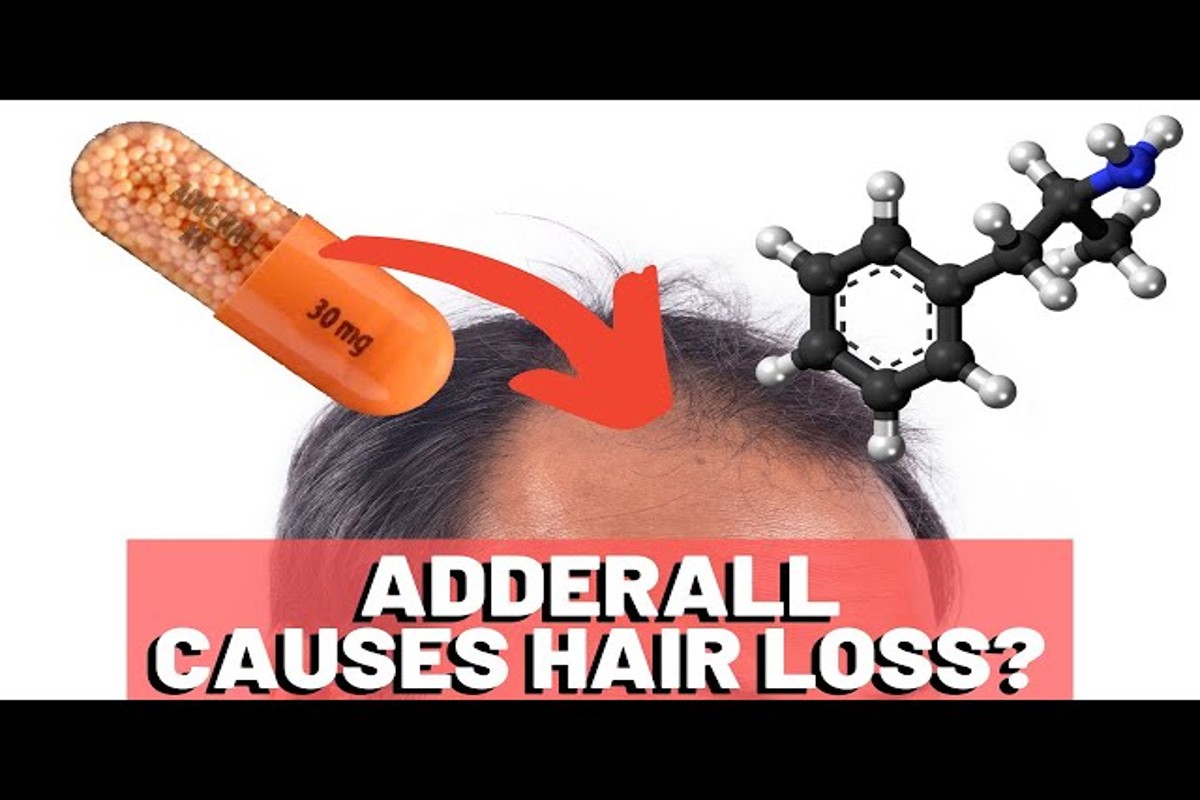
Does Adderall cause hair loss? Some users report hair thinning as a side effect of this medication, although research on the topic remains limited. Consulting a healthcare professional is advised for personalized guidance.
Understanding the potential side effects of Adderall, including hair loss, is crucial for individuals using the medication to manage attention deficit hyperactivity disorder (ADHD) or narcolepsy. Misunderstanding these effects can lead to unnecessary anxiety or poor treatment decisions.
This article will clarify the connection between Adderall and hair loss, examine user reports, and review the existing research on the topic, providing essential insights for those concerned about this side effect.
What are the side effects of Adderall?
Adderall, a prescription medication used to treat ADHD and narcolepsy, can cause a range of side effects. These effects can vary in severity and may not occur in every individual. Both common and rare side effects exist, affecting various bodily systems.
The most frequently reported side effects of Adderall include increased heart rate, insomnia, dry mouth, and loss of appetite. Some users also experience anxiety, irritability, and gastrointestinal issues. Rarely, more severe side effects may occur, such as cardiovascular problems or psychiatric symptoms.
- Common Side Effects:
- Increased heart rate (tachycardia)
- Insomnia or sleep disturbances
- Dry mouth
- Loss of appetite and weight loss
- Anxiety or restlessness
- Irritability
- Headaches
- Gastrointestinal issues (nausea, constipation)
- Less Common or Rare Side Effects:
- Cardiovascular complications (e.g., high blood pressure, palpitations)
- Psychiatric symptoms (e.g., hallucinations, mania)
- Skin reactions (e.g., rashes, allergic reactions)
- Potential for dependency or abuse
Individual responses to Adderall can vary greatly based on factors such as dosage, duration of use, and personal health history. For some, side effects may diminish over time as the body adjusts to the medication. However, if side effects are persistent or severe, it is crucial to consult a healthcare provider for potential alternatives or adjustments.
Expert Tip: Regular monitoring by a healthcare professional can help identify and manage side effects effectively, ensuring the benefits of Adderall outweigh the risks for each individual.
How does Adderall affect hair health?
Adderall can affect hair health through several mechanisms, primarily related to its stimulant properties and the body’s physiological response. While direct evidence linking Adderall to hair loss is limited, its effects on blood flow, stress hormones, and nutritional absorption can contribute to changes in hair growth cycles.
- Increased Stress Hormones: Adderall can elevate cortisol levels, a hormone associated with stress. Chronic high cortisol can lead to hair thinning and loss by disrupting the hair growth cycle.
- Circulatory Changes: The stimulant effects of Adderall may alter blood circulation. Poor circulation can reduce the delivery of essential nutrients to hair follicles, potentially affecting their health and growth.
- Nutritional Deficiencies: Some users may experience decreased appetite as a side effect of Adderall. This can lead to inadequate nutrient intake, particularly of vitamins and minerals crucial for hair health, such as iron and biotin.
- Genetic Factors: Individual genetic predispositions play a significant role in hair loss. Those already predisposed to conditions like androgenetic alopecia may find that Adderall exacerbates their hair loss due to its physiological effects.
- Disruption of Sleep Patterns: Adderall can interfere with sleep, leading to insomnia or poor-quality rest. Sleep is vital for hair health, as it is during deep sleep that the body undergoes repair and regeneration processes, including hair restoration.
Considerations for Users
Users should monitor their hair health while on Adderall, especially if experiencing any noticeable changes. Consulting a healthcare provider can help assess whether the medication may be contributing to hair issues and explore alternative treatment options if necessary.
Expert Tip: Regularly incorporating a balanced diet rich in vitamins and minerals can mitigate some risks associated with hair loss while on Adderall. Additionally, maintaining a stress management routine may help counteract the potential hormonal impacts of the medication.
Is hair loss from Adderall reversible?
Yes, hair loss associated with Adderall can be reversible upon discontinuation of the medication. However, the degree of regrowth can vary significantly among individuals. Factors such as the duration of use and individual health conditions can influence the recovery process.
The potential for hair regrowth after stopping Adderall is similar to that of other medications known to cause hair loss. For instance, hair loss due to certain antidepressants or hormonal therapies can also be reversed once the medication is stopped. However, the timeline and extent of regrowth can differ based on the specific drug involved and the individual’s biological response.
- Adderall: Hair loss may occur during use, but regrowth is often seen within months after discontinuation.
- Antidepressants: Some types, like SSRIs, can cause hair thinning. Regrowth may take several months post-cessation.
- Hormonal therapies: Medications like birth control can lead to hair loss, which may reverse once treatment is stopped, though some individuals may experience lasting effects.
Individual factors such as genetics, overall health, and nutritional status can also play roles in hair regrowth. For example, a person with pre-existing hair loss conditions may experience slower regrowth compared to someone without such issues. Additionally, stress levels and hormonal fluctuations after stopping medication can further impact the recovery process.
Expert Tip: Implementing a balanced diet rich in vitamins and minerals, particularly biotin and zinc, can support hair health during the recovery phase after discontinuing Adderall.
What can be done to prevent hair loss while on Adderall?
To prevent hair loss while on Adderall, individuals can adopt specific lifestyle changes and practices. These strategies focus on maintaining overall hair health and minimizing stressors that may contribute to hair loss. Implementing these measures can help mitigate potential side effects associated with the medication.
- Maintain a Balanced Diet: Ensure adequate intake of essential nutrients such as vitamins A, C, D, E, zinc, iron, and protein. Foods rich in these nutrients support hair growth and overall health.
- Stay Hydrated: Drink sufficient water throughout the day. Proper hydration is vital for maintaining healthy hair and preventing dryness and brittleness.
- Manage Stress: Engage in stress-reducing activities such as yoga, meditation, or regular exercise. High stress levels can exacerbate hair loss, so finding effective coping mechanisms is crucial.
- Limit Heat and Chemical Treatments: Reduce the use of heat styling tools and harsh chemical treatments on hair. These can damage hair and exacerbate thinning, especially when combined with medication side effects.
- Consult a Healthcare Professional: Regularly discuss any concerns about hair loss with a healthcare provider. They may suggest supplements or alternative medications that could have a lesser impact on hair health.
These practices not only promote hair health but also contribute to overall well-being. Individuals experiencing significant hair loss should consider evaluating their medication dosage and regimen with their healthcare provider.
Adopting a proactive approach to hair care while on Adderall can significantly reduce the risk of hair loss. Additionally, monitoring changes in hair health and adjusting lifestyle factors accordingly can lead to better outcomes.
How long does it take for hair to regrow after stopping Adderall?
Hair regrowth after discontinuing Adderall typically occurs within 3 to 6 months. However, the exact timeframe can vary based on individual factors such as overall health, the duration of Adderall use, and genetic predisposition to hair loss.
The hair growth cycle consists of several phases: anagen (growth), catagen (transition), and telogen (rest). When Adderall is discontinued, hair may initially continue to shed during the telogen phase before new hair starts to grow. Factors such as nutritional status, stress levels, and hormonal balance can influence the speed of hair regrowth. Individuals with a history of hair loss may experience a longer recovery period, while those with a robust hair growth cycle may notice improvement sooner.
Additionally, the quality of hair regrowth can also be affected by lifestyle choices. A balanced diet rich in vitamins and minerals, proper hydration, and stress management can promote healthier hair restoration. Regular scalp care and avoiding harsh hair treatments during the recovery phase can further enhance growth outcomes.
Expert Tip: Consider consulting a healthcare professional or a dermatologist for personalized advice on managing hair loss after stopping Adderall, as they can provide tailored strategies and evaluate any underlying health issues.
Are there alternatives to Adderall that don’t cause hair loss?
Yes, there are alternatives to Adderall that are less likely to cause hair loss. Medications such as methylphenidate (commonly known by brand names like Ritalin or Concerta) and atomoxetine (Strattera) may be suitable options. These alternatives can effectively manage ADHD symptoms with potentially fewer side effects related to hair health.
Methylphenidate is a stimulant medication, similar to Adderall, but its side effect profile can differ. Some patients report fewer issues with hair loss when using methylphenidate compared to Adderall. Atomoxetine, on the other hand, is a non-stimulant medication that works differently in the brain. It primarily affects norepinephrine levels rather than dopamine, which is the primary target of stimulant medications. This mechanism may reduce the likelihood of hair loss as a side effect.
Individual responses to ADHD medications vary widely. Factors such as genetics, overall health, and concurrent medications can influence side effects, including hair loss. Therefore, it’s crucial for patients to work closely with healthcare providers to find the most suitable medication. Regular follow-ups can help monitor side effects and make necessary adjustments to the treatment plan.
Expert Tip: When considering alternatives to Adderall, discuss the potential for hair loss and other side effects with a healthcare provider. They can help tailor a treatment plan that minimizes adverse effects while effectively managing ADHD symptoms.
What should I do if I notice hair loss while taking Adderall?
If you notice hair loss while taking Adderall, it is essential to take proactive steps to address the issue. Start by assessing your overall health and any other potential contributing factors. If the hair loss persists, consult a healthcare provider for further evaluation and guidance.
- Monitor the hair loss: Keep track of the severity and pattern of your hair loss. Note if it occurs in patches, thinning evenly, or if it’s more pronounced in specific areas.
- Review other medications: Consider if you are taking any other medications or supplements that could contribute to hair loss. Certain drugs, medical conditions, or nutritional deficiencies may also play a role.
- Evaluate lifestyle factors: Assess your diet, stress levels, and overall health. Nutritional deficiencies, high-stress environments, and poor hair care practices can exacerbate hair loss.
- Consult a healthcare provider: If hair loss continues or worsens, schedule an appointment with your doctor. They can help determine if Adderall is a factor and suggest alternatives or treatments.
- Consider dermatological advice: A dermatologist can provide specialized care for hair loss. They may recommend topical treatments, lifestyle changes, or further testing to identify underlying causes.
Hair loss can be distressing, but understanding the cause is key to effective management. Always prioritize open communication with your healthcare provider regarding any concerns you have while on medication.
Expert Tip: Document changes in your hair and overall health in a journal. This record can provide valuable information to your healthcare provider during consultations, enabling a more accurate assessment.
The Science Behind Adderall and Hair Loss
This section explores the physiological effects of Adderall, particularly focusing on mechanisms that may contribute to hair loss. A deeper understanding of these connections can help individuals make informed decisions regarding their treatment options.

Mechanisms of Action of Adderall
Adderall, a combination of amphetamine salts, primarily acts as a central nervous system stimulant. It increases the levels of neurotransmitters such as dopamine and norepinephrine. This elevation in neurotransmitter activity enhances focus and reduces impulsivity. However, the increased stimulation can lead to physiological changes that may indirectly affect hair health.
Hormonal Changes Associated with Stimulant Medications
Stimulant medications like Adderall can provoke alterations in hormonal balance. Specifically, they may elevate cortisol levels, the body’s primary stress hormone. Chronic elevation of cortisol can lead to conditions such as telogen effluvium, where hair follicles prematurely enter the shedding phase. Additionally, changes in testosterone levels, which can be influenced by stimulant use, may also play a role in hair loss.
The Role of Stress and Anxiety in Hair Loss
The relationship between stress and hair loss is well-documented. Adderall can exacerbate anxiety symptoms in some users, creating a feedback loop that increases stress. High stress levels can lead to hair loss through mechanisms such as increased cortisol levels and reduced blood flow to hair follicles. Chronic stress can also compromise overall health, further impacting hair growth.
Comparative Analysis with Other Medications
- Antidepressants: Certain SSRIs are known to cause hair loss through hormonal changes.
- Blood Pressure Medications: Some beta-blockers have been linked to hair thinning.
- Chemotherapy Agents: These are well-known for causing significant hair loss due to their impact on rapidly dividing cells.
While Adderall has not been conclusively linked to hair loss in the same way as these medications, the potential for hormonal and physiological changes makes it a topic of interest for further research.
Nuance in the Discussion
Common misconceptions suggest that all stimulant medications inevitably lead to hair loss. However, individual responses to Adderall vary significantly. Factors such as genetic predisposition, diet, and overall health play critical roles in determining whether a user will experience hair loss. Additionally, the duration and dosage of Adderall usage can influence its side effects, including hair health. Understanding these nuances is essential for those concerned about the potential implications of this medication.
Practical Application
For individuals concerned about the potential link between Adderall and hair loss, consider the following actions:
- Consult with a healthcare provider to evaluate the necessity of Adderall versus alternative treatments.
- Monitor stress levels and implement stress-reduction strategies, such as mindfulness or exercise.
- Maintain a balanced diet rich in vitamins and minerals that support hair health, such as biotin and zinc.
- Consider regular check-ins with a dermatologist if hair thinning occurs, to explore possible interventions.
Managing Hair Health While on Adderall
This section explores actionable strategies for maintaining optimal hair health for individuals undergoing Adderall treatment. Addressing nutritional needs, stress management, and hair care can play a vital role in mitigating potential hair loss.
Nutritional Considerations for Hair Health
A balanced diet significantly influences hair vitality. Essential nutrients include:
- Proteins: Hair is primarily composed of keratin, a protein. Include lean meats, fish, eggs, and legumes for adequate protein intake.
- Vitamins: Vitamins A, C, D, and E support hair health. Incorporate leafy greens, fruits, and nuts.
- Minerals: Iron and zinc are critical for hair growth. Foods like spinach, lentils, and pumpkin seeds are beneficial.
Hydration is equally vital. Drinking sufficient water aids in nutrient absorption and maintains scalp moisture, which can prevent hair from becoming brittle.
Importance of Stress Management Techniques
Stress is a well-documented factor in hair loss. Implementing stress management techniques can help reduce the risk of hair thinning. Effective methods include:
- Meditation: Regular meditation can lower cortisol levels, helping to alleviate stress.
- Exercise: Physical activity releases endorphins, which enhance mood and reduce anxiety.
- Mindfulness practices: Engaging in mindfulness exercises can foster resilience against stressors.
Building a routine that incorporates these practices can lead to improved emotional well-being and, consequently, better hair health.
Hair Care Products and Treatments
Choosing the right hair care products can mitigate hair loss. Consider the following:
- Shampoos: Use sulfate-free shampoos to avoid stripping hair of natural oils.
- Conditioners: Opt for conditioners that contain biotin or keratin to strengthen hair strands.
- Topical treatments: Products with minoxidil may promote hair growth and prevent further loss.
Regularly massage the scalp to enhance blood circulation, which nourishes hair follicles and can promote growth.
Consulting Healthcare Professionals for Personalized Advice
Individual responses to Adderall can vary. Consulting with healthcare professionals such as dermatologists or nutritionists can provide personalized strategies tailored to specific needs. They can assess potential underlying issues contributing to hair loss and recommend appropriate interventions.
Common misconceptions include the belief that all individuals on Adderall will experience hair loss. While some may notice thinning, others may not be affected at all. Factors such as genetics, overall health, and lifestyle choices play significant roles in hair health beyond medication use.
To maintain hair health while on Adderall, individuals should focus on a nutrient-rich diet, engage in regular stress management practices, select appropriate hair care products, and seek professional advice. Specific actions include integrating foods rich in proteins and vitamins into daily meals, establishing a consistent exercise routine, and using gentle hair care products. By prioritizing these strategies, individuals can better safeguard their hair health during Adderall treatment.
Real-Life Experiences: Adderall and Hair Loss
This section explores personal accounts from individuals who have reported hair loss while taking Adderall. These experiences provide valuable insights into the potential connection between the medication and hair thinning or loss.

Personal Stories Highlighting Varied Experiences
Anecdotal evidence from users reveals a wide range of experiences regarding hair loss related to Adderall use. Some individuals report significant thinning, while others notice only minor changes. For example, one user shared that they experienced noticeable hair shedding after six months on the medication, while another reported no changes over several years. These varying experiences suggest that the impact of Adderall may differ significantly among users.
Common Themes and Patterns in User Reports
- Duration of Use: Many users who reported hair loss had been on Adderall for extended periods, often six months or longer.
- Dosage: Higher dosages seem to correlate with increased reports of hair thinning. Users taking 30 mg or more daily often mentioned this side effect.
- Other Factors: Several individuals noted that stress, changes in diet, or other medications may have contributed to their hair loss, complicating the relationship with Adderall.
Insights from Forums and Support Groups
Online forums and support groups serve as platforms for individuals to share their experiences and coping strategies. Many users express frustration and confusion regarding hair loss while using Adderall. Common discussions include:
- Seeking alternatives: Users often explore non-stimulant medications for ADHD due to concerns about hair loss.
- Hair care routines: Some individuals share tips on hair products and routines that may minimize shedding.
- Consulting professionals: Many users emphasize the importance of discussing hair loss with healthcare providers to explore potential solutions.
Lessons Learned and Coping Strategies
Individuals affected by hair loss while on Adderall have developed various coping strategies. These range from lifestyle changes to seeking medical advice. Key strategies include:
- Stress Management: Techniques such as meditation or yoga have been cited as helpful in reducing overall stress, which may alleviate hair loss.
- Nutrition: Many users have turned to a balanced diet rich in vitamins and minerals to promote hair health.
- Medical Consultation: Engaging with dermatologists or trichologists for tailored advice has proven beneficial for some individuals.
While anecdotal evidence offers valuable insights, it is crucial to approach the connection between Adderall and hair loss with a nuanced understanding. Common misconceptions suggest a direct causation, but individual responses to medication can vary widely. Factors such as genetics, overall health, and concurrent medications play significant roles in hair health. Many users may attribute hair loss solely to Adderall without considering these other influences.
To effectively address concerns regarding hair loss while taking Adderall, individuals should consider the following actionable steps:
- Monitor changes: Keep a journal to track hair health before and during Adderall use.
- Consult healthcare providers: Discuss any concerns about hair loss with a physician or dermatologist.
- Explore alternatives: Research non-stimulant ADHD medications if hair loss becomes a significant concern.
Consulting Healthcare Professionals: When and Why
Consulting healthcare professionals is essential for anyone experiencing potential side effects from Adderall, including hair loss. This section outlines when to seek help, what to expect during evaluations, and alternative treatments available.

Identifying Signs That Warrant a Consultation
Individuals should consider consulting a healthcare professional if they experience any of the following signs:
- Noticeable thinning or shedding of hair
- Changes in hair texture or quality
- Persistent itching or scalp irritation
- Sudden onset of hair loss after starting Adderall
These symptoms may indicate an adverse reaction to medication or an underlying health issue that requires professional evaluation.
What to Expect During a Medical Evaluation for Hair Loss
During a medical evaluation, a healthcare provider will conduct a thorough assessment to determine the cause of hair loss. The evaluation process typically includes:
- Medical History Review: Discussion of current medications, including Adderall, and any relevant family history of hair loss.
- Physical Examination: Inspection of the scalp to assess hair density and overall health.
- Diagnostic Tests: Possible blood tests to check for hormonal imbalances, nutritional deficiencies, or other conditions linked to hair loss.
These steps help pinpoint whether Adderall is a contributing factor or if other factors are involved.
Alternative Treatment Options That May Be Discussed
If Adderall is determined to be a factor in hair loss, healthcare providers may suggest various alternative treatment options, including:
- Adjusting the dosage or switching to a different medication
- Implementing lifestyle changes, such as improved nutrition or stress management techniques
- Exploring topical treatments or supplements aimed at promoting hair growth
These options can help mitigate hair loss while effectively managing ADHD symptoms.
The Role of Dermatologists in Addressing Hair-Related Concerns
Dermatologists specialize in skin and hair conditions and can be instrumental in diagnosing and treating hair loss. They may offer:
- Advanced diagnostic techniques such as scalp biopsies
- Prescription medications, including minoxidil or finasteride
- Procedures like PRP (Platelet-Rich Plasma) therapy to stimulate hair follicles
Involving a dermatologist can provide targeted solutions tailored to individual needs.
Nuance / Expert Layer
While many articles on this topic focus solely on the potential for hair loss linked to Adderall, it is crucial to understand that hair loss can stem from multiple factors, including stress and hormonal changes. Moreover, not all individuals on Adderall will experience hair loss; genetic predisposition plays a significant role. Misconceptions may arise from anecdotal evidence rather than scientific data, which highlights the need for professional evaluation to accurately assess risk factors.
Practical Application
Individuals experiencing hair loss while taking Adderall should take the following actions:
- Monitor hair loss patterns and document any changes.
- Schedule an appointment with a healthcare provider for a comprehensive evaluation.
- Consider consulting a dermatologist for specialized hair treatment options.
Taking these steps ensures informed decisions regarding health and well-being in the context of medication use.
Frequently Asked Questions
What are the side effects of Adderall?
Common side effects of Adderall include insomnia, loss of appetite, dry mouth, and increased heart rate. Some users may also experience anxiety or irritability.
How does Adderall affect hair health?
Adderall can lead to hair loss in some individuals, potentially due to stress, changes in appetite, or nutrient deficiencies. The exact mechanism is not fully understood.
Is hair loss from Adderall reversible?
Hair loss caused by Adderall may be reversible upon discontinuation of the medication. However, recovery time can vary among individuals.
What can be done to prevent hair loss while on Adderall?
To help prevent hair loss while taking Adderall, maintain a balanced diet rich in vitamins and minerals, manage stress levels, and consult a healthcare provider for potential alternatives. Regular scalp care may also be beneficial.
How long does it take for hair to regrow after stopping Adderall?
Hair regrowth after stopping Adderall can take several months, typically ranging from 3 to 6 months. Individual recovery times may vary based on overall health and genetics.
Are there alternatives to Adderall that don’t cause hair loss?
There are alternative medications for ADHD that may have a lower risk of hair loss, such as non-stimulant options like atomoxetine. Consulting a healthcare provider is essential for personalized recommendations.
What should I do if I notice hair loss while taking Adderall?
If hair loss occurs while taking Adderall, it is important to consult a healthcare professional. They can assess the situation and discuss potential adjustments to the medication or alternative treatments.
Final Thoughts on does adderall cause hair loss
While Adderall may contribute to hair loss in some individuals due to its stimulant properties and related side effects, the extent and permanence of this phenomenon vary widely. Understanding the underlying mechanisms can empower users to take proactive measures to safeguard their hair health.
To mitigate potential hair loss effects, individuals taking Adderall should consult a healthcare professional to explore tailored strategies, such as dietary adjustments and appropriate supplements, to support hair health while on medication.
This topic is critical not only for personal well-being but also for the broader understanding of how psychostimulants impact long-term health outcomes.
Leave a Reply