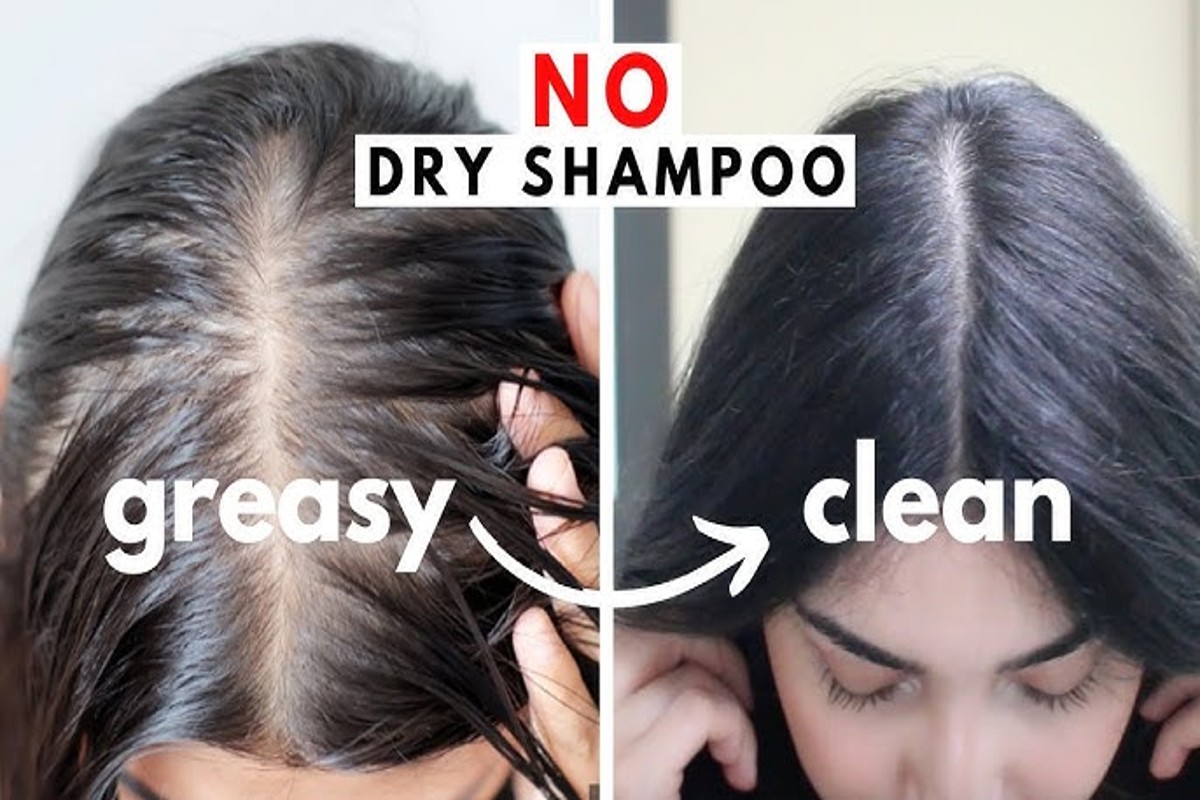
To fix oily hair, wash your hair regularly with a clarifying shampoo, avoid heavy conditioners, and use dry shampoo between washes. Additionally, adjust your diet and hair care routine to manage oil production effectively.
Understanding how to manage oily hair is crucial for maintaining a clean and healthy appearance. Oily hair can lead to a range of issues, including scalp irritation and an unkempt look, which can affect self-esteem and personal grooming standards.
This article provides effective solutions and practical tips, including the best types of shampoos, conditioners to avoid, and dietary adjustments to help control excess oil production in hair.
What causes oily hair and scalp?
Oily hair and scalp are primarily caused by overactive sebaceous glands, which produce excess sebum. This natural oil helps protect and moisturize hair and skin, but excessive production can lead to an oily appearance and discomfort. Various factors, including genetics, hormonal changes, diet, and environmental influences, can contribute to this condition.
The sebaceous glands are influenced by hormonal fluctuations, particularly androgens, which can increase oil production. This is common during puberty, menstruation, pregnancy, and conditions such as polycystic ovary syndrome (PCOS). Additionally, certain medications and stress can exacerbate oiliness due to their effects on hormone levels.
- Genetics: A family history of oily hair can predispose individuals to similar issues.
- Diet: High-fat and sugary foods may trigger more oil production in some people.
- Hair products: Using heavy conditioners or styling products can weigh hair down and lead to an oily appearance.
Environmental factors, such as humidity and pollution, can also affect scalp oiliness. Humid conditions can stimulate the sebaceous glands, while pollutants can mix with sebum, making the hair appear greasier. Furthermore, frequent washing or over-brushing can paradoxically lead to increased oil production as the scalp attempts to compensate for the loss of natural oils.
Managing oily hair effectively requires a multifaceted approach that considers these underlying causes. Adjusting hair care routines and dietary habits can make a significant difference in oiliness levels.
Expert Tip: Consider using a clarifying shampoo once a week to remove buildup without stripping essential moisture, which can help maintain a balanced scalp environment.
How often should you wash oily hair?
Individuals with oily hair should aim to wash their hair 2-4 times a week, depending on the severity of oiliness and individual scalp conditions. Frequent washing helps remove excess oil, preventing buildup and maintaining hair health. However, over-washing can lead to dryness and increased oil production.
The frequency of washing oily hair can vary based on several factors, including hair type, lifestyle, and environmental conditions. For instance, those who exercise regularly or live in humid climates may need to wash their hair more often due to sweat and environmental factors contributing to oiliness. Conversely, individuals with fine hair may find that it becomes greasy more quickly than coarse hair, necessitating more frequent washes.
- Assess your scalp type: Determine if your scalp is oily, dry, or a combination. This can help tailor your washing frequency. Oily scalps may benefit from washing every other day, while dry scalps can extend to 3-4 days.
- Choose the right shampoo: Use a clarifying or oil-control shampoo designed specifically for oily hair. These formulations can help break down excess oil without stripping the hair of essential moisture.
- Incorporate dry shampoo: On days when you don’t wash your hair, use dry shampoo to absorb oil and refresh your scalp. This can extend the time between washes while maintaining a cleaner appearance.
- Monitor environmental factors: Adjust washing frequency based on lifestyle changes, such as increased physical activity or exposure to pollution. These factors can contribute to oil production and may require more frequent washing.
Maintaining a consistent washing routine is key to managing oily hair. Gradually adjusting your frequency can help find a balance that keeps hair clean without over-stripping natural oils. For optimal results, pair washing with a suitable conditioner, applied only to the ends of the hair to avoid adding excess oil at the roots.
Are there home remedies for oily hair?
Yes, there are several effective home remedies for managing oily hair. These natural treatments can help absorb excess oil and restore balance to the scalp. Many of these remedies use readily available ingredients and can be easily incorporated into your hair care routine.
- Apple Cider Vinegar Rinse: Mix one part apple cider vinegar with two parts water. After shampooing, apply the mixture to your hair and scalp, leave it for a few minutes, and then rinse thoroughly. This helps to balance the scalp’s pH and reduce oiliness.
- Dry Shampoo: Use cornstarch or baby powder as a dry shampoo. Apply a small amount to the roots and work it in with your fingers. This will absorb excess oil and refresh your hair without the need for washing.
- Lemon Juice Treatment: Combine the juice of one lemon with a cup of water. Apply it to your scalp and hair, leave it on for about 10 minutes, and rinse. The acidity of lemon helps cut through grease and leaves hair looking fresher.
- Tea Tree Oil: Add a few drops of tea tree oil to your regular shampoo. This essential oil has antibacterial properties that can help reduce oiliness and dandruff, promoting a healthier scalp.
- Aloe Vera Gel: Apply fresh aloe vera gel directly to the scalp and hair. Leave it on for about 30 minutes before rinsing. Aloe vera helps to soothe the scalp and control oil production.
These remedies can be effective, but results may vary depending on individual hair types and scalp conditions. Regular application may be necessary to achieve the desired results, and it is advisable to perform a patch test with any new ingredient to avoid allergic reactions.
Expert Tip: For optimal results, combine these home remedies with a suitable shampoo and conditioner designed for oily hair. Look for products that contain natural ingredients like salicylic acid or witch hazel, which can further help manage excess oil production.
What are the best shampoos for oily hair?
The best shampoos for oily hair are specifically formulated to control excess oil production while maintaining scalp health. Top options include products that contain clarifying ingredients, natural extracts, or targeted formulas designed for oily hair types. Choosing the right shampoo can significantly improve hair texture and overall appearance.
When selecting a shampoo for oily hair, consider key ingredients that effectively remove grease without stripping essential moisture. Look for products with salicylic acid, which helps to exfoliate the scalp, or tea tree oil, known for its antimicrobial properties. Additionally, shampoos containing charcoal or clay can absorb excess oil and impurities, resulting in a cleaner scalp.
- Neutrogena Anti-Residue Shampoo: This clarifying formula removes buildup and excess oil, making it suitable for all hair types. Use it once a week to maintain a balanced scalp.
- Paul Mitchell Tea Tree Special Shampoo: Infused with tea tree oil, this shampoo not only cleanses but also invigorates the scalp, providing a refreshing sensation. Ideal for oily hair, it helps control sebum production.
- L’Oréal Paris Elvive Extraordinary Clay Shampoo: Formulated with a blend of clay, this shampoo absorbs oil at the roots while hydrating the ends, preventing dryness and maintaining healthy hair.
- BIOLAGE Cleanreset Normalizing Shampoo: This is a gentle yet effective option that removes impurities and buildup without over-drying the scalp, making it a good choice for regular use.
Each of these shampoos has unique benefits and formulations, catering to different needs and preferences. While some may prefer a deep-cleansing option, others might prioritize hydration. Testing various products will help determine which shampoo works best for individual hair and scalp conditions.
Expert Tip: For optimal results, consider alternating between clarifying shampoos and regular formulas to maintain a balanced scalp while preventing dryness and irritation.
How long does it take to fix oily hair?
Fixing oily hair typically takes between a few weeks to a few months, depending on various factors. Consistent application of appropriate hair care techniques and products plays a crucial role in achieving noticeable results.
The timeline for improvement can vary significantly based on individual hair type, scalp condition, and lifestyle factors. For instance, individuals with naturally oily hair may notice changes within two to four weeks of adopting a tailored hair care routine. However, those with underlying scalp issues, such as seborrheic dermatitis, may require more time and a specific treatment plan to see results.
Other factors influencing the duration include the frequency of washing, the type of shampoo and conditioner used, and dietary habits. Using clarifying shampoos can expedite the removal of excess oil and product buildup. Additionally, reducing the use of heavy styling products and incorporating a balanced diet can also contribute to healthier scalp conditions, thus improving oiliness over time.
Maintaining Realistic Expectations
While some individuals may achieve quick results, others may require ongoing adjustments to their routines. It’s essential to monitor the scalp’s response to new products and techniques, as well as to maintain consistency in hair care practices. Regularly assessing the effectiveness of your chosen methods can help refine your approach.
For those struggling with persistent oiliness, consulting a dermatologist or trichologist may provide tailored solutions that can accelerate improvement. Professional guidance can help identify underlying issues and recommend targeted treatments.
Expert Tip: Consider incorporating natural astringents like witch hazel or tea tree oil into your routine. These can help balance scalp oil production and promote a healthier environment for hair growth.
Can diet affect oily hair?
Yes, diet can significantly affect the oiliness of hair. Foods that are high in refined sugars, unhealthy fats, and dairy products may lead to increased oil production on the scalp. Conversely, a balanced diet rich in vitamins, minerals, and healthy fats can help regulate oil levels.
For example, consider a person who typically consumes a diet high in processed foods and sugars. This individual may notice that their hair becomes excessively oily and difficult to manage. Upon consultation with a nutritionist, they switch to a diet rich in whole foods, including leafy greens, fruits, nuts, and fatty fish. Over the course of several weeks, they observe a noticeable reduction in oiliness, attributed to improved overall health and reduced inflammation.
Additionally, hydration plays a crucial role. Inadequate water intake can lead to an imbalance in oil production. When the body is dehydrated, the scalp may produce more oil to compensate. Increasing water consumption alongside dietary changes can further assist in managing oily hair effectively.
Expert Tip: Incorporating foods high in omega-3 fatty acids, such as flaxseeds and walnuts, can help balance sebum production and contribute to healthier hair.
What styling products should be avoided for oily hair?
To manage oily hair effectively, it’s essential to avoid certain styling products that can exacerbate oiliness. Heavy creams, oils, and certain types of gels can weigh hair down and make it appear greasy. Opting for the right products can significantly improve the overall look and feel of oily hair.
First, steer clear of greasy hair oils and serums. While these products can be beneficial for dry hair types, they often add excess shine and weight to oily hair. Instead of nourishing oils, consider using lightweight leave-in conditioners that provide hydration without the heaviness.
Next, avoid heavy styling gels that contain alcohol or silicones. These ingredients can lead to buildup and make hair look dirtier faster. Look for lightweight, water-based gels that provide hold without contributing to oiliness. Additionally, steer clear of thick creams or pomades that can create a greasy appearance. These products are typically designed for texture and shine, which can be counterproductive for oily hair types.
- Avoid greasy hair oils and serums that add weight and shine.
- Steer clear of heavy styling gels containing alcohol or silicones.
- Do not use thick creams or pomades that exacerbate greasiness.
As a best practice, always check the ingredient list of any product. Opt for those labeled as lightweight, oil-free, or specifically designed for oily hair. Regularly rotating products can also prevent buildup and maintain hair’s fresh appearance.
For optimal results, consider incorporating dry shampoo into your routine. This product can absorb excess oil and prolong the time between washes, helping to maintain a cleaner look throughout the day.
Understanding the Science Behind Oily Hair
This section explores the biological mechanisms that lead to oily hair, emphasizing the significance of understanding sebum production, hormonal influences, environmental factors, and genetic predisposition.

Sebum Production and Its Role in Hair Health
Sebum is an oily substance produced by sebaceous glands located in the scalp. Its primary function is to moisturize and protect the hair and skin. However, excessive sebum production can lead to oily hair, which may result in an unappealing appearance and increased susceptibility to dirt and bacteria. On average, the scalp produces about 0.5 to 1.5 grams of sebum daily, varying significantly among individuals.
Hormonal Influences on Oil Production
Hormones play a critical role in regulating sebum production. Androgens, particularly testosterone, stimulate sebaceous glands, leading to increased oiliness. Conditions such as puberty, menstruation, and hormonal imbalances, like polycystic ovary syndrome (PCOS), can exacerbate oil production. Research indicates that fluctuations in hormone levels can significantly affect scalp oiliness, with a marked increase often occurring during puberty.
Environmental Factors Contributing to Oily Hair
Environmental elements also influence scalp oiliness. High humidity, for instance, can enhance sebum production as the scalp attempts to maintain moisture balance. Pollutants and dust can accumulate on oily hair, further exacerbating the problem. Frequent exposure to heat styling tools can disrupt the scalp’s natural balance, leading to compensatory sebum production. Additionally, the choice of hair products—particularly heavy or greasy formulations—can contribute to the buildup of oil.
Genetic Predisposition and Its Impact
Genetics significantly affects an individual’s tendency towards oily hair. Studies suggest that individuals with a family history of oily skin or hair are more likely to experience similar issues. Genetic variations can influence the size and activity of sebaceous glands, determining how much sebum is produced. Understanding one’s genetic predisposition can aid in tailoring effective hair care solutions.
Nuances of Oily Hair
Common misconceptions about oily hair include the belief that frequent washing can resolve the issue. In reality, over-washing can strip the scalp of natural oils, prompting increased sebum production as a compensatory mechanism. Additionally, not all oils are detrimental; certain natural oils can nourish the scalp without adding to the greasiness. Furthermore, using the right products can mitigate oily hair without disrupting the scalp’s natural balance.
Practical Application
To effectively address oily hair, consider the following actions:
- Choose a gentle, sulfate-free shampoo specifically designed for oily hair to avoid over-drying.
- Limit washing to every other day to prevent stimulating excess oil production.
- Incorporate lightweight conditioners that do not weigh hair down.
- Use dry shampoo between washes to absorb excess oil and refresh hair.
- Avoid heavy styling products that can contribute to oil buildup.
Step-by-Step Guide to Managing Oily Hair
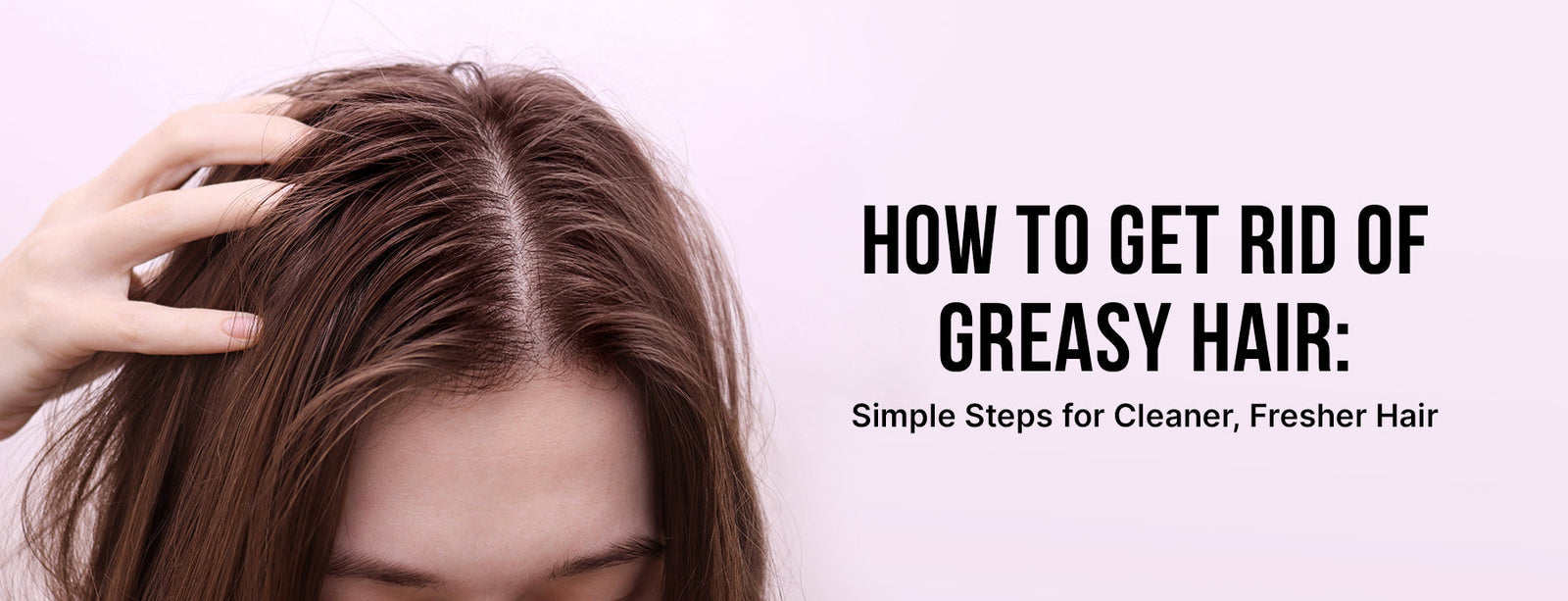
This section outlines a comprehensive routine for managing oily hair, detailing daily, weekly, and monthly care strategies. Following these guidelines can significantly reduce excess oil and improve hair quality.
Daily Washing Techniques for Oily Hair
Establishing a daily washing routine is essential for addressing oily hair. Use a gentle, sulfate-free shampoo specifically formulated for oily hair types. These shampoos help remove excess sebum without stripping the hair of essential moisture.
- Wet hair thoroughly with lukewarm water to open the cuticles.
- Apply a quarter-sized amount of shampoo, focusing on the scalp and roots.
- Massage gently with fingertips for 2-3 minutes to stimulate circulation.
- Rinse thoroughly, ensuring no residue remains.
- Follow with a lightweight conditioner, applying only to the ends.
Weekly Deep-Cleansing Routines
Incorporate a deep-cleansing routine once a week to remove buildup from styling products and excess oil. Use a clarifying shampoo that targets impurities and provides a fresh start for your scalp.
- Choose a clarifying shampoo with active ingredients like salicylic acid or tea tree oil.
- Apply the shampoo to dry hair first, allowing it to sit for 5 minutes.
- Follow up with a regular shampoo and conditioner to maintain moisture levels.
Monthly Treatments and Scalp Care
Implement monthly scalp treatments to address oily roots and maintain a healthy scalp environment. Consider using a detoxifying mask or a scalp scrub.
- Use a scalp scrub containing exfoliating agents like sugar or salt to remove dead skin cells.
- Apply a detoxifying mask with clay or charcoal to absorb excess oil.
- Massage treatments into the scalp to enhance blood circulation and promote hair growth.
Product Recommendations for Optimal Results
Selecting the right products is crucial in a routine for how to fix oily hair. Look for products labeled as “oil-free” or “lightweight.” Recommended brands include:
- Shampoos: Neutrogena Anti-Residue Shampoo, Paul Mitchell Tea Tree Special Shampoo.
- Conditioners: Aveda Rosemary Mint Conditioner, Herbal Essences Bio:Renew Tea Tree Conditioner.
- Scalp Treatments: Briogeo Scalp Revival Charcoal + Tea Tree Scalp Treatment.
Managing oily hair requires consistency and the right approach. Common misconceptions include the belief that washing hair more frequently will solve oiliness; however, this can lead to an increase in oil production. Instead, establish a balanced routine that includes both cleansing and conditioning with appropriate products.
To apply this information effectively, create a weekly schedule for your hair care routine: wash daily with a gentle shampoo, incorporate a clarifying shampoo weekly, and perform a deep scalp treatment monthly. Tailor the product choices based on your hair’s specific needs to achieve the best results.
Common Mistakes to Avoid When Dealing with Oily Hair
Addressing oily hair effectively requires awareness of common mistakes that can exacerbate the issue. Avoiding these pitfalls is essential for developing a successful hair care routine that maintains scalp balance and overall hair health.

Over-Washing and Its Effects
Many individuals with oily hair mistakenly believe that frequent washing will eliminate excess oil. However, over-washing can lead to a cycle of increased oil production. When the scalp is stripped of its natural oils, it compensates by producing even more sebum, exacerbating the problem. Aim to wash hair no more than 2-3 times a week, allowing the scalp to regulate oil levels naturally.
Using the Wrong Type of Shampoo or Conditioner
Selecting inappropriate hair care products can worsen oily hair. Many shampoos designed for oily hair contain harsh sulfates that may irritate the scalp, leading to increased oil production. Instead, opt for gentle, sulfate-free shampoos that effectively cleanse without over-drying. Additionally, avoid heavy conditioners that can weigh hair down; instead, use lightweight, oil-free options that provide moisture without adding excess grease.
Neglecting Scalp Health
The scalp plays a crucial role in oil production, yet it is often overlooked in hair care routines. Poor scalp health can lead to issues such as clogged hair follicles and increased sebum output. Regular exfoliation using a scalp scrub or a clarifying treatment can help remove buildup and maintain a balanced environment for hair growth. Incorporating scalp massages can also improve circulation and promote overall scalp health.
Ignoring Dietary Impacts on Oil Production
Diet significantly influences oil production and overall hair health. Consuming a diet high in refined sugars, unhealthy fats, and dairy can lead to increased sebum production. Focus on incorporating foods rich in omega-3 fatty acids, antioxidants, and vitamins A and E. Foods such as salmon, nuts, leafy greens, and avocados can help regulate oil levels and promote healthier hair.
Nuance / Expert Layer
Many people assume that oily hair stems solely from external factors, such as product use or environmental influences. However, hormonal fluctuations—particularly during puberty, menstruation, or pregnancy—can also significantly impact oil production. Conditions like polycystic ovary syndrome (PCOS) can lead to excessive oiliness due to hormonal imbalances. For those experiencing persistent oily hair despite proper care, consulting a healthcare professional may be advisable to rule out underlying health issues.
Practical Application
- Limit hair washing to 2-3 times per week to prevent over-stimulation of oil production.
- Choose gentle, sulfate-free shampoos and lightweight conditioners to maintain scalp balance.
- Incorporate scalp exfoliation and massages into your routine to promote health and circulation.
- Adopt a balanced diet rich in omega-3s, antioxidants, and vitamins to support hair health.
Lifestyle Changes to Reduce Oily Hair
This section discusses holistic approaches and lifestyle adjustments that can effectively manage oily hair, focusing on dietary habits, stress management, hydration, and exercise. Implementing these changes can lead to long-term improvements in hair health and oil production.

Dietary Adjustments to Reduce Oiliness
The foods consumed play a significant role in the production of oil in the scalp. Diets high in processed sugars, unhealthy fats, and dairy can exacerbate oiliness. To improve hair health, consider incorporating the following dietary adjustments:
- Increase Omega-3 Fatty Acids: Foods rich in omega-3s, such as salmon, walnuts, and flaxseeds, help regulate oil production.
- Consume Antioxidant-Rich Foods: Berries, leafy greens, and nuts support overall scalp health and may reduce excess oil.
- Limit Sugary and Greasy Foods: Reducing intake of refined sugars and saturated fats can help balance oil levels.
Stress Management Techniques
Chronic stress triggers hormonal changes that can increase oil production, leading to oily hair. Effective stress management techniques include:
- Meditation: Practicing mindfulness can lower stress levels and help regulate hormonal fluctuations.
- Deep Breathing Exercises: Engaging in deep breathing can reduce anxiety and promote relaxation.
- Time Management: Organizing tasks and setting realistic goals can help minimize stress.
Hydration and Its Importance for Hair Health
Staying hydrated is essential for maintaining not only overall health but also hair health. Dehydration can lead the scalp to produce more oil as a compensatory mechanism. Aim for:
- Water Intake: Drink at least 8-10 cups of water daily to keep the body and scalp hydrated.
- Hydrating Foods: Incorporate fruits and vegetables with high water content, such as cucumbers and oranges.
Exercise and Its Role in Hormone Regulation
Regular physical activity plays a crucial role in hormone regulation and can help mitigate the factors that lead to oily hair. Exercise promotes circulation, which supports scalp health. Effective forms of exercise include:
- Aerobic Exercises: Activities like running, cycling, or swimming can help manage stress and hormonal balance.
- Strength Training: Building muscle can improve metabolic health, contributing to better hormonal regulation.
- Yoga: Combining physical and mental practices, yoga can reduce stress and promote overall well-being.
Many individuals overlook the interconnectedness of diet, stress, and hair health. Common misconceptions suggest that solely external treatments will resolve oily hair issues. However, addressing internal factors can yield significant improvements. For instance, hormonal imbalances from poor dietary choices or high stress levels may be the root cause of excess oil, rather than hair products alone.
To effectively implement these lifestyle changes, start by tracking your current diet and stress levels for one week. Gradually introduce omega-3-rich foods, practice stress management techniques daily, ensure adequate hydration, and engage in regular exercise. These steps can collectively enhance scalp health and significantly reduce oiliness over time.
Frequently Asked Questions
What causes oily hair and scalp?
Oily hair and scalp are primarily caused by overactive sebaceous glands that produce excess sebum. Hormonal changes, genetics, and environmental factors can also contribute to increased oiliness.
How often should you wash oily hair?
It is generally recommended to wash oily hair every 1-2 days to manage excess oil production. Frequent washing helps remove buildup and keeps the scalp balanced.
Are there home remedies for oily hair?
Yes, home remedies such as apple cider vinegar, lemon juice, and tea tree oil can help reduce oiliness. These ingredients can clarify the scalp and regulate sebum production.
What are the best shampoos for oily hair?
Shampoos specifically formulated for oily hair often contain ingredients like salicylic acid, charcoal, or clay. Look for products labeled as “clarifying” or “oil control” to effectively manage excess oil.
How long does it take to fix oily hair?
Fixing oily hair can take a few weeks as the scalp adjusts to new washing routines and products. Consistent care and the right products can lead to noticeable improvements within a month.
Can diet affect oily hair?
Yes, diet can influence oil production in the scalp. Consuming a balanced diet rich in vitamins and minerals while reducing processed foods and sugars may help manage oily hair.
What styling products should be avoided for oily hair?
Avoid heavy styling products such as gels, creams, and oils that can contribute to oil buildup. Opt for lightweight, water-based products that won’t weigh hair down or exacerbate oiliness.
Final Thoughts on how to fix oily hair
Managing oily hair requires a nuanced understanding of its causes and the implementation of targeted strategies. By adopting the right washing frequency, utilizing effective shampoos, and avoiding common pitfalls, it is possible to restore balance to the scalp and achieve healthier hair.
Start by incorporating a specialized shampoo designed for oily hair into your routine, using it at least twice a week to effectively control excess oil production without stripping essential moisture.
Addressing oily hair is crucial not only for aesthetic purposes but also for maintaining scalp health, as excessive oil can lead to other issues such as dandruff and hair loss.
Leave a Reply