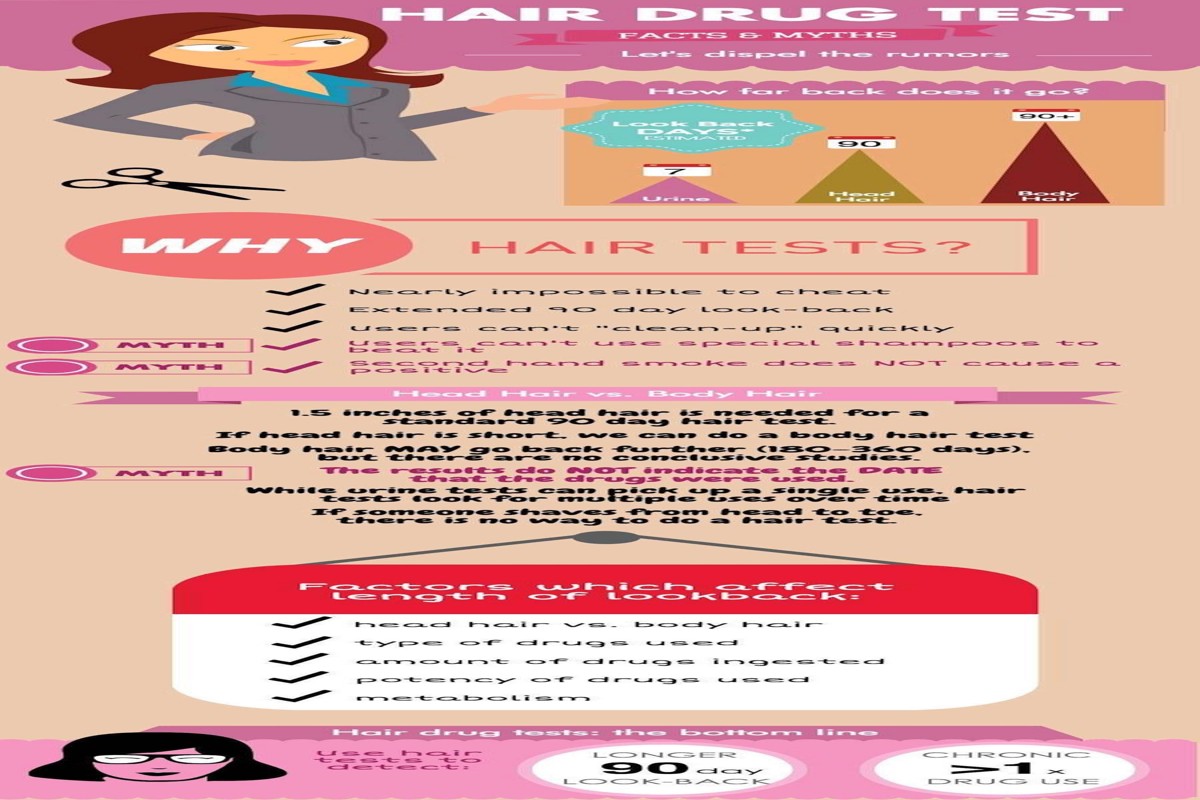
Yes, a hair follicle test can go back 12 months. This type of drug test analyzes the hair shaft, which retains drug metabolites over time, allowing for a longer detection window compared to other testing methods.
Understanding the duration of drug detection through hair follicle testing is crucial for employers, legal professionals, and individuals undergoing testing. Misinterpretation of the test’s capabilities can lead to significant consequences, including wrongful termination or legal issues.
This article details how hair follicle tests work, the specific substances they can detect, and the implications for those subject to testing. It will also discuss common misconceptions and provide clarity on the testing process.
How does a hair follicle test work?
A hair follicle test analyzes a sample of hair to detect the presence of drugs or substances over an extended period. Typically, it can identify drug use within the past 90 days, but in some cases, it can provide insights into longer-term use. This testing method works by examining the hair’s core, where substances can become trapped as the hair grows.
- Sample Collection: A small sample of hair, usually about 1.5 inches long, is collected from the scalp or other body parts. The hair should be cut close to the scalp to ensure that it reflects recent drug exposure.
- Laboratory Analysis: The collected hair is sent to a laboratory, where it undergoes a process called mass spectrometry, which identifies and quantifies drug metabolites present in the hair. This analysis can detect a range of substances, including cocaine, marijuana, opiates, and amphetamines.
- Detection Window: Hair grows at an average rate of approximately 0.5 inches per month, meaning that a 1.5-inch sample can theoretically reveal drug use over a three-month period. However, if the hair is longer, it can provide a historical record of drug use, as older segments may reflect substance use that occurred months prior.
The accuracy of hair follicle testing can be influenced by various factors, such as hair color, the presence of hair treatments, and individual metabolism. Additionally, it’s important to understand that while hair testing can reveal patterns of drug use, it does not determine the timing of consumption.
Hair follicle tests are increasingly used by employers and legal authorities due to their ability to provide a longer detection window compared to urine tests. However, the interpretation of results must be done carefully, considering the possibility of external contamination or false positives.
Expert Tip: For individuals concerned about the implications of a hair follicle test, consider discussing potential hair treatments or dietary factors with a professional, as these can sometimes impact test results and interpretations.
What substances can a hair follicle test detect?
A hair follicle test can detect a range of substances, primarily various drugs and medications. These tests are known for their ability to identify drug use over an extended period, typically up to 90 days, but some substances can be traced back further. The accuracy and the detection window depend on the type of drug and individual factors such as hair growth rate.
Hair follicle tests are commonly used for workplace drug screening, legal cases, and rehabilitation programs. The test analyzes a sample of hair, which contains metabolites from substances that have entered the bloodstream. As hair grows, these metabolites become embedded in the hair shaft, allowing for retrospective analysis of drug use.
- Marijuana (THC): Detectable for up to 90 days or longer.
- Cocaine: Detectable for approximately 90 days.
- Opiates (e.g., heroin, morphine): Detectable for up to 90 days.
- Phencyclidine (PCP): Detectable for about 90 days.
- Amphetamines: Detectable for 90 days or more.
- Benzodiazepines: Detectable for up to 90 days.
- MDMA (Ecstasy): Detectable for around 90 days.
Individual factors such as hair type, length, and growth rate can influence the detection window. Additionally, the frequency and amount of drug use will impact how long substances are detectable in hair. Rarely, some laboratories may offer tests that can analyze longer lengths of hair, potentially extending the detection period beyond 90 days.
Expert Tip: For those concerned about drug testing, it is advisable to refrain from substance use well before any scheduled tests, as hair tests can reveal historical usage patterns that may lead to significant consequences in professional or legal settings.
How long do drugs stay in hair for testing?
Drugs can typically be detected in hair samples for up to 90 days, but some substances may be traceable for longer, potentially up to 12 months. The precise duration depends on various factors, including the type of drug, the frequency of use, and individual hair growth rates.
Hair grows at an average rate of about half an inch per month, and drug metabolites can be deposited in the hair shaft as it grows. This means that, depending on the length of the hair sample collected, a drug test could potentially reveal substance use patterns dating back several months. However, most standard hair follicle tests analyze only the first 1.5 inches of hair, which corresponds to approximately 90 days of drug history.
Factors affecting drug detection in hair include individual metabolism, hair type, and whether the hair has been chemically treated or exposed to environmental contaminants. For example, people with faster hair growth may show a shorter detection window, while those with slower growth may retain drug traces for longer periods. Additionally, certain drugs, such as cannabis, may be more readily detectable than others, like some prescription medications.
Expert Tip: For accurate results, it is crucial to consider the specific drug being tested, as different substances have varying retention times in hair. Consult with a qualified toxicologist for insights tailored to individual circumstances, especially if facing legal or employment-related testing.
Can hair follicle tests be inaccurate?
Yes, hair follicle tests can produce inaccurate results. While they are generally reliable for detecting drug use over a period of up to 12 months, various factors can lead to false positives or negatives. These inaccuracies can stem from the testing methodology, external contamination, or individual biological differences.
Hair follicle tests analyze the metabolites of drugs embedded in the hair shaft. This method is compared to other drug testing methods such as urine tests and blood tests. Each method has its advantages and limitations, which can influence the reliability of results. Below is a comparison of these testing methods:
- Hair Follicle Test: Detects drug use over a longer period (up to 12 months). Results may be affected by hair treatments or external contaminants.
- Urine Test: Commonly used for drug screening, typically detects drug use within the past few days to weeks. This method is highly sensitive but can be manipulated through dilution or adulteration.
- Blood Test: Provides a snapshot of current drug use, usually within hours to a few days. While precise, it is invasive and less practical for routine screenings.
Factors like hair color, growth rate, and the presence of certain medications can also influence hair test results. For example, individuals with faster hair growth may metabolize drugs differently. Additionally, environmental contamination can lead to misleading outcomes if hair is not properly collected and handled.
Expert Tip: Consider combining multiple testing methods for a comprehensive assessment. This approach can mitigate the limitations of each method and provide a clearer picture of an individual’s drug use history.
What is the cost of a hair follicle test?
The cost of a hair follicle test typically ranges from **$100 to $300**. This price may vary based on several factors, including the testing facility, geographic location, and the specific substances being tested for.
Several elements can influence the overall cost of a hair follicle test. These factors include:
- Type of Test: Standard tests for drugs may be less expensive than specialized tests for specific substances or comprehensive panels.
- Laboratory Fees: Different laboratories have varying fee structures. Some may charge extra for expedited results or additional services.
- Location: Prices can differ significantly based on geographic location. Urban areas may have higher costs due to increased demand and overhead.
- Insurance Coverage: Some health insurance plans may cover hair follicle testing, which can reduce out-of-pocket expenses for the individual.
In addition to these factors, testing for more than one substance can also increase the cost. Prices may include ancillary fees, such as sample collection or processing fees, which can contribute to the total expense.
Expert Tip: When considering a hair follicle test, it’s advisable to compare prices from different laboratories and inquire about any hidden fees. This may lead to significant savings, especially if multiple tests are required.
What factors can affect hair follicle test results?
Hair follicle test results can be influenced by several factors that impact the accuracy and reliability of the outcomes. These factors include the length of hair sampled, the treatment of the hair, and the individual’s hair growth rate. Understanding these variables is essential for interpreting test results effectively.
One significant factor is the length of the hair being tested. A typical hair follicle test analyzes a sample that is approximately 1.5 inches long, which can reflect drug use over a period of about 90 days. If the hair is shorter, less history may be captured. Additionally, the hair’s growth rate varies among individuals, which can affect how far back the test can accurately trace substance use.
- Hair Treatment: Chemical treatments such as bleaching, dyeing, or perming can alter drug metabolites in hair. These alterations may lead to false negatives or positives, making it crucial to consider the hair’s treatment history when interpreting results.
- Environmental Contaminants: Exposure to external substances, such as secondhand smoke or contaminated water, may result in the inadvertent presence of drugs in the hair sample. This contamination can skew test outcomes, emphasizing the need for careful collection and handling procedures.
- Health Conditions: Certain medical conditions or medications may affect hair growth and composition. For instance, individuals undergoing chemotherapy may experience hair loss, affecting the quantity and quality of hair available for testing.
Furthermore, the time elapsed since substance use can play a critical role. Although hair can retain traces of drugs for extended periods, the detection window decreases for substances that are not consistently used. This variability necessitates a thorough understanding of the specific drugs being tested.
Expert Tip: To enhance the reliability of hair follicle testing, ensure that samples are collected in a controlled environment, and maintain transparency regarding any hair treatments or health conditions that may affect the results. This information is vital for accurate interpretation and legal considerations.
Can I cheat a hair follicle test?
No, successfully cheating a hair follicle test is highly unlikely. While various methods claim to help individuals pass these tests, most are ineffective and can be easily detected by laboratories.
For example, some individuals attempt to use detox shampoos that claim to remove drug metabolites from hair. These products often contain harsh chemicals that may strip the hair of its natural oils, but they do not effectively eliminate the drug traces embedded in the hair shaft. A common scenario involves a person who uses a detox shampoo a few days before a test, believing it will make them pass. However, because hair follicles retain drug history for up to 12 months, the metabolites are usually still detectable, resulting in a positive test.
Another popular myth is the use of home remedies, such as vinegar or baking soda, to cleanse hair. These methods lack scientific backing and have not been proven to alter test results. Laboratories utilize advanced testing methods that can differentiate between natural and artificially altered hair properties, making it extremely difficult to “cheat” the test without detection.
Expert Tip: The most reliable way to pass a hair follicle test is to abstain from drug use long before the test is administered, as hair growth cycles naturally eliminate drug traces over time.
What should I do if I have a positive hair follicle test?
If you receive a positive result from a hair follicle test, it is essential to take immediate and informed action. Start by reviewing the circumstances surrounding the test and consider your options for challenging the result. Taking proactive steps can help mitigate potential consequences, especially in employment or legal situations.
- Request a copy of the results: Obtain the official report from the testing facility to understand the specifics of the positive result. This document will detail the substances detected and their concentrations.
- Consult a medical review officer (MRO): An MRO can provide insights into the test result and may help identify any legitimate medical reasons for the positive outcome, such as prescription medications.
- Consider retesting: If you believe the result is inaccurate, request a retest of the original sample or provide a new sample for testing. Ensure this retest is conducted under controlled and documented conditions.
- Prepare for an appeal: If you are facing disciplinary action or termination, gather evidence to support your case. This may include medical records, witness statements, or documentation of any medications that could have influenced the test.
- Seek legal advice: If the positive result could lead to serious consequences, consulting with an attorney experienced in drug testing laws can provide guidance on your rights and options.
Different circumstances may affect how a positive hair follicle test is handled, particularly in workplace settings. Employers often have specific protocols, so understanding your company’s policies is critical. Additionally, the window of detection for hair follicle tests can extend back up to 12 months, and this may complicate your situation if past substance use is involved.
Being proactive and informed is essential in addressing a positive hair follicle test. Take immediate steps to clarify the situation and explore your options for retesting or appealing the results.
Expert Tip: Document all communications and actions taken in response to the positive test. This record can be invaluable if disputes arise later regarding the validity of the results or the handling of the situation.
Understanding the Science Behind Hair Follicle Testing
This section delves into the scientific principles underlying hair follicle testing for drug use. It explains the mechanisms of drug metabolite absorption, comparisons with urine testing, and factors influencing the retention of these metabolites in hair.
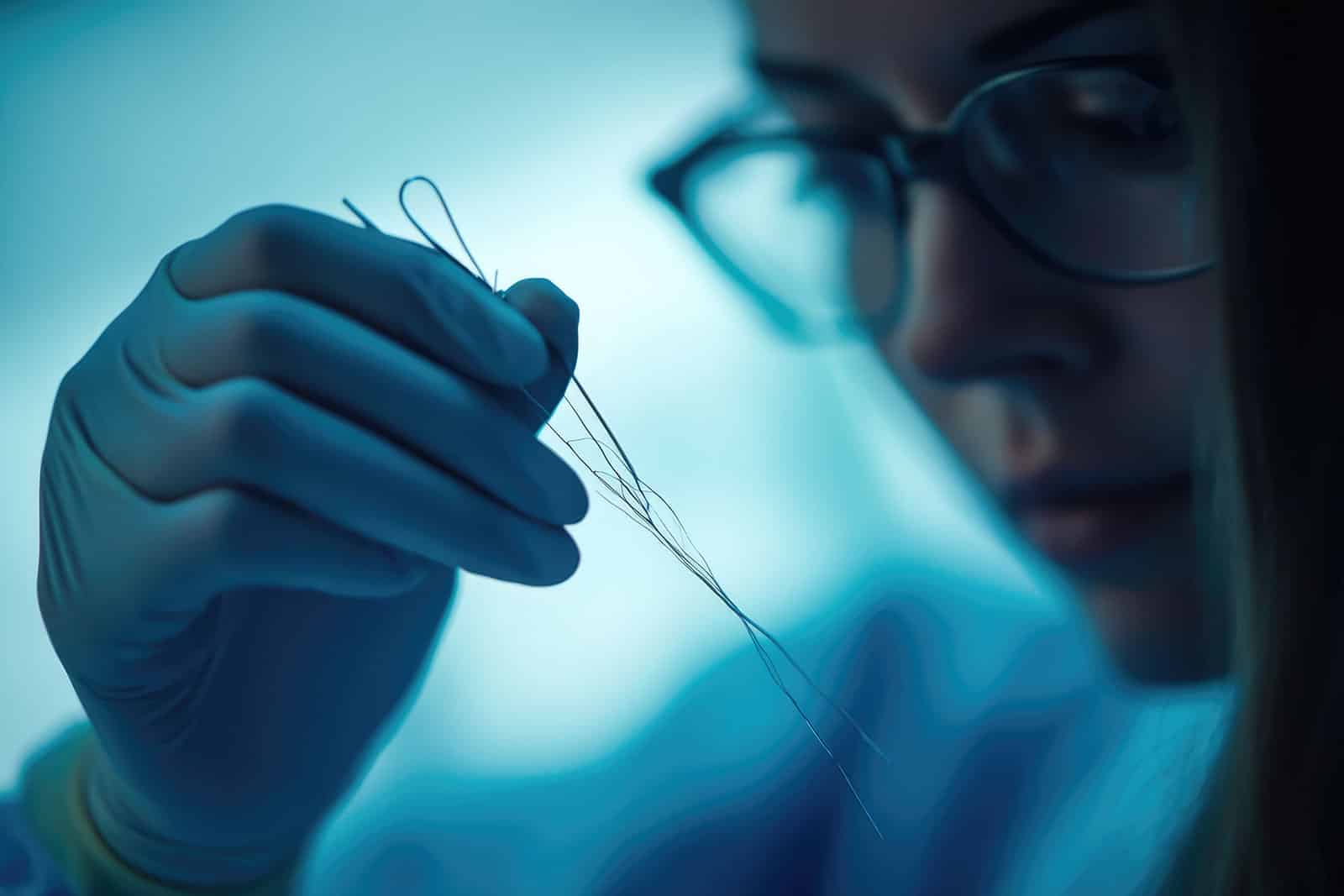
Mechanism of Drug Metabolite Absorption in Hair
Hair follicle testing relies on the incorporation of drug metabolites into the hair shaft during its growth phase. When a person consumes drugs, the body metabolizes these substances, creating byproducts that enter the bloodstream. As blood circulates, these metabolites are deposited into the hair follicles, where they become trapped as the hair grows. Hair grows at an average rate of approximately 0.5 inches per month, allowing for a potential detection window of several months, depending on the length of the hair sample collected.
Differences Between Hair and Urine Drug Tests
Hair and urine drug tests differ significantly in their methodologies and detection capabilities. While urine tests detect recent drug use, typically within the last 1 to 3 days, hair tests can reveal substance use over a much longer period. Urine testing is influenced by hydration levels and metabolic rate, whereas hair testing provides a historical record of drug exposure, making it more effective for identifying long-term patterns of use.
Factors Influencing Metabolite Retention in Hair
- Hair Type: The structure of hair, including thickness and porosity, can affect how well metabolites are absorbed and retained.
- Hair Color: Melanin levels in darker hair may bind more drug metabolites than lighter hair, potentially leading to variations in test results.
- Growth Rate: Individual hair growth rates can vary, influencing the amount of time drugs remain detectable in hair.
Implications of Hair Color and Growth Rate on Testing
Hair color and growth rate have significant implications for the efficacy of hair follicle testing. Darker hair may show higher concentrations of drug metabolites due to greater melanin binding, while lighter hair may yield lower detection levels. Additionally, individuals with faster hair growth may present a different timeline of drug use compared to those with slower growth rates. These factors must be considered when interpreting test results, as they can introduce variability in the detection of prior drug use.
Common misconceptions about hair follicle testing often suggest that it can definitively indicate the exact timing of drug use. In reality, while hair tests can indicate the presence of metabolites over time, they do not provide specific dates of usage, complicating the interpretation of results.
Practical Application
For individuals facing hair follicle testing, understanding the science behind it is crucial. Those concerned about potential drug detection should consider the length of their hair and its growth rate, as well as the impact of hair color on test results. If there is a history of drug use, cutting hair shorter may reduce the detection window. However, it is essential to recognize that drug metabolites can be detected in longer hair samples, potentially reflecting use over a period of up to 12 months. This awareness can inform decisions related to employment and legal situations.
Legal and Employment Implications of Hair Follicle Testing
This section delves into the regulatory landscape surrounding hair follicle testing and its implications for employees and employers. Understanding these factors is essential for navigating employment policies and legal frameworks.
Regulations Surrounding Drug Testing in the Workplace
Employers in many industries implement drug testing protocols, including hair follicle tests, to maintain workplace safety and productivity. Regulations vary by jurisdiction, but generally, the following guidelines apply:
- Federal Regulations: In the United States, the Department of Transportation (DOT) mandates drug testing for safety-sensitive positions.
- State Laws: Some states have specific laws governing drug testing, often requiring employers to provide notice or obtain consent.
- Industry Standards: Certain industries, such as healthcare and transportation, have stricter testing protocols to comply with federal and state regulations.
Rights of Employees Regarding Testing
Employees have certain rights concerning drug testing, including:
- Informed Consent: Employees typically must be informed about drug testing policies before being subjected to tests.
- Confidentiality: Test results should remain confidential and disclosed only to authorized personnel.
- Challenge Positive Results: Employees often have the right to contest positive test results through retesting or by presenting mitigating evidence.
Consequences of a Positive Hair Follicle Test
A positive result from a hair follicle test can have significant ramifications for an employee. Possible consequences include:
- Employment Termination: Many employers have zero-tolerance policies that can lead to immediate dismissal.
- Loss of Professional Licenses: Certain professions may require licensure, which can be jeopardized by a positive test.
- Legal Action: Employees may face legal consequences, especially if the test is part of a required compliance measure.
Case Studies of Legal Disputes Involving Hair Tests
Legal disputes surrounding hair follicle testing often arise from contested test results or improper testing procedures. Notable cases include:
- Smith v. XYZ Corp: In this case, the court ruled in favor of the employee due to lack of adequate notice regarding drug testing policies.
- Johnson v. State Board: The board was held liable for failing to maintain confidentiality of test results, leading to reputational damage for the employee.
- Doe v. ABC Industries: The court found that the employer’s testing procedures were discriminatory, impacting specific employee demographics unfairly.
Despite the general understanding of hair follicle testing, misconceptions persist. For example, many believe that hair tests can only detect recent drug use. In reality, hair follicle tests can trace drug usage over an extended period, typically up to 90 days, but in some cases, they may provide insight into usage patterns over the past 12 months. This nuance can lead to misunderstandings regarding an employee’s drug history.
To navigate the complexities of hair follicle testing in the workplace, employees should take proactive steps. Familiarize yourself with your company’s drug testing policy, understand your rights regarding testing, and consider seeking legal counsel if faced with a positive test result. Employers should ensure compliance with local regulations and maintain transparent communication with employees to foster a fair workplace environment.
Real-Life Experiences: Case Studies of Hair Follicle Tests
This section examines real-world experiences of individuals subjected to hair follicle tests, shedding light on the outcomes and implications of these assessments. The diverse scenarios illustrate the complexities surrounding hair follicle testing and its ability to trace substance use over time.

Personal Stories of Individuals Facing Testing
Case studies reveal a wide range of experiences with hair follicle tests. For instance, a construction worker named Mike underwent testing after a workplace incident. He had previously used cannabis sporadically but had stopped three months prior. His test results returned positive, leading to his suspension. This experience highlighted the potential for hair follicle tests to detect substances long after use has ceased.
Conversely, Sarah, a college student, faced testing due to a random drug screening. Despite her occasional alcohol consumption, she had not used illicit substances for over a year. Her negative test result affirmed her decision to maintain a healthy lifestyle, demonstrating that not all individuals experience adverse outcomes.
Variability in Test Outcomes Based on Substance Use
The outcomes of hair follicle tests can vary significantly based on the specific substances used. For example:
- Cannabis: Can be detected for up to 90 days, but heavy users may show traces for longer.
- Cocaine: Typically detectable for 7-90 days, depending on frequency of use.
- Opiates: Can remain in hair for 90 days or longer, with chronic users showing extended traces.
This variability underscores the importance of understanding the specific substances involved and their respective detection windows in hair follicle testing.
Impact of Lifestyle Factors on Test Results
Lifestyle factors significantly influence hair follicle test results. Elements such as diet, hair treatment, and even genetics can affect test accuracy. For instance, individuals who frequently dye their hair may inadvertently alter the concentration of substances detected in their hair. Additionally, those with rapid hair growth may have a shorter detection window compared to individuals with slower growth rates.
Lessons Learned from Positive and Negative Test Results
Experiences with hair follicle tests often impart valuable lessons. Positive test results can lead to employment consequences and personal reflection. For example, David, who faced a positive result for methamphetamine use, recognized the need for lifestyle changes and sought rehabilitation. Conversely, negative results can reinforce positive behaviors, as seen in Sarah’s case, encouraging individuals to continue their healthy choices.
Moreover, understanding the implications of test results can facilitate informed decision-making regarding future substance use and lifestyle adjustments.
Nuance in Testing and Misconceptions
Common misconceptions about hair follicle testing include the belief that it can detect every substance used within the last twelve months. While tests can reveal patterns of substance use over an extended period, the actual detection window depends on the individual’s hair growth rate and the nature of the substances. For example, a person with a 1.5-inch hair sample could potentially reflect drug use for up to 90 days, not a full year. This misunderstanding can lead to unnecessary anxiety for those facing testing.
Practical Application
Individuals anticipating hair follicle tests should consider the following actions:
- Assess personal substance use history and understand potential detection windows for specific drugs.
- Maintain a healthy lifestyle and avoid substances prior to testing.
- Consult with professionals if facing potential testing to explore options and prepare adequately.
By taking these steps, individuals can better navigate the implications of hair follicle testing and make informed decisions regarding their health and career.
Best Practices for Preparing for a Hair Follicle Test
Preparing for a hair follicle test requires strategic planning and awareness of personal habits. This section outlines actionable steps individuals can take to ensure their hair is in the best condition for testing.

Steps to Take if You Anticipate a Test
If a hair follicle test is on the horizon, proactive measures can help mitigate potential risks. Consider the following steps:
- Cease drug use: Stop using any illegal substances or drugs that may be tested for at least 90 days prior to the test.
- Communicate with your employer: If applicable, discuss any potential issues or discrepancies regarding drug use, especially for prescribed medications.
- Research testing protocols: Familiarize yourself with the specific substances that will be tested and the testing procedure.
How to Maintain Healthy Hair for Accurate Testing
Healthy hair can contribute to more accurate test results. Follow these practices to maintain hair health:
- Regular washing: Clean your hair regularly with a gentle shampoo to remove build-up and contaminants.
- Avoid chemical treatments: Limit the use of dyes or chemical relaxers, which can weaken hair and affect its integrity.
- Nutrition: Consume a balanced diet rich in vitamins and minerals that promote hair health, such as biotin, zinc, and omega-3 fatty acids.
Understanding the Timing of Drug Use Relative to Testing
Hair follicle tests can detect drug use over an extended period, typically up to 90 days, but some substances may leave traces for longer. Knowing the timeline of your drug use is crucial for anticipating potential outcomes:
- Substance type: Different drugs have varying detection windows; for example, marijuana can be detected for up to 90 days, while other substances may be detectable for shorter periods.
- Growth rate: Hair typically grows about half an inch per month; thus, a 12-month history could theoretically be analyzed if a full-length sample is taken.
Resources for Understanding Your Rights
Being aware of your rights regarding drug testing is essential. Resources include:
- Employee Assistance Programs (EAP): Many organizations offer resources for employees facing drug testing.
- Legal counsel: Consulting with an attorney specializing in employment law can provide clarity on your rights.
- Local labor boards: These agencies can offer guidance on the regulations governing drug testing in your state.
While some articles might suggest that personal habits and hair health are irrelevant, this perspective overlooks the significant impact these factors can have on test outcomes. For example, individuals often misunderstand the extent to which hair treatments can affect the detection of drug residues. An understanding of both biological and chemical interactions within hair can aid in more informed preparation.
To effectively prepare for a hair follicle test, individuals should develop a comprehensive action plan. This includes ceasing drug use, maintaining healthy hair, and familiarizing themselves with their rights. Taking these steps can help minimize risks and ensure a more favorable testing experience.
Frequently Asked Questions
How does a hair follicle test work?
A hair follicle test analyzes a small sample of hair to detect the presence of drugs or their metabolites. Hair strands are collected, typically from the scalp, and then sent to a laboratory for testing.
What substances can a hair follicle test detect?
Hair follicle tests can detect a range of substances, including cocaine, marijuana, opiates, amphetamines, and PCP. The specific substances tested may vary based on the testing panel used.
How long do drugs stay in hair for testing?
Drugs can be detected in hair for up to 90 days, although some tests may claim to detect substances for up to 12 months. The length of detection depends on the individual’s hair growth rate and the amount of drug use.
Can hair follicle tests be inaccurate?
While hair follicle tests are generally reliable, they can produce false positives or negatives due to various factors. Contamination, improper handling, or specific hair treatments may affect the accuracy of results.
What is the cost of a hair follicle test?
The cost of a hair follicle test typically ranges from $100 to $300, depending on the testing facility and the substances included in the panel. Insurance coverage may vary, so it’s advisable to check with your provider.
What factors can affect hair follicle test results?
Factors such as hair color, texture, and treatments like bleaching or dyeing can influence test outcomes. Additionally, an individual’s metabolism and the length of hair sampled may also impact the results.
Can I cheat a hair follicle test?
While some may attempt to cheat a hair follicle test through various methods, there is no guaranteed way to ensure accurate results are altered. Most methods are unreliable and can lead to detection of tampering.
What should I do if I have a positive hair follicle test?
If you receive a positive result from a hair follicle test, it is important to review the findings with a medical professional or a legal advisor. You may have the option to request a retest or provide evidence of legitimate medication use.
Final Thoughts on can a hair follicle test go back 12 months
The capability of a hair follicle test to detect substances for up to 12 months underscores its effectiveness as a long-term drug screening method. Understanding the implications of such testing is crucial for individuals navigating employment or legal challenges, as well as for those considering the long-term consequences of substance use.
For individuals concerned about upcoming hair follicle tests, it is advisable to consult with a healthcare professional or a substance abuse specialist to explore detoxification options and strategies for maintaining personal health and compliance with testing requirements.
Recognizing the extensive detection window of hair follicle tests is vital in today’s landscape of drug testing, where awareness can significantly influence personal and professional futures.
Leave a Reply