Yes, fleas can stay in human hair, but it is uncommon. Fleas prefer animal hosts, particularly pets, and are more likely to bite humans than to live in their hair.
Understanding whether fleas can inhabit human hair is crucial for pet owners and individuals in environments where flea infestations are common. Misconceptions about flea behavior can lead to ineffective treatment strategies and increased discomfort from bites.
This article will clarify the likelihood of fleas residing in human hair, discuss their behavior and preferences, and outline effective prevention and treatment strategies to manage flea infestations.
Can fleas live in human hair?
Fleas cannot live in human hair, as their biology and behavior are specifically adapted to thrive on animals, particularly mammals like dogs and cats. While fleas may jump onto humans, they do not establish themselves in human hair or skin. Their primary food source is blood from their preferred animal hosts, making prolonged habitation on humans unlikely.
Fleas are external parasites that prefer environments with dense fur or hair, which provides both protection and easier access to blood meals. This preference means that while a flea may temporarily land on a human, it is more likely to jump off in search of a more suitable host. On pets, fleas can live and reproduce, leading to infestations that are not feasible in human hair. The anatomy of human hair and skin does not support flea survival or reproduction like that of animals.
- Feeding Behavior: Fleas require a warm, sheltered environment to feed and reproduce, typically found in animal fur.
- Preferred Hosts: Dogs and cats are the primary hosts for fleas. Humans are not a suitable long-term host due to their hair and skin structure.
- Temporary Visitors: Fleas may jump onto humans during their quest for a blood meal but will quickly leave if a more suitable host is available.
While fleas are not a concern for human hair, they can still pose health risks, such as transmitting diseases or causing allergic reactions through bites. Maintaining pet hygiene and regular flea treatments are essential to prevent fleas from infesting living areas.
For effective flea control, focus on treating pets and their environments, as this will significantly reduce the chances of fleas transferring to humans. Regular vacuuming and washing of pet bedding can also help mitigate flea populations.
How to get rid of fleas in human hair?
Fleas can occasionally infest human hair, though they prefer animal hosts. To effectively eliminate fleas from hair, follow these step-by-step instructions for thorough treatment.
- Start by thoroughly combing the hair with a fine-toothed flea comb. This will help remove adult fleas, eggs, and larvae from the hair strands.
- Wash the hair with a mild anti-flea shampoo. Look for products specifically designed to kill fleas, and follow the instructions on the label for best results.
- After shampooing, rinse the hair well and apply a conditioner to help detangle it. This will make it easier to comb through the hair again.
- Once the hair is clean and conditioned, use the flea comb again to ensure all remaining fleas and eggs are removed. Focus on the scalp and behind the ears, where fleas tend to hide.
- After combing, dry the hair completely using a blow dryer on a low setting. The heat may help kill any remaining fleas that were not removed during washing.
In addition to treating the hair, it is crucial to address the environment. Fleas can live in bedding, carpets, and furniture, so vacuuming these areas and washing pet bedding is essential to prevent reinfestation. Consider using a household flea spray for thorough treatment.
For persistent infestations, consulting a pest control professional may be necessary to eliminate fleas from the home environment effectively.
Expert Tip: Regularly inspect pets and the home for signs of fleas, and maintain a routine of cleaning and combing to prevent future infestations.
What do flea bites on humans look like?
Flea bites on humans typically appear as small, red, raised welts on the skin. They often cluster together in groups of two or three and may cause significant itching.
In a common scenario, a person may notice these bites after spending time in an area infested with fleas, such as a home with pets. The bites usually occur on areas of the body that are exposed, such as the ankles, feet, or legs. Upon closer inspection, each bite will likely have a small puncture mark in the center, indicating where the flea has fed. The surrounding skin may appear inflamed and can become increasingly irritated due to scratching.
The intensity of the reaction to flea bites can vary from person to person. Some individuals may experience mild discomfort, while others could develop a more severe allergic reaction, leading to swelling and blistering. In sensitive individuals, the bites may take several days to heal, and secondary infections can occur if the skin is broken due to excessive scratching. It is essential for those affected to monitor their symptoms and seek medical attention if they experience unusual reactions.
Expert Tip: Treating flea bites involves topical antihistamines or corticosteroids to reduce inflammation and itching. Preventative measures, such as regular pest control in homes and treating pets, can significantly reduce the risk of flea infestations and associated bites.
Can fleas jump from pets to humans?
Yes, fleas can jump from pets to humans, although they prefer to live on animals. The likelihood of this transfer depends on several factors, including the flea species, the host’s environment, and individual circumstances.
Fleas are primarily adapted to live on furry animals, such as dogs and cats. However, when these fleas are in close proximity to humans, especially in shared living spaces, they can indeed leap onto human skin. The ability of fleas to jump is a significant factor; they can jump up to 7 inches vertically, which allows them to easily transfer from a pet to a person. Nonetheless, humans are not optimal hosts for fleas due to their hairless skin and lack of fur, which limits the flea’s lifecycle and feeding opportunities.
Several factors influence the likelihood of flea transfer from pets to humans:
- Flea Species: Different species of fleas have varying host preferences. For example, the cat flea (Ctenocephalides felis) is more commonly found on cats and dogs but can bite humans if the opportunity arises.
- Environment: Fleas thrive in warm, humid environments. Areas where pets spend most of their time, such as carpets or pet bedding, can become infested, increasing the chances of fleas jumping onto humans.
- Personal Habits: Individuals who frequently cuddle or handle pets are at a higher risk of flea transfer. Additionally, humans with long hair may inadvertently create more hiding spots for fleas, although they do not typically reside in hair.
While fleas can jump onto humans, the risk of them establishing a population on human hosts is low. Regular pet grooming, vacuuming of living spaces, and the use of flea prevention methods can significantly reduce the chances of flea infestations.
Expert Tip: Implementing a comprehensive flea control program that includes treating pets, their living environments, and regular cleaning routines is essential for preventing flea infestations effectively.
How long can fleas survive without a host?
Fleas can survive without a host for approximately 2 to 14 days, depending on environmental conditions. Factors such as temperature, humidity, and the flea’s life stage significantly influence this survival duration.
The lifespan of fleas varies according to their developmental stage. Adult fleas can live longer without a host compared to larvae or pupae. In ideal conditions, adult fleas can survive for up to two weeks, but in cooler, humid environments, they may perish sooner. Conversely, flea pupae can withstand extreme conditions and remain dormant for months, waiting for a suitable host to emerge.
Environmental factors play a crucial role in determining how long fleas can linger without feeding. Warmth and humidity can extend their survival time, while dry and cold conditions can shorten it. This means that in climates that are less favorable, fleas may die off more quickly, thereby impacting infestations in human environments. Additionally, the presence of organic debris, such as pet hair or dust, can provide sustenance for fleas in their larval or pupal stages, potentially increasing their lifespan in certain settings.
Expert Tip: Regular vacuuming and cleaning can significantly reduce flea populations in the home, disrupting their lifecycle and minimizing their chances of survival without a host.
What is the best treatment for flea infestations?
The best treatment for flea infestations involves a comprehensive approach that targets both the pests on pets and in the home. Effective treatment requires using specialized products and maintaining a regular cleaning routine. Combining these methods ensures a thorough eradication of fleas at all life stages.
To effectively manage flea infestations, consider the following best practices:
- Treat pets with veterinarian-recommended flea medications: Use topical treatments, oral medications, or flea collars that are specifically designed to kill fleas on pets. Consult a veterinarian to determine the most suitable option based on the pet’s health and lifestyle.
- Vacuum regularly: Vacuum carpets, rugs, and upholstery frequently to remove adult fleas, eggs, and larvae. Dispose of the vacuum bag or empty the canister outside immediately after to prevent re-infestation.
- Wash bedding and fabrics: Launder pet bedding, blankets, and any washable fabrics in hot water. Doing this weekly will help eliminate any fleas and their eggs residing in these areas.
- Use environmental flea control products: Apply insect growth regulators (IGRs) and adulticides to carpets, furniture, and baseboards. These products can help break the flea life cycle and reduce the population in your home.
- Consider professional pest control: If the infestation persists despite home treatment, hiring a pest control professional may be necessary. They can provide targeted treatments and follow-up to ensure complete eradication.
Monitoring the situation after treatment is essential. Regularly check pets for signs of fleas, and maintain a cleaning schedule to keep the environment less hospitable for these pests. In addition, seasonal treatments may be beneficial in preventing future infestations.
Expert Tip: Always read and follow label instructions on any flea treatment products. Misapplication can lead to ineffective results or harm to pets and humans.
Are there any home remedies for fleas in hair?
Yes, there are several effective home remedies that can help alleviate flea issues in human hair. These natural treatments can help repel fleas and reduce discomfort from bites. While they may not eliminate a flea infestation entirely, they can provide temporary relief and assist in controlling the issue.
- Essential Oils: Certain essential oils, such as lavender, tea tree, and eucalyptus oil, are known for their flea-repelling properties. Mix a few drops with a carrier oil and massage it into the scalp. This not only helps to deter fleas but also soothes the skin.
- Apple Cider Vinegar Rinse: Combine equal parts of apple cider vinegar and water in a spray bottle. After shampooing, spray this mixture onto the hair and scalp, then rinse thoroughly. The acidity of the vinegar creates an inhospitable environment for fleas.
- Salt Treatment: Salt can dehydrate fleas and their eggs. Lightly sprinkle salt throughout the hair and scalp, leave it on for a few hours, and then wash it out. This method can help reduce the flea population in the hair.
- Neem Oil: Neem oil is a natural insect repellent. Dilute it with a carrier oil and apply it to the scalp. Its strong scent can deter fleas while also promoting healthy hair.
- Comb with a Fine-Toothed Comb: Use a fine-toothed comb to manually remove fleas and their eggs from the hair. This method can be time-consuming but is effective when combined with other treatments.
Regularly washing bedding and clothing in hot water and vacuuming living spaces will also help eliminate fleas from the environment. Consider using these remedies in conjunction with thorough home cleaning to maximize their effectiveness.
Expert Tip: Always conduct a patch test before applying any essential oil or new remedy to ensure there are no allergic reactions. Additionally, if flea problems persist, consult a healthcare professional for further guidance.
Understanding Flea Behavior and Biology
This section explores the life cycle and habits of fleas, providing insight into their interactions with humans and the potential for them to inhabit human hair.
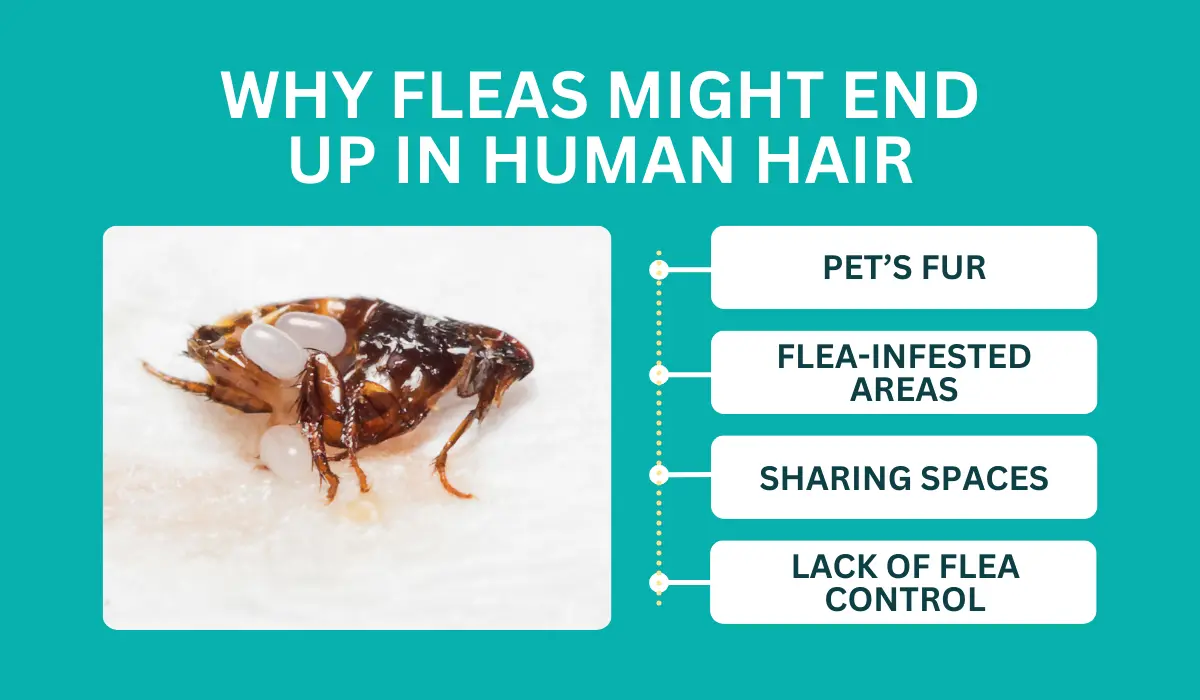
Life Cycle Stages of Fleas
Fleas undergo a complex life cycle consisting of four main stages: **egg**, **larva**, **pupa**, and **adult**.
- Egg: Flea eggs are tiny, white, and oval-shaped, typically laid in host environments. A female flea can lay up to 50 eggs per day, leading to rapid population growth.
- Larva: After hatching, larvae emerge and feed on organic debris, including adult flea feces, which provides essential nutrients. This stage lasts about 5 to 11 days, depending on environmental conditions.
- Pupa: Larvae spin a cocoon and enter the pupal stage, where they can remain dormant for several months, waiting for suitable conditions to emerge as adults.
- Adult: Adults emerge from the cocoon when they sense a host nearby, typically within 1 to 2 weeks but can remain dormant for up to a year in ideal conditions.
Preferred Hosts and Feeding Behaviors
Fleas are ectoparasites, primarily feeding on the blood of mammals. Their preferred hosts include:
- Dogs
- Cats
- Humans (less common)
While fleas can bite humans, they typically prefer animal hosts due to their fur and skin texture, which provide easier access to blood. Adult fleas rely on a host for sustenance, necessitating frequent feeding, often multiple times a day.
Environmental Factors Influencing Flea Survival
Flea survival is highly dependent on environmental conditions. Key factors include:
- Temperature: Fleas thrive in warm temperatures, ideally between 70°F and 85°F (21°C – 29°C).
- Humidity: High humidity levels (50-95%) are vital for flea development, particularly for eggs and larvae.
- Presence of Hosts: Fleas require access to hosts for feeding; environments with pets or wildlife will support larger flea populations.
Differences in Flea Species and Their Host Preferences
Various flea species exhibit distinct preferences for hosts. The most common types include:
- Ctenocephalides felis: The cat flea, primarily infesting cats but also common on dogs and humans.
- Ctenocephalides canis: The dog flea, less common in humans but can still bite.
- Pulex irritans: The human flea, primarily found in regions where humans are the primary hosts, though less prevalent than cat and dog fleas.
These differences highlight the adaptability of fleas to various environments and hosts, influencing their interactions with humans.
Expert Insights on Flea Behavior
A common misconception is that fleas can establish permanent colonies in human hair. In reality, while fleas may occasionally jump onto humans and feed, they lack the necessary adaptations to thrive in human hair. Their bodies are optimized for the fur of animals, which provides insulation and easier access to skin. Humans do not provide the same conducive environment for flea reproduction, making infestations in human hair rare.
Practical Applications
To mitigate the risk of flea infestations, consider the following actions:
- Regularly treat pets with veterinarian-recommended flea control products.
- Maintain clean living environments, including vacuuming carpets and washing pet bedding frequently.
- Monitor for signs of fleas, such as itching or flea dirt, especially in pets.
Understanding flea behavior and biology enhances awareness of their risks and informs effective prevention strategies.
Identifying Flea Infestations in Humans
This section outlines how to recognize flea infestations in humans and differentiate them from bites and infestations caused by other pests. Understanding these signs is essential for effective pest management and personal health.
Common Symptoms of Flea Bites on Humans
Flea bites can cause various symptoms that are important to identify. The most common reactions include:
- Intense itching: Flea bites often result in severe itching, which can lead to scratching and potential secondary infections.
- Red, raised welts: Bites typically appear as small, red, raised bumps, often found in clusters or lines.
- Location of bites: Fleas tend to bite areas where skin is thin, such as the ankles, legs, and waist.
Visual Identification of Fleas Versus Other Insects
Correctly identifying fleas is crucial for treatment. Fleas are small, wingless insects with a flat body that measures around 1/8 inch long. They are typically dark brown to black and can jump significant distances. In contrast, other common pests like bedbugs or lice have distinct features:
- Bedbugs: Oval-shaped, larger than fleas, and do not jump. They often hide in mattresses and furniture.
- Lice: Have a more elongated body and are usually found on the scalp or in hair, unlike fleas which do not live in human hair.
When to Seek Medical Advice for Flea Bites
Most flea bites can be treated at home, but certain situations warrant medical attention. Seek professional help if:
- The bites become infected, showing signs of pus or increased redness.
- You experience an allergic reaction, such as difficulty breathing or swelling beyond the bite site.
- The itching and irritation do not improve with over-the-counter treatments.
The Importance of Monitoring Pets for Fleas
Fleas are primarily parasites of animals but can bite humans when infestations occur. Regular monitoring of pets for fleas is essential to prevent human exposure. Signs of fleas in pets include:
- Excessive scratching or biting at the skin.
- Flea dirt, which appears as small black specks in the fur.
- Visible fleas or flea eggs in the fur or bedding.
In addition to monitoring pets, ensure proper flea control measures are in place around the home. Vacuuming, washing pet bedding, and using veterinarian-recommended flea treatments can significantly reduce the risk of fleas affecting humans.
While many articles address flea identification, a common misconception is that fleas can establish a permanent presence in human hair. Fleas do not live on humans as they do on pets; they prefer animal hosts. However, they may briefly cling to hair or skin, especially if humans come into close contact with infested animals. This distinction emphasizes the importance of treating pets and the environment to eliminate fleas effectively.
To manage potential flea infestations, monitor for symptoms of bites, accurately identify pests, and maintain vigilance in pet care. If symptoms arise, consider a consultation with a healthcare provider for appropriate management and treatment options.
Effective Prevention Strategies Against Fleas
This section outlines effective strategies for preventing flea infestations in households. Implementing these practices is essential for maintaining a flea-free environment and safeguarding both pets and humans.
Regular Grooming and Bathing of Pets
Maintaining a consistent grooming routine for pets significantly reduces the risk of flea infestations. Regular brushing removes dirt and loose fur, which can harbor flea eggs and larvae. Bathing pets with specially formulated flea shampoos can eliminate adult fleas and prevent new infestations. Aim to bathe pets at least once a month, or more frequently if they are exposed to high-risk areas.
Home Cleaning Practices
Thorough home cleaning is critical in controlling flea populations. Focus on high-traffic areas where pets spend time. Implement the following cleaning practices:
- Vacuuming: Vacuum carpets, rugs, and upholstery at least once a week. Pay special attention to corners and crevices where fleas may hide.
- Washing Fabrics: Wash pet bedding, blankets, and any removable fabric covers in hot water biweekly to kill fleas and their eggs.
- Steam Cleaning: Use a steam cleaner on carpets and furniture to effectively eliminate fleas at all life stages.
Use of Flea Prevention Products
Flea prevention products are vital in reducing the risk of infestations. Various options exist, each with distinct effectiveness:
- Topical Treatments: These are applied directly to the pet’s skin and provide long-lasting protection. They typically last from 30 days to several months.
- Oral Medications: Administered monthly, they work systemically to kill fleas upon contact and can prevent infestations before they start.
- Flea Collars: These release insecticides that repel or kill fleas but may have varying effectiveness depending on the brand and formulation.
Creating a Flea-Free Environment
Establishing a flea-free environment requires a multi-faceted approach. Consider the following:
- Yard Maintenance: Keep grass trimmed and remove debris to discourage flea habitats. Consider using outdoor flea control treatments in heavily infested areas.
- Regular Inspection: Frequently check pets for fleas, especially after they have been outdoors. Early detection can prevent a larger infestation.
- Limit Wildlife Access: Secure garbage bins and discourage wildlife from entering yards, as they can introduce fleas into the environment.
Many people mistakenly believe that fleas only thrive on pets. However, fleas can also be found in human environments, making prevention crucial. For instance, while fleas do not typically reside in human hair, they can jump onto humans and cause irritation. Therefore, a comprehensive prevention strategy is vital.
To effectively prevent flea infestations, implement a routine that includes:
- Regularly groom and bathe pets.
- Maintain a rigorous home cleaning schedule.
- Utilize flea prevention products as recommended.
- Monitor and maintain outdoor environments.
By following these actionable steps, households can significantly minimize the risk of flea infestations and enhance overall well-being for both pets and humans.
Treating Fleas in Human Hair: Best Practices
This section outlines effective methods for removing fleas from human hair, emphasizing the importance of thorough treatment and preventive measures to avoid reinfestation.

Recommended Shampoos and Treatments for Flea Removal
Several products are specifically formulated to eliminate fleas from hair and scalp. Look for shampoos that contain active ingredients such as pyrethrins, piperonyl butoxide, or permethrin. These ingredients are effective against fleas and are safe for human use when applied correctly. Additionally, consider using flea combs designed to trap and remove both fleas and their eggs.
Step-by-Step Guide to Safely Treating Hair and Scalp
- Preparation: Gather necessary supplies, including a flea shampoo, a flea comb, and a towel. Wet the hair thoroughly with warm water.
- Application: Apply the flea shampoo according to the manufacturer’s instructions. Ensure the shampoo covers the entire scalp and hair.
- Massage: Gently massage the shampoo into the scalp for at least 5 minutes. This allows the active ingredients to penetrate effectively.
- Rinse: Rinse the hair thoroughly with warm water. Make sure all shampoo is removed to prevent irritation.
- Comb: Use a flea comb to carefully comb through the hair, removing any remaining fleas and eggs. Clean the comb frequently in a bowl of soapy water.
- Dry: Towel-dry the hair and avoid using hair dryers immediately, as heat may irritate the scalp.
Post-Treatment Care and Monitoring for Reinfestation
After treatment, monitor the scalp and hair for any signs of reinfestation. Regularly check for fleas or flea dirt, especially if there has been contact with pets or infested environments. Maintain a clean environment by regularly washing bedding and vacuuming living areas to eliminate any potential flea eggs or larvae.
When to Consult a Professional for Severe Cases
If flea infestations persist despite treatment, or if the scalp shows signs of irritation, such as redness or itching, consulting a healthcare professional or dermatologist is advisable. Severe cases may require prescription-strength treatments or additional interventions to address underlying skin issues.
Common misconceptions include the belief that fleas can thrive in human hair indefinitely. While they may temporarily reside in hair, they do not reproduce on humans. Understanding this can help in addressing infestations effectively.
To effectively tackle flea infestations in human hair, follow the outlined steps diligently. Utilize recommended products, maintain cleanliness in living environments, and remain vigilant for signs of reinfestation. For persistent issues, seek professional assistance to ensure comprehensive treatment and care.
Frequently Asked Questions
Can fleas live in human hair?
Fleas do not typically live in human hair as they prefer fur and hair of animals. However, they can temporarily reside on humans and may bite, causing irritation.
How to get rid of fleas in human hair?
To remove fleas from human hair, wash the hair with a strong shampoo and use a fine-toothed comb to remove any fleas or eggs. Additionally, treating pets and cleaning the environment is crucial to prevent re-infestation.
What do flea bites on humans look like?
Flea bites on humans appear as small, red, itchy welts often grouped in clusters. They typically occur on the lower legs and feet, resembling mosquito bites.
Can fleas jump from pets to humans?
Yes, fleas can jump from pets to humans, especially when the host is in close proximity. They are attracted to body heat and movement, making it easy for them to latch onto humans.
How long can fleas survive without a host?
Fleas can survive without a host for several days to a few weeks, depending on environmental conditions. In a favorable environment, adult fleas may live up to 100 days without feeding.
What is the best treatment for flea infestations?
The best treatment for flea infestations includes a combination of topical or oral flea medications for pets, thorough cleaning of the home, and possibly professional pest control. Consistent treatment is essential to eliminate all life stages of fleas.
Are there any home remedies for fleas in hair?
Home remedies for fleas in hair include using essential oils like lavender or tea tree oil diluted in a carrier oil, which may repel fleas. However, these remedies should be used cautiously and are not a substitute for effective pest control methods.
Final Thoughts on can fleas stay in human hair
While fleas are primarily adapted to thrive on pets, they can occasionally latch onto human hair, posing health risks through bites and potential allergic reactions. Understanding their behavior and identifying signs of infestation is crucial for effective management and prevention.
To mitigate the risk of flea infestations, it is imperative to maintain a rigorous pest control routine in your home and on your pets, including regular vacuuming and the use of veterinarian-recommended flea treatments.
Addressing flea infestations promptly is vital; neglecting the issue can lead to more severe health problems and increased discomfort for both humans and pets.
Leave a Reply