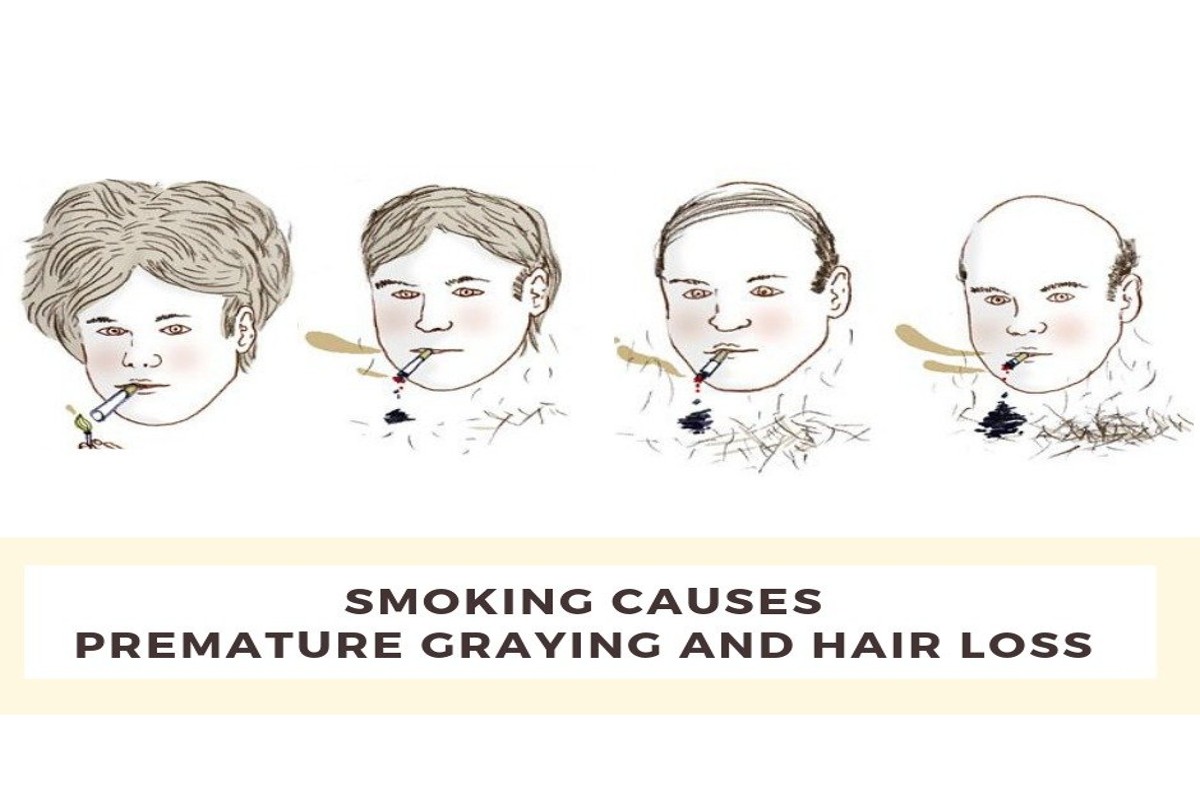
Yes, smoking can cause hair loss. It reduces blood flow to hair follicles and contributes to hair thinning by damaging the hair’s structure.
Understanding the link between smoking and hair loss is crucial for individuals concerned about their hair health. Misconceptions can lead to ineffective treatments and further damage, making it essential for smokers and those considering smoking cessation to grasp this connection.
This article examines the mechanisms by which smoking affects hair growth, the specific types of hair loss associated with smoking, and strategies for mitigating these effects.
How does smoking affect hair growth?
Smoking negatively impacts hair growth by disrupting the normal functioning of hair follicles and altering hair growth cycles. The harmful chemicals in cigarettes lead to reduced blood flow, which deprives hair follicles of essential nutrients and oxygen, ultimately affecting their health and longevity.
1. Reduced Blood Circulation: Smoking constricts blood vessels, limiting the flow of oxygen and nutrients to the scalp. This reduced circulation can weaken hair follicles, making them less capable of supporting healthy hair growth.
2. Increased Oxidative Stress: The toxins in cigarette smoke contribute to oxidative stress, which can damage hair follicles at a cellular level. This stress accelerates the aging process of hair follicles, leading to premature hair loss.
3. Hormonal Imbalance: Smoking can alter hormone levels in the body, particularly androgens, which are linked to hair thinning and loss. Elevated androgen levels can shrink hair follicles and shorten the hair growth cycle, resulting in thinner and weaker hair.
4. Impact on Hair Growth Cycles: Hair growth occurs in cycles: anagen (growth), catagen (transitional), and telogen (resting). Smoking can disrupt these cycles, causing more hair to enter the telogen phase prematurely, leading to increased shedding and noticeable thinning.
Additional Considerations
While smoking is a significant risk factor for hair loss, genetics and overall health also play crucial roles. Individuals with a family history of hair loss may experience exacerbated effects from smoking. Moreover, quitting smoking can improve circulation and overall health, potentially reversing some of the damage to hair follicles.
Expert Tip: To promote healthier hair growth, consider adopting a balanced diet rich in vitamins and minerals, alongside quitting smoking. Nutrients such as biotin, zinc, and vitamins A, C, and E can support hair follicle health and mitigate some negative effects of smoking.
Can quitting smoking reverse hair loss?
Quitting smoking can potentially reverse hair loss for some individuals. The benefits of cessation include improved blood circulation, enhanced nutrient absorption, and reduced oxidative stress, all of which contribute to healthier hair growth. However, the extent of hair regrowth varies based on individual factors, including the duration of smoking and genetic predisposition to hair loss.
When comparing the effects of continued smoking versus quitting, several key differences emerge:
- Blood Circulation: Smoking constricts blood vessels, reducing blood flow to the scalp. Quitting smoking improves circulation, allowing more nutrients to reach hair follicles.
- Nutrient Absorption: Smoking depletes essential vitamins and minerals necessary for hair health. After quitting, the body can better absorb these nutrients, which may support hair regrowth.
- Oxidative Stress: The toxins in cigarette smoke increase oxidative stress, damaging hair follicles. Quitting smoking reduces this oxidative damage, potentially promoting healthier hair growth.
Additionally, the psychological benefits of quitting smoking can also play a role in hair health. Reduced stress levels can lead to a decrease in hair loss related to stress-induced conditions, such as telogen effluvium. However, it is essential to recognize that while quitting smoking can improve hair health, it may not completely reverse hair loss, especially in cases of genetic predisposition or advanced stages of hair thinning.
Expert Tip: Individuals seeking to maximize hair regrowth after quitting smoking should consider a holistic approach, including a balanced diet rich in vitamins like biotin and zinc, alongside stress management techniques.
What are the other health effects of smoking on hair?
Smoking adversely affects hair health in several ways beyond just causing hair loss. The toxins in cigarette smoke can lead to poor blood circulation, which in turn deprives hair follicles of essential nutrients. This can result in hair that is dull, brittle, and more prone to breakage.
Additionally, smoking can disrupt the natural hair growth cycle, leading to premature graying and thinning. The chemicals in tobacco can also impact the scalp’s health, potentially leading to conditions such as dandruff or other inflammatory issues that further compromise hair vitality. Other factors influenced by smoking include:
- Poor Scalp Circulation: Reduced blood flow limits the delivery of oxygen and nutrients necessary for healthy hair.
- Increased Oxidative Stress: Free radicals generated from smoking can damage hair follicles, accelerating aging and weakening hair.
- Hormonal Imbalance: Smoking can affect hormone levels, which may contribute to hair thinning in both men and women.
Moreover, the impact of smoking on hair health is often compounded by other lifestyle factors such as diet and stress. Smokers may also have a higher tendency to neglect proper hair care, further exacerbating the negative effects on their hair. The cumulative effects of these factors can lead to a significant decline in overall hair quality and appearance.
Expert Tip: Quitting smoking can not only improve hair health but also enhance overall physical well-being. Many individuals report noticeable improvements in hair texture and growth within months of cessation, demonstrating the body’s resilience in recovery.
Is there a difference in hair loss between smokers and non-smokers?
Yes, there is a noticeable difference in hair loss rates between smokers and non-smokers. Studies indicate that smokers are more likely to experience hair loss, particularly androgenetic alopecia, compared to their non-smoking counterparts. This connection can be attributed to the harmful effects of smoking on blood circulation and hair follicle health.
Research conducted by the National Institutes of Health found that smokers are approximately two to four times more likely to experience significant hair loss than non-smokers. The study suggests that the toxins in cigarette smoke can damage hair follicles and disrupt the natural hair growth cycle. Furthermore, smoking can lead to increased oxidative stress and inflammation, further exacerbating hair loss.
Another study published in the journal Dermatology reported that men who smoke had a higher prevalence of severe balding, with results indicating that nearly 66% of male smokers experienced some form of hair loss, compared to just 34% of non-smokers. Women also showed similar patterns, with smoking contributing to premature hair thinning and loss. These findings highlight the importance of considering lifestyle factors, such as smoking, when evaluating hair health.
Key Differences in Hair Loss Rates
- Prevalence of Hair Loss: Smokers show a higher prevalence of severe hair loss, particularly in androgenetic alopecia.
- Age of Onset: Smokers tend to experience hair loss at a younger age compared to non-smokers.
- Severity: The severity of hair loss is generally greater in smokers, with a significant percentage showing advanced stages of balding.
Individuals concerned about hair loss should consider cessation of smoking as a potential intervention. Quitting smoking can improve overall health and may have a positive impact on hair vitality.
What vitamins can help with hair loss due to smoking?
Several vitamins and nutrients can support hair health and may mitigate hair loss associated with smoking. Key vitamins include biotin, vitamin D, vitamin E, and certain B vitamins, all of which play a role in hair growth and overall hair health. Incorporating these vitamins into a diet or through supplements may help counteract some of the negative effects of smoking on hair.
Biotin is a water-soluble B vitamin that is essential for the production of keratin, a key protein in hair. A deficiency in biotin can lead to hair thinning and loss. Sources of biotin include eggs, nuts, and whole grains. For smokers, supplementing with biotin may enhance hair strength and promote growth.
Vitamin D is crucial for hair follicle cycling and may help prevent hair loss. Smokers often have lower levels of vitamin D due to reduced absorption and lifestyle factors. Sun exposure is the best way to increase vitamin D levels, but fortified foods and supplements can also be beneficial. Regularly checking vitamin D levels and supplementing as necessary can support healthier hair.
- Vitamin E: This antioxidant supports blood circulation in the scalp and protects hair from oxidative stress. Incorporate sources like nuts, seeds, and leafy greens, or consider a vitamin E supplement.
- B Vitamins: Vitamins such as B6, B12, and folate are vital for energy production and cell metabolism, which are important for hair health. These can be found in a variety of foods, including fish, poultry, and legumes.
- Zinc: Though not a vitamin, zinc is important for hair tissue growth and repair. Foods rich in zinc include meat, shellfish, legumes, and seeds. A zinc supplement may also be beneficial for smokers.
Regularly monitoring nutrient intake and making adjustments can have a significant impact on hair health for individuals who smoke. Consulting with a healthcare provider can provide personalized recommendations based on specific nutritional needs.
Maintaining a well-balanced diet rich in these vitamins and minerals can be a proactive approach to mitigate the effects of smoking on hair health. Consideration of lifestyle changes, including smoking cessation, can further enhance hair restoration efforts.
How long after quitting smoking will I see hair growth improvements?
Improvements in hair growth after quitting smoking can typically be observed within 3 to 6 months. However, it may take up to a year or more to see significant changes, depending on individual factors.
The timeline for hair regrowth is influenced by several factors, including the duration and intensity of smoking, individual genetics, and overall health. Smoking affects blood circulation and nutrient delivery to hair follicles, which can hinder hair growth. Once a person quits, the body begins to repair itself, improving circulation and nutrient flow, thus promoting healthier hair growth over time.
Moreover, the state of a person’s hair prior to quitting plays a significant role. Those with existing hair loss may experience a slower recovery, while individuals with healthy hair may notice improvements more rapidly. Additionally, lifestyle changes post-quitting, such as a balanced diet, proper hydration, and reduced stress, can further accelerate hair regrowth.
Ultimately, patience and consistency are key. Regular hair care routines and a healthy lifestyle can support the recovery process and enhance the benefits of quitting smoking.
Expert Tip: Incorporating supplements rich in vitamins A, C, D, E, and biotin may facilitate better hair health during the recovery period after quitting smoking.
Are there treatments for hair loss caused by smoking?
Yes, there are several treatments and lifestyle changes that can help mitigate hair loss associated with smoking. While quitting smoking is the most effective method to improve overall health and hair condition, various interventions can further support hair regrowth and health. Treatments may include topical solutions, dietary adjustments, and professional therapies.
- Quitting Smoking: The most significant step is to quit smoking. This action improves blood circulation and reduces the harmful effects of toxins on hair follicles, promoting healthier hair growth.
- Minoxidil: This topical treatment is FDA-approved for hair loss and can stimulate hair follicle activity. It is widely available and can be used by both men and women.
- Finasteride: For men, this prescription medication can help reduce hair loss by blocking the hormone that contributes to hair thinning. Consult a healthcare provider to discuss suitability.
- Healthy Diet: Incorporate foods rich in vitamins and minerals, particularly biotin, zinc, and omega-3 fatty acids. A balanced diet supports overall hair health and can enhance the hair regrowth process.
- Scalp Massage: Regular scalp massages can improve blood circulation to hair follicles. This simple technique may help promote hair growth and can be easily incorporated into a daily routine.
- Professional Treatments: Consider treatments such as laser therapy or PRP (platelet-rich plasma) therapy. These options can stimulate hair growth and are typically administered by dermatologists or trichologists.
In addition to these treatments, maintaining overall health through regular exercise and managing stress can also contribute positively to hair growth. Reducing stress levels may decrease the likelihood of hair loss and improve hair quality.
Expert Tip: Regularly consult with a healthcare professional or dermatologist to monitor hair health and adjust treatment plans as necessary for optimal results.
The Biological Mechanisms Linking Smoking and Hair Loss
This section explores the scientific processes that link smoking to hair loss, focusing on the physiological impacts of nicotine, oxidative stress, and hormonal changes that affect hair growth.
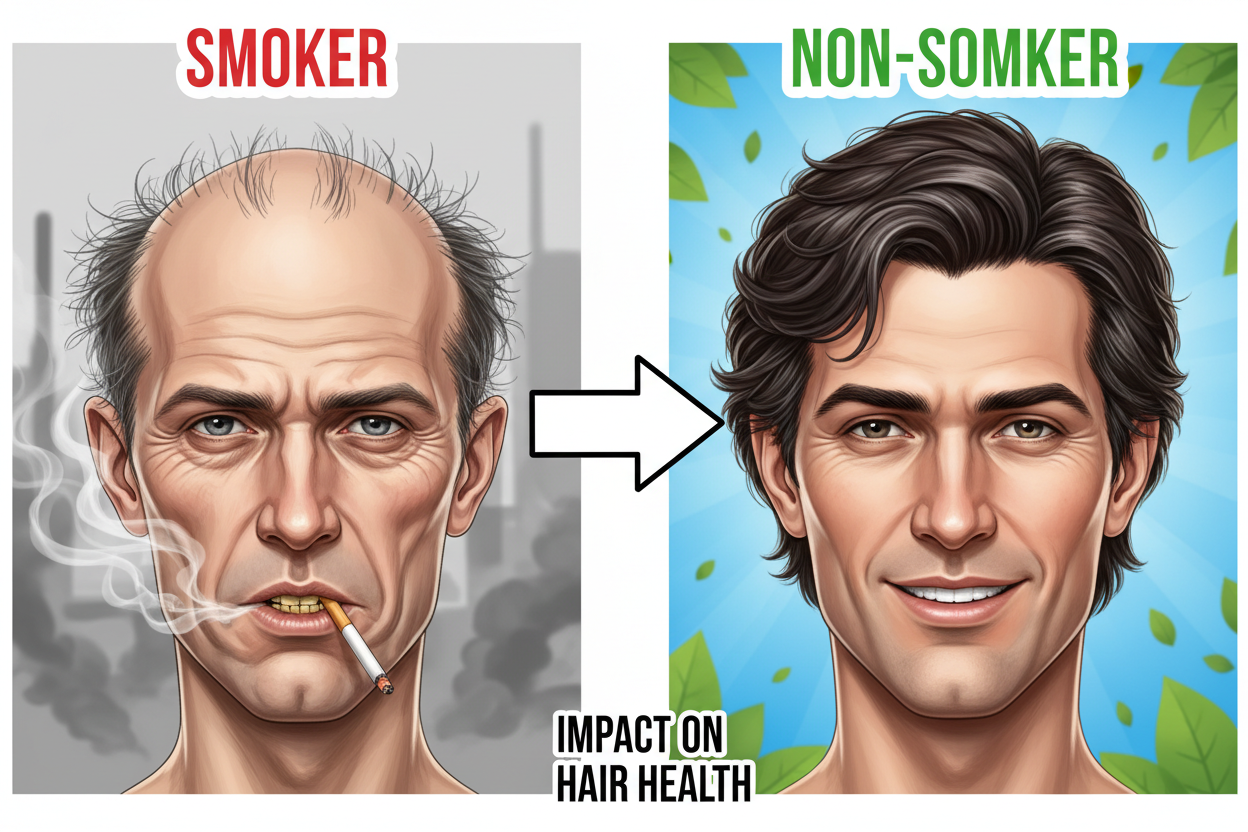
Impact of Nicotine on Blood Circulation and Nutrient Delivery
Nicotine, a primary component of tobacco, constricts blood vessels, leading to decreased blood circulation. This reduced blood flow hampers the delivery of essential nutrients and oxygen to hair follicles, which are vital for healthy hair growth. Hair follicles depend on a rich supply of nutrients to maintain their metabolic functions. When nutrient delivery is compromised, hair growth may slow down or cease entirely, contributing to hair thinning and loss.
Oxidative Stress and Its Role in Hair Follicle Damage
Smoking introduces a myriad of harmful chemicals into the body, which significantly increases oxidative stress. Oxidative stress refers to the imbalance between free radicals and antioxidants in the body. This condition can lead to cellular damage, including that of hair follicles. Studies indicate that oxidative stress can trigger apoptosis, or programmed cell death, in hair follicle cells, thereby accelerating hair loss. The accumulation of free radicals damages DNA, proteins, and lipids, further compromising follicular health.
Hormonal Changes Induced by Smoking Affecting Hair Growth
Smoking has been shown to influence hormonal levels in the body, particularly androgens. Increased levels of androgens can lead to conditions such as androgenetic alopecia, a common form of hair loss in both men and women. Additionally, smoking can disrupt the endocrine system, altering the production of hormones essential for hair growth. This hormonal imbalance creates an unfavorable environment for hair follicles, exacerbating the risk of hair loss.
Nuance / Expert Layer
While many studies establish a clear link between smoking and hair loss, it is crucial to consider individual variability. Genetic predisposition, lifestyle factors, and overall health can influence how smoking affects hair follicles. For instance, not all smokers experience hair loss to the same degree. Moreover, some may attribute their hair loss solely to genetics, overlooking the compounding effects of smoking. This highlights the importance of a holistic approach when addressing hair loss, emphasizing that while smoking does contribute to this issue, it is one of many factors involved.
Practical Application
For those concerned about the effects of smoking on hair health, the following actions are recommended:
- Consider quitting smoking to improve blood circulation and nutrient delivery to hair follicles.
- Incorporate antioxidant-rich foods into the diet to combat oxidative stress.
- Consult a healthcare professional to evaluate hormonal levels and explore treatment options for hair loss.
Lifestyle Changes to Combat Hair Loss from Smoking
This section outlines effective lifestyle changes that smokers can adopt to enhance hair health and mitigate the risk of hair loss. Implementing these adjustments can significantly improve the condition of hair and overall well-being.
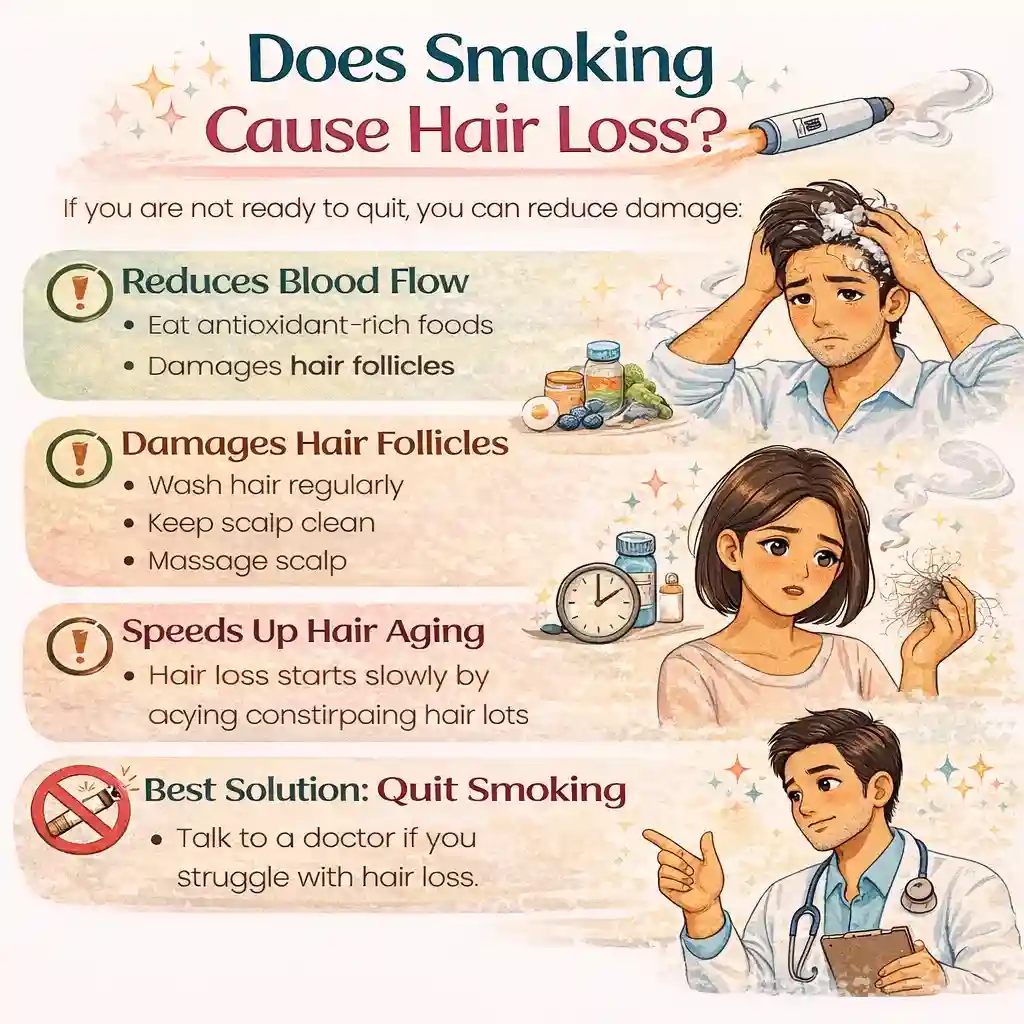
Dietary Adjustments to Support Hair Growth
A balanced diet rich in specific nutrients is essential for promoting hair growth and combating the effects of smoking. Key vitamins and minerals play a significant role in maintaining healthy hair follicles.
- Protein: Hair is primarily composed of keratin, a protein. Incorporate lean meats, fish, eggs, and legumes to ensure adequate protein intake.
- Iron: Low iron levels can lead to hair thinning. Foods such as spinach, lentils, and red meat can help maintain healthy iron levels.
- Omega-3 Fatty Acids: These fats nourish hair follicles and promote scalp health. Sources include fatty fish like salmon, walnuts, and flaxseeds.
- Vitamins A and C: Both vitamins support sebum production, essential for a healthy scalp. Include carrots, sweet potatoes, oranges, and berries in your diet.
Importance of Hydration and Scalp Care
Hydration is crucial for overall health and particularly impacts hair vitality. Dehydration can lead to dry, brittle hair and an unhealthy scalp.
Maintaining optimal hydration involves drinking sufficient water daily—aim for at least 2 liters for most adults. Additionally, scalp care practices can enhance hair health:
- Regular Cleansing: Use a gentle shampoo to remove buildup and promote a clean scalp.
- Moisturizing Treatments: Apply natural oils, such as coconut or jojoba oil, to nourish the scalp and prevent dryness.
- Scalp Massages: Regular massages can stimulate blood circulation, promoting nutrient delivery to hair follicles.
Stress Management Techniques That Promote Hair Health
Chronic stress is a known factor in hair loss, making stress management crucial for smokers concerned about hair health. Implementing effective stress-reducing techniques can foster a healthier environment for hair growth.
- Meditation: Practicing mindfulness or meditation can reduce anxiety and improve mental clarity.
- Physical Activity: Regular exercise boosts endorphins and reduces stress levels while improving blood circulation.
- Sleep Hygiene: Prioritize quality sleep to allow the body to recover and rejuvenate, which is essential for hair health.
Many articles on the topic of smoking and hair loss fail to address the multifaceted nature of hair health. While smoking directly affects blood circulation and nutrient absorption, other factors such as genetics and existing health conditions can also play significant roles. For instance, individuals with a family history of hair loss may experience accelerated thinning due to smoking, compounding the genetic predisposition. A comprehensive approach that includes lifestyle changes, alongside cessation of smoking, yields the best outcomes for hair health.
To effectively combat hair loss associated with smoking, individuals should focus on the following actionable steps:
- Adopt a nutrient-rich diet emphasizing protein, iron, and healthy fats.
- Ensure adequate hydration and implement a regular scalp care routine.
- Engage in stress management activities, such as exercise and meditation.
By committing to these changes, smokers can enhance their hair health and reduce the risk of further loss.
The Psychological Impact of Hair Loss and Smoking
This section explores the emotional and psychological ramifications of hair loss attributed to smoking, emphasizing its relevance to mental health and self-perception.

Self-Esteem and Hair Appearance
Hair serves as a significant aspect of personal identity and self-esteem. For many individuals, a full head of hair is synonymous with youth and vitality. When smoking contributes to hair loss, it can lead to a decline in self-esteem, affecting one’s overall mental health. Studies indicate that individuals experiencing hair loss often report feelings of embarrassment, anxiety, and depression. These emotional responses can be particularly pronounced among younger adults, where societal standards place a high value on physical appearance.
Coping Strategies for Dealing with Hair Loss
Developing effective coping strategies is essential for individuals facing hair loss due to smoking. Various approaches can help mitigate the emotional distress associated with this condition:
- Education: Understanding the causes and effects of hair loss can empower individuals, enabling them to make informed decisions regarding their health.
- Support Groups: Joining support groups can provide a sense of community and shared experience, fostering emotional resilience.
- Therapy: Engaging with a mental health professional can help address underlying issues related to self-image and anxiety.
Support Resources for Individuals Facing Hair Loss
Numerous resources exist to support individuals experiencing hair loss. These include:
- Online Forums: Websites and social media groups dedicated to hair loss can facilitate discussions and advice sharing.
- Professional Counseling: Mental health professionals can offer tailored strategies to cope with the psychological impact of hair loss.
- Hair Restoration Clinics: Many clinics provide options for hair restoration or cosmetic solutions, which can improve self-esteem and body image.
Moreover, educational resources from dermatology and trichology professionals can offer insights into the effects of smoking on hair health, as well as strategies for prevention and treatment.
Nuanced Perspectives
Common misconceptions about the relationship between smoking and hair loss often overlook the multifactorial nature of hair health. While smoking is a known contributor, factors such as genetics, diet, and stress also play significant roles. Research indicates that not all smokers experience hair loss at the same rate; individual susceptibility varies based on genetic predisposition and lifestyle choices. Furthermore, while hair loss can lead to psychological distress, it is essential to recognize that not all individuals react similarly. Some may find alternative ways to adapt, emphasizing resilience and support networks.
Practical Applications
To effectively address the psychological impact of hair loss related to smoking, individuals should consider the following actions:
- Seek education on the effects of smoking on hair health.
- Join support groups or online communities to connect with others facing similar challenges.
- Consult with mental health professionals to develop coping strategies.
- Explore hair restoration options if desired.
Taking these steps can foster resilience and enhance mental well-being for those grappling with the emotional consequences of hair loss.
Comparative Analysis: Smoking vs. Other Causes of Hair Loss
This section analyzes smoking as a potential contributor to hair loss in relation to other common causes. By understanding the interplay between genetic predispositions, lifestyle factors, and stress, the multifactorial nature of hair thinning becomes clearer.

Genetic Factors vs. Lifestyle Factors in Hair Loss
Genetic factors, particularly androgenetic alopecia, account for a significant percentage of hair loss in both men and women. This hereditary condition is characterized by a progressive thinning of hair and is influenced by hormonal changes. In contrast, lifestyle factors, including smoking, diet, and stress, can exacerbate hair loss but are not typically the primary causes. While genetics lays the foundation, lifestyle choices can either mitigate or accelerate the expression of hair loss.
Comparing Smoking-Related Hair Loss to Stress-Induced Loss
Stress-induced hair loss, known as telogen effluvium, results from a sudden shock to the body, causing hair follicles to enter a resting phase prematurely. Smoking can also lead to hair loss through mechanisms related to reduced blood circulation and nutrient delivery to hair follicles. The degree of impact varies; while stress-induced loss is often reversible once the stressor is removed, smoking-related damage is compounded over time and may lead to a more chronic state of hair thinning.
Understanding the Multifactorial Nature of Hair Thinning
Hair thinning is rarely attributed to a single factor. A combination of genetic predisposition, environmental influences, and lifestyle choices contribute to the overall health of hair. Factors such as hormonal imbalances, nutritional deficiencies, and exposure to toxins, including those found in cigarette smoke, can synergistically affect hair health. This complexity underscores the need for a comprehensive approach in addressing hair loss.
- Genetic predisposition: The most significant factor for many individuals.
- Lifestyle choices: Smoking, poor diet, and lack of exercise can worsen hair loss.
- Environmental factors: Pollution and exposure to chemicals play a role in hair health.
Nuance / Expert Layer
A common misconception is that smoking directly causes hair loss in a straightforward manner. In reality, smoking contributes to hair thinning primarily through its impact on overall health, including cardiovascular function and nutrient absorption. Smokers may experience poorer hair health due to reduced oxygen and nutrient flow to hair follicles, making them more susceptible to other causes of hair loss. Furthermore, not all smokers will experience hair loss, indicating the importance of individual genetic and environmental factors.
Practical Application
To mitigate the risk of hair loss, consider the following actions:
- Assess family history for genetic predispositions to hair loss.
- Adopt a healthy lifestyle by quitting smoking and incorporating a balanced diet rich in vitamins and minerals.
- Manage stress through techniques such as mindfulness, exercise, or therapy.
By addressing these factors, individuals can better manage their hair health and potentially reduce the risk associated with hair loss.
Frequently Asked Questions
How does smoking affect hair growth?
Smoking restricts blood flow to hair follicles, leading to weakened hair and impaired growth. The toxins in cigarettes can also damage hair structure, contributing to hair loss.
Can quitting smoking reverse hair loss?
Quitting smoking can improve blood circulation and overall health, potentially leading to hair regrowth over time. However, the extent of reversal depends on individual factors and the duration of smoking.
What are the other health effects of smoking on hair?
In addition to hair loss, smoking can cause premature graying and dullness of hair. It also increases the risk of scalp conditions that may further exacerbate hair issues.
Is there a difference in hair loss between smokers and non-smokers?
Research indicates that smokers are more likely to experience hair thinning and loss compared to non-smokers. The harmful chemicals in cigarettes contribute to this increased risk.
What vitamins can help with hair loss due to smoking?
Vitamins such as Biotin, Vitamin D, and Vitamin E are beneficial for hair health and may help mitigate hair loss caused by smoking. A balanced diet rich in these nutrients supports hair growth and strength.
How long after quitting smoking will I see hair growth improvements?
Improvements in hair growth can typically be observed within 3 to 6 months after quitting smoking, but this varies by individual. Factors such as overall health and nutrition also play a significant role.
Are there treatments for hair loss caused by smoking?
Treatments like minoxidil and finasteride can be effective for hair loss associated with smoking. Additionally, lifestyle changes and nutritional supplements may support hair regrowth.
Final Thoughts on does smoking cause hair loss
The evidence clearly indicates that smoking has a detrimental effect on hair health, contributing to hair loss through various biological mechanisms and exacerbating psychological stress. Smokers are at a higher risk of experiencing hair loss compared to non-smokers, highlighting the importance of addressing this issue for overall well-being.
Individuals concerned about hair loss should prioritize quitting smoking as a fundamental step; this not only improves hair health but also enhances overall physical condition and mental resilience. Consider seeking support through cessation programs or counseling to facilitate this transition.
Recognizing the profound impact of smoking on hair loss is crucial, as it underscores the interconnectedness of lifestyle choices and long-term health outcomes.
Leave a Reply