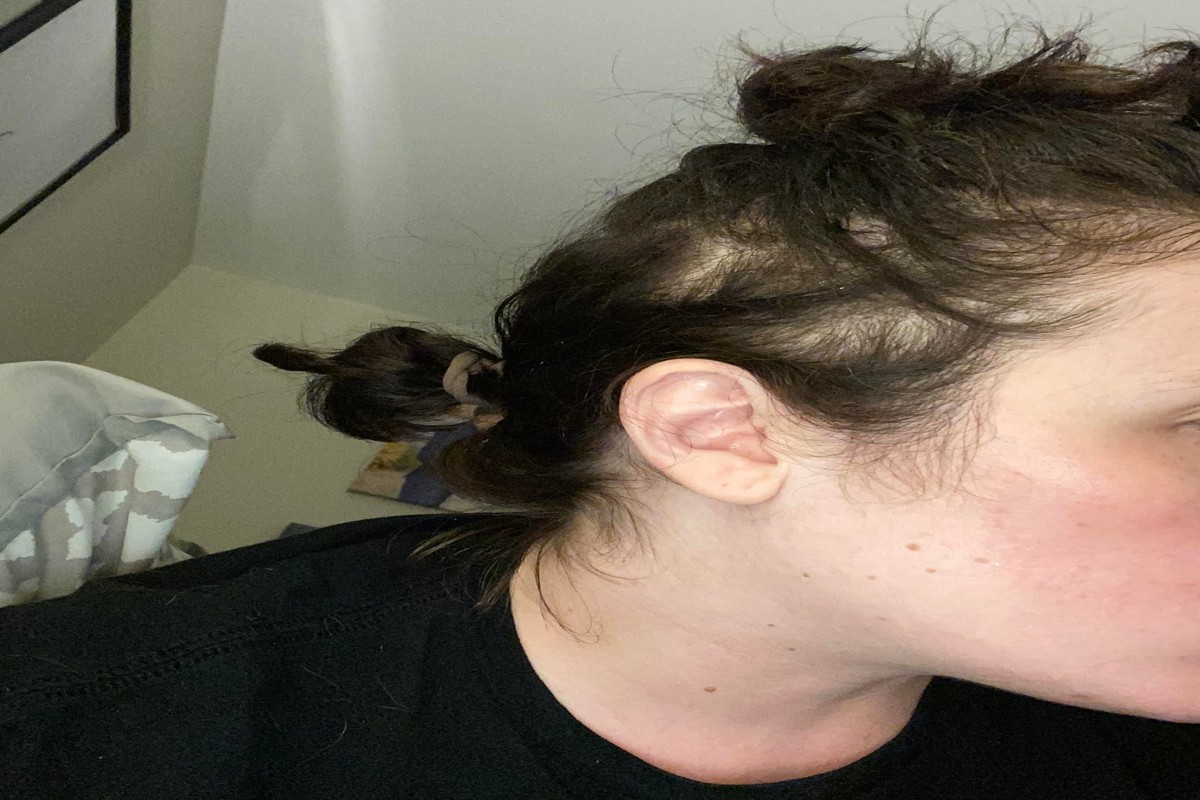
Yes, Wellbutrin can cause hair loss in some individuals. This side effect is not common, but it has been reported by some users. If you experience hair loss, consult your healthcare provider.
Understanding the potential side effects of medications like Wellbutrin is crucial for patients and healthcare providers alike. Hair loss can significantly impact an individual’s self-esteem and quality of life, making it essential to recognize and address this concern promptly.
This article will examine the connection between Wellbutrin and hair loss, explore the prevalence of this side effect, and provide guidance on what steps to take if hair loss occurs during treatment.
What are the common side effects of Wellbutrin?
Common side effects of Wellbutrin include insomnia, dry mouth, headache, nausea, and anxiety. While hair loss is not listed as a typical side effect, some patients have reported experiencing it. Understanding the potential side effects can help in managing expectations and addressing concerns about treatment.
The side effects of Wellbutrin can vary significantly among individuals. The most frequently reported side effects include:
- Insomnia: Difficulty sleeping is a common issue, often due to the stimulating effects of the medication.
- Dry mouth: Many patients experience a decrease in saliva production, leading to discomfort.
- Headache: Tension or migraine-like headaches can occur, particularly when starting the medication.
- Nausea: Some users may experience gastrointestinal upset, which usually diminishes with continued use.
- Anxiety: Increased anxiety or restlessness may arise, particularly in those predisposed to anxiety disorders.
Although hair loss is not a widely recognized side effect of Wellbutrin, anecdotal evidence suggests that some individuals may notice thinning hair. This may be related to the overall impact of the drug on the body’s hormonal balance or stress levels. Patients experiencing hair loss should consult with their healthcare provider to explore potential underlying causes and discuss alternative treatment options.
Expert Tip: Monitoring side effects closely during the initial stages of Wellbutrin therapy can provide valuable information for healthcare providers. If hair loss becomes a concern, a comprehensive evaluation may help determine the best course of action, including possible adjustments to medication or additional treatments.
How can I manage hair loss caused by Wellbutrin?
Managing hair loss associated with Wellbutrin involves a combination of lifestyle changes, dietary adjustments, and potential medical interventions. While some individuals may experience hair loss, it is not universal, and strategies can help mitigate this effect. Employing specific techniques can aid in maintaining hair health while undergoing treatment.
- Consult a healthcare professional: Before making any changes, discuss your concerns with your doctor. They may recommend alternative medications or adjustments to your current treatment plan.
- Implement a nutrient-rich diet: Focus on foods high in vitamins and minerals that promote hair health, such as proteins, omega-3 fatty acids, iron, and zinc. Incorporating leafy greens, nuts, fish, and lean meats can be beneficial.
- Consider supplements: Biotin, vitamin D, and other hair growth supplements may help. Consult with a healthcare provider to determine appropriate dosages and ensure they do not interact with Wellbutrin.
- Adopt gentle hair care practices: Avoid harsh chemicals, excessive heat, and tight hairstyles that can exacerbate hair loss. Use mild shampoos and conditioners that promote hair strength and moisture.
- Manage stress levels: High stress can contribute to hair loss. Engage in stress-reduction techniques such as yoga, meditation, or regular physical activity to help maintain overall well-being.
- Explore topical treatments: Minoxidil is a topical solution that may stimulate hair growth. Discuss this option with a healthcare professional to ensure it is suitable for your situation.
Maintaining a proactive approach while on Wellbutrin can significantly impact hair health. Regular follow-ups with healthcare providers can help adapt strategies to individual responses to treatment.
For optimal results, consider combining several of these strategies, as a multifaceted approach often yields better outcomes in managing hair loss.
Is hair loss from Wellbutrin reversible?
Hair loss associated with Wellbutrin can be reversible in many cases. If an individual stops taking the medication or switches to an alternative, hair regrowth often occurs within a few months. However, the extent of reversibility may vary based on individual factors and the duration of use.
When comparing Wellbutrin to other medications linked to hair loss, the reversibility can differ significantly. For instance, some antidepressants like SSRIs (Selective Serotonin Reuptake Inhibitors) may cause hair loss that can also be reversed, but the timeline may be longer. In contrast, medications such as chemotherapy agents often lead to more extensive hair loss, which may take longer to recover from and might not fully return to pre-treatment levels.
- Wellbutrin: Hair loss is typically reversible; regrowth occurs within a few months after discontinuation.
- SSRIs: Hair loss can be reversible, but recovery may take longer depending on individual response and duration of use.
- Chemotherapy agents: Hair loss is often more severe and recovery can take a long time; some individuals may not regain their original hair density.
Individual factors such as genetics, overall health, and concurrent medications can influence hair regrowth. It is also essential to consult a healthcare provider before making any changes to medication regimens, as abrupt discontinuation can have other health implications.
Expert Tip: Monitoring hair health while on Wellbutrin or any medication is advisable. Regular consultations with a healthcare provider can help identify potential side effects early and adjust treatment as necessary.
What should I do if I experience hair loss on Wellbutrin?
If hair loss occurs while taking Wellbutrin, it is essential to take specific steps to address the issue. First, evaluate the extent and duration of the hair loss. If the hair loss is significant or persistent, consult a healthcare professional for guidance.
Begin by documenting the pattern of hair loss, including when it started and any other accompanying symptoms. This information will be valuable for your healthcare provider. Next, consider the following best practices:
- Consult your doctor: Schedule an appointment with your prescribing physician to discuss the hair loss. They can determine if Wellbutrin may be the cause and explore alternative treatment options.
- Review medication history: Inform your doctor about all medications you are taking, including over-the-counter drugs and supplements. Some medications can interact and contribute to hair loss.
- Assess lifestyle factors: Evaluate your diet, stress levels, and overall health. Nutritional deficiencies or high stress can exacerbate hair loss, so addressing these factors might help.
- Consider a dermatologist consultation: If the hair loss persists, a dermatologist can perform tests to identify any underlying conditions that may be contributing to the issue.
Acting promptly can help mitigate hair loss and identify its cause. Staying proactive in communication with healthcare providers is crucial for managing any side effects associated with Wellbutrin.
Expert Tip: Hair loss from medications can sometimes take weeks to stabilize after discontinuation. If your doctor recommends changing medications, monitor your hair health closely during the transition period for any improvements or further issues.
Does Wellbutrin cause hair loss more than other antidepressants?
Wellbutrin is generally associated with a lower incidence of hair loss compared to other antidepressants. While hair loss is a potential side effect of many antidepressants, it appears to be less common with Wellbutrin, especially when compared to SSRIs and SNRIs. The risk of hair loss with Wellbutrin is not only lower but also varies based on individual responses to the medication.
When comparing the incidence of hair loss across different classes of antidepressants, the following observations can be made:
- Wellbutrin (Bupropion): Reports of hair loss are relatively rare, affecting approximately 1% or fewer of users. Its unique mechanism of action as a norepinephrine-dopamine reuptake inhibitor (NDRI) may contribute to this lower risk.
- SSRIs (Selective Serotonin Reuptake Inhibitors): Common SSRIs like fluoxetine (Prozac) and sertraline (Zoloft) are more frequently associated with hair loss, with estimates ranging from 1% to 3% of users experiencing this side effect.
- SNRIs (Serotonin-Norepinephrine Reuptake Inhibitors): Similar to SSRIs, SNRIs such as venlafaxine (Effexor) can also lead to hair loss in some patients, with incidence rates comparable to those of SSRIs.
Individual factors, including genetics, dosage, and duration of treatment, can influence the likelihood of hair loss with any antidepressant. Some patients may experience hair loss due to underlying conditions or stressors unrelated to medication. It is essential for patients to discuss any concerns with their healthcare providers, as alternative treatments may be available.
Expert Tip: Monitoring hair health and discussing any noticeable changes with a healthcare professional can help manage potential side effects effectively, allowing adjustments to treatment plans as necessary.
How long does it take for hair loss to occur after starting Wellbutrin?
Hair loss after starting Wellbutrin can occur within a time frame of two to six months. However, individual responses to the medication can vary significantly, and not everyone will experience this side effect.
The onset of hair loss may depend on several factors, including the dosage of Wellbutrin, individual genetic predisposition to hair loss, and overall health conditions. Some individuals might notice thinning hair sooner, while others may not experience any changes at all. Additionally, concurrent medications or stressors in a person’s life can also influence the timeline and severity of hair loss.
It’s essential to monitor any changes in hair health after beginning treatment. If hair loss occurs, it is advisable to consult a healthcare provider to discuss concerns and potential adjustments to the treatment plan. Understanding that hair loss may not be immediate allows for better management of expectations during the early months of therapy.
Expert Tip: Maintaining a balanced diet rich in vitamins and minerals can support hair health during treatment with Wellbutrin. If hair loss becomes a concern, consider discussing nutritional supplements with a healthcare professional.
What are the alternatives to Wellbutrin if hair loss is a concern?
For individuals concerned about hair loss associated with Wellbutrin, there are several alternative medications that may be less likely to cause this side effect. Options include selective serotonin reuptake inhibitors (SSRIs) such as fluoxetine (Prozac) and sertraline (Zoloft), as well as other antidepressants like mirtazapine (Remeron) and trazodone.
SSRIs are commonly prescribed for depression and anxiety disorders. They work by increasing levels of serotonin in the brain, which can help improve mood without the same risk of hair loss that some users report with Wellbutrin. While side effects vary among individuals, SSRIs are generally considered to have a more favorable profile regarding hair health.
Mirtazapine and trazodone are alternatives that may also be beneficial. Mirtazapine can be effective for treating depression and anxiety while promoting sleep, with less incidence of hair loss reported. Trazodone, often used off-label for insomnia, has a different mechanism that may also spare hair follicles from adverse effects. Each alternative comes with its own potential side effects, so a healthcare provider’s guidance is essential for finding the right fit based on individual health needs.
Expert Tip: When considering alternatives to Wellbutrin, consult with a healthcare professional who can evaluate personal medical history and potential drug interactions. A thorough assessment ensures that the chosen medication aligns with both mental health goals and physical well-being.
Are there any dietary changes that can help with hair loss from Wellbutrin?
Dietary changes and specific supplements may help mitigate hair loss associated with Wellbutrin. Incorporating certain nutrients can support hair health and promote growth. A balanced diet rich in vitamins and minerals is essential for minimizing potential side effects.
To address hair loss, consider the following dietary adjustments and supplements:
- Increase protein intake: Hair is primarily made of protein, so including adequate sources such as lean meats, eggs, legumes, and dairy can enhance hair strength and growth.
- Incorporate biotin-rich foods: Biotin has been linked to improved hair health. Foods like nuts, seeds, sweet potatoes, and avocados are excellent sources of biotin and should be included in the diet.
- Include omega-3 fatty acids: Omega-3 fatty acids promote scalp health and may reduce hair thinning. Fatty fish like salmon, walnuts, and flaxseeds are beneficial additions to the diet.
- Ensure adequate iron and zinc intake: Deficiencies in these minerals can lead to hair loss. Incorporate sources like spinach, lentils, pumpkin seeds, and red meat to ensure sufficient levels.
- Consider a multivitamin: A daily multivitamin can help fill nutritional gaps that may contribute to hair loss. Look for formulations that include vitamins A, C, D, and E, as well as B vitamins.
While dietary changes can support hair health, individual responses may vary. It is advisable to consult a healthcare professional before making significant dietary adjustments or starting new supplements.
Regular monitoring of hair health is essential. If hair loss continues, further evaluation by a specialist may be warranted to rule out other underlying causes.
Understanding the Mechanism: How Wellbutrin Affects Hair Growth
This section explores the biological mechanisms through which Wellbutrin may influence hair growth, particularly focusing on neurotransmitter interactions and their effects on hair follicles. Understanding these connections is essential for assessing the potential side effects of this medication.

Overview of Wellbutrin’s Action on Neurotransmitters
Wellbutrin, or bupropion, primarily acts as a norepinephrine-dopamine reuptake inhibitor (NDRI). By increasing the levels of neurotransmitters such as dopamine and norepinephrine in the brain, Wellbutrin alters mood and alleviates depressive symptoms. This mechanism is distinct from other antidepressants, which often target serotonin pathways.
Impact of Neurotransmitter Changes on Hair Follicles
The health of hair follicles is closely tied to neurotransmitter levels. Hair growth occurs in cycles influenced by various biological signals. Neurotransmitters, particularly dopamine and norepinephrine, play roles in regulating these cycles. Imbalances can lead to disruptions in the hair growth phase, potentially resulting in hair loss.
- Dopamine: Low levels may contribute to hair follicle miniaturization, reducing hair density.
- Norepinephrine: Elevated levels can lead to vasoconstriction, affecting blood flow to hair follicles.
- Stress Response: Modifications in neurotransmitter levels can trigger stress responses, further impacting hair growth.
Research Studies Linking Wellbutrin to Hair Loss
While anecdotal evidence suggests a link between Wellbutrin and hair loss, clinical studies provide mixed results. Some studies indicate a higher incidence of hair loss in patients taking Wellbutrin compared to those on other antidepressants. A notable study published in the Journal of Clinical Psychiatry reported that approximately 1% to 5% of patients experienced hair loss while on Wellbutrin, although the exact mechanism remains unclear.
Individual Variations in Response to Medication
Responses to Wellbutrin can vary significantly among individuals. Factors influencing this variability include genetics, existing health conditions, and concurrent medications. For instance, individuals with a family history of hair loss may be more susceptible to experiencing this side effect.
Nuance / Expert Layer
Common misconceptions suggest that all antidepressants uniformly affect hair growth. However, Wellbutrin’s distinctive action on dopamine and norepinephrine differentiates its side effect profile from other medications. Moreover, the timing of hair loss can vary; some individuals may notice hair thinning shortly after starting treatment, while others may experience delayed effects. Understanding these nuances is vital for healthcare providers when discussing potential side effects with patients.
Practical Application
For individuals concerned about whether Wellbutrin might cause hair loss, consider the following actions:
- Consult with a healthcare provider to discuss personal risk factors and alternatives.
- Monitor hair health regularly and report any significant changes to a physician.
- Consider dietary adjustments or supplements that promote hair health, such as biotin or omega-3 fatty acids.
Staying informed and proactive can help mitigate potential side effects while managing mental health effectively.
Comparative Analysis: Wellbutrin vs. Other Antidepressants and Hair Loss
This section analyzes the incidence of hair loss as a side effect among various antidepressants, with a focus on Wellbutrin. Understanding these differences is vital for patients considering treatment options.
Hair Loss Incidence Across Antidepressant Classes
The potential for hair loss varies significantly among different classes of antidepressants. Research indicates that:
- Selective Serotonin Reuptake Inhibitors (SSRIs) such as fluoxetine and sertraline have reported hair loss rates ranging from 1% to 5%.
- Serotonin-Norepinephrine Reuptake Inhibitors (SNRIs), including venlafaxine and duloxetine, show similar rates of hair loss, with some patients experiencing shedding.
- Tricyclic Antidepressants (TCAs), like amitriptyline, have a higher incidence, with estimates suggesting up to 10% of users may experience hair thinning.
- Wellbutrin (bupropion) is generally associated with a lower incidence of hair loss, with reports suggesting roughly 1% or fewer patients may experience this side effect.
Patient Testimonials and Case Studies
Patient experiences provide valuable insight into the relationship between antidepressants and hair loss. Case studies highlight that while some individuals on Wellbutrin report no hair thinning, others switching from SSRIs to Wellbutrin noted an improvement in hair health.
For example, a patient previously treated with sertraline experienced significant hair loss, which ceased after transitioning to Wellbutrin. Conversely, some individuals on Wellbutrin have reported unexpected hair loss, indicating variability in individual responses.
Expert Opinions on Medication Choices
Healthcare professionals often emphasize that the choice of antidepressant should consider both efficacy and side effects. Experts suggest that for patients concerned about hair loss, Wellbutrin may be a preferable option due to its lower association with this side effect.
Additionally, specialists recommend assessing the patient’s overall health, family history of hair loss, and specific anxiety regarding this side effect when prescribing medication.
Guidelines for Discussing Concerns with Healthcare Providers
Patients should proactively discuss their concerns regarding hair loss with their healthcare providers. Here are specific steps to facilitate this conversation:
- Prepare a list of questions regarding potential side effects for each medication.
- Discuss personal or family history of hair loss, including any previous experiences with antidepressants.
- Inquire about alternative medications and their side effects, particularly if hair loss is a significant concern.
- Ask for monitoring options if hair loss occurs during treatment.
Engaging in an open dialogue with healthcare providers ensures that patients make informed choices tailored to their needs.
While Wellbutrin presents a lower risk of hair loss compared to other antidepressants, individual responses can vary. Patients should weigh the benefits and risks of medications and maintain communication with their healthcare providers throughout treatment. This proactive approach can help mitigate concerns and promote overall well-being.
Lifestyle Interventions: Holistic Approaches to Mitigating Hair Loss
This section explores various lifestyle interventions that can help mitigate hair loss, particularly for individuals concerned about the potential effects of medications like Wellbutrin. By focusing on stress reduction, nutrition, exercise, and alternative therapies, individuals can adopt a comprehensive approach to support hair health.
Stress Management Techniques
Chronic stress can contribute to hair loss by disrupting the hair growth cycle. Implementing stress management techniques can promote overall well-being and potentially reduce hair loss. Effective methods include:
- Meditation: Regular meditation can decrease cortisol levels, which are linked to hair shedding.
- Mindfulness Practices: Engaging in mindfulness can enhance emotional resilience and reduce anxiety.
- Deep Breathing Exercises: These exercises can activate the parasympathetic nervous system, promoting relaxation.
Nutritional Support for Hair Health
Proper nutrition plays a vital role in hair growth and health. Key nutrients that support hair follicles include:
- Protein: Hair is primarily made of keratin, a protein. Ensure adequate intake through lean meats, fish, eggs, and legumes.
- Vitamins: Vitamins A, C, D, and E are essential for healthy hair. Incorporate fruits, vegetables, and fortified foods.
- Minerals: Iron, zinc, and biotin are crucial for hair growth. Sources include nuts, seeds, and leafy greens.
The Role of Exercise
Regular physical activity enhances circulation, which can promote healthy hair growth by delivering essential nutrients to hair follicles. Exercise also helps in managing stress and improving mood, contributing to overall hair health. Recommended activities include:
- Aerobic Exercises: Running, cycling, or swimming can improve cardiovascular health and blood flow.
- Strength Training: Incorporating resistance exercises can boost metabolism and hormonal balance.
- Yoga: This practice combines physical movement with breath control, aiding in stress reduction.
Alternative Therapies
Various alternative therapies may support hair health and mitigate loss. These therapies can be used alongside conventional treatments. Some options include:
- Acupuncture: This traditional Chinese medicine technique may improve circulation and stimulate hair follicles.
- Essential Oils: Oils such as rosemary and peppermint have been shown in some studies to promote hair growth.
- Scalp Massage: Regular scalp massage can improve blood flow and may promote hair density.
While these lifestyle interventions can be beneficial, they are not a guaranteed solution for all individuals. Some may experience hair loss due to genetic factors or underlying health conditions. Additionally, misconceptions persist about the efficacy of these interventions, often overstating their impact. For instance, while nutritional support is crucial, it alone may not reverse hair loss caused by hormonal imbalances or certain medications. A multifaceted approach, including consultation with a healthcare professional, is advisable for those seeking to address concerns about whether Wellbutrin causes hair loss.
To effectively implement these strategies, consider the following actionable steps:
1. Incorporate daily stress-reducing practices such as meditation or yoga into your routine.
2. Focus on a balanced diet rich in hair-supporting nutrients, possibly consulting a nutritionist for personalized advice.
3. Establish a consistent exercise regimen that includes both aerobic and strength training activities.
4. Explore alternative therapies, such as essential oils or acupuncture, while consulting a healthcare professional for guidance.
Consulting Your Healthcare Provider: Navigating Treatment Options
This section provides guidance on how to engage with your healthcare provider regarding concerns about Wellbutrin and its potential link to hair loss. Effective communication can facilitate informed decision-making about your treatment plan.

Preparing for a Consultation
Before meeting with your healthcare provider, it is essential to prepare a comprehensive list of topics to discuss. Key considerations include:
- Your medical history, including any previous experiences with medications.
- Specific symptoms or side effects you have noticed since starting Wellbutrin.
- Any other medications or supplements you are currently taking that may influence hair health.
Questions to Ask About Alternatives and Side Effects
During your consultation, pose targeted questions to clarify your concerns regarding Wellbutrin and hair loss. Consider asking:
- What evidence exists linking Wellbutrin to hair loss?
- Are there alternative medications with a lower risk of hair loss?
- What side effects should I monitor, and when should I report them?
Understanding Individualized Treatment Plans
Every patient’s response to medication can differ significantly. Individualized treatment plans take into account personal health histories, genetic factors, and lifestyle choices. Discuss the following with your provider:
- Your specific mental health needs and how Wellbutrin fits into your overall treatment strategy.
- Potential interactions between Wellbutrin and other treatments you are receiving.
- The role of lifestyle changes, such as diet and stress management, in addressing hair health.
When to Consider Medication Adjustments or Changes
If you suspect Wellbutrin is contributing to hair loss, it may be time to reassess your medication regimen. Signs that warrant a change include:
- Persistent hair thinning or loss that worsens over time.
- New or worsening symptoms that interfere with daily life.
- Advice from your healthcare provider suggesting a reevaluation of your treatment plan.
Engaging in open dialogue with your healthcare provider can lead to tailored treatment strategies. If concerns about whether Wellbutrin causes hair loss persist, discussing potential medication adjustments or exploring alternative therapies is crucial. Document any changes you observe and ensure regular follow-ups to monitor your progress effectively.
To optimize your consultation, prepare specific questions and observations regarding your treatment experience. Keep a journal of any side effects, including hair-related changes, and be proactive in discussing these with your healthcare provider. This approach fosters a collaborative environment focused on your health and well-being.
Frequently Asked Questions
What are the common side effects of Wellbutrin?
Common side effects of Wellbutrin include insomnia, dry mouth, dizziness, and anxiety. Some users may also experience changes in appetite or weight.
How can I manage hair loss caused by Wellbutrin?
Managing hair loss from Wellbutrin may involve consulting a healthcare provider about dosage adjustments or alternative medications. Additionally, using gentle hair care products and reducing stress can help mitigate hair loss.
Is hair loss from Wellbutrin reversible?
Hair loss associated with Wellbutrin is often reversible upon discontinuation of the medication. However, individual responses may vary, and consulting a healthcare professional is advisable.
What should I do if I experience hair loss on Wellbutrin?
If hair loss occurs while taking Wellbutrin, it is important to speak with a healthcare provider. They can assess the situation and recommend potential solutions or alternative treatments.
Does Wellbutrin cause hair loss more than other antidepressants?
While hair loss can occur with many antidepressants, Wellbutrin is not commonly associated with this side effect compared to others. Individual reactions can vary, so monitoring is essential.
How long does it take for hair loss to occur after starting Wellbutrin?
Hair loss may occur within a few weeks to months after starting Wellbutrin, although it varies by individual. Regular monitoring can help identify any changes early on.
What are the alternatives to Wellbutrin if hair loss is a concern?
Alternatives to Wellbutrin include SSRIs like fluoxetine or sertraline, which may have a lower risk of hair loss. A healthcare provider can help determine the best option based on individual needs and concerns.
Are there any dietary changes that can help with hair loss from Wellbutrin?
Incorporating a balanced diet rich in vitamins and minerals, particularly biotin and zinc, may support hair health. Staying hydrated and reducing processed foods can also be beneficial.
Final Thoughts on does wellbutrin cause hair loss
The potential link between Wellbutrin and hair loss, while not universally experienced, necessitates a nuanced understanding of individual responses to the medication. For those concerned about this side effect, it is crucial to approach the situation holistically, considering both medical and lifestyle interventions that can mitigate hair loss.
Consult a healthcare professional to explore alternative treatments or adjunctive therapies if hair loss becomes a significant concern while using Wellbutrin.
Understanding the implications of medication on hair health is vital, as it informs treatment choices and enhances overall well-being.
Leave a Reply