To get hair dye off of skin, use rubbing alcohol, baby oil, or a mixture of baking soda and dish soap. Gently rub the area until the dye fades. These methods effectively remove unwanted color without damaging the skin.
Understanding how to remove hair dye from skin is essential for anyone who colors their hair at home. Failure to address dye stains promptly can lead to skin irritation or unsightly marks that may linger for days.
This article details effective methods for removing hair dye from skin, including specific techniques using common household products and tips for prevention to avoid stains during the dyeing process.
What is the best way to remove hair dye from skin?
The best way to remove hair dye from skin involves using safe and effective methods like baby oil, rubbing alcohol, or specific stain removers. These substances can help break down the dye’s pigments without causing irritation. It is essential to act quickly for the best results.
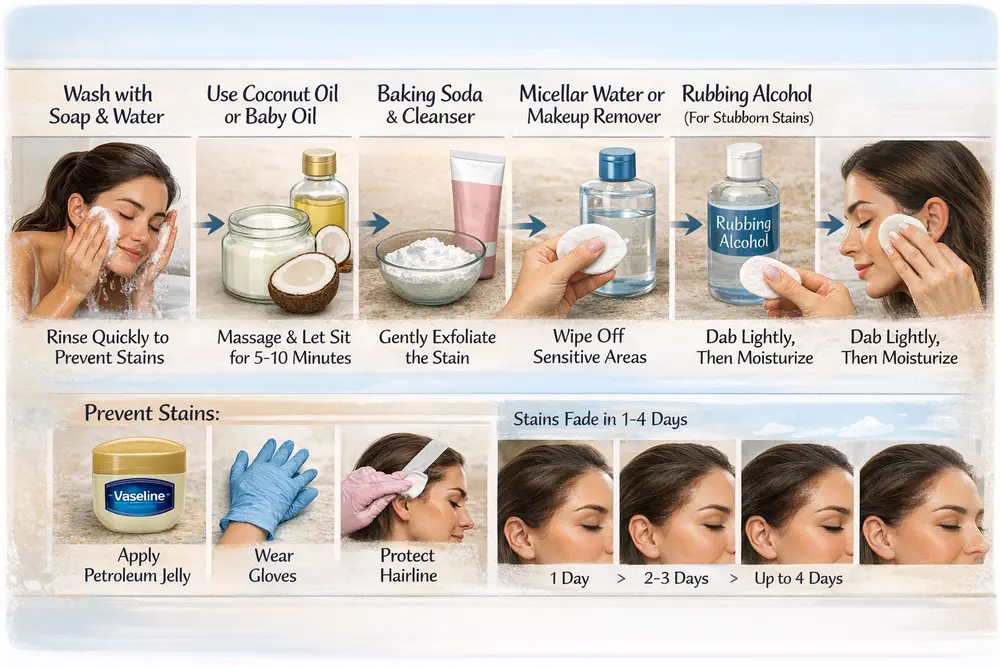
Start by applying a small amount of baby oil or mineral oil to a cotton ball or pad. Gently rub the stained area in circular motions until the dye begins to lift away. If baby oil is not available, rubbing alcohol or hand sanitizer can be effective alternatives. Use a clean cloth to wipe away the residue and follow with soap and water to cleanse the skin.
If the dye persists, consider using a commercial stain remover designed for skin. Apply a small amount to the affected area and follow the product instructions carefully. Another method involves using a mixture of baking soda and water to form a paste. Gently scrub the paste onto the stain, then rinse thoroughly with warm water.
Tips for Sensitive Skin
Individuals with sensitive skin should test any product on a small area first to ensure no adverse reactions occur. If irritation happens, discontinue use immediately. It is advisable to avoid harsh chemicals or abrasive scrubbing, as these can damage the skin.
For optimal results, always remove hair dye stains as soon as possible. The longer the dye sits, the more difficult it becomes to remove. Keeping a protective barrier, such as petroleum jelly, around the hairline during dye application can also help prevent staining.
Expert Tip: For stubborn stains, a gentle exfoliating scrub can be effective. Combine sugar with olive oil to create a natural scrub that helps lift the dye while moisturizing the skin.
How long does hair dye stay on skin?
Hair dye typically stays on the skin for a duration of 1 to 3 days, depending on various factors. The time can vary based on the type of dye used, skin type, and the method of removal.
Several factors influence how long hair dye remains on the skin. First, the composition of the dye plays a significant role. Permanent dyes, which contain stronger pigments and chemicals, tend to adhere more firmly to the skin than semi-permanent or temporary dyes. Consequently, permanent dyes may last longer, often requiring more effort to remove.
Another key factor is the individual’s skin type. Oily skin may allow for easier removal of hair dye due to the natural oils acting as a barrier, while dry skin might absorb the dye more effectively. Additionally, the location of the stain matters; areas with thicker skin, like the palms or soles, may retain dye longer than more delicate areas such as the face or neck.
Practical Implications
Time constraints can also affect how long dye stays on the skin. If dye is not removed promptly after application, it becomes more challenging to eliminate. Immediate action often leads to more successful removal, ideally within the first few hours. Regular cleansing with soap and water or using specific stain removal products can expedite the process.
For those who frequently dye their hair, investing in barrier creams or oils before application can help prevent stains, reducing the time dye stays on the skin and making cleanup easier.
Expert Tip: For effective removal, consider using a gentle exfoliating scrub or a product specifically designed for hair dye removal. This can significantly decrease the time the dye lingers on the skin, especially for more stubborn stains.
Can hair dye on skin cause irritation?
Yes, hair dye on skin can cause irritation, which may manifest as redness, itching, or a burning sensation. This reaction is often due to the chemical ingredients in the dye, particularly ammonia and peroxide, which can irritate sensitive skin. In some cases, individuals may experience allergic reactions, leading to more severe symptoms.
Skin irritation from hair dye can vary based on several factors, including the individual’s skin type, the specific formulation of the dye, and the duration of contact. People with sensitive skin or pre-existing skin conditions, such as eczema or psoriasis, may be at greater risk for adverse reactions. Additionally, the likelihood of irritation increases if the dye is left on the skin for an extended period or if it is applied in large quantities.
- Contact Dermatitis: This is a localized skin reaction caused by direct contact with the dye. Symptoms can include redness, swelling, and itching.
- Allergic Reactions: Some individuals may develop hives, swelling, or breathing difficulties, indicating a more severe allergic response.
- Chemical Burns: Prolonged exposure to harsh chemicals can lead to burns, particularly in areas where the skin is thin.
To minimize the risk of irritation, it is advisable to conduct a patch test 48 hours before dyeing. This involves applying a small amount of the dye to a discreet area of skin to check for any adverse reactions. Additionally, using barrier creams or oils on the skin can help protect against staining and irritation.
Expert Tip: Always wear gloves when applying hair dye and avoid contact with the skin as much as possible. If irritation occurs, promptly wash the area with soap and water, and consider consulting a dermatologist for severe reactions.
Are there any home remedies for removing hair dye from skin?
Yes, several home remedies can effectively remove hair dye from skin using common household items. Items such as baking soda, vinegar, and dish soap can help lift the dye from the skin’s surface. These methods are often safe and easy to apply.
For example, a mixture of baking soda and dish soap can create an effective paste. Combine equal parts of each in a small bowl, then gently rub the paste onto the dyed skin using a cotton ball or your fingers. Allow it to sit for a few minutes before rinsing with warm water. This method not only helps in removing the dye but also exfoliates the skin, making it a dual-purpose solution.
Another effective home remedy involves using white vinegar. Dampen a cotton ball with vinegar and apply it directly to the stained area. The acetic acid in vinegar breaks down the dye, making it easier to wipe away. Follow this with a gentle wash using soap and water to ensure all residues are removed. It is advisable to test any remedy on a small skin area first to avoid irritation, especially for sensitive skin types.
Expert Tip: Always apply a barrier, such as petroleum jelly, to the skin before dyeing hair to minimize staining. This proactive measure can significantly reduce the need for post-dye cleanup.
How does hair dye stain skin compared to other dyes?
Hair dye tends to stain skin more persistently than many other types of dyes, such as fabric or food dyes, primarily due to its chemical composition. Hair dyes often include strong pigments and alkaline agents that facilitate deep penetration into the skin. In comparison, other dyes generally have different binding properties and may not adhere as tenaciously.
Hair dye is formulated with permanent or semi-permanent agents designed to bond with hair strands. This ability to bind also extends to skin, making removal challenging. For example, fabric dyes, such as those used in textiles, contain less aggressive chemicals that do not easily penetrate skin layers. Similarly, food dyes, while they can stain, often have a water-soluble base which allows for easier removal with soap and water. The key differences can be summarized as follows:
- Hair Dye: Contains strong pigments and alkaline agents; stains skin deeply and persistently.
- Fabric Dye: Generally made with milder chemicals; stains are less durable and easier to remove.
- Food Dye: Water-soluble and often natural; typically removable with soap and water.
Factors such as skin type, the duration of contact, and the specific dye formulation can also influence staining severity. For instance, oily skin may hold pigments differently than dry skin, leading to variable results. Additionally, the longer hair dye remains in contact with skin, the more difficult it becomes to remove, mirroring the characteristics of fabric dyes but differing significantly from the transient nature of food dyes.
Effective removal methods vary based on the dye type. Hair dye may require specialized removers or exfoliants, while fabric and food dyes can often be addressed with basic cleaning agents.
For optimal results, it is advisable to act quickly after staining occurs. The sooner the dye is treated, the higher the likelihood of complete removal.
Is it safe to use bleach to remove hair dye from skin?
No, it is not safe to use bleach to remove hair dye from skin. Bleach can cause skin irritation, chemical burns, and allergic reactions. Alternatives that are gentler and safer exist for effectively removing hair dye without harming the skin.
Using bleach on the skin poses significant risks. The skin is a sensitive organ, and harsh chemicals can disrupt its natural barrier, leading to redness, swelling, or even blistering. Additionally, bleach can lead to long-term damage, especially for individuals with pre-existing skin conditions. The potential for adverse reactions increases with prolonged exposure or if the bleach is not properly diluted.
- Opt for gentle alternatives: Use products specifically designed for hair dye removal from skin, such as baby oil, coconut oil, or olive oil. These options are less likely to irritate the skin while effectively breaking down the dye.
- Try a mild exfoliant: A mixture of sugar and olive oil can serve as a natural exfoliant that helps lift hair dye from the skin without causing harm. Gently rub the mixture onto the stained area in circular motions.
- Use rubbing alcohol or hand sanitizer: If oils are ineffective, apply a small amount of rubbing alcohol or hand sanitizer to a cotton ball and gently dab it on the stained skin. Rinse thoroughly afterward to remove any residue.
- Limit exposure time: If using any product, do not leave it on the skin for an extended period. Monitor the area closely and rinse off immediately if any irritation occurs.
Consider patch testing any new product on a small area of skin before applying it to larger stains. This can help determine sensitivity and prevent adverse reactions.
What should you do if hair dye irritates your skin?
If hair dye irritates your skin, it is essential to act quickly to alleviate discomfort and prevent further irritation. Start by rinsing the affected area with lukewarm water and mild soap to remove any residual dye. If necessary, apply soothing treatments to calm the skin.
- Rinse Immediately: Begin by rinsing the affected area with lukewarm water for at least 10-15 minutes. This helps to dilute and wash away the dye, reducing irritation.
- Use Mild Soap: After rinsing with water, apply a gentle soap or body wash to the area. Rub softly to cleanse the skin without causing additional irritation.
- Apply a Cold Compress: If redness or swelling occurs, use a cold compress or an ice pack wrapped in a cloth. This can help soothe the skin and reduce inflammation.
- Moisturize: After cleansing, apply a fragrance-free moisturizer or aloe vera gel to hydrate the skin. This can alleviate dryness and provide a soothing effect.
- Monitor for Allergic Reactions: Keep an eye on the irritated area for signs of an allergic reaction, such as severe redness, swelling, or blistering. If these symptoms develop, seek medical attention.
- Consider Over-the-Counter Treatments: For persistent irritation, consider using over-the-counter hydrocortisone cream to reduce inflammation. Follow the instructions on the packaging for safe application.
Skin irritation from hair dye can vary in severity from mild to more severe reactions. Individuals with sensitive skin or pre-existing conditions may experience heightened effects. Always conduct a patch test before using hair dye to minimize the risk of irritation.
For future dye applications, consider using barrier creams or petroleum jelly around the hairline and ears to protect the skin from potential staining and irritation.
Understanding Hair Dye Ingredients and Their Effects on Skin
This section delves into the chemical composition of hair dye and its interaction with skin, providing insights for effective prevention and remediation of dye stains.

Common Ingredients in Hair Dye
Hair dyes typically contain a variety of chemical compounds that contribute to their coloring properties and longevity. The most prevalent ingredients include:
- Ammonia: Used to open the hair cuticle for color penetration.
- Peroxide: Acts as an oxidizing agent to develop the dye and lighten hair.
- PPD (p-phenylenediamine): A common dye intermediate linked to allergic reactions.
- Resorcinol: Works with PPD to create color but may irritate sensitive skin.
- Alcohols: Serve as solvents but can dry out skin and hair.
Effects of Hair Dye Ingredients on Skin
The interaction between hair dye ingredients and skin can lead to various outcomes. Ammonia and peroxide can cause skin irritation, particularly in individuals with sensitive skin. PPD and resorcinol are known to potentially trigger allergic reactions, leading to redness, itching, and swelling.
Furthermore, prolonged exposure to hair dye can result in contact dermatitis, characterized by dry, flaky skin or rashes. Individual skin types and sensitivities play a significant role in how these ingredients affect each person.
Potential Allergic Reactions and Sensitivities
Allergic reactions to hair dye can range from mild to severe. Common symptoms include:
- Itching and redness at the application site.
- Swelling, particularly around the eyes and face.
- Bumps or blisters on the skin.
Individuals with a history of sensitivities to hair dye ingredients should conduct a patch test 48 hours prior to application. This simple test involves applying a small amount of diluted dye to an inconspicuous area of skin to monitor for any adverse reactions.
Choosing Skin-Safe Hair Dye Products
Selecting hair dye products with skin safety in mind can mitigate the risk of irritation and allergic reactions. Consider the following tips:
- Opt for ammonia-free formulas, which are less harsh on both hair and skin.
- Choose dyes labeled as hypoallergenic or specifically designed for sensitive skin.
- Look for products containing natural ingredients, such as plant-based dyes, which often pose fewer risks.
Nuances and Expert Insights
Many consumers mistakenly believe that all hair dyes are equally safe for skin. However, not all formulations undergo rigorous safety testing for skin reactions, particularly those containing PPD. Furthermore, some individuals may have a predisposition to allergic reactions that are not evident until after multiple uses of a product. It is critical to differentiate between professional-grade products, which may contain higher quality ingredients, and over-the-counter options, which can vary widely in formulation and safety.
Practical Application
To minimize skin staining and adverse reactions while coloring hair, consider the following actions:
1. Conduct a patch test for new products 48 hours before application.
2. Protect skin by applying a barrier, such as petroleum jelly, around the hairline and ears.
3. Use gloves when applying dye to prevent direct contact with skin.
4. If dye does come into contact with skin, clean the area promptly with soap and water or use a specialized remover.
By understanding the ingredients in hair dye and their effects on skin, individuals can make informed choices that reduce the risk of irritation and facilitate easier cleanup.
Expert Tips for Preventing Hair Dye Stains on Skin
Preventing hair dye from staining the skin is essential for achieving a clean and polished look. This section details effective strategies to minimize the risk of unwanted color on the skin during the dyeing process.
Utilize Barrier Creams or Oils
Applying a barrier cream or oil before dyeing can significantly reduce the chance of stains. Products such as petroleum jelly or specialized barrier creams create a protective layer on the skin. Focus on areas prone to staining, such as the hairline, ears, and neck. A thin layer is sufficient; too much product can interfere with dye application.
Wear Protective Clothing and Gloves
Using appropriate protective gear is crucial when dyeing hair. Consider the following items:
- Gloves: Always wear disposable gloves to protect hands from staining.
- Old Clothing: Wear garments that you do not mind getting stained. An old t-shirt or a dedicated smock works well.
- Apron: A plastic or rubber apron can shield the body from splashes.
These measures not only protect the skin but also prevent dye from transferring to clothing.
Prepare the Area to Minimize Mess
Creating a controlled workspace can limit accidental spills and stains. Follow these steps:
- Lay down old towels or a plastic sheet to catch any dye drips.
- Keep all dyeing tools organized and within reach to reduce unnecessary movement.
- Use a small bowl for mixing dye to prevent spills.
A tidy setup not only protects the skin but also enhances the overall experience.
Timing and Application Techniques
The method of dye application can impact how much dye comes into contact with the skin. Consider the following techniques:
- Sectioning Hair: Divide hair into manageable sections to avoid overspill.
- Use a Brush: A dye brush allows for precise application, minimizing contact with the scalp.
- Quick Application: Apply dye swiftly to reduce the time it is exposed to the skin.
These techniques promote a cleaner dyeing process and reduce the likelihood of unsightly stains.
Nuance / Expert Layer
Many individuals believe that any oil will suffice as a barrier against hair dye. However, some oils may not be effective at repelling dye, particularly those that are too light or absorb quickly. Research indicates that heavier oils, such as castor oil or coconut oil, provide better protection. Additionally, it is a misconception that barrier creams prevent all staining; some dyes have strong pigments that can still penetrate barriers. Therefore, combining multiple prevention methods yields the best results.
Practical Application
To effectively prevent hair dye stains on the skin, implement the following actionable steps:
1. Apply a thick layer of barrier cream or oil to vulnerable skin areas.
2. Wear gloves and old clothing before beginning the dyeing process.
3. Set up a tidy workspace with protective coverings.
4. Use precise application techniques, ensuring quick and careful dye distribution.
By following these expert tips, the risk of hair dye staining the skin can be significantly minimized, leading to a more successful and enjoyable dyeing experience.
Comparative Analysis of Commercial vs. Home Remedies for Hair Dye Removal
This section evaluates the effectiveness and safety of commercial products against DIY solutions for removing hair dye from skin. Understanding these options enables informed decision-making for effective skin care.
Popular Commercial Products
Various commercial products are designed specifically for hair dye removal from skin. These include:
- Goo Gone: Effective for removing stubborn stains, including hair dye.
- Neutrogena Makeup Remover Wipes: Convenient and gentle on skin.
- Barrier Creams: Products like Vaseline or specialized barrier creams can prevent stains before dyeing.
Effectiveness of Home Remedies
Home remedies for removing hair dye are popular for their accessibility and cost-effectiveness. Common options include:
- Vinegar: Acetic acid in vinegar can lift dye, but may require multiple applications.
- Baking Soda: A gentle abrasive that, when mixed with water or shampoo, can effectively scrub away dye.
- Olive Oil: Natural oil that moisturizes while gradually breaking down dye pigments.
While these remedies are generally effective, results can vary based on the type of dye and skin sensitivity.
Cost Comparison
The cost of commercial products typically ranges from $5 to $20, depending on the brand and formulation. In contrast, home remedies often involve common household items, making them much more economical. For instance, a bottle of vinegar costs around $2, and baking soda is often under $1. This significant price difference makes DIY solutions appealing for budget-conscious individuals.
User Testimonials and Expert Recommendations
Many users report success with both commercial and DIY methods. Testimonials highlight that while commercial products offer quick results, home remedies are favored for their gentler approach. Experts recommend starting with home remedies, especially for sensitive skin. Dermatologists often suggest patch testing any product or method before widespread application to prevent adverse reactions.
Common misconceptions include the belief that all hair dyes are equally easy to remove. In reality, the chemical composition of the dye plays a crucial role in removal difficulty. Additionally, some users assume that more aggressive methods yield better results, which can lead to skin irritation.
Practical Application
To effectively remove hair dye from skin, first assess the type of dye used. For immediate removal, apply a commercial product like Goo Gone or use Neutrogena makeup remover wipes. For a DIY approach, mix baking soda with water to create a paste and gently scrub the stained area. Alternatively, soak a cotton ball in vinegar and apply it to the stain, leaving it on for several minutes before wiping away. Always follow with a moisturizer to soothe the skin.
Common Mistakes to Avoid When Removing Hair Dye from Skin
Removing hair dye from skin can be a delicate process. Avoiding common mistakes ensures effective and safe outcomes, minimizing skin irritation and damage.

Using Harsh Chemicals
Many individuals resort to using strong chemicals, such as acetone or bleach, to remove hair dye. While these substances may seem effective, they can severely damage the skin, leading to burns, rashes, or prolonged irritation. Opt for gentler alternatives specifically designed for skin application, as they provide a safer removal process without compromising skin integrity.
Over-Scrubbing the Affected Area
Aggressive scrubbing is a frequent error when attempting to remove hair dye. This method can lead to skin inflammation and exacerbate any staining. It is essential to use a light touch and avoid excessive friction. Instead, gently dab or wipe the area with a soft cloth or cotton ball soaked in a suitable remover.
Ignoring Skin Type and Sensitivities
Every individual’s skin reacts differently to various products. Failing to consider skin type—such as oily, dry, or sensitive skin—can result in adverse reactions. People with sensitive skin should avoid alcohol-based removers, as these can cause irritation. Always choose a product that aligns with your specific skin needs for optimal results.
Neglecting Patch Tests
Before applying any product to a larger area, conducting a patch test is crucial. This involves applying a small amount of the product on a discreet area of skin to check for reactions or sensitivities. Skipping this step can lead to unexpected irritation or allergic responses, complicating the removal process.
Relying on Myths and Misinformation
Common misconceptions, such as using toothpaste or baking soda as effective removers, can be misleading. While these household items may have some cleaning properties, they often lack the efficacy needed for hair dye removal and can irritate the skin. Consulting reliable sources or professionals can provide more accurate guidance.
Common Misconceptions
One prevalent misconception is that all hair dye formulas behave similarly. However, semi-permanent, permanent, and temporary dyes have different compositions, which affects their removal. Understanding these differences can lead to more effective and tailored removal strategies.
Practical Tips for Safe Removal
- Use a mild soap and water solution as the first line of defense.
- Opt for oil-based removers, such as baby oil or olive oil, for gentle removal.
- Apply a small amount of remover on a cotton ball and blot the stain instead of rubbing.
- Moisturize the skin after removal to soothe any irritation.
To successfully remove hair dye from skin, prioritize gentleness over aggression. Select appropriate products based on skin type, always conduct a patch test, and avoid harsh chemicals or scrubbing. By adhering to these guidelines, the process becomes safer and more effective, leading to better skin health and appearance.
Frequently Asked Questions
What is the best way to remove hair dye from skin?
The best way to remove hair dye from skin is to use a mixture of dish soap and baking soda or a specialized hair dye remover. Apply the solution gently with a cotton ball or cloth, then rinse with warm water.
How long does hair dye stay on skin?
Hair dye typically stays on the skin for a few hours to a couple of days, depending on the type of dye and how quickly it is treated. Prompt cleaning can help minimize staining duration.
Can hair dye on skin cause irritation?
Yes, hair dye can cause skin irritation, especially for individuals with sensitive skin or allergies to certain ingredients. Symptoms may include redness, itching, or a rash.
Are there any home remedies for removing hair dye from skin?
Home remedies for removing hair dye include using olive oil, coconut oil, or rubbing alcohol. These substances can help break down the dye and facilitate easier removal.
How does hair dye stain skin compared to other dyes?
Hair dye often contains more potent colorants and chemicals, making it more difficult to remove from skin than other types of dyes. Its formulation is designed to adhere strongly to hair, which can lead to stubborn skin stains.
Is it safe to use bleach to remove hair dye from skin?
Using bleach to remove hair dye from skin is not recommended, as it can cause severe irritation or chemical burns. Safer alternatives should be employed to avoid skin damage.
What should you do if hair dye irritates your skin?
If hair dye irritates your skin, immediately wash the area with soap and water. If irritation persists, apply a soothing lotion and consult a healthcare professional if necessary.
Final Thoughts on how to get hair dye off of skin
Removing hair dye from skin effectively requires knowledge of the dye’s chemical composition and the right approach tailored to individual skin sensitivity. While commercial products offer quick solutions, many home remedies can be just as effective, often with fewer side effects.
For immediate action, apply a small amount of rubbing alcohol or a dedicated hair dye remover to a cotton pad and gently rub the stained area. This targeted approach minimizes irritation and maximizes efficacy, providing swift results.
Understanding how to manage hair dye stains is crucial, not only for maintaining personal appearance but also for safeguarding skin health and preventing irritation.
Leave a Reply