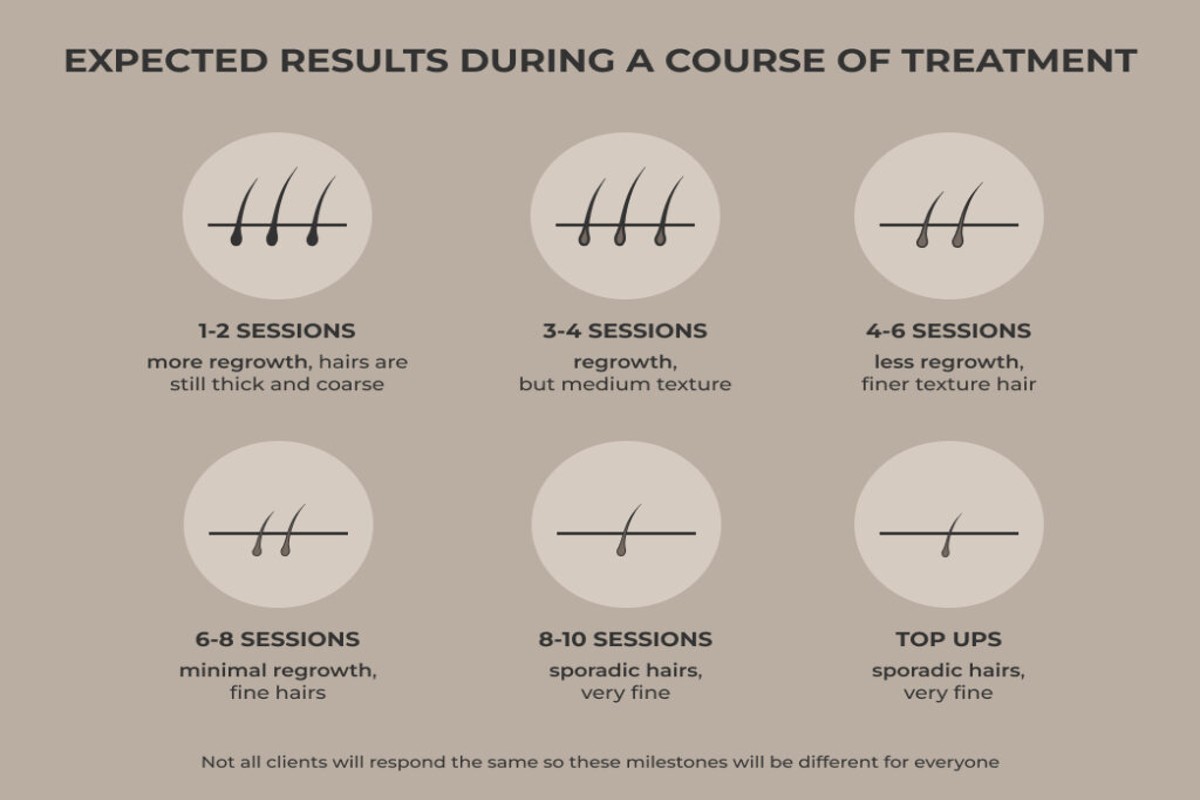
How many sessions for laser hair removal varies by individual, but most people require 6 to 8 sessions for optimal results. Factors like hair type and skin tone also influence the number of sessions needed.
This topic is crucial for anyone considering laser hair removal, as understanding the required number of sessions can significantly impact treatment effectiveness and satisfaction. Misjudging the number of sessions may lead to inadequate results or unnecessary expenses.
This guide will clarify the factors affecting the number of sessions required, provide insights into the laser hair removal process, and outline what to expect during each session for the best outcomes.
How many sessions of laser hair removal do I need?
The typical number of sessions required for effective laser hair removal ranges from 6 to 8. This quantity may vary based on factors such as hair type, skin color, and the specific area being treated. Some individuals may require more or fewer sessions depending on their unique circumstances.
Several factors influence the total number of sessions needed. Hair growth occurs in cycles, and laser hair removal is most effective during the anagen (growth) phase. Since not all hair follicles are in the same phase at any given time, multiple sessions are necessary to target a significant number of follicles effectively. Additionally, hair type plays a role; finer hair may require more treatments than coarser hair due to its different response to laser energy.
The treatment area also affects the number of sessions required. Areas with denser hair, such as the bikini line or underarms, may require more treatments than less dense areas like the arms or legs. Furthermore, individual hormonal factors can impact hair regrowth, potentially necessitating additional sessions for optimal results.
Individual Variability
Each person’s skin and hair characteristics are unique. Skin tone and hair color can affect the laser’s efficacy, as lasers are designed to target the pigment in hair. Darker hair on lighter skin generally yields the best results, while lighter hair on darker skin may require specialized lasers and potentially more sessions.
Consulting with a qualified practitioner can provide a personalized assessment, ensuring a tailored treatment plan. They can evaluate your specific needs and establish a realistic timeline for achieving desired results.
Expert Tip: Maintain a consistent treatment schedule, typically spaced 4 to 8 weeks apart, to maximize the efficacy of each session. Following pre- and post-treatment care guidelines can also enhance results, reducing the overall number of sessions needed.
What factors influence the number of laser hair removal sessions?
The number of sessions required for laser hair removal is influenced by several key factors, including hair color, skin tone, the treatment area, and individual hair growth cycles. Each of these elements plays a significant role in determining the effectiveness of the treatment and the total number of sessions needed for optimal results.
Hair color is a crucial factor because darker hair typically absorbs laser energy more effectively than lighter hair. This results in more efficient hair reduction in fewer sessions. In contrast, individuals with blonde or gray hair may require additional sessions due to lower melanin levels, which reduces the laser’s effectiveness.
Skin tone also affects the treatment process. Lighter skin tones generally respond better to laser hair removal because the contrast between skin and hair color allows the laser to target hair follicles more accurately. Conversely, darker skin tones may require specialized lasers that can differentiate between skin and hair pigment, potentially leading to longer treatment durations.
- Treatment area: Different body parts have varying hair growth patterns and densities. Areas like the legs or back may require more sessions compared to smaller areas like the underarms or bikini line.
- Individual hair growth cycles: Hair grows in cycles, and laser treatments are most effective during the anagen (growth) phase. Since not all hair is in this phase simultaneously, multiple sessions are necessary to target all hair effectively.
Expert practitioners often recommend spacing sessions 4 to 6 weeks apart to allow hair to enter the appropriate growth phase. This timing can ultimately influence the overall number of sessions required for complete hair removal.
For optimal results, individuals should consult with a licensed specialist who can tailor a treatment plan based on their specific hair and skin characteristics. This personalized approach ensures that patients receive the most effective and safe laser hair removal experience.
Is laser hair removal permanent after a few sessions?
Laser hair removal is not considered permanently effective after just a few sessions. While it significantly reduces hair growth, most individuals require multiple treatments and possible maintenance sessions to achieve optimal results.
Typically, patients undergo around 6 to 8 sessions for initial hair reduction, spaced several weeks apart. Hair growth cycles vary by body area, which affects treatment frequency. For example, facial hair may require more frequent sessions than leg hair due to differences in growth patterns. After completing the initial treatment series, some clients may still notice occasional hair regrowth, necessitating maintenance sessions every 6 to 12 months.
The effectiveness of laser hair removal can also depend on factors such as hair color, skin type, and hormonal influences. Darker hair tends to respond better to laser treatment because the laser targets melanin in the hair. Individuals with lighter hair or certain skin types may require additional sessions to achieve similar results. Hormonal changes, such as those experienced during pregnancy or with certain medical conditions, can also impact hair regrowth.
Key Differences:
- Initial Sessions: Typically 6-8 sessions needed for optimal hair reduction.
- Maintenance: Maintenance sessions may be necessary to manage any regrowth.
- Effectiveness Factors: Hair color, skin type, and hormonal changes influence results.
Regular consultation with a qualified practitioner can help tailor the treatment plan based on individual needs. Adjustments to the regimen may enhance the effectiveness of the treatment.
Expert Tip: Combining laser hair removal with other hair reduction methods, such as electrolysis, can provide a more comprehensive solution for areas with persistent hair growth.
How long do laser hair removal sessions take?
Laser hair removal sessions typically last between 15 minutes to an hour, depending on the treatment area. Smaller areas, such as the upper lip or underarms, require less time, while larger areas like the legs or back may take longer. The duration of each session can vary based on individual factors and the technology used.
Several factors influence the length of a laser hair removal session. The size of the area being treated is the most significant factor. For instance, facial treatments usually take around 15 to 30 minutes, whereas larger body areas can take up to an hour or more. Additionally, hair thickness and density may also affect session duration, as denser hair may require more time for effective treatment.
The type of laser technology employed can further impact the session length. Different lasers operate at varying speeds and efficiencies, which can either shorten or extend the treatment time. For example, some advanced laser systems are designed for faster treatment of large areas, while others may prioritize precision for smaller or sensitive areas. Patients should consult with their practitioner to understand how the chosen technology could affect their specific treatment timeline.
Expert Tip
To optimize treatment efficiency, ensure hair is trimmed to a short length before sessions. This can enhance the laser’s effectiveness and potentially reduce the overall duration of each appointment.
What is the cost of laser hair removal per session?
The cost of laser hair removal per session typically ranges from $200 to $500. This variation depends on several factors, including the treatment area and the clinic’s location and reputation.
Several factors influence the final price of laser hair removal sessions. These include:
- Area of Treatment: Larger areas, such as the legs or back, generally cost more than smaller areas like the upper lip or underarms.
- Clinic Location: Prices can vary significantly based on geographic location. Urban clinics often charge more than those in rural areas.
- Experience of the Practitioner: Highly experienced practitioners may charge a premium for their expertise and the quality of care provided.
- Technology Used: Advanced laser technology that offers faster, more effective treatments may come at a higher cost.
- Promotions and Packages: Many clinics offer discounts for multiple sessions purchased in advance, which can affect the overall cost per session.
Additionally, the number of sessions required for optimal results can affect the total investment. Most individuals need between 4 to 8 sessions for effective hair removal, depending on hair type, skin tone, and hormonal factors.
Expert Tip: Consider consultations at multiple clinics to compare prices, treatment plans, and technology used. This can provide valuable insights into the best options for your specific needs and budget.
Can I do laser hair removal at home?
Yes, at-home laser hair removal devices are available for consumer use, but they are generally less effective and may pose safety risks compared to professional treatments. Home devices typically use lower energy levels and require more sessions to achieve similar results, which can lead to inconsistent outcomes.
While at-home laser hair removal offers convenience and privacy, there are several important considerations to keep in mind. First, the effectiveness of these devices can be limited by hair and skin color. Most at-home systems work best on individuals with light skin and dark hair, as the technology relies on contrast for optimal results. Second, the safety of using these devices depends on following the manufacturer’s instructions precisely, which may not cover all potential risks.
- Consult a Professional: Before starting any at-home treatment, seek advice from a licensed dermatologist or esthetician. They can recommend suitable devices and techniques based on your specific skin and hair type.
- Research Devices Thoroughly: Choose FDA-cleared or clinically tested devices. Read reviews and compare features to ensure the product is reliable and effective.
- Follow Instructions Carefully: Adhere strictly to the manufacturer’s guidelines regarding usage, frequency, and safety precautions to minimize the risk of burns or skin damage.
- Patch Test First: Always conduct a patch test on a small area of skin to check for adverse reactions before applying the device to larger areas.
- Be Patient: Understand that at-home treatments typically require more sessions to achieve visible results compared to professional treatments. Set realistic expectations.
For optimal results, consider supplementing at-home treatments with professional sessions. Professionals utilize higher-powered lasers and can tailor treatments to individual needs, leading to faster and more effective hair removal.
What should I expect during my first laser hair removal session?
During your first laser hair removal session, you can expect an initial consultation, a patch test, and a brief treatment. The session typically lasts between 30 minutes to an hour, depending on the treatment area. You will also receive post-care instructions to ensure optimal results.
The session begins with a consultation where the technician assesses your skin type, hair color, and medical history. This step is crucial for tailoring the treatment to your specific needs. Following the consultation, a patch test may be performed on a small area of skin to check for any adverse reactions. This test helps to determine the most effective laser settings for your skin type.
Once the patch test is complete and if no adverse reactions occur, the actual laser treatment will commence. The technician will apply a cooling gel to the treatment area to enhance comfort. During the treatment, a hand-held device emits laser light to target hair follicles, which may feel like a slight pinch or snap. After the session, you will receive post-treatment care instructions, including recommendations for skin care and when to schedule your next appointment.
Expert Tip: Consistent scheduling of sessions, usually every 4 to 6 weeks, is key to achieving optimal results, as hair growth cycles vary.
Are there any side effects of laser hair removal?
Yes, laser hair removal can cause side effects, though they are generally mild and temporary. Common reactions include redness, swelling, and discomfort in the treated area. These effects typically resolve within a few hours to a few days after the procedure.
Understanding the side effects of laser hair removal is essential for setting realistic expectations. While most individuals tolerate the treatment well, some may experience more pronounced reactions based on their skin type, hair color, and the area being treated. Skin sensitivity and the settings used during the procedure can also influence the severity of side effects.
- Redness and Swelling: This is the most common side effect and usually subsides within a few hours. It resembles a mild sunburn.
- Discomfort: Some patients report a sensation similar to a rubber band snapping against the skin during treatment. This discomfort can often be alleviated with topical anesthetics.
- Changes in Skin Color: Temporary hyperpigmentation (darkening) or hypopigmentation (lightening) may occur, particularly in individuals with darker skin tones.
In rare cases, more severe side effects such as blistering, scarring, or infection can occur. These are often linked to improper technique or inadequate aftercare. Therefore, choosing a qualified practitioner is crucial to minimize risks.
For optimal results, individuals should follow pre- and post-treatment care instructions provided by their practitioner. This may include avoiding sun exposure and adhering to a skincare regimen tailored for laser-treated skin.
Expert Tip: Always consult with a certified dermatologist or licensed practitioner to discuss your specific skin type and the potential for side effects, ensuring a tailored approach to your laser hair removal experience.
Understanding Hair Growth Cycles and Their Impact on Treatment
This section examines the phases of hair growth and their significance in determining the number of sessions required for effective laser hair removal. Recognizing these cycles is essential for optimizing treatment outcomes.
The Phases of Hair Growth
Hair growth occurs in three distinct phases: anagen, catagen, and telogen. Each phase plays a critical role in how hair responds to laser treatment.
- Anagen phase: This is the active growth phase where hair follicles are most receptive to laser treatment. Typically lasting 2-6 years, hair in this stage is targeted for effective removal.
- Catagen phase: This transitional phase lasts about 2-3 weeks. Hair growth slows, and the hair follicle begins to shrink. Laser treatments are less effective during this period.
- Telogen phase: The final phase lasts around 3 months, where hair follicles are dormant. While hair may shed during this stage, laser treatment is not effective as the hair is no longer actively growing.
Importance of the Anagen Phase
Targeting hair in the anagen phase is crucial for successful laser hair removal. During this phase, hair is in its most vulnerable state, allowing the laser to effectively destroy the follicle. As most hair follicles are not uniformly in the same growth phase, multiple sessions are required to ensure that all hair is treated during its anagen phase.
Variability by Body Area and Individual Differences
Hair growth cycles vary significantly across different areas of the body and among individuals. For example, facial hair may have a faster growth cycle compared to leg hair. Additionally, hormonal factors, genetics, and age can influence hair growth patterns, further complicating treatment schedules.
Implications for Scheduling Sessions
The timing of laser hair removal sessions is directly affected by the hair growth cycle. Typically, sessions are scheduled every 4-6 weeks to coincide with the anagen phase of as many hair follicles as possible. This interval may be adjusted based on the area being treated and the individual’s unique growth rate.
Nuance and Expert Insights
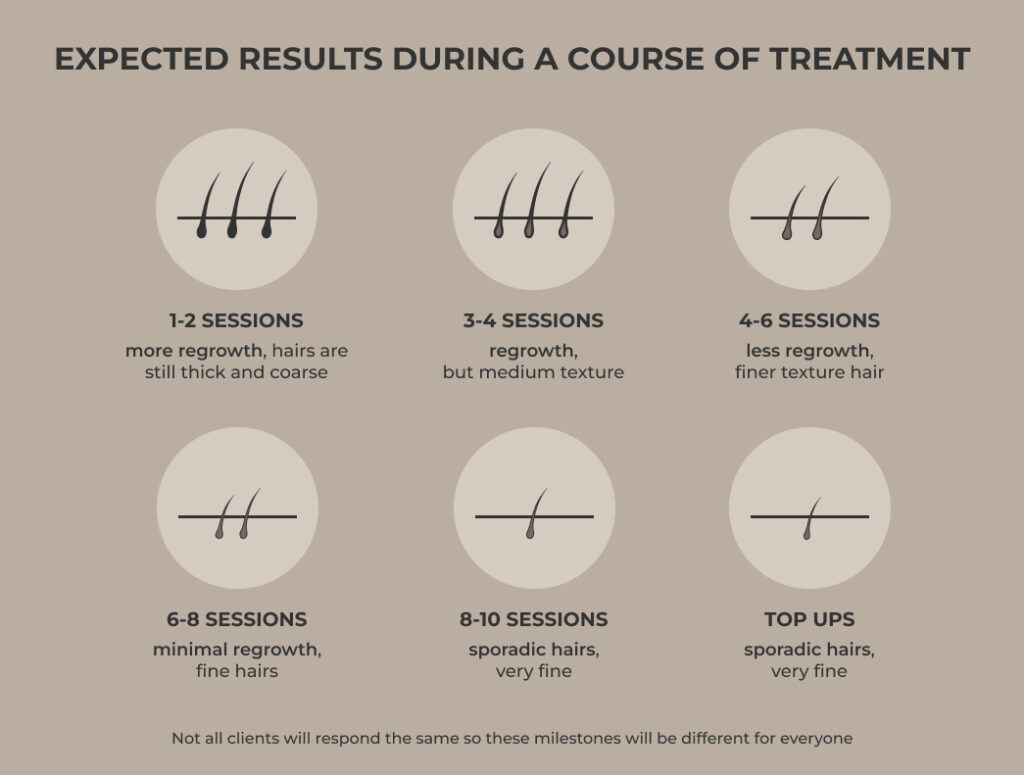
Many misconceptions exist regarding the number of sessions required for complete hair removal. Some individuals may expect permanent results after just a few treatments. However, complete hair removal often requires 6 to 10 sessions, depending on hair density, skin type, and the area being treated. Furthermore, occasional maintenance treatments may be needed, even after achieving desired results, due to the natural hair growth cycle.
Practical Application
To maximize the effectiveness of laser hair removal, consider the following steps:
- Consult a qualified technician to assess your hair growth cycle and treatment needs.
- Schedule sessions based on the recommended intervals, typically every 4-6 weeks.
- Track your progress and communicate any changes in hair growth patterns to your technician.
Understanding how many sessions for laser hair removal are necessary is vital for achieving optimal results. Adhering to a well-structured treatment plan will enhance effectiveness and efficiency in the process.
Choosing the Right Laser Technology for Your Skin Type
This section details the various laser technologies available for hair removal and their suitability based on skin and hair characteristics. Selecting the appropriate laser technology is crucial for achieving optimal results while minimizing risks.
Overview of Common Laser Types
Laser hair removal primarily utilizes three types of lasers, each with distinct properties suited to different skin and hair types:
- Alexandrite Laser: This laser emits a wavelength of 755 nm, making it effective for light to olive skin tones. It works best on fine to medium-thick hair and offers a rapid treatment process due to its large spot size.
- Diode Laser: Operating at a wavelength of 810 nm, the diode laser is versatile, suitable for a wide range of skin tones, including darker skin. It effectively targets coarse hair and has a longer pulse duration, which enhances safety and comfort.
- Nd:YAG Laser: With a wavelength of 1064 nm, the Nd:YAG laser is ideal for darker skin tones. It penetrates deeper into the skin, making it effective for coarse hair while minimizing the risk of pigmentation changes.
Impact of Skin Tone and Hair Color
The effectiveness of laser hair removal significantly depends on the contrast between skin tone and hair color. Generally, lasers target the pigment in the hair. Therefore, individuals with light skin and dark hair tend to achieve the best results.
Conversely, those with lighter hair colors, such as blond or gray, may find laser hair removal less effective due to the reduced pigment for the laser to target. Additionally, darker skin tones require specific laser technologies that minimize the risk of skin damage while still effectively treating hair follicles.
The Importance of a Patch Test
A patch test is essential for determining the most suitable laser technology for an individual’s skin and hair type. This test involves applying the laser to a small area of skin to assess the skin’s reaction and the laser’s effectiveness.
Conducting a patch test helps in identifying potential adverse reactions, allowing practitioners to adjust settings or choose a different laser type before proceeding with full treatment.
Safety Considerations and Potential Side Effects
Each laser technology comes with its own set of safety considerations and potential side effects:
- Alexandrite Laser: Risks include skin irritation and pigmentation changes. Proper settings and skin assessment can mitigate these risks.
- Diode Laser: Generally considered safe, but may cause temporary redness or swelling. Long-term side effects are rare.
- Nd:YAG Laser: While it is safer for darker skin, potential side effects include burns or hyperpigmentation if not administered properly.
Nuance in Laser Selection
Common misconceptions suggest that one type of laser is universally superior. In reality, the skin type, hair thickness, and individual pain tolerance significantly influence the choice of laser technology. For instance, while the Nd:YAG laser is preferred for darker skin, it may not be the best option for lighter hair. Additionally, multiple sessions may be required for optimal results, particularly for individuals with fine or lighter-colored hair.
Practical Application
To select the right laser technology for hair removal, consider the following steps:
- Assess your skin tone and hair color to determine the best laser type.
- Schedule a consultation with a qualified practitioner to discuss options.
- Request a patch test to evaluate the effectiveness and safety of the chosen laser.
- Follow the provider’s recommendations regarding treatment sessions for optimal results.
Understanding how many sessions for laser hair removal are necessary is contingent upon selecting the appropriate technology for your unique characteristics.
Common Mistakes to Avoid During Laser Hair Removal Treatments
Achieving optimal results from laser hair removal requires adherence to specific protocols. Avoiding common mistakes can significantly enhance the effectiveness of the treatment and prevent unnecessary complications.

Skipping Sessions or Not Adhering to Recommended Schedules
Laser hair removal is not a one-time procedure; it typically requires multiple sessions spaced weeks apart. Skipping sessions or failing to adhere to the recommended schedule can lead to incomplete hair removal, as hair follicles grow in cycles. Most practitioners recommend a series of 6 to 8 sessions for best results, depending on individual hair and skin characteristics.
Neglecting Pre-Treatment and Post-Treatment Care Guidelines
Pre-treatment and post-treatment care are crucial for maximizing the effectiveness of laser hair removal. Neglecting these guidelines can result in skin irritation, increased sensitivity, or suboptimal results. Key recommendations include:
- Avoiding sun exposure and tanning products for at least two weeks before treatment.
- Shaving the treatment area 24 hours prior to the session to ensure effective targeting of hair follicles.
- Following aftercare instructions, such as using soothing creams and avoiding heat exposure, to promote healing.
Ignoring Professional Advice Regarding Skin and Hair Characteristics
Each individual’s skin type and hair characteristics affect the laser hair removal process. Ignoring professional assessments can lead to ineffective treatments. For instance, certain lasers work better on specific hair colors and skin tones. Consulting with a qualified practitioner ensures that the most appropriate technology and settings are used for optimal results.
Choosing Unqualified Practitioners or Clinics
The choice of practitioner and clinic plays a significant role in the success of laser hair removal. Opting for unqualified or inexperienced providers can result in poor outcomes or even complications. Ensure the clinic is accredited and that practitioners have extensive training in laser treatments. Look for reviews and testimonials to gauge the clinic’s reputation.
Nuance: Understanding Hair Growth Cycles
A common misconception regarding laser hair removal is that it can be effective on all hair types and colors. In reality, laser technology targets melanin in hair follicles, making it most effective on dark hair against lighter skin. Additionally, hair growth occurs in cycles: anagen (growth), catagen (transition), and telogen (resting). Laser treatments are most effective during the anagen phase, which is why following the recommended session schedule is crucial. Skipping sessions can lead to missed opportunities for effective hair removal.
Practical Application
To maximize your results from laser hair removal, adhere to the following actionable steps:
- Commit to the full series of recommended sessions, typically 6 to 8, spaced according to your practitioner’s guidance.
- Follow pre-treatment and post-treatment care instructions meticulously.
- Consult with your provider to ensure the right laser technology is used for your specific hair and skin type.
- Choose a reputable clinic with qualified practitioners to ensure safe and effective treatment.
Real-World Experiences: Success Stories and Challenges
This section highlights diverse testimonials and case studies that provide insight into the real-world effectiveness of laser hair removal. Understanding these experiences helps set realistic expectations for potential clients.

Diverse Experiences by Hair Type and Skin Tone
Individuals seeking laser hair removal often have varying hair types and skin tones, which significantly influence treatment outcomes. For example:
- Light Skin with Dark Hair: Many clients report high satisfaction rates, as the contrast allows the laser to target hair follicles effectively.
- Dark Skin with Coarse Hair: While challenges exist due to the risk of skin damage, advancements in technology (e.g., Nd:YAG lasers) have improved outcomes.
- Light Hair on Light Skin: Clients with blonde or gray hair experience slower results because these hair colors absorb less laser energy.
Challenges Faced During Treatment
Patients often encounter challenges during their laser hair removal journey. Common issues include:
- Skin Sensitivity: Some individuals experience temporary redness or irritation post-treatment, which can be managed with cooling gels and proper aftercare.
- Inconsistent Results: Factors such as hormonal changes can affect hair regrowth patterns. Regular consultations with practitioners can help adjust treatment plans.
- Fear of Discomfort: Many prospective clients worry about pain; however, advancements in laser technology have introduced features like cooling systems to enhance comfort.
Long-Term Results and Maintenance Sessions
The effectiveness of laser hair removal often relies on the commitment to a complete treatment cycle. Most clients require between 6 to 10 sessions for optimal results, depending on hair density and growth cycles. Following the initial sessions, maintenance sessions—typically once or twice a year—are often necessary to address any regrowth.
Expert Insights on Managing Expectations
Experts emphasize the importance of managing expectations throughout the laser hair removal process. Some critical insights include:
- The treatment is not a one-size-fits-all solution; individual results can vary based on skin type, hair color, and hormonal influences.
- Patience is crucial; hair growth occurs in cycles, and treatments are most effective during the active growth phase.
- Open communication with practitioners about goals and concerns can enhance satisfaction and outcomes.
Many common misconceptions exist regarding the permanence of laser hair removal. Clients should be aware that while laser treatments significantly reduce hair growth, some regrowth may occur due to hormonal fluctuations or genetics. Understanding this can prevent disappointment and promote a realistic outlook.
For individuals considering laser hair removal, the following actionable steps can enhance the experience:
- Consult with a certified practitioner to assess skin and hair type.
- Establish a treatment schedule that aligns with personal hair growth cycles.
- Follow aftercare recommendations diligently to minimize side effects.
- Schedule maintenance sessions as advised to maintain results.
Frequently Asked Questions
How many sessions of laser hair removal do I need?
The number of sessions required for laser hair removal typically ranges from 6 to 8 treatments. This can vary based on hair type, color, and the area being treated.
What factors influence the number of laser hair removal sessions?
Factors such as hair thickness, hair color, skin tone, and the treatment area all influence the number of sessions needed. Hormonal changes and individual hair growth cycles may also play a role.
Is laser hair removal permanent after a few sessions?
While many experience significant hair reduction after a few sessions, laser hair removal is not considered permanent until a full course of treatment is completed. Maintenance sessions may be needed for optimal results.
How long do laser hair removal sessions take?
The duration of laser hair removal sessions varies by area, typically lasting between 15 minutes to an hour. Smaller areas like the upper lip take less time compared to larger areas like the legs.
What is the cost of laser hair removal per session?
The cost of laser hair removal per session can range from $100 to $500, depending on the treatment area and the clinic’s location. Packages for multiple sessions often provide cost savings.
Can I do laser hair removal at home?
At-home laser hair removal devices are available, but they may be less effective than professional treatments. It’s crucial to follow instructions carefully to ensure safety and efficacy.
What should I expect during my first laser hair removal session?
During the first session, a consultation will typically occur to assess skin and hair type. The procedure involves applying a cooling gel and using a laser device to target hair follicles.
Are there any side effects of laser hair removal?
Common side effects of laser hair removal include temporary redness, swelling, and mild discomfort in the treated area. These effects usually subside within a few hours to a couple of days.
Final Thoughts on how many sessions for laser hair removal
The number of sessions required for effective laser hair removal varies significantly based on individual hair growth cycles, skin type, and chosen laser technology. Generally, a series of 6 to 8 treatments spaced several weeks apart is necessary to achieve optimal results, with maintenance sessions potentially required thereafter.
To maximize your results, consult with a qualified practitioner who can assess your unique hair and skin characteristics, ensuring the chosen laser technology aligns with your needs for effective treatment.
Understanding the intricacies of laser hair removal is crucial, as informed decisions lead to lasting results and enhanced confidence.
Leave a Reply