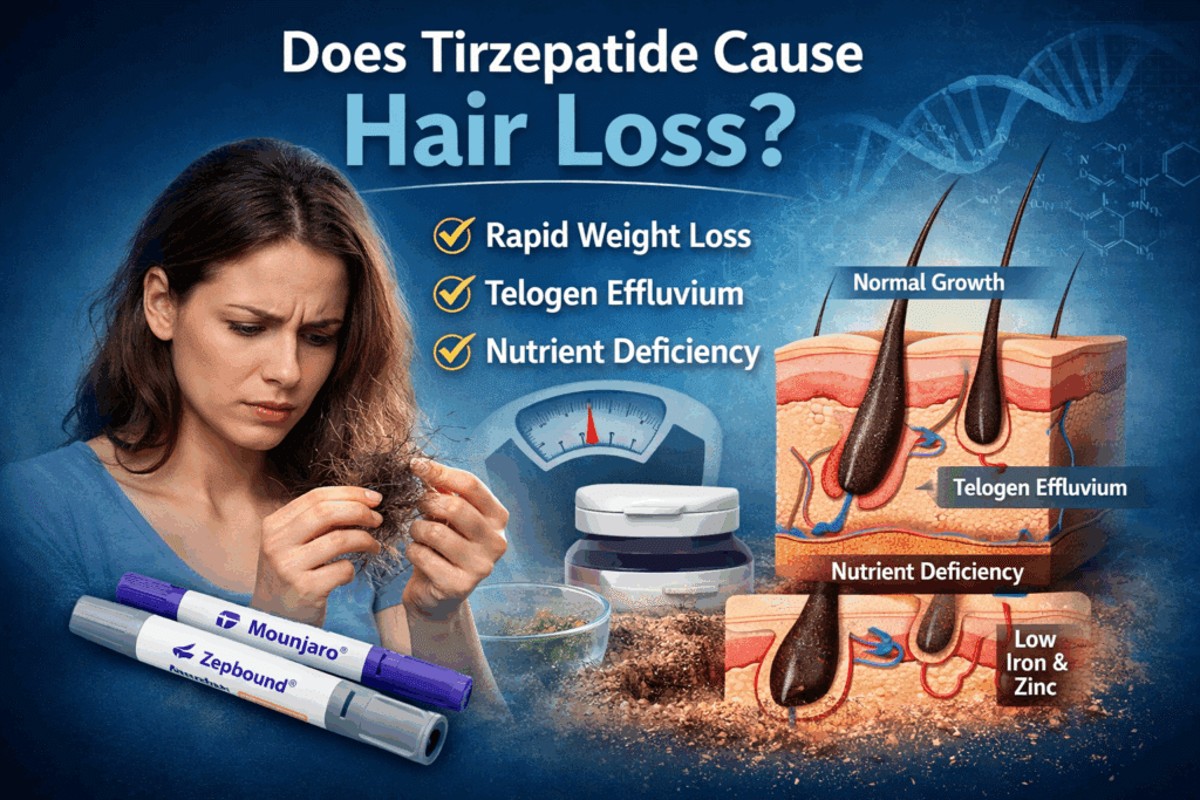
Does tirzepatide cause hair loss? Some users report hair loss as a side effect, but it is not universally experienced. Consult a healthcare provider for personalized advice.
This topic is crucial for individuals considering tirzepatide for weight management or diabetes treatment. Understanding potential side effects, including hair loss, is essential for making informed health decisions and managing expectations during treatment.
This article examines the reported incidence of hair loss among tirzepatide users, the underlying mechanisms, and expert recommendations for those concerned about this side effect.
What are the side effects of tirzepatide?
Tirzepatide can cause a range of side effects, both common and rare. Common side effects include gastrointestinal issues, while rare side effects may involve more serious reactions. Patients should be aware of these potential effects when considering tirzepatide as a treatment option.
The most frequently reported side effects of tirzepatide include:
- Nausea
- Diarrhea
- Vomiting
- Constipation
- Abdominal pain
Less common but significant side effects can include:
- Hypoglycemia (low blood sugar), particularly in patients also taking insulin or sulfonylureas
- Kidney problems, including acute kidney injury
- Pankreatitis (inflammation of the pancreas)
- Thyroid tumors, including medullary thyroid carcinoma, noted in animal studies
While hair loss has not been widely reported as a side effect, individual reactions can vary. Factors such as underlying health conditions, concurrent medications, and genetic predispositions may influence the likelihood of experiencing hair loss while on tirzepatide. Patients who notice any unusual changes in hair density or texture should consult their healthcare provider.
Expert insight: Monitoring for side effects is crucial during the initial treatment phase. Regular follow-ups can help manage any adverse effects promptly, ensuring that the benefits of tirzepatide outweigh the risks for each individual patient.
Can tirzepatide lead to permanent hair loss?
Tirzepatide has not been definitively linked to permanent hair loss. While some patients may experience temporary hair thinning, the risk of lasting effects appears minimal based on current clinical data.
Several factors influence the likelihood of hair loss associated with tirzepatide. These include individual responses to the medication, underlying health conditions, and concurrent medications. For instance, patients with a history of hair loss or those undergoing treatments that affect hair growth may be at higher risk for experiencing thinning while on tirzepatide.
- Monitor Treatment Response: Patients should observe any changes in hair density during the initial weeks of treatment. If significant thinning occurs, consult a healthcare provider for assessment.
- Evaluate Contributing Factors: Consider other health conditions or medications that may affect hair growth. Conditions like hormonal imbalances or autoimmune diseases can exacerbate hair loss.
- Assess Nutritional Status: Nutritional deficiencies, particularly in vitamins and minerals essential for hair health, can contribute to hair thinning. Ensure a balanced diet to support overall hair health.
While hair loss may be a concern for some patients on tirzepatide, it is generally reversible. Most individuals see improvement once they stop the medication or adjust their treatment plan.
Regular communication with healthcare providers can help manage any side effects, including hair loss. Tailoring treatment plans to individual needs is crucial for minimizing risks and optimizing outcomes.
Consider incorporating supplements known for supporting hair health, such as biotin or zinc, after consulting with a healthcare professional. These may help mitigate any temporary effects experienced during treatment.
How does tirzepatide compare to other diabetes medications regarding hair loss?
Tirzepatide has not been widely associated with hair loss compared to other diabetes medications. While some patients have reported hair thinning, this side effect is not prevalent or well-documented. In contrast, certain diabetes medications, particularly older classes, have more established links to hair loss.
To better understand the differences, consider the following comparisons with other diabetes medications:
- Metformin: This first-line medication is commonly prescribed for type 2 diabetes. Hair loss is not a typical side effect, but some patients report changes in hair texture. The incidence is low and often resolves with continued use.
- SGLT2 Inhibitors (e.g., Canagliflozin, Dapagliflozin): These medications have been linked to hair loss in a small subset of users, although the mechanism remains unclear. Reports suggest that hair loss may coincide with dehydration or other side effects.
- GLP-1 Receptor Agonists (e.g., Liraglutide, Semaglutide): Similar to tirzepatide, these drugs have minimal associations with hair loss. Some users report changes in scalp health, but overall, the incidence of hair loss is low.
While hair loss is a concern for many patients, tirzepatide stands out for its relatively benign profile in this regard. The reports of hair loss may also be influenced by other factors, such as underlying health conditions or nutritional deficiencies, rather than directly attributable to the medication itself. Patients should discuss any concerns with their healthcare provider to determine the best course of action.
Expert Tip: Monitoring changes in hair health can provide insights into overall well-being. Patients experiencing hair loss should consider a comprehensive evaluation, as factors like stress or hormonal changes may also contribute to this issue.
What should I do if I experience hair loss while taking tirzepatide?
If hair loss occurs while taking tirzepatide, it is essential to take proactive steps to manage the situation. Start by consulting with your healthcare provider to discuss your symptoms and evaluate potential underlying causes. They may recommend adjustments to your treatment plan or suggest additional evaluations to determine the cause of hair loss.
In addition to professional guidance, consider the following best practices to address hair loss:
- Monitor Your Health: Keep track of any changes in your health or medication regimen. Document when hair loss begins and any other symptoms that may accompany it.
- Nutrition and Supplements: Ensure you are consuming a balanced diet rich in vitamins and minerals that support hair health, such as biotin, zinc, and omega-3 fatty acids. Your healthcare provider may also suggest specific supplements.
- Gentle Hair Care: Avoid harsh hair treatments and styles that can exacerbate hair loss. Use mild shampoos and conditioners, and limit the use of heat styling tools.
- Stress Management: Engage in stress-reducing activities such as yoga, meditation, or regular exercise. Stress can contribute to hair loss, so managing it effectively is crucial.
- Consider Dermatological Consultation: If hair loss persists, seek advice from a dermatologist. They can provide targeted treatments or therapies to promote hair regrowth.
Regular follow-ups with your healthcare provider are vital. They can monitor your progress and make necessary adjustments to your overall treatment plan. Early intervention can mitigate the impact of hair loss and improve outcomes.
Expert Tip: Investigate potential drug interactions or underlying conditions that may contribute to hair loss. Comprehensive assessments can help tailor a more effective management strategy.
How long does it take to see effects from tirzepatide?
Patients typically begin to notice effects from tirzepatide within 4 to 12 weeks of starting the treatment. This timeline can vary based on individual factors such as dosage, metabolism, and overall health. While many patients report improvements in weight management and glycemic control during this period, side effects, including hair loss, may also emerge.
The onset of tirzepatide’s effects is influenced by the body’s response to the medication. Different individuals metabolize drugs at varying rates, which can affect how quickly the therapeutic benefits are realized. Factors such as age, existing health conditions, and concurrent medications can further modify this timeline. Moreover, the dosage of tirzepatide can play a role; higher doses may lead to quicker results but can also increase the likelihood of side effects.
In clinical studies, participants often reported significant weight loss and improved blood sugar levels within the first few weeks. However, noticeable hair loss, if it occurs, may take longer to become apparent. This side effect is not universally experienced and can depend on individual susceptibility to hormonal changes induced by the medication. Monitoring for side effects during the initial treatment phase is essential for managing any adverse reactions effectively.
Expert Tip: Regular follow-up appointments with healthcare providers can help tailor the treatment plan based on individual responses and mitigate potential side effects, including hair loss.
Are there any studies on tirzepatide and hair loss?
Currently, there are limited studies specifically investigating the relationship between tirzepatide and hair loss. Most clinical trials focus on the drug’s efficacy for weight loss and glycemic control in individuals with type 2 diabetes, with only anecdotal reports mentioning hair loss as a side effect.
In the SURPASS clinical trial program, which assessed tirzepatide’s effectiveness, hair loss was not a primary endpoint or a frequently reported adverse event. However, some participants have reported experiencing hair thinning or loss after starting the treatment. These reports suggest that while hair loss may occur in a minority of patients, it is not a documented or well-studied side effect of tirzepatide. Further research is needed to establish a clear link.
Additionally, factors such as individual genetics, underlying health conditions, and concurrent medications can influence hair loss and may confound the results related to tirzepatide. For instance, hormonal changes related to weight loss or other metabolic adjustments could also contribute to hair thinning. Therefore, the occurrence of hair loss may vary significantly among users.
Expert Tip: Patients considering tirzepatide should discuss any concerns about hair loss with their healthcare provider, particularly if they have a history of hair thinning or related conditions. Monitoring and individualized patient assessments may help mitigate potential adverse effects.
What are the common misconceptions about tirzepatide and hair loss?
Many misconceptions exist regarding tirzepatide and its potential to cause hair loss. Some people believe that this medication directly leads to hair thinning or loss, while others think that any weight loss associated with tirzepatide necessarily results in hair shedding. In reality, the relationship between tirzepatide and hair loss is not straightforward.
One common myth is that all patients taking tirzepatide will experience hair loss. While some individuals may notice changes in hair texture or density, studies have not established a direct causal link between tirzepatide and hair loss. Factors such as genetics, overall health, and concurrent medications can influence hair health significantly. Additionally, weight loss can sometimes lead to temporary hair shedding, but this is not unique to tirzepatide.
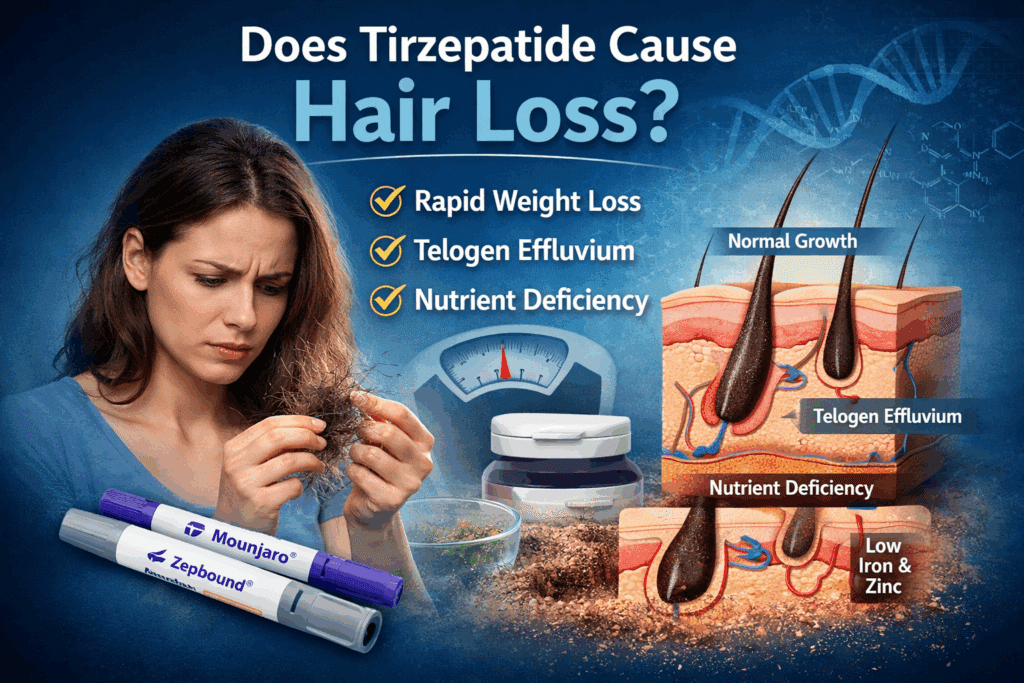
Another misconception involves the belief that hair loss is a guaranteed side effect of any weight loss medication. Weight loss can induce stress on the body, potentially triggering a condition known as telogen effluvium, which leads to temporary hair loss. However, this is a reaction to rapid weight loss rather than a specific effect of tirzepatide itself. Patients should consider other factors contributing to hair health, including nutritional intake and hormonal changes, which can also impact hair growth.
Expert Tip: Individuals considering tirzepatide should consult with a healthcare provider to assess personal risk factors for hair loss and discuss any concerns regarding hair health while undergoing treatment.
Understanding Tirzepatide: Mechanism and Side Effects
This section explores tirzepatide’s pharmacological action, its common side effects, and specifically addresses the relationship between tirzepatide and hair loss. Understanding these aspects is vital for patients and healthcare providers alike.
Mechanism of Action
Tirzepatide is a novel medication approved for the treatment of type 2 diabetes. It is a dual agonist of the glucagon-like peptide-1 (GLP-1) and glucose-dependent insulinotropic polypeptide (GIP) receptors. By activating these receptors, tirzepatide enhances insulin secretion in response to meals, reduces glucagon secretion, and slows gastric emptying. This multifaceted approach not only aids in blood glucose control but also contributes to weight loss, making it a significant option for managing obesity in diabetic patients.
Common Side Effects
The side effect profile of tirzepatide includes a range of gastrointestinal and systemic reactions. Commonly reported side effects include:
- Nausea
- Diarrhea
- Vomiting
- Abdominal pain
- Decreased appetite
These effects are generally mild to moderate and often diminish over time as the body adjusts to the medication. However, persistent or severe side effects may require medical attention.
Hair Loss as a Potential Side Effect
Hair loss has been reported anecdotally among some users of tirzepatide. However, clinical trials have not consistently identified hair loss as a significant or common side effect. The mechanism behind potential hair loss remains unclear, but it may be linked to the overall metabolic changes induced by weight loss or altered nutrient absorption. Patients experiencing hair loss while on tirzepatide should consult their healthcare provider to evaluate the cause and explore possible interventions.
Factors Influencing Side Effect Severity
Several factors can influence the severity of side effects experienced by individuals taking tirzepatide:
- Dosage: Higher doses may lead to increased side effects.
- Duration of Treatment: Side effects often diminish with prolonged use.
- Individual Health Factors: Pre-existing conditions and concurrent medications can exacerbate side effects.
Patient education and close monitoring by healthcare providers are essential for managing these factors effectively.
While many people tolerate tirzepatide well, understanding its side effects, including the rare possibility of hair loss, is crucial for informed decision-making. Individuals should maintain open communication with healthcare professionals to address any emerging concerns during treatment.
For those considering or currently using tirzepatide, it is advisable to monitor any changes in hair health and report them to a healthcare provider. Establishing a supportive care plan may help manage any adverse effects while optimizing the benefits of the medication.
Expert Insights: Managing Hair Loss While on Tirzepatide
This section provides healthcare professionals’ insights into managing potential hair loss associated with tirzepatide. Addressing this issue is essential for maintaining overall well-being and treatment adherence.

Consultation Tips for Discussing Hair Loss with Doctors
Engaging in an open dialogue with healthcare providers about hair loss can lead to effective management strategies. Patients should consider the following approaches:
- Prepare a list of questions regarding the relationship between tirzepatide and hair loss.
- Document any changes in hair condition, including onset, severity, and duration.
- Discuss family history of hair loss to provide context for personal risk factors.
Potential Treatments and Interventions for Hair Loss
Several treatments may mitigate hair loss experienced during tirzepatide therapy. Options include:
- Minoxidil: A topical solution that stimulates hair follicles and promotes hair growth.
- Finasteride: An oral medication that may reduce hair loss by blocking hormonal effects on hair follicles.
- Platelet-rich plasma (PRP) therapy: A procedure that utilizes a patient’s own blood components to encourage hair regrowth.
Consultation with a dermatologist can help determine the most suitable option based on individual circumstances.
Lifestyle Changes That May Mitigate Hair Loss
Incorporating specific lifestyle changes can enhance hair health and potentially reduce hair loss. Consider the following adjustments:
- Nutrition: A balanced diet rich in vitamins and minerals, particularly biotin, zinc, and iron, supports hair health.
- Stress management: Techniques such as mindfulness, yoga, or regular exercise can reduce stress-related hair loss.
- Hair care practices: Gentle hair care routines that avoid excessive heat and chemical treatments can minimize damage.
Importance of Monitoring and Reporting Side Effects
Regular monitoring of side effects is critical while undergoing tirzepatide treatment. Patients should maintain a journal to document any hair loss patterns and report these findings during follow-up appointments. This proactive approach enables healthcare providers to adjust treatment plans as necessary, improving overall patient outcomes.
Common misconceptions suggest that hair loss is an inevitable side effect of tirzepatide, when in fact, individual responses vary significantly. Genetic predisposition, concurrent medications, and overall health can play substantial roles in hair loss outcomes. A thorough evaluation by healthcare professionals can clarify these distinctions and guide appropriate interventions.
To manage hair loss while on tirzepatide, schedule consultations with healthcare providers to discuss symptoms and treatment options. Maintain a detailed record of hair loss patterns and related lifestyle factors. Explore potential treatments, including topical solutions or dietary changes, and prioritize self-care practices that promote hair health. Staying informed and proactive can significantly enhance treatment experiences and outcomes.
Patient Experiences: Real-World Impacts of Tirzepatide
This section explores user testimonials regarding hair loss associated with tirzepatide, revealing the diverse experiences of individuals across various demographics and the broader implications for their quality of life.

User Testimonials About Hair Loss
Patient experiences with tirzepatide have generated numerous testimonials, particularly concerning hair loss. Reports range from mild thinning to significant shedding, with some individuals attributing their hair loss directly to the medication.
- A 45-year-old male reported noticeable thinning within three months of starting tirzepatide, which he had not experienced with previous treatments.
- A 32-year-old female shared that she began losing clumps of hair after four weeks, prompting her to seek medical advice.
- Another user, a 60-year-old male, noted that while he experienced some hair loss, the weight loss benefits of tirzepatide outweighed his concerns.
Demographic Comparisons
Experiences of hair loss due to tirzepatide vary across demographics. Both men and women report similar issues, but the psychological impact can differ significantly.
- Men may be more likely to downplay the aesthetic impact of hair loss, viewing it as a natural part of aging.
- Women often express a greater emotional response, as societal pressures regarding hair and beauty can amplify feelings of self-consciousness.
- Age also plays a role; younger individuals report more distress over hair loss than older patients, who may have already adapted to changes in appearance.
Impact of Hair Loss on Quality of Life
The psychological effects of hair loss can be profound, impacting self-esteem and overall quality of life. Many patients report feeling less confident and more anxious about their appearance, leading to social withdrawal in some cases.
Additionally, the connection between hair loss and body image can exacerbate feelings of depression or anxiety, particularly in women. This emotional toll may influence adherence to tirzepatide treatment, as patients weigh the benefits of weight loss against the distress caused by hair loss.
Community Support and Resources
For those experiencing hair loss as a side effect of tirzepatide, community support can be invaluable. Online forums and support groups provide a platform for sharing experiences and coping strategies. Resources include:
- Support groups on platforms like Facebook and Reddit, where users discuss hair loss and treatment alternatives.
- Webinars hosted by dermatologists focused on managing hair loss and exploring potential treatments.
- Local meet-ups organized by health advocates to connect individuals facing similar challenges.
While anecdotal evidence suggests a connection between tirzepatide and hair loss, it remains essential to consult healthcare professionals for tailored advice. Patients should engage in open discussions with their doctors about side effects, explore potential solutions, and consider lifestyle adjustments that may mitigate hair loss. Staying informed through community resources and professional guidance can empower those affected to navigate their experiences effectively.
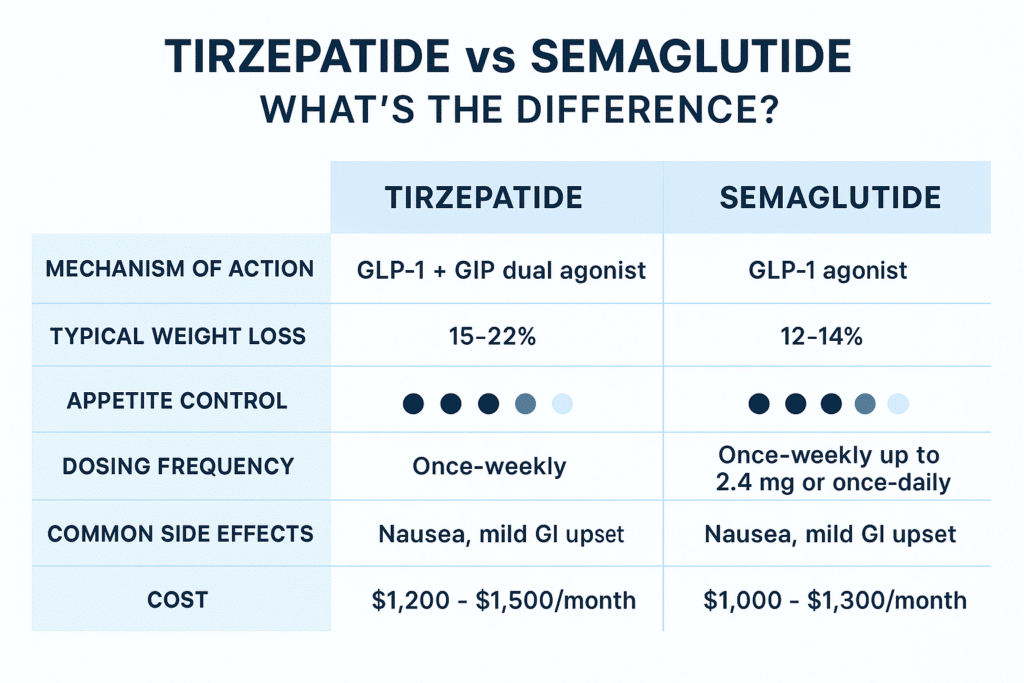
Comparative Analysis: Tirzepatide vs. Other Diabetes Treatments
This section evaluates tirzepatide in relation to other diabetes medications, focusing on side effects, particularly hair loss. Understanding these comparisons helps patients make informed choices about their treatment options.
Overview of Major Diabetes Medications
Several classes of medications are available for diabetes management. These include:
- GLP-1 receptor agonists: Such as liraglutide and semaglutide, which improve glycemic control and promote weight loss.
- SGLT2 inhibitors: Including empagliflozin and canagliflozin, which help lower blood sugar by promoting glucose excretion through urine.
- Insulin therapies: Ranging from rapid-acting to long-acting formulations, used primarily for Type 1 diabetes and advanced Type 2 diabetes.
- Metformin: The first-line treatment for Type 2 diabetes, effective in lowering blood sugar and promoting weight management.
Side Effect Comparisons: Hair Loss Focus
Hair loss is a concern for many patients considering diabetes medications. While not commonly reported, it can occur with various treatments:
- Tirzepatide: Clinical trials have not prominently featured hair loss as a side effect, though anecdotal evidence exists.
- GLP-1 receptor agonists: Some users report hair thinning, potentially due to rapid weight loss or hormonal changes.
- SGLT2 inhibitors: Hair loss is less frequently associated with these medications, but dehydration and metabolic changes may contribute.
- Metformin: Generally well-tolerated with minimal reports of hair loss, although vitamin deficiencies can lead to hair thinning in some cases.
Patient Preferences and Medication Adherence
Patient preferences are critical in medication adherence. Factors influencing choices include:
- Side effect profile: Patients are more likely to adhere to medications with fewer adverse effects.
- Route of administration: Some patients prefer oral medications over injections, impacting their willingness to try GLP-1 receptor agonists or tirzepatide.
- Weight management: Medications that promote weight loss may be more appealing, especially for overweight patients.
Guidance on Choosing the Right Medication
When selecting a diabetes medication, consider these factors:
- Assess the side effect profile, particularly if hair loss is a concern.
- Evaluate personal health goals, including weight management and blood sugar control.
- Discuss with healthcare providers the potential for adverse effects and personal experiences with current medications.
Many articles on diabetes treatments overlook the nuanced relationship between medications and hair loss. While tirzepatide does not prominently feature hair loss in clinical studies, individual responses can vary. Factors such as rapid weight loss, hormonal changes, and nutritional deficiencies can contribute to hair thinning, irrespective of the medication used. Comprehensive patient monitoring and discussions with healthcare providers are essential to address any side effects experienced.
To navigate medication selection effectively, patients should engage in open discussions with their healthcare providers. This includes sharing concerns about side effects and preferences regarding medication administration. By weighing the benefits of drug efficacy against potential side effects like hair loss, patients can make more personalized and informed decisions regarding their diabetes management strategy.
Frequently Asked Questions
What are the side effects of tirzepatide?
The common side effects of tirzepatide include nausea, vomiting, diarrhea, and decreased appetite. Some patients may also experience gastrointestinal issues or injection site reactions.
Can tirzepatide lead to permanent hair loss?
There is currently no evidence to suggest that tirzepatide causes permanent hair loss. Any hair loss experienced is typically temporary and may resolve after discontinuation of the medication.
How does tirzepatide compare to other diabetes medications regarding hair loss?
Compared to other diabetes medications, tirzepatide has not been specifically linked to hair loss. However, individual responses can vary, and some patients may experience hair thinning with different treatments.
What should I do if I experience hair loss while taking tirzepatide?
If hair loss occurs while taking tirzepatide, consult a healthcare provider for evaluation and advice. They may recommend adjusting the medication or exploring other underlying causes.
How long does it take to see effects from tirzepatide?
Patients may begin to see effects from tirzepatide within a few weeks of starting treatment. Optimal results in blood sugar control and weight loss may take several months to fully manifest.
Are there any studies on tirzepatide and hair loss?
Current studies on tirzepatide do not specifically address hair loss as a side effect. Most clinical trials focus on its efficacy in managing blood sugar levels and weight loss.
What are the common misconceptions about tirzepatide and hair loss?
A common misconception is that tirzepatide directly causes hair loss, which is not supported by clinical evidence. Many patients confuse hair loss with other factors, such as underlying health conditions or stress.
Final Thoughts on does tirzepatide cause hair loss
While tirzepatide is an effective treatment for managing type 2 diabetes, the evidence regarding its role in hair loss is nuanced. Though some patients report hair thinning, the association is not universally established, and any potential hair loss appears to be temporary for most individuals.
Patients currently on tirzepatide experiencing hair loss should consult with their healthcare provider to explore possible interventions, including evaluating the medication regimen or considering supportive treatments for hair health.
Understanding the implications of medications like tirzepatide is crucial, as informed decisions can significantly affect both metabolic control and quality of life.
Leave a Reply