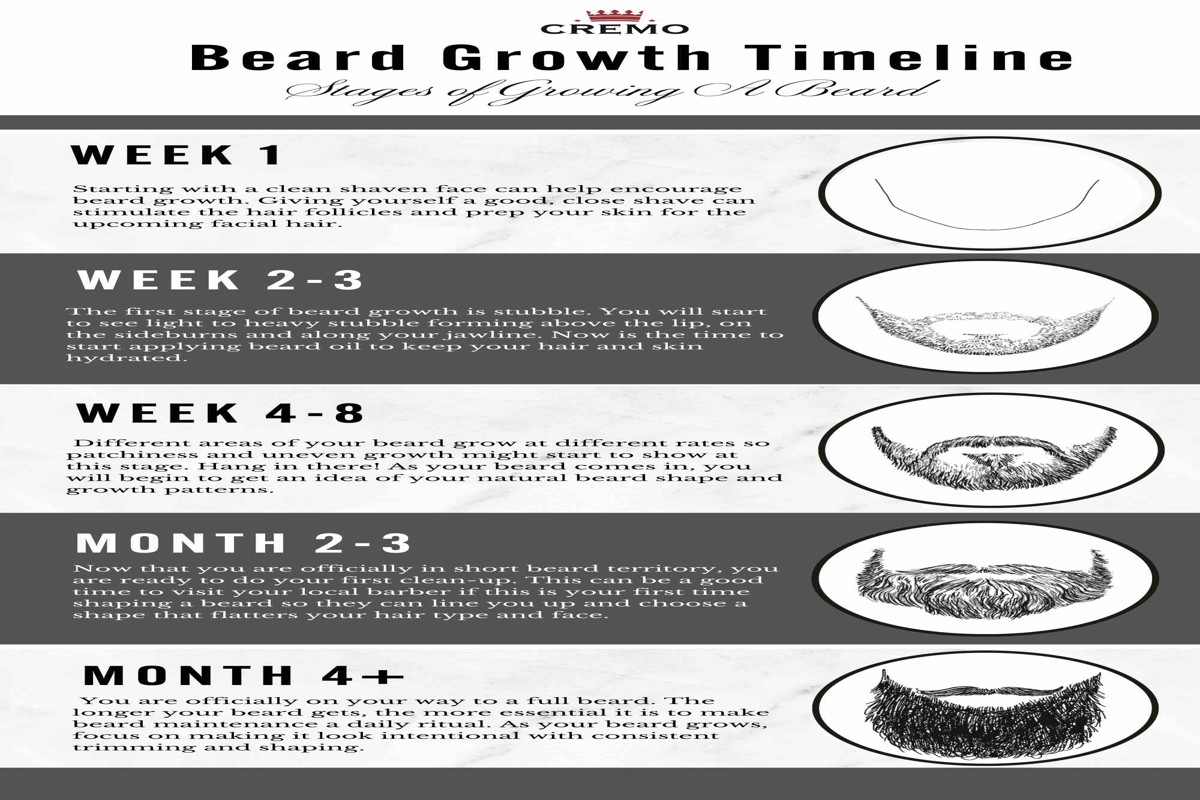
Facial hair grows at an average rate of half an inch per month. However, individual growth rates can vary based on genetics, age, and health.
Understanding how fast facial hair grows is essential for grooming, styling, and personal care. Misconceptions about growth rates can lead to unrealistic expectations and ineffective grooming practices.
This article examines the factors influencing facial hair growth, compares growth rates among different individuals, and provides tips for optimizing facial hair health.
What factors affect the speed of facial hair growth?
The speed of facial hair growth is influenced by a combination of biological and lifestyle factors. Genetics, hormonal levels, age, and overall health play significant roles in determining how quickly facial hair will grow. Additionally, lifestyle choices such as diet and stress management can also impact growth rates.
Genetics is the primary determinant of facial hair growth rates. Individuals with a family history of thick, fast-growing facial hair are likely to experience similar growth patterns. Hormones, particularly testosterone, are crucial as they stimulate hair follicles and promote growth. Age also affects hair growth; younger individuals typically experience faster growth compared to older adults due to higher hormonal levels.
- Diet: Nutritional intake can influence hair health. A balanced diet rich in vitamins A, C, D, E, and B-complex, along with minerals like zinc and iron, supports optimal hair growth.
- Stress: High stress levels can lead to hair loss or slower growth. Managing stress through techniques such as meditation and exercise can positively affect hair health.
- Skincare Routine: Properly caring for the skin can enhance hair growth. Regular cleansing and moisturizing can keep follicles healthy, promoting better growth rates.
Environmental factors also play a role. For instance, exposure to pollutants can damage hair follicles, potentially slowing growth. Understanding these factors allows individuals to adopt strategies that may enhance their facial hair growth.
Expert Tip: Regularly incorporating a variety of nutrient-rich foods into the diet, along with maintaining a consistent skincare routine, can significantly improve the health of facial hair and its growth rate. Monitoring hormonal levels through medical consultation may also provide insights into personal growth patterns.
How can I make my facial hair grow faster?
Facial hair growth can be accelerated through a combination of proper care, nutrition, and lifestyle choices. By implementing specific practices, individuals may enhance their beard growth rate and overall hair health. Here are effective strategies to promote faster facial hair growth.
- Maintain a Healthy Diet: Incorporate foods rich in vitamins and minerals, particularly those high in vitamins A, C, E, and B-complex, as well as protein and omega-3 fatty acids. These nutrients support hair follicle health and can stimulate growth.
- Stay Hydrated: Drinking sufficient water is essential for overall health and can promote optimal hair growth. Aim for at least eight glasses of water a day to keep your body and hair hydrated.
- Exercise Regularly: Engaging in regular physical activity increases blood circulation, which helps deliver essential nutrients to hair follicles. Aim for at least 150 minutes of moderate exercise each week to enhance your growth potential.
- Get Enough Sleep: Quality sleep is crucial for overall health and hormone regulation. Aim for 7-9 hours of sleep per night to allow your body to repair and rejuvenate, promoting better hair growth.
- Use Beard Oils and Conditioners: Applying specialized beard oils can nourish hair follicles and promote growth. Ingredients like jojoba oil and argan oil hydrate the hair and skin, reducing breakage and promoting a healthier appearance.
- Practice Regular Grooming: Regular trimming can remove split ends and encourage healthier growth. Use sharp scissors or clippers, and focus on maintaining a neat shape while allowing the hair to grow.
Genetics plays a significant role in facial hair growth, so results may vary among individuals. Consistency in these practices is key, as improvements may take time to manifest. Patience is essential, as hair growth rates can differ based on various factors, including age and hormonal levels.
Expert Tip: Incorporating biotin supplements may further enhance hair growth, as this vitamin is known to improve keratin infrastructure. However, consult a healthcare provider before starting any new supplement regimen.
Is facial hair growth different for men and women?
Yes, facial hair growth differs significantly between men and women. Men typically experience faster and thicker facial hair growth due to higher levels of androgens, particularly testosterone. In contrast, women generally have finer and sparser facial hair, influenced by lower androgen levels.
The rate of facial hair growth is influenced by several biological factors, including hormone levels, genetics, and age. Men usually grow facial hair in cycles, with growth rates averaging about half an inch per month. This growth can be affected by factors such as ethnicity, health, and grooming habits. Women, on the other hand, may experience minimal facial hair growth, which is often more noticeable due to hormonal changes, such as those occurring during pregnancy or menopause.
- Hormonal Influence: Men have higher testosterone levels, leading to denser and faster growth. Women have lower levels, resulting in finer hair.
- Genetics: Genetic predispositions play a crucial role in determining hair thickness and growth rate for both genders.
- Age: Facial hair growth can accelerate in men during puberty and slow down with age, while women may notice changes during hormonal fluctuations.
Moreover, cultural and social factors can influence the perception and management of facial hair in both genders. While men may embrace a variety of facial hair styles, women often seek methods to minimize or remove facial hair. This societal context further differentiates the experiences of facial hair growth.
Expert Tip: For individuals seeking to enhance their facial hair growth, maintaining a healthy lifestyle with proper nutrition, hydration, and skincare can optimize growth potential, regardless of gender.
How long does it take to grow a full beard?
On average, it takes about 2 to 6 months to grow a full beard. The specific duration varies depending on individual factors such as genetics, age, and health. Typically, facial hair grows at a rate of about half an inch per month.
Several factors influence the time it takes to achieve a full beard. Genetics play a significant role; individuals with family histories of thick, fast-growing facial hair may experience quicker growth. Conversely, those with a genetic predisposition for slower hair growth may take longer to achieve the desired fullness. Age is another critical factor, as younger men tend to have faster hair growth rates compared to older individuals, whose growth may slow down due to hormonal changes.
Additionally, health and lifestyle choices can impact beard growth. Diet, stress levels, and overall health can either enhance or hinder the growth process. A balanced diet rich in vitamins and minerals, particularly those associated with hair health (such as vitamins A, B, C, and E), can promote faster growth. Regular exercise and adequate sleep also contribute positively to hair growth by improving blood circulation and hormonal balance.
For those seeking a fuller beard in a shorter time frame, patience and proper care are crucial. Grooming practices, including moisturizing and using beard oils, can also help maintain the health of the hair and skin, allowing for optimal growth.
Expert Tip: Consider tracking your growth progress every month. This can help identify patterns and determine what lifestyle changes may positively affect your beard growth rate.
What is the best age for optimal facial hair growth?
The best age for optimal facial hair growth typically occurs between the late teens and early thirties. During this period, testosterone levels are at their peak, which significantly influences hair growth. However, individual genetics and hormonal factors can cause variations in growth rates among different men.
Facial hair growth rates are largely influenced by genetics, hormonal levels, and overall health. While many men experience robust growth in their late teens, some may find that their facial hair continues to develop well into their thirties. Moreover, lifestyle factors such as nutrition, exercise, and stress management can enhance or hinder growth, making it essential to adopt healthy habits.
- Maintain a balanced diet: Consume foods rich in vitamins A, C, E, and B-complex, as well as proteins and healthy fats to support hair growth.
- Stay hydrated: Drink plenty of water to keep hair follicles nourished and promote overall hair health.
- Exercise regularly: Engage in physical activity to boost testosterone levels and improve circulation, which can enhance hair growth.
- Manage stress: Utilize stress-reduction techniques such as meditation or yoga, as stress can negatively impact hair growth.
Genetics is a significant determinant of facial hair growth. Some men may experience patchy growth or slower development due to hereditary factors. Recognizing these individual differences is crucial for setting realistic expectations regarding facial hair growth.
Incorporating a consistent grooming routine can also improve the appearance of facial hair. Regular trimming and the use of beard oils can promote healthier growth and manage patchiness effectively.
Optimizing facial hair growth relies heavily on a combination of genetics and lifestyle choices. Men can maximize their potential by focusing on their overall health and understanding their unique growth patterns.
Are there any products that can help facial hair grow faster?
Yes, several products claim to enhance facial hair growth, including minoxidil, beard oils, and nutritional supplements. While some individuals report positive results, the effectiveness of these products can vary based on genetics and hormonal factors.
Minoxidil, originally developed as a treatment for high blood pressure, is often used off-label to stimulate hair growth. Users typically apply a topical solution directly to the facial area. Anecdotal evidence suggests that many men experience increased hair density and faster growth after several months of consistent use. However, results are not guaranteed, and some may experience side effects such as skin irritation.
Beard oils are another popular option, often infused with essential oils, vitamins, and carrier oils that nourish the skin and hair. While these products do not directly stimulate hair growth, they can improve the overall health of facial hair and the skin beneath it, potentially creating an optimal environment for growth. For example, a product containing jojoba oil and vitamin E may keep hair moisturized and reduce breakage, which can give the appearance of a fuller beard.
Additionally, nutritional supplements like biotin and omega-3 fatty acids have gained traction for their purported benefits in promoting hair health. Regular intake of these supplements may support hair growth by providing essential nutrients. However, scientific evidence supporting the effectiveness of these supplements specifically for facial hair growth is limited.
Expert Tip: When considering products for facial hair growth, prioritize consistent application and patience. Results may take several weeks or months to become noticeable, and maintaining a healthy diet can complement any topical treatments.
What are common mistakes that hinder facial hair growth?
Common mistakes that inhibit facial hair growth include poor grooming habits, inadequate nutrition, and neglecting skin health. These factors can affect the overall health of facial hair follicles and slow down growth rates. Avoiding these pitfalls can significantly enhance the potential for a fuller beard or mustache.
One of the primary mistakes is improper grooming. Regular trimming can promote healthy growth by removing split ends and encouraging new hair to grow. Additionally, using the wrong grooming products can irritate the skin and stifle growth. Choosing natural oils and moisturizing products can support follicle health.
- Neglecting Nutrition: A diet lacking in essential vitamins and minerals, particularly B vitamins, zinc, and omega-3 fatty acids, can hinder hair growth. Incorporating foods rich in these nutrients can foster stronger hair follicles.
- Inconsistent Skincare: Failing to maintain a proper skincare routine can lead to clogged pores and unhealthy skin. Regular exfoliation can help remove dead skin cells, allowing hair to grow unobstructed.
- Stress Management: High stress levels can negatively impact hormone balance, affecting hair growth. Engaging in stress-reducing activities such as exercise or meditation can improve overall health and promote facial hair growth.
Another common oversight is the misconception that facial hair should be forced to grow by over-styling or excessive grooming. This can lead to irritation and damage, ultimately slowing growth. Patience is key; allowing the hair to grow without constant interruption can yield better results.
To maximize facial hair growth, focus on a balanced approach that incorporates nutrition, skincare, and stress management. These practices can create an optimal environment for hair follicles to thrive.
Expert Tip: Consider supplements specifically formulated for hair growth, such as biotin, but consult a healthcare professional before starting any new regimen. This can provide an additional boost to your facial hair growth efforts.
How does diet impact facial hair growth?
Your diet can significantly influence the rate and quality of facial hair growth. Nutritional deficiencies may hinder growth, while a balanced intake of specific nutrients can promote healthier and faster hair development.
Facial hair growth is primarily driven by hormones, particularly testosterone and dihydrotestosterone (DHT). However, the body requires essential nutrients to effectively utilize these hormones. A diet lacking in vitamins and minerals can lead to slow growth or weak hair. Key nutrients that support facial hair growth include:
- Proteins: Hair is made up of keratin, a protein. Consuming adequate protein from sources like lean meats, fish, eggs, and legumes supports the structural integrity of hair.
- Vitamins: Vitamins A, C, D, and E are crucial for hair health. They help in cell growth, repair, and antioxidant protection, which can improve overall hair quality.
- Minerals: Zinc and iron are vital for hair follicle function. A deficiency in these minerals can lead to hair loss or slow growth.
Moreover, healthy fats, such as omega-3 fatty acids found in fish, nuts, and seeds, can enhance scalp and skin health, facilitating better hair growth. Hydration also plays a critical role; adequate water intake ensures that hair follicles receive necessary moisture and nutrients.
Individual responses to dietary changes may vary. Some may notice immediate improvements in hair growth, while others might take longer to see results. Additionally, genetics and hormonal levels remain primary factors influencing facial hair growth.
Expert Tip: Consider incorporating a multivitamin designed for hair health if dietary changes do not yield desired results. Supplements containing biotin, collagen, and specific B vitamins can further support facial hair growth.
The Science Behind Facial Hair Growth
This section delves into the biological mechanisms that govern facial hair growth, highlighting the roles of hormones, genetic factors, and the stages of hair development. Understanding these processes can elucidate why growth rates vary among individuals.
Hormonal Influence: Testosterone and DHT
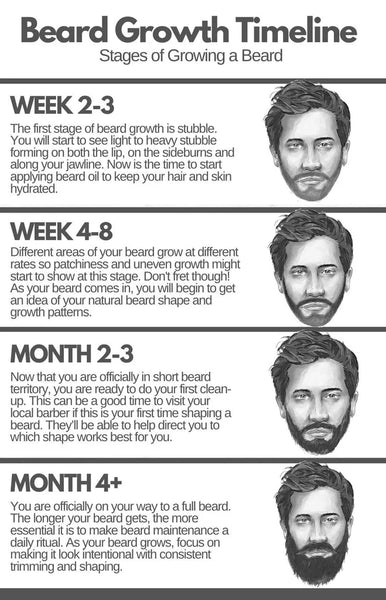
Facial hair growth is significantly influenced by hormones, particularly testosterone and its derivative, dihydrotestosterone (DHT). Testosterone, primarily produced in the testes and adrenal glands, initiates the development of male secondary sexual characteristics, including facial hair. DHT, formed through the action of the enzyme 5-alpha-reductase on testosterone, binds to androgen receptors in hair follicles, promoting their growth and maturation.
Phases of Hair Growth
Facial hair undergoes a cyclical growth process divided into three distinct phases:
- Anagen Phase: This is the active growth phase where hair follicles rapidly produce new cells. For facial hair, this phase can last from 2 to 6 years, determining the maximum length of the hair.
- Catagen Phase: This transitional phase lasts about 2 to 3 weeks. Hair growth slows, and the follicle shrinks, preparing for the next stage.
- Telogen Phase: In this resting phase, which lasts around 3 months, hair follicles remain inactive. Eventually, hair falls out, and the cycle begins anew.
Genetic Factors in Hair Growth Patterns
Genetics play a critical role in determining facial hair growth patterns, density, and speed. Specific genes regulate the sensitivity of hair follicles to androgens. For instance, individuals with a family history of thick facial hair may inherit genes that lead to a higher density of androgen receptors, resulting in more robust growth. Conversely, genetic predispositions can lead to patchy or sparse facial hair.
Impact of Age on Hair Follicle Activity
Age significantly influences facial hair growth. During puberty, increased testosterone levels stimulate hair growth, often resulting in substantial changes within a few years. As men age, particularly after 30, hair follicles may become less responsive to hormones, leading to slower growth rates and potential thinning of existing hair. Additionally, hormonal changes related to aging can affect the overall density and distribution of facial hair.
Common misconceptions about facial hair growth often include the belief that shaving can make hair grow back thicker or faster. In reality, shaving does not affect the hair follicle’s growth rate or thickness; it merely cuts the hair at the surface level, giving it a blunt tip that may feel coarser.
Furthermore, while some products claim to enhance hair growth, most treatments focus on stimulating follicle activity rather than altering genetic predispositions. The effectiveness of such products varies significantly among individuals.
Practical Application
To optimize facial hair growth, individuals should consider the following:
- Maintain a balanced diet rich in vitamins and minerals, particularly those that support hair health, such as biotin, zinc, and vitamins A, C, and E.
- Practice good skincare by cleansing and moisturizing the face to promote healthy follicles.
- Consult a healthcare provider if there are concerns about abnormal hair growth patterns, as hormonal imbalances may require medical attention.
By understanding the science behind facial hair growth, individuals can make informed decisions regarding grooming, care, and potential treatments to enhance their facial hair experience.
Lifestyle Changes to Promote Facial Hair Growth
Enhancing facial hair growth involves more than just genetics; lifestyle choices play a pivotal role. This section outlines practical strategies to optimize hair health and promote growth.
Balanced Diet Rich in Vitamins and Minerals
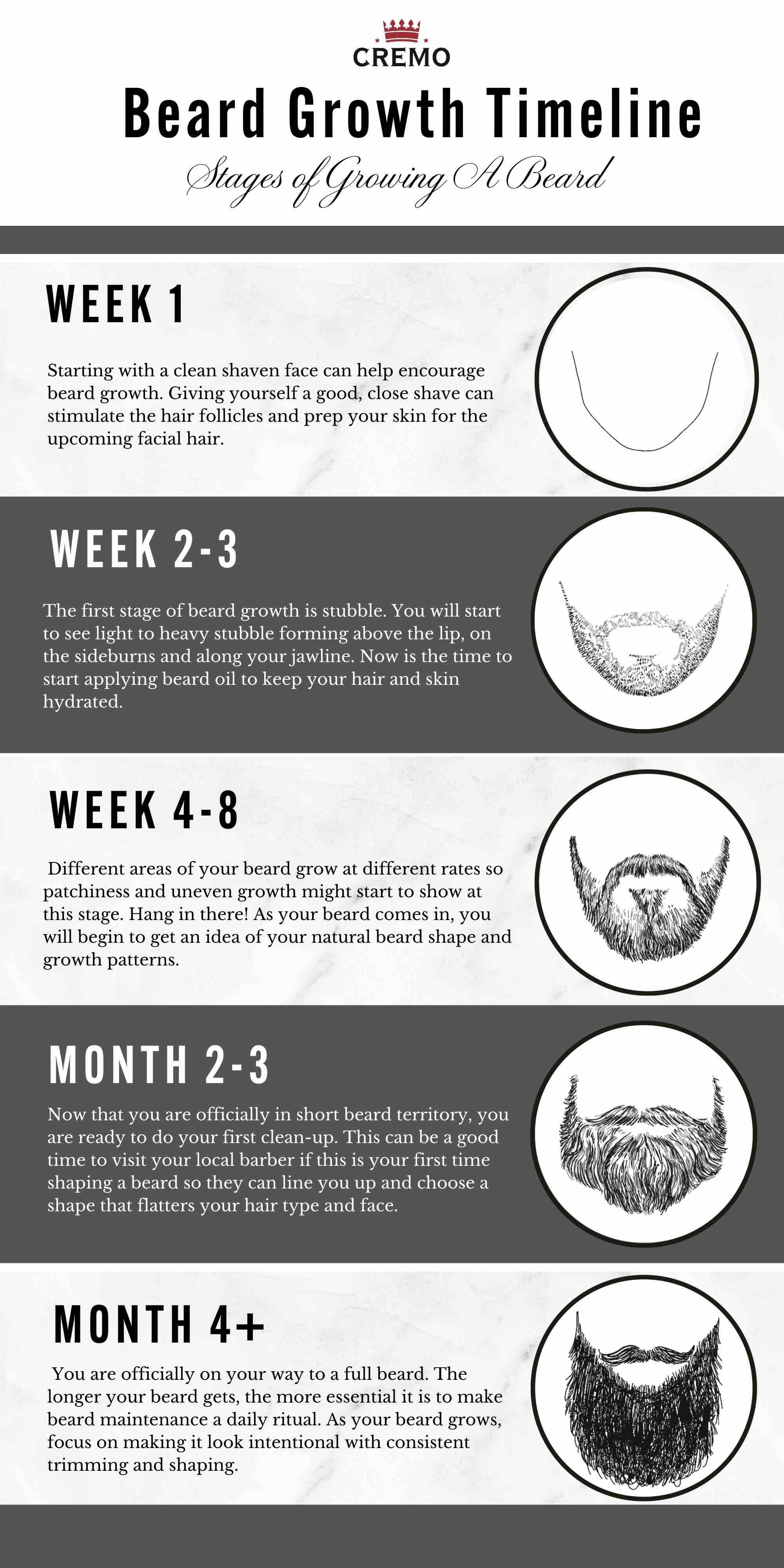
A balanced diet significantly impacts hair growth. Nutrients such as vitamins A, C, E, and the B-complex group, along with minerals like zinc and iron, are essential for healthy hair follicles. Foods rich in these nutrients include:
- Leafy greens: Spinach and kale provide essential vitamins and minerals.
- Nuts and seeds: Almonds and sunflower seeds contain vitamin E and healthy fats.
- Lean proteins: Chicken, fish, and legumes support keratin production.
Incorporating a variety of these foods into daily meals can create a nutrient-rich environment conducive to facial hair growth.
The Role of Hydration
Hydration is vital for maintaining overall health, including hair health. Water helps to transport nutrients to hair follicles and keeps the scalp hydrated. Aim for at least 8 glasses (2 liters) of water daily. Proper hydration can also improve hair elasticity, reducing breakage and promoting fuller growth.
Regular Exercise for Hormone Regulation
Engaging in regular physical activity has multiple benefits, including improved hormonal balance. Exercise increases testosterone levels, a key hormone in facial hair growth. Recommended activities include:
- Strength training: Lifting weights boosts testosterone.
- Cardiovascular workouts: Running or cycling enhances circulation.
- High-Intensity Interval Training (HIIT): Short bursts of intense exercise can stimulate hormonal responses.
Incorporating at least 150 minutes of moderate exercise each week can support optimal growth rates.
Stress Management Techniques
Chronic stress can negatively impact hair growth by disrupting hormonal balance and increasing hair loss. Implementing stress management strategies is crucial for promoting healthy facial hair growth. Effective techniques include:
- Meditation: Daily practice can reduce stress levels.
- Yoga: Combines physical activity and mindfulness to alleviate tension.
- Deep breathing exercises: Simple techniques can quickly lower stress levels.
Adopting these practices can create a more favorable environment for hair growth.
Many articles overlook the influence of genetics on facial hair growth, often placing sole emphasis on external factors. While lifestyle changes can enhance growth, genetic predisposition plays a critical role in the density and pattern of facial hair. Individuals with a family history of robust facial hair growth may find that lifestyle changes amplify but do not entirely dictate their results.
To implement these strategies effectively, consider creating a structured plan that includes:
- Develop a meal plan focusing on nutrient-dense foods.
- Set daily water intake goals and track consumption.
- Establish a weekly exercise regimen, incorporating various activities.
- Integrate stress management techniques into daily routines.
By actively adopting these lifestyle changes, individuals can create a supportive environment for their facial hair growth journey and optimize how fast facial hair grows.
Understanding Facial Hair Growth Myths
This section addresses prevalent myths surrounding facial hair growth, clarifying misunderstandings that can influence grooming practices and expectations.
Myths About Shaving and Hair Thickness
A common myth is that shaving makes hair grow back thicker or coarser. This belief arises from the blunt edge left on hair after shaving, which can feel stubbly as it grows out. However, studies show that shaving does not affect the actual thickness or growth rate of hair. Hair growth is determined by genetic and hormonal factors, not by the act of shaving itself.
Clarifying the Impact of Hair Products on Growth
Many believe that certain hair products can accelerate facial hair growth. While products like beard oils and balms can enhance the appearance of hair and improve its condition, they do not influence the rate of hair growth. Ingredients in these products can nourish hair follicles and promote healthier hair, but they do not alter the biological growth cycle.
Understanding Hereditary Influences
Genetics plays a significant role in facial hair growth patterns. Factors such as ethnicity, family history, and hormonal levels determine an individual’s ability to grow facial hair. For example, men of Mediterranean descent may experience denser and faster facial hair growth compared to those of East Asian descent. Understanding one’s genetic predisposition can set realistic expectations regarding facial hair growth.
Distinguishing Between Temporary and Permanent Hair Loss
It is crucial to differentiate between temporary hair loss, which may result from stress or health issues, and permanent hair loss due to genetic factors such as androgenetic alopecia. Temporary hair loss can often be reversed with proper care and stress management, while permanent loss typically requires medical intervention or hair restoration techniques.
Edge Cases and Common Misconceptions
Many people mistakenly assume that increasing testosterone levels will universally enhance facial hair growth. While testosterone is a contributing factor, its effects vary between individuals. Some may have high testosterone levels yet struggle with patchy or sparse facial hair due to genetic factors. Moreover, age can also influence hair growth; younger individuals may experience slower growth rates compared to older adults, who often see an increase in hair density over time.
Actionable Insights
- Recognize that shaving does not affect hair thickness or growth rate.
- Focus on maintaining healthy skin and hair with appropriate grooming products.
- Understand your genetic background to set realistic expectations for facial hair growth.
- Consult a dermatologist if experiencing significant changes in hair growth patterns.
By debunking these myths, individuals can approach their facial hair grooming with informed strategies that align with their genetic predispositions and lifestyle choices. Understanding these factors can lead to better grooming practices and enhanced confidence in one’s facial hair journey.
Comparative Analysis of Facial Hair Growth Rates Across Ethnicities
This section explores the variations in facial hair growth rates among different ethnic groups, highlighting genetic and environmental influences. Understanding these differences can inform grooming choices and cultural perceptions of facial hair.

Cultural Perceptions of Facial Hair Growth
Facial hair often carries significant cultural meaning, influencing how individuals perceive masculinity and maturity across various ethnicities. For example, in many Middle Eastern cultures, a full beard is regarded as a sign of wisdom and virility. Conversely, in some East Asian cultures, facial hair is less common and can be associated with nonconformity. These cultural perceptions can shape personal grooming habits and societal expectations regarding facial hair.
Genetic Predispositions Affecting Growth Rates
Genetic factors play a critical role in determining the rate and density of facial hair growth. Studies indicate that individuals of Mediterranean and Middle Eastern descent typically exhibit faster hair growth and greater beard density compared to those of East Asian descent, who may experience slower growth rates and finer hair. The presence of androgens, such as testosterone, is a significant factor influencing these genetic predispositions.
Comparative Studies on Hair Density and Thickness
Research has shown notable differences in facial hair density and thickness across ethnic groups. A study involving participants from various ethnic backgrounds revealed the following average density measurements:
- Middle Eastern men: 25-30 hairs per square centimeter
- South Asian men: 20-25 hairs per square centimeter
- Caucasian men: 15-20 hairs per square centimeter
- East Asian men: 10-15 hairs per square centimeter
These differences illustrate how genetic background influences not only the rate of growth but also the overall appearance of facial hair.
Influence of Environmental Factors on Growth Patterns
Environmental factors, such as climate, nutrition, and lifestyle, can also impact facial hair growth. For example, men living in warmer climates may experience faster hair growth due to increased testosterone levels associated with heat. Additionally, a diet rich in vitamins and minerals can promote healthier hair growth across all ethnicities. Stress and sleep patterns further contribute to variations in growth rates, with chronic stress often leading to slower hair regrowth.
Despite these findings, common misconceptions persist about facial hair growth. Some believe that shaving or trimming facial hair can influence its growth rate. However, scientific evidence indicates that hair growth is determined primarily by genetic and hormonal factors, not by cutting techniques.
To apply this information, individuals should consider their ethnic background when making grooming decisions. Understanding one’s genetic predisposition can help set realistic expectations for facial hair growth. Additionally, focusing on a balanced diet and healthy lifestyle can optimize hair growth, regardless of ethnicity. For those seeking to enhance facial hair growth, consulting with a dermatologist may provide tailored advice based on genetic factors and personal grooming habits.
Frequently Asked Questions
What factors affect the speed of facial hair growth?
Facial hair growth speed is influenced by genetics, hormone levels, age, and overall health. Environmental factors and grooming habits can also play a role in growth rates.
How can I make my facial hair grow faster?
To promote faster facial hair growth, maintain a healthy diet, stay hydrated, and ensure proper grooming. Regularly using oils or supplements designed for hair growth may also help.
Is facial hair growth different for men and women?
Yes, facial hair growth typically differs between men and women due to hormonal differences, particularly testosterone levels. Men generally experience thicker and faster facial hair growth compared to women.
How long does it take to grow a full beard?
Growing a full beard can take anywhere from two months to a year, depending on individual growth rates and genetics. On average, facial hair grows about half an inch per month.
What is the best age for optimal facial hair growth?
Optimal facial hair growth usually occurs in the late teens to early twenties when testosterone levels peak. Growth patterns can vary significantly based on individual genetics.
Are there any products that can help facial hair grow faster?
Products such as beard oils, minoxidil, and supplements containing biotin may promote faster facial hair growth. However, results can vary based on individual response and consistency of use.
What are common mistakes that hinder facial hair growth?
Common mistakes include poor diet, inadequate hydration, and neglecting proper grooming. Stress and lack of sleep can also negatively impact facial hair growth.
How does diet impact facial hair growth?
A balanced diet rich in vitamins and minerals, particularly B vitamins, zinc, and proteins, supports healthy facial hair growth. Nutritional deficiencies can lead to slower growth and patchy beards.
Final Thoughts on how fast does facial hair grow
Facial hair growth rates are influenced by a combination of genetic, hormonal, and lifestyle factors, making individual experiences vary widely. Understanding these nuances is crucial for those seeking to optimize their growth potential and dispel common myths surrounding facial hair.
To enhance your facial hair growth, prioritize a balanced diet rich in vitamins and minerals, particularly B vitamins and biotin, while also ensuring adequate hydration and sleep for optimal hormonal balance.
Mastering the science of facial hair growth is essential, not only for aesthetic purposes but also for personal identity and self-expression.
Leave a Reply