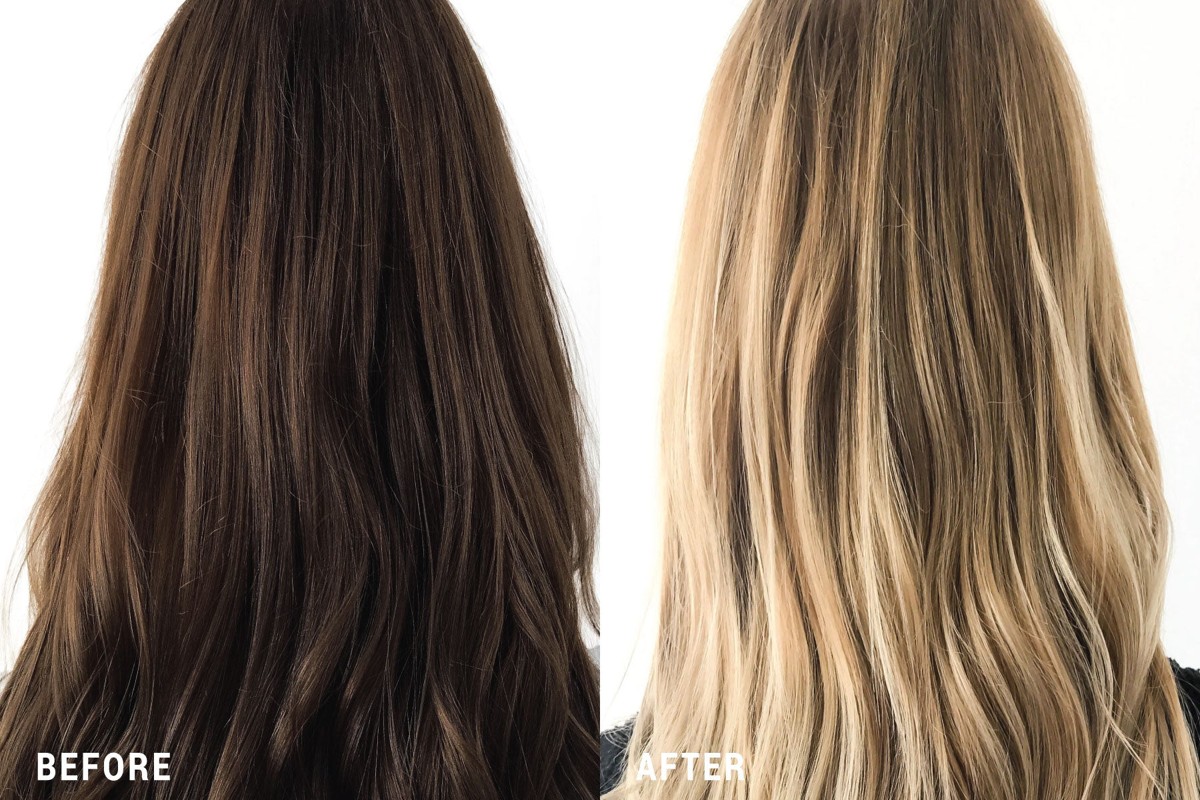
How to lighten hair without bleach involves using natural ingredients such as honey, chamomile tea, and lemon juice. These methods can effectively and gradually lighten hair without causing damage, making them ideal alternatives to harsh chemical treatments.
This topic is crucial for individuals seeking to enhance their hair color without the risks associated with bleach, which can lead to dryness and breakage. Understanding these methods is essential for maintaining hair health while achieving desired lightening effects.
This article details specific techniques for lightening hair, including recipes and application methods using honey, chamomile tea, and lemon juice, ensuring safe and effective results.
What are the best natural ways to lighten hair without bleach?
The best natural ways to lighten hair without bleach involve using ingredients that can gradually lighten hair color through chemical reactions or natural processes. These methods are not as immediate or dramatic as bleaching but can achieve a sun-kissed effect over time. Here are some effective practices to consider.
- Lemon Juice: Mix equal parts of lemon juice and water, apply it to your hair, and then sit in the sun for about 30 minutes. The citric acid in lemon juice naturally lightens hair when exposed to UV rays.
- Chamomile Tea: Brew a strong chamomile tea and let it cool. Rinse your hair with this tea or use it as a leave-in conditioner. Chamomile has natural lightening properties and can enhance golden tones.
- Cinnamon: Combine cinnamon powder with your conditioner or olive oil to create a paste. Apply it to your hair and leave it for several hours or overnight. Cinnamon can help lighten hair while also adding shine and softness.
- Honey and Olive Oil: Mix honey with olive oil to form a thick paste. Apply this mixture to your hair and leave it on for at least an hour. Honey contains small amounts of hydrogen peroxide, which can gradually lighten hair.
- Apple Cider Vinegar: Dilute apple cider vinegar with water and use it as a rinse after shampooing. This method can enhance natural highlights and add shine while gradually lightening the hair.
These methods are best for individuals with lighter hair colors, as the effects may be less noticeable on dark hair. Consistent application over several weeks will yield the best results. Always conduct a patch test to check for potential allergic reactions, especially with ingredients like lemon and cinnamon.
Expert Tip: For enhanced results, consider combining methods, such as using chamomile tea with lemon juice, to maximize the natural lightening effects while also nourishing the hair.
How long does it take to lighten hair without bleach?
Lightening hair without bleach typically takes anywhere from several hours to a few weeks, depending on the method used and individual hair characteristics. Natural methods, such as using lemon juice or chamomile tea, may require multiple applications over several days to achieve noticeable results. Conversely, some products designed for hair lightening can provide quicker results within a single session.
Several factors influence the time frame for lightening hair without bleach. Hair type plays a significant role; finer hair often lightens faster than thicker, coarser hair. Additionally, the starting color of the hair affects the outcome. For instance, dark brown or black hair may take longer to lighten than lighter shades. The method chosen also alters the duration. Home remedies, like honey or cinnamon, may require consistent use over time to see gradual changes, whereas store-bought lightening kits may offer immediate results but still depend on the hair’s condition and porosity.
Moreover, environmental factors can impact the effectiveness of certain methods. For example, sunlight can enhance lightening effects from natural products like lemon juice, making the process faster. However, overexposure to the sun can also damage the hair, leading to dryness and breakage. Therefore, it’s crucial to balance the desire for quicker results with the health of the hair.
Expert Tip: To minimize damage while lightening hair, consider using conditioning treatments between applications. This helps maintain hair health and moisture, supporting the lightening process without compromising hair integrity.
Is it safe to lighten hair without bleach?
Yes, it is generally safe to lighten hair without using bleach, but safety can vary depending on the method employed. Non-bleach techniques often use natural ingredients or less aggressive chemicals, making them suitable for a wider range of hair types and conditions. However, individual reactions can vary, and some methods may still cause damage or irritation.
Several non-bleach hair lightening methods are available, each with its own safety profile. Common options include:
- Lemon Juice: Known for its natural acidity, lemon juice can lighten hair when exposed to sunlight. However, it may also dry out the hair if used excessively.
- Chamomile Tea: This herbal rinse can gradually lighten hair and is generally considered safe for most hair types. It also offers soothing properties for the scalp.
- Cinnamon and Honey: Both ingredients have mild lightening effects and are also moisturizing, making this a popular choice for those looking to avoid damage.
While non-bleach methods are safer than traditional bleaching, it is essential to consider hair health and pre-existing conditions. For instance, sensitive scalps may react adversely to acidic substances like lemon juice. Additionally, the effectiveness of these methods can vary significantly based on hair color, texture, and the desired level of lightening.
Regular use of non-bleach lightening techniques may also lead to cumulative effects, which can help achieve a more gradual and controlled lightening process. This is often preferable for those looking to avoid the harshness associated with bleaching.
Expert Tip: Always perform a patch test before applying any lightening treatment extensively. This will help identify any potential allergic reactions or sensitivities, ensuring a safer experience overall.
Can you lighten dark hair without bleach?
Yes, it is possible to lighten dark hair without bleach, though the results may vary significantly compared to lighter hair. Non-bleach methods can achieve subtle lightening effects, but they are generally less effective on dark hair. Factors such as hair type, color, and the method used will influence the outcome.
Non-bleach hair lightening methods include natural alternatives like chamomile tea, lemon juice, and honey, as well as commercial products that promise to lighten hair without ammonia or bleach. Here’s a comparison of how these methods perform on dark hair versus lighter hair:
| Method | Effectiveness on Dark Hair | Effectiveness on Lighter Hair |
|---|---|---|
| Chamomile Tea | Subtle highlights, may take multiple applications | More noticeable lightening with a warm tone |
| Lemon Juice | Moderate results, especially in sunlight; can dry hair | Significant lightening, especially if applied repeatedly |
| Honey | Gentle lightening; best for gradual results | Effective for adding warmth and brightness |
The effectiveness of these methods is influenced by several factors, including hair porosity, texture, and the natural undertones of the hair. Darker hair typically contains more melanin, making it more resistant to lightening. As a result, individuals with dark hair may experience only slight changes, while those with lighter hair can achieve more dramatic results with the same methods.
Moreover, repeated applications may be necessary for dark hair to achieve visible lightening. Those looking for a more pronounced effect might need to consider a combination of methods or opt for professional treatments that do not involve bleach.
Expert Tip: For optimal results, consider using a combination of these methods. For instance, applying lemon juice followed by a honey mask can enhance the lightening effect while also nourishing the hair.
What are the costs involved in lightening hair without bleach?
The costs of lightening hair without bleach can range from $10 to $150 or more, depending on the method chosen. At-home treatments using natural ingredients are generally less expensive, while salon services can significantly increase the price. Various factors influence the final cost of these hair-lightening alternatives.
Several factors affect the cost of lightening hair without bleach:
- Method of Lightening: Natural remedies like lemon juice or chamomile tea are cost-effective, often requiring only common household items. In contrast, professional treatments, such as highlights or balayage using lightening agents, can range from $50 to $150 at a salon.
- Product Quality: The price of commercial hair lightening products varies widely. Drugstore brands may cost around $10 to $30, while high-end brands or organic products can exceed $50. The effectiveness and safety of the products often correlate with their price.
- Hair Length and Thickness: Longer or thicker hair requires more product, which can increase costs. A full head of highlights on long hair will typically cost more than lightening short hair or just a few strands.
- Location: The cost of services can vary significantly based on geographic location. Urban areas tend to have higher salon prices compared to rural settings.
In addition to these factors, the desired level of lightening affects costs. Some methods may require multiple applications to achieve the desired shade, further increasing expenses.
For those considering at-home methods, ensure that the ingredients are safe for your hair type. While natural options may be affordable, they can also require patience for optimal results.
Investing in quality products or professional services can yield better, longer-lasting results compared to cheaper alternatives. Prioritize products that suit your hair type for the best outcome.
How can I lighten my hair at home without bleach?
Lightening hair at home without bleach is achievable using natural ingredients and safe methods. Options include using honey, chamomile tea, or lemon juice. Each method can gradually lighten hair while maintaining its health.
- Honey and Cinnamon Treatment: Mix one cup of honey with two teaspoons of cinnamon powder. Apply the mixture to damp hair, ensuring even coverage. Cover your hair with a shower cap and let it sit for at least 30 minutes before rinsing.
- Chamomile Tea Rinse: Brew a strong chamomile tea and allow it to cool. After washing your hair, pour the tea over your hair and leave it for at least 30 minutes before rinsing. This method works best for those with lighter hair, enhancing natural highlights.
- Lemon Juice Application: Mix fresh lemon juice with water in a 1:1 ratio. Apply the mixture to your hair and expose it to sunlight for about 30-60 minutes. Rinse thoroughly afterward. The acidity in lemon helps lighten hair gradually, but avoid overuse to prevent dryness.
- Apple Cider Vinegar Rinse: Combine equal parts of apple cider vinegar and water. After shampooing, pour the mixture over your hair and let it sit for a few minutes before rinsing. This can enhance shine and lightening effects over time.
- Saltwater Solution: Dissolve a tablespoon of salt in a cup of warm water. Spray the solution onto damp hair and expose it to sunlight. The salt acts as a natural lightener, but ensure to moisturize afterward to avoid dryness.
Natural lightening methods may take longer than bleach but are less damaging to hair. Results vary based on hair type, initial color, and frequency of application. Consistency is key, and it may take several applications to achieve desired results.
Expert Tip: Always conduct a patch test before trying any new treatment to avoid allergic reactions. Additionally, follow up with a deep conditioning treatment to maintain hair health after lightening.
What are common mistakes when lightening hair without bleach?
Common mistakes when lightening hair without bleach include using the wrong products, applying treatments unevenly, and neglecting hair health. These errors can lead to disappointing results, or worse, damage to the hair.
For instance, consider a scenario where an individual decides to use hydrogen peroxide to lighten their hair at home. They may underestimate the concentration needed, leading to an overly harsh application that dries out the hair. Alternatively, applying the solution unevenly can result in patchy coloration, with some strands appearing significantly lighter than others. This type of inconsistency can be frustrating and may require professional correction.
Another frequent mistake is neglecting the condition of the hair prior to lightening. Skipping deep conditioning treatments or using lightening methods on already damaged hair can exacerbate issues, leading to breakage or excessive dryness. Hair should be healthy and well-moisturized to withstand the lightening process, regardless of the method chosen.
Expert Tip: Always conduct a strand test before applying any lightening treatment extensively. This helps gauge the reaction of your hair to the product and adjust the process accordingly, minimizing the risk of damage and ensuring more uniform results.
Understanding the Science Behind Natural Hair Lightening
This section explores the chemical reactions involved in natural hair lightening methods and compares them to traditional bleaching. Understanding these differences is essential for making informed choices about hair care.
Chemical Composition of Natural Lightening Agents
Natural hair lightening methods typically utilize ingredients such as lemon juice, chamomile, honey, and cinnamon. These substances contain organic compounds that react with the hair’s melanin, the pigment responsible for color.
- Lemon Juice: Contains citric acid, which has a mild bleaching effect when exposed to sunlight.
- Chamomile: Contains flavonoids that can enhance golden tones in hair.
- Honey: Contains hydrogen peroxide at a low concentration, which can gradually lighten hair.
- Cinnamon: Contains cinnamaldehyde, which can enhance hair color through oxidation.
Impact on Hair Health and Structure
Natural lightening agents generally have a less aggressive impact on hair health compared to bleach. While bleach strips the hair of moisture and can lead to damage, natural methods often maintain hair integrity. For example, honey not only lightens hair but also provides moisture, enhancing overall health.
However, repeated use of natural lightening agents may still lead to some degree of dryness or brittleness, especially if not used in conjunction with conditioning treatments. Regular conditioning is recommended to mitigate any potential damage.
Comparison of Natural Versus Chemical Lightening
Natural lightening methods differ significantly from chemical bleaching in terms of both process and results:
- Speed: Chemical bleaching produces immediate results, while natural methods require multiple applications over time.
- Effectiveness: Bleach can lighten hair by several shades in one session, whereas natural methods typically result in subtle, gradual changes.
- Longevity: Results from natural lightening may be less durable compared to the permanence achieved with bleach.
Long-Term Effects on Hair Color and Texture
Natural lightening methods can yield long-lasting results, particularly when used consistently. The gradual approach allows for a more natural-looking color transition, reducing the risk of harsh contrasts. However, the longevity of these results can be influenced by factors such as hair type, initial color, and environmental exposure.
In terms of texture, natural lightening agents tend to preserve the hair’s natural moisture and elasticity. Unlike bleach, which can lead to significant structural changes, natural methods often enhance shine and softness if used correctly.
Common misconceptions include the belief that natural methods are ineffective. While they may not deliver drastic changes as quickly as bleach, they can achieve subtle lightening while promoting healthier hair.
Practical Application
To effectively lighten hair without bleach, consider the following steps:
- Choose a natural lightening agent suited to your hair type.
- Mix the agent with a carrier such as conditioner for added moisture.
- Apply the mixture evenly throughout your hair.
- Expose your hair to sunlight to enhance the lightening effect.
- Rinse and condition your hair after a few hours.
Repeat this process weekly for optimal results, and always follow with a moisturizing treatment to maintain hair health.
Top Natural Ingredients for Lightening Hair: A Comprehensive Guide
This section explores natural ingredients effective for lightening hair without bleach, highlighting their benefits, usage methods, and safety precautions. Utilizing these options can enhance hair’s aesthetic while minimizing damage.
Honey
Honey contains small amounts of hydrogen peroxide, which can naturally lighten hair. Its humectant properties also help retain moisture, making hair softer and shinier. Honey can be combined with other ingredients for enhanced effects.
- How to Use: Mix 1 part honey with 1 part water. Apply to clean, damp hair and leave it on for at least 30 minutes before rinsing.
- Tip: For added lightening, combine honey with a few drops of cinnamon or lemon juice.
Chamomile
Chamomile is known for its soothing properties and has been used for centuries to lighten hair naturally. It is particularly effective on blonde and light brown hair, enhancing golden tones.
- How to Use: Brew a strong chamomile tea, let it cool, and use it as a rinse after shampooing. Alternatively, soak chamomile flowers in boiling water, strain, and apply the liquid to hair.
- Tip: Sun exposure can amplify the lightening effect when using chamomile tea.
Lemon Juice
Lemon juice is a well-known natural bleaching agent due to its citric acid content. It effectively lightens hair, especially when activated by sunlight. However, it can also be drying, so proper care is needed.
- How to Use: Mix fresh lemon juice with water in a 1:2 ratio. Apply to hair and sit in the sun for 1-2 hours before rinsing.
- Tip: Follow up with a deep conditioner to restore moisture.
Cinnamon
Cinnamon not only adds flavor to foods but also offers lightening properties. It can enhance hair color, promoting warmer tones, and works best in combination with honey or conditioner.
- How to Use: Combine 2 tablespoons of cinnamon powder with 1 cup of conditioner. Apply evenly and leave it on for at least 30 minutes before rinsing.
- Tip: For a stronger effect, leave the mixture in overnight, covering hair with a shower cap.
Maximizing Results
To achieve optimal lightening results with natural ingredients, consider the following tips:
- Consistency is key; repeat treatments weekly for noticeable changes.
- Use heat to boost effectiveness; a warm towel can enhance penetration.
- Protect against excessive dryness by following treatments with moisturizing products.
Safety Precautions and Allergy Considerations
Before using any natural lightening treatment, conduct a patch test to check for allergic reactions. Some individuals may experience irritation from lemon juice or cinnamon. Additionally, avoid overuse to prevent hair damage, particularly with acidic ingredients.
Natural hair lightening methods can offer a gentler alternative to bleach, but results require time and patience. For practical application, select a preferred ingredient based on hair type and desired shade, and follow the outlined methods. Regular treatments, combined with protective measures, will yield the best outcomes while maintaining hair health.
Post-Lightening Hair Care: Maintaining Your Lighter Locks
Proper hair care after lightening is essential for preserving color vibrancy and hair health. This section explores effective practices to maintain your lighter locks while preventing damage.
Best Practices for Conditioning and Moisturizing
Maintaining moisture is critical after lightening hair. Lightened hair often becomes porous and prone to dryness. Implement a consistent conditioning routine that includes:
- Deep Conditioning Treatments: Use a deep conditioner once a week to restore moisture and elasticity.
- Leave-In Conditioners: Apply a leave-in conditioner daily to provide ongoing hydration and protection.
- Natural Oils: Incorporate oils like argan or coconut oil into your routine for added shine and moisture retention.
Recommended Products for Color-Treated Hair
Choosing the right products is vital for color-treated hair. Look for shampoos and conditioners specifically formulated for color protection. Key features to consider include:
- Sulfate-Free Formulas: These prevent color stripping and minimize dryness.
- UV Protection: Products that shield hair from sun damage help maintain color integrity.
- Moisture-Rich Ingredients: Look for ingredients like shea butter, aloe vera, and vitamins that nourish and hydrate.
How to Prevent Damage and Maintain Shine
Preventing damage is crucial in preserving the health of lightened hair. Follow these strategies:
- Avoid Heat Styling: Limit the use of heat styling tools or use them on the lowest settings with a heat protectant.
- Regular Trims: Schedule trims every 6-8 weeks to remove split ends and promote healthier growth.
- Gentle Washing: Wash hair less frequently to prevent moisture loss, and use lukewarm water instead of hot.
Scheduling Touch-Ups and Maintaining Color Longevity
To maintain the brightness of lightened hair, regular touch-ups are necessary. Depending on the method used, consider these guidelines:
- Roots Touch-Up: Schedule every 4-6 weeks for root regrowth, especially if using semi-permanent color.
- Full Reapplication: For more significant color changes, plan for a full reapplication every 8-12 weeks.
- Color Depositing Treatments: Use color-depositing shampoos or conditioners to refresh color between salon visits.
Many people mistakenly believe that lightened hair can be treated like untreated hair. However, lightening alters the hair’s structure, making it more susceptible to damage. Understanding the specific needs of lightened hair is essential for maintaining its health and vibrancy. Products marketed for color care often contain harsh chemicals that can exacerbate damage. Choosing high-quality, nourishing options is vital.
To effectively maintain your lighter locks, establish a dedicated hair care routine. Invest in sulfate-free shampoos, deep conditioners, and leave-in treatments designed for color-treated hair. Schedule regular trims and limit heat exposure. Be proactive about scheduling touch-ups to keep your color fresh. By following these practices, you will ensure that your hair remains healthy and vibrant for longer, allowing you to enjoy the benefits of how to lighten hair without bleach.
Real-Life Success Stories: Transformations Without Bleach
This section highlights real-life testimonials and case studies from individuals who successfully lightened their hair without using bleach, showcasing the diversity of methods and results across various hair types.
Before-and-After Transformations
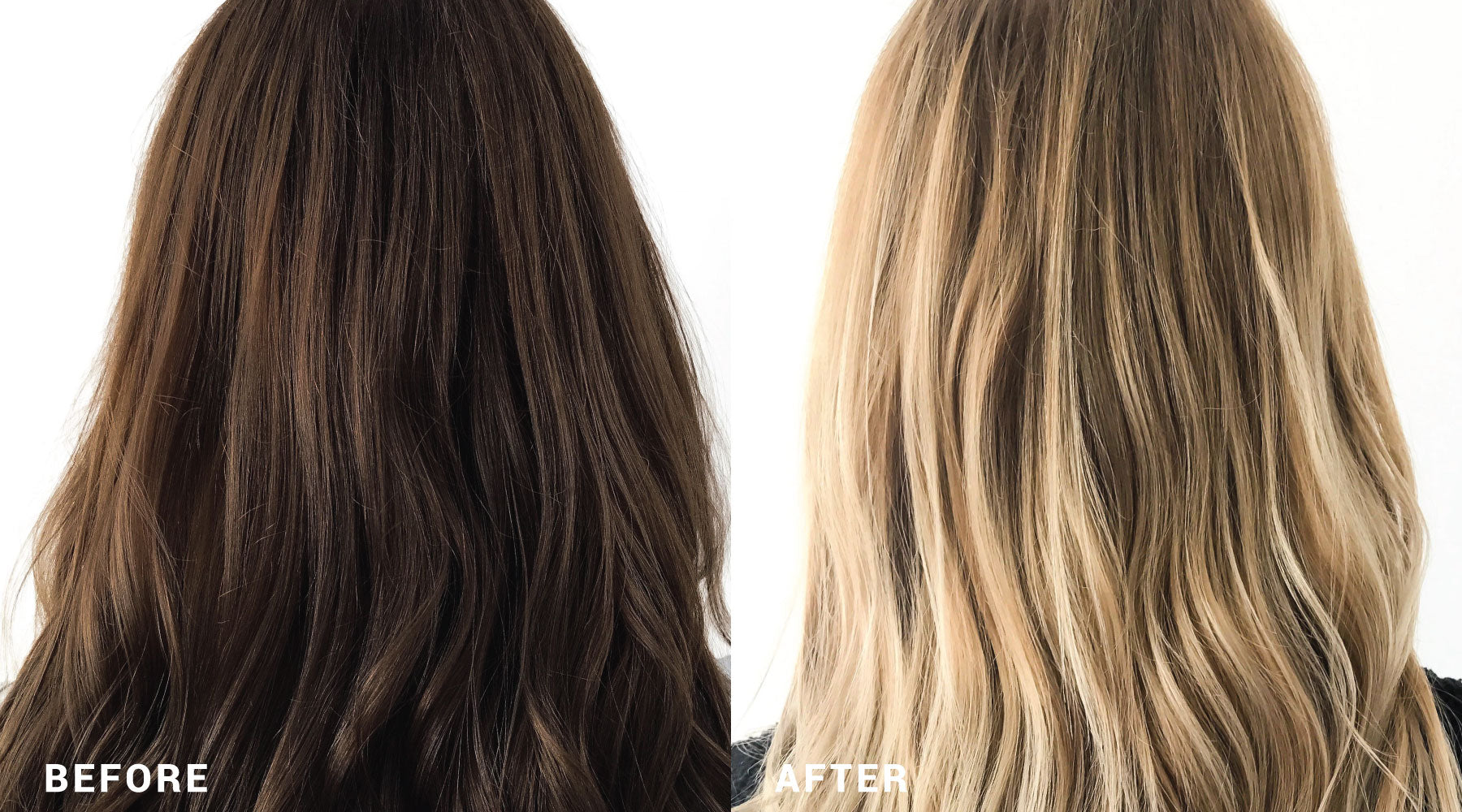
Many individuals have documented their journeys of lightening hair without bleach, providing inspiring visual evidence of effective techniques. Common methods include:
- Honey and Cinnamon: One user reported a transformation from dark brown to a warm, golden hue using a mixture of honey, cinnamon, and olive oil, showing visible lightening after three applications.
- Lemon Juice: Another individual lightened their naturally dark hair by 2-3 shades over the summer months by applying lemon juice and exposing their hair to sunlight, achieving a sun-kissed look.
- Chamomile Tea: A case study involved a person with medium brown hair who used chamomile tea regularly, resulting in a subtle, lighter shade and enhanced shine.
Diverse Hair Types and Results
Transformations can vary significantly depending on hair type and texture. Here are some observations:
- Straight Hair: Users with straight hair often find that methods like lemon juice and honey yield faster results, as the lightening agents can evenly distribute.
- Curly Hair: Curly-haired individuals may require more frequent applications and leave-in treatments to achieve visible lightening, with some reporting a longer timeline for desired results.
- Coily Hair: Those with coily hair typically experience the most gradual changes, but many have noted improved moisture and shine alongside color changes when using natural lightening methods.
Challenges Faced and Overcoming Them
While many have achieved success, challenges are common. Users often faced:
- Inconsistent Results: Some reported uneven lightening, particularly with homemade mixtures. Regular and methodical application improved outcomes.
- Time Commitment: Many methods require multiple applications over weeks. Users noted that patience and consistency were key to achieving their goals.
- Hair Health Concerns: Concerns about potential damage led some to prioritize moisturizing treatments alongside lightening methods, which ultimately helped maintain hair integrity.
Community Experiences and Tips
Online communities have shared invaluable insights and tips that enhance the lightening process:
- Mixing Ingredients: Combining natural ingredients, such as coconut oil with lemon juice, can help mitigate dryness while lightening.
- Sun Exposure: Users recommend combining lightening treatments with sun exposure to amplify effects, especially during the summer.
- Regular Conditioning: Post-lightening conditioning treatments are essential to keep hair healthy and vibrant.
Lightening hair without bleach can be a rewarding journey, yielding vibrant, natural results while maintaining hair health. For those considering this approach, focusing on consistent application, understanding individual hair type responses, and utilizing community resources can significantly enhance the experience and outcomes.
For practical application, individuals should start by selecting a method suitable for their hair type, conduct a patch test, and set a schedule for consistent application. Documenting progress through photos can also provide motivation and clarity on the effectiveness of chosen methods.
Frequently Asked Questions
What are the best natural ways to lighten hair without bleach?
Effective natural methods to lighten hair include using lemon juice, chamomile tea, honey, and cinnamon. These ingredients can enhance hair color gradually without the harsh effects of bleach.
How long does it take to lighten hair without bleach?
Lightening hair without bleach typically requires multiple applications over several weeks for noticeable results. The process is gradual, allowing for healthier hair while achieving the desired shade.
Is it safe to lighten hair without bleach?
Lightening hair without bleach is generally safer as it uses natural ingredients that are less damaging. However, individual reactions can vary, so it’s advisable to perform a patch test before applying any treatment.
Can you lighten dark hair without bleach?
Yes, it is possible to lighten dark hair without bleach, although results may be less dramatic compared to using bleach. Natural methods like lemon juice or honey can provide subtle lightening effects over time.
What are the costs involved in lightening hair without bleach?
The costs can vary, typically ranging from minimal expenses for natural ingredients at home to higher prices for salon treatments using non-bleach products. DIY methods are generally more budget-friendly.
How can I lighten my hair at home without bleach?
To lighten hair at home without bleach, try applying a mixture of lemon juice and conditioner or using chamomile tea as a rinse. Regular application combined with sun exposure can enhance the lightening effect.
What are common mistakes when lightening hair without bleach?
Common mistakes include overusing lightening agents, which can lead to dryness, and failing to test products on a small section of hair first. Additionally, not allowing enough time for the natural methods to work can result in disappointment.
Final Thoughts on how to lighten hair without bleach
Lightening hair without bleach is not only achievable but can also be done safely using natural methods that nourish the hair. By understanding the science behind these techniques and employing effective natural ingredients, individuals can achieve the desired lighter shade while maintaining hair health.
For immediate action, consider starting a lightening regimen with chamomile tea or honey, applied consistently over several weeks to gradually enhance your hair color without compromising its integrity.
Embracing these natural alternatives not only elevates your hair color but also promotes healthier hair overall, making it a vital consideration for anyone looking to transform their look sustainably.
Leave a Reply