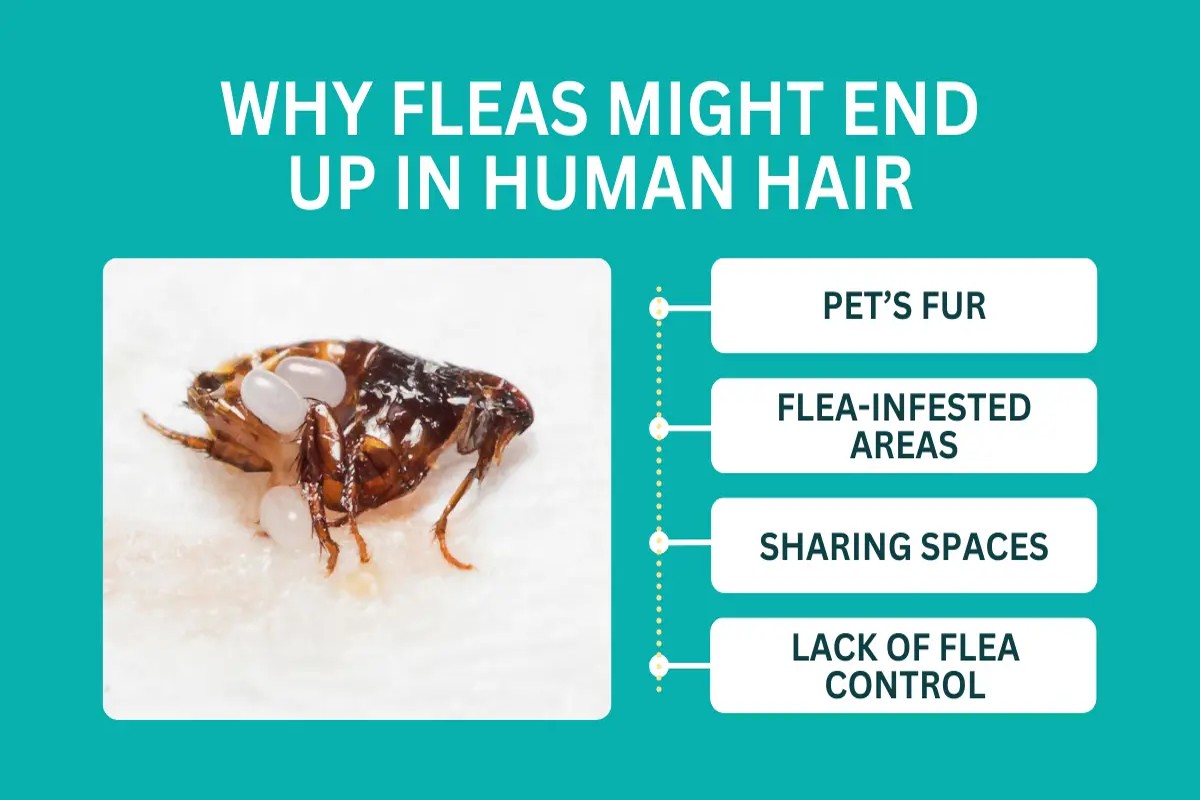
Will fleas live in human hair? Fleas do not typically inhabit human hair; instead, they prefer the fur and hair of animals, particularly pets such as dogs and cats. While fleas can jump onto humans and bite, they do not establish their nests or reproduce in human hair.
Understanding flea behavior is crucial for pet owners and anyone concerned about pest infestations. Misconceptions about fleas can lead to ineffective treatment strategies, resulting in prolonged discomfort for both humans and animals.
This article will clarify the relationship between fleas and humans, discuss their preferred habitats, and provide effective prevention and treatment methods to manage flea infestations.
Can fleas live in human hair?
Fleas do not typically live in human hair, as they prefer animal hosts, particularly dogs and cats. However, they can briefly attach to humans if they are in close proximity to an infested pet or environment. This attachment is usually temporary, and fleas do not reproduce on human hosts.
Fleas are primarily adapted to the fur of their preferred hosts, where they can easily hide and access blood meals. While they may jump onto humans, they tend to quickly seek out more suitable environments, such as animal fur or bedding. The human scalp lacks the dense fur that fleas require for shelter and breeding, making it an unsuitable habitat for long-term infestation.
- Host Preference: Fleas are obligate blood-feeding ectoparasites that thrive on warm-blooded animals, with a strong preference for pets.
- Temporary Attachment: Fleas may latch onto humans when they are in the vicinity of infested animals but will quickly move on.
- Reproduction and Lifecycle: Fleas cannot reproduce on humans; their lifecycle is heavily dependent on animal hosts.
Infestations can occur in homes where pets are present, leading to potential human contact with fleas. Regular grooming and veterinary care for pets can help reduce the likelihood of flea infestations in the home environment. Additionally, maintaining cleanliness in living areas can further minimize the risk of fleas transferring to humans.
Expert Tip: If fleas are present in a home, it is crucial to treat both the pets and the environment simultaneously. This dual approach ensures that any remaining eggs and larvae are effectively eradicated, preventing re-infestation.
How do I know if I have fleas in my hair?
Fleas do not typically live in human hair, but they can bite humans and cause irritation. If you suspect fleas, look for signs of bites and check your scalp for flea-related debris. Here are steps to identify whether you have fleas in your hair or if flea bites are present.
- Inspect your scalp and hair: Use a fine-toothed comb to carefully examine your scalp and hair, particularly at the nape of the neck and behind the ears. Look for tiny black specks, which could be flea droppings or fleas themselves.
- Check for bite marks: Flea bites often appear as small, red, itchy welts, typically clustered in groups. Common areas for bites include the ankles, lower legs, and sometimes the scalp.
- Assess itching and irritation: If you experience intense itching on your scalp, it may indicate flea bites or an allergic reaction. Monitor the frequency and severity of itching.
- Look for signs in your environment: Examine your living space for fleas, such as pets scratching or flea dirt on bedding. If fleas are present in your home, they may have bitten you as well.
- Consider household and pet factors: If you have pets, check them for fleas and consult a veterinarian for treatment options. Fleas often travel from pets to humans, so addressing the source is essential.
Fleas prefer to reside on furry animals rather than humans, but their bites can still cause discomfort. If you notice signs of fleas or flea bites, it is advisable to take immediate action to reduce the infestation and alleviate symptoms.
Expert Tip: Consider using a flea comb on your pets regularly and vacuuming your home frequently to minimize flea populations. Treating pets and the living environment concurrently will enhance effectiveness against fleas.
What are the best treatments for fleas on humans?
The most effective treatments for fleas on humans involve a combination of topical solutions and preventive measures. While fleas primarily infest pets, they can bite humans, causing discomfort and irritation. Addressing flea bites promptly and preventing further infestations is essential for relief and control.
To effectively treat flea bites and prevent future occurrences, consider the following best practices:
- Topical Treatments: Apply over-the-counter creams or ointments containing hydrocortisone to alleviate itching and reduce inflammation. Calamine lotion can also provide relief from irritation.
- Antihistamines: Oral antihistamines such as diphenhydramine can help manage allergic reactions to flea bites. Consult a healthcare provider for appropriate dosage and suitability.
- Shower and Clean Clothing: Immediately shower with soap and water after suspected flea exposure. Wash clothing and bedding in hot water to eliminate any fleas or eggs present.
- Flea Prevention: Regularly treat pets with veterinarian-recommended flea control products. This includes topical treatments, oral medications, or flea collars, which can significantly reduce the risk of flea bites on humans.
- Home Cleaning: Vacuum carpets, upholstery, and any areas where pets frequent. Dispose of vacuum bags immediately to prevent re-infestation.
Addressing flea bites quickly can reduce discomfort and prevent secondary infections. Consistent preventive measures are crucial in breaking the flea life cycle, ensuring a flea-free environment.
Expert Tip: For persistent flea issues, consider consulting a pest control professional. They can assess your environment and recommend targeted treatments that go beyond basic cleaning and pet care.
Are fleas harmful to humans?
Fleas can pose several health risks to humans, primarily through their bites and potential to transmit diseases. While fleas do not live in human hair, they can bite humans, leading to discomfort and allergic reactions. In some cases, fleas may also transmit pathogens responsible for diseases.
Flea bites typically result in itchy, red welts, which can cause significant irritation. For individuals with sensitive skin or allergies, these bites can lead to secondary infections due to scratching. The primary health risks associated with fleas include the transmission of certain diseases, which can vary based on geographic location and flea species.
- Flea-borne Typhus: Caused by Rickettsia bacteria, this disease is transmitted through flea feces. Symptoms include fever, headache, and rash.
- Cat Scratch Fever: Although primarily associated with cat scratches, fleas can play a role in its transmission. The bacteria Bartonella henselae can be spread through flea bites.
- Tapeworms: Fleas can carry the larval form of tapeworms, which can infect humans if ingested accidentally, often through contaminated hands or surfaces.
The severity of the health risks associated with flea bites largely depends on individual susceptibility and the presence of underlying health conditions. In areas where flea-borne diseases are prevalent, the risk of transmission increases, making flea control a crucial aspect of public health.
Regularly treating pets for fleas and maintaining a clean living environment can significantly reduce the likelihood of flea infestations and their associated health hazards. Individuals should seek medical attention if they experience severe reactions to flea bites or suspect exposure to flea-borne diseases.
Implementing integrated pest management strategies, including environmental controls and pet treatments, can effectively minimize flea populations and associated health risks.
How long can fleas survive without a host?
Fleas can survive without a host for approximately two weeks to several months, depending on environmental conditions. In optimal conditions, such as humidity and temperature, fleas may live up to several months without feeding. However, the lack of a host significantly impacts their survival and reproductive capabilities.
The flea life cycle consists of four stages: egg, larva, pupa, and adult. Adult fleas require a blood meal from a host to reproduce. If they are unable to find a host, adult fleas will eventually die, but their resilience allows them to survive longer in favorable environments. For instance, humidity levels above 50% and temperatures between 70°F and 85°F can extend their survival period. Conversely, extreme temperatures or low humidity can shorten their lifespan.
During the pupal stage, fleas can remain dormant for extended periods, waiting for a suitable host to emerge. This dormancy can last for months, allowing them to survive in environments without a host. Once a host is detected through vibrations or body heat, adult fleas can quickly emerge from the pupal stage to feed. This ability to remain dormant makes flea infestations particularly challenging to eradicate, as dormant fleas can re-emerge when conditions are favorable.
Expert Tip: Employing integrated pest management strategies, including regular vacuuming and treating areas where pets frequent, can help disrupt the flea life cycle and reduce their chances of survival without a host.
What attracts fleas to humans?
Fleas are attracted to humans primarily due to body heat, carbon dioxide, and certain odors. These factors signal to fleas that a potential host is nearby, making humans viable targets for feeding.
For example, consider a scenario where a person is sitting in a warm room. The body heat radiating from their skin creates a warm microenvironment that is appealing to fleas. Simultaneously, as the person breathes, they exhale carbon dioxide, a key attractant for fleas. This combination of warmth and carbon dioxide can draw fleas from nearby pets or infested areas, leading them to jump onto the person.
In addition to heat and carbon dioxide, fleas are also attracted to specific scents. Humans naturally produce odors from sweat and skin oils, which can be particularly enticing to fleas. In environments where pets are present, fleas may migrate towards humans as they detect these cues, especially if the pets are close by. This behavior emphasizes the need for effective flea control measures in households with both pets and humans.
Expert Tip: Maintaining a clean living environment, including regular vacuuming and washing of bedding, can significantly reduce the presence of fleas and their attractants, thereby minimizing their chances of infesting human hosts.
How to prevent fleas from jumping on me?
To prevent fleas from jumping on you, implement measures that reduce your exposure to these pests. Fleas are typically found in environments where infested pets reside, so controlling their presence is key. Taking proactive steps can significantly lower the risk of flea bites.
- Keep your pets treated. Regularly apply veterinarian-recommended flea treatments to pets. This includes topical treatments, oral medications, and flea collars to minimize the chances of fleas infesting your home.
- Maintain cleanliness. Vacuum your home frequently, especially in areas where pets spend time. Focus on carpets, rugs, and upholstery to remove flea eggs and larvae, which helps break the flea life cycle.
- Wash bedding regularly. Wash your pet’s bedding and your own linens in hot water weekly. This not only eliminates fleas but also helps remove any eggs or larvae that may be present.
- Use flea deterrents in your home. Consider using flea sprays or powders in your living areas. Look for products that specifically target fleas and are safe for use around pets and humans.
- Avoid close contact with infested animals. If you know a pet is infested with fleas, limit physical contact until they are treated. Fleas can jump onto clothing or skin from pets, leading to bites.
In addition to these measures, consider consulting a pest control professional if flea infestations persist. They can provide targeted treatments to eliminate fleas from your home effectively.
Regularly monitoring your pets and home for signs of fleas is crucial. Early detection allows for quicker intervention, minimizing the risk of fleas jumping onto you.
Can fleas lay eggs in human hair?
No, fleas do not lay eggs in human hair. Fleas primarily reproduce in environments that provide suitable conditions for their larvae, such as bedding, carpets, and outdoor areas where pets may frequent.
Flea eggs are typically laid in the environment rather than directly on a host. The female flea can lay around 20 to 50 eggs per day, which then fall off the host into surrounding areas. These eggs are not adapted to adhere to human hair, as they require specific conditions for hatching and development.
- Preferred Environments: Fleas favor warm, dark, and humid environments for laying eggs, such as pet bedding, upholstery, and soil.
- Lifecycle Considerations: After hatching, flea larvae thrive on organic debris, including flea feces, which is not found in human hair.
- Host Behavior: While fleas may jump onto humans for a blood meal, they do not stay long enough to lay eggs, as they prefer to remain on their primary hosts, such as cats and dogs.
Flea infestations can occur in homes with pets, and understanding their reproductive habits can aid in effective control measures. Regular cleaning and treatment of pets and their environments can significantly reduce flea populations.
Expert Tip: Implementing a multi-faceted approach, including vacuuming, washing pet bedding, and using flea control products, is crucial for managing flea infestations effectively.
Understanding Flea Behavior and Habitats
This section examines the biology and habitats of fleas, highlighting their preferences for specific hosts and environmental conditions. Understanding these factors is essential for effective flea control and prevention measures.
Flea Adaptations for Host Attachment
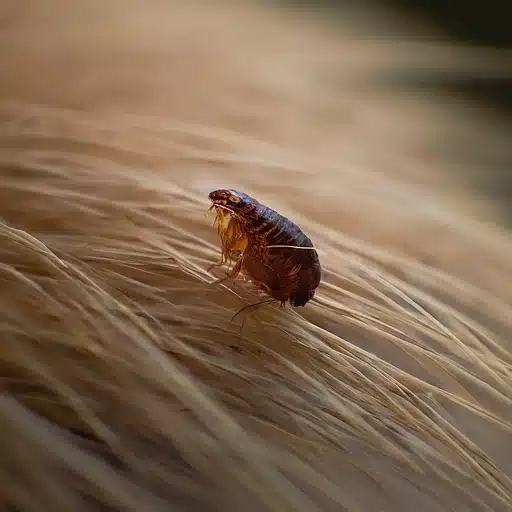
Fleas are primarily adapted to live on animals, particularly mammals. Their anatomy plays a crucial role in their ability to jump and attach to hosts. A flea’s body is flattened laterally, allowing it to navigate through the dense fur of its hosts. Their specialized mouthparts are designed for piercing skin and consuming blood, which is essential for their survival.
Environmental Conditions Favoring Fleas
Fleas thrive in warm, humid environments that support their life cycle. Ideal conditions typically include temperatures between 65°F and 80°F (18°C to 27°C) and humidity levels of 70-85%. These conditions enhance flea reproduction and survival rates. Fleas are often found in areas where temperatures and humidity levels are consistently favorable, such as indoors during winter months or in shaded outdoor areas during summer.
Host Preferences and Species Variation
Different flea species exhibit specific host preferences, which influence their likelihood of infesting humans. For instance, the common cat flea (Ctenocephalides felis) primarily infests cats and dogs, while the human flea (Pulex irritans) can infest humans. While fleas can jump onto humans, they do not prefer human hair as a habitat due to the lack of optimal conditions for survival and reproduction.
- Cat Flea: Commonly found on cats and dogs, prefers warm mammals.
- Dog Flea: Similar to cat fleas but primarily infests dogs.
- Human Flea: Rarely found; prefers humans only under specific conditions.
Flea Behavior and Infestation Patterns
Fleas exhibit behaviors that enhance their chances of finding suitable hosts. They are attracted to warmth, movement, and carbon dioxide, which signals the presence of a potential host. Once on a host, fleas can quickly reproduce, leading to infestations if not controlled. Their lifecycle includes eggs, larvae, pupae, and adults, with each stage requiring specific conditions to thrive.
Common Misconceptions About Fleas
A prevalent misconception is that fleas will live in human hair. While fleas can land on humans, they do not establish habitats in human hair due to the lack of suitable conditions for their lifecycle. Most flea species prefer fur or feathers found on animals, which provide better protection and warmth. Furthermore, fleas are more likely to remain on their primary hosts, where they can feed and reproduce more effectively.
Practical Applications for Flea Control
To mitigate flea infestations, homeowners should focus on the following actions:
- Regularly bathe and groom pets to reduce flea populations.
- Use veterinarian-recommended flea prevention treatments.
- Maintain clean living spaces to eliminate flea eggs and larvae.
- Monitor for signs of fleas on pets and in the home to take prompt action.
Understanding flea behavior and habitats informs effective management strategies, reducing the likelihood of infestations in both pets and humans.
How to Identify and Treat Flea Infestations
This section outlines the key indicators of flea infestations in pets and homes, along with effective treatment options. Recognizing these signs early can prevent extensive damage and discomfort for both pets and humans.
Signs of Flea Infestations in Pets
Fleas are most commonly found on pets, and certain signs can indicate their presence:
- Excessive scratching or biting: Pets may groom themselves excessively due to itchiness caused by flea bites.
- Flea dirt: This dark speck resembles pepper and is actually flea feces, often found in a pet’s fur.
- Hair loss: Flea infestations can lead to noticeable hair loss in patches where pets have scratched or bitten.
- Skin irritation: Red, inflamed skin may develop as a reaction to flea saliva.
Signs of Flea Infestations in Homes
In addition to pets, fleas can infest living spaces. Look for the following signs:
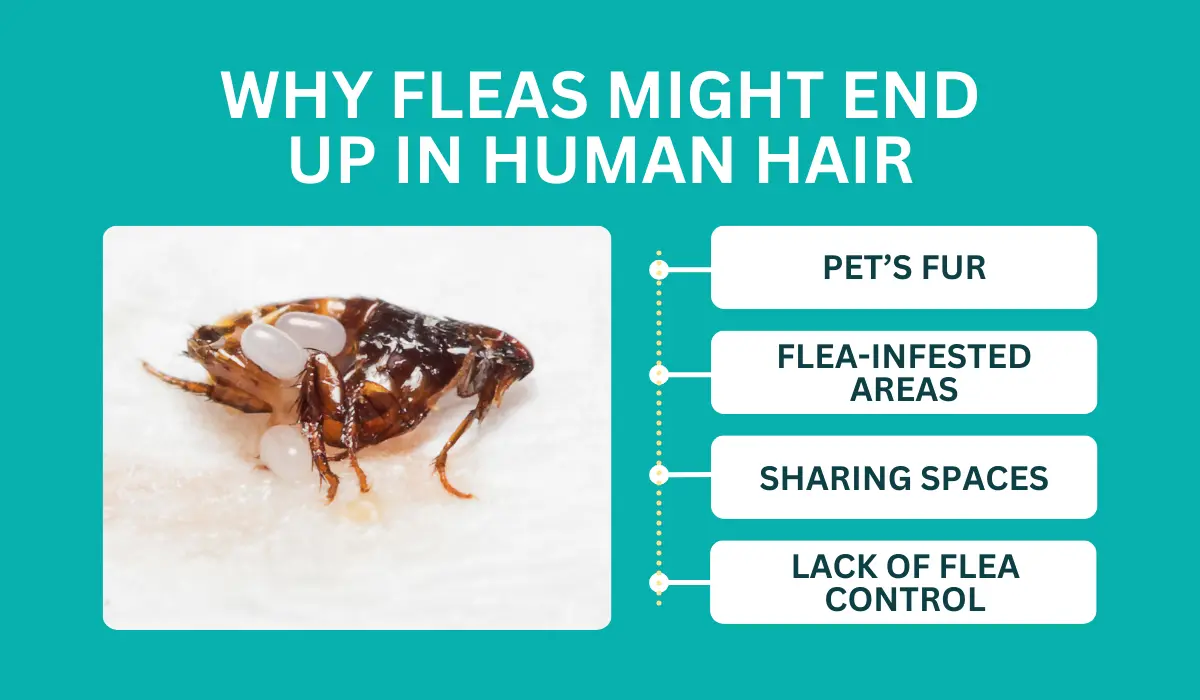
- Flea eggs: Tiny, white, and oval-shaped, flea eggs can be found in areas where pets rest.
- Adult fleas: Adult fleas may jump off pets and onto carpets, bedding, and furniture.
- Flea bites: Humans may experience itchy, red welts, often found on the ankles and lower legs.
Effective Home Treatments and Pest Control Measures
Addressing flea infestations requires a multifaceted approach:
- Wash bedding: Clean all pet bedding, blankets, and any fabric that may harbor fleas in hot water to kill eggs and larvae.
- Vacuum thoroughly: Vacuum carpets, rugs, and upholstery to remove fleas and their eggs. Dispose of the vacuum bag or empty the canister outside.
- Use flea sprays or powders: Apply products specifically designed to kill fleas in the home. Ensure they are safe for pets and humans.
- Consider flea foggers: These can be effective for larger infestations but require careful use according to instructions.
Natural Remedies versus Chemical Treatments for Fleas
Homeowners often debate between natural remedies and chemical treatments. Natural options include:
- Diatomaceous earth: This powder can be sprinkled on carpets and pet bedding, causing dehydration in fleas.
- Essential oils: Oils like lavender and peppermint may repel fleas but should be used cautiously around pets.
Chemical treatments, while potentially more effective, should be chosen with care. Look for EPA-approved products and always follow application guidelines.
When to Seek Professional Pest Control Services
If home treatments fail to eliminate fleas, or if infestations are severe, professional pest control services may be necessary. Experts can assess the situation and apply targeted treatments that are often more potent than over-the-counter options.
Nuance / Expert Layer
A common misconception is that fleas cannot live in human hair. While fleas prefer animal hosts, they can occasionally jump onto humans and bite. Fleas do not thrive in human hair due to differences in hair structure and body temperature. However, they may cause discomfort if they bite. Understanding this distinction can help in managing both pet and human flea issues effectively.
Practical Application
To effectively manage flea infestations, regularly inspect pets for signs of fleas, maintain a clean living environment, and implement preventive measures. If signs of fleas appear, act swiftly by washing bedding, vacuuming thoroughly, and applying appropriate treatments. If infestations persist, consider consulting a pest control professional for a comprehensive solution.
Health Risks Associated with Flea Bites
This section examines the health implications of flea bites for both humans and pets, highlighting allergic reactions, disease transmission, and long-term effects. Understanding these risks is essential for effective prevention and management.
Allergic Reactions and Symptoms
Flea bites can provoke a range of allergic reactions in humans. The most common responses include localized itching, redness, and swelling at the bite site. Some individuals may experience more severe reactions, such as hives or even anaphylaxis, although this is rare. Pets, particularly those with sensitive skin, may develop flea allergy dermatitis, resulting in intense scratching, hair loss, and secondary infections.
Diseases Transmitted by Fleas
Fleas are vectors for several diseases that can affect both humans and pets. Notable diseases include:
- Typhus: Caused by Rickettsia bacteria, typhus can lead to fever, headaches, and rash in infected individuals.
- Tapeworms: Fleas can carry the larval stage of tapeworms, which can infect pets and, in rare cases, humans who accidentally ingest infected fleas.
- Bartonellosis: Also known as cat scratch fever, this disease can be transmitted through flea bites or scratches from infected cats.
These diseases highlight the potential for fleas to pose significant health risks beyond mere discomfort.
Long-Term Effects of Flea Infestations
Chronic flea infestations can lead to more than just immediate health issues. Prolonged exposure may result in anemia, particularly in young or small animals, due to blood loss from repeated bites. Additionally, the stress caused by constant itching and irritation can lead to behavioral changes in pets, including anxiety and aggression. In humans, ongoing flea bites can complicate pre-existing skin conditions and contribute to sleep disturbances due to discomfort.
Preventive Health Measures
Effective prevention is critical to minimize health risks associated with flea bites. Recommended measures include:
- Regular pet treatment: Use veterinarian-recommended flea control products for pets, including topical treatments, collars, and oral medications.
- Home sanitation: Maintain a clean environment by vacuuming carpets, furniture, and pet bedding regularly to reduce flea populations.
- Yard maintenance: Keep grass trimmed and remove debris, as outdoor areas can harbor fleas.
These strategies not only protect pets but also reduce the likelihood of fleas infesting human living spaces.
Many misconceptions exist regarding the likelihood of flea infestations in human hair. While fleas primarily prefer fur-covered animals, they can occasionally jump onto humans, especially in environments with heavy infestations. However, they do not typically establish themselves in human hair due to the absence of a conducive environment for breeding and survival. Understanding this distinction can help mitigate unnecessary fear while emphasizing the importance of prevention and control measures.
To effectively address the risks associated with flea bites, implement regular preventive measures for both pets and homes. Use veterinarian-approved flea treatments, maintain cleanliness in living spaces, and educate household members about flea awareness. By taking these actions, the likelihood of flea infestations can be significantly reduced, safeguarding the health of both humans and pets.
Best Practices for Flea Prevention at Home
This section outlines effective strategies for preventing flea infestations in homes and on pets. Implementing these practices is essential for maintaining a flea-free environment.
Regular Grooming and Bathing of Pets
Regular grooming and bathing of pets significantly reduce the risk of flea infestations. Frequent brushing helps remove existing fleas and their eggs from your pet’s fur. Bathing pets with a veterinarian-recommended flea shampoo can eliminate fleas effectively. Aim to groom your pets at least once a week and bathe them monthly, or more often if they spend a lot of time outdoors.
Maintaining a Clean Home Environment
A clean home is crucial for deterring fleas. Fleas thrive in carpets, upholstery, and bedding, where they can lay eggs. Regular vacuuming of carpets, rugs, and furniture should occur at least once a week. Pay special attention to corners, under furniture, and pet sleeping areas. Dispose of the vacuum bag or empty the canister immediately to prevent any trapped fleas from re-entering your home.
- Wash pet bedding weekly in hot water.
- Regularly clean and disinfect floors and surfaces.
- Seal any cracks or crevices in walls and floors to limit flea entry.
Seasonal Considerations for Flea Prevention
Flea populations often surge during warmer months, making seasonal prevention strategies vital. During spring and summer, fleas are more active, so increased vigilance is necessary. Consider using flea prevention products during these months, even if your pet is indoor-only. In colder months, fleas may still survive indoors, so continue regular cleaning and monitoring.
Using Flea Preventative Products Effectively
Utilizing flea preventative products can be an effective strategy against infestations. Options include topical treatments, oral medications, and flea collars. Consult a veterinarian to determine the most suitable product for your pet’s age, weight, and health condition. Apply and administer products as directed to ensure maximum effectiveness.
- Choose a product with proven effectiveness against fleas.
- Follow the recommended application schedule.
- Monitor your pets for any adverse reactions to treatments.
Many pet owners mistakenly believe that fleas only affect outdoor animals. However, fleas can easily hitch a ride indoors on clothing or shoes. This misconception can lead to overlooked infestations, emphasizing the importance of consistent preventative measures.
To implement these strategies, establish a routine for grooming and cleaning. Create a checklist for vacuuming and washing bedding weekly. Schedule veterinary visits to discuss and obtain flea prevention products. By being proactive, you can significantly reduce the likelihood of fleas entering your home and affecting both pets and human occupants.
Frequently Asked Questions
Can fleas live in human hair?
Fleas do not typically live in human hair, as they prefer fur-covered hosts like pets. However, they can jump onto humans and bite, leading to irritation.
How do I know if I have fleas in my hair?
Signs of fleas in your hair may include itchy, red bites on the scalp or neck, along with visible flea dirt or adult fleas. A thorough inspection with a fine-toothed comb can help identify any presence of fleas.
What are the best treatments for fleas on humans?
Effective treatments for fleas on humans include using anti-itch creams, oral antihistamines, and washing hair with a flea shampoo. It’s also important to treat infested pets and clean living areas to prevent re-infestation.
Are fleas harmful to humans?
Fleas can cause skin irritation and allergic reactions in humans, but they are not known to transmit diseases. However, their bites can lead to secondary infections if scratched excessively.
How long can fleas survive without a host?
Adult fleas can survive without a host for several days to a week, while flea eggs and larvae can remain dormant for months in suitable conditions. This resilience makes them difficult to eliminate completely.
What attracts fleas to humans?
Fleas are attracted to humans primarily by body heat, carbon dioxide, and movement. They are more likely to jump onto a person if they have been in close contact with infested animals.
How to prevent fleas from jumping on me?
To prevent fleas from jumping onto you, avoid direct contact with infested pets and keep your living space clean. Using flea repellent sprays and wearing light-colored clothing can also help deter fleas.
Can fleas lay eggs in human hair?
Fleas do not lay eggs in human hair; they typically deposit eggs in the host’s environment, such as bedding or carpets. The eggs then hatch into larvae that can infest areas where humans and pets spend time.
Final Thoughts on will fleas live in human hair
Fleas are primarily adapted to live on animals rather than humans, making it unlikely for them to thrive in human hair. However, human hair can serve as a temporary refuge for fleas, particularly in the presence of an infestation, leading to potential discomfort and health risks from bites.
To effectively address any concerns regarding fleas, individuals should conduct a thorough inspection of their living environment and pets, followed by implementing appropriate flea control methods, such as professional pest treatment or reliable over-the-counter solutions.
Understanding the behavior and risks associated with fleas is crucial for maintaining both personal comfort and health, as neglecting an infestation can lead to further complications.
Leave a Reply