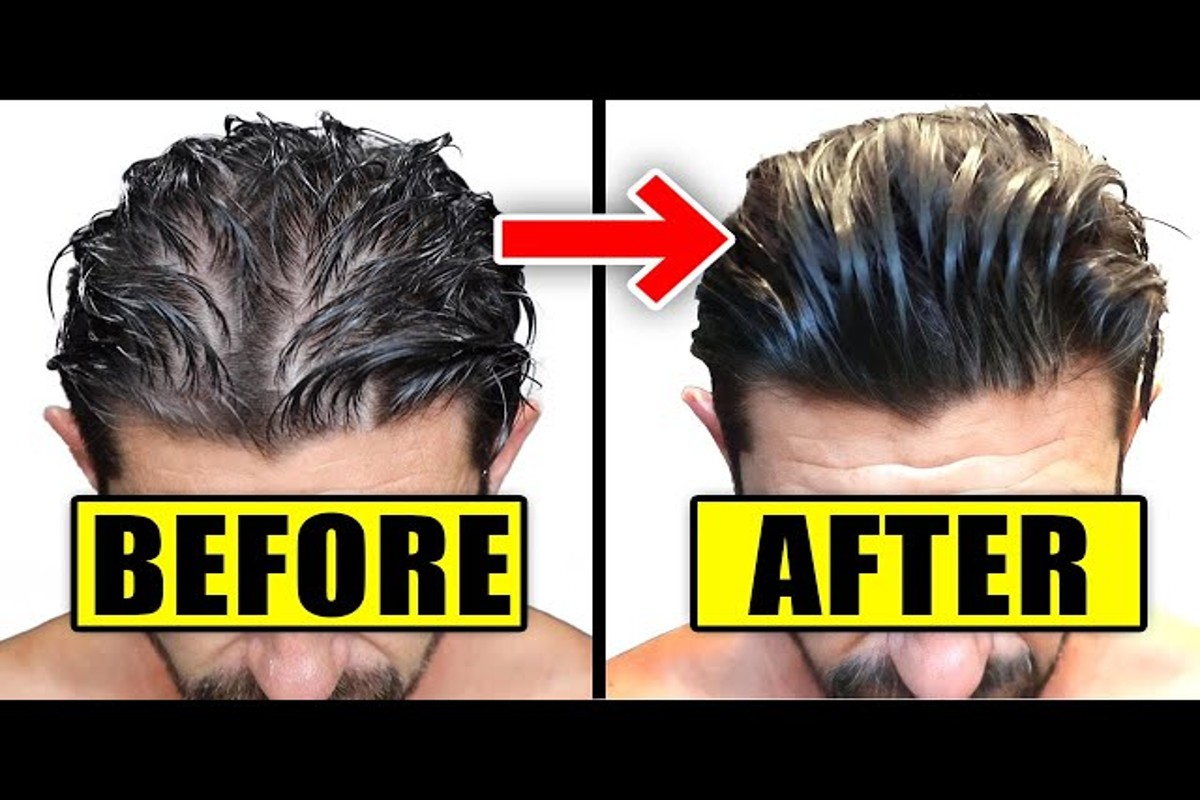
How to make dense hair involves a combination of dietary improvements, use of specialized products, and targeted treatments. A balanced diet rich in vitamins, volumizing products, and scalp treatments can significantly enhance hair density and promote growth.
Understanding how to achieve dense hair is crucial for individuals experiencing thinning or fine hair. Neglecting the right techniques and products can lead to continued hair loss or unsatisfactory results, impacting overall confidence and appearance.
This article outlines specific dietary recommendations, effective volumizing products, and scalp treatment options that stimulate hair growth, providing a comprehensive guide to achieving denser hair.
What are the best products for making hair dense?
Products specifically formulated to enhance hair density include shampoos, conditioners, and serums that promote volume and thickness. Choosing products with the right ingredients can significantly impact hair fullness and overall health. Consider formulations that nourish the scalp and strengthen hair strands for optimal results.
When selecting products for achieving denser hair, look for those that contain ingredients known for their volumizing and strengthening properties. These can help improve hair texture and support growth. Below are some of the best practices regarding specific products:
- Volumizing Shampoo: Choose a sulfate-free volumizing shampoo that contains natural ingredients like biotin, keratin, or panthenol. These components not only cleanse the hair but also add body and thickness.
- Thickening Conditioner: Use a conditioner that is lightweight yet moisturizing. Look for formulations with proteins and botanical extracts, as they help coat the hair strands and give the illusion of increased density without weighing hair down.
- Hair Growth Serum: Incorporate a hair growth serum or tonic enriched with ingredients like minoxidil or caffeine. These serums stimulate blood circulation to the scalp, promoting hair growth and density over time.
- Leave-In Treatments: Opt for leave-in conditioners or styling creams that provide additional moisture and hold. Products containing argan oil or shea butter can enhance shine and texture while also contributing to a fuller appearance.
- Scalp Treatments: Consider scalp treatments that exfoliate and nourish the scalp. Ingredients like tea tree oil or salicylic acid can help remove buildup and create a healthier environment for hair growth.
For optimal results, combine these products with a consistent hair care routine and a balanced diet rich in vitamins and minerals that support hair health. Regularly trimming split ends also helps maintain the appearance of thicker hair.
Utilizing a multi-faceted approach with these targeted products can significantly enhance hair density. Pay attention to how your hair responds to different formulations and adjust your routine accordingly for the best outcomes.
How long does it take to make hair denser?
Typically, it takes between three to six months to see visible results in hair density. This timeline can vary significantly based on the methods employed, individual hair growth rates, and overall health. Consistency in treatments and dietary changes plays a crucial role in achieving denser hair.
Several factors influence the time it takes to enhance hair density. First, the method used is paramount. For instance, topical treatments like minoxidil may show results in as little as three months, while dietary changes or supplements that promote hair health could take four to six months for noticeable effects. Additionally, individual hair growth cycles—averaging about half an inch per month—can affect how quickly new, denser hair emerges.
Another critical factor is the underlying health of the individual. Nutritional deficiencies, hormonal imbalances, and genetics can impact hair growth rates and overall hair health. Those who incorporate a balanced diet rich in vitamins and minerals, particularly biotin, zinc, and omega-3 fatty acids, may experience faster results. Regular scalp massages and proper hair care routines can also enhance blood circulation, potentially accelerating the process.
Expert Tip: For optimal results, combine multiple approaches—such as topical treatments and dietary enhancements—while ensuring that any underlying health concerns are addressed. Regular consultations with a dermatologist or a trichologist can provide personalized recommendations tailored to individual needs.
Can diet affect hair density?
Yes, diet can significantly affect hair density. Nutritional deficiencies can lead to hair thinning and loss, while a balanced diet rich in specific nutrients can promote thicker, denser hair. Key nutrients work together to support hair follicle health and stimulate growth.
To enhance hair density through diet, consider incorporating the following essential nutrients:
- Protein: Hair is primarily made of a protein called keratin. Consuming adequate amounts of protein from sources like lean meats, fish, eggs, and legumes is crucial for hair strength and growth.
- Iron: Iron deficiency can lead to hair loss. Include iron-rich foods such as spinach, lentils, and red meat in your diet to improve circulation and oxygen supply to hair follicles.
- Omega-3 Fatty Acids: These healthy fats nourish the hair and support scalp health. Sources like fish, flaxseeds, and walnuts can help maintain hair density and prevent dryness.
- Vitamins A and C: Both vitamins play a role in sebum production, which keeps hair moisturized. Consume carrots, sweet potatoes, citrus fruits, and leafy greens for these essential vitamins.
- B Vitamins: B vitamins, especially biotin, are known to improve hair health. Whole grains, nuts, and avocados are excellent sources of B vitamins that can promote hair density.
Hydration is also critical for overall health, including hair health. Drinking sufficient water helps maintain moisture balance and supports nutrient transport to hair follicles.
For optimal results, consider consulting a healthcare professional or a nutritionist to tailor a diet plan specifically for your hair health needs. Individual requirements may vary based on genetics, age, and overall health.
Consistently incorporating these nutrients into your diet, along with a holistic approach to hair care, can significantly enhance hair density.
How does stress impact hair density?
Stress can significantly affect hair density by leading to hair loss, which may decrease overall thickness. When the body experiences stress, it can trigger a condition called telogen effluvium, causing hair follicles to enter a resting phase prematurely. This hair loss can result in a noticeable reduction in hair density over time.
Stress impacts hair density differently compared to factors such as genetics and diet. While genetics determines the natural thickness and growth patterns of hair, diet influences the health and vitality of hair follicles. Below is a comparison of how these three factors affect hair density:
- Stress: Leads to temporary hair loss by pushing hair follicles into the telogen phase, resulting in thinning hair. Stress-induced hair loss is often reversible once stress levels decrease.
- Genetics: Determines hair density from birth, influencing the number of hair follicles and their growth cycles. Genetic predispositions can lead to conditions such as male or female pattern baldness, which are not reversible.
- Diet: Affects hair health by providing essential nutrients. Deficiencies in vitamins like biotin, iron, and zinc can weaken hair, leading to increased shedding and reduced density. A balanced diet can enhance hair growth and density.
Stress-related hair loss typically occurs after a significant stress event and can last several months. In contrast, genetic factors lead to a gradual change in hair density that is often permanent. Dietary influences can be modified through proper nutrition, directly affecting hair health and density over time.
Maintaining a healthy lifestyle, managing stress through techniques such as mindfulness or exercise, and ensuring adequate nutrient intake can help mitigate the effects of stress and improve overall hair density.
Incorporating stress management techniques into daily routines can be essential for maintaining hair health. Regular check-ups with healthcare professionals can also help identify any underlying issues that may affect hair density.
What are common mistakes when trying to make hair dense?
Common mistakes in the pursuit of dense hair include over-washing, using the wrong products, and neglecting scalp health. These errors can hinder hair growth and lead to thinning rather than density.
For instance, consider someone who washes their hair daily with a strong shampoo. This routine strips the hair of its natural oils, leading to dryness and breakage. Instead, using a gentle, sulfate-free shampoo and limiting washes to two or three times a week can help retain moisture and promote a healthier scalp environment.
Another frequent mistake involves choosing styling products that contain harsh chemicals. Products laden with alcohol or sulfates can weigh hair down and aggravate scalp conditions. Opting for natural or nourishing products tailored to specific hair types can enhance volume and health, contributing to a denser appearance over time.
Lastly, neglecting scalp care can be detrimental. A healthy scalp is crucial for hair growth. Regularly exfoliating the scalp and using essential oils like rosemary or peppermint can stimulate blood flow and create a conducive environment for hair density.
Expert Tip: Incorporating a balanced diet rich in vitamins and minerals, particularly biotin and zinc, can significantly impact hair health and density, complementing external care efforts.
Is it possible to make fine hair dense?
Yes, it is possible to enhance the density of fine hair through various methods. Fine hair is characterized by its thin diameter and lack of volume, which can make it appear less full. However, with the right techniques and products, individuals can create the illusion of denser hair.
Fine hair typically has a smaller diameter compared to medium or coarse hair, making it more susceptible to damage and breakage. Common characteristics include a silky texture and a tendency to become oily quickly. To enhance the appearance of density, consider the following strategies:
- Layered Haircuts: Opt for layered hairstyles that add volume and movement, making fine hair look fuller.
- Volumizing Products: Use shampoos, conditioners, and styling products specifically designed to add volume and thickness.
- Heat Styling Techniques: Incorporate curling or waving tools to create texture and body, which can enhance the overall appearance of density.
- Scalp Care: Maintain a healthy scalp through exfoliation and nourishing treatments, promoting a healthy environment for hair growth.
- Hair Extensions: Consider temporary or permanent extensions to add both volume and length, giving the illusion of denser hair.
Genetics also play a significant role in hair density. While these methods can improve the appearance of fine hair, they may not change the hair’s inherent structure. Regular trims and a healthy diet rich in vitamins and minerals can further support hair health and appearance.
Utilizing a combination of these techniques can yield significant results. For optimal outcomes, choose products and styling methods tailored to the specific needs of fine hair.
For best results, prioritize ingredients like biotin and keratin in hair care products, as these can strengthen hair shafts and improve overall volume.
Are there natural remedies for making hair dense?
Yes, there are several natural remedies that can help increase hair density. These methods typically involve using specific ingredients known for their nourishing properties, which can stimulate hair growth and strengthen existing hair. Incorporating these remedies into a regular hair care routine can lead to noticeable improvements in hair thickness over time.
- Castor Oil: Rich in ricinoleic acid, castor oil promotes blood circulation to the scalp, encouraging hair growth. Massage it into the scalp and leave it on for several hours or overnight before washing.
- Aloe Vera: This plant contains enzymes that can reduce hair loss and promote healthy hair growth. Apply fresh aloe vera gel directly to the scalp and leave it on for about 30 minutes before rinsing.
- Coconut Oil: Known for its ability to penetrate hair shafts, coconut oil helps reduce protein loss and strengthen hair. Use it as a pre-wash treatment or a leave-in conditioner for enhanced moisture.
- Onion Juice: The sulfur in onion juice can improve blood circulation and promote hair growth. Apply onion juice to the scalp and let it sit for 30 minutes before rinsing with a mild shampoo.
- Fenugreek Seeds: Rich in proteins and nicotinic acid, fenugreek seeds can strengthen hair and promote growth. Soak the seeds overnight, blend them into a paste, and apply it to the scalp for 30 minutes before rinsing.
- Essential Oils: Oils like rosemary, peppermint, and lavender can stimulate hair follicles and promote growth. Mix a few drops with a carrier oil and massage into the scalp regularly.
These remedies not only nurture the hair but also improve scalp health, which is essential for achieving denser hair. Consistency is key; regular application of these natural treatments can yield the best results over time.
For optimal results, combine these remedies with a balanced diet rich in vitamins and minerals, as nutrition plays a crucial role in hair health and density.
What treatments are available for hair density?
Several treatments can effectively increase hair density, ranging from topical solutions to surgical procedures. Options include minoxidil, finasteride, platelet-rich plasma (PRP) therapy, hair transplants, and various natural supplements. Costs for these treatments can vary significantly based on factors such as the type of treatment, the provider, and geographic location.
Topical treatments like minoxidil typically range from $20 to $60 per month. Finasteride, another common pharmaceutical option, may cost between $30 and $100 monthly, depending on the dosage and whether a generic version is used. PRP therapy, which involves drawing blood and injecting the platelets into the scalp, can cost between $1,500 and $3,500 for a series of sessions, usually spaced several weeks apart. Hair transplant surgeries are more costly and can range from $4,000 to $15,000, depending on the extent of the procedure and the clinic’s reputation.
Factors influencing the cost of hair density treatments include:
- Type of treatment: Surgical options are generally more expensive than topical or oral medications.
- Provider experience: More experienced professionals often charge higher fees due to their expertise and success rates.
- Geographic location: Prices can vary significantly based on regional market rates and demand for services.
- Session frequency: Treatments requiring multiple sessions will incur cumulative costs, impacting overall financial commitment.
In addition to these factors, individual response to treatment can also affect long-term costs. Some individuals may require ongoing maintenance treatments to sustain hair density, while others may achieve satisfactory results with fewer sessions. Evaluating the cost-effectiveness of each option is essential for any individual considering these treatments.
Expert Tip: Consulting with a dermatologist or trichologist can provide tailored recommendations based on individual hair loss patterns and overall health, ensuring a more effective and potentially cost-efficient treatment plan.
Nutritional Strategies for Thicker Hair
This section delves into how specific nutrients and dietary habits can significantly enhance hair density, emphasizing the role of vitamins, minerals, and hydration in promoting robust hair growth.

Essential Vitamins and Minerals for Hair Health
Key vitamins and minerals play a crucial role in maintaining healthy hair and promoting density. Notable nutrients include:
- Biotin: This B-vitamin enhances keratin production, a fundamental protein in hair structure. A deficiency can lead to hair thinning.
- Vitamin D: Essential for creating new hair follicles, adequate vitamin D levels can stimulate hair growth. Sun exposure and fortified foods are primary sources.
- Iron: Vital for oxygen transport to hair follicles, iron deficiency can result in hair loss. Sources include red meat, leafy greens, and legumes.
- Zinc: This mineral supports hair tissue growth and repair. Deficiency can disrupt the hair growth cycle, leading to shedding.
Foods to Include for Optimal Hair Density
Integrating a variety of nutrient-dense foods into the diet can significantly impact hair health. Recommended options include:
- Fatty fish: Rich in omega-3 fatty acids, salmon and mackerel nourish hair follicles and promote scalp health.
- Nuts and seeds: Almonds, walnuts, and flaxseeds provide essential fatty acids and vitamin E, protecting hair from oxidative damage.
- Leafy greens: Spinach and kale are packed with iron, calcium, and vitamins A and C, all contributing to a healthy scalp and hair.
- Eggs: A great source of protein and biotin, eggs support the hair’s structural integrity.
Hydration’s Role in Hair Growth
Proper hydration is essential for overall health and directly affects hair vitality. Water facilitates nutrient absorption and helps maintain scalp moisture. Dehydration can lead to dry, brittle hair that is more prone to breakage. Aim for at least 8 glasses of water daily, adjusting for activity level and climate.
Supplements That May Help
While obtaining nutrients through diet is ideal, supplements can provide an additional boost. Consider:
- Biotin supplements: Often recommended to improve hair thickness and strength.
- Omega-3 fatty acids: Available in fish oil or algae-based supplements, these can enhance scalp health.
- Multivitamins: A comprehensive multivitamin can fill gaps in nutrient intake, particularly for those with dietary restrictions.
Many mistakenly believe that topical products alone can resolve hair thinning. However, nutrition plays a foundational role in hair health. A balanced diet rich in essential nutrients, combined with proper hydration, provides the body with the tools needed to produce denser hair effectively.
To implement these nutritional strategies, focus on incorporating a variety of the highlighted foods into daily meals. Monitor water intake and consider appropriate supplements based on individual dietary needs. Regularly assess hair health and make adjustments as necessary to support ongoing growth and density.
Scalp Care Techniques for Enhanced Growth
Effective scalp care is essential for promoting hair density, as it lays the foundation for healthy hair follicles. This section delves into advanced techniques that often go unnoticed but can significantly enhance hair growth.

Scalp Exfoliation
Scalp exfoliation is a crucial practice that removes dead skin cells, product buildup, and excess sebum. This process not only clears the way for new hair growth but also improves blood circulation to the hair follicles. Regular exfoliation can be performed using physical scrubs or chemical exfoliants containing ingredients like salicylic acid or alpha-hydroxy acids (AHAs). A recommended frequency is once every two weeks, depending on individual scalp sensitivity.
Massage Techniques
Massaging the scalp is an effective method to stimulate hair follicles and promote blood flow. Various techniques can enhance this process:
- Digital massage: Use fingertips to apply gentle pressure in circular motions for 5-10 minutes.
- Pinching: Pinch the scalp gently with fingers, focusing on areas where hair density is low.
- Hairbrush massage: Use a wide-toothed comb or a soft-bristle brush to stimulate the scalp during brushing sessions.
Essential Oils for Scalp Health
Utilizing essential oils can enhance scalp health and promote hair growth. Oils such as rosemary, peppermint, and tea tree have been shown to improve circulation and provide antimicrobial benefits. To use, dilute a few drops of essential oil in a carrier oil like jojoba or coconut oil and massage it into the scalp. This practice can be incorporated into a weekly routine for optimal results.
Professional Treatments: Microneedling
Microneedling is a professional treatment that involves creating tiny punctures in the scalp to promote healing and boost hair growth. This technique stimulates collagen production and enhances the absorption of topical treatments. Sessions can be performed every 4-6 weeks, depending on individual needs and the recommendation of a licensed practitioner. Studies indicate that microneedling can lead to a noticeable increase in hair density when combined with topical minoxidil.
Many believe that scalp care is secondary to hair care; however, the health of the scalp directly influences hair density and growth. Neglecting scalp health can lead to issues such as clogged follicles and inflammation, which may hinder hair growth. Additionally, some individuals mistakenly assume that more frequent washing prevents buildup, while in reality, excessive cleansing can strip natural oils and exacerbate dryness.
To implement these techniques effectively, follow these actionable steps:
- Incorporate scalp exfoliation into your routine twice a month.
- Practice daily scalp massages for at least 5 minutes.
- Use essential oils in your scalp care regimen weekly.
- Consider professional microneedling sessions every few months.
By prioritizing scalp care, individuals can significantly improve the density and health of their hair. Each technique complements the others, creating a holistic approach to achieving and maintaining thick, vibrant hair.
Lifestyle Changes to Support Hair Density
Lifestyle factors play a crucial role in enhancing hair density. Focusing on sleep, stress management, exercise, and avoiding harmful habits can significantly impact hair health and regeneration.

Impact of Sleep on Hair Regeneration
Quality sleep is vital for overall health, including hair density. During sleep, the body undergoes critical repair processes, including the regeneration of hair follicles. Insufficient sleep can disrupt these processes, leading to hair thinning and loss. Aim for 7-9 hours of uninterrupted sleep each night to optimize hair health.
Stress Reduction Techniques for Better Hair Health
Chronic stress has been linked to hair loss through its impact on the hair growth cycle. The condition known as telogen effluvium can occur when stress pushes hair follicles into a resting phase, leading to increased shedding. Implementing stress reduction techniques can mitigate these effects. Effective strategies include:
- Meditation: Practicing mindfulness can lower stress levels and promote relaxation.
- Yoga: This combines physical exercise with breathing techniques, enhancing mental well-being.
- Deep Breathing Exercises: Simple breathing techniques can quickly reduce stress responses.
Benefits of Regular Exercise on Circulation
Regular physical activity is essential for maintaining healthy hair. Exercise improves blood circulation, which enhances nutrient delivery to hair follicles. Increased oxygen flow also promotes hair growth and density. Aim for at least 150 minutes of moderate aerobic activity each week, incorporating strength training exercises at least twice a week for optimal results.
Avoiding Harmful Habits Like Smoking
Smoking has detrimental effects on hair health, as it constricts blood vessels and reduces circulation. This restriction leads to decreased nutrient supply to hair follicles, contributing to hair thinning and loss. Quitting smoking not only improves overall health but can also foster a healthier environment for hair growth.
Nuance and Expert Insights
Common misconceptions surrounding hair density often overlook the multifaceted nature of hair health. For example, some individuals believe that topical treatments alone can resolve hair thinning issues. However, without addressing internal factors such as stress and sleep, topical solutions may yield limited results. Additionally, genetics play a significant role in hair density; understanding this can help set realistic expectations for individuals seeking to enhance their hair health.
Practical Application
To implement these lifestyle changes effectively:
- Establish a consistent sleep schedule, aiming for 7-9 hours of quality sleep.
- Incorporate stress management techniques, such as meditation or yoga, into your daily routine.
- Engage in regular exercise to boost blood circulation and nutrient delivery to hair follicles.
- Avoid smoking and other harmful habits that compromise hair health.
By integrating these practices, individuals can significantly enhance their hair density over time, contributing to healthier, fuller hair.
Evaluating Hair Density Treatments: What Works?
This section evaluates various treatments available for increasing hair density, comparing their effectiveness, costs, and real-world results. Understanding these options is essential for anyone considering ways to enhance their hair’s fullness.

Surgical vs. Non-Surgical Options
Surgical treatments often provide immediate and significant results, while non-surgical options may require consistent use over time. The primary surgical procedure is hair transplantation, which involves moving hair follicles from a donor site to areas of thinning or no hair. In contrast, non-surgical options include topical treatments, oral medications, and laser therapies.
- Hair Transplantation: Offers permanent results but involves higher costs and recovery time.
- Topical Treatments: Products like minoxidil are easy to apply but require ongoing use to maintain effects.
- Oral Medications: Finasteride can be effective but may have side effects that limit its use.
- Laser Therapy: Non-invasive and promotes hair growth, but results can vary among individuals.
Effectiveness of Topical Treatments
Topical treatments primarily include minoxidil and various essential oils. Minoxidil, available in both liquid and foam formulations, is FDA-approved and has been clinically proven to enhance hair density in many users. Essential oils, like rosemary and peppermint, show promise in promoting hair growth but lack extensive scientific validation.
Cost Comparison of Various Treatments
The cost of hair density treatments can vary widely. Hair transplantation typically costs between $4,000 and $15,000, depending on the number of grafts needed. Topical treatments range from $20 to $60 per month, while oral medications may cost around $30 to $100 per month. Laser therapy sessions can also vary, averaging $200 per session, with multiple sessions often required.
Real-Life Testimonials and Results
Numerous individuals report success with both surgical and non-surgical methods. Testimonials highlight dramatic improvements in hair density following hair transplant procedures. Users of minoxidil frequently share positive experiences, noting visible results within three to six months. However, some individuals may experience initial shedding before new growth begins.
Despite the reported successes, it is crucial to recognize that results can vary significantly based on factors such as genetics, the cause of hair loss, and adherence to treatment protocols.
Nuance / Expert Layer
Common misconceptions about hair density treatments often stem from unrealistic expectations. Many believe that results will be instantaneous, particularly with topical treatments. However, hair growth is a gradual process, and it typically takes several months to see significant changes. Additionally, some individuals may experience diminishing returns with long-term use of certain products, necessitating a reassessment of their hair care regimen. Understanding the underlying causes of hair loss, such as hormonal imbalances or scalp health, can also inform treatment choices and enhance effectiveness.
Practical Application
To effectively increase hair density, individuals should:
- Consult a healthcare professional to identify the cause of hair loss.
- Consider a combination of treatments for optimal results, such as pairing topical treatments with dietary supplements.
- Establish a consistent routine, as adherence is key for non-surgical options.
- Monitor progress and adjust treatments as necessary, keeping realistic expectations about the timeline for results.
Frequently Asked Questions
What are the best products for making hair dense?
Products containing biotin, keratin, and essential oils like rosemary and peppermint can enhance hair density. Look for shampoos, conditioners, and serums specifically formulated to promote thicker hair.
How long does it take to make hair denser?
Achieving denser hair typically takes several months, as hair growth occurs at an average rate of half an inch per month. Consistent use of the right products and treatments can expedite this process.
Can diet affect hair density?
Yes, a balanced diet rich in vitamins, minerals, and proteins supports hair health and density. Nutrients such as iron, zinc, and omega-3 fatty acids are particularly beneficial for promoting thicker hair.
How does stress impact hair density?
Chronic stress can lead to hair loss and reduced density due to hormonal changes and inflammation. Managing stress through relaxation techniques may help maintain healthy hair growth.
What are common mistakes when trying to make hair dense?
Common mistakes include overusing heat styling tools, neglecting scalp health, and not using the right products for your hair type. Additionally, skipping regular trims can lead to split ends, hindering the appearance of density.
Is it possible to make fine hair dense?
Yes, fine hair can be made to appear denser through specific styling techniques and the use of volumizing products. Treatments such as hair thickening fibers or specialized volumizing shampoos can also help.
Are there natural remedies for making hair dense?
Natural remedies like aloe vera, castor oil, and coconut oil can promote hair density by nourishing the scalp and strengthening hair follicles. Regular application may yield positive results over time.
What treatments are available for hair density?
Treatments such as minoxidil, laser therapy, and PRP (platelet-rich plasma) therapy are effective for increasing hair density. Consulting with a dermatologist can help determine the best option for individual needs.
Final Thoughts on how to make dense hair
Achieving dense hair is a multifaceted endeavor that requires a holistic approach, combining targeted nutrition, effective scalp care, and mindful lifestyle adjustments. By prioritizing these elements, individuals can significantly enhance their hair density over time.
To initiate this transformation, start by incorporating a balanced diet rich in vitamins and minerals specifically known to support hair growth, such as biotin, zinc, and omega-3 fatty acids. This foundational step will not only nourish hair follicles but also promote overall scalp health.
Dense hair is not merely a cosmetic concern; it is a reflection of overall wellness and self-confidence, underscoring the importance of proactive hair care strategies.
Leave a Reply