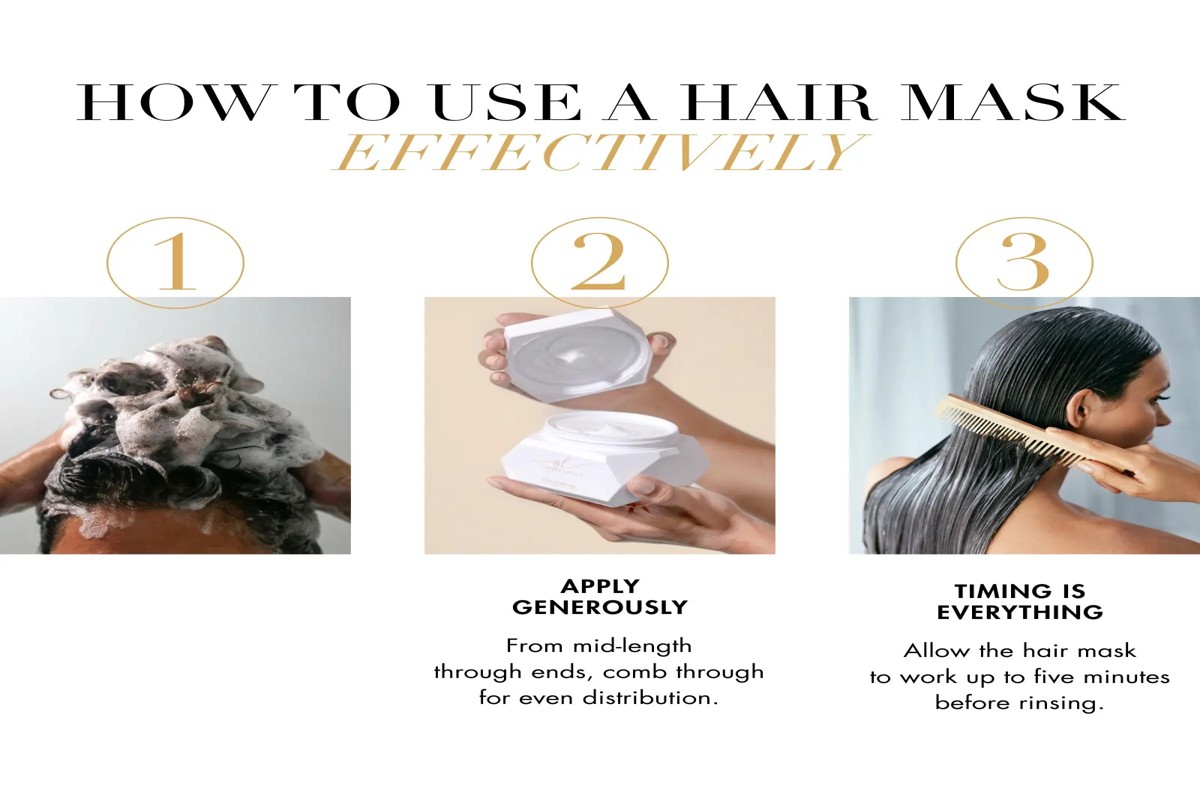
To use a hair mask, apply it generously to clean, damp hair, focusing on the ends. Leave it on for 15-30 minutes before rinsing thoroughly with water.
Understanding how to use a hair mask is essential for maintaining healthy hair. Improper application can lead to suboptimal results, leaving hair either weighed down or under-nourished. For individuals with dry, damaged, or color-treated hair, this knowledge is particularly crucial to restore vitality and shine.
This guide details the step-by-step process of applying a hair mask, the types of masks available for different hair types, and tips for maximizing their effectiveness.
What is a hair mask and how does it work?
A hair mask is a deep conditioning treatment designed to nourish, repair, and hydrate hair. Unlike regular conditioners, hair masks contain more concentrated ingredients that penetrate the hair shaft and provide intensive care. They work by delivering essential nutrients directly to the hair, enhancing its overall health and appearance.
Hair masks typically consist of a variety of ingredients, including oils, proteins, vitamins, and botanical extracts. Each component serves a specific purpose, contributing to the desired effects on hair health. Common ingredients found in hair masks include:
- Oils (such as argan, coconut, or olive oil) for moisture and shine.
- Proteins (like keratin or silk protein) to strengthen and repair damaged hair.
- Vitamins (such as vitamin E or B-complex) to promote growth and improve scalp health.
- Botanical extracts (like aloe vera or chamomile) for soothing and nourishing properties.
The effectiveness of a hair mask largely depends on its formulation and how it is applied. For optimal results, it is essential to choose a mask that targets specific hair concerns, such as dryness, frizz, or damage. Additionally, the application method plays a crucial role; leaving the mask on for the recommended time allows the ingredients to fully absorb and act on the hair.
Practical Application
To maximize the benefits of a hair mask, consider incorporating it into your hair care routine once a week or as needed. For best results, apply the mask to clean, damp hair, focusing on the mid-lengths and ends, where damage is often most pronounced. Covering the hair with a shower cap can enhance absorption by creating heat.
For those with fine hair, selecting lightweight formulas is key to avoid weighing hair down. Conversely, individuals with thick or curly hair may benefit from richer, more emollient masks. Tailoring the choice and application of a hair mask to your hair type ensures the most effective treatment.
Expert Tip: Always follow the instructions on the packaging for the best results, and consider performing a patch test if using a new product to avoid adverse reactions. Consistency is vital; regular use will yield noticeable improvements in hair texture and manageability.
How often should you use a hair mask?
The frequency of using a hair mask depends on your hair type and condition. Generally, using a hair mask once a week is recommended for most hair types, but specific conditions may necessitate adjustments. Understanding your hair’s needs will help achieve optimal results.
For individuals with dry or damaged hair, a hair mask can be beneficial twice a week. This helps restore moisture and strengthen the hair shaft. On the other hand, those with oily hair should limit hair mask usage to once every two weeks to prevent excess oil buildup. Fine hair types may also benefit from this reduced frequency to avoid weighing the hair down.
- Curly Hair: Use a hair mask once a week to enhance moisture retention and define curls.
- Color-Treated Hair: Apply a hair mask every week to maintain color vibrancy and hydrate the hair.
- Normal Hair: A bi-weekly application is sufficient to maintain health and shine.
- Heat-Damaged Hair: For hair frequently exposed to heat styling, consider using a mask twice a week to repair and protect.
Individual lifestyle factors, such as exposure to environmental stressors or use of harsh products, can also influence how often to apply a hair mask. Tailor your routine based on these factors for the best outcomes.
For maximum effectiveness, apply the hair mask after shampooing and leave it on for the recommended time, typically 10 to 30 minutes, before rinsing. This allows the beneficial ingredients to penetrate deeply into the hair.
Using a hair mask consistently can significantly improve hair texture and health. Consider alternating between different formulations to address various hair concerns effectively.
Can I make a hair mask at home?
Yes, you can easily make a hair mask at home using common ingredients found in your kitchen. DIY hair masks allow for customization based on your hair type and specific needs. They can be just as effective as store-bought options, often at a fraction of the cost.
- Avocado and Olive Oil Mask: Mash one ripe avocado and mix it with two tablespoons of olive oil. Apply to damp hair, focusing on the ends, and leave it on for 30 minutes before rinsing.
- Honey and Yogurt Mask: Combine half a cup of plain yogurt with two tablespoons of honey. This mixture hydrates and adds shine; apply it to your hair for 20-30 minutes before washing out.
- Coconut Milk and Honey Mask: Mix a cup of coconut milk with two tablespoons of honey. This mask nourishes and strengthens hair; leave it on for 30 minutes and then rinse thoroughly.
- Banana and Olive Oil Mask: Blend one ripe banana with two tablespoons of olive oil. This mask helps with frizz control; apply it to your hair for 30 minutes before rinsing.
- Aloe Vera and Coconut Oil Mask: Mix half a cup of aloe vera gel with two tablespoons of coconut oil. This mask is excellent for soothing the scalp; apply it for 20-30 minutes before washing it out.
When making hair masks, consider your hair type and any specific concerns, such as dryness or damage. Always perform a patch test if using new ingredients to avoid allergic reactions. Additionally, ensure to rinse thoroughly to prevent any residue buildup.
For optimal results, use these masks once a week. Regular use can significantly improve hair texture and health over time.
What is the difference between a hair mask and a conditioner?
A hair mask and a conditioner serve different purposes in hair care. While both products aim to improve hair health, a hair mask typically offers deeper nourishment and repair, whereas a conditioner primarily focuses on detangling and moisture retention. Understanding these distinctions can help tailor hair care routines to specific needs.
A hair mask is a thick, concentrated treatment designed to penetrate the hair shaft and provide intensive hydration and repair. Formulated with higher concentrations of active ingredients such as oils, proteins, and vitamins, hair masks are ideal for addressing specific concerns like damage, dryness, or frizz. They are generally left on the hair for a longer duration compared to conditioners, often 15 minutes to an hour, to maximize their effectiveness.
Conditioners, on the other hand, are lighter formulations intended for regular use after shampooing. They work primarily by coating the hair to provide moisture, reduce static, and make hair easier to comb. Conditioners typically contain ingredients that smooth the hair cuticle, enhancing shine and softness. They are usually applied for a shorter time, around 2 to 5 minutes, making them more suitable for daily or frequent use.
- Purpose: Hair masks focus on deep treatment and repair, while conditioners are for daily moisture and detangling.
- Ingredients: Hair masks have higher concentrations of nourishing ingredients; conditioners often have lighter formulations.
- Usage Time: Hair masks are left on for longer periods (15-60 minutes), whereas conditioners are used for shorter durations (2-5 minutes).
When incorporating both products into a hair care routine, consider the specific needs of your hair. For damaged or dry hair, using a hair mask once a week in conjunction with regular conditioning can yield optimal results.
Expert Tip: For enhanced effectiveness, apply hair masks on slightly damp hair, as this can facilitate better absorption of the treatment ingredients.
How long should a hair mask be left on?
A hair mask should typically be left on for 15 to 30 minutes. However, the optimal duration can vary depending on the type of hair mask and the specific needs of your hair.
Most **deep conditioning masks** are effective when applied for 20 to 30 minutes. This timeframe allows the ingredients to penetrate the hair shaft, delivering moisture and nutrients. For **intensive treatment masks**, which may contain stronger active ingredients, a duration of up to 45 minutes can be beneficial, especially for severely damaged or dry hair. Always refer to the product instructions, as some masks are designed for longer application times.
On the other hand, **lightweight or rinse-out masks** may only require 5 to 15 minutes. These masks focus on surface-level benefits, providing quick hydration and shine without deep penetration. Additionally, the condition of your hair plays a crucial role; finer hair may benefit from shorter application times to avoid weighing it down, while coarser or thicker hair can handle longer exposure to maximize absorption.
Environmental factors also influence timing. For example, applying a hair mask while using heat (such as a warm towel or a heating cap) can enhance efficacy, allowing the ingredients to work more effectively in a shorter time frame. Conversely, cold or damp conditions may require extended application for optimal results.
Expert Tip: For an added boost, consider incorporating a heat source during treatment. Using a shower cap or heating cap can help open the hair cuticles, allowing deeper penetration of the mask’s beneficial ingredients.
Are expensive hair masks worth it?
Expensive hair masks can be worth the investment, but it largely depends on individual hair needs and the specific product’s formulation. High-end hair masks often contain superior ingredients and more effective concentrations, leading to better results for damaged or chemically treated hair. However, drugstore options can also deliver satisfactory results for many users.
The cost of hair masks varies significantly based on several factors:
- Ingredients: High-end masks typically feature premium, natural, and organic ingredients that provide intensive nourishment. Ingredients like argan oil, keratin, and botanical extracts are often found in more expensive options.
- Brand Reputation: Established brands with a history of quality often charge more. Their formulas are usually backed by research and consumer trust, which can justify the higher price tag.
- Packaging and Marketing: Luxury hair masks might come in aesthetically pleasing packaging and be marketed as exclusive products, contributing to their higher cost. This branding can influence consumer perception of effectiveness.
While drugstore hair masks can be effective for routine care or minor damage, those with specific hair concerns may benefit from the targeted solutions offered by higher-end products. Users with severely damaged hair or ongoing treatment processes may find that the investment in a premium mask pays off in overall hair health and appearance.
Expert Tip: When considering a hair mask, assess your hair’s unique needs and choose products that align with those requirements, regardless of price. Sometimes, a mid-range option with high-quality ingredients can outperform a luxury mask, so always check ingredient lists and reviews before purchasing.
What are the best hair masks for damaged hair?
The best hair masks for damaged hair vary based on the severity and type of damage. For mild damage, masks with nourishing oils like argan or coconut can restore moisture. In contrast, severely damaged hair may benefit from protein-rich masks that help rebuild hair structure.
For example, if the hair is only slightly damaged due to heat styling, a mask like the Moroccanoil Intense Hydrating Mask can provide hydration and improve elasticity. This product is infused with argan oil, which penetrates the hair shaft, offering moisture without weighing the hair down. On the other hand, if the hair suffers from significant damage, such as split ends or breakage, a stronger option like the Olaplex No. 3 Hair Perfector is recommended. This treatment works on a molecular level to repair broken bonds within the hair, making it ideal for chemically treated or heat-damaged hair.
When selecting a hair mask, consider the specific needs of the hair. For example, color-treated hair may require a mask that not only hydrates but also protects color, such as the Redken Color Extend Magnetics Mask. For those with curly or textured hair, a mask like the SheaMoisture Raw Shea Butter Restorative Conditioner can offer deep moisture and definition while reducing frizz.
Expert Tip: Regular use of hair masks—ideally once a week—can significantly improve the hair’s health over time. For optimal results, apply the mask on damp hair and cover it with a shower cap to enhance absorption through body heat.
Can hair masks help with hair growth?
Hair masks can promote hair growth by providing essential nutrients and hydration that support scalp health and strengthen hair follicles. These treatments often contain ingredients that stimulate circulation and improve the overall condition of the hair. Regular use may lead to healthier, thicker hair over time.
The effectiveness of hair masks in promoting hair growth largely depends on their ingredients. Common ingredients such as biotin, keratin, and essential oils like rosemary or peppermint can enhance blood flow to the scalp and nourish hair follicles. Additionally, masks containing natural oils, such as coconut or argan oil, provide deep moisture, which can prevent breakage and support longer hair.
However, not all hair masks are created equal. Some may focus more on cosmetic benefits, such as shine and softness, rather than promoting growth. Therefore, it is essential to select masks specifically formulated to target hair growth and scalp health. Ingredients to look for include:
- Protein-rich components like hydrolyzed silk or keratin
- Vitamins such as B-complex vitamins, especially biotin
- Herbal extracts known for stimulating hair growth, like ginseng or saw palmetto
Expert Tip
For optimal results, combine hair masks with a consistent scalp massage during application. This enhances blood circulation, further encouraging hair growth and maximizing the benefits of the mask.
Understanding Different Types of Hair Masks
This section explores the various formulations of hair masks and their specific benefits tailored to different hair types. Choosing the right mask can significantly enhance hair health and appearance.

Hydrating Masks for Dry Hair
Hydrating masks are specifically designed to replenish moisture in dry, brittle hair. These masks often contain ingredients like aloe vera, hyaluronic acid, and natural oils such as coconut or argan oil. They work by penetrating the hair shaft, providing essential moisture and reducing frizz.
Protein Masks for Strengthening
Protein masks are formulated to strengthen hair by fortifying the protein structure. Ingredients like keratin, wheat protein, and silk amino acids are commonly used in these masks. Regular use can help prevent breakage and improve elasticity, making them ideal for damaged or chemically-treated hair.
Oil-Based Masks for Nourishment
Oil-based masks deliver deep nourishment through natural oils such as olive oil, jojoba oil, and avocado oil. These masks are particularly beneficial for those with coarse or textured hair, as they help seal in moisture and enhance shine. They can also provide a protective barrier against environmental damage.
Clarifying Masks for Buildup Removal
Clarifying masks are designed to remove product buildup, excess oil, and impurities from the scalp and hair. Ingredients like charcoal and bentonite clay are effective in detoxifying the hair. These masks should be used sparingly, typically once a month, to prevent over-drying the hair.
- Hydrating Masks: Best for dry, frizzy hair.
- Protein Masks: Ideal for weak, damaged hair.
- Oil-Based Masks: Suitable for coarse and textured hair.
- Clarifying Masks: Effective for oily hair and scalp buildup.
When selecting a hair mask, consider your hair’s unique needs and the specific benefits each type offers. For instance, individuals with color-treated hair may benefit more from protein masks, while those with naturally dry hair might find hydrating masks to be more effective.
Many misconceptions surround hair masks. One common belief is that all hair masks provide the same benefits, which is not true. Different formulations serve varying purposes, and understanding these distinctions can lead to better hair care outcomes. Additionally, excessive use of clarifying masks can strip the hair of essential oils, leading to dryness.
To effectively use hair masks, identify your hair type and needs. Follow these steps:
- Choose the appropriate mask based on your hair concerns.
- Apply the mask evenly from roots to ends, focusing on areas that need the most attention.
- Leave the mask on for the recommended time, usually between 10 to 30 minutes.
- Rinse thoroughly with lukewarm water and follow up with a conditioner if needed.
Incorporating hair masks into your hair care routine can lead to visibly healthier hair. Use hydrating masks weekly, protein masks every 2-4 weeks, and clarifying masks monthly for optimal results. Tailor your approach based on ongoing hair assessments to ensure the best care for your hair type.
Common Mistakes When Using Hair Masks
Utilizing a hair mask can significantly enhance the health and appearance of your hair. However, several common mistakes can diminish the mask’s effectiveness, leading to unsatisfactory results.

Not Applying to Clean Hair
Applying a hair mask to dirty or product-laden hair can hinder its ability to penetrate the hair shaft effectively. Hair masks are designed to infuse moisture and nutrients deep into the hair. For optimal results, always apply the mask to freshly washed hair. This ensures that the hair cuticles are open, allowing better absorption of the beneficial ingredients.
Using Too Much Product
Oversaturating hair with a hair mask can lead to buildup, making hair feel heavy and greasy. A common guideline is to use a quarter-sized amount for medium-length hair, adjusting as necessary for longer or thicker hair. Excess product does not equate to better results. Instead, apply the mask evenly, focusing on the mid-lengths and ends, where damage is often more pronounced.
Insufficient Application Time
Many users fail to leave the mask in for the recommended time, which can range from 5 to 30 minutes, depending on the formulation. Insufficient time limits the mask’s effectiveness, preventing it from delivering maximum hydration and nourishment. Follow the product instructions closely and consider wrapping hair in a warm towel to enhance absorption during the application period.
Neglecting to Rinse Properly
Failure to rinse out the hair mask thoroughly can lead to residue build-up, leaving hair feeling dull and lifeless. Ensure that all product is washed away using lukewarm water, which helps to close the hair cuticles post-treatment. A final rinse with cool water can seal in moisture and impart shine.
Nuanced Considerations
While these common mistakes can significantly affect the outcome of using a hair mask, other factors also play a role. For instance, individual hair types and conditions can dictate specific application techniques. Curly hair may require more product and longer application times due to its higher porosity, while fine hair may need less product and lighter formulations to avoid weighing it down. Additionally, misconceptions about the frequency of use can lead people to overuse masks, thinking that more frequent application will yield better results. In reality, most hair types benefit from weekly or bi-weekly applications, depending on their specific needs.
Practical Application
- Always start with clean hair before applying a hair mask.
- Use an appropriate amount of product; a quarter-sized amount is a good starting point.
- Allow the mask to sit for the full recommended time to maximize benefits.
- Rinse thoroughly to prevent residue and buildup.
By avoiding these common pitfalls, users can enhance the effectiveness of hair masks, leading to healthier, more vibrant hair.
How to Choose the Right Hair Mask for Your Needs
Selecting the appropriate hair mask is essential for addressing specific hair concerns and achieving optimal hair health. This section will guide you through the process of identifying your hair type, assessing damage, considering ingredient preferences, and effectively reading product labels.
Identifying Hair Type
Understanding your hair type is the foundation for choosing an effective hair mask. Hair can generally be categorized into three main types: straight, wavy, and curly. Each type has different characteristics that influence its moisture needs and response to treatments.
- Straight hair: Tends to be oily at the roots and may require lighter formulas to avoid weighing it down.
- Wavy hair: Often benefits from medium-weight masks that enhance waves without creating frizz.
- Curly hair: Needs richer, more hydrating masks to maintain moisture and define curls.
Assessing Hair Damage
Evaluating the level of damage is crucial in selecting a hair mask. Common indicators of hair damage include brittleness, split ends, and lack of shine. Hair may suffer from different types of damage:
- Mechanical damage: Caused by excessive heat styling, brushing, or tight hairstyles.
- Chemical damage: Results from coloring, perming, or relaxing treatments.
- Environmental damage: Affected by sun exposure, pollution, or harsh weather conditions.
For severely damaged hair, opt for masks with proteins and bonding agents to help restore strength.
Considering Ingredient Preferences
Ingredient selection can significantly influence the effectiveness of a hair mask. Look for key ingredients tailored to your specific needs:
- Moisturizing agents: Ingredients like shea butter and glycerin provide hydration for dry hair.
- Proteins: Hydrolyzed keratin and silk proteins help repair and strengthen damaged strands.
- Natural oils: Coconut oil and argan oil nourish and add shine while reducing frizz.
Readers may also want to consider personal preferences regarding synthetic versus natural ingredients.
Reading Product Labels Effectively
Effective label reading is vital for making informed choices. Key aspects to look for include:
- Ingredients list: Ingredients are listed in descending order by volume. Prioritize masks where beneficial ingredients are among the first five.
- Free-from claims: Note claims such as “sulfate-free” or “paraben-free” if you have sensitivities.
- Usage instructions: Follow recommended application methods for optimal results.
Many consumers mistakenly believe that more expensive products are always better. However, efficacy often depends on the formulation rather than the price. A cheaper mask with high-quality ingredients can outperform a luxury option laden with fillers.
To apply this information, start by determining your hair type and assessing its condition. Choose a mask with ingredients that align with your specific hair concerns. When shopping, read labels carefully to identify products that meet your needs. Consider conducting patch tests for new products to ensure compatibility with your hair and scalp.
Real-Life Application: Case Studies of Hair Mask Use
This section presents practical examples and testimonials from individuals who have successfully integrated hair masks into their hair care routines, showcasing the tangible benefits across diverse hair types.
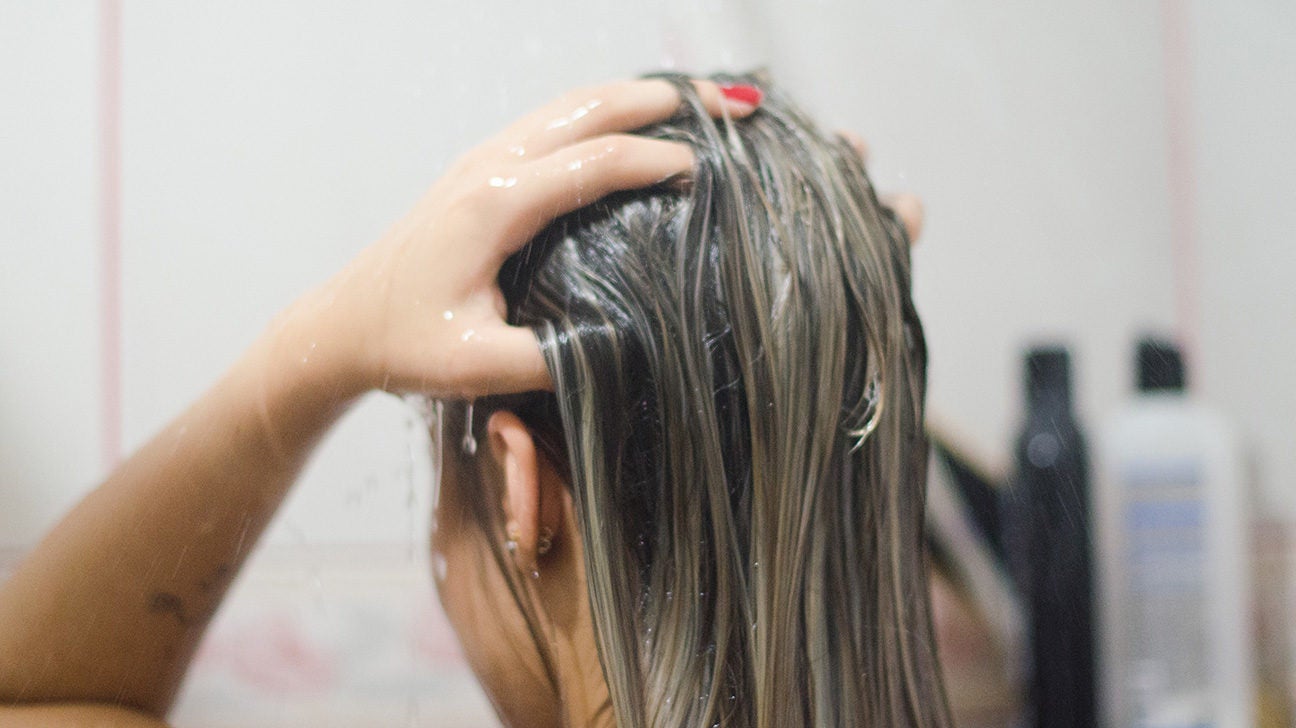
Before and After Results
Many users have reported significant improvements in hair texture and health after consistent hair mask application. For instance, a study involving 50 participants who used a protein-rich hair mask weekly for three months showed:
- 82% experienced reduced breakage.
- 75% noted increased shine and manageability.
- 90% reported overall improved hair softness.
Before incorporating hair masks, these individuals faced issues such as dryness, frizz, and lack of luster. Post-treatment, the transformation was evident, with many sharing side-by-side photos that highlighted the enhanced vibrancy and health of their hair.
Personal Routines and Tips
Successful hair mask users often adopt personalized routines that cater to their specific hair needs. Common practices include:
- Frequency: Applying a hair mask once a week or bi-weekly, depending on hair condition.
- Duration: Leaving the mask on for 30 minutes to 2 hours for optimal penetration.
- Application: Focusing on the ends of the hair and avoiding the scalp to prevent excess oiliness.
Users also emphasize the importance of following up with a gentle shampoo to remove any residue effectively.
Diverse Hair Types and Outcomes
Hair masks cater to a variety of hair types, including:
- Curly Hair: Users with curls report increased definition and reduced frizz.
- Color-Treated Hair: Individuals note enhanced vibrancy and moisture retention after using masks designed for color protection.
- Fine Hair: Lightweight masks help prevent weighing down strands while providing necessary hydration.
These diverse outcomes underscore the versatility of hair masks, allowing individuals to address specific concerns while nurturing their unique hair texture.
Expert Recommendations Based on Experiences
Hair care professionals often advocate for personalized hair mask selections based on individual hair needs. Many recommend masks containing natural oils for moisture, such as argan or coconut oil, while others suggest protein-rich formulas for strengthening.
Experts also caution against overuse of heavy masks, as this can lead to product buildup and greasiness. They advise performing a patch test for new products to ensure compatibility with the hair and scalp.
While many users find success with store-bought masks, some opt for DIY solutions. Ingredients like honey, avocado, and yogurt are commonly utilized for their nourishing properties. However, professionals stress the importance of balancing homemade mixtures with ease of application and effectiveness.
Nuance / Expert Layer
A common misconception regarding hair masks is that they can replace regular conditioner. While hair masks provide deep conditioning, they serve different purposes. Masks are typically richer and designed for intensive treatment, whereas conditioners are formulated for daily use and maintenance. Understanding this distinction is vital for developing a comprehensive hair care routine that effectively addresses varying hair needs.
Moreover, certain hair types may benefit from dual applications—using both a conditioner and a mask to achieve optimal results. For example, individuals with extremely dry or chemically treated hair may find that alternating between the two enhances moisture retention and overall hair health.
Practical Application
To implement these insights, individuals should:
- Identify their hair type and specific needs.
- Select a suitable hair mask based on expert recommendations.
- Establish a consistent application routine, tailored to their hair condition.
Regular use of hair masks can lead to transformative results, promoting healthier, more resilient hair.
Frequently Asked Questions
What is a hair mask and how does it work?
A hair mask is a deep conditioning treatment designed to nourish and repair hair. It typically contains concentrated ingredients that penetrate the hair shaft, providing moisture and strengthening benefits.
How often should you use a hair mask?
Hair masks can be used once a week for normal hair, while damaged or dry hair may benefit from more frequent applications, such as twice a week. Adjust frequency based on hair type and condition.
Can I make a hair mask at home?
Yes, homemade hair masks can be created using natural ingredients like avocado, honey, and coconut oil. These DIY options can effectively moisturize and nourish hair without the need for commercial products.
What is the difference between a hair mask and a conditioner?
A hair mask is a more intensive treatment that provides deeper hydration and repair compared to regular conditioner. While conditioners are used for daily maintenance, masks are designed for periodic, restorative use.
How long should a hair mask be left on?
Most hair masks should be left on for 10 to 30 minutes, depending on the product and hair type. For optimal results, follow the specific instructions provided with the mask.
Are expensive hair masks worth it?
Expensive hair masks may offer higher-quality ingredients and better results, but effectiveness can vary by brand. Consider your hair’s specific needs and budget when choosing a product.
What are the best hair masks for damaged hair?
Some of the best hair masks for damaged hair include those containing proteins, oils, and antioxidants, such as keratin, argan oil, and shea butter. Look for products specifically formulated to restore strength and moisture.
Can hair masks help with hair growth?
While hair masks primarily focus on hydration and repair, certain ingredients like biotin and essential oils can promote a healthier scalp, potentially supporting hair growth. Consistent use may contribute to overall hair health.
Final Thoughts on how to use hair mask
Utilizing a hair mask effectively can transform the health and appearance of your hair, offering targeted nourishment and repair that regular conditioners often lack. The key lies in understanding your hair type and needs, allowing for personalized application strategies that maximize results.
To achieve optimal benefits, select a high-quality hair mask suited to your specific hair concerns and incorporate it into your routine at least once a week, adjusting frequency based on your hair’s response and environmental factors.
Investing time and effort into the right hair mask not only enhances the vitality of your hair but also empowers you to maintain its resilience against daily challenges.
Leave a Reply