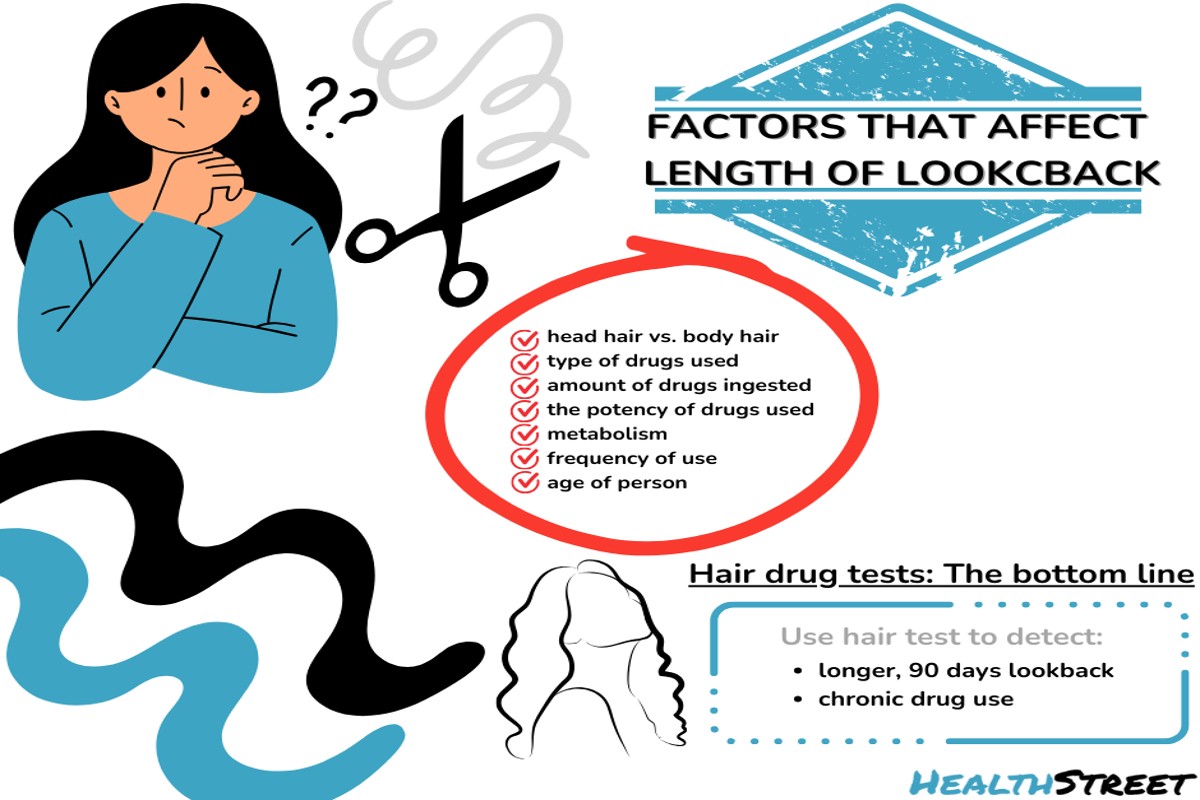
A hair follicle test can detect one-time use of drugs, but it may not be reliable. While these tests can identify drug use for up to 90 days, the ability to pinpoint a single instance depends on several factors, including the type of substance and individual metabolism.
This topic is crucial for employers, individuals facing drug testing, and legal professionals. Misunderstanding the capabilities of hair follicle tests can lead to incorrect assumptions about drug use history, impacting employment opportunities and legal outcomes.
This article examines the detection window of hair follicle tests, the factors influencing their accuracy, and the implications for one-time drug use detection. It provides essential insights for anyone navigating drug testing scenarios.
How long can a hair follicle test detect drugs?
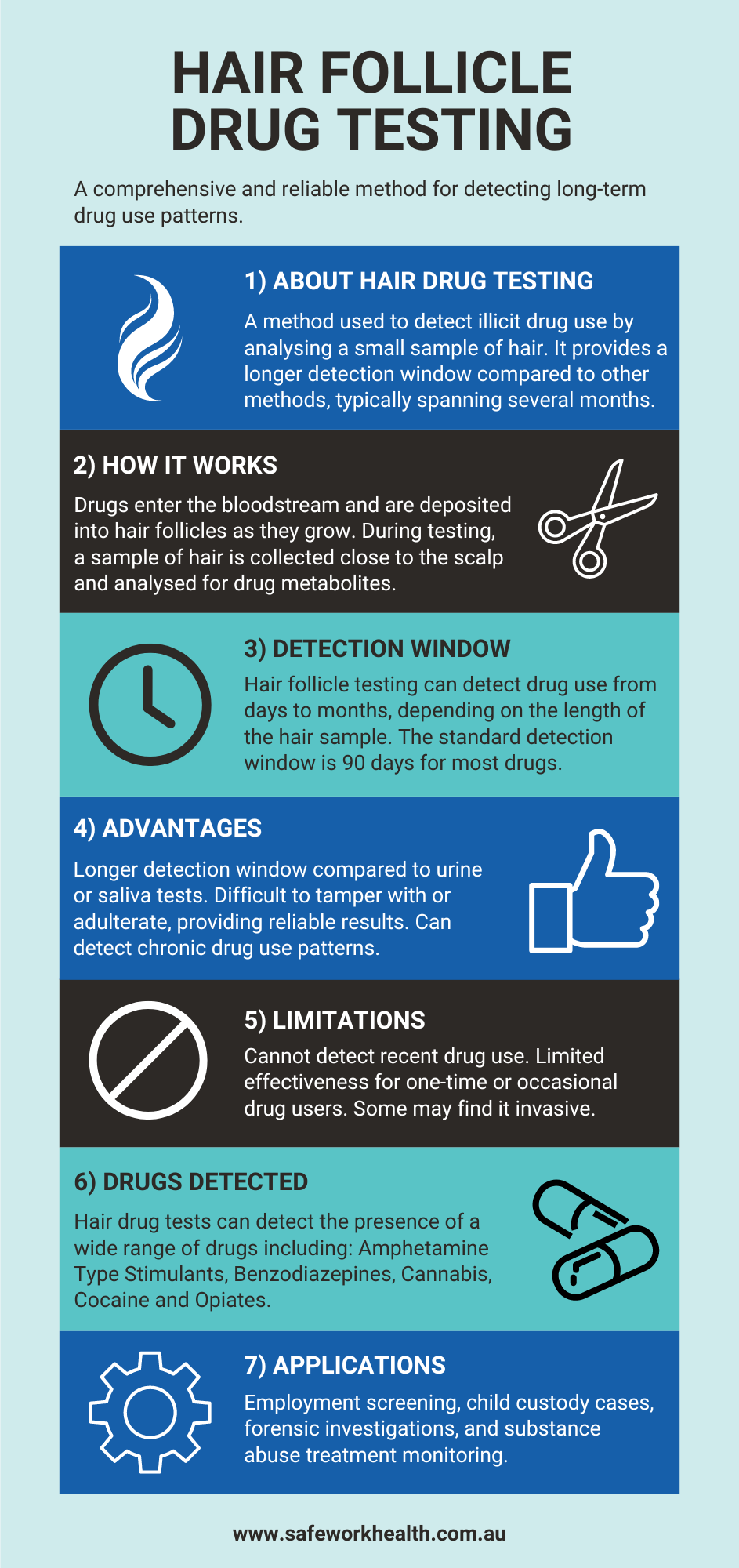
A hair follicle test can typically detect drugs for a period of up to 90 days after use. This timeframe is based on the growth rate of hair and the incorporation of drug metabolites into the hair shaft.
The detection window can vary depending on several factors, including the individual’s hair growth rate, the type of drug used, and the method of drug consumption. Hair grows approximately half an inch per month, meaning that substances consumed within this timeframe can be detected in the hair for up to three months. However, certain drugs may be detectable for shorter or longer periods based on their specific characteristics and how they are metabolized by the body.
Additionally, hair color and texture can influence the test’s sensitivity. For instance, darker hair may contain higher concentrations of drug metabolites than lighter hair. Furthermore, the location from which the hair sample is taken can also play a role, as drugs may not be evenly distributed throughout the hair. In cases of one-time use, the chances of detection depend heavily on the timing of the drug use in relation to the hair’s growth cycle.
Expert Tip: For individuals concerned about a hair follicle test, it’s essential to understand that not all drugs are detectable for the same duration. Substances like cocaine and heroin may be detectable for around 90 days, while others, such as marijuana, can have varying detection times based on frequency and quantity of use.
What substances can a hair follicle test detect?
A hair follicle test can detect a variety of substances, primarily focusing on illicit drugs and certain prescription medications. This type of testing analyzes hair samples to identify drug use over an extended period, typically up to 90 days. The test is particularly effective for substances that remain in the hair shaft after consumption.
Common substances detected in hair follicle tests include:
- Marijuana (THC): The primary psychoactive component of cannabis.
- Cocaine: A powerful stimulant derived from the coca plant.
- Opiates: This includes heroin and prescription painkillers like morphine and codeine.
- Amphetamines: Stimulants such as methamphetamine and ecstasy.
- Phencyclidine (PCP): A dissociative drug known for its hallucinogenic effects.
- Benzodiazepines: Prescription medications for anxiety and sleep disorders, like Xanax and Valium.
The detection window of a hair follicle test can vary based on several factors, including the individual’s hair growth rate and the amount of substance consumed. While hair follicle tests are effective at identifying regular use, they may not always detect very recent or one-time use of substances. However, certain drugs like cocaine and marijuana can sometimes be detected even after a single use, depending on the individual’s metabolism and the timing of the test.
Hair follicle tests are increasingly used in employment screenings and legal cases due to their ability to provide a longer detection window compared to urine tests. However, false positives can occur, which may require confirmation through additional testing methods.
Expert Tip: For those concerned about testing positive, abstaining from drug use and allowing sufficient time for hair to grow (approximately 1.5 inches) before testing can significantly influence results, as the most recent drug use is typically found in the hair closest to the scalp.
How accurate are hair follicle tests for drug detection?
Hair follicle tests are highly accurate for detecting drug use, particularly when compared to other methods such as urine and saliva tests. These tests can detect drug use over a longer period, typically up to 90 days, making them effective for identifying chronic users. However, their ability to detect one-time use is more limited and varies by substance.
Hair follicle tests analyze the hair shaft for drug metabolites, which are deposited as the hair grows. This process allows for a broader detection window than urine tests, which generally only identify recent drug use, typically within a few days. Saliva tests provide even shorter detection times, usually from a few hours to a couple of days. The table below summarizes the key differences:
- Detection Window: Hair tests can detect drug use for up to 90 days; urine tests usually detect use from 1 to 7 days; saliva tests can identify use for a few hours to 2 days.
- Accuracy: Hair tests are highly accurate, with a specificity rate exceeding 95%. Urine tests have variable accuracy depending on the testing method, while saliva tests are less reliable.
- Substances Detected: Hair tests can detect a wide range of substances, including marijuana, cocaine, and opiates. Urine tests often focus on specific drugs, while saliva tests typically target a narrower range.
Factors such as hair type, hair color, and the individual’s metabolism can affect the accuracy of hair follicle tests. For example, individuals with lighter hair may have lower concentrations of drug metabolites in their hair. Additionally, the presence of external contaminants can lead to false positives or negatives. Therefore, while hair tests are effective for chronic use, they may not reliably detect one-time use, especially for certain substances.
Expert Tip: For those concerned about the implications of drug testing, consider the specific detection windows and accuracy of each testing method. Understanding these nuances can assist in making informed decisions regarding drug use and testing protocols.
Can you pass a hair follicle test after using drugs once?
A hair follicle test can potentially detect one-time drug use, but the likelihood of detection depends on several factors. Generally, substances can be detected in hair for up to 90 days after use. However, the sensitivity of the test and the specific drug used also play significant roles.
The hair follicle test measures drug metabolites that enter the hair shaft from the bloodstream. For a single use, detection depends on the timing of the test relative to use and individual hair growth rates. Hair typically grows about half an inch per month; therefore, if the drug was consumed close to the scalp, it may be detectable. Conversely, if the drug was used well before the test and there has been sufficient hair growth since, detection could be less likely.
- Consider the type of drug: Different substances have varying detection windows. For example, cocaine and opiates can be detected in hair for up to 90 days, while marijuana may also show up if used once within that timeframe.
- Assess hair growth rate: The average hair growth rate is about half an inch per month. If the last use was beyond a few months and there has been significant hair growth, the likelihood of detection decreases.
- Understand the testing methodology: Some laboratories have more sensitive testing methods than others. Advanced testing could detect even trace amounts of drugs, while others may have higher thresholds for detection.
In addition, individual factors such as metabolism, body mass, and the health of hair can influence detection. Users with faster metabolism may eliminate drugs from their system more quickly, potentially reducing the chance of detection.
Expert Tip: If facing a hair follicle test, consider abstaining from drug use entirely for at least 90 days prior to the test. This is the most effective way to ensure a negative result, as hair samples reflect drug use history over the previous months.
What is the cost of a hair follicle drug test?
The cost of a hair follicle drug test typically ranges from **$100 to $300**. Prices can vary based on the testing facility, the number of drugs being screened, and geographical location.
Several factors influence the overall cost of a hair follicle drug test:
- Testing Facility: Different laboratories and clinics may have varying pricing structures. Some may offer discounts for bulk testing or corporate clients.
- Type of Test: A basic test that screens for a limited number of substances will generally be less expensive than a comprehensive panel that includes a wider range of drugs.
- Location: Costs can differ significantly based on regional pricing norms. Urban areas may have higher prices compared to rural locations.
- Additional Services: Some facilities may include consultation or counseling services, which can add to the overall cost.
While hair follicle tests are often more expensive than urine tests, they provide a longer detection window for drug use, making them valuable for certain applications such as employment screening. Additionally, the results can reveal historical drug use over a period of up to 90 days, depending on the length of hair sampled.
For those considering a hair follicle drug test, obtaining multiple quotes from different providers is advisable. This approach can help identify the best pricing options and services offered.
Expert Tip: Always inquire about the specific substances included in the test, as this can significantly impact pricing and relevance to the testing purpose.
What factors influence hair follicle test results?
Hair follicle test results can be influenced by several factors, including the timing of drug use, hair type, and the length of the hair sample being tested. These elements can affect the accuracy and reliability of the test outcomes, particularly in detecting infrequent or one-time drug use.
First, the timing of drug use relative to the testing date is critical. Hair follicle tests typically detect drug use within a 90-day window, as drugs are incorporated into the hair as it grows. However, if a drug was used only once, it may not be detectable if the hair sample is too short or if the drug metabolized quickly. Additionally, the type of drug used can influence detection rates; some substances may remain in the hair longer than others.
- Hair Length: The length of the hair sample analyzed can affect detection. A sample cut from the scalp is often more reliable, as it typically represents more recent drug use. Shorter hair may not provide enough history for accurate results.
- Hair Type: Variations in hair structure, such as texture and thickness, can affect how substances bind to hair. For example, coarse hair may retain substances more effectively than fine hair.
- Washing and Treatment: Hair treatments, including washing and chemical processes, can impact the concentration of drugs in the hair. Frequent washing may reduce detectable levels, while certain treatments may strip away drug residues.
Lastly, environmental exposure to drugs can lead to false positives. For instance, passive exposure in a heavily populated area where drugs are present may inadvertently lead to traces in hair samples. Therefore, understanding these factors is crucial for interpreting test results accurately.
Expert Tip: For individuals concerned about the impact of one-time drug use on hair follicle tests, it may be beneficial to consider alternative testing methods, such as urine tests, which may offer a more immediate reflection of recent use.
How do hair follicle tests compare to urine tests?
Hair follicle tests and urine tests are both drug screening methods, but they differ significantly in detection capabilities and the substances they identify. Hair follicle tests can detect drug use over a longer period, while urine tests generally provide a shorter detection window. This distinction affects their application in various contexts, such as employment or legal scenarios.
Hair follicle tests analyze strands of hair to identify drug metabolites that have been deposited in the hair shaft from the bloodstream. This method can typically detect drug use for up to 90 days, making it effective for identifying long-term patterns of use. In contrast, urine tests primarily measure the presence of drugs or their metabolites passed through urine, with detection windows that usually range from a few days to a week, depending on the substance. This shorter detection window makes urine tests less reliable for identifying one-time use, as the metabolites may not be present after a few days.
- Detection Window: Hair follicle tests can detect drug use for up to 90 days; urine tests typically cover a period of 3 to 7 days.
- Substance Identification: Hair tests can identify a broader range of drugs over a longer duration, while urine tests may miss one-time use if conducted after the substance has cleared from the system.
- Invasiveness: Hair tests are less invasive than urine tests; they require only a small sample of hair, while urine tests require a specimen collection directly from the individual.
In practical terms, the choice between a hair follicle test and a urine test often depends on the specific needs of the testing situation. For instance, employers may prefer hair tests for comprehensive assessments of an individual’s drug use history, while urine tests may be utilized in situations requiring immediate results. Understanding the nuances of these testing methods can significantly impact the interpretation of results and decision-making processes.
Expert Tip: When considering drug testing options, assess the context and purpose of the test carefully. Each method has advantages and limitations that can influence the outcomes and implications of the findings.
Understanding the Science Behind Hair Follicle Testing
This section delves into the biological mechanisms enabling hair follicle testing to detect drug use, including the entry of substances into hair, the impact of hair growth cycles, and individual variability in drug metabolism.

How Drugs Enter the Hair Follicles
Drugs can enter hair follicles through several mechanisms. When a person ingests or uses a drug, metabolites circulate in the bloodstream. As blood flows to hair follicles in the scalp, these metabolites can diffuse into the hair matrix during the hair’s growth phase. This uptake occurs because hair is a living tissue that grows from the follicle, allowing for the incorporation of substances present in the bloodstream.
The Role of Hair Growth Cycles in Detection
The hair growth cycle consists of three primary phases: anagen (growth), catagen (transitional), and telogen (resting). Drugs are typically detected in hair during the anagen phase, which lasts several weeks to months. Since hair grows at an average rate of about 1.25 cm per month, the length of hair sampled can indicate the time frame of drug use. Typically, a 1.5-inch sample can reflect drug use over the past 90 days. However, if an individual has short hair or is in the telogen phase, the detection window may be limited.
Differences in Drug Metabolism Among Individuals
Drug metabolism varies significantly among individuals due to genetic factors, health conditions, and lifestyle choices. Enzymes responsible for metabolizing drugs can differ in activity levels, affecting how quickly substances are processed and eliminated from the body. Consequently, some individuals may retain drug metabolites in their hair for longer periods, while others may show lower concentrations, potentially complicating interpretations of hair follicle test results.
Implications of Hair Color and Type on Test Results
Hair color and type can influence the binding of drug metabolites. For instance, darker hair contains more melanin, which can form stronger bonds with certain drugs, potentially leading to higher concentrations of detectable substances. Conversely, lighter hair may exhibit lower drug uptake. Additionally, differences in hair texture, such as curly versus straight, can affect how tightly drug metabolites are incorporated into the hair shaft, influencing test outcomes.
Nuance / Expert Layer
One common misconception is that hair follicle tests can definitively determine the timing of drug use based solely on the length of hair analyzed. While the length does provide a general timeframe, factors such as hair growth rates, individual metabolism, and the duration drugs remain in the bloodstream can create variability. Furthermore, the presence of external contaminants through environmental exposure may also influence test results, complicating the interpretation of findings.
Practical Application
For individuals facing hair follicle testing, understanding these biological mechanisms can inform strategies for preparation. Those concerned about a one-time use may consider the following actions:
- Maintain a longer hair length to increase the potential detection window.
- Avoid any drug use well in advance of testing, allowing for natural hair growth cycles to minimize detectable traces.
- Consult with professionals regarding detoxification methods, although efficacy can vary significantly.
Real-World Scenarios: One-Time Use and Test Outcomes
This section explores real-world examples of one-time substance use and the outcomes of hair follicle tests, illustrating the complexities of detection and the implications for users.
Substances and Detection Success Rates
The efficacy of hair follicle tests varies significantly based on the substance consumed. Common substances tested include:
- Marijuana
- Cocaine: Typically detectable for up to 90 days, with a strong likelihood of detection after one-time use.
- Opioids: Detection can last up to 90 days, but the success rate for one-time use detection is lower, especially for certain synthetic opioids.
Research indicates that hair follicle tests can reliably detect substances used within the last 90 days. However, the detection window may be affected by the user’s hair type, the amount consumed, and the substance’s metabolism.
Factors Leading to False Positives or Negatives
Several factors can impact the accuracy of hair follicle tests, leading to false results:
- Contamination: External exposure to drugs can sometimes cause a false positive.
- Hair treatments: Chemical treatments like bleaching may affect drug concentration in hair.
- Individual metabolism: Variability in hair growth rates and body metabolism can lead to discrepancies in test outcomes.
Understanding these factors is crucial for both users and employers interpreting test results.
User Testimonials and Experiences
Numerous individuals have shared their experiences regarding hair follicle tests after one-time substance use. Some report unexpected positive results despite limited or single-time use, particularly with substances like marijuana and cocaine. Others have successfully contested results due to factors such as hair treatments or inadequate testing procedures.
In one notable case, a user tested positive for cocaine after a single use, despite a lack of habitual use. The results were challenged, leading to a re-test which revealed no presence of the drug, highlighting the potential for erroneous conclusions drawn from initial tests.
Legal Implications in Employment Settings
The ramifications of hair follicle test results can be significant in employment contexts. A positive result may lead to job termination or disqualification from employment opportunities. Additionally, the legal landscape surrounding drug testing is complex and varies by jurisdiction, with some regions enforcing strict regulations on testing procedures and employee rights.
Employers must ensure that testing protocols are reliable and legally compliant to avoid potential litigation. Employees should be aware of their rights and the implications of test results in workplace settings.
Nuance and Expert Insights
A common misconception is that hair follicle tests can detect substance use without consideration of user habits. In reality, the reliability of these tests can fluctuate based on various individual factors, including hair growth patterns and the frequency of use. Furthermore, hair follicle testing is not universally accepted as a definitive measure of impairment at work, as it only indicates past use rather than current intoxication levels.
Practical Application
For individuals concerned about hair follicle testing after one-time use, consider the following actions:
1. **Research testing procedures**: Understand the specific testing methods used by employers or organizations.
2. **Consult professionals**: Seek advice from legal or medical professionals if facing a test.
3. **Maintain transparency**: If applicable, communicate with employers about any potential false positives due to external contamination or other factors.
By being informed and proactive, individuals can better navigate the implications of hair follicle testing in their lives.
Best Practices for Preparing for a Hair Follicle Test
This section outlines essential strategies for individuals preparing for a hair follicle test. Effective preparation can significantly influence the test outcome and help ensure compliance with testing protocols.
What to Avoid Before the Test
To optimize the chances of passing a hair follicle test, certain substances and practices should be avoided in the days leading up to the test. Consider the following:
- Avoid illicit substances: Discontinue any drug use, especially those that are commonly tested for, such as marijuana, cocaine, or opiates.
- Minimize chemical treatments: Stay away from hair dyes, relaxers, or other chemical treatments that could alter the hair structure or introduce foreign substances.
- Limit exposure to toxins: Avoid environments with high levels of toxins or pollutants that might be absorbed by the hair.
How to Communicate with Testing Officials
Effective communication with testing officials can clarify procedures and ensure a smooth testing experience. When engaging with them:
- Ask about the testing process: Inquire about the methodology used and the substances being tested.
- Discuss any legitimate medical conditions: Inform officials of any prescriptions or medical treatments that may affect test results.
- Clarify confidentiality protocols: Understand how your test results will be handled and who will have access to them.
Understanding Your Rights Regarding Testing
Familiarity with your rights can empower you during the testing process. Key rights include:
- Right to information: You are entitled to know what substances will be tested and how the results will be used.
- Right to privacy: Your personal information and test results should be kept confidential and disclosed only to authorized personnel.
- Right to appeal: If you believe the test results are inaccurate, inquire about the process for contesting the results.
Tips for Maintaining Hair Health Before a Test
Maintaining healthy hair can impact the test process. Adopting the following practices may be beneficial:
- Regular washing: Use a gentle shampoo to cleanse your hair regularly, removing dirt and buildup.
- Healthy diet: Consume a balanced diet rich in vitamins and minerals that promote hair health, such as vitamin E, biotin, and omega-3 fatty acids.
- Avoid excessive styling: Limit the use of heat styling tools and harsh hair products that can damage hair strands.
Preparing for a hair follicle test involves strategic planning and an understanding of the testing process. To maximize your chances of a favorable outcome, avoid illicit substances and communicate effectively with testing officials. Additionally, remain informed about your rights and maintain hair health through proper care and nutrition. By following these best practices, you can approach the test with confidence.
Frequently Asked Questions
How long can a hair follicle test detect drugs?
A hair follicle test can detect drug use for up to 90 days after consumption. The test analyzes hair samples to identify the presence of drugs over this timeframe.
What substances can a hair follicle test detect?
Hair follicle tests can detect a variety of substances, including marijuana, cocaine, opiates, amphetamines, and PCP. The specific drugs tested may vary based on the testing protocol.
How accurate are hair follicle tests for drug detection?
Hair follicle tests are generally considered to be highly accurate, with detection rates often exceeding 95%. However, accuracy can depend on factors such as the amount and frequency of drug use.
Can you pass a hair follicle test after using drugs once?
Passing a hair follicle test after one-time drug use is unlikely, as the test can detect substances for up to 90 days. The detection depends on the specific drug and individual hair growth rates.
What is the cost of a hair follicle drug test?
The cost of a hair follicle drug test typically ranges from $100 to $300, depending on the testing facility and the substances being tested. Prices may vary based on location and additional services.
What factors influence hair follicle test results?
Factors influencing hair follicle test results include the individual’s hair growth rate, the type of drug used, and the frequency of use. Additionally, hair color and texture may also affect the test’s accuracy.
How do hair follicle tests compare to urine tests?
Hair follicle tests have a longer detection window than urine tests, which typically detect drugs for only a few days. However, urine tests are more commonly used due to their lower cost and quicker results.
Final Thoughts on can a hair follicle test detect one time use
Hair follicle tests possess the capability to detect drug use, including instances of one-time consumption, due to the biological processes that incorporate drug metabolites into hair strands. While the detection window varies based on numerous factors, the reliability of these tests underscores their use in both professional and legal contexts, with implications for individuals who may underestimate the longevity of drug traces in their system.
For those concerned about potential testing outcomes, it is advisable to abstain from drug use entirely and consider consulting with a medical professional or a drug testing expert to better understand the implications of hair follicle testing.
Understanding the nuances of drug detection through hair follicle tests is crucial, as it has significant ramifications for personal and professional integrity.
Leave a Reply