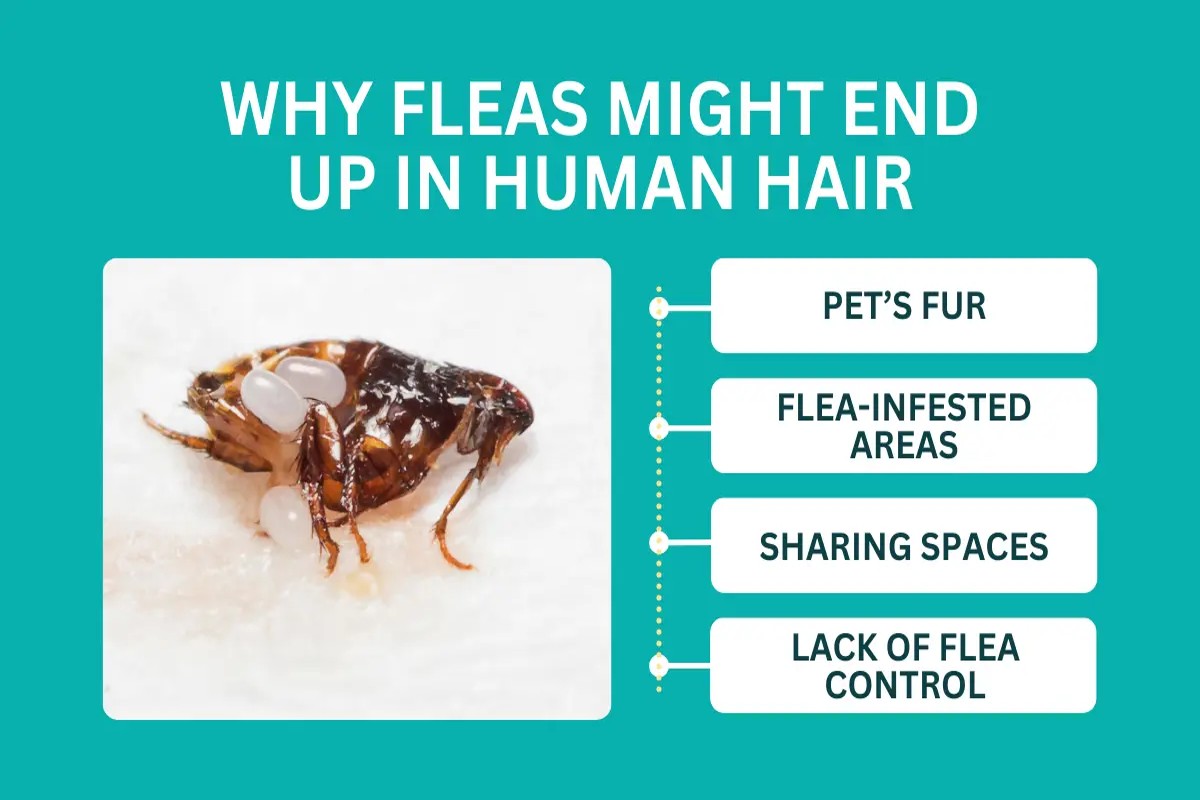
Fleas do not typically live in human hair. They prefer animal hosts, particularly cats and dogs, but they can bite humans and cause irritation.
Understanding whether fleas can inhabit human hair is essential for pet owners and individuals living in flea-prone environments. Misconceptions about flea behavior can lead to ineffective treatments and persistent infestations, impacting health and comfort.
This article will clarify the relationship between fleas and humans, examine their preferred hosts, and outline effective prevention and treatment strategies for flea bites.
Can fleas live in human hair?
Fleas do not typically live in human hair. These parasites prefer the fur of animals, particularly mammals like dogs and cats, where they can find suitable conditions for feeding and reproduction.
Fleas are ectoparasites that thrive primarily on the blood of their hosts. Their anatomy and behavior are adapted for life on furry animals, as their bodies are designed to navigate through dense fur, where they can easily hide and breed. While fleas may jump onto humans, they usually do not stay, as human hair lacks the warmth and protection that fur provides.
- Host Preference: Fleas are most commonly associated with pets, such as dogs and cats, which offer ideal environments for these insects.
- Feeding Habits: Fleas require a blood meal to survive and reproduce, and they prefer hosts that provide easy access to their skin through fur.
- Survival Outside Hosts: Fleas can survive for short periods without a host but will quickly seek out animals that can sustain them.
In rare cases, if a flea jumps onto a human, it may bite, but it will not establish a permanent residence in human hair. Other factors, such as the presence of pets in the household, can increase the likelihood of fleas being present in the environment, even if they do not directly infest human hair.
Expert Tip: Regular grooming and flea control treatments for pets are essential in preventing flea infestations in the home, which can subsequently affect humans. Maintaining a clean living environment can significantly reduce the chances of fleas encountering humans.
How to get rid of fleas in human hair?
Fleas can occasionally infest human hair, though they primarily prefer animal hosts. To effectively get rid of fleas in human hair, a combination of thorough cleaning, treatment, and prevention measures is necessary.
- Shampoo your hair with a flea-specific product. Use a medicated shampoo designed to kill fleas and their eggs. Follow the instructions on the label for optimal results.
- Comb your hair with a fine-toothed flea comb. This will help remove adult fleas and their larvae. Ensure to clean the comb frequently to avoid reinfestation.
- Wash all clothing and bedding. Use hot water to wash items that may have come into contact with fleas. Dry them on a high heat setting to kill any remaining pests.
- Treat your living environment. Vacuum carpets, furniture, and any areas where pets spend time. Dispose of the vacuum bag or contents immediately to prevent re-infestation.
- Use flea prevention products on pets. Ensure that any pets in the household are treated with veterinarian-recommended flea control products. This prevents fleas from returning to humans.
- Consult a healthcare professional. If flea bites cause severe irritation or allergic reactions, seek medical advice for appropriate treatment options.
Regular maintenance is key to preventing flea infestations. Implementing these steps not only treats the current issue but also helps to avoid future occurrences.
Expert Tip: Consider using essential oils, such as eucalyptus or lavender, as natural flea repellents in your home. However, use caution, as some oils can be harmful to pets or young children.
What do flea bites on humans look like?
Flea bites on humans typically appear as small, red, itchy welts on the skin. They often present in clusters or lines, commonly found on areas such as the ankles, legs, and waist. The bites can become inflamed and may develop a small, central puncture point.
For instance, consider a scenario where an individual spends time in a home with a pet that has a flea infestation. After returning home, the person notices several itchy red spots on their ankles and lower legs. These spots are likely flea bites, characterized by their intense itching and the tendency to appear in groups. The individual may also observe that the bites become more pronounced after scratching, leading to secondary irritation or even infection.
Flea bites can vary in appearance based on individual skin sensitivity and the location of the bites. In some cases, individuals may experience an allergic reaction to the flea saliva, resulting in more severe symptoms like hives or widespread rash. It is also possible for flea bites to be mistaken for other insect bites, such as those from bedbugs or mosquitoes, which can complicate identification. Monitoring the location and pattern of the bites, along with any accompanying symptoms, can aid in accurate recognition and diagnosis.
Expert Tip: To effectively manage flea bites, apply topical antihistamines or hydrocortisone creams to alleviate itching. If symptoms persist or worsen, consult a healthcare professional for potential treatment options.
Are fleas harmful to humans?
Yes, fleas can be harmful to humans primarily through their bites. While they do not live in human hair, their bites can cause itching, allergic reactions, and transmit diseases. Understanding the risks associated with flea bites is essential for effective management and prevention.
Flea bites can lead to discomfort characterized by intense itching and inflammation. Some individuals may experience severe allergic reactions, resulting in secondary infections from excessive scratching. Moreover, fleas are known vectors for several diseases, such as plague and typhus, particularly in regions where these diseases are prevalent. While the risk of transmission is relatively low for most people, it is a factor to consider, especially in areas with a history of flea-borne illnesses.
When comparing fleas to other common pests, it is useful to evaluate their impacts on human health:
- Mosquitoes: Known for transmitting diseases like malaria, dengue fever, and Zika virus, mosquitoes pose a more significant health risk than fleas.
- Ticks: Ticks are notorious for spreading Lyme disease and Rocky Mountain spotted fever, making them a serious concern for human health.
- Bed Bugs: While primarily a nuisance, bed bugs can cause allergic reactions and lead to secondary infections from scratching, similar to flea bites.
Overall, while fleas do carry health risks, they are generally considered less dangerous than mosquitoes and ticks. However, their presence in human environments indicates a need for pest control and vigilance to prevent infestations.
Expert Tip: Regularly inspect pets for fleas and maintain a clean living environment to minimize the risk of flea infestations and associated health issues.
How long can fleas live without a host?
Fleas can survive without a host for approximately 1 to 2 weeks, although some may live up to a month under optimal conditions. Their survival is heavily influenced by environmental factors such as temperature and humidity. In a warm, humid environment, fleas may thrive longer without a host.
The life cycle of fleas includes four stages: egg, larva, pupa, and adult. Adult fleas are the only stage that requires a host to feed on blood. If a flea does not find a host within a few days, it can enter a dormant state, allowing it to survive for longer periods. However, without access to a host, their vitality diminishes significantly over time.
Environmental conditions play a critical role in flea survival. Warmer temperatures (between 70°F and 85°F) and higher humidity levels (around 70-80%) can extend their lifespan without a host. Conversely, lower temperatures and dry conditions can reduce their survival time to as little as a few days. Additionally, the presence of organic debris or potential hosts in the environment may influence their behavior, prompting them to seek a host sooner.
Understanding the survival capabilities of fleas is essential for effective pest control. When dealing with a flea infestation, it is crucial to treat not only pets but also the surrounding environment to eliminate potential flea eggs and larvae. Regular vacuuming and cleaning can disrupt the flea life cycle, reducing the chances of re-infestation.
Expert Tip: Regularly washing pet bedding and using flea treatments can significantly reduce the chances of fleas finding a host, as it disrupts their life cycle and minimizes their survival chances in the home environment.
What is the best treatment for flea infestations?
The best treatment for flea infestations involves a comprehensive approach that targets both pets and the home environment. Effective strategies include using topical or oral treatments for animals, alongside thorough cleaning and insecticide applications in living spaces. Consistent follow-up measures are crucial to prevent re-infestation.
To effectively tackle flea infestations, it is essential to employ a multi-faceted strategy. Here are specific best practices:
- Use veterinarian-recommended flea treatments: Administer topical treatments or oral medications specifically designed for your pets. Products containing fipronil, imidacloprid, or nitenpyram are effective in killing fleas at various life stages.
- Clean your home thoroughly: Vacuum carpets, rugs, and furniture regularly to remove adult fleas and eggs. Pay special attention to areas where pets spend time. Dispose of the vacuum bag or empty the canister outside to prevent re-infestation.
- Wash bedding and pet items: Launder all pet bedding, blankets, and your own bedding in hot water weekly. This will kill fleas and their eggs that may be hiding in these fabrics.
- Apply insecticides as needed: Use a flea spray or fogger in infested areas of your home. Look for products that contain adulticides and insect growth regulators to eliminate both adult fleas and prevent future generations.
- Consider professional pest control: If the infestation is severe, hiring a licensed pest control service may be necessary. Professionals have access to stronger treatments and can provide a comprehensive solution.
Regularly monitoring for fleas and maintaining a consistent cleaning schedule can significantly reduce the risk of re-infestation. Additionally, integrating preventative measures, such as monthly flea treatments for pets, is essential for long-term control.
Utilizing a combination of these strategies increases the likelihood of permanently eliminating fleas. Always consult a veterinarian for personalized advice regarding flea treatments for your pets.
Do fleas prefer certain types of hair?
Fleas do not have a specific preference for hair type but are influenced by factors such as cleanliness and the presence of skin oils. While fleas can inhabit various environments, their attraction is more closely related to the conditions of the host’s hair and scalp rather than the texture or type of hair itself.
Different hair types—straight, curly, or coarse—do not significantly impact flea attraction. Instead, fleas are more likely to thrive in environments where they can find warmth and a suitable habitat for breeding. Factors such as cleanliness play a crucial role; unkempt or dirty hair may attract fleas more readily due to the presence of skin debris and oils that provide sustenance for the parasites.
- Clean Hair: Less likely to attract fleas due to lack of debris and oils.
- Dirty Hair: More attractive to fleas because it may contain skin flakes and oils that promote survival.
- Hair Texture: Straight, curly, or coarse hair type does not significantly influence flea preference.
Moreover, the cleanliness of the environment surrounding a person can also impact flea presence. Homes with pets or areas where fleas are endemic may pose a higher risk, regardless of hair type. Regular grooming and hygiene practices can help minimize the likelihood of flea infestations.
Maintaining a clean scalp and hair is crucial for reducing flea attraction. Implementing consistent hair care routines, along with effective pest control measures, can significantly decrease the risk of fleas establishing themselves in human hair.
Expert Tip: Regularly washing hair with flea-repelling shampoos or using essential oils known to deter fleas can provide an additional layer of protection against these pests.
Understanding Flea Behavior and Preferences
This section explores the behavioral traits and environmental preferences of fleas, providing insight into why these pests favor certain hosts, particularly animals, over humans.
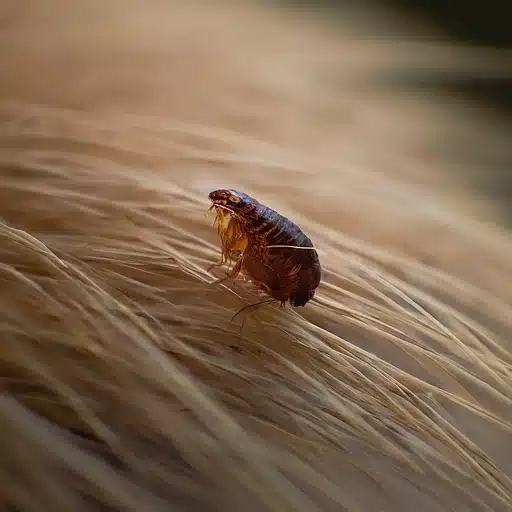
Flea Feeding Habits
Fleas are primarily adapted to feed on the blood of mammals and birds, with a notable preference for specific hosts such as dogs and cats. This specialization is due to the nutritional composition of animal blood, which provides the necessary proteins and nutrients for flea reproduction and survival. While humans can be occasional hosts, the physiological and environmental conditions do not support sustained flea populations on human hosts.
Anatomy and Adaptation
The anatomy of fleas significantly influences their host preferences. Fleas possess specialized mouthparts designed for piercing skin and sucking blood, optimized for fur-covered bodies rather than smooth human hair. Their bodies are flattened laterally, allowing them to navigate through dense fur efficiently, whereas human hair does not provide a conducive environment for their movement or attachment.
Environmental Conditions Favoring Animals
- Temperature and Humidity: Fleas thrive in warm, humid environments typically found in homes with pets. These conditions facilitate their life cycle and enhance survival rates.
- Access to Hosts: Pets offer a constant source of food and shelter, allowing fleas to reproduce rapidly. In contrast, humans do not provide the same level of accessibility for fleas.
- Natural Behavior: Fleas have evolved alongside their primary hosts, leading to behaviors that align closely with the habits and environments of animals, such as nesting in fur or bedding.
Common Misconceptions about Fleas and Humans
Many people mistakenly believe that fleas can easily infest human hair. This misconception arises from the knowledge that fleas can jump significant distances and may land on humans. However, the lack of suitable living conditions in human hair, including insufficient warmth and the absence of dense fur for nesting, limits their ability to thrive. Fleas are not biologically equipped to establish a lasting presence on human hosts.
Flea Control and Prevention
Understanding flea behavior and preferences can aid in effective control measures. Here are specific actions to consider:
- Regularly bathe and groom pets to reduce flea populations.
- Use veterinarian-recommended flea prevention treatments for pets.
- Maintain clean living environments, vacuuming regularly to remove flea eggs and larvae.
By recognizing that fleas prefer environments provided by animals, individuals can implement targeted strategies to prevent infestations in their homes. Awareness of flea behavior not only helps in controlling these pests but also dispels myths surrounding their presence in human hair.
Identifying and Treating Flea Bites on Humans
This section provides a detailed overview of how to identify flea bites on humans and the effective treatments available for relief. Recognizing the symptoms early is essential for prompt care and preventing further discomfort.
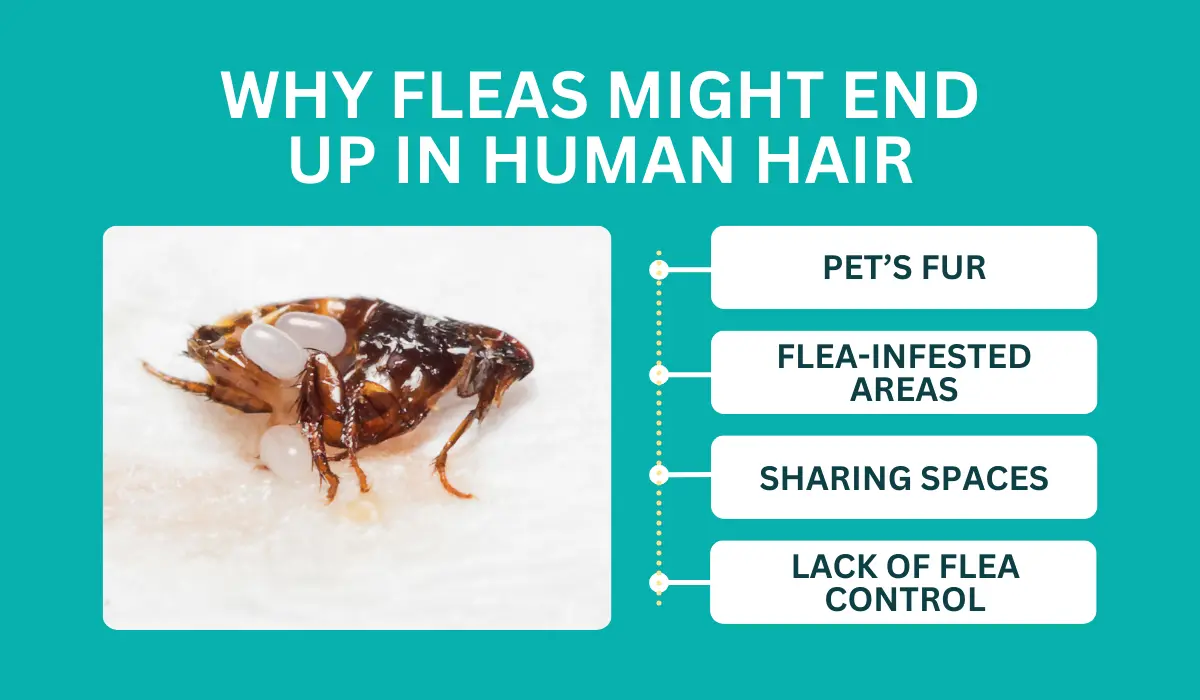
Common Symptoms and Visual Signs of Flea Bites
Flea bites on humans typically appear as small, red, raised bumps, often surrounded by a halo of redness. These bites usually occur in clusters, primarily on areas with less body hair, such as the ankles, lower legs, and waist. The bites can cause intense itching, leading to scratching, which may result in secondary infections.
- Itching: The primary symptom, often worsening at night.
- Red Bumps: Small, elevated lesions that may become inflamed.
- Swelling: Surrounding areas may swell in response to the bite.
Home Remedies and Medical Treatments for Relief
Immediate relief from flea bites can be achieved through various home remedies and medical treatments. It is essential to address itching and prevent infection.
- Cold Compress: Apply a cold compress to the affected area to reduce swelling and numb the itch.
- Antihistamines: Over-the-counter antihistamines can alleviate itching and reduce allergic reactions.
- Hydrocortisone Cream: A topical corticosteroid can help reduce inflammation and itching.
- Calamine Lotion: This can soothe irritated skin and provide relief from itching.
For severe reactions or signs of infection, consult a healthcare professional. Prescription medications may be necessary for persistent symptoms.
Preventative Measures to Avoid Future Bites
To prevent flea bites, it is crucial to adopt an integrated approach focusing on both personal care and home environments.
- Regular Cleaning: Vacuum carpets, upholstery, and pet bedding frequently to remove fleas and their eggs.
- Pest Control: Consider professional pest control services if infestations occur.
- Pet Care: Use veterinarian-recommended flea treatments for pets to reduce the risk of transmission.
- Personal Hygiene: Showering after exposure to infested environments can help wash away fleas.
Nuance and Expert Insights
Many individuals mistakenly believe that flea bites will only occur in areas with thicker body hair. In reality, fleas are not selective and can bite any exposed skin. Furthermore, while flea bites are often mistaken for other insect bites, the specific clustering pattern and intense itching are key differentiators. Understanding these nuances can lead to quicker identification and treatment, minimizing discomfort and potential complications.
Practical Application
To effectively manage flea bites, recognize the symptoms and apply appropriate home remedies or medical treatments as needed. Implement preventative measures to reduce the risk of future infestations, particularly if pets are involved. Regular cleaning and pest control strategies are essential for maintaining a flea-free environment. By staying informed and proactive, individuals can minimize the impact of flea bites and maintain their well-being.
Effective Prevention Strategies Against Fleas
This section provides essential strategies for preventing flea infestations in homes and on pets, emphasizing the importance of proactive measures for effective management.
Regular Grooming and Bathing of Pets
Frequent grooming and bathing of pets is a foundational strategy in flea prevention. Regularly brushing pets helps remove fleas and their eggs before they can establish a population. Use a fine-toothed flea comb to capture fleas effectively.
Bathing pets with a veterinarian-recommended shampoo can further eliminate existing fleas. Aim to bathe pets at least once a month, or more frequently if fleas are detected. Always follow up grooming and bathing with a thorough inspection of the pet’s fur and skin for any signs of fleas.
Using Flea Prevention Products Effectively
Utilizing flea prevention products is critical for maintaining a flea-free environment. Options include topical treatments, oral medications, and flea collars. Each product type has its own application guidelines:
- Topical treatments: Apply monthly to the skin at the back of the neck, ensuring the product is absorbed fully.
- Oral medications: Administer as directed by a veterinarian, usually on a monthly basis, to kill fleas before they can reproduce.
- Flea collars: Ensure proper fit and secure placement on the pet’s neck, replacing them as recommended.
Consult a veterinarian to determine the most suitable products based on the pet’s age, weight, and health conditions.
Maintaining a Clean Living Environment
A clean home significantly reduces the risk of flea infestations. Regular cleaning routines should include:
- Vacuuming: Frequently vacuum carpets, rugs, and upholstery to remove fleas, eggs, and larvae. Dispose of the vacuum bag or empty the canister outside immediately after use.
- Washing bedding: Wash pet bedding and any linens in hot water weekly to eliminate any flea presence.
- Yard maintenance: Keep outdoor areas tidy by mowing grass regularly and removing debris where fleas may hide.
Additionally, consider using flea sprays or powders in areas where pets spend the most time, ensuring these products are safe for use around animals and children.
While these strategies provide a comprehensive approach to preventing flea infestations, misconceptions often arise. Many believe that fleas only thrive in dirty environments; however, fleas can infest even the cleanest homes. Their eggs can be laid in any area where pets frequent, including furniture and carpets, leading to a rapid increase in population if not addressed promptly.
To implement these prevention strategies effectively:
- Establish a regular grooming and bathing schedule for pets.
- Select and apply veterinary-recommended flea prevention products consistently.
- Adopt a thorough cleaning routine within the home and yard.
These actionable steps will create a comprehensive defense against fleas, significantly reducing the likelihood of infestations, and addressing the question of whether fleas would live in human hair. A proactive approach is essential for protecting both pets and family members from these pests.
The Health Risks Associated with Fleas
This section examines the health risks posed by fleas, focusing on the diseases they can transmit to humans and the potential long-term effects of infestations. Understanding these risks is vital for effective prevention and treatment strategies.
Diseases Spread by Fleas
Fleas are vectors for several serious diseases that can affect human health. Notable among these are:
- Murine Typhus: Caused by the bacteria Rickettsia typhi, murine typhus is transmitted through flea feces. Symptoms include fever, headache, and rash. In severe cases, it can lead to hospitalization.
- Cat Scratch Fever: This illness is caused by the bacterium Bartonella henselae, which can be transmitted by flea bites, especially from infected cats. Symptoms may include swollen lymph nodes, fever, and fatigue.
- Tapeworms: Fleas can carry the larval form of the tapeworm Dipylidium caninum. If ingested, typically by pets, this can lead to intestinal infections in both animals and humans, causing discomfort and digestive issues.
Risk Factors for Severe Allergic Reactions
Flea bites can trigger allergic reactions in some individuals. The severity of these reactions varies based on several factors:
- Individual Sensitivity: Some people are more prone to allergic responses due to genetic factors or prior exposure.
- Flea Population: A higher density of fleas increases the likelihood of multiple bites, raising the risk of severe reactions.
- Environmental Conditions: Warm, humid environments can promote flea infestations, leading to increased bite exposure.
Symptoms of severe allergic reactions can include intense itching, swelling, and in rare cases, anaphylaxis, which necessitates immediate medical attention.
Long-Term Effects of Flea Infestations on Human Health
Chronic flea infestations can have lasting effects on human health. Continuous exposure to flea bites can lead to:
- Dermatitis: Persistent scratching from flea bites can result in secondary skin infections and chronic dermatitis.
- Psychological Impact: The stress and anxiety associated with dealing with an infestation can lead to insomnia and decreased quality of life.
- Vector-Borne Diseases: Ongoing exposure increases the risk of contracting diseases transmitted by fleas, as outlined previously.
While the common belief may be that fleas primarily affect pets, the reality is that they can pose significant health risks to humans, particularly in environments where fleas are prevalent. The misconception that fleas would only live in animal fur overlooks their ability to bite humans and transmit diseases.
Practical Applications
To mitigate the health risks associated with fleas, consider the following actions:
- Regularly treat pets with veterinarian-approved flea control products.
- Maintain cleanliness in living spaces by vacuuming frequently and washing bedding to remove flea eggs and larvae.
- Consult a pest control professional if a flea infestation is detected to ensure comprehensive extermination.
- Monitor for allergic reactions and seek medical advice if severe symptoms occur after flea bites.
Frequently Asked Questions
Can fleas live in human hair?
Fleas are not known to live in human hair, as they prefer fur and hair of animals like cats and dogs. However, they can bite humans and may occasionally be found on the scalp if they are transferred from infested pets.
How to get rid of fleas in human hair?
To eliminate fleas from human hair, wash the hair thoroughly with a medicated shampoo designed to kill pests. Additionally, using a fine-toothed comb can help remove any fleas or eggs present.
What do flea bites on humans look like?
Flea bites on humans typically appear as small, red, itchy welts, often grouped in clusters. They usually occur around the ankles and legs, but can appear anywhere on the body.
Are fleas harmful to humans?
Fleas can cause discomfort through bites, leading to itching and allergic reactions in some individuals. They can also transmit diseases, although serious health issues from fleas are relatively rare in humans.
How long can fleas live without a host?
Fleas can survive without a host for several days to a week, depending on environmental conditions. Adult fleas can live longer without a blood meal if they are in a dormant state.
What is the best treatment for flea infestations?
The best treatment for flea infestations involves a combination of vacuuming, washing bedding, and using insecticides or flea treatments on pets. Consulting a pest control professional may be necessary for severe infestations.
Do fleas prefer certain types of hair?
Fleas do not have a preference for specific types of hair in humans, as they primarily target furry animals. However, they may be more easily found in thicker or longer hair if transferred from an infested pet.
Final Thoughts on would fleas live in human hair
While fleas prefer to inhabit animal hosts, they can occasionally be found in human hair, especially in situations of severe infestation. Understanding flea behavior and implementing effective prevention strategies are crucial to mitigate the risk of bites and potential health concerns.
To protect against fleas, individuals should conduct regular inspections of their living environments, especially if pets are present, and consider using preventive treatments for both pets and home environments to disrupt the flea life cycle effectively.
Addressing fleas is essential not only for comfort but also for maintaining overall health, as flea bites can lead to allergic reactions and transmit disease. Awareness and proactive measures are key in combating this persistent pest.
Leave a Reply