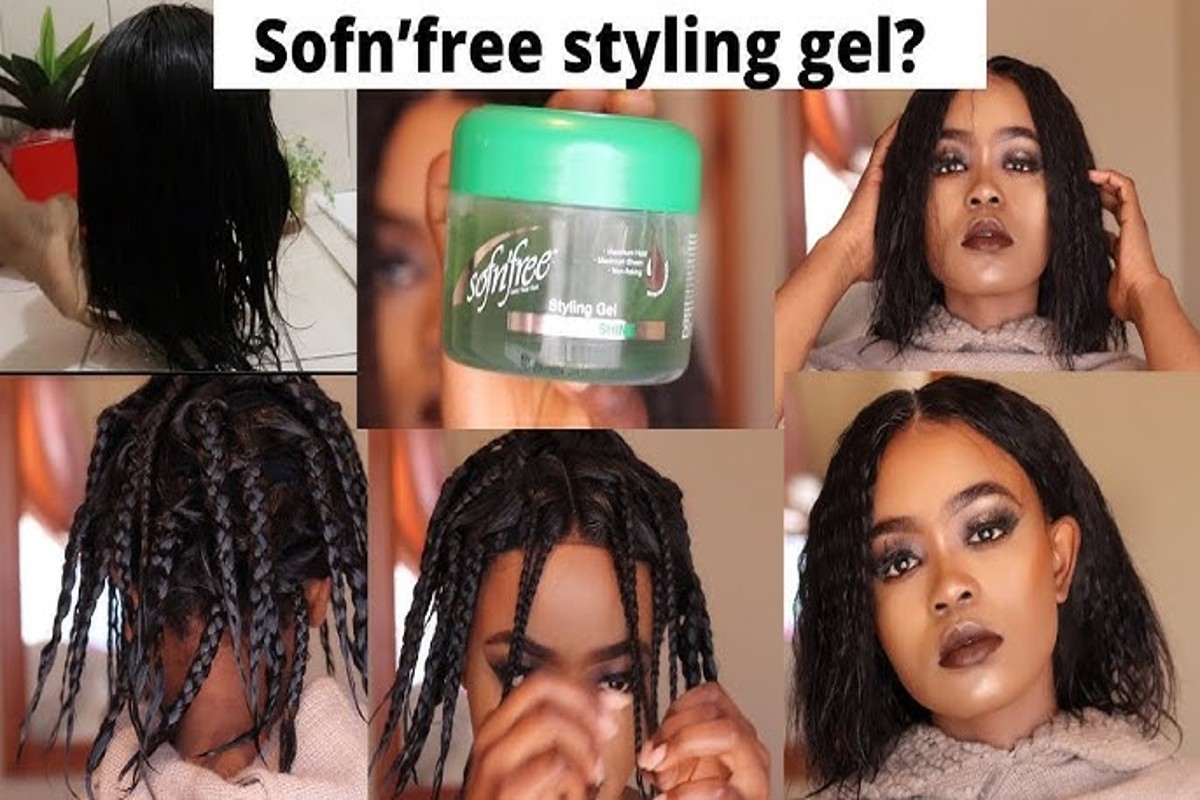
Yes, gel can work on synthetic hair, but results may vary based on the type of gel and the synthetic material. It’s important to choose a gel specifically formulated for synthetic hair to avoid damage.
Understanding whether gel works on synthetic hair is crucial for individuals who use synthetic wigs or extensions. Using the wrong products can lead to detrimental effects, including tangling, loss of luster, and irreversible damage to the hair fibers.
This article provides insights into the types of gels suitable for synthetic hair, tips for application, and best practices for maintaining the integrity of synthetic fibers while using styling products.
Can you use regular hair gel on synthetic hair?
No, regular hair gel is not suitable for use on synthetic hair. While it may provide hold and styling for natural hair, the formulation can damage synthetic fibers. Specialized products designed for synthetic hair are recommended to maintain their integrity and appearance.
Regular hair gels are typically water-based and contain alcohol or other ingredients that can dry out and degrade synthetic materials. They may also leave residue, leading to a dull appearance or clumping. In contrast, gels formulated for synthetic hair are designed to be gentle and compatible with the fibers, ensuring that styling does not compromise the hair’s look or feel. These specialized gels often include conditioning agents that help maintain luster while providing hold.
When comparing the two types, consider the following key differences:
- Composition: Regular gels often contain alcohol, which can dry out synthetic fibers, while synthetic-specific gels use milder ingredients.
- Effect on Appearance: Regular gels can leave a sticky residue, whereas gels for synthetic hair provide a cleaner, more natural finish.
- Durability: Gels for synthetic hair are formulated to withstand heat and humidity without breaking down, unlike conventional gels.
For optimal results, always choose products specifically designed for synthetic hair. This approach not only ensures effective styling but also prolongs the lifespan of the hairpiece.
Expert Tip: Always conduct a patch test with any new product on a small, inconspicuous area of the synthetic hair to assess compatibility and prevent potential damage.
What type of gel is best for synthetic hair?
Water-based gels are the most suitable for synthetic hair, as they provide hold without causing damage. Avoid alcohol-based gels, which can dry out and break synthetic fibers. Additionally, selecting gels specifically labeled for synthetic hair ensures compatibility and effectiveness.
When choosing a gel for synthetic hair, consider the following best practices:
- Water-Based Gels: Opt for gels that list water as the primary ingredient. These gels provide a flexible hold without weighing down the hair or causing stiffness.
- Non-Alcohol Formulations: Ensure the gel is free of alcohol, as this can lead to brittleness and frizz in synthetic fibers. Look for products labeled as “alcohol-free.”
- Lightweight Products: Select gels that offer a light to medium hold. Heavier gels may cause buildup and make synthetic hair appear greasy or lifeless.
- Specialized Synthetic Hair Gels: Use gels specifically designed for synthetic hair, as they contain ingredients that enhance shine and maintain texture without damaging the fibers.
- Test Before Full Application: Always conduct a patch test on a small section of hair. This ensures compatibility and allows for adjustments based on the hair’s response to the gel.
Using the right gel can significantly enhance the appearance and manageability of synthetic hair. Always follow the manufacturer’s recommendations for best results.
Expert Tip
For optimal results, apply gel to damp synthetic hair. This helps distribute the product evenly and allows for better styling without compromising the hair’s integrity.
How to apply gel to synthetic hair?
Applying gel to synthetic hair can enhance its styling and manageability. However, it requires specific techniques to avoid damage and achieve the desired look. Follow these steps for effective application.
- Choose the right gel: Select a gel specifically designed for synthetic hair to prevent damage. Avoid alcohol-based gels, as they can dry out the fibers.
- Prepare the hair: Ensure the synthetic hair is clean and dry before application. Gently detangle the hair using a wide-tooth comb to avoid breakage.
- Apply a small amount: Squeeze a pea-sized amount of gel onto your palms and rub them together. Start with a small quantity to prevent over-saturation.
- Distribute evenly: Apply the gel evenly through the hair, focusing on areas that need hold or definition. Use your fingers to work the gel in, avoiding clumping.
- Style as desired: Shape the hair into your preferred style while the gel is still wet. Use a comb or your fingers to form curls, waves, or sleek styles.
- Allow to set: Let the gel dry completely before touching or manipulating the hair further. This will help maintain the style and prevent frizz.
Different synthetic hair types may react differently to gel. For example, heat-resistant fibers may withstand more styling techniques than traditional synthetic materials. Always perform a patch test on a small section to ensure compatibility with the specific gel.
For optimal results, consider using a light mist of water to rehydrate the hair before applying gel, especially if it appears dull. This can enhance the gel’s effectiveness and provide a more natural finish.
Expert Tip: When working with synthetic hair, avoid excessive manipulation after applying gel. This will help maintain the integrity of the fibers and extend the lifespan of your style.
Does gel damage synthetic hair?
Yes, gel can damage synthetic hair if not used properly. Many gels contain alcohol and other chemicals that can dry out synthetic fibers, leading to breakage and loss of texture. However, with careful selection and application, it is possible to use gel without causing harm.
When considering the use of gel on synthetic hair, it is essential to choose products specifically formulated for synthetic fibers. These gels are typically alcohol-free and designed to maintain the integrity of the hair. Additionally, applying gel in moderation and avoiding excessive heat during styling can further protect the fibers from damage.
- Alcohol-based gels: These can strip moisture from synthetic hair, leading to brittleness.
- Water-based gels: Generally safer for synthetic hair, as they help retain moisture.
- Styling techniques: Apply gel sparingly and avoid using heat tools that may cause melting or frizzing.
Another consideration is the specific type of synthetic hair. Some fibers, like Kanekalon or Toyokalon, may react differently to styling products. Always test a small section of hair first to assess any adverse effects before applying gel to the entire wig or extension.
For the best results, opt for gels that provide hold without compromising the hair’s texture. Regular maintenance, such as washing and conditioning synthetic hair, can also mitigate potential damage from styling products.
Using gel on synthetic hair can be safe if the right products and techniques are employed. Always prioritize products that cater to synthetic fibers to maintain the hair’s quality and longevity.
How long does gel last on synthetic hair?
Gel can last on synthetic hair for approximately 1 to 3 days, depending on various factors. The longevity of gel styles is influenced by the type of gel used, environmental conditions, and the specific characteristics of the synthetic hair itself.
The type of gel plays a significant role in how long it will hold on synthetic hair. Products specifically formulated for synthetic fibers often provide better adhesion and durability compared to regular hair gels. Additionally, the hold strength of the gel—ranging from light to strong—affects how long the style will last. Strong hold gels may maintain their structure longer, while lighter gels may lose their effectiveness more quickly.
Environmental factors also impact the duration of gel styles. Humidity, temperature, and exposure to water can weaken the hold of gel on synthetic hair. For example, high humidity can cause gel to break down faster, leading to a loss of style. Similarly, exposure to rain or excessive sweating can cause the gel to wash away or lose its grip more rapidly.
Care and Maintenance
Proper care and maintenance are crucial for extending the life of gel styles on synthetic hair. Avoiding excessive touching or brushing can help preserve the style. Additionally, using a silk or satin scarf to wrap the hair during sleep can minimize friction and maintain the gel’s effectiveness. Regular cleaning of the hairpiece can also prevent product buildup, which can interfere with the gel’s performance.
For optimal results, consider using a combination of gel and styling techniques tailored for synthetic hair. Experimenting with different products and methods will help determine what best suits your specific hair type and styling goals.
Can you wash gel out of synthetic hair?
Yes, gel can be washed out of synthetic hair, but it requires careful handling to avoid damage. The process involves using the right products and techniques to ensure the hair remains in good condition. Proper removal techniques can help maintain the texture and appearance of the synthetic fibers.
To effectively wash gel out of synthetic hair, it is essential to use lukewarm water and a gentle cleansing solution designed for synthetic fibers. Avoid using hot water, as it can alter the hair’s shape and texture. Additionally, avoid products with alcohol or harsh chemicals, as these can degrade the synthetic material.
- Detangle the hair: Gently comb through the synthetic hair with a wide-tooth comb to remove any knots or tangles. This step helps prevent breakage during washing.
- Rinse with lukewarm water: Hold the synthetic hair under lukewarm running water to loosen the gel. Ensure the water flows in the direction of the hair strands to minimize tangling.
- Apply a gentle cleanser: Use a sulfate-free shampoo or a cleanser specifically formulated for synthetic hair. Apply a small amount and gently work it through the hair, focusing on areas with gel buildup.
- Rinse thoroughly: Rinse the hair thoroughly under lukewarm water until the cleanser is completely washed out. Ensure that no residue remains, as it can affect the hair’s texture.
- Condition if needed: If the hair feels dry after washing, apply a synthetic hair conditioner to restore moisture. Rinse it out as per the product instructions.
- Air dry: Lay the synthetic hair flat on a clean towel to remove excess water and allow it to air dry completely. Avoid using heat sources, as they can damage synthetic fibers.
Using the appropriate cleaning products and techniques will help maintain the integrity of synthetic hair while effectively removing gel. Regular maintenance can enhance the longevity and appearance of synthetic wigs or extensions.
Expert Tip: Consider using a leave-in conditioner designed for synthetic hair after washing. This can help keep the fibers soft and manageable, reducing future gel buildup.
What are the pros and cons of using gel on synthetic hair?
Using gel on synthetic hair has both advantages and disadvantages. On the positive side, gel can help manage frizz and hold styles in place. Conversely, it may lead to product buildup and can damage the fibers over time if not used correctly.
When considering the use of gel on synthetic hair, several factors come into play. Pros include enhanced styling versatility. Gel can provide additional structure and shape to synthetic wigs or extensions, allowing for more elaborate hairstyles. Additionally, gel can tame flyaways, giving a polished appearance. Furthermore, certain gels formulated for synthetic hair are designed to be easily washed out, minimizing potential buildup.
On the other hand, cons should be carefully considered. Many traditional hair gels contain alcohol and other harsh chemicals that can degrade synthetic fibers, leading to a dull appearance and reduced lifespan of the hairpiece. Moreover, excessive use of gel can create residue that is difficult to remove, requiring more intensive cleaning methods that can further stress the hair. Lastly, not all gels are compatible with synthetic materials, so choosing the right product is essential.
Key Differences
- Styling Benefits: Provides hold and structure vs. potential damage to fibers.
- Ease of Use: Can enhance appearance vs. may lead to product buildup.
- Product Compatibility: Some gels are designed for synthetic hair vs. many are not suitable.
Using gel on synthetic hair can be effective if the right product is chosen and used sparingly. It is advisable to test a small amount of gel on a discreet area of the hairpiece before full application.
Understanding Synthetic Hair Materials and Their Care
This section explores the various synthetic hair materials and their interactions with styling products, particularly gel. Knowledge of these materials is essential for effective care and styling, ensuring longevity and optimal appearance.
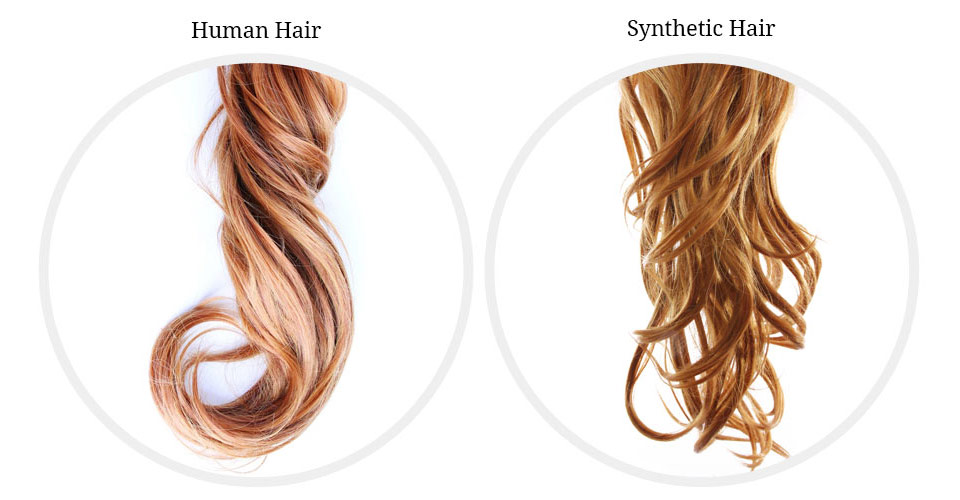
Common Synthetic Hair Materials
Two of the most widely used synthetic hair materials are Kanekalon and Toyokalon. Each material has unique properties that affect its styling capabilities.
- Kanekalon: Known for its soft texture and natural appearance, Kanekalon is often used in braids and wigs. It can withstand moderate heat but may lose its shape if exposed to high temperatures.
- Toyokalon: This material mimics the feel of natural hair more closely than Kanekalon. Toyokalon can handle higher temperatures, making it suitable for styles requiring heat application.
- Other Materials: Other synthetic fibers, like Polyester and Polypropylene, are less common but are known for their durability. However, they typically do not respond well to heat or styling products.
Response of Synthetic Materials to Styling Products
The interaction between synthetic hair materials and styling products, such as gel, varies significantly. Generally, most gels contain alcohol and other chemicals that can adversely affect synthetic fibers.
- Kanekalon: While some gels may provide hold, they can also lead to buildup, making the hair look dull and lifeless. Water-based gels are preferable for this material.
- Toyokalon: This material tends to handle styling products better than Kanekalon. However, excessive use can still lead to tangling and stiffness.
- Polyester and Polypropylene: These materials typically do not respond well to gels and may become brittle or frayed if exposed to such products.
Best Practices for Maintaining Synthetic Hair
Proper care can prolong the lifespan of synthetic hair. Follow these guidelines:
- Washing: Use mild shampoos specifically formulated for synthetic hair. Avoid hot water.
- Conditioning: Apply a synthetic-friendly conditioner to maintain softness and manageability.
- Styling: Limit the use of heat and opt for styling products designed for synthetic hair.
- Storage: Store wigs or extensions in a cool, dry place, ideally in a designated holder to maintain shape.
Common Misconceptions About Synthetic Hair Care
Several myths exist regarding synthetic hair maintenance. One common misconception is that synthetic hair can be treated the same way as human hair. In reality, synthetic fibers require different care techniques. For instance, using high-heat styling tools can irreparably damage synthetic hair, while human hair can withstand such treatments.
Another myth is that all styling products are compatible with synthetic hair. In fact, many products, especially those containing alcohol, can cause deterioration of the fibers over time. Consumers often overlook the importance of selecting the right products tailored for synthetic materials.
Practical Application
To effectively care for synthetic hair and utilize gel, choose products specifically designed for synthetic fibers. Limit the frequency of gel application to prevent buildup, and always select water-based gels when possible. Regular cleaning and conditioning will help maintain the hair’s appearance and texture, ensuring it remains a stylish and integral part of your look.
Expert Tips for Styling Synthetic Hair with Gel
This section provides advanced techniques for effectively using gel on synthetic hair, ensuring optimal results and styling versatility. Mastering these methods can elevate the quality of your synthetic hair looks.

Choosing the Right Gel
Selecting the appropriate gel is critical for achieving desired styling outcomes. Look for gels that are water-based, as they provide a lighter hold and are less likely to cause buildup. Avoid gels containing alcohol, which can dry out synthetic fibers. Instead, consider gels formulated with natural ingredients, such as aloe vera or glycerin, for added moisture and flexibility.
Application Techniques
Even distribution of gel is essential for uniform hold and styling. Follow these steps for optimal application:
- Start with clean, dry synthetic hair to ensure better adhesion.
- Dispense a small amount of gel into your palms and rub them together to warm it up.
- Apply the gel evenly from the roots to the tips, using your fingers to comb through the hair.
- For added hold, layer the gel gradually, allowing each layer to dry before adding more.
Styling Tips for Different Looks
Varying the styling technique can yield diverse looks:
- Sleek Styles: Use a smoothing brush to distribute gel evenly. Apply a small amount of gel to your brush and glide it over the hair for a polished finish.
- Voluminous Styles: Apply gel to the roots and scrunch the hair upwards. This technique helps create body and bounce, ideal for fuller styles.
- Textured Looks: Use your fingers to twist sections of hair with gel applied. This method enhances texture and creates a more tousled appearance.
Troubleshooting Common Issues
Styling synthetic hair with gel can present challenges. Here are some common issues and their solutions:
- White Residue: This often arises from using too much gel. Reduce the amount used and ensure even distribution.
- Stiffness: If hair feels rigid, incorporate a leave-in conditioner before applying gel for flexibility.
- Frizz: To combat frizz, use a gel with moisturizing properties and apply while the hair is slightly damp.
Many articles overlook the importance of gel formulation in relation to synthetic hair types. Different synthetic fibers react uniquely to various gel ingredients. For instance, heat-resistant synthetic hair may tolerate heavier gels better than non-heat-resistant variants. Additionally, while some believe that any gel can be used on synthetic hair, this is misleading; using the wrong type can lead to damage or undesired results.
To effectively apply these insights, start by selecting a high-quality, water-based gel. Experiment with various application techniques and styling methods to find what works best for your specific synthetic hair type. Regularly assess your results and adjust your approach as needed, focusing on the particular characteristics of your synthetic hair to achieve the best possible style.
Real-World Applications: User Experiences and Testimonials
This section explores real-life experiences of individuals using gel on synthetic hair, focusing on successes and challenges. Insights from users highlight the practical implications of product choices and application techniques.

Case Studies of Diverse Users
Users with varying hair types and styles have shared their experiences with gel on synthetic hair, revealing a spectrum of outcomes.
- User A had a curly synthetic wig. They reported success using a lightweight gel that provided hold without stiffness, allowing curls to maintain their bounce.
- User B owned a straight synthetic hairpiece. They struggled with a heavy gel that left the hair looking greasy and weighed down, demonstrating the importance of product selection.
- User C experimented with a bob-style wig and a medium-hold gel. They found that the gel worked well for styling but required careful application to avoid clumping.
Feedback on Gel Products
Reviews of specific gel products can guide users in making informed choices. The following products received notable feedback:
- Eco Styler Gel: Highly praised for its strong hold and non-flaking formula, making it a favorite among synthetic wig users.
- Got2b Glued Styling Gel: Recommended for its ability to provide durability; however, some users cautioned against over-application due to potential buildup.
- Aussie Instant Freeze Gel: Appreciated for its affordability and effectiveness in keeping styles intact, but users noted that it may dry too quickly for detailed styling.
Lessons Learned from Common Mistakes
Several users reported common pitfalls when applying gel to synthetic hair:
- Applying too much gel can lead to a stiff appearance, making the hair look unnatural.
- Not testing the gel on a small strand first can result in undesirable reactions, such as discoloration or texture change.
- Failing to properly clean the hair before application can cause product buildup, which diminishes the overall look.
Community Recommendations
Online communities and forums have provided valuable recommendations for the best gel products to use on synthetic hair. Users often suggest:
- Choosing gels specifically formulated for synthetic fibers to avoid damage.
- Utilizing water-based gels for easier removal and less residue.
- Seeking out gels that mention compatibility with synthetic hair on their labels.
Expert opinion emphasizes that while gel can effectively style synthetic hair, users must consider their specific hair type and desired outcome. Many users mistakenly assume that all gels are interchangeable, but variations in formulation can lead to vastly different results.
To maximize the effectiveness of gel on synthetic hair, users should:
- Test a small amount of gel on an inconspicuous area of the wig or hairpiece.
- Start with a small quantity to prevent stiffness and build gradually.
- Regularly clean the hair to avoid product buildup, enhancing the longevity of both the style and the hairpiece.
Frequently Asked Questions
Can you use regular hair gel on synthetic hair?
Regular hair gel is not recommended for synthetic hair, as it may cause buildup and damage the fibers. Instead, opt for products specifically designed for synthetic materials.
What type of gel is best for synthetic hair?
A water-based gel or a gel specifically formulated for synthetic hair is ideal. These products provide hold without damaging the hair fibers.
How to apply gel to synthetic hair?
Apply gel to synthetic hair by using a small amount and distributing it evenly with your fingers or a comb. Avoid over-applying to prevent stiffness and buildup.
Does gel damage synthetic hair?
Using the wrong type of gel can damage synthetic hair, leading to frizz and loss of luster. Always choose products designed for synthetic fibers to minimize risk.
How long does gel last on synthetic hair?
Gel can last on synthetic hair for several hours, depending on the product and environmental conditions. However, it may need reapplication after exposure to humidity or moisture.
Can you wash gel out of synthetic hair?
Yes, gel can be washed out of synthetic hair with mild shampoo and lukewarm water. Ensure to rinse thoroughly to avoid residue buildup.
What are the pros and cons of using gel on synthetic hair?
Pros include added hold and styling versatility, while cons may involve potential damage and buildup if unsuitable products are used. Choosing the right gel is crucial for maintaining the hair’s integrity.
Final Thoughts on does gel work on synthetic hair
Using gel on synthetic hair can yield impressive styling results when approached with care and the right products. While traditional hair gels may not be suitable, specialized formulas designed for synthetic fibers can enhance texture and maintain the integrity of the material without causing damage.
To achieve optimal results, invest in a high-quality gel specifically formulated for synthetic hair and test small sections before application to ensure compatibility. This proactive approach will safeguard the longevity and appearance of your synthetic styles.
Understanding how to effectively style synthetic hair with the right products is crucial for achieving professional-looking results, enhancing both confidence and creativity in hair fashion.
Leave a Reply