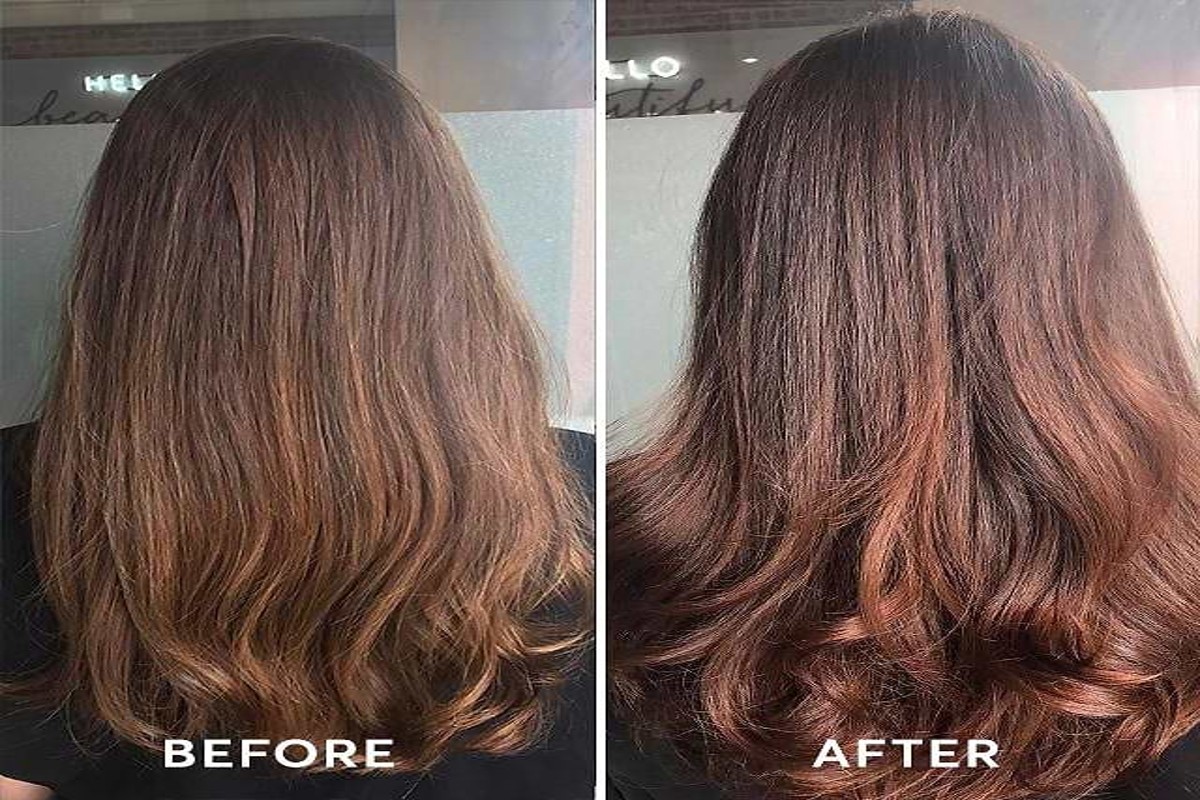
Hair gloss is a semi-permanent hair treatment that enhances shine and color while smoothing the hair cuticle. It can be clear or tinted, providing a glossy finish.
Understanding hair gloss is essential for anyone seeking to improve their hair’s appearance and health. Misunderstanding its application and benefits can lead to suboptimal results, leaving hair dull and lifeless.
This article details the benefits of hair gloss, how to apply it effectively, and tips for maintaining its effects for longer-lasting shine and vibrancy.
What are the benefits of using hair gloss?
Hair gloss provides a range of benefits including enhanced shine, improved hair health, and protection against environmental damage. This treatment can boost color vibrancy and smooth the hair cuticle, leading to a more polished appearance. Additionally, hair gloss can help reduce frizz and enhance manageability, making hair easier to style.
One of the primary advantages of hair gloss is its ability to impart a significant shine to the hair. Unlike traditional hair dyes, which can strip moisture, gloss treatments often contain conditioning agents that hydrate the hair. This results in a glossy finish that reflects light, making hair appear healthier and more vibrant. Furthermore, the smoothing effects of hair gloss can help to seal the cuticle, preventing moisture loss and reducing the risk of damage from heat styling or environmental factors.
- Color enhancement: Hair gloss can intensify the natural or dyed color of hair, making it appear richer and more dynamic.
- Frizz control: The smoothing properties help to tame frizz, which is especially beneficial for those with curly or coarse hair types.
- Protection: Many glosses contain UV filters and antioxidants that protect against sun damage and pollution, prolonging the life of color treatments.
Hair gloss can also be a versatile option for those looking to refresh their look without committing to permanent color changes. It can be used as a standalone treatment or in conjunction with other hair services, such as highlights or balayage. Regular applications can lead to cumulative benefits, improving the overall health and appearance of the hair over time.
For optimal results, choose a gloss that aligns with your hair type and desired outcome. Consult with a professional stylist to select the best formulation, as they can recommend products that complement your hair’s unique needs and condition.
How do you apply hair gloss at home?
Applying hair gloss at home is a straightforward process that can enhance your hair’s shine and vibrancy. With the right products and tools, you can achieve salon-quality results without professional help. Follow these steps for effective application.
- Choose the Right Product: Select a hair gloss that suits your hair type and desired outcome. Options include clear gloss for shine enhancement or tinted gloss for adding color and depth.
- Prepare Your Hair: Start with clean, dry hair. Wash your hair with a clarifying shampoo to remove buildup, then towel-dry to eliminate excess moisture.
- Gather Your Tools: Assemble necessary tools such as a bowl, brush or applicator, gloves, and a wide-tooth comb. These will help ensure an even application.
- Mix the Gloss: If using a concentrated gloss, mix it according to the manufacturer’s instructions. Follow the recommended ratios for optimal results.
- Apply the Gloss: Wearing gloves, use the applicator brush to apply the gloss evenly, starting from the roots and working down to the tips. Ensure full coverage for consistent color and shine.
- Comb Through: After application, use a wide-tooth comb to distribute the gloss evenly throughout your hair. This step helps avoid uneven patches.
- Set the Timer: Allow the gloss to sit for the recommended time, typically 20-30 minutes. For deeper color, you may leave it on slightly longer, but do not exceed the maximum time suggested.
- Rinse Thoroughly: Rinse your hair with lukewarm water until the water runs clear. Follow with a sulfate-free conditioner to lock in moisture and shine.
- Style as Desired: Once rinsed and conditioned, dry and style your hair as usual. You should notice increased shine and improved color depth.
For best results, consider doing a patch test to check for any allergic reactions before full application. Additionally, maintain your gloss with regular conditioning treatments to prolong the effects.
Expert Tip: For enhanced longevity, avoid washing your hair for at least 48 hours post-application. This allows the gloss to fully penetrate and bond with the hair cuticle, maximizing shine and color retention.
How long does hair gloss last?
Hair gloss typically lasts between 4 to 8 weeks, depending on several factors. The longevity of the treatment can vary based on hair type, the specific product used, and maintenance routines.
One significant factor affecting the duration of hair gloss is the hair’s porosity. Hair that is more porous tends to absorb products more readily but may also lose them faster. Therefore, individuals with low-porosity hair might find that gloss lasts longer than those with high-porosity hair. Additionally, the type of gloss used—whether it is a semi-permanent or demi-permanent formula—can influence how long the effects last. Semi-permanent glosses may fade more quickly than demi-permanent options, which are designed to provide longer-lasting color and shine.
Another critical aspect is the maintenance routine following the application of hair gloss. Regular washing with sulfate-free shampoos, limited heat styling, and protective measures against sun exposure can help extend the life of the gloss. Conversely, frequent washing, exposure to chlorine in swimming pools, and high heat from styling tools can accelerate fading. It’s essential to adopt a suitable hair care regimen to maximize the benefits of hair gloss.
Expert Tip: For optimal results, consider using color-safe and hydrating products specifically formulated for color-treated hair. This can help maintain the gloss’s vibrancy and extend its duration significantly.
What is the difference between hair gloss and hair dye?
Hair gloss and hair dye serve different purposes in hair care and styling. Hair gloss is primarily used to enhance shine and improve the overall appearance of hair, while hair dye is intended to change the hair’s color. Both products can impact the look and feel of hair, but they do so in distinct ways.
Hair gloss is a temporary treatment that typically contains conditioning agents and pigments that add shine and depth to the hair without drastically altering its color. Gloss products can either be clear or tinted, enhancing the natural hue of the hair. The effects last from a few weeks to a couple of months, depending on the product and hair care routine. In contrast, hair dye involves a chemical process that alters the hair’s color permanently or semi-permanently. This process typically involves stronger chemicals that penetrate the hair shaft, resulting in a more dramatic and lasting change.
- Purpose: Hair gloss enhances shine and vibrancy, while hair dye changes color.
- Application: Hair gloss is usually applied after shampooing and left on for a short period, whereas hair dye requires a more involved process, including mixing and longer application times.
- Longevity: Hair gloss effects are temporary, lasting a few weeks, while hair dye can last for several months, depending on the type used.
Choosing between hair gloss and hair dye depends on the desired outcome. For those seeking to refresh their color and add shine without commitment, hair gloss is ideal. Alternatively, for a more permanent color change, hair dye is the better option. Understanding the chemical composition and application methods of each can help in making an informed decision.
Expert Tip: When using hair gloss, consider choosing a product that complements your hair type and color, as some glosses can enhance specific undertones, providing a more tailored look. For hair dye, always perform a patch test to avoid allergic reactions.
How much does a hair gloss treatment cost?
A professional hair gloss treatment typically costs between $30 and $150, depending on factors such as location and salon reputation. DIY hair gloss options are generally more affordable, with prices ranging from $10 to $40 for at-home products. The overall investment can vary significantly based on specific circumstances.
Several factors influence the cost of hair gloss treatments. These include:
- Salon Location: Urban salons often charge more due to higher overhead costs compared to rural establishments.
- Stylist Experience: Treatments performed by highly experienced stylists may command a premium price.
- Product Quality: Professional-grade glosses tend to be more expensive than over-the-counter alternatives.
- Additional Services: Some salons bundle hair gloss treatments with other services, such as haircuts or color, which can affect the total cost.
DIY options can be a budget-friendly alternative, but they may not provide the same level of shine or longevity as professional treatments. Many at-home glosses are designed for quick application and can enhance color or add moisture, but results vary widely based on the product and hair type. Users should consider their hair’s specific needs when selecting a gloss treatment.
For the best results, it is advisable to consult with a professional stylist who can recommend the most suitable treatment based on individual hair characteristics and desired outcomes. Investing in a high-quality gloss treatment can significantly enhance hair health and appearance.
Can hair gloss damage your hair?
Hair gloss is generally safe and can enhance the appearance of hair without causing damage. However, the safety largely depends on the formulation and frequency of application. Using a high-quality gloss and following proper application techniques can minimize any potential risks to hair health.
Hair gloss treatments typically contain conditioning agents that help smooth and shine hair, making them a popular choice for enhancing color and texture. However, if a gloss contains harsh chemicals or is applied too frequently, it could lead to dryness or buildup on the hair. Individuals with already compromised or overly processed hair should exercise caution and consider consulting a professional before using gloss treatments.
- Choose quality products: Select hair glosses that are free from ammonia and sulfates. Look for formulations with nourishing ingredients like oils and vitamins to protect your hair.
- Limit frequency: Use hair gloss no more than once every 4-6 weeks to prevent product buildup and maintain hair health.
- Conduct a patch test: Before applying gloss, perform a patch test to check for any allergic reactions, especially if you have sensitive skin or scalp.
- Consider professional application: For the best results, consider visiting a salon where a stylist can assess your hair type and apply the gloss safely.
- Follow up with care: After glossing, use a sulfate-free shampoo and a deep conditioner to maintain moisture and prevent dryness.
Regularly assessing the condition of your hair can help determine if gloss treatments are suitable for you. Consulting with a hair care professional can provide tailored advice for maintaining hair health while enjoying the benefits of gloss.
What is the best hair gloss for curly hair?
The best hair gloss for curly hair typically contains moisturizing ingredients and provides shine without weighing down the curls. Products like the Moroccanoil Glossing Spray and Redken Diamond Oil Glow Dry are excellent choices, as they enhance curl definition while adding a glossy finish. Look for glosses that are free from harsh sulfates and alcohol, which can dry out curls.
For example, the Moroccanoil Glossing Spray features a blend of argan oil and vitamins that nourish curls, promoting both hydration and shine. This product can be applied on damp hair before styling or used as a finishing touch to enhance the overall look. Similarly, Redken Diamond Oil Glow Dry provides a lightweight formula that helps to smooth frizz and boost natural curl formation, making it ideal for those who desire both gloss and definition.
When choosing a hair gloss, consider the specific needs of your curls. Products enriched with ingredients like coconut oil, sheer butter, or aloe vera can offer added moisture and protection, especially for dry or damaged curls. Additionally, using a gloss as part of a regular hair care routine can help maintain the vibrancy of color-treated curls while keeping them healthy and shiny.
Opting for a hair gloss that is tailored for curly hair can make a significant difference in managing texture and maintaining a polished look. Regular use can also help enhance the natural curl pattern, providing a more defined and bouncy appearance.
For optimal results, apply hair gloss sparingly to avoid product buildup. Focus on mid-lengths to ends, where curls tend to be drier, and always follow with a heat protectant if styling with heat.
How often should you use hair gloss?
Hair gloss can be used every 4 to 6 weeks for optimal results. This frequency allows the gloss to enhance shine and color without overwhelming the hair with product buildup.
Several factors influence how often hair gloss should be applied. Hair type, color treatment, and overall condition are significant considerations. For instance, those with dry or damaged hair may benefit from more frequent applications to restore moisture and vibrancy. Conversely, individuals with oily hair may need to limit usage to avoid excess greasiness.
- For color-treated hair: Use hair gloss every 4 to 6 weeks to maintain color vibrancy and shine. This timing helps replenish lost moisture and enhance the overall appearance of the hair.
- For natural hair: Those with natural hair can apply gloss every 6 to 8 weeks. This allows the natural oils to balance while still providing a boost in shine and smoothness.
- For dry or damaged hair: Consider using a hair gloss every 3 to 4 weeks. This can help improve hydration levels and restore luster without causing buildup.
- Monitor hair condition: Adjust frequency based on how your hair responds. If it feels heavy or greasy, reduce the application rate.
Regularly assessing the health of your hair is crucial. If signs of buildup occur, such as dullness or increased oiliness, it may be time to extend the interval between applications.
For best results, pair hair gloss with a quality shampoo and conditioner designed for your hair type. This combination will enhance the gloss’s effectiveness and maintain hair health.
Understanding the Ingredients in Hair Gloss
This section explores the key ingredients commonly found in hair gloss products and their effects on hair health. Understanding these components enables consumers to make informed choices tailored to their specific hair needs.

Common Ingredients in Hair Gloss
Hair gloss formulations vary, but several ingredients are frequently included for their beneficial properties:
- Silicones: These compounds create a protective layer over the hair, enhancing shine and reducing frizz. Common silicones include dimethicone and cyclopentasiloxane.
- Oils: Natural oils such as argan, jojoba, and coconut oil nourish the hair while adding moisture and luster.
- Coloring agents: These may be added for temporary color enhancement, providing a vibrant look without permanent dye.
- Conditioning agents: Ingredients like cetrimonium chloride and polyquaternium help detangle hair, making it smoother and easier to manage.
The Role of Silicones and Oils in Enhancing Shine
Silicones are fundamental in hair gloss for their ability to reflect light, resulting in a glossy finish. They also provide a barrier against humidity, keeping hair smooth and preventing frizz. Oils contribute not only to shine but also to overall hair health by delivering moisture and essential nutrients directly to the hair shaft. This combination of silicones and oils is key to achieving that sought-after luminous look.
Natural Alternatives to Traditional Hair Gloss Ingredients
For those seeking more natural options, several alternatives can be effective:
- Aloe Vera: Known for its hydrating properties, aloe vera can add shine without the heaviness of silicones.
- Essential Oils: Oils like rosemary or lavender can impart a natural sheen while promoting hair health.
- Plant-Based Extracts: Ingredients such as chamomile or green tea can enhance hair color and shine while providing antioxidant benefits.
How to Read Labels and Choose the Right Product for Your Hair Type
Selecting the appropriate hair gloss requires careful label examination. Look for products that list ingredients suited to your hair type:
- Fine Hair: Choose lightweight formulas with minimal silicones to avoid weighing hair down.
- Curly Hair: Opt for products rich in oils and moisturizing agents to enhance curl definition and reduce frizz.
- Color-Treated Hair: Select glosses with color-safe formulas that include UV protection and nourishing ingredients.
Understanding ingredient labels helps identify products that align with individual hair needs and concerns, ensuring optimal results from hair gloss applications.
Many articles overlook the significance of ingredient concentrations and the potential for allergic reactions. While silicones and oils are effective, they can build up over time and may not suit everyone. It is essential to consider personal hair texture, environmental factors, and specific hair concerns when choosing a hair gloss.
To maximize the benefits of hair gloss, assess your hair type and concerns, then select products based on the discussed ingredients. Experiment with different formulations, paying attention to how your hair responds, and adjust your choices accordingly. Regularly check ingredient labels to ensure they meet your evolving hair care needs.
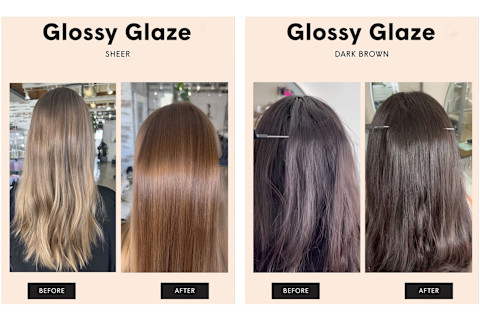
Hair Gloss for Different Hair Types
This section examines how hair gloss can be tailored to suit various hair types, addressing specific needs and concerns. Understanding these distinctions can enhance the effectiveness of hair gloss and contribute to overall hair health and appearance.
Straight Hair
For straight hair, hair gloss serves to enhance shine and smoothness. Straight strands can often appear flat, and gloss adds a reflective quality that creates depth. Application typically involves:
- Choosing a gloss that matches the hair’s natural undertones.
- Applying on damp hair for even distribution.
- Using a heat source, such as a blow dryer, to activate the gloss for better results.
Wavy Hair
Wavy hair benefits from hair gloss by defining waves while minimizing frizz. The application process should focus on enhancing texture without weighing it down:
- Opt for lightweight gloss formulations to maintain volume.
- Apply after styling to seal in moisture and reduce flyaways.
- Consider using a diffuser while drying to enhance wave definition.
Curly Hair
Curly hair requires special attention when using gloss due to its unique structure. Gloss can help maintain moisture and enhance curl definition:
- Use a specialized curl-enhancing gloss.
- Apply on wet hair to lock in hydration.
- Focus on the ends to avoid the roots becoming too heavy.
Color-Treated vs. Natural Hair
Hair gloss can be beneficial for both color-treated and natural hair, but the approach differs. For color-treated hair, gloss acts as a protective barrier, preserving color vibrancy and shine:
- Choose a gloss specifically formulated for color-treated hair.
- Apply every 4-6 weeks to maintain color richness.
Natural hair can also benefit from gloss, particularly for enhancing natural shine and texture. Regular application can improve overall hair health, making it easier to style.
Maintaining Gloss on Textured Hair
Textured hair tends to lose moisture and shine more quickly. To maintain gloss, consider the following tips:
- Use a satin or silk pillowcase to reduce friction during sleep.
- Incorporate regular deep conditioning treatments to support hair health.
- Limit heat styling to preserve the integrity of the gloss.
Success Stories Across Hair Types
Numerous individuals have reported positive outcomes from using hair gloss tailored to their specific hair types. For instance, a user with straight hair noted enhanced shine and reduced styling time, while a person with curly hair experienced defined curls and reduced frizz. These anecdotal successes illustrate the versatility of hair gloss in achieving desired hair results.
Hair gloss is not merely an aesthetic treatment; it addresses the unique needs of different hair types. For optimal results, assess hair texture, color treatment status, and desired outcomes. Tailor the application process accordingly, and incorporate maintenance practices to prolong the benefits of hair gloss. Embrace tailored strategies to maximize the advantages of what hair gloss can offer.
Expert Tips for Maximizing Hair Gloss Results
This section provides advanced techniques and insider tips to enhance the effects of hair gloss treatments, ensuring a radiant finish and prolonged shine. Proper preparation and maintenance can significantly elevate the results of any hair gloss application.
Pre-application Hair Care Routines
Preparing the hair before applying gloss is essential for achieving optimal results. Clean, healthy hair allows the gloss to adhere better and enhances its effectiveness. Follow these steps:
- Clarify the Hair: Use a clarifying shampoo to remove product buildup and impurities. This step ensures the gloss penetrates effectively.
- Deep Condition: Apply a deep conditioning treatment a few days prior to glossing. Well-moisturized hair will reflect light better and improve shine.
- Avoid Heat Styling: Refrain from using heat styling tools 48 hours before application. This reduces damage and allows the hair to be in its best condition for glossing.
Post-application Maintenance
Maintaining the gloss after application is crucial for prolonging shine and vibrancy. Consider the following practices:
- Use Sulfate-free Shampoo: Regular shampoos can strip gloss from the hair. Opt for sulfate-free options to maintain shine.
- Limit Washing Frequency: Reduce the number of washes per week to preserve the gloss. Aim for two to three washes weekly.
- Apply Leave-in Conditioner: A lightweight leave-in conditioner can enhance moisture and shine without weighing hair down.
Common Mistakes to Avoid During Application
Several errors can diminish the effectiveness of hair gloss treatments. Avoid these common pitfalls:
- Over-application: Applying too much gloss can lead to a weighed-down appearance. Follow the product’s recommended amount.
- Ignoring Processing Time: Each gloss product has a specific processing time. Exceeding this can result in unwanted color changes.
- Application on Dirty Hair: Applying gloss to unwashed hair can hinder absorption and lead to uneven results.
Combining Hair Gloss with Other Treatments
Hair gloss can be effectively combined with other treatments for enhanced results. Key combinations include:
- Color Treatments: Applying gloss after color treatments can enhance vibrancy and add a protective layer, sealing in color.
- Keratin Treatments: A gloss can complement keratin treatments, providing additional shine and smoothing benefits.
- Hydrating Masks: Follow up with a hydrating mask for added moisture, which will amplify the gloss’s shine.
Many assume that hair gloss is solely a color treatment, but it also functions as a protective layer against environmental factors. This distinction underscores its dual role in hair care. Professionals often recommend regular gloss applications, particularly for color-treated hair, to maintain luster and health.
To maximize the benefits of hair gloss, implement a structured routine: clarify hair prior to application, use sulfate-free products post-gloss, and combine treatments wisely. Avoid common mistakes such as over-application and ignoring processing times. These strategies will ensure that hair remains vibrant and glossy, achieving the desired results.
Debunking Myths About Hair Gloss
This section addresses prevalent misconceptions surrounding hair gloss, clarifying its benefits and application methods. Accurate information is essential for making informed decisions about hair care treatments.

Myth: Hair Gloss Causes Damage
Many individuals believe that hair gloss can damage hair due to its chemical composition. In reality, most hair gloss products are formulated with conditioning agents that help improve hair texture and shine. Unlike harsher treatments, glosses do not contain aggressive chemicals that lead to breakage or dryness. Instead, they often enhance the hair’s natural luster while providing a protective layer.
Gloss vs. Keratin Treatments
Hair gloss and keratin treatments serve different purposes and have distinct formulations. Hair gloss primarily adds shine and enhances color, whereas keratin treatments aim to smooth frizz and reduce curl patterns. Keratin treatments involve the application of proteins that penetrate the hair shaft, leading to long-lasting results. In contrast, glosses are typically temporary and primarily focus on surface-level improvements.
Temporary vs. Semi-Permanent Effects
Understanding the longevity of hair gloss is vital for managing expectations. Hair gloss products can be categorized into two main types:
- Temporary Gloss: Lasts for about 1-2 washes and is ideal for those seeking a quick boost in shine.
- Semi-Permanent Gloss: Lasts for 4-6 weeks, offering a more durable option for enhancing color and shine.
The choice between these options should align with individual hair goals and maintenance preferences.
DIY vs. Professional Treatments
There is a common belief that DIY hair gloss treatments can yield results comparable to professional applications. While at-home products may be convenient, they often lack the quality and efficacy of salon-grade formulas. Professional stylists use higher concentration ingredients and advanced techniques that ensure even distribution and optimal results. Additionally, professionals can customize the treatment to suit specific hair types and conditions, which is often not possible with over-the-counter options.
Nuances in Hair Gloss Treatments
Despite the benefits associated with hair gloss, some misconceptions persist. For example, many assume that all glosses are the same, but formulations can vary significantly. Some glosses contain ammonia or other harsh ingredients, which can lead to damage rather than enhancement. Moreover, individuals with color-treated hair should be cautious; certain glosses may interact negatively with specific hair dyes, leading to unexpected results. Consulting with a professional stylist can help avoid these pitfalls and ensure the right product is chosen.
To effectively utilize hair gloss, consider the following actions:
- Choose a product based on your desired outcome—temporary for quick fixes or semi-permanent for longer-lasting effects.
- Consult with a professional stylist to determine the best formulation for your hair type.
- Be cautious with DIY options; prioritize quality over convenience to avoid subpar results.
By understanding these myths and truths, individuals can make more informed choices regarding hair gloss treatments.
Frequently Asked Questions
What are the benefits of using hair gloss?
Hair gloss adds shine, enhances color vibrancy, and smooths hair texture. It can also provide a protective layer, reducing frizz and improving manageability.
How do you apply hair gloss at home?
To apply hair gloss at home, start with clean, damp hair. Distribute the gloss evenly, ensuring all strands are coated, then follow the product’s instructions for processing time before rinsing.
How long does hair gloss last?
Hair gloss typically lasts between four to eight weeks, depending on hair type and care routine. Regular washing and exposure to sunlight can shorten its longevity.
What is the difference between hair gloss and hair dye?
Hair gloss is a semi-permanent treatment that enhances shine and color without altering the hair’s natural pigment. In contrast, hair dye permanently changes the hair color and often contains harsher chemicals.
How much does a hair gloss treatment cost?
The cost of a hair gloss treatment varies by salon but typically ranges from $20 to $100. Prices may be higher for longer hair or additional services.
Can hair gloss damage your hair?
Hair gloss is generally safe and non-damaging, as it doesn’t contain harsh chemicals like traditional dyes. However, overuse or improper application can lead to buildup or dryness.
What is the best hair gloss for curly hair?
The best hair gloss for curly hair is one that is hydrating and designed to enhance curl definition. Look for products with moisturizing ingredients like argan oil or shea butter.
How often should you use hair gloss?
Hair gloss can be used every four to six weeks for optimal results. Adjust frequency based on your hair’s condition and desired shine or color enhancement.
Final Thoughts on what is hair gloss
Hair gloss serves as a versatile tool for enhancing hair’s appearance, offering benefits such as improved shine, color richness, and overall health. It stands out not only for its beautifying properties but also for its ability to cater to various hair types, making it an essential addition to any hair care regimen.
To achieve optimal results, consider scheduling a professional consultation to tailor a hair gloss treatment specific to your hair type and desired outcome, ensuring you apply the right product and technique for maximum impact.
Understanding hair gloss is crucial for anyone seeking to elevate their hair health and aesthetic, empowering individuals to make informed choices that enhance their natural beauty.
Leave a Reply