To clean hair dye off skin, use a mixture of dish soap and baking soda, or apply rubbing alcohol. Gently scrub the stained area, then rinse thoroughly.
Understanding how to clean hair dye off skin is essential for anyone who dyes their hair at home. Improper removal techniques can lead to skin irritation or staining, which may persist if not addressed promptly and correctly.
This article outlines effective methods to remove hair dye from skin, including specific techniques using common household items and expert tips to prevent future stains.
What is the best way to remove hair dye from skin?
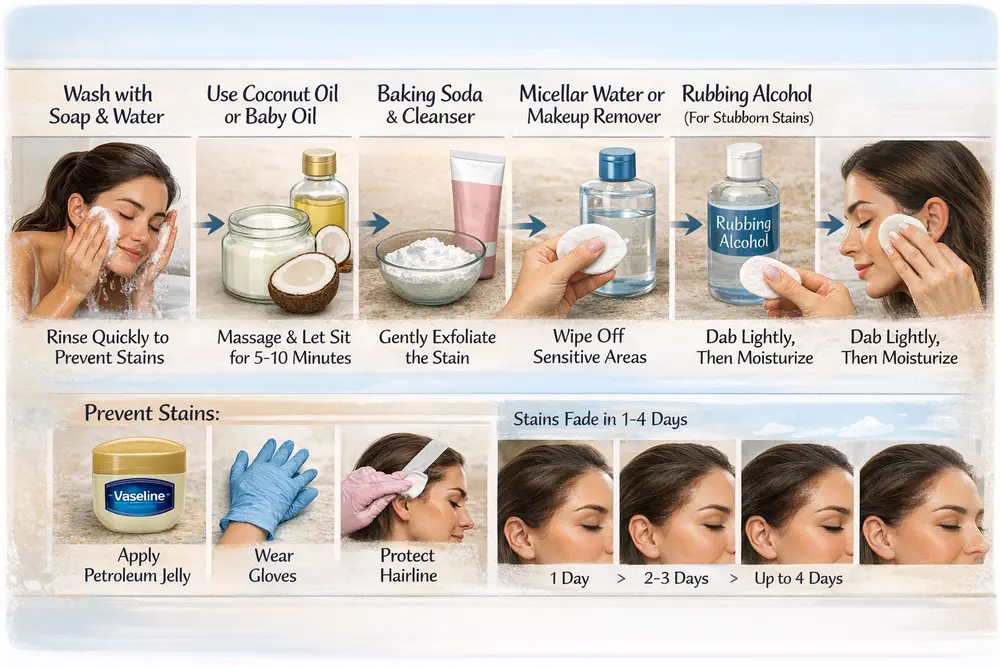
The best way to remove hair dye from skin involves using specific products and techniques designed for effective stain removal. Common methods include using baby oil, rubbing alcohol, or specialized stain removers. These options can effectively lift the dye while being gentle on the skin.
To begin, it is essential to act quickly after dyeing your hair. The longer the dye sits on the skin, the harder it becomes to remove. Additionally, different skin types may respond variably to certain products. For sensitive skin, consider using milder options such as baby oil or a gentle exfoliator to avoid irritation.
- Baby Oil: Apply a small amount of baby oil to a cotton ball or pad and gently rub the stained area. The oil will help break down the dye, making it easier to wipe away.
- Rubbing Alcohol: Moisten a cotton ball with rubbing alcohol and dab it on the dye stain. Alcohol is effective at dissolving the pigments in hair dye, but it may cause dryness, so follow up with moisturizer.
- Dish Soap and Baking Soda: Create a paste by mixing dish soap with baking soda. Apply it to the stained skin and gently scrub in circular motions. This method not only removes dye but also exfoliates the skin.
- Makeup Remover: Use a makeup remover that contains oils or alcohol. Soak a cotton pad with the remover and press it against the stain, then wipe away the dye.
- Commercial Stain Removers: Consider using products specifically designed to remove hair dye from skin. These typically contain ingredients that target hair dye stains effectively.
Regardless of the method chosen, it’s essential to wash the area thoroughly with soap and water afterward to remove any residue from the cleaning agents used. If the stain persists, repeat the process as necessary.
For best results, always perform a patch test on a small area of skin before applying any new product. This precaution minimizes the risk of irritation or allergic reactions.
How long does hair dye stain last on skin?
Hair dye stains can last anywhere from a few hours to several days on the skin, depending on various factors. Typically, temporary stains may fade within 1 to 3 days, while more persistent stains can linger for up to a week or longer. The duration of the stain is influenced by the type of dye used, skin type, and the methods employed for removal.
The formulation of the hair dye plays a significant role in how long the stain remains. Permanent dyes, which contain stronger pigments and chemicals, tend to adhere more firmly to the skin, resulting in longer-lasting stains. In contrast, semi-permanent and temporary dyes often contain milder ingredients, making them easier to remove and less likely to cause prolonged discoloration.
Skin type also impacts how long hair dye stains last. Oily skin may allow for easier removal of dye, as the natural oils can help break down the pigments. Conversely, dry or sensitive skin may retain stains longer due to less oil and moisture. Additionally, the timing of removal is crucial; the sooner the dye is addressed after application, the higher the chances of complete removal.
Methods of Removal
Various methods can expedite the fading of hair dye stains, including the use of makeup removers, rubbing alcohol, or gentle exfoliants. Applying these substances soon after the dye comes into contact with the skin can significantly reduce the duration of the stain. However, caution is advised to avoid skin irritation, especially for those with sensitive skin.
For optimal results, combine multiple removal techniques. For example, start with a gentle cleanser and follow up with an exfoliating scrub. This multi-step approach can effectively diminish the stain faster than a single method alone.
To minimize staining in the future, consider applying a barrier cream around the hairline before dyeing. This preventive measure can significantly reduce the amount of dye that comes in contact with the skin.
Can hair dye on skin cause irritation?
Yes, hair dye on skin can cause irritation. Many hair dyes contain chemicals that can lead to allergic reactions or skin sensitivities. Symptoms may include redness, itching, or a burning sensation.
Skin irritation from hair dye is often due to ingredients such as ammonia, peroxide, or certain colorants. Individuals with sensitive skin or pre-existing skin conditions are particularly vulnerable. The severity of the reaction can vary widely, from mild irritation to severe allergic responses, especially in those with a history of allergies.
- Allergic reactions: Some people may develop contact dermatitis, which manifests as rash or blisters.
- Chemical burns: Prolonged contact with hair dye can lead to chemical burns, especially if the dye is left on the skin for too long.
- Skin sensitivity: Areas like the scalp, neck, and behind the ears are more prone to irritation due to thinner skin.
To mitigate the risk of irritation, it’s advisable to perform a patch test before applying hair dye. This involves applying a small amount of dye to a discreet area of skin and waiting 48 hours to check for reactions. Additionally, using dyes formulated for sensitive skin can help reduce the likelihood of adverse effects.
Always clean hair dye off skin as soon as possible to minimize potential irritation. Employing a barrier method, such as applying petroleum jelly around hairlines, can also provide protection against dye contact.
For those with known sensitivities, choosing ammonia-free and vegan hair dyes can significantly decrease the risk of irritation. Consulting with a dermatologist for personalized advice on hair dye products may also be beneficial.
What household items can remove hair dye from skin?
Common household items that can effectively remove hair dye from skin include rubbing alcohol, dish soap, and baking soda. These products can help break down dye stains and facilitate their removal. Using these items appropriately can minimize skin irritation while effectively cleaning the affected areas.
For example, if hair dye has stained the skin on your forehead, start by applying a small amount of rubbing alcohol to a cotton ball or soft cloth. Gently dab the stained area, allowing the alcohol to penetrate the dye. Rinse the area with warm water after a few moments, and repeat the process if necessary. Alternatively, a mixture of baking soda and water can be used to create a paste. Apply this paste to the stain, let it sit for about 10 minutes, then scrub gently before rinsing off.
Dish soap can also be effective, particularly when combined with a small amount of vinegar. Mix equal parts of dish soap and vinegar, apply it to the stained skin, and scrub gently with a soft cloth. This combination works well because the soap helps lift the dye, while the vinegar acts as a natural stain remover. Always conduct a patch test first to ensure no irritation occurs, especially for sensitive skin.
When using any of these household items, it is essential to avoid excessive scrubbing, which can irritate the skin. Additionally, be mindful of the type of dye used, as some formulations may be more difficult to remove. Always follow up with a gentle moisturizer to soothe the skin after cleaning.
Expert Tip: For stubborn stains, consider using a small amount of baby oil or mineral oil. These oils can help dissolve the dye without causing irritation and are particularly useful for sensitive areas.
Is it safe to use bleach to remove hair dye from skin?
Using bleach to remove hair dye from skin is not safe and is generally discouraged. While bleach can effectively lighten or remove stains, it poses significant risks, including skin irritation and chemical burns. Safer alternatives are available that can achieve similar results without the harsh effects of bleach.
Bleach, or sodium hypochlorite, is a powerful oxidizing agent that can strip color from various surfaces, including skin. However, its strong chemical properties can lead to adverse reactions, particularly on sensitive skin. The potential for irritation, allergic reactions, and long-term damage makes bleach a poor choice for skin cleaning. In contrast, other methods such as soap and water, oil-based removers, and commercial stain removers are specifically designed for skin contact and are far less harmful.
When comparing methods for cleaning hair dye off skin, consider the following options:
- Soap and Water: This is the most straightforward method. It works best on fresh stains and is safe for all skin types.
- Oil-based Removers: Oils like olive oil or baby oil can effectively break down hair dye. They are gentle and moisturizing, making them suitable for sensitive skin.
- Commercial Stain Removers: Products designed for removing hair dye from skin are formulated to be effective yet safe. They often contain skin-friendly ingredients that help minimize irritation.
Each of these alternatives provides a safer approach to cleaning hair dye from skin, with varying effectiveness depending on the age and type of stain. For example, soap and water may suffice for a recent spill, while oil-based or commercial products may be necessary for older or stubborn stains.
Expert Tip: Always test a small area of skin with any removal method first to check for adverse reactions, especially if you have sensitive skin.
How can I prevent hair dye from staining my skin?
To prevent hair dye from staining your skin, proactive measures are crucial before applying the dye. Implementing simple barriers and precautions can significantly reduce the likelihood of skin discoloration.
First, consider applying a thin layer of a protective substance around the hairline and ears. This can include petroleum jelly or a thick moisturizer, which acts as a barrier between the dye and your skin. Additionally, wearing gloves during the dye application is essential to protect your hands from staining. Ensure that the gloves fit well to prevent any gaps where dye might seep through.
- Wear an old shirt or an apron: Protect your clothing, as dye can also splash onto fabric and be difficult to remove.
- Use a dye applicator: Employing a brush or applicator bottle allows for precise application, minimizing accidental contact with the skin.
- Apply hair dye in a well-lit area: Good lighting helps you see any areas where dye may have dripped or splashed, allowing for immediate correction.
- Do a patch test: Before full application, conducting a patch test can help determine how your skin reacts to the dye and whether additional precautions are necessary.
These preventative measures create a protective boundary, reducing the risk of hair dye staining your skin. Always follow the instructions on the product label for best results.
For optimal protection, consider using a dedicated hair dye barrier product specifically designed for this purpose. These products often contain specialized formulations that provide more effective coverage than standard lotion or petroleum jelly.
How much does it cost to remove hair dye from skin professionally?
The cost of professional hair dye removal from skin typically ranges from $50 to $150 per session. Factors such as the service provider’s location, the complexity of the dye removal, and the specific methods used can influence the total price.
Several elements contribute to the variance in cost for professional hair dye removal services:
- Location: Prices can differ significantly between urban and rural areas. Services in metropolitan regions often charge more due to higher operating costs.
- Service Provider: The experience and reputation of the salon or spa can affect pricing. Established professionals with specialized training may charge higher rates for their expertise.
- Type of Dye: The formulation of the hair dye used can impact removal difficulty. Semi-permanent dyes may be easier to remove compared to permanent dyes, leading to different pricing structures.
In addition to these factors, the method employed for dye removal can also affect costs. Some professionals may use chemical solutions, while others might opt for physical exfoliation techniques. The latter may take longer and require multiple sessions, further increasing overall expenses.
For those seeking alternatives, at-home removal methods can be effective and more economical. However, they may not guarantee the same results as professional treatments.
Expert Tip: When considering professional removal, inquire about the specific techniques they employ and whether they offer a satisfaction guarantee. This can help ensure effective results and justify the expense.
What should I do if hair dye has stained my skin for days?
If hair dye has stained your skin for several days, immediate cleaning methods may not be effective. However, there are still several techniques you can try to remove the persistent stain. Consistency and the right products are key to achieving results.
Begin with gentle exfoliation. Use a mild scrub or exfoliating glove to gently buff the stained area. This method works by removing dead skin cells and lifting the dye from the surface. If this does not yield results, consider applying a mixture of baking soda and water to the stained skin. The abrasive quality of baking soda can help lift the dye, while its alkaline nature can break down the color molecules.
- Rubbing Alcohol: Dab a small amount of rubbing alcohol on a cotton ball and gently rub the stained area. This can be effective for breaking down the dye, but avoid using it on sensitive skin.
- Dish Soap and Baking Soda: Mix equal parts of dish soap and baking soda. Apply the mixture to the stain and gently scrub. This combination can help lift the dye while being relatively gentle on the skin.
- Oil-Based Removers: Use an oil-based makeup remover or baby oil. These products can help dissolve the dye effectively. Apply it with a cotton pad and let it sit for a few minutes before wiping it away.
If these methods do not remove the stain, it may fade naturally over time, as skin cells regenerate. In some cases, seeking professional help may be necessary, especially if the stain is extensive or causing irritation. Dermatologists can provide specialized treatments to address stubborn stains safely.
For long-term prevention, consider applying a barrier cream or petroleum jelly to your skin before dyeing hair. This can help minimize staining during the process.
Expert Tip: Always perform a patch test with any chemical or abrasive treatment to avoid skin irritation, especially if the stain is on sensitive areas.
Understanding Hair Dye Composition and Skin Reactions
This section explores the composition of various hair dyes and their interaction with different skin types. Understanding these factors is essential for effectively addressing skin staining and minimizing irritation.
Types of Hair Dye and Their Chemical Compositions
Hair dyes generally fall into three categories: permanent, semi-permanent, and temporary. Each type has distinct chemical components that affect its staining potential:
- Permanent Dyes: These contain ammonia and peroxide, which open the hair cuticle and allow color to penetrate deeply. The combination can lead to harsher reactions on the skin.
- Semi-Permanent Dyes: Typically ammonia-free, these dyes use smaller molecules to penetrate the hair shaft. They can still cause staining on the skin but are generally less irritating.
- Temporary Dyes: These are water-soluble and coat the hair without penetrating. They usually wash out easily, but they can still leave marks on the skin if not applied carefully.
How Different Skin Types React to Hair Dye
Individual skin reactions to hair dye can vary widely based on skin type. Key factors include:
- Sensitive Skin: Individuals with sensitive skin may experience itching, redness, or rashes even from semi-permanent dyes.
- Normal Skin: Generally tolerates hair dye well, but irritation can occur, especially with prolonged exposure.
- Oily Skin: May experience faster absorption of dye, increasing the likelihood of staining.
Symptoms of Skin Irritation and Allergic Reactions
Common symptoms associated with hair dye exposure include:
- Redness: Localized inflammation often appears shortly after application.
- Itching: A common reaction, particularly with permanent dyes due to harsh chemicals.
- Swelling: Can indicate a more severe allergic reaction, necessitating immediate attention.
Severe allergic reactions may result in hives or difficulty breathing. Patch testing is recommended before full application to mitigate risks.
Long-Term Effects of Repeated Exposure to Hair Dye
Chronic exposure to hair dye can lead to several long-term effects, including:
- Skin Sensitization: Repeated exposure may increase sensitivity, leading to heightened reactions over time.
- Dermatitis: Long-term use can result in contact dermatitis, characterized by persistent skin irritation.
- Increased Risk of Allergies: Continued use may heighten the likelihood of developing allergies to specific dye ingredients.
Nuances and Common Misconceptions
A prevalent misconception is that all hair dyes are safe for all skin types. In reality, individual sensitivities and allergies vary significantly. Additionally, many assume that natural or organic hair dyes are free from adverse reactions. However, even natural ingredients can provoke allergic responses in susceptible individuals.
Practical Application
To minimize skin staining and irritation when using hair dye, consider the following actions:
- Conduct a patch test 48 hours before application, regardless of previous dye use.
- Apply a barrier cream or oil around the hairline to prevent staining.
- Choose products designed for sensitive skin if you have a history of irritation.
- Immediately wash any dye off skin with soap and water to prevent long-term staining.
Understanding these aspects of hair dye composition and skin reactions can greatly enhance the effectiveness of cleaning hair dye off skin and reduce the risk of adverse effects.
Expert Tips for Effective Stain Removal
This section provides advanced techniques and professional insights for effectively removing hair dye from skin. Implementing these strategies will enhance your stain removal efficacy while ensuring skin safety.
Best Practices for Immediate Stain Treatment
Acting quickly is crucial when dealing with hair dye stains. The longer the dye sits, the more difficult it becomes to remove. Follow these best practices:
- Blot, don’t rub: Use a clean cloth or paper towel to gently blot the stain. Rubbing can push the dye deeper into the skin.
- Use cold water: Rinse the stained area with cold water to prevent the stain from setting.
- Apply a stain remover promptly: Utilize a suitable stain-removal product within minutes of the spill for optimal results.
Choosing the Right Product for Your Skin Type
Selecting an appropriate stain-removal product is essential for effective cleaning and skin health. Consider the following:
- Sensitive skin: Opt for gentle solutions like baby oil, olive oil, or specialized makeup removers.
- Normal skin: Alcohol-based products or commercial stain removers can be effective but should be used with caution.
- Allergic reactions: Always conduct a patch test before using any new product to avoid skin irritation.
Techniques for Gentle Scrubbing Without Irritation
When scrubbing is necessary, it is important to do so gently to avoid irritation. Employ the following techniques:
- Use a soft cloth or sponge: Choose materials designed for sensitive skin to minimize abrasion.
- Apply a small amount of product: Use just enough stain remover to dampen the cloth or sponge, preventing excess product from irritating the skin.
- Scrub in circular motions: This technique helps lift the dye without causing excessive friction.
Post-Removal Skin Care to Soothe and Protect
After successfully removing hair dye, post-treatment care is vital to restore skin health. Implement these steps:
- Wash with a gentle cleanser: Use a mild soap to ensure any remaining dye and product residue is thoroughly removed.
- Moisturize: Apply a fragrance-free moisturizer to hydrate and soothe the skin.
- Monitor for irritation: Keep an eye on the treated area for any signs of redness or irritation, and consult a dermatologist if necessary.
Many articles overlook the importance of skin type when recommending products for stain removal. For instance, while alcohol-based removers are effective, they can exacerbate skin sensitivity if used excessively. Understanding your skin’s response to different products can substantially improve outcomes when learning how to clean hair dye off skin.
To apply this information effectively, keep a stain-removal kit on hand that includes a gentle cleanser, a suitable stain remover, and moisturizers. When a dye mishap occurs, act swiftly, choose appropriate products based on your skin type, and follow gentle scrubbing techniques. Conclude with a soothing skin care routine to maintain skin health.
Common Mistakes When Cleaning Hair Dye Off Skin
This section identifies frequent mistakes that can exacerbate hair dye stains or cause skin irritation. Recognizing these errors is crucial for effective and safe stain removal.

Using Harsh Chemicals
Many individuals resort to harsh chemicals, such as acetone or bleach, in an attempt to remove hair dye from their skin. While these substances may offer immediate results, they can lead to significant skin damage. Prolonged exposure can cause dryness, irritation, and even chemical burns. It is essential to choose gentler alternatives specifically designed for skin use when addressing hair dye stains.
Scrubbing Too Hard
Another common mistake is aggressive scrubbing of the affected area. While it may seem logical that more friction equals better stain removal, this approach often backfires. Excessive scrubbing can lead to skin irritation, redness, and inflammation. Instead, use a soft cloth or sponge and apply a gentle, circular motion to clean the area effectively without causing harm.
Ignoring Patch Tests
Individuals with sensitive skin frequently overlook the importance of performing patch tests before using new cleaning products. Certain ingredients can trigger allergic reactions or exacerbate existing skin conditions. Always test a small area of skin with the chosen cleaning solution to ensure no adverse reactions occur before applying it more broadly.
Neglecting Post-Cleaning Skin Care
After successfully removing hair dye from the skin, many people forget to follow up with skin care. This oversight can lead to dryness and irritation. Applying a soothing moisturizer or aloe vera gel post-cleaning can help restore hydration and calm any inflammation. Prioritizing skin care after dye removal is essential for maintaining skin health.
Common Misconceptions
A prevalent misconception is that any product labeled as a stain remover is suitable for skin. Many household cleaning agents are formulated for surfaces and can be harmful to human skin. Additionally, some believe that immediate action is always necessary; however, certain methods can be effective even after the dye has dried. Understanding the correct approach and product selection is vital for effective cleaning.
Practical Tips for Safe Removal
- Choose gentle cleansers specifically designed for skin.
- Use a soft cloth or sponge instead of abrasive materials.
- Always perform a patch test with new products.
- Follow up with a soothing moisturizer after cleaning.
By avoiding these common mistakes, individuals can effectively clean hair dye off skin without causing damage or irritation. Adopting a careful approach will not only yield better results but also promote healthier skin. Prioritize gentle methods and proper aftercare to ensure a successful dye removal experience.
Natural Remedies for Hair Dye Stains: Do They Work?
This section evaluates the effectiveness of various natural remedies for removing hair dye stains from skin, comparing them to commercial products. Understanding these alternatives is essential for individuals seeking gentler options for stain removal.

Popular Natural Remedies
Several natural remedies have gained popularity for their potential effectiveness in removing hair dye stains:
- Coconut Oil: Known for its moisturizing properties, coconut oil can help break down hair dye pigments, making it easier to wipe away stains.
- White Vinegar: This common household ingredient contains acetic acid, which can help lift stains when combined with baking soda to create a paste.
- Olive Oil: Similar to coconut oil, olive oil can penetrate the skin and assist in dissolving dye particles.
Comparative Effectiveness
Natural remedies often provide a gentler approach to stain removal compared to commercial products. While many chemical solutions contain potent ingredients designed for quick results, they may cause skin irritation, especially for sensitive individuals. In contrast, natural remedies, although sometimes slower, offer a safer alternative with fewer side effects. Studies indicate that while natural options may require multiple applications, they can be effective for most hair dye types.
Safety for Sensitive Skin
Natural remedies generally pose a lower risk of adverse reactions, making them suitable for individuals with sensitive skin. Coconut oil and olive oil, in particular, are often well-tolerated and can provide added moisture, reducing the likelihood of irritation. However, it is advisable to perform a patch test before full application, especially when using vinegar or baking soda, as these can occasionally cause sensitivity in some users.
User Testimonials and Case Studies
Numerous users have reported success with natural remedies for hair dye removal. For example, a case study involving a group of individuals who used coconut oil found that 80% experienced noticeable improvement after three applications. Many users highlighted the importance of patience and persistence, as natural methods may require more time to achieve desired results compared to chemical options. Testimonials often emphasize the dual benefits of skin hydration and dye removal, reinforcing the appeal of these remedies.
Common misconceptions include the belief that natural remedies are ineffective. While commercial products may yield quicker results, many users report satisfaction with the gentleness and safety of natural methods. Furthermore, the effectiveness of a remedy may vary based on hair dye type and the duration of the stain on the skin.
Practical Application
To effectively use natural remedies for cleaning hair dye off skin, follow these steps:
- Apply a generous amount of coconut oil or olive oil to the stained area, massaging gently.
- For vinegar, mix equal parts with baking soda to create a paste and apply it to the stain.
- Leave the remedy on for 10-15 minutes, then wipe away with a soft cloth or rinse with warm water.
- Repeat as necessary until the stain is removed.
These methods can be effective and safe alternatives for those seeking to remove hair dye from their skin without harsh chemicals.
Frequently Asked Questions
What is the best way to remove hair dye from skin?
The best way to remove hair dye from skin is to use a gentle exfoliating scrub or a mixture of baking soda and water. Rubbing alcohol or makeup remover can also effectively lift the stain.
How long does hair dye stain last on skin?
Hair dye stains on skin typically last from a few hours to several days, depending on the type of dye and skin type. Most stains will fade with regular washing and exfoliation.
Can hair dye on skin cause irritation?
Yes, hair dye can cause skin irritation or allergic reactions in some individuals. It’s advisable to perform a patch test before applying hair dye to avoid potential skin issues.
What household items can remove hair dye from skin?
Household items such as baking soda, vinegar, dish soap, and baby oil can effectively remove hair dye from skin. These ingredients act as natural solvents to help lift the stain.
Is it safe to use bleach to remove hair dye from skin?
Using bleach to remove hair dye from skin is not recommended due to the risk of severe irritation and chemical burns. Safer alternatives exist that can effectively remove stains without harming the skin.
How can I prevent hair dye from staining my skin?
To prevent hair dye from staining the skin, apply a barrier cream or petroleum jelly around the hairline and ears before dyeing. Wearing gloves and using a cape can also help minimize contact with skin.
How much does it cost to remove hair dye from skin professionally?
Professional hair dye removal services typically range from $50 to $150, depending on the salon and the extent of the staining. Prices may vary based on location and expertise of the stylist.
What should I do if hair dye has stained my skin for days?
If hair dye has stained the skin for several days, continue to gently exfoliate with a scrub or a mixture of baking soda and water. If irritation occurs or the stain persists, consult a dermatologist for further advice.
Final Thoughts on how to clean hair dye off skin
Removing hair dye from skin requires an understanding of both the dye’s composition and the skin’s response. Effective methods, such as using household items like rubbing alcohol or dish soap, can significantly expedite stain removal while minimizing skin irritation.
To achieve optimal results, immediately treat any dye stains with a suitable cleaning agent, applying it gently and consistently until the stain is gone. This proactive approach not only ensures a clean complexion but also reduces the risk of irritation.
Mastering the art of hair dye removal is essential, as it empowers individuals to maintain their appearance and confidence without the fear of unsightly stains.
Leave a Reply