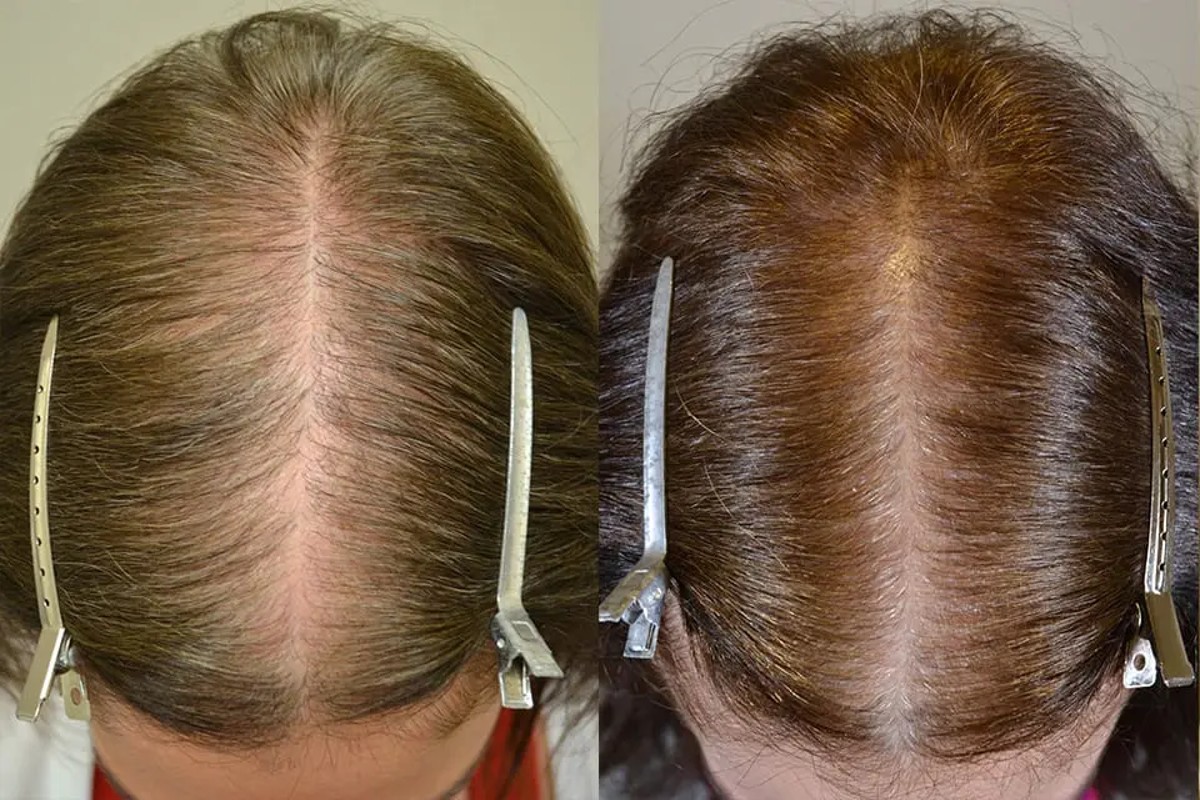
Yes, spironolactone can cause hair loss in some individuals as a side effect. It works by blocking androgen receptors, which can lead to hair thinning in sensitive individuals.
This topic is important for individuals considering or currently using spironolactone, particularly those managing conditions like hormonal acne or polycystic ovary syndrome (PCOS). Understanding the potential side effects, including hair loss, is crucial for informed decision-making regarding treatment options.
This article will clarify the mechanisms by which spironolactone can lead to hair loss, identify who may be at risk, and discuss potential management strategies for those affected.
What are the side effects of spironolactone?
Spironolactone is a medication that can lead to a range of side effects, both common and rare. These effects may vary in severity and can include hormonal changes, electrolyte imbalances, and gastrointestinal issues. Hair loss is a reported side effect, although it is not one of the most prevalent.
The side effects of spironolactone arise from its action as a potassium-sparing diuretic and an anti-androgen. Common side effects include:
- Increased urination
- Fatigue
- Dizziness
- Headaches
- Nausea or vomiting
Less common but notable side effects can include menstrual irregularities and breast tenderness. Hair loss, while less frequently discussed, can occur due to the hormonal fluctuations induced by the medication. This is particularly relevant for individuals with pre-existing hair loss conditions or those sensitive to hormonal changes.
Factors Influencing Side Effects
Individual responses to spironolactone can differ significantly due to several factors. Age, underlying health conditions, and concurrent medications can all influence the severity and type of side effects experienced. Patients with conditions like polycystic ovary syndrome (PCOS) may experience different hormonal effects, which could exacerbate hair loss or other symptoms.
Regular monitoring by a healthcare provider is essential to manage potential side effects effectively. Adjusting the dosage or switching medications may be necessary if side effects become problematic.
Expert Tip: Consider consulting a dermatologist if hair loss occurs, as they can provide targeted treatments or alternatives to mitigate this side effect while still addressing the underlying condition for which spironolactone was prescribed.
How does spironolactone affect hair growth?
Spironolactone primarily affects hair growth by blocking androgen receptors in hair follicles, which can lead to increased hair growth in some individuals. It is particularly effective in treating androgenetic alopecia, a common form of hair loss in both men and women.
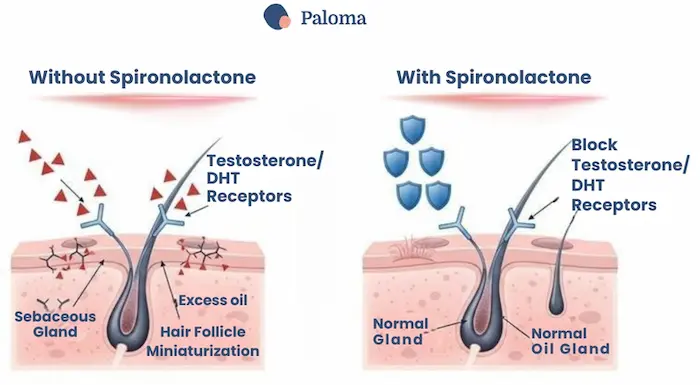
1. Androgen receptor blockade: Spironolactone acts as an antagonist to androgen receptors, reducing the effects of hormones like testosterone and dihydrotestosterone (DHT) on hair follicles. This mechanism helps prevent hair follicle miniaturization, a key factor in androgenetic alopecia.
2. Hormonal balance: By inhibiting the production of certain hormones, spironolactone can help restore a more favorable hormonal environment for hair growth. This is particularly beneficial for women with polycystic ovary syndrome (PCOS) who experience hair thinning due to elevated androgen levels.
3. Individual response: The effectiveness of spironolactone on hair growth varies among individuals. Factors such as genetics, the severity of hair loss, and underlying health conditions can influence the drug’s impact. Some may experience significant improvement, while others may see minimal changes.
Potential Side Effects
While spironolactone can enhance hair growth, it may also cause side effects, including hair shedding during the initial weeks of treatment as the hair growth cycle adjusts. This temporary shedding is often followed by new hair growth as the follicles adapt to the hormonal changes.
Monitoring by a healthcare professional is recommended to assess treatment effectiveness and manage any adverse effects.
Expert Tip: Consider combining spironolactone with topical treatments like minoxidil for a synergistic effect on hair growth. Always consult with a healthcare provider to tailor treatment to individual needs and conditions.
Can spironolactone cause hair loss in women?
Spironolactone can lead to hair loss in women, although this effect is not commonly reported. The medication is primarily used as a diuretic and for conditions like acne and polycystic ovary syndrome (PCOS). While some women may experience hair loss, the overall incidence is low and often varies by individual response.
When comparing the effects of spironolactone on hair loss in men versus women, several key differences emerge. Men typically experience hair loss due to androgenetic alopecia, a genetic condition influenced by dihydrotestosterone (DHT). Spironolactone, an androgen receptor antagonist, can reduce DHT levels, potentially leading to hair regrowth in men. In contrast, women may face hair loss from hormonal imbalances, including those related to PCOS or menopause.
- Mechanism of Action: In men, spironolactone reduces DHT levels, which can help counteract male pattern baldness. In women, it may stabilize hair loss related to hormonal fluctuations.
- Prevalence: Hair loss in women taking spironolactone is less common, often linked to individual hormonal responses rather than the drug itself.
- Expected Outcomes: Men may see improvement in hair density, while women might experience mixed results, with some regrowth and others potentially facing hair thinning.
Individual responses to spironolactone can vary widely. Factors such as dosage, duration of treatment, and underlying hormonal conditions play significant roles. Women with conditions like PCOS may benefit more from spironolactone in terms of overall hair health, but monitoring is essential to address any adverse effects, including hair loss.
Expert Tip: Regular follow-ups with a healthcare provider are essential for anyone on spironolactone. Adjustments to dosage or alternative treatments may be necessary to optimize hair health while managing underlying conditions.
What can I do if spironolactone causes hair loss?
If spironolactone causes hair loss, there are several actionable steps to mitigate this side effect. Consulting with a healthcare provider is essential to evaluate the situation and consider alternative treatments. Additionally, implementing specific hair care practices can help manage hair loss effectively.
First, consider adjusting the dosage of spironolactone under a physician’s guidance. Sometimes, reducing the dosage can alleviate side effects, including hair loss, while still providing the intended therapeutic benefits. A healthcare professional can determine the appropriate adjustment based on individual responses to the medication.
Second, adopting a gentle hair care routine can minimize further loss. This includes using sulfate-free shampoos, avoiding excessive heat styling, and minimizing chemical treatments. Incorporating scalp massages with essential oils, such as rosemary or peppermint, may promote circulation and potentially enhance hair growth.
- Incorporate a balanced diet rich in vitamins and minerals, particularly biotin, zinc, and iron, to support hair health.
- Consider topical treatments like minoxidil, which may help stimulate hair regrowth. Consult a healthcare provider before starting any new treatment.
- Explore alternative medications or therapies if hair loss persists. Options may include other anti-androgens or hormonal treatments that have a different side effect profile.
Regular follow-ups with a healthcare provider are crucial in managing this side effect. Continuous monitoring allows for timely adjustments to the treatment plan and ensures that other underlying conditions are addressed.
Expert Tip: Implementing a stress management regimen, such as yoga or meditation, can also contribute to overall hair health, as stress is a known factor in hair loss.
How long does it take for spironolactone to cause hair loss?
Spironolactone can cause hair loss in some individuals, typically within the first 3 to 6 months after starting treatment. However, the onset of hair loss can vary based on individual factors, such as dosage and overall health.
The timing of potential hair loss associated with spironolactone is influenced by several factors. First, the dosage prescribed plays a significant role; higher doses may lead to side effects more quickly. Additionally, individual responses to the medication can differ. Some individuals may experience hair loss sooner, while others may not notice any changes for a longer period or may not experience hair loss at all.
Other health conditions, such as hormonal imbalances or underlying dermatological issues, can also impact how spironolactone affects hair growth. For instance, if a patient has pre-existing conditions like androgenetic alopecia, the interaction with spironolactone may accelerate hair loss. Furthermore, the body’s adjustment period to the medication can lead to initial shedding before any positive effects on hair growth are seen.
Understanding these factors is crucial for patients considering spironolactone as a treatment option. Monitoring hair health and discussing any concerning changes with a healthcare provider can help manage expectations and address side effects effectively.
Expert Tip: If hair loss occurs, it may be beneficial to adjust the dosage or explore complementary treatments with your physician to mitigate this side effect while still addressing the primary condition being treated.
Are there alternatives to spironolactone that do not cause hair loss?
Yes, there are several alternatives to spironolactone that may not cause hair loss. These alternatives include medications such as finasteride, oral contraceptives, and other anti-androgens. Each option has distinct mechanisms and side effects that can influence hair health.
Finasteride is primarily used to treat male pattern baldness and benign prostatic hyperplasia. It works by inhibiting the conversion of testosterone to dihydrotestosterone (DHT), a hormone linked to hair loss. While effective for many men, it is less commonly prescribed for women due to potential side effects, including hormonal changes and sexual dysfunction.
Oral contraceptives, particularly those containing estrogen and progestin, can help manage hormonal imbalances that contribute to hair loss in women. These medications can reduce levels of androgens, which may promote hair regrowth. However, the effectiveness varies based on individual health profiles and specific formulations.
Other anti-androgens, such as flutamide and cyproterone acetate, are also alternatives. They block androgen receptors and can be effective for treating hair loss. Like spironolactone, they may have side effects, including liver toxicity and menstrual irregularities. Therefore, careful consideration and consultation with a healthcare provider are essential when choosing any treatment.
- Finasteride: Inhibits DHT, effective for men, less common for women.
- Oral contraceptives: Regulate hormones, effective for women, varies by formulation.
- Other anti-androgens: Block androgen receptors, effective but with potential side effects.
When considering alternatives to spironolactone, it is crucial to discuss personal health history and treatment goals with a healthcare provider. Individual responses to these medications can vary significantly.
Expert Tip: Monitoring hair health during treatment is essential. Regular follow-ups can help assess the effectiveness and manage any side effects promptly.
Is hair loss from spironolactone permanent?
Hair loss caused by spironolactone is typically not permanent. Most individuals experience a reversal of hair loss once they discontinue the medication or adjust their dosage.
Spironolactone, a potassium-sparing diuretic often used to treat conditions such as hypertension and hormonal acne, can cause hair shedding in some patients. This side effect is usually temporary and may stem from the medication’s effects on hormonal levels, particularly androgens. The degree of hair loss can vary based on individual sensitivity and the duration of treatment.
Factors influencing the potential for hair loss to be reversible include:
- Duration of Treatment: Longer use may lead to more noticeable shedding.
- Individual Variation: Genetic predisposition and existing hair health can affect recovery.
- Dosage Changes: Adjustments in dosage or switching to alternative medications may mitigate side effects.
If hair loss occurs, it is advisable to consult a healthcare professional. They can assess the situation and propose potential solutions, such as modifying the treatment plan. Monitoring hair health during treatment can provide insights into the medication’s effects.
Expert Tip: Consider implementing supportive treatments, such as topical minoxidil, to promote hair regrowth while using spironolactone, under the guidance of a healthcare provider.
What should I discuss with my doctor regarding spironolactone and hair loss?
When discussing spironolactone and hair loss with your doctor, prioritize understanding the medication’s effects on your hair health. Be clear about any hair loss concerns you have experienced since starting the medication. This conversation can help tailor your treatment plan and address any underlying issues.
Consider the following key topics to ensure a comprehensive discussion:
- Mechanism of Action: Ask how spironolactone affects hair growth. Understanding its role as an anti-androgen can clarify why some individuals may experience hair thinning.
- Dosage and Duration: Inquire about the dosage you are taking and how long you have been on the medication. Higher doses or prolonged use may increase the risk of side effects, including hair loss.
- Individual Risk Factors: Discuss any personal or family history of hair loss. Genetic predispositions can influence your response to spironolactone, making it essential to assess your unique situation.
- Alternative Treatments: Explore other treatment options if spironolactone may not be suitable for you. Your doctor can recommend alternatives to manage your condition without compromising hair health.
- Follow-up Plan: Establish a follow-up plan to monitor hair health. Regular evaluations can help identify any changes and allow for timely adjustments to your treatment.
Addressing these topics can facilitate a productive dialogue with your healthcare provider, ensuring both your hair health and overall medical needs are prioritized.
Consulting with a dermatologist may provide additional insights, especially if hair loss persists despite adjustments to your spironolactone regimen. A multidisciplinary approach often yields the best outcomes for managing hair-related concerns.
Understanding the Mechanism of Spironolactone on Hair Follicles
This section delves into how spironolactone interacts with hair follicles, focusing on its mechanisms of action and the implications for hair health. Understanding these interactions is essential for discerning the potential effects of spironolactone, particularly regarding hair loss.
Androgen Receptor Blockade
Spironolactone functions primarily as an antagonist of androgen receptors. By binding to these receptors, it inhibits the action of androgens like testosterone and dihydrotestosterone (DHT), which are known to contribute to hair follicle miniaturization. This blockade can prevent the negative effects of these hormones on hair follicles, particularly in individuals predisposed to androgenic alopecia.
Impact on Hair Growth Cycles
The hair growth cycle consists of three main phases: anagen (growth), catagen (transition), and telogen (rest). Spironolactone influences these cycles by promoting the anagen phase and potentially extending its duration. This effect can lead to thicker, healthier hair over time. Conversely, when the balance is disrupted, hair may enter the telogen phase prematurely, leading to increased shedding.
Differences in Individual Response
Response to spironolactone can vary significantly among individuals due to genetic, hormonal, and environmental factors. Some may experience positive effects on hair growth, while others might not see any improvement or could even experience hair loss. This variability underscores the need for personalized treatment approaches when using spironolactone for hair-related issues.
Role of Hormonal Balance in Hair Health
The overall hormonal environment plays a crucial role in hair health. Hormonal imbalances, particularly involving androgens and estrogens, can lead to hair thinning or loss. Spironolactone’s ability to influence this balance can be beneficial in cases of hormonal-induced hair loss, helping to restore a healthier state conducive to hair growth.
Many articles tend to oversimplify the relationship between spironolactone and hair loss. While spironolactone can effectively block androgen receptors, it’s essential to recognize that factors such as dosage, duration of treatment, and individual hormonal profiles can significantly influence outcomes. For instance, some patients may require a higher dosage or a combination with other therapies to achieve desired results. Additionally, the initial phase of treatment may cause shedding as hair follicles transition, which can be misconstrued as a negative effect rather than a temporary phase.
Practical Application
- Consult a healthcare provider before starting spironolactone for hair loss to ensure it aligns with your hormonal profile.
- Monitor hair growth progress regularly to identify patterns or changes in response to treatment.
- Consider combining spironolactone with other treatments, like topical minoxidil, for potentially enhanced results.
- Be aware of the possibility of initial hair shedding and discuss any concerns with a healthcare professional.
Real-Life Experiences: Case Studies of Spironolactone and Hair Loss
This section delves into real-world experiences of individuals who have used spironolactone, highlighting the spectrum of reactions and outcomes regarding hair loss. These case studies illuminate the complexities surrounding this medication and its effects on hair health.
Diverse Experiences from Different Demographics
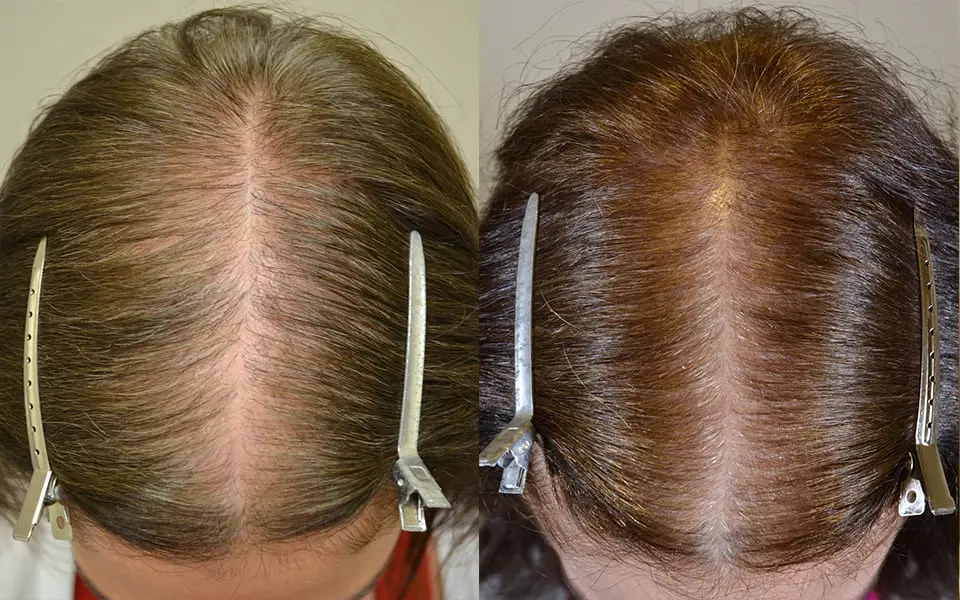
Individual responses to spironolactone can differ significantly across demographics, including age, gender, and underlying health conditions. For instance, young women prescribed spironolactone for hormonal acne often report a temporary increase in hair shedding during the initial months of treatment. Conversely, older adults may experience varying effects based on their hormonal balance and overall health.
- Women in their 20s: Typically report mixed results, with some experiencing hair loss while others see improvement.
- Men: Often face hair thinning as a side effect, particularly if they have pre-existing androgenetic alopecia.
- Older adults: May note changes in hair texture or density, sometimes leading to noticeable hair loss.
Variability in Hair Loss Severity
The severity of hair loss associated with spironolactone can range from mild to significant. Some users have described shedding as minimal and temporary, while others have reported more pronounced thinning, leading to visible bald patches. This variability may be influenced by genetic predispositions, dosage, and duration of treatment.
Recovery Stories and Timelines
Many individuals report regrowth after discontinuing spironolactone or adjusting their dosage. Recovery timelines can vary widely, with some users noticing improvement within a few months, while others may take up to a year to see significant changes. For example, a 30-year-old woman noted hair loss for six months before experiencing a gradual return of hair density after switching to a lower dose.
Impact on Mental Health and Self-Esteem
The emotional toll of hair loss can be profound, affecting self-esteem and overall mental health. Individuals have recounted feelings of anxiety and depression linked to their changing appearance. This psychological impact can be compounded by societal pressures and personal expectations regarding hair and beauty.
Nuanced Perspectives on Spironolactone and Hair Loss
Common misconceptions about spironolactone include the belief that all users will experience hair loss. In reality, while this side effect exists, many individuals do not encounter significant issues with hair thinning. Furthermore, the relationship between spironolactone and hair loss is multifaceted; some users may find that hair shedding occurs predominantly during the adjustment phase of the medication. Understanding these nuances is essential for healthcare providers to guide patients through their treatment journey effectively.
Practical Application
For individuals considering or currently using spironolactone, it is advisable to monitor hair health closely. Key actions include:
- Keep a detailed log of hair changes, noting any patterns or concerns.
- Consult with a healthcare provider about any symptoms of hair loss experienced during treatment.
- Discuss potential adjustments to dosage or alternative treatments if hair loss becomes a significant concern.
By being proactive and informed, patients can navigate their experiences with spironolactone more effectively, addressing both physical and emotional challenges that may arise.
Expert Recommendations for Managing Hair Loss from Spironolactone
This section provides essential strategies for managing hair loss potentially associated with spironolactone treatment. Addressing hair health through nutrition, topical treatments, and medication management is critical for those affected.

Nutritional Support for Hair Health
Diet plays a significant role in maintaining healthy hair. A balanced diet rich in vitamins and minerals can promote hair growth and combat hair loss. Key nutrients include:
- Biotin: Found in eggs, nuts, and whole grains, biotin supports keratin production.
- Vitamin D: Deficiency can lead to hair thinning; sources include fatty fish and fortified foods.
- Iron: Essential for oxygen transport to hair follicles, iron can be sourced from red meat, legumes, and leafy greens.
Incorporating these nutrients can create a supportive environment for hair growth while on spironolactone.
Topical Treatments and Their Effectiveness
Several topical treatments may mitigate hair loss symptoms. The two most commonly recommended are:
- Minoxidil: An FDA-approved topical solution that stimulates hair follicles, minoxidil can be effective in both men and women. Regular application is necessary for optimal results.
- Ketoconazole shampoo: This antifungal shampoo has anti-androgen properties that may help reduce hair loss by blocking testosterone effects on hair follicles.
Consultation with a dermatologist can help determine the most suitable topical treatment based on individual hair loss patterns.
When to Consider Switching Medications
If hair loss persists or worsens despite following nutritional and topical strategies, evaluating medication options may be necessary. Consider switching medications if:
- Hair loss continues for more than six months without improvement.
- Other side effects from spironolactone become problematic.
- Underlying conditions contributing to hair loss are identified, requiring a different treatment approach.
Discussing these concerns with a healthcare provider can lead to a tailored treatment plan that minimizes hair loss while addressing the primary health issue.
Importance of Regular Follow-Ups with Healthcare Providers
Regular follow-ups with healthcare providers are essential for monitoring the effects of spironolactone on both health and hair. These appointments allow for:
- Assessment of treatment effectiveness and side effects.
- Adjustment of medication dosages or alternatives as needed.
- Discussion of any new symptoms or concerns related to hair loss.
Maintaining open communication with healthcare professionals can ensure comprehensive management of any potential hair loss associated with spironolactone.
To effectively manage hair loss related to spironolactone, individuals should focus on a nutrient-rich diet, consider topical treatments such as minoxidil and ketoconazole, and maintain regular consultations with healthcare providers. Promptly address any concerns about medication effectiveness and potential side effects to ensure optimal hair health.
Comparative Analysis: Spironolactone vs. Other Hair Loss Treatments
This section examines the efficacy, side effects, costs, and long-term effects of spironolactone in comparison to other hair loss treatments, specifically minoxidil. Understanding these differences is essential for making informed treatment decisions.
Efficacy of Spironolactone versus Minoxidil
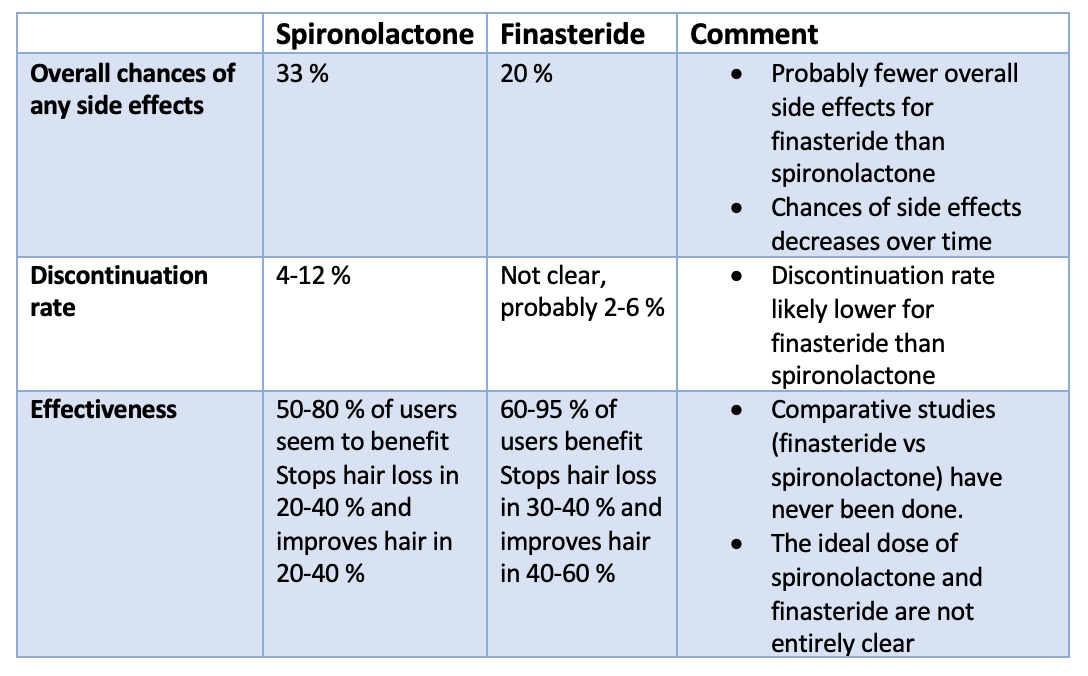
Spironolactone is primarily an androgen receptor antagonist, often used off-label for hair loss in women, particularly those with androgenetic alopecia. Research indicates that spironolactone can reduce hair loss by blocking the effects of androgens, leading to improved hair density over time. In clinical studies, approximately 50-60% of women reported positive outcomes after six months of treatment.
Minoxidil, on the other hand, is a topical vasodilator that promotes hair growth by enhancing blood flow to hair follicles. Studies show that about 40% of users experience regrowth after six months of consistent application. While minoxidil is effective for both men and women, spironolactone is generally limited to female patients due to its hormonal effects.
Side Effects of Alternative Medications
Both spironolactone and minoxidil have associated side effects. Common side effects of spironolactone include:
- Menstrual irregularities
- Breast tenderness
- Fatigue
Minoxidil may cause:
- Scalp irritation
- Unwanted facial hair growth
- Rapid heartbeat
While spironolactone’s side effects stem from its hormonal action, minoxidil’s can be attributed to its topical application. Individual responses may vary, necessitating a tailored approach in treatment selection.
Cost Comparisons and Accessibility
The cost of treatment can significantly influence patient choices. Spironolactone is typically available at a lower cost, with prices ranging from $10 to $30 per month, depending on insurance coverage. Minoxidil, particularly branded formulations, can range from $20 to $60 per month. Accessibility may also vary; spironolactone requires a prescription, while minoxidil is available over-the-counter, allowing for immediate access.
Long-Term Effects on Hair Health
Long-term use of spironolactone has shown promising results in maintaining hair density and preventing further loss. Studies suggest that continued treatment can sustain hair regrowth and improve overall hair health. Conversely, minoxidil’s efficacy often diminishes if treatment is discontinued, leading to a return of hair loss within months. Therefore, patients choosing between these treatments must consider their long-term commitment to therapy.
Misconceptions surrounding spironolactone often include the belief that it is ineffective for hair loss. However, its mechanism of action specifically targets androgen-related hair loss, making it a viable option, especially for women. Many articles fail to emphasize that spironolactone may take several months to show results, whereas minoxidil often provides quicker, though temporary, outcomes.
For individuals considering hair loss treatments, evaluating personal health conditions and preferences is vital. Consult with a healthcare provider to discuss potential side effects and the suitability of each treatment. If spironolactone is deemed appropriate, monitor hair growth and side effects regularly. For those preferring a quicker option, minoxidil may be the better choice, but be prepared for ongoing use to maintain results.
Frequently Asked Questions
What are the side effects of spironolactone?
Common side effects of spironolactone include dizziness, gastrointestinal disturbances, and changes in menstrual cycles. Some individuals may also experience breast tenderness or increased potassium levels.
How does spironolactone affect hair growth?
Spironolactone is often used to promote hair growth in women with androgenetic alopecia by blocking androgen receptors. Its anti-androgen effects can help reduce hair thinning and promote healthier hair growth.
Can spironolactone cause hair loss in women?
While spironolactone is typically used to treat hair loss, some women may experience hair shedding as a side effect. This is usually temporary and may resolve as the body adjusts to the medication.
What can I do if spironolactone causes hair loss?
If spironolactone causes hair loss, consult a healthcare provider for guidance. They may suggest adjusting the dosage or exploring alternative treatments to manage hair loss effectively.
How long does it take for spironolactone to cause hair loss?
The onset of hair loss from spironolactone, if it occurs, can vary among individuals. It may take several weeks to months after starting the medication for any shedding to become noticeable.
Are there alternatives to spironolactone that do not cause hair loss?
Alternatives to spironolactone include finasteride and topical minoxidil, which are used for hair loss treatment. These options may have different side effect profiles and should be discussed with a healthcare provider.
Is hair loss from spironolactone permanent?
Hair loss caused by spironolactone is typically not permanent and may reverse after discontinuation of the medication. However, individual responses can vary, and consultation with a healthcare provider is recommended.
What should I discuss with my doctor regarding spironolactone and hair loss?
Discuss any concerns about hair loss, the duration of use, and potential side effects of spironolactone with your doctor. It is also important to explore alternative treatments if hair loss becomes problematic.
Final Thoughts on can spironolactone cause hair loss
While spironolactone is primarily recognized for its effectiveness in treating conditions like acne and hormonal imbalances, its impact on hair growth can be complex. Some individuals may experience hair loss as a side effect, particularly during the initial stages of treatment. Understanding this potential outcome is crucial for informed decision-making regarding its use.
Consult with a healthcare professional to evaluate the risks and benefits of spironolactone in your specific context, and explore alternative therapies or adjunctive treatments if hair loss occurs.
As the landscape of hair health evolves, recognizing the implications of medications like spironolactone becomes essential for maintaining both physical and emotional well-being.
Leave a Reply