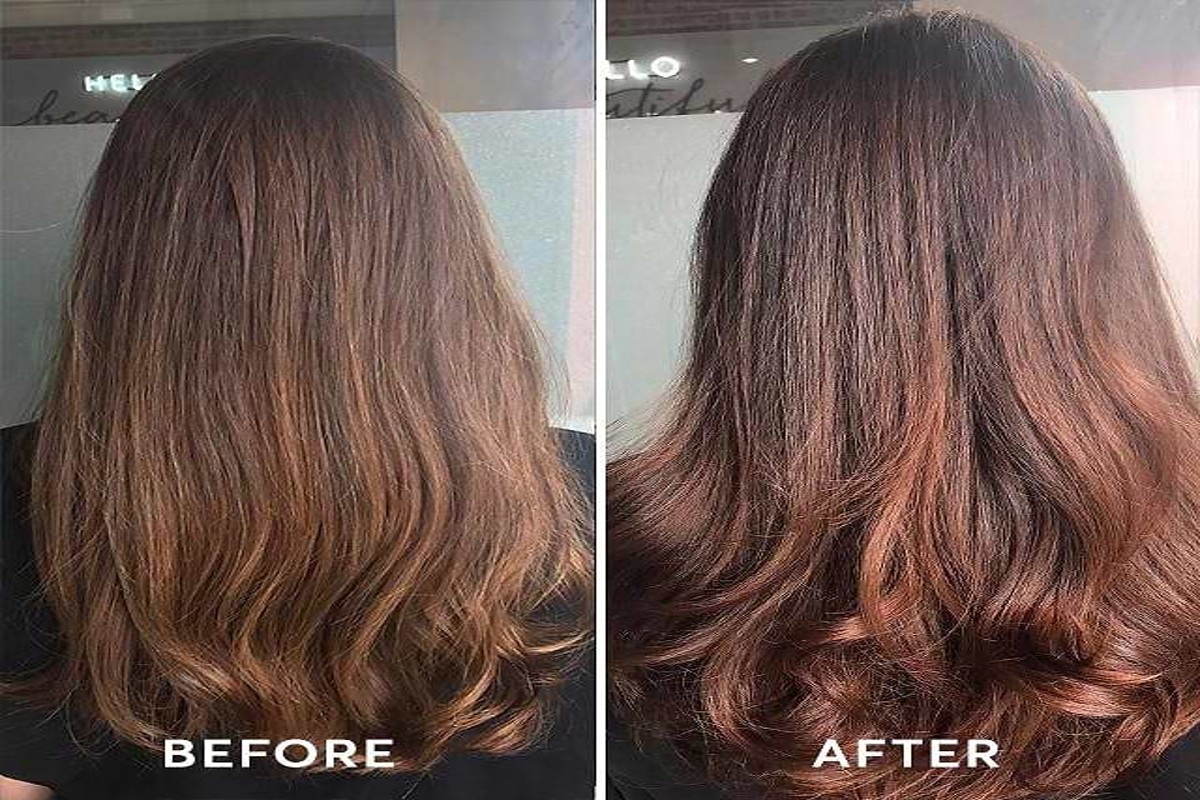
A hair gloss is a semi-permanent treatment that adds shine and enhances color to your hair. It can also improve texture and reduce frizz.
Understanding what a hair gloss is and how it works is crucial for anyone seeking to maintain vibrant, healthy hair. Misconceptions about hair treatments can lead to undesired results, making it essential to grasp the specifics of hair gloss applications and benefits.
This article will detail the benefits of hair gloss, the proper application techniques, and expert tips for maximizing its effectiveness.
What are the benefits of using hair gloss?
Hair gloss is a semi-permanent treatment that enhances shine, improves color vibrancy, and reduces frizz. It is suitable for all hair types and can be used on natural or color-treated hair. The benefits of hair gloss extend beyond aesthetics, contributing to overall hair health.
One of the primary advantages of using hair gloss is its ability to impart a high-shine finish. The glossy layer coats the hair strands, reflecting light and creating a polished appearance. This effect can make hair look healthier and more vibrant, especially in dull or lifeless strands. Additionally, hair gloss can enhance the vibrancy of color-treated hair, making hues appear richer and more dynamic.
- Frizz Reduction: Hair gloss treatments help to smooth the hair cuticle, which significantly reduces frizz and flyaways. This is particularly beneficial in humid conditions, where frizz is most prevalent.
- Color Protection: Gloss treatments can protect hair color from fading due to environmental factors like sun exposure and pollution. They create a barrier that helps maintain color integrity.
- Moisture Retention: Many gloss formulas contain conditioning agents that hydrate the hair, preventing dryness and brittleness. This added moisture contributes to a healthier overall look and feel.
Regular use of hair gloss can lead to long-term benefits for hair health. While results vary based on the product and the hair type, incorporating gloss into a hair care routine can enhance the natural beauty of hair. It is advisable to choose a gloss that complements your hair color and type for optimal results.
When selecting a hair gloss, consider formulations that contain natural oils or silicones, as these ingredients can further enhance shine and manageability. Regular application can also help maintain the benefits over time, ensuring that hair remains vibrant and healthy.
How long does hair gloss last?
Hair gloss typically lasts between 4 to 8 weeks, depending on various factors such as hair type, product formulation, and maintenance practices. The longevity of the gloss can vary significantly based on how often the hair is washed and the specific ingredients in the gloss used.
Several factors influence the duration of hair gloss effects. First, the hair’s porosity plays a crucial role; highly porous hair may absorb the gloss more readily but may also lose it faster. Additionally, the type of gloss—whether it’s a semi-permanent or demi-permanent formula—will impact how long the color and shine last. Semi-permanent glosses generally fade more quickly than demi-permanent options, which can provide more lasting results.
Another significant factor is the maintenance routine following application. Frequent washing with sulfate-based shampoos can strip the gloss more quickly, while using color-safe and sulfate-free products can help preserve the vibrancy. Heat styling tools can also diminish the gloss’s effectiveness over time, so limiting their use can extend the duration of the treatment.
Expert Tip
To maximize the longevity of a hair gloss treatment, consider incorporating a weekly deep conditioning treatment that includes color-protecting ingredients. This not only maintains the gloss but also enhances overall hair health.
Can hair gloss damage your hair?
Hair gloss typically does not damage hair when used correctly, as it is designed to enhance shine and improve color without harsh chemicals. However, some formulations may contain ingredients that can lead to dryness or chemical reactions in certain hair types. The overall safety of hair gloss compared to other chemical treatments is generally favorable.
Hair gloss is a semi-permanent treatment that coats the hair, providing shine and subtle color enhancement. It generally contains fewer harsh chemicals than traditional hair dye, making it a milder option for those seeking to refresh their locks. In contrast, permanent hair dyes and chemical relaxers often contain stronger ingredients that can lead to significant hair damage or breakage if misapplied or overused.
When comparing hair gloss to other treatments, consider the following:
- Hair Gloss: Semi-permanent, enhances shine, minimal risk of damage, suitable for regular use.
- Permanent Hair Color: Alters hair structure, can cause dryness and breakage, requires more maintenance.
- Chemical Relaxers: Breaks down hair bonds for straightening, higher risk of damage, often leaves hair brittle.
Individual hair types and conditions can influence the outcome of any treatment. For example, porous or previously damaged hair may react differently to gloss compared to healthy strands. Always perform a patch test and consult a professional stylist to determine the best option for your hair.
Using hair gloss can be a safer alternative to more aggressive chemical treatments, especially for those looking to enhance their hair’s appearance without significant alterations. Regular use of deep conditioning treatments can further mitigate any potential risks associated with gloss applications.
How do you apply hair gloss at home?
Applying hair gloss at home is a straightforward process that enhances shine and color. Follow these steps to achieve optimal results effectively.
- Choose the right gloss: Select a hair gloss that suits your hair type and desired effect, whether it’s clear for shine or tinted for color enhancement.
- Prepare your hair: Start with clean, dry hair. Wash your hair with a gentle shampoo, then towel dry to remove excess moisture, ensuring the gloss adheres well.
- Section your hair: Divide your hair into manageable sections using clips. This allows for even application and ensures that all strands are covered.
- Apply the gloss: Wearing gloves, apply the gloss evenly from roots to tips using a brush or applicator bottle. Work through each section thoroughly to avoid patches.
- Process the gloss: Leave the gloss on your hair according to the instructions, typically between 10 to 30 minutes. This allows the product to penetrate and deliver its benefits.
- Rinse and style: Rinse your hair with cool water to seal in the gloss. Avoid shampooing immediately after; instead, condition your hair if necessary, then style as desired.
For best results, consider using a heat source, such as a hairdryer on a low setting, during the processing phase. This can help the gloss penetrate the hair cuticle more effectively.
Expert Tip: To maintain the gloss’s effects, limit washing to two or three times a week and use sulfate-free shampoos. Regular touch-ups every four to six weeks can help sustain the shine and color vibrancy.
What is the cost of a professional hair gloss treatment?
The cost of a professional hair gloss treatment typically ranges from $30 to $150, depending on various factors. Prices can vary significantly based on salon location, stylist experience, and the specific products used during the treatment.
Several factors influence the overall cost of a hair gloss treatment:
- Salon Reputation: High-end salons with experienced professionals may charge premium prices due to their brand reputation and the quality of service.
- Location: Urban areas often have higher service fees compared to rural locations, reflecting the cost of living and demand for salon services.
- Stylist Experience: More experienced stylists typically charge higher rates due to their expertise and skill level in delivering quality results.
- Type of Gloss: The specific product used can impact pricing. Semi-permanent glosses may be less expensive than treatments containing nourishing ingredients or specialized formulas.
- Additional Services: If the gloss treatment is combined with other services like a haircut or color treatment, the total cost will increase accordingly.
Overall, it’s advisable to consult with the salon beforehand to understand the specific costs associated with the desired treatment. Additionally, some salons offer package deals or promotions that can reduce the price.
For optimal results, ensure that the stylist uses high-quality products tailored to your hair type. This attention to detail can significantly enhance the longevity and effectiveness of the gloss treatment.
What is the difference between hair gloss and hair dye?
Hair gloss and hair dye serve different purposes in hair color and care. Hair gloss provides a temporary enhancement of shine and color, while hair dye offers a more permanent solution for altering hair color. The application methods, effects, and longevity of each product vary significantly.
Hair gloss is typically a semi-permanent treatment that coats the hair shaft, enhancing its natural color and adding shine. It usually contains conditioning agents that improve hair texture and manageability. Gloss treatments can be applied at home or in a salon and generally wash out over a few weeks. In contrast, hair dye involves a chemical process that alters the hair’s pigment, resulting in a more dramatic and lasting color change. Dyes can be permanent or semi-permanent, with permanent options providing long-lasting results that require regrowth or touch-ups.
- Application: Hair gloss is applied like a conditioner and usually requires minimal processing time. Hair dye often needs a more complex application and requires mixing with a developer.
- Effects: Gloss enhances shine and can subtly deepen or enrich existing color, while dye changes the hair color significantly, including lightening or darkening.
- Longevity: Hair gloss typically lasts between 4 to 6 weeks, while permanent hair dye can last several months before fading, necessitating maintenance.
Choosing between hair gloss and hair dye depends on individual hair goals. For those looking to enhance shine and refresh color without a long-term commitment, gloss is ideal. Conversely, those aiming for a complete color change may prefer dye.
For optimal results, consider the current condition of your hair and consult a professional stylist when in doubt. This ensures that the chosen product aligns with your hair type and desired outcome.
What are the best hair gloss products available?
Some of the best hair gloss products on the market are designed to enhance shine, boost color, and improve overall hair health. These products vary in formulation, but the most effective ones typically contain nourishing ingredients and color-enhancing properties. Below are some top-rated options that stand out for their effectiveness.
- IGK Cryotherapy Anti-Static Glaze: This product provides a glass-like shine while combating frizz. It contains a blend of oils that nourish and hydrate the hair, making it ideal for all hair types.
- Moroccanoil Glimmer Shine: Known for its lightweight formula, this gloss adds shine without weighing hair down. Its argan oil content helps to smooth and protect the hair from environmental damage.
- John Frieda Color Refreshing Gloss: This gloss not only adds shine but also refreshes and enhances color. It’s particularly effective for maintaining vibrancy between salon visits.
- Redken Shades EQ: A professional-grade product, this demi-permanent gloss provides beautiful shine and a subtle color boost. Its acidic formula helps to close the hair cuticle, enhancing smoothness.
- Olaplex No. 7 Bonding Oil: While primarily an oil, this product offers high shine and repair benefits. It reduces frizz and enhances color vibrancy, making it a multifunctional choice.
When selecting a hair gloss, consider your hair type and desired outcome. For instance, those with color-treated hair may benefit from products designed specifically to enhance and maintain color. Additionally, the formulation should align with the specific needs of your hair, whether it requires hydration, damage repair, or enhanced shine.
Expert-level products often include professional-grade options that can only be applied by stylists. These products can offer more significant results but may require expertise for optimal application. Always conduct a patch test before using a new product to ensure compatibility with your hair.
How often should you use hair gloss?
Hair gloss can be used as frequently as every two to four weeks, depending on your hair type and desired results. Regular application helps maintain shine and improve hair texture, but overuse may lead to product buildup or unwanted color changes.
Several factors influence how often hair gloss should be applied. For individuals with dry or color-treated hair, using gloss every two weeks can enhance moisture and vibrancy. Conversely, those with fine or oily hair may find that every four weeks is sufficient to avoid weighing their hair down. Additionally, environmental factors, such as sun exposure or pollution, can necessitate more frequent applications for those living in harsher climates.
- Assess hair type: Determine if your hair is coarse, fine, or oily. Adjust the frequency based on how well your hair maintains gloss and moisture.
- Consider color treatment: If your hair is color-treated, opt for a gloss application every two weeks to enhance color vibrancy and shine.
- Monitor product buildup: If hair feels heavy or lacks movement, extend the time between applications to prevent buildup.
- Seasonal adjustments: During dry winter months, more frequent applications may be necessary to combat dryness, while summer may require less due to humidity.
To achieve optimal results, it is advisable to pair hair gloss with a suitable shampoo and conditioner tailored to your hair type. This approach ensures that the gloss maintains its effectiveness and complements your overall hair care routine.
Regularly evaluating the condition of your hair and adjusting the frequency of gloss application can lead to healthier, shinier hair over time. Remember, personalized care is key to achieving the best results.
Understanding the Chemistry Behind Hair Gloss
This section explores the fundamental ingredients and formulations of hair gloss, highlighting their molecular interactions that contribute to hair health and aesthetic appeal.
Common Ingredients in Hair Gloss Products
Hair gloss formulations typically include a combination of active ingredients that enhance shine, color, and texture. Common components are:
- Coloring Agents: These may include semi-permanent dyes that deposit color without altering the hair’s structure.
- Conditioning Agents: Ingredients such as cationic surfactants help to soften hair, improving manageability.
- Silicones: Compounds like dimethicone form a protective layer around the hair, enhancing shine and reducing frizz.
- Acids: Ingredients like citric acid help to adjust pH levels, which can improve cuticle smoothness.
The Role of pH Levels
The pH level of hair gloss is a critical factor that influences its effectiveness. Hair’s natural pH ranges from 4.5 to 5.5, making it slightly acidic. Glosses formulated with a pH close to this range promote cuticle closure, which enhances shine and reduces damage. A lower pH can help to seal the hair cuticle, while a higher pH may lead to swelling and increased porosity, ultimately affecting the hair’s health and appearance.
Conditioning Agents and Silicones
Conditioning agents play a pivotal role in hair gloss formulations. They enhance hydration and smoothness, contributing to a healthier look. Silicones are particularly noteworthy; they provide a non-greasy, protective coating that reflects light, thereby increasing shine. However, overuse of silicones can lead to buildup, which may necessitate clarifying shampoos for removal.
Formulations for Various Hair Types
Hair gloss products are tailored to accommodate different hair types and concerns:
- Fine Hair: Lightweight glosses with less silicone to avoid weighing down strands.
- Curly Hair: Richer formulations that include more conditioning agents to enhance curl definition and moisturization.
- Color-Treated Hair: Glosses with protective ingredients that shield against fading and environmental damage.
Understanding these formulations allows consumers to choose products that align with their specific hair needs and desired outcomes.
Nuances in Hair Gloss Chemistry
Many consumers misunderstand the purpose of hair gloss, often equating it with permanent hair dye. Unlike hair dye, which alters the hair structure, hair gloss acts as a surface treatment. It does not penetrate the hair shaft but instead coats the outer layer, providing temporary enhancements in color and shine. Additionally, the misconception that all hair glosses are the same overlooks the importance of ingredient quality and formulation. High-quality products often contain natural extracts and fewer harsh chemicals, promoting long-term hair health.
Practical Application
To maximize the benefits of hair gloss, apply it to clean, damp hair. Follow these steps:
- Shampoo your hair with a clarifying shampoo to remove buildup.
- Apply the hair gloss evenly, focusing on the mid-lengths and ends.
- Leave the product on for the recommended time, usually 10-20 minutes.
- Rinse thoroughly with cool water to seal the cuticle and enhance shine.
By selecting the right gloss for your hair type and following proper application techniques, you can achieve optimal results in hair health and appearance.
Hair Gloss vs. Other Hair Treatments: A Comprehensive Comparison
This section provides an in-depth comparison of hair gloss with other hair treatments, such as hair dye, shine sprays, and deep conditioners. Understanding these differences can help individuals select the most appropriate product for their hair care needs.

Longevity and Effects: Hair Gloss vs. Permanent Dye
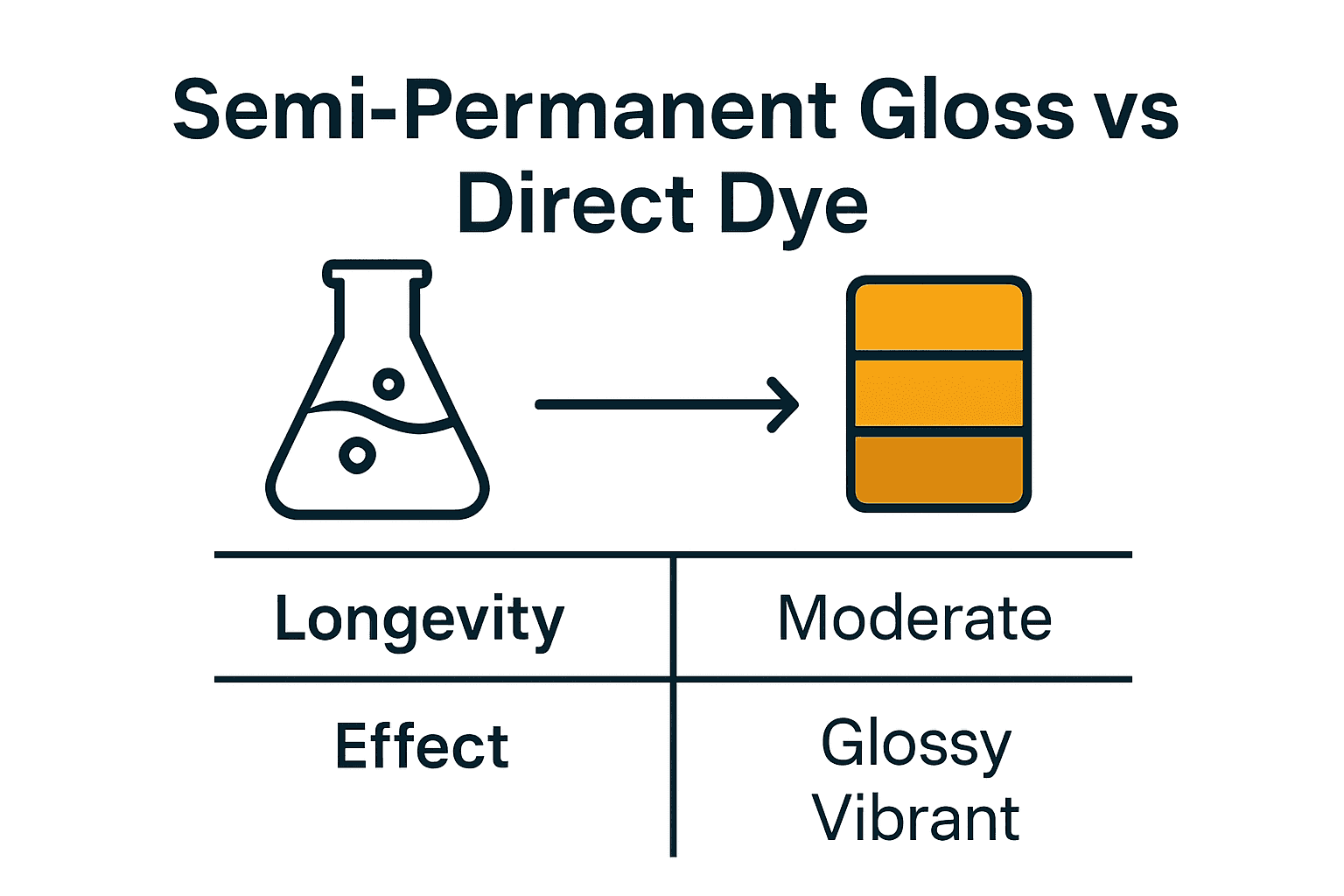
Hair gloss and permanent dye serve different purposes and yield varying results. Hair gloss typically lasts from 4 to 8 weeks, offering a temporary enhancement of color and shine without altering the hair’s natural structure. In contrast, permanent dye penetrates the hair shaft, providing a longer-lasting color solution that can endure multiple washes. However, the commitment to permanent dye can lead to significant upkeep, including root touch-ups every 4 to 6 weeks.
Benefits of Hair Gloss Over Shine Sprays and Serums
While shine sprays and serums are designed to coat the hair and add temporary gloss, their effects can be short-lived and may require frequent reapplication. Hair gloss, on the other hand, not only adds shine but also improves hair texture and color depth. Additionally, gloss treatments often contain conditioning agents that enhance moisture retention, making hair appear healthier over time. The following are key benefits of hair gloss:
- Color Enhancement: Brightens and enriches existing color.
- Moisturization: Infuses hair with hydrating ingredients.
- Damage Control: Can help seal split ends and reduce frizz.
When to Choose Hair Gloss Over Other Treatments
Hair gloss is an ideal choice for various scenarios, including:
- When seeking a subtle color refresh without commitment.
- For individuals with color-treated hair needing additional shine and moisture.
- When preparing for a special occasion, as gloss treatments enhance overall hair appearance instantly.
Cost-Effectiveness of Hair Gloss in the Long Run
Although the upfront cost of hair gloss may be higher than that of shine sprays or serums, its long-term benefits can offer significant savings. By improving hair health and reducing the need for frequent trims or additional treatments, hair gloss can prove to be a more economical choice. Furthermore, less frequent visits to the salon for color maintenance can offset initial costs.
Nuances and Common Misconceptions
One common misconception about hair gloss is that it functions like a traditional hair dye. While both can enhance color, hair gloss does not alter the hair’s base color significantly. It is also not suitable for covering gray hair effectively, as that typically requires a permanent or semi-permanent dye. Additionally, some believe that hair gloss is only beneficial for color-treated hair; however, it can also enhance the appearance of natural hair, providing a boost in shine and texture.
Practical Application
To maximize the benefits of hair gloss, consider the following steps:
- Assess your hair type and color needs to determine if gloss is suitable.
- Choose a gloss product that complements your hair color.
- Schedule treatments every 4 to 6 weeks for optimal results.
By understanding the distinctions between hair gloss and other treatments, individuals can make informed choices that best suit their hair care goals.
Common Mistakes to Avoid When Using Hair Gloss
This section outlines frequent errors associated with hair gloss application and maintenance that can compromise results. Avoiding these mistakes ensures optimal shine and health for your hair.
Overusing Gloss
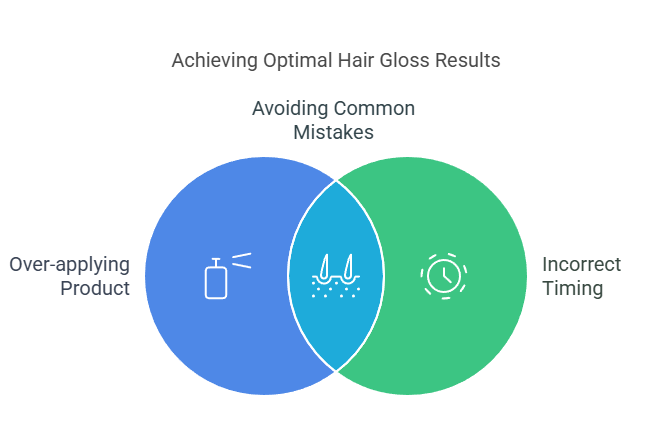
One common mistake is the overapplication of hair gloss, which can lead to product buildup. Excess gloss accumulation can make hair appear dull instead of shiny. To prevent this, limit application to every four to six weeks, or as recommended by the product instructions. Regularly clarifying the hair can also help remove any buildup.
Neglecting Application Instructions
Each hair gloss product comes with specific application instructions that should be followed meticulously. Skipping steps or altering the recommended timing can result in uneven color or ineffective results. For example, some glosses require a precise processing time to achieve the desired effect, while others may need to be applied on damp versus dry hair. Always read the label carefully before use.
Ignoring Hair Type and Condition
Choosing a hair gloss without considering individual hair type and condition can lead to unsatisfactory outcomes. For instance, fine hair may require a lighter formula, while coarse or damaged hair might benefit from a gloss designed for moisture and repair. Assessing hair health and texture is essential for selecting the right product. Consult a professional if uncertain about which gloss suits your needs.
Not Considering Color Compatibility
Hair gloss should complement existing hair treatments, including color and chemical processes. Ignoring color compatibility can result in unwanted tones or a mismatch with current hair color. For example, applying a warm-toned gloss over cool-toned hair can produce unexpected results. Always check if the gloss is suitable for your specific hair color and previous treatments.
Common Misconceptions About Hair Gloss
Many believe that hair gloss serves solely as a color enhancer, but its benefits extend beyond aesthetics. Hair gloss also provides hydration, reduces frizz, and enhances shine. Another misconception is that all glosses are temporary; however, some formulations can offer semi-permanent results. Understanding these nuances can lead to more informed product choices and better hair care practices.
Practical Application
- Limit application frequency to prevent buildup.
- Always follow product instructions precisely.
- Choose a gloss suitable for your hair type and current condition.
- Verify that the gloss is compatible with your hair color and treatments.
By avoiding these common mistakes, users can maximize the effectiveness of hair gloss, ensuring vibrant, healthy-looking hair. Implement these guidelines to achieve the best results from your hair gloss treatments.
Real-World Applications: Hair Gloss in Professional Settings
This section explores the practical applications of hair gloss in salon environments, highlighting techniques used by stylists, client transformations, and maintenance tips for optimal results. Understanding these aspects provides insight into the growing popularity of hair gloss treatments.

Techniques for Optimal Application
Professional stylists employ specific techniques to maximize the benefits of hair gloss. The application process typically includes:
- Consultation: Assessing the client’s hair type, color, and desired outcome ensures a tailored approach.
- Preparation: Shampooing the hair to remove product buildup allows for better absorption of the gloss.
- Application: The gloss is applied evenly from roots to ends, often using a brush or applicator bottle for precision.
- Processing Time: Allowing the gloss to sit for a specified period, usually between 10 to 30 minutes, enhances the color and shine.
- Rinsing: Thoroughly rinsing with cool water seals the cuticle, locking in moisture and shine.
Client Transformations Showcasing Benefits
Hair gloss treatments can dramatically transform hair, enhancing its overall appearance and health. Case studies reveal the following outcomes:
- Color Enhancement: Clients with dull or faded color experience revitalized hues and increased vibrancy.
- Improved Shine: Gloss treatments provide a reflective surface, resulting in shinier hair that appears healthier.
- Texture Refinement: Many clients report smoother, more manageable hair, reducing frizz and flyaways.
Professional Tips for Maintaining Results
To prolong the effects of hair gloss, stylists recommend several maintenance strategies:
- Use sulfate-free shampoos: These gentle cleansers help maintain color and prevent stripping of gloss.
- Limit heat styling: Reducing the use of blow dryers, straighteners, and curling irons helps preserve shine.
- Schedule touch-ups: Regular gloss treatments every 4-6 weeks can refresh color and enhance shine.
Impact of Gloss on Hair Health Over Time
Hair gloss not only enhances appearance but can also contribute to long-term hair health. Regular treatments can lead to:
- Moisture Retention: Gloss formulas often contain nourishing ingredients that hydrate the hair shaft.
- Cuticle Protection: A protective layer formed by the gloss shields hair from environmental damage.
- Reduced Breakage: Healthier, shinier hair is less prone to damage, leading to improved strength over time.
Despite the benefits, misconceptions about hair gloss exist. Some believe it solely serves as a cosmetic enhancement, neglecting its nourishing properties. Additionally, many clients mistakenly assume that gloss treatments replace traditional coloring methods, while they actually complement and enhance them.
For optimal results, clients should seek professional applications of hair gloss and adhere to maintenance guidelines. Scheduling regular appointments and investing in quality hair care products will ensure that both the aesthetic and health benefits of hair gloss are maximized. Consider incorporating hair gloss into your routine to achieve vibrant, healthy hair.
Frequently Asked Questions
What are the benefits of using hair gloss?
Hair gloss enhances shine, adds depth to color, and can improve hair texture. It also helps to seal the hair cuticle, reducing frizz and promoting a healthier appearance.
How long does hair gloss last?
Typically, hair gloss lasts between four to six weeks, depending on hair type and maintenance. Factors like washing frequency and product use can affect its longevity.
Can hair gloss damage your hair?
Hair gloss is generally safe and non-damaging, as it contains fewer harsh chemicals than traditional hair dyes. However, overuse or improper application may lead to dryness or buildup.
How do you apply hair gloss at home?
To apply hair gloss at home, start with clean, damp hair and evenly distribute the product from roots to ends. Follow the manufacturer’s instructions for processing time before rinsing thoroughly.
What is the cost of a professional hair gloss treatment?
A professional hair gloss treatment typically ranges from $30 to $100, depending on the salon and your hair length. Prices may vary based on location and stylist experience.
What is the difference between hair gloss and hair dye?
Hair gloss is a semi-permanent treatment that enhances shine and color without altering the natural hue significantly. In contrast, hair dye provides permanent color changes and can lighten or darken hair.
What are the best hair gloss products available?
Some highly recommended hair gloss products include John Frieda Luminous Glaze, Redken Shades EQ, and Overtone Color Conditioner. These products are known for their effectiveness and ease of use.
How often should you use hair gloss?
Hair gloss can be used every four to six weeks for optimal results. Regular application helps maintain shine and color vibrancy without causing damage.
Final Thoughts on what is a hair gloss
Hair gloss is not merely a cosmetic enhancement; it serves as a transformative treatment that revitalizes hair health, enhances shine, and provides a protective layer. Understanding its chemistry and application techniques empowers individuals to optimize their hair care routines effectively.
To maximize the benefits of hair gloss, consider scheduling a professional consultation to determine the most suitable formulation for your hair type and desired outcome, ensuring a personalized approach that aligns with your hair goals.
Mastering the art of hair gloss application can elevate your hair care regimen, making it an essential practice for achieving vibrant, healthy hair.
Leave a Reply