Low porosity hair means that the hair cuticles are tightly packed, making it difficult for moisture and products to penetrate. This characteristic can lead to dryness and product buildup, necessitating specific care techniques for optimal health.
Understanding low porosity hair is crucial for anyone looking to maintain healthy hair. Mismanagement can result in ineffective hair care routines and exacerbate issues such as dryness and breakage, impacting overall hair appearance and health.
This article will explain the characteristics of low porosity hair, effective care strategies, and product recommendations tailored to meet the unique needs of this hair type.
How can I tell if I have low porosity hair?
Low porosity hair is characterized by a cuticle layer that is tightly packed, making it difficult for moisture and products to penetrate. To determine if you have low porosity hair, you can perform a few simple tests and observe specific signs in your hair’s behavior.
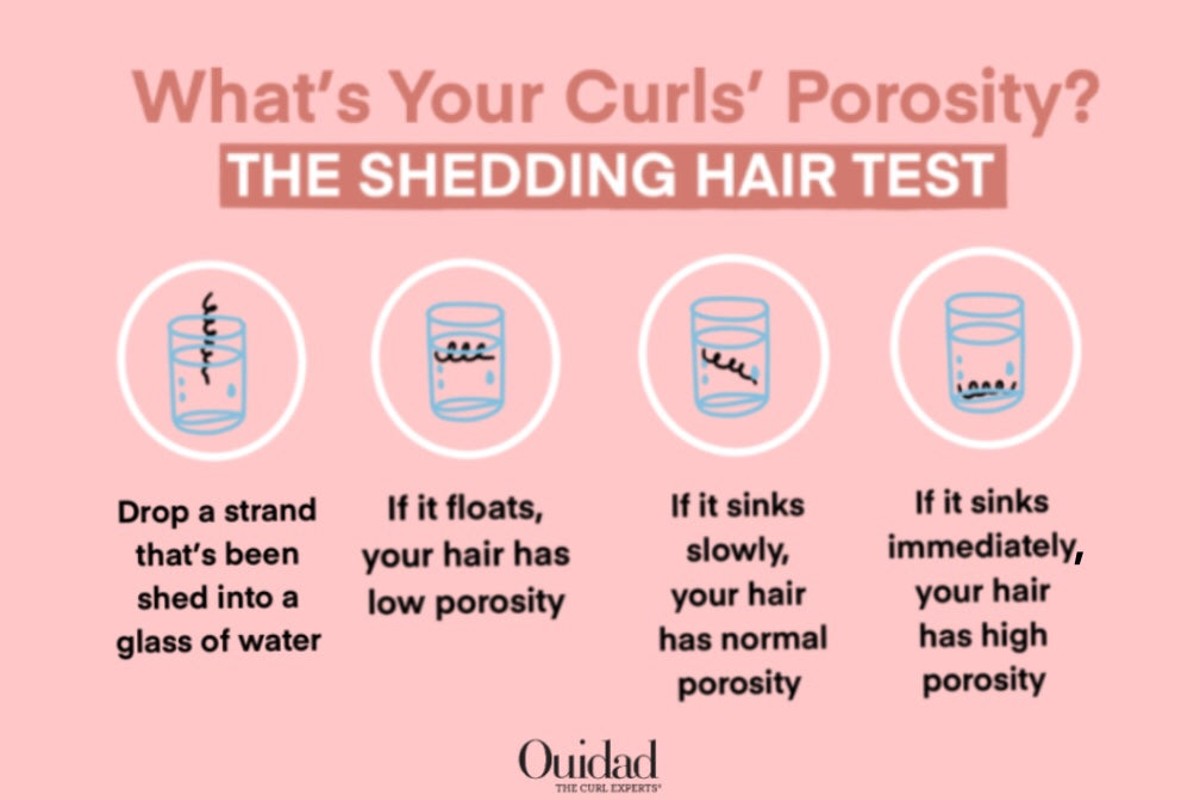
- Water Test: Take a strand of hair and place it in a glass of water. If the hair floats on top for a long time, it likely indicates low porosity. Hair that sinks quickly suggests higher porosity.
- Product Absorption: Apply a leave-in conditioner or hair oil to a small section of your hair. If the product sits on the surface without being absorbed after a few minutes, your hair may have low porosity.
- Drying Time: Observe how long it takes for your hair to dry after washing. Low porosity hair often dries slowly because it retains moisture, whereas high porosity hair dries more quickly.
- Heat Reaction: Use heat on your hair, such as a blow dryer or a heated styling tool. If your hair does not respond well to heat, remaining flat or stiff, it may indicate low porosity.
Other signs include a tendency for products to build up on the hair, difficulty achieving moisture retention, and a lack of elasticity. These characteristics are often associated with low porosity hair, which requires specific care methods, such as using lighter products and heat to open the cuticle for better absorption.
For optimal hair health, consider using warm water or steam when washing your hair. This helps lift the cuticles slightly, allowing better product penetration.
Expert Tip: Incorporating a clarifying shampoo into your routine every few weeks can help remove product buildup, a common issue for individuals with low porosity hair.
What products are best for low porosity hair?
Low porosity hair benefits from lightweight products that can penetrate the hair shaft effectively. Products with specific ingredients can help to moisturize and nourish without weighing the hair down. Choosing the right formulations is essential for achieving optimal hydration and manageability.
When selecting products for low porosity hair, focus on the following types and ingredients:
- Lightweight moisturizers: Look for gel-based or water-based leave-in conditioners that provide hydration without heaviness. Ingredients like aloe vera and glycerin are excellent choices.
- Protein-free conditioners: Use conditioners that are free from heavy proteins, which can lead to stiffness. Opt for creamy conditioners with ingredients like coconut oil or shea butter, which provide moisture without excess weight.
- Clarifying shampoos: Incorporate a mild clarifying shampoo periodically to remove build-up. This helps open up the hair cuticles and allows for better product absorption.
- Heat-activated treatments: Use products that require heat for activation, such as deep conditioners that work best when applied with a warm towel or heat cap. This enhances penetration into the hair shaft.
- Light oils: Apply lightweight oils like argan oil or jojoba oil as a sealing agent. These oils can lock in moisture without suffocating the hair.
Understanding the properties of low porosity hair can significantly influence product selection. Hair with low porosity tends to resist moisture absorption, making it crucial to choose products that facilitate this process. Regularly assessing how your hair responds to different products can also help refine your hair care routine.
Expert Tip: Always perform a patch test with new products to gauge their effectiveness and compatibility with your hair type. This practice ensures that you are not introducing ingredients that may cause build-up or adverse reactions.
What are the common mistakes to avoid with low porosity hair?
Common mistakes in caring for low porosity hair include using heavy products, applying heat without proper preparation, and skipping deep conditioning treatments. These errors can lead to buildup, dryness, and stunted hair growth, which are particularly detrimental to low porosity hair types.
A frequent scenario involves individuals using thick creams and butters, believing that more product will enhance moisture retention. However, low porosity hair struggles to absorb heavy formulations due to its tightly packed cuticles. As a result, these products often sit on the hair’s surface, leading to increased buildup and a lackluster appearance. Instead, lightweight, water-based products should be prioritized to facilitate better absorption.
Another prevalent mistake is the inappropriate use of heat. Many with low porosity hair neglect to use a heat protectant or fail to apply heat during conditioning. This hair type benefits from heat to open the cuticles, allowing moisture to penetrate effectively. Without this step, treatments may not yield the desired results, leaving hair dry and unmanageable. Incorporating a heat cap or warm towel during deep conditioning can significantly enhance moisture uptake.
Expert Tip: Consider incorporating a clarifying shampoo into your routine every few weeks. This can help remove product buildup, ensuring that your hair remains responsive to moisture treatments.
How does low porosity hair compare to high porosity hair?
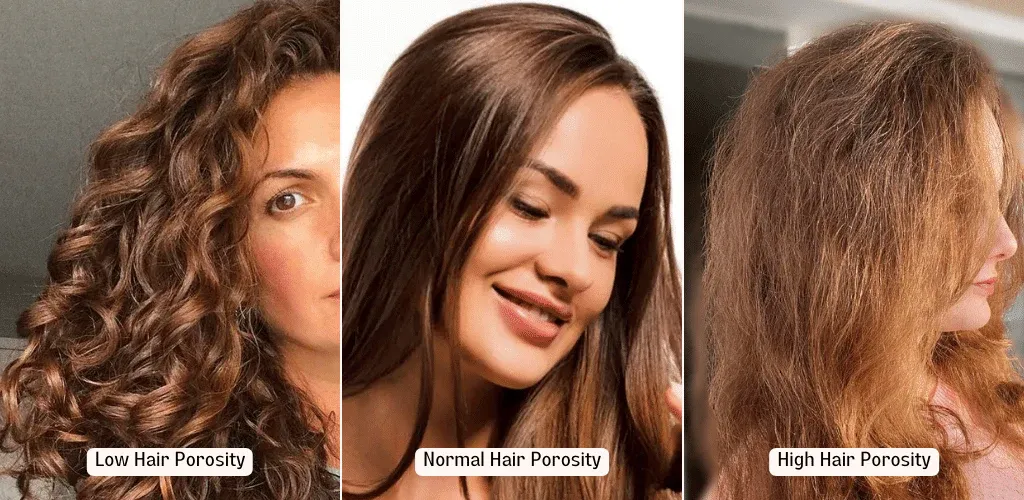
Low porosity hair and high porosity hair differ primarily in their ability to absorb and retain moisture. Low porosity hair has a tightly packed cuticle layer, making it resistant to moisture absorption. In contrast, high porosity hair has an open cuticle structure that allows moisture to enter and escape easily.
Key differences include:
- Moisture Absorption: Low porosity hair repels moisture initially, requiring heat or specific products to facilitate absorption. High porosity hair absorbs moisture quickly but can also lose it just as fast, leading to dryness.
- Product Compatibility: Low porosity hair often benefits from lightweight, water-based products that do not weigh it down. High porosity hair, on the other hand, requires heavier creams and oils to provide adequate moisture retention.
- Styling and Maintenance: Low porosity hair typically holds styles well but may require more time and effort to hydrate. High porosity hair may require frequent moisturizing and sealing to maintain its health and appearance.
Other factors influencing these hair types include genetics and environmental conditions. For instance, hair that has been subjected to chemical treatments can develop higher porosity over time. Conversely, natural hair textures may exhibit low porosity characteristics due to their inherent structure.
Expert Tip: Conduct a simple water test to determine your hair’s porosity. Place a strand of hair in a glass of water. If it sinks quickly, it has high porosity; if it floats, it indicates low porosity. This knowledge can help tailor your hair care routine effectively.
Can low porosity hair change over time?
Yes, low porosity hair can change over time due to various factors, including environmental influences, chemical treatments, and overall hair health. While low porosity is often a genetic trait, external conditions can alter the hair’s structure and porosity level.
One significant factor that can influence hair porosity is exposure to heat and humidity. Over time, excessive heat styling or environmental conditions can cause the cuticle layer of the hair to lift, potentially increasing porosity. Additionally, the use of certain hair care products—such as those containing alcohol or sulfates—can strip moisture and alter the hair’s ability to retain water, leading to changes in porosity levels. It is essential to monitor how hair responds to different products and environmental factors.
Chemical treatments, including coloring, perming, or relaxing, can also impact hair porosity. These processes can damage the cuticle, leading to increased porosity. However, once the hair has been chemically treated, it may not revert to its original state, especially if the integrity of the hair has been compromised. Regular deep conditioning and protein treatments may help improve the overall health of the hair but will not necessarily change the inherent porosity.
Expert Tip: To manage low porosity hair effectively, focus on using products that provide moisture without heavy oils, as these can sit on the hair rather than penetrate it. Consider incorporating steam treatments to help open the cuticle and enhance moisture absorption.
Understanding Hair Porosity: The Science Behind It
This section delves into the biological aspects of hair porosity, including its definition, types, and the factors influencing it. Understanding these elements is essential for effective hair care, particularly for those with low porosity hair.

Definition of Hair Porosity and Its Types
Hair porosity refers to the hair’s ability to absorb and retain moisture. It is categorized into three main types: low porosity, medium porosity, and high porosity. Low porosity hair has tightly packed cuticles that resist moisture absorption, while high porosity hair has gaps and holes in the cuticle, allowing moisture to enter easily but also leading to rapid loss of hydration. Medium porosity hair strikes a balance between the two, allowing for a moderate level of moisture retention.
How Cuticle Structure Influences Porosity
The hair cuticle is the outermost layer of the hair shaft, composed of overlapping cells that resemble shingles on a roof. In low porosity hair, these cuticles are highly compacted and lie flat, creating a barrier that limits moisture absorption. This structure can result in a shiny appearance but can also cause the hair to be resistant to penetration by oils and conditioners. In contrast, high porosity hair has a more open cuticle structure, which facilitates moisture entry but can also lead to damage and frizz.
Impact of Environmental Factors on Hair Porosity
Environmental conditions play a significant role in determining hair porosity. Factors such as humidity, temperature, and exposure to chemicals can alter the cuticle’s integrity. For instance, prolonged exposure to sun or chlorine can damage the cuticle, increasing porosity over time. Additionally, frequent use of heat styling tools can lift the cuticle, resulting in higher porosity. Understanding these influences can help individuals manage their hair health more effectively.
The Role of Genetics in Determining Hair Porosity
Genetics is a primary factor in determining hair porosity. Traits such as hair texture, thickness, and porosity are inherited from one’s parents. For example, individuals with tightly coiled hair often have low porosity, while those with wavy or straight hair may experience medium to high porosity. Genetic predisposition means that hair porosity is largely fixed, though environmental factors can influence its characteristics over time.
Common misconceptions regarding hair porosity often lead to ineffective hair care practices. For example, many assume that all hair types require the same moisture and product application techniques. However, those with low porosity hair may benefit from lighter products that don’t overwhelm the cuticle, while high porosity hair may require richer, more intensive treatments. Misunderstanding these differences can result in poor hair health and ineffective care routines.
Practical Application
To effectively manage low porosity hair, consider the following actionable steps:
- Use heat during conditioning treatments. Applying heat opens the cuticles, allowing for better product absorption.
- Opt for lightweight, water-based products that won’t sit on the hair’s surface.
- Avoid heavy oils and butters that may not penetrate the hair shaft.
- Incorporate clarifying shampoos occasionally to remove product buildup that can exacerbate moisture retention issues.
By understanding what low porosity hair means and how it behaves, individuals can adopt a tailored hair care routine that promotes optimal health and hydration.
Tailoring Your Hair Care Routine for Low Porosity Hair
This section provides a comprehensive guide on how to create a personalized hair care regimen specifically designed for low porosity hair. Understanding the unique needs of this hair type is essential for maintaining its health and achieving optimal moisture retention.

Best Practices for Washing and Conditioning
Low porosity hair often resists moisture absorption due to its tightly packed cuticles. Therefore, selecting the right cleansing and conditioning products is vital. Use a gentle, sulfate-free shampoo to avoid stripping natural oils while effectively cleansing the scalp. Follow up with a lightweight conditioner that contains humectants, such as glycerin or honey, to help draw moisture into the hair.
- Wash hair with warm water to help open the cuticles.
- Apply conditioner generously and allow it to sit for at least 5-10 minutes.
- Rinse with cool water to seal the cuticles and lock in moisture.
Importance of Heat in Moisturizing Low Porosity Hair
Heat plays a crucial role in enhancing moisture penetration for low porosity hair. The application of heat helps to open the cuticles, allowing conditioning agents to penetrate more effectively. Consider using a heat cap or a hooded dryer while deep conditioning. This method can significantly improve the moisture content in the hair.
- Apply a deep conditioner or a moisture mask.
- Cover hair with a plastic cap and apply heat for 15-30 minutes.
- Rinse thoroughly with cool water to seal the cuticles.
Recommended Styling Techniques and Products
For styling low porosity hair, choose lightweight products that do not weigh hair down. Look for curl creams, leave-in conditioners, and gels formulated for moisture retention without heavy oils. Techniques such as praying hands or shingling can help evenly distribute products while minimizing frizz.
- Use a spray bottle with water to lightly dampen hair before applying styling products.
- Apply products in small amounts, gradually increasing as needed.
- Consider protective styles to reduce manipulation and promote moisture retention.
Frequency of Treatments and Deep Conditioning
Regular deep conditioning is essential for low porosity hair to maintain moisture levels. Aim to deep condition every 1-2 weeks, depending on the hair’s condition and environmental factors. Incorporating protein treatments every 6-8 weeks can also help strengthen hair but should be balanced with moisturizing treatments to avoid over-processing.
Nuance / Expert Layer
Common misconceptions about low porosity hair include the belief that it does not require moisture. In reality, low porosity hair often needs consistent moisture management and gentle handling. Additionally, many assume that heavier oils are suitable for this hair type; however, they can lead to buildup and hinder moisture absorption. Instead, opt for lighter oils such as argan or jojoba for sealing moisture.
Practical Application
Implement the following steps to create an effective hair care routine for low porosity hair:
- Choose a sulfate-free shampoo and a lightweight conditioner with humectants.
- Incorporate heat during deep conditioning treatments to enhance moisture absorption.
- Use lightweight styling products and techniques that minimize product buildup.
- Establish a deep conditioning schedule, adjusting frequency based on hair needs.
Real-Life Experiences: Success Stories with Low Porosity Hair
This section showcases the transformative journeys of individuals with low porosity hair, highlighting their challenges, triumphs, and expert insights. Personal anecdotes reveal practical strategies that can lead to healthier hair and improved care routines.
Personal Anecdotes of Hair Transformation
Many individuals with low porosity hair share similar struggles, particularly in moisture retention and product absorption. For instance, one user reported that prior to adopting a tailored hair care regimen, her hair felt dry and brittle despite regular conditioning. After switching to lighter products and incorporating heat during deep conditioning, she observed a significant improvement in her hair’s texture and manageability.
Before and After Comparisons
- Before: Hair appeared flat and lifeless, with visible product buildup.
- After: Hair became more voluminous, shiny, and responsive to styling products.
Another individual documented her journey with photographs, showing her hair’s evolution over six months. Initially, the hair lacked definition and was prone to frizz. Post-implementation of a consistent routine focused on moisture and protein balance, she achieved defined curls and enhanced shine.
Lessons Learned from Trial and Error
Trial and error is common when managing low porosity hair. A case study reveals that one person initially used heavy creams, resulting in weighed-down hair. By gradually transitioning to water-based products and experimenting with different application techniques, she discovered that layering products while her hair was damp yielded the best results. This approach allowed her hair to absorb moisture effectively.
Expert Advice from Hairstylists and Trichologists
Hairstylists emphasize the importance of understanding the unique characteristics of low porosity hair. They recommend using heat during conditioning treatments to open the cuticles and allow better penetration of moisture. Trichologists often suggest incorporating clarifying shampoos bi-weekly to remove buildup, enabling products to work more effectively. Regular scalp massages are also advised to stimulate circulation and promote healthier hair growth.
Nuance / Expert Layer
Common misconceptions about low porosity hair include the belief that all low porosity hair types require heavy oils for moisture. In reality, while some may benefit from oils, many individuals find lighter oils or water-based products more effective. Additionally, low porosity hair can also have varying degrees of density and elasticity. This variation means care routines should be personalized based on individual hair characteristics rather than generalized methods. Expert analysis shows that understanding the specific needs of one’s hair type can lead to more effective results.
Practical Application
To optimize hair care for low porosity hair, consider the following actionable steps:
- Identify suitable products: Choose lightweight, water-based moisturizers and avoid heavy creams.
- Incorporate heat: Use a heat cap or warm towel during deep conditioning treatments to enhance product absorption.
- Establish a routine: Maintain a consistent hair care schedule that includes regular cleansing and conditioning to prevent buildup.
By applying these strategies, individuals with low porosity hair can achieve healthier, more vibrant hair that is easier to style and manage.
Frequently Asked Questions
How can I tell if I have low porosity hair?
Low porosity hair typically feels smooth and may resist moisture absorption. A simple test involves placing a strand of hair in a glass of water; if it floats, you likely have low porosity hair.
What products are best for low porosity hair?
Lightweight, water-based products are ideal for low porosity hair, as they penetrate the hair shaft more easily. Look for products that contain humectants like glycerin and avoid heavy oils and butters.
What are the common mistakes to avoid with low porosity hair?
Common mistakes include using heavy products that can weigh down hair and failing to properly hydrate it before styling. Additionally, skipping regular cleansing can lead to product buildup, which exacerbates porosity issues.
How does low porosity hair compare to high porosity hair?
Low porosity hair has tightly closed cuticles that resist moisture, while high porosity hair has open cuticles that absorb moisture easily. This difference affects how each hair type responds to products and treatments.
Can low porosity hair change over time?
Yes, low porosity hair can change due to factors such as damage, aging, or changes in health. Regular care and appropriate treatments can improve moisture retention and overall hair health.
Final Thoughts on what does low porosity hair mean
Understanding low porosity hair is essential for developing an effective hair care regimen that promotes health and vitality. Its unique structure requires targeted approaches to moisture retention and product selection, emphasizing the importance of tailored strategies over one-size-fits-all solutions.
To optimize hair care, invest in lightweight, water-based products and consider incorporating regular steam treatments to enhance moisture absorption, which is crucial for low porosity hair.
Mastering the nuances of hair porosity not only elevates hair care but also empowers individuals to embrace their natural texture with confidence.
Leave a Reply