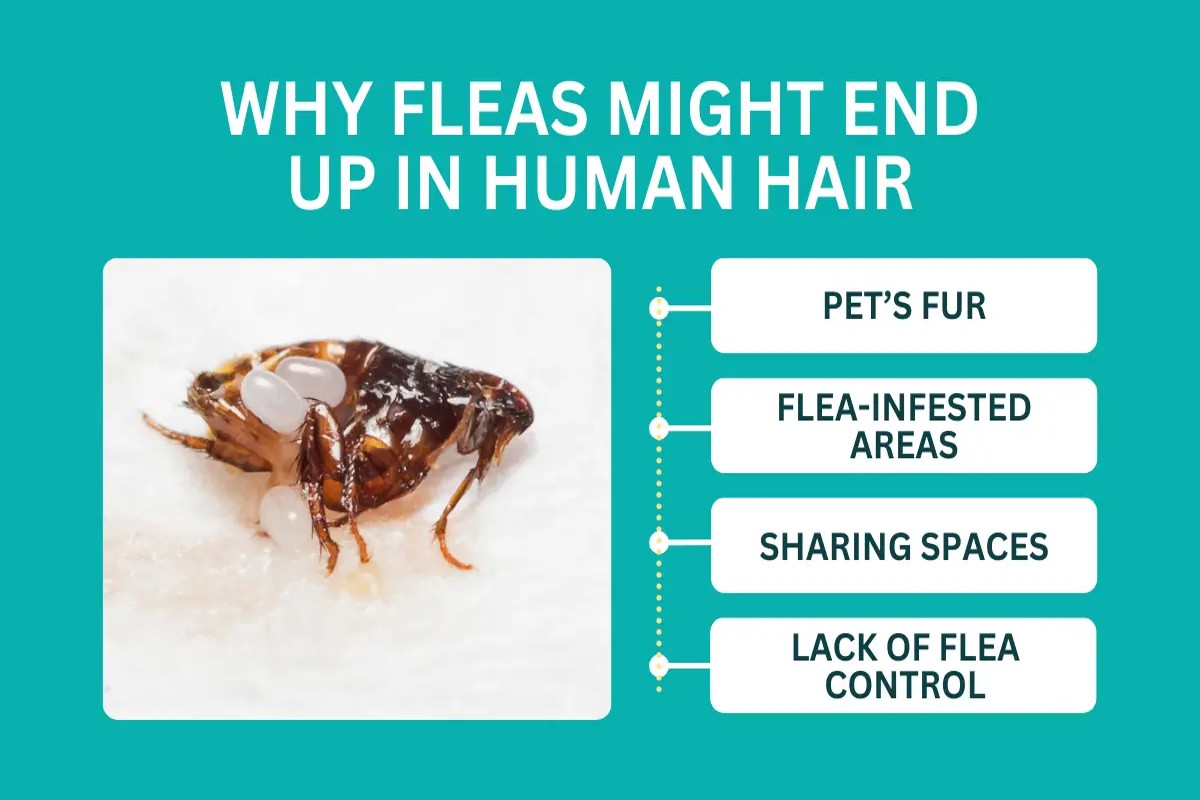
Yes, animal fleas can occasionally live on human hair, but they prefer animal hosts. Fleas are adapted to feed on the blood of mammals, particularly pets.
This topic is important for pet owners, households with animals, and anyone concerned about potential flea infestations. Misunderstanding flea behavior can lead to ineffective treatment and prolonged discomfort for both humans and pets.
This article will clarify the specific conditions under which animal fleas may inhabit human hair, explore their feeding habits, and provide effective strategies for prevention and treatment of flea infestations.
Can fleas live on humans?
Fleas cannot live on humans in the same way they do on their primary hosts, such as dogs and cats. While fleas may bite humans and cause irritation, they do not establish permanent infestations in human hair or skin. Their lifecycle and feeding habits are adapted to their typical animal hosts.
Fleas are ectoparasites that thrive on the blood of mammals. There are several types of fleas, but the most common species that may interact with humans include:
- Ctenocephalides felis (cat flea) – the most prevalent flea, often found on cats and dogs, but can bite humans.
- Ctenocephalides canis (dog flea) – similar to the cat flea, this species also feeds on dogs but may occasionally bite humans.
- Pulex irritans (human flea) – less common today, this flea has a history of infesting humans but is primarily associated with other animals.
Fleas are highly specialized for their host animals, which means their physiology and behavior are tailored to living on fur or feathers. They prefer the warmth and protection of animal hair, making it difficult for them to thrive on human hair. Bites from fleas can lead to allergic reactions or skin infections, so it is essential to treat infestations in pets promptly.
To effectively manage flea populations, regular grooming of pets, vacuuming of living spaces, and the use of veterinary-approved flea control products are recommended. These measures help break the flea lifecycle and prevent bites to humans.
Expert Tip: Fleas can survive for several months without a host, which emphasizes the importance of thorough cleaning and treatment of the environment to eliminate potential infestations.
How to remove fleas from human hair?
Removing fleas from human hair requires a systematic approach to effectively eliminate these pests. Fleas can cause irritation and discomfort, so prompt action is necessary. Follow these steps to ensure thorough removal.
- Prepare your materials. Gather a fine-toothed comb, a bowl of warm soapy water, and a flea-repellent shampoo or a mixture of water and vinegar. These items will aid in the removal process.
- Wet your hair. Dampen your hair with warm water to make it easier to comb through. This also helps to immobilize the fleas, making them easier to catch.
- Apply shampoo. Use a flea-repellent shampoo or your vinegar-water mixture to lather your hair thoroughly. This not only helps to kill fleas on contact but also makes them easier to comb out.
- Comb through your hair. Use the fine-toothed comb to meticulously comb through your hair, starting from the scalp and moving to the ends. Dip the comb in the soapy water after each pass to remove and kill any fleas you catch.
- Rinse thoroughly. After combing, rinse your hair well to remove any remaining shampoo and fleas. Ensure that all products are washed out to avoid irritation.
- Dry and check. Towel dry your hair and inspect it again for any remaining fleas or eggs. Repeat the combing process if necessary.
Fleas can be persistent, so it may take multiple treatments to fully eliminate them from your hair. Additionally, ensure that your living environment is treated to prevent re-infestation.
Expert Tip: Consider using a specialized flea treatment spray on your bedding and clothing, as fleas can easily transfer back to your hair from these surfaces. Regularly washing your bedding in hot water can also help manage flea populations in your home.
What are the symptoms of flea bites on humans?
Flea bites on humans typically manifest as small, red, itchy welts on the skin. These bites often occur in clusters or lines and are most commonly found on the ankles, legs, and waist. While some individuals may experience mild irritation, others can have more severe allergic reactions.
In a common scenario, a person may notice intense itching and discomfort after spending time in a home or yard infested with fleas. Upon inspection, they may find red, raised bumps on their skin. These bites can become increasingly itchy, prompting scratching that may lead to secondary infections. In some cases, individuals with flea allergies may develop hives or experience swelling around the bite area, which could require medical attention.
Additionally, flea bites can result in other systemic symptoms in sensitive individuals. Some may experience fever, fatigue, or a general feeling of malaise as a reaction to the bites. While most cases are localized, severe allergic responses could necessitate intervention, such as antihistamines or corticosteroids, to alleviate symptoms.
Expert Tip: Keep in mind that flea bites can resemble those of other insects, such as mosquitoes or bedbugs. Accurate identification and treatment of flea infestations are essential for effective relief.
Are fleas more likely to live on pets than humans?
Yes, fleas are significantly more likely to live on pets than on humans. Fleas have evolved to prefer specific animal hosts, particularly mammals such as dogs and cats, due to their physiology and behavior. While fleas can occasionally be found on humans, they do not thrive or reproduce in human hair.
Fleas, particularly the most common species affecting pets, such as the cat flea (Ctenocephalides felis) and the dog flea (Ctenocephalides canis), have adaptations that make them well-suited for life on furry hosts. The structure of their mouthparts, for instance, is designed for piercing skin and consuming blood, which is more effectively achieved on animals with thicker fur. In contrast, human hair and skin are less conducive to flea survival, as they lack the dense environment fleas prefer.
Key differences between fleas on pets and humans include:
- Host Preference: Fleas show a strong preference for pets due to their evolutionary history and biological needs.
- Reproduction: Fleas can reproduce rapidly on pets, laying hundreds of eggs, while on humans, they cannot establish a population.
- Environment: Fleas thrive in the warm, protected fur of animals, which provides ideal conditions for development and feeding.
Practical implications of this preference are significant for pet owners. Regular flea prevention methods, such as topical treatments and oral medications, are essential for maintaining pet health and preventing infestations in the home environment. Understanding flea behavior can help in implementing effective control strategies.
Expert Tip: Always consult a veterinarian for the most effective flea control products tailored to your pet’s specific needs, as different species may require distinct treatments for optimal efficacy.
How long can fleas survive without a host?
Fleas can survive without a host for about 1 to 2 weeks, depending on environmental conditions. In favorable conditions, some species can extend this duration up to a month. Survival without a host is influenced by factors such as temperature, humidity, and the flea’s life stage.
The lifespan of fleas varies significantly based on their life cycle stage. Adult fleas typically require a blood meal to reproduce and sustain their energy levels, but they can survive longer in cooler, humid environments. In contrast, flea larvae and pupae are more resilient and can withstand extended periods without a blood source, often remaining dormant until conditions improve.
Temperature plays a crucial role in flea survival. Warmer environments accelerate a flea’s metabolism, leading to quicker depletion of energy reserves. Conversely, cooler temperatures can slow down their metabolism, allowing them to survive longer. Humidity also affects survival; fleas thrive in humid conditions, but excessive dryness can be detrimental, causing them to die more rapidly.
Practical Implications
Understanding the survival tactics of fleas is essential for effective pest control. If fleas are not treated promptly, they can easily reinfest areas where they have previously been present. Regular cleaning and vacuuming can disrupt their life cycle and prevent potential infestations, particularly in spaces where pets reside.
Fleas possess remarkable adaptability, allowing them to remain dormant and wait for suitable hosts to reappear. This adaptability highlights the importance of comprehensive pest management strategies that consider both immediate eradication and long-term prevention measures.
To effectively manage flea populations, implement a combination of chemical treatments and environmental controls. Regularly wash bedding and use flea preventative products on pets to reduce the chances of reinfestation.
What is the best treatment for flea bites on humans?
The best treatment for flea bites on humans involves a combination of relieving symptoms and preventing further irritation. Immediate care focuses on cleaning the area, reducing inflammation, and managing itching. Over-the-counter treatments and home remedies can effectively alleviate discomfort.
To treat flea bites effectively, consider the following best practices:
- Clean the affected area: Gently wash the bites with soap and water to remove any irritants. Pat dry with a clean towel.
- Apply a topical treatment: Use hydrocortisone cream or calamine lotion to reduce itching and inflammation. Alternatively, antihistamine creams can help alleviate allergic reactions.
- Take oral antihistamines: Medications like diphenhydramine (Benadryl) can provide relief from itching and swelling. Follow the recommended dosage on the packaging.
- Use cold compresses: Apply a cold compress to the bites for 10-15 minutes. This can help soothe irritation and reduce swelling.
- Prevent scratching: Keep nails trimmed and consider wearing gloves at night to prevent further irritation and potential infection from scratching.
Flea bites typically resolve on their own within a week, but complications can arise if the area becomes infected. Individuals with allergies to flea bites may experience a more severe reaction, requiring medical attention. For persistent symptoms or signs of infection, such as increased redness or pus, consult a healthcare professional.
Expert Tip: Consider using an anti-itch lotion containing menthol or camphor for additional relief. These ingredients provide a cooling sensation, which can help distract from the itchiness.
Do fleas prefer certain hair types on humans?
Fleas do not exhibit a strong preference for specific hair types on humans. However, factors such as hair texture, length, and cleanliness can influence flea attraction and survival. Generally, fleas are more drawn to environments that provide warmth and shelter rather than hair characteristics alone.
Flea attraction to humans primarily depends on environmental conditions rather than hair type. For example, individuals with longer hair may inadvertently provide more hiding spots for fleas, but this does not mean fleas prefer long hair over short hair. In contrast, people with clean hair may be less likely to attract fleas, as dirt and oil can create a more hospitable environment for these parasites. The presence of skin flakes or other detritus in the hair can also serve as a food source for fleas, potentially increasing their interest.
In terms of hair texture, while there is no definitive evidence that fleas favor curly over straight hair, the density and thickness of hair may affect flea survival rates. Thicker hair can provide a more favorable microenvironment for flea eggs and larvae, potentially leading to increased flea populations in individuals with denser hair. However, the primary factors influencing flea infestation remain external conditions such as humidity, temperature, and the presence of pets or other animals that serve as hosts.
Overall, while certain hair characteristics may have minimal influence on flea attraction, environmental factors are far more critical in determining flea presence on humans.
Expert Tip: Regular grooming and maintaining cleanliness can significantly reduce the risk of flea infestations, regardless of hair type. Additionally, keeping living spaces free from pet hair and debris is essential in preventing flea populations from thriving.
How much does it cost to treat a flea infestation in a home?
The cost to treat a flea infestation in a home typically ranges from $100 to $500, depending on various factors. This price can vary based on the severity of the infestation, the size of the home, and the type of treatment used. Professional pest control services may charge more, especially for extensive treatments.
Several factors can impact the overall cost of flea treatment. Understanding these can help homeowners prepare for expenses and make informed decisions about pest control options:
- Infestation Severity: A mild infestation may require minimal treatment, while a severe one could necessitate multiple visits and comprehensive measures.
- Home Size: Larger homes or multi-story residences will generally incur higher treatment costs due to the increased area needing coverage.
- Treatment Method: Options include chemical sprays, foggers, and heat treatments, with professional services often costing more than DIY solutions.
- Follow-Up Treatments: Flea control often requires follow-up treatments to ensure complete eradication, which can add to the total cost.
- Geographic Location: Prices can vary significantly based on regional pest control market rates and local cost of living.
Homeowners should also consider preventative measures after treatment, such as regular vacuuming and using flea control products on pets, which can help mitigate future infestations and associated costs.
Expert insight: Engaging with a pest control professional who conducts a thorough inspection can lead to a more accurate cost estimate. Often, initial assessments may reveal underlying issues that contribute to flea problems, potentially saving money in the long run.
Understanding Flea Behavior and Host Preference
This section explores why fleas are adapted to specific animal hosts and how this preference affects their interaction with humans. Understanding these dynamics is essential for effective flea control and prevention strategies.
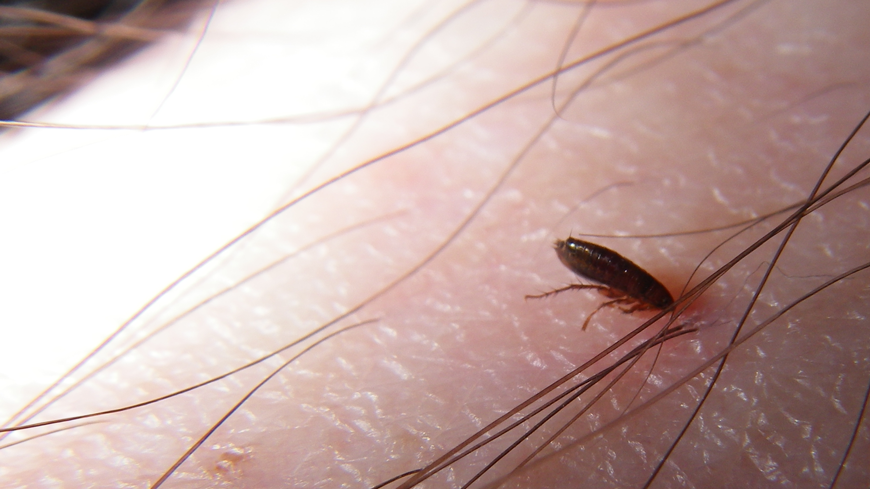
Flea Adaptation to Host Animals
Fleas have evolved to thrive on particular animal species, exhibiting strong host preferences. These adaptations allow fleas to efficiently feed, reproduce, and complete their life cycles. The most common fleas affecting pets include the cat flea (Ctenocephalides felis) and the dog flea (Ctenocephalides canis), both of which are highly specialized for their respective hosts.
Diversity Among Flea Species
Different flea species target various mammals, which influences their behavior and habitat selection. Some of the most prevalent flea species include:
- Cat Flea (Ctenocephalides felis) – Primarily infests cats but can also affect dogs and humans.
- Dog Flea (Ctenocephalides canis) – Specifically adapted to dogs but may bite humans.
- Human Flea (Pulex irritans) – Less common today, primarily found in unsanitary conditions.
Each species has unique adaptations that enable them to thrive on their chosen hosts, including differences in mouthparts for feeding and body structure for attachment.
Human Hair: An Unfavorable Habitat
Human hair does not provide the ideal environment for fleas. Unlike fur, human hair lacks the density and warmth that fleas require for survival. Additionally, human skin produces less sebum compared to animal skin, making it a less attractive host for flea infestation. Consequently, while fleas may bite humans, they do not establish permanent colonies on human hosts.
The Flea Life Cycle and Prevention
Understanding the flea life cycle is essential for effective prevention. Fleas undergo four life stages: egg, larva, pupa, and adult. Each stage has specific environmental requirements:
- Eggs: Laid on the host, they drop into the environment, hatching within 1-10 days.
- Larvae: Feed on organic debris in carpets or bedding, requiring moisture and darkness.
- Pupae: Encase themselves in cocoons, remaining dormant for several months until stimulated by heat or vibration.
- Adults: Emerge ready to feed within minutes, needing a host to survive and reproduce.
Regular vacuuming, washing pet bedding, and using veterinarian-recommended flea treatments can effectively interrupt this cycle, reducing the risk of infestation.
Common Misconceptions
A prevalent misconception is that fleas can establish colonies on human hosts. While fleas may occasionally bite humans, they lack the necessary adaptations to remain on human hair. This misunderstanding can lead to ineffective treatment strategies and unnecessary panic. Furthermore, many people erroneously believe that flea infestations are solely a pet issue, ignoring the potential for fleas to enter homes through various means, including wildlife or infested furniture.
Practical Application
To protect against flea infestations, consider the following actions:
- Maintain regular grooming and flea prevention treatments for pets.
- Vacuum frequently, especially in areas where pets spend time.
- Wash pet bedding and toys regularly in hot water.
- Monitor for signs of fleas, such as bites or flea dirt, and act promptly if detected.
By understanding flea behavior and host preferences, you can effectively reduce the risk of infestation and protect both pets and humans from discomfort.
Effective Prevention Strategies Against Fleas
Flea infestations can significantly impact both pets and households. Implementing effective prevention strategies is essential to minimize the risk of fleas entering your home and affecting your pets.
Regular Grooming and Bathing of Pets
Consistent grooming and bathing of pets are vital in controlling flea populations. Regularly brushing pets helps to remove fleas and their eggs before they become a larger problem. Bathing pets with flea-specific shampoos can eliminate existing fleas and soothe any skin irritation caused by bites. Aim to groom pets at least once a week and bathe them monthly, or more frequently if they spend significant time outdoors.
Using Flea Prevention Products Consistently
Utilizing flea prevention products is critical in keeping pets flea-free. These products come in various forms, including topical treatments, oral medications, and flea collars. Select a product that suits your pet’s needs and apply it as recommended by the manufacturer or your veterinarian. Regular use of these products not only protects pets but also reduces the likelihood of fleas infesting your home.
Maintaining a Clean Living Environment
A clean home is less hospitable to fleas. Regular cleaning routines should include vacuuming carpets, rugs, and upholstery to remove flea eggs and larvae. Pay special attention to areas where pets sleep and play. Washing pet bedding, blankets, and any removable fabric items in hot water at least once a week is also effective in reducing flea populations. Consider using a steam cleaner for carpets and upholstery to eliminate fleas and their eggs more thoroughly.
Identifying and Treating Potential Flea Hotspots
Fleas often congregate in specific areas, making it essential to identify and treat hotspots. Common hotspots include areas where pets rest or spend time, such as under furniture, along baseboards, and in pet beds. Use a combination of vacuuming and flea treatments in these areas. If flea activity persists, consider consulting a pest control professional for targeted treatments.
Nuances in Flea Prevention
Many misconceptions surround flea behavior and prevention strategies. For instance, some pet owners believe that fleas only thrive in warm weather. In reality, fleas can survive indoors year-round, especially in heated environments. Additionally, while some may think that only outdoor pets are at risk, indoor pets can also be susceptible if fleas are brought in on clothing or shoes. Understanding these nuances improves prevention efforts and helps maintain a flea-free environment.
Practical Application
- Groom pets weekly and bathe them monthly using flea-specific products.
- Choose and consistently apply flea prevention products recommended by a veterinarian.
- Vacuum regularly, focusing on carpets, furniture, and pet resting areas.
- Wash pet bedding and fabric items weekly in hot water.
- Identify hotspots and treat them with appropriate flea control measures.
By implementing these strategies, households can effectively mitigate the risk of fleas, ensuring a healthier and more comfortable living environment for both pets and their owners. Regular vigilance is key to preventing flea infestations and addressing them promptly if they occur.
Flea Bite Treatment and Aftercare for Humans
This section outlines effective treatment methods for flea bites on humans and emphasizes the importance of aftercare to prevent complications. Proper management reduces discomfort and the risk of secondary infections.
First Aid Steps for Treating Flea Bites
Initial treatment of flea bites involves a few straightforward steps aimed at alleviating discomfort and preventing infection:
- Clean the affected area: Use mild soap and water to gently cleanse the bite site.
- Apply a cold compress: This helps to reduce swelling and itching. Apply for 10-15 minutes as needed.
- Use anti-itch cream: Over-the-counter hydrocortisone cream can help relieve itching and inflammation.
Over-the-Counter Treatments and Home Remedies
Several options exist for managing symptoms associated with flea bites:
- Antihistamines: Oral antihistamines, such as diphenhydramine, can help control itching and allergic reactions.
- Calamine lotion: This topical treatment can soothe the skin and reduce irritation.
- Natural remedies: Aloe vera gel or tea tree oil may offer anti-inflammatory benefits when applied to bite sites.
When to Seek Medical Attention
While most flea bites can be treated at home, certain situations warrant professional medical care:
- Severe allergic reactions: Symptoms such as difficulty breathing, swelling of the face or throat, or rapid heartbeat require immediate attention.
- Infection signs: If the bite site becomes increasingly red, swollen, or pus-filled, consult a healthcare provider.
- Persistent symptoms: If itching or discomfort does not improve with home treatment after a few days, medical advice should be sought.
Importance of Avoiding Scratching
Scratching flea bites can lead to secondary infections, as it breaks the skin barrier. It is crucial to keep nails trimmed and consider wearing gloves or using cold compresses to manage itching without harming the skin. Applying an anti-itch cream immediately after cleaning the bite can help minimize the urge to scratch.
Many believe that flea bites only cause minor irritation; however, improper management can lead to complications such as cellulitis. Understanding the proper treatment and preventive measures is essential for effective aftercare. Moreover, misconceptions exist regarding the need for antibiotics in all cases; most situations can be managed with topical treatments and monitoring.
To effectively manage flea bites, follow these actionable steps: Clean the bites with soap and water, apply a cold compress, and use appropriate topical treatments. Keep an eye on the bites for signs of infection, and seek medical help if symptoms worsen. Avoid scratching to reduce the risk of complications and promote healing.
Flea Infestation: Signs, Diagnosis, and Management
This section outlines how to identify a flea infestation in your home and pets and provides effective management strategies to eliminate these pests. Recognizing the early signs and employing a systematic approach is essential for maintaining a flea-free environment.
Common Signs of Flea Infestations
Flea infestations can manifest in various ways, both in pets and within the home. Common signs include:
- Frequent Scratching: Pets may scratch, bite, or lick their fur excessively due to flea bites.
- Flea Dirt: Small black specks (flea feces) can be found on pet bedding or carpets.
- Hair Loss: Areas of hair loss or skin irritation on pets may indicate flea activity.
- Visible Fleas: Adult fleas can often be seen on pets, particularly in areas with less fur.
- Human Bites: Flea bites on humans, typically on the ankles and lower legs, can also indicate an infestation.
Conducting a Thorough Inspection for Fleas
Identifying fleas requires a comprehensive inspection of both pets and home environments. Follow these steps for an effective inspection:
- Check Your Pets: Use a fine-toothed comb to search through your pet’s fur, focusing on the neck and tail areas.
- Inspect Bedding and Furniture: Examine pet bedding, carpets, and upholstered furniture for flea dirt and adult fleas.
- Look for Flea Eggs: Flea eggs are tiny, white, and oval-shaped, often found in areas where pets rest.
Best Practices for Managing and Eliminating Infestations
Effective management of flea infestations involves a multi-faceted approach:
- Treat Pets: Use veterinarian-recommended flea treatments, such as topical treatments or oral medications.
- Clean Thoroughly: Vacuum carpets, rugs, and furniture regularly. Wash pet bedding in hot water.
- Use Flea Control Products: Consider using insect growth regulators (IGRs) and flea sprays in your home.
Long-Term Strategies to Keep Homes Flea-Free
Preventing future infestations requires ongoing vigilance and proactive measures:
- Regular Treatments: Maintain a consistent flea treatment schedule for pets, especially during peak flea seasons.
- Yard Maintenance: Keep outdoor areas tidy by mowing the lawn and removing debris where fleas can thrive.
- Monitor Pets: Regularly check pets for fleas, particularly after visits to parks or areas with other animals.
Misconceptions about fleas often arise, particularly regarding their host preferences. While fleas primarily infest animals, they can bite humans when animal hosts are unavailable. However, adult fleas do not thrive on human hair as they do on fur, making it unlikely for humans to become long-term hosts. Understanding the life cycle of fleas is crucial for effective management; they reproduce quickly, making early intervention vital.
To combat flea infestations effectively, start by inspecting your pets and home for signs of fleas. Implement treatment protocols as soon as signs are detected. Regular cleaning and preventive measures are essential for maintaining a flea-free environment. Schedule routine vet visits for pets and consider using preventative flea medications year-round to minimize the risk of reinfestation.
Frequently Asked Questions
Can fleas live on humans?
Fleas can occasionally live on humans, but they prefer animals as hosts. Human hair does not provide the ideal environment for flea survival and reproduction.
How to remove fleas from human hair?
To remove fleas from human hair, use a fine-toothed comb and wash hair with a flea shampoo. Additionally, thoroughly clean bedding and clothing to eliminate any remaining fleas.
What are the symptoms of flea bites on humans?
Symptoms of flea bites on humans include itchy red welts, often in clusters or lines. Some individuals may also experience allergic reactions, leading to more severe itching and swelling.
Are fleas more likely to live on pets than humans?
Yes, fleas are significantly more likely to live on pets than on humans. Pets provide a more suitable environment for fleas to thrive and reproduce.
How long can fleas survive without a host?
Fleas can survive without a host for several days to a week, depending on environmental conditions. Adult fleas may live longer in cooler, humid environments.
What is the best treatment for flea bites on humans?
The best treatment for flea bites on humans includes applying anti-itch creams, taking antihistamines, and using cold compresses. Keeping the affected area clean and avoiding scratching can also help prevent infection.
Do fleas prefer certain hair types on humans?
Fleas do not have a preference for specific hair types on humans. They are more attracted to body heat and carbon dioxide rather than hair texture.
How much does it cost to treat a flea infestation in a home?
The cost to treat a flea infestation in a home typically ranges from $100 to $300, depending on the severity of the infestation and the treatment method used. Professional pest control services may charge more for extensive treatments.
Final Thoughts on can animal fleas live on human hair
While animal fleas primarily prefer to inhabit their usual hosts, they can occasionally latch onto humans, particularly in environments where infestations are prevalent. Understanding flea behavior and implementing effective prevention strategies are crucial to minimizing the risk of bites and discomfort.
To safeguard against flea infestations, regularly treat pets with veterinarian-recommended flea control products and maintain a clean living environment, as this significantly reduces the chances of fleas transferring to humans.
Addressing the potential for flea-related issues is essential, as it not only impacts personal comfort but also public health, underscoring the importance of vigilance in pest management.
Leave a Reply