How long should you leave hair dye in? Generally, you should leave hair dye in for 30 to 45 minutes, depending on the type of dye and your hair type.
Understanding the appropriate duration for leaving hair dye in is crucial for achieving the desired color and maintaining hair health. Incorrect timing can lead to uneven color, damage, or disappointing results, making it essential for anyone considering a hair color change to grasp these guidelines.
This article will detail the optimal timing for different hair dye types, the factors influencing processing time, and tips for ensuring the best possible outcome for your hair color transformation.
How long should you leave hair dye in for optimal results?
The optimal time to leave hair dye in varies depending on the product and hair type, typically ranging from 20 to 45 minutes. For the best results, follow the manufacturer’s instructions while considering individual hair characteristics.
- Consider hair type: Different hair textures absorb dye differently. For coarse or thick hair, you may need to leave the dye in longer, generally closer to 40-45 minutes, to achieve full color saturation. In contrast, fine or thin hair usually requires less time, around 20-30 minutes, to avoid damage.
- Check dye formulation: Permanent dyes often require longer application times than semi-permanent or temporary dyes. Permanent formulas typically need about 30-45 minutes, while semi-permanent options may only need 20-30 minutes for optimal color deposit.
- Perform a strand test: Conducting a strand test before full application can help determine the ideal processing time for individual hair. Apply the dye to a small section of hair and check the color at intervals to see when it reaches the desired shade. This method is particularly useful for those using a new brand or color.
Environmental factors, such as ambient temperature, can also influence processing time. Warmer conditions may speed up the dyeing process, while cooler temperatures could require additional time. Always monitor the hair closely during the dyeing process to prevent over-processing.
Expert Tip: To enhance color longevity, consider using a color-safe shampoo and conditioner post-dyeing. This routine helps maintain vibrancy and prevent fading, ensuring that the color lasts longer and looks fresh.
What happens if you leave hair dye in too long?
Leaving hair dye in for an extended period can lead to significant damage to the hair and scalp. Over-processing can cause dryness, brittleness, and breakage, resulting in an overall unhealthy appearance. Additionally, it may lead to skin irritation or allergic reactions in some individuals.
When hair dye is left on longer than recommended, the chemicals continue to penetrate the hair shaft, which can strip away natural moisture and oils. This process can result in a range of issues, including:
- Dryness: Prolonged exposure to dye can dehydrate hair, making it coarse and difficult to manage.
- Brittleness: Weak hair is more prone to breakage, leading to split ends and a frizzy appearance.
- Color Damage: The color may become overly saturated or shift to an undesired shade, resulting in uneven or unnatural tones.
In addition to hair damage, the scalp can be adversely affected. Extended contact with hair dye can cause irritation, redness, or even chemical burns in sensitive individuals. The risk of an allergic reaction increases with longer application times, especially for those with pre-existing sensitivities. It is essential to perform a patch test before applying hair dye to the entire head.
Different hair types and dye formulations also influence the outcome of leaving dye on too long. For instance, coarse hair may tolerate longer processing times better than fine hair, which can become damaged more quickly. Furthermore, permanent dyes generally contain stronger chemicals than semi-permanent options, necessitating stricter adherence to recommended timing.
Expert Tip: Always follow the manufacturer’s instructions regarding processing time, and consider using a deep conditioner post-dye application to restore moisture and elasticity to the hair.
Can you leave hair dye in for 2 hours?
Yes, you can leave hair dye in for 2 hours, but it is generally not recommended. Most hair dyes specify a processing time that typically ranges from 30 minutes to 1 hour, depending on the brand and type of dye used. Extended application beyond the recommended time can lead to undesirable results, such as hair damage or uneven color.
Standard hair dye processing times vary based on the specific product and the desired color outcome. For example, semi-permanent dyes usually require 20 to 40 minutes, while permanent dyes may need 30 to 60 minutes. Leaving dye on for longer than specified can alter the intended color, often resulting in a darker shade. This is especially true for permanent dyes, which contain stronger chemicals that can continue to react even after the recommended time has elapsed.
Furthermore, individual hair types and conditions can affect how dye interacts with the hair. Factors such as hair porosity, texture, and previous treatments can influence the absorption rate of the dye. For those with particularly porous hair, the dye may process faster, meaning that leaving it on longer could lead to over-processing and damage. On the other hand, individuals with resistant hair may find that extended processing helps achieve the desired color, but this comes with risks.
- Standard Processing Times: Most dyes recommend 30 to 60 minutes.
- Potential Risks of 2 Hours: Increased likelihood of hair damage and color changes.
- Hair Type Considerations: Porosity and texture can affect dye absorption and processing time.
For optimal results, adhere to the manufacturer’s instructions regarding processing times. If unsure, conduct a strand test to gauge how your hair will react to prolonged exposure to the dye.
Is it better to leave hair dye in longer for darker colors?
Leaving hair dye in longer does not necessarily yield better results for darker colors. While it is a common belief that extended processing time enhances color depth, this is not always the case. Following the manufacturer’s guidelines is crucial for achieving optimal results.
Dark hair colors, such as deep browns and blacks, often require less processing time than lighter shades. The reason lies in the dye’s formulation: darker pigments are generally more concentrated. Leaving the dye on for too long can lead to unwanted results, such as excessive staining or uneven color. Hair texture and porosity also play a role; porous hair may absorb color more quickly, necessitating shorter application times.
- Follow Instructions: Always adhere to the instructions provided with the hair dye. Most brands specify an ideal processing time, which is based on extensive testing.
- Perform a Strand Test: Before full application, conduct a strand test. This will reveal how your hair responds to the dye and help determine the optimal processing time.
- Monitor Your Hair: Keep an eye on the color change during the dyeing process. If the color appears rich and deep before the recommended time, rinse it out early.
- Consider Hair Condition: Assess your hair’s health. Damaged or overly porous hair might absorb color faster and require less time than healthier strands.
Expert tip: For the best results with darker shades, consider using a color-depositing conditioner after dyeing. This can enhance the richness of the color without the risks associated with prolonged dye exposure.
How long should you leave semi-permanent hair dye in?
For semi-permanent hair dye, it is generally recommended to leave the product in for 20 to 40 minutes, depending on the desired intensity of color. Always refer to the specific instructions provided with the dye, as formulations can vary. Leaving the dye in for the full recommended time can enhance color vibrancy and longevity.
- Follow manufacturer instructions: Each semi-permanent dye comes with its own guidelines. Always check the packaging for specific timing recommendations, as some brands may suggest shorter or longer application times.
- Consider your hair type: The texture and porosity of your hair can affect how quickly it absorbs dye. For porous hair, the color may develop faster, possibly requiring a shorter application time.
- Test for color intensity: If unsure about the desired shade, perform a strand test. Apply the dye to a small section of hair and monitor the color development to ensure it meets expectations before applying it to the entire head.
- Adjust for desired results: If a more vibrant color is desired, leaving the dye in closer to 40 minutes may be beneficial. Conversely, if a subtler tone is preferred, aim for the lower end of the time range.
Environmental factors such as temperature and humidity can also influence dye performance. Warmer conditions may accelerate the dye’s action, while cooler temperatures might require longer processing times for optimal results.
Expert Tip: To maximize color retention, avoid washing your hair with shampoo immediately after dyeing. Instead, rinse with cool water to close the hair cuticles, sealing in the color.
What is the recommended time for bleach application?
The recommended time for bleach application typically ranges from 30 to 45 minutes. However, this can vary based on hair type, the desired level of lift, and the specific bleach product being used.
Several factors influence the timing of bleach application. First, hair type plays a significant role; fine hair may process quicker than coarse hair. Second, the starting color of the hair can affect how long bleach needs to remain in place. For example, dark hair often requires a longer processing time to achieve a lighter shade. Third, the strength of the bleach and the developer used also contributes to the timing. Higher-volume developers can accelerate the lightening process, potentially reducing the overall application time.
It is essential to monitor the hair during the bleaching process. Check for the desired lift every 5 to 10 minutes to prevent over-processing, which can lead to damage and breakage. Additionally, environmental factors such as heat can also speed up the bleaching process, so adjustments may be necessary based on the temperature of the application area.
Expert Tip: Always perform a strand test before full application. This will provide a clearer idea of how long the bleach will need to be left in for your specific hair type and desired result, allowing for a more controlled and effective application.
How can I tell when my hair dye is ready to rinse?
Hair dye is ready to rinse when the processing time indicated on the product label has been reached, or when specific signs of color development are observed. Generally, this time ranges from 20 to 45 minutes, depending on the formulation and desired intensity. Always refer to the manufacturer’s guidelines for the best results.
- Follow the recommended processing time: Each hair dye product has a suggested timeframe for application. Adhering to this timeline is crucial for achieving the intended color without over-processing.
- Check for color vibrancy: If the dye appears vibrant and has penetrated the hair strands effectively, it is likely ready to be rinsed. A good indication is that the color should look close to what you expect once dried.
- Perform a strand test: If unsure, conduct a strand test by rinsing a small section of hair. This will allow you to evaluate the color outcome without affecting your entire head.
- Monitor your hair texture: Over time, hair may feel slightly stiff or tacky due to the dye. If it feels overly brittle or dry before the time is up, it may be wise to rinse sooner to prevent damage.
Several factors can influence the timing of hair dye. Hair type, porosity, and the specific dye formulation can all affect how well the color adheres and develops. For instance, porous hair may absorb color more quickly, requiring shorter processing times.
Environmental factors, such as heat and humidity, can also impact the effectiveness of hair dye. Higher temperatures can accelerate the chemical reactions in the dye, leading to faster color development. Therefore, keep an eye on the time, especially in warmer conditions.
Expert Tip: If using a permanent dye, consider following up with a color-safe conditioner post-rinse. This can help seal in moisture and enhance the longevity of the color, ensuring it remains vibrant for longer.
What are the best practices for applying hair dye?
Effective hair dye application involves several best practices to ensure even color and minimize damage. Following these guidelines can lead to optimal results and prevent common mistakes that may arise during the dyeing process.
Preparation is key to achieving the desired outcome. Begin by conducting a patch test to ensure no allergic reactions occur. Gather all necessary supplies, including gloves, an applicator brush, and a mixing bowl. Here are some specific best practices to follow:
- Section the hair: Divide hair into manageable sections using clips. This allows for precise application and ensures that all strands are evenly coated.
- Apply dye to dry hair: For best results, apply dye to dry, unwashed hair. Oils and product buildup can hinder color absorption, so avoid washing hair on the day of dyeing.
- Start from the roots: Begin application at the roots, where hair is most resistant to color. Work your way down to the ends, ensuring thorough coverage without overlapping previously dyed areas.
- Use a timer: Follow the manufacturer’s instructions regarding processing time. Use a timer to avoid leaving the dye in for too long, which can lead to unwanted results or hair damage.
- Rinse thoroughly: After the recommended processing time, rinse hair with lukewarm water until it runs clear. Follow up with a color-safe conditioner to help seal in color and add moisture.
These practices enhance the likelihood of achieving vibrant, long-lasting color while minimizing potential fallout from improper application. Additionally, consider the specific type of hair dye being used, as formulations and processing times can vary significantly.
Expert Tip: For a more customized color result, consider mixing shades or choosing a dye that complements your natural undertones. This approach can lead to a more natural appearance and a personalized finish.
Understanding Hair Types and Dye Compatibility
This section explores how different hair types affect dye absorption and processing time, which is essential for achieving optimal coloring results. Understanding these variations can lead to better outcomes and prevent damage.

Hair Texture and Dye Absorption
Hair texture significantly influences how dye interacts with strands. There are three primary hair types: fine, medium, and coarse. Each type absorbs dye differently, affecting both the intensity and longevity of color.
- Fine Hair: Fine hair has a smaller diameter and a smoother cuticle layer, which allows for quicker absorption of color. This hair type typically requires shorter processing times, often around 20-30 minutes.
- Medium Hair: Medium-textured hair balances absorption and processing time. It generally requires 30-40 minutes for optimal dye penetration, as the cuticle layer is slightly thicker than that of fine hair.
- Coarse Hair: Coarse hair features a larger diameter and a more resilient cuticle layer, making it more resistant to dye absorption. This type often needs 40-60 minutes to achieve the desired color saturation.
Influence of Natural Hair Color
Natural hair color plays a critical role in dye effectiveness. Darker hair types require more time and potentially higher developer volumes to lift the existing pigment. In contrast, lighter hair generally absorbs dye more readily, which can reduce processing time.
- Dark Hair: Dark shades may necessitate pre-lightening for vibrant results, extending processing time.
- Light Hair: Lighter natural colors often allow for faster absorption and processing.
- Gray Hair: Gray or white hair may require specialized formulas to achieve coverage, often extending processing time.
Hair Health and Dye Results
The condition of hair directly impacts dye results. Healthy hair with a closed cuticle layer absorbs color evenly, while damaged or porous hair can lead to uneven results. Assessing hair health before dyeing is essential for determining appropriate processing times.
- Healthy Hair: Typically requires standard processing times for the chosen dye.
- Damaged Hair: May need reduced processing time to prevent further damage and uneven color.
- Porous Hair: Often absorbs dye quickly; therefore, a shorter processing time is advisable.
Common Misconceptions
Many individuals assume that all hair types adhere to the same dyeing rules. However, variations in texture, natural color, and health can lead to vastly different outcomes. Additionally, it is a common misconception that longer processing times guarantee better results; this is not true for all hair types. Over-processing can lead to hair damage and color fading.
Practical Recommendations
To optimize dye results based on hair type:
- Identify your hair type (fine, medium, coarse).
- Consider your natural hair color and its impact on dye absorption.
- Assess hair health and adjust processing time accordingly.
- Follow manufacturer recommendations for dye and processing times, but adjust based on your specific hair characteristics.
By tailoring the dyeing process to individual hair types and conditions, one can achieve optimal color results while minimizing damage. Understanding how long should u leave hair dye in is essential for each hair type to ensure vibrant, lasting color.
Common Mistakes When Dyeing Hair
Improper techniques during the hair dyeing process can lead to unsatisfactory results, including uneven color or damage to the hair. Identifying and addressing these common mistakes can significantly enhance the overall outcome.
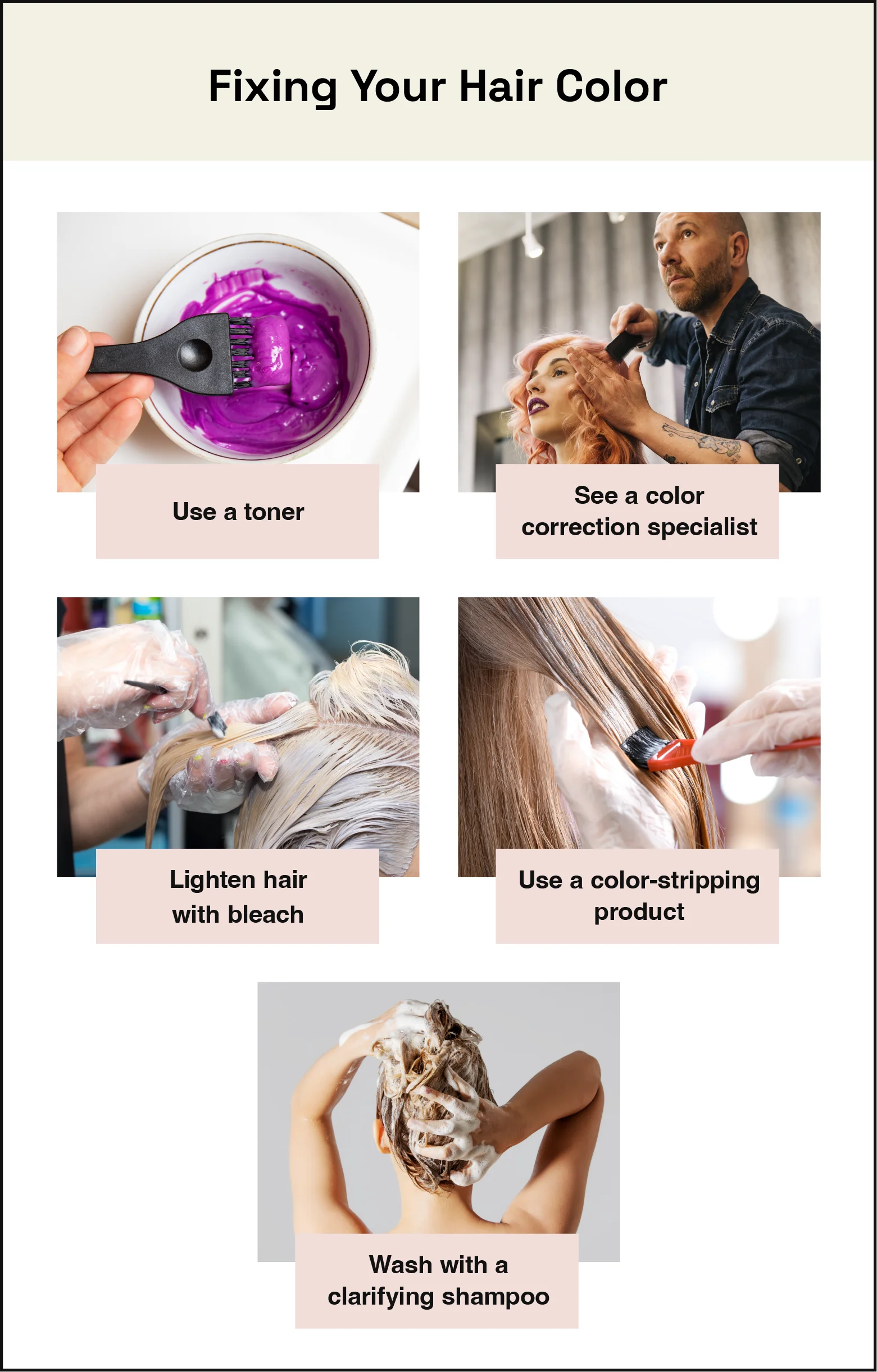
Overestimating Processing Times
Many individuals mistakenly believe that leaving hair dye in for longer than the recommended time will yield a more vibrant color. This can lead to serious risks, including hair damage and scalp irritation. Each hair dye formulation is designed with a specific processing time to achieve optimal results. Exceeding this time can result in unwanted tones, such as overly brassy or dark shades.
Neglecting Patch Tests
Failing to conduct a patch test is a frequent oversight that can have serious consequences. A patch test involves applying a small amount of dye to a discreet area of skin 48 hours before full application. This procedure helps identify potential allergic reactions or sensitivities to the dye. Skipping this step can lead to severe allergic responses, including itching, redness, or swelling.
Skipping Pre-Treatment for Damaged Hair
Individuals with damaged hair often overlook necessary pre-treatment steps. Hair that is dry or chemically treated may not absorb dye evenly, leading to patchy or inconsistent color. Before dyeing, consider applying a deep conditioning treatment to restore moisture and strength. Additionally, waiting until the hair is healthier can improve the dyeing experience and results.
Inconsistent Application
Uneven application of hair dye is a common mistake that can result in blotchy color. To achieve uniform results, follow these guidelines:
- Divide hair into sections: This helps ensure even coverage.
- Use a dye brush: A brush allows for more precise application compared to fingers.
- Work from roots to ends: Starting at the roots ensures that the areas that need the most color are adequately covered.
Inconsistent application often leads to a patchy appearance, which can be frustrating to correct.
Expert Layer: Addressing Common Misconceptions
A prevalent misconception is that hair dye can be left in for an extended period without repercussions. While some may believe that more time equates to richer color, this is not always the case. Overprocessing can strip hair of moisture, leading to dryness and brittleness. Furthermore, different hair types absorb dye differently; for example, coarse hair may require less processing time than fine hair. Understanding these nuances helps avoid common pitfalls and achieve a more satisfactory outcome.
Practical Application
To minimize mistakes in the hair dyeing process, adhere to these actionable steps:
- Always conduct a patch test before applying dye.
- Follow the manufacturer’s recommended processing times closely.
- Prepare hair with a conditioning treatment if it shows signs of damage.
- Use proper application techniques to ensure even coverage.
By implementing these practices, individuals can enhance their hair dyeing experience and achieve the desired results more effectively. Remember, how long should u leave hair dye in is just one aspect of the overall process; technique plays a vital role in final outcomes.
Science Behind Hair Dye: How It Works
This section explores the intricate chemical processes involved in hair dyeing, highlighting the factors that influence dye effectiveness and the various types of dyes available. Understanding these elements is essential for achieving optimal color results.
Chemical Reactions and Hair Structure
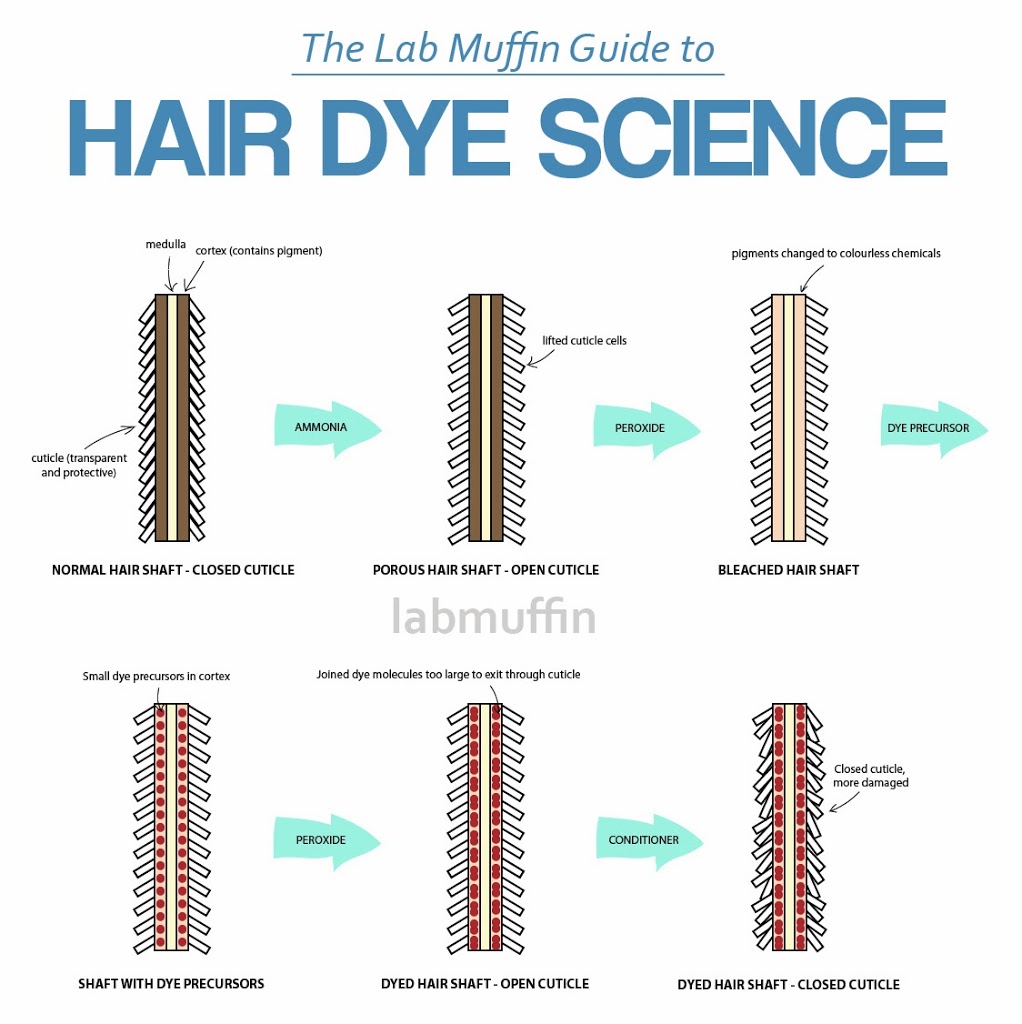
Hair dye primarily interacts with the hair’s structure through chemical reactions. Hair is composed of a protein called keratin, which has a complex structure that includes multiple layers. When dye is applied, especially permanent dyes, small dye molecules penetrate the hair shaft and react with the keratin. This process often involves an oxidative reaction, where the dye molecules oxidize and expand, allowing them to bond more effectively with the hair.
The Role of pH Levels
The effectiveness of hair dye is significantly influenced by the pH levels of both the dye and the hair. Most hair dyes are formulated to have a slightly acidic to neutral pH, typically around 4.5 to 6.5. This acidity helps to open the hair cuticle, facilitating better penetration of the dye. An environment that is too alkaline can damage the hair, leading to brittleness and breakage, while overly acidic conditions may hinder the dye’s ability to bond effectively.
Influence of Heat and Time
Heat and time are critical factors when determining how long should u leave hair dye in. Heat can enhance dye penetration by opening the hair cuticle further, allowing the dye to access the inner layers of the hair shaft more effectively. However, prolonged exposure can lead to hair damage. Generally, it is recommended to follow the instructions provided by the manufacturer, which typically suggest a processing time of 20 to 40 minutes, depending on the dye type and the desired color intensity.
Types of Hair Dyes
Hair dyes can be categorized into three main types, each with distinct characteristics:
- Temporary Dyes: These dyes coat the hair shaft and wash out after a few shampoos. They are ideal for those seeking short-term color changes.
- Semi-Permanent Dyes: Offering longer-lasting results, these dyes penetrate the hair cuticle but do not alter the natural pigment. They typically last between 4 to 12 washes.
- Permanent Dyes: These dyes involve a chemical reaction that alters the hair’s structure, providing long-lasting color. They require a developer to activate the dye and can last until the hair grows out or is cut.
Nuances of Hair Dye Chemistry
Common misconceptions about hair dye often stem from misunderstanding the chemical processes involved. For example, some believe that leaving dye in for longer guarantees a richer color; however, over-processing can lead to damage and uneven color results. Additionally, not all hair types react similarly to dyes. Factors such as porosity, texture, and previous chemical treatments can significantly affect how the hair absorbs dye.
Practical Application
To maximize the effectiveness of hair dye, adhere to the following guidelines:
- Conduct a strand test to determine the optimal processing time for your hair type.
- Maintain the recommended pH level by using pH-balanced shampoos and conditioners.
- Monitor the temperature during the dyeing process, using heat cautiously to enhance penetration without causing damage.
By applying these principles, one can achieve vibrant, long-lasting color while minimizing damage to the hair.
Aftercare Tips for Dyed Hair
Maintaining the vibrancy and health of color-treated hair requires diligent aftercare. This section outlines essential practices to ensure your hair color lasts longer while keeping your hair healthy.

Best Shampoos and Conditioners for Color-Treated Hair
Choosing the right products is crucial for preserving hair color. Look for shampoos and conditioners that are specifically formulated for color-treated hair. These products typically contain gentle, sulfate-free formulas that help prevent color stripping. Key ingredients to seek include:
- Hydrolyzed proteins: Strengthen hair and lock in color.
- Natural oils: Nourish and add moisture.
- UV filters: Protect hair from sun damage.
Popular brands include Pureology, Redken, and Joico, known for their effective formulations tailored for colored hair.
Tips for Preventing Color Fading and Maintaining Vibrancy
To maximize the lifespan of your hair color, consider these strategies:
- Avoid hot water: Wash hair with lukewarm or cool water to prevent color from fading.
- Limit washing: Reduce shampooing to 2-3 times a week to help preserve oils and color.
- Use dry shampoo: Extend the time between washes while keeping hair looking fresh.
Additionally, try to minimize heat styling. When necessary, always use a heat protectant product.
Importance of Regular Deep Conditioning Treatments
Incorporating deep conditioning treatments into your routine can significantly enhance hair health and color retention. Aim for a deep conditioning treatment at least once a week. These treatments penetrate the hair shaft, providing hydration and repairing damage caused during the dyeing process. Look for products containing:
- Coconut oil: Known for its penetrating properties.
- Aloe vera: Offers soothing benefits and hydration.
- Keratin: Strengthens and smooths the hair cuticle.
How to Protect Hair from Environmental Factors Post-Dye
Environmental factors can adversely affect color-treated hair. Take these precautions:
- Wear a hat: Protect hair from UV rays and pollution.
- Avoid chlorine: Rinse hair before swimming and use a swim cap.
- Minimize exposure to wind: Wind can lead to dryness and frizz.
Consider using a leave-in conditioner with UV protection for added defense.
While many guides focus solely on the dyeing process, effective aftercare is essential for maintaining color and hair integrity. Common misconceptions include believing that all shampoos are safe for color-treated hair and that skipping conditioner can save time. Both can lead to premature color fading and damaged hair.
To effectively implement these aftercare tips, prioritize investing in quality hair care products specifically designed for color-treated hair. Establish a washing schedule that limits frequency, incorporate deep conditioning treatments weekly, and protect your hair from environmental aggressors. By following these practices, you will ensure your color remains vibrant and your hair stays healthy for longer.
Frequently Asked Questions
How long should you leave hair dye in for optimal results?
For optimal results, hair dye should generally be left in for 30 to 45 minutes. Always refer to the product instructions for specific timing recommendations.
What happens if you leave hair dye in too long?
Leaving hair dye in for too long can lead to hair damage, dryness, and uneven color. It may also cause irritation to the scalp and skin.
Can you leave hair dye in for 2 hours?
Leaving hair dye in for 2 hours is not recommended unless specified by the product instructions. Extended exposure can result in hair damage and undesirable color outcomes.
Is it better to leave hair dye in longer for darker colors?
Leaving hair dye in longer does not necessarily yield better results for darker colors. Adhering to the recommended time ensures effective color development without risking damage.
How long should you leave semi-permanent hair dye in?
Semi-permanent hair dye should typically be left in for 20 to 40 minutes, depending on the desired intensity. Always check the product label for specific instructions.
What is the recommended time for bleach application?
The recommended time for bleach application varies but is usually between 20 to 50 minutes. Monitor the hair during the process to prevent over-processing.
How can I tell when my hair dye is ready to rinse?
Your hair dye is ready to rinse when the processing time indicated on the product label is complete. Additionally, the color should appear vibrant and even, but always follow specific guidelines for best results.
What are the best practices for applying hair dye?
Best practices for applying hair dye include performing a patch test, sectioning the hair, and applying dye evenly from roots to tips. Use gloves to protect your hands and follow the manufacturer’s instructions for optimal results.
Final Thoughts on how long should u leave hair dye in
To achieve optimal results with hair dye, it is crucial to adhere to the recommended processing time specific to the dye type and your hair’s unique characteristics. Leaving dye in too long can lead to damage and undesirable results, while under-processing can yield lackluster color.
For best outcomes, conduct a strand test to assess how your hair reacts to the dye and determine the ideal processing time tailored to your hair type and desired color intensity.
Understanding the intricacies of hair dye application is essential for maintaining hair health and achieving vibrant color, emphasizing the importance of informed decision-making in hair care.
Leave a Reply