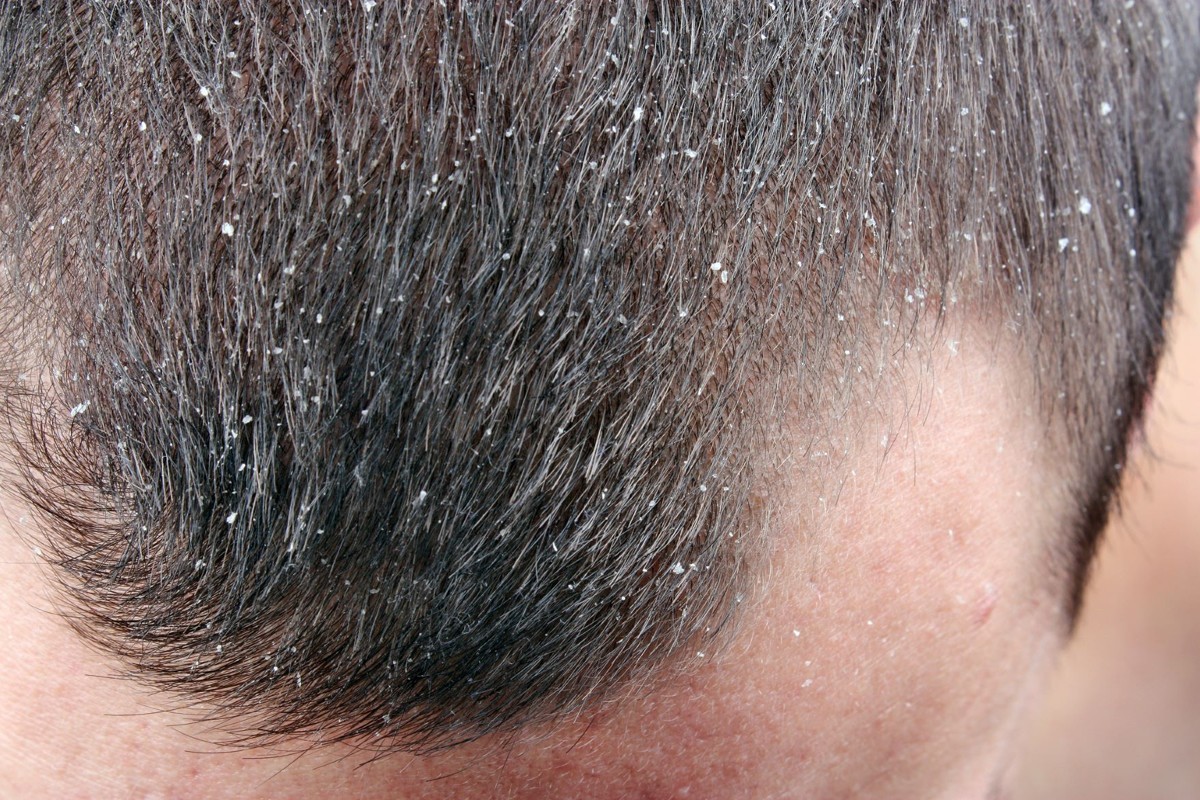
Does Head and Shoulders cause thinning hair? No, it is not known to cause hair thinning. In fact, it is formulated to treat dandruff, which can contribute to hair loss.
This topic is important for individuals experiencing dandruff or hair thinning, as misconceptions can lead to unnecessary anxiety and potentially incorrect treatment choices. Understanding the relationship between dandruff treatments and hair health is crucial for effective personal care.
This article will clarify the effects of Head and Shoulders on hair health, discuss the role of dandruff in hair loss, and provide insights into effective treatment options for maintaining healthy hair.
Can using Head and Shoulders lead to hair loss?
No, using Head and Shoulders does not lead to hair loss. In fact, this anti-dandruff shampoo is designed to treat the underlying causes of dandruff, which can contribute to hair thinning if left untreated. The active ingredient, pyrithione zinc, helps reduce flaking and irritation, promoting a healthier scalp environment.
While some individuals may experience temporary hair shedding due to changes in their hair care routine, this is not directly caused by the shampoo itself. Hair loss can be influenced by various factors, including genetics, hormonal changes, and overall scalp health. Therefore, it is essential to differentiate between the effects of dandruff and the potential for hair thinning.
- Scalp Health: A healthy scalp is crucial for hair growth. Dandruff can lead to inflammation, which may weaken hair follicles.
- Temporary Shedding: Some users may notice an increase in hair fall when switching products, but this is usually temporary and resolves as the scalp adjusts.
- Underlying Conditions: Conditions such as seborrheic dermatitis or psoriasis can cause hair loss, but treating these conditions with appropriate products like Head and Shoulders can mitigate further issues.
Regular use of Head and Shoulders can actually support hair retention by clearing dandruff and promoting a balanced scalp environment. If hair loss continues despite treatment, consulting a healthcare professional is advisable to explore other potential causes.
For optimal results, individuals with persistent dandruff or scalp issues should consider a comprehensive hair care routine that includes appropriate shampooing, conditioning, and scalp treatments tailored to their specific needs.
What ingredients in Head and Shoulders might affect hair health?
Head and Shoulders contains several active ingredients that can influence hair and scalp health. The most notable among these are pyrithione zinc, selenium sulfide, and menthol. Each of these components serves a specific purpose that can impact hair health differently.
Pyrithione zinc is an antifungal agent primarily used to combat dandruff. It works by reducing the Malassezia yeast on the scalp, which can cause flaking and irritation. While effective for controlling dandruff, some individuals may experience dryness or irritation, potentially leading to a perception of thinning hair. In contrast, selenium sulfide also targets dandruff and seborrheic dermatitis but can be harsher on the scalp, leading to increased oiliness or dryness depending on the individual’s skin type.
Menthol, on the other hand, is included for its cooling and soothing properties. It can enhance blood circulation to the scalp, which may promote healthier hair growth. However, the invigorating sensation might not be suitable for everyone and can cause sensitivity in some users. The combination of these ingredients can lead to varied results, with some individuals experiencing improved scalp health while others may face adverse reactions.
- Pyrithione Zinc: Antifungal, effective against dandruff, may cause dryness.
- Selenium Sulfide: Targets dandruff and dermatitis, can lead to oiliness or dryness.
- Menthol: Provides cooling relief, stimulates circulation, may cause scalp sensitivity.
Maintaining a consistent hair care routine is essential. Individuals with sensitive scalps should monitor their reactions to these ingredients and consider alternating with milder products if irritation occurs. Consulting a dermatologist can provide personalized recommendations based on specific hair and scalp needs.
Head and Shoulders offers a range of formulations. Choosing the right one for individual scalp conditions and sensitivities can greatly influence overall hair health.
How often should I use Head and Shoulders to avoid hair thinning?
To avoid hair thinning while using Head and Shoulders, it is generally recommended to use the shampoo 2 to 3 times per week. Using it too frequently can strip natural oils from the scalp and hair, potentially leading to dryness and breakage.
Factors such as individual scalp health, hair type, and specific dandruff severity can influence how often Head and Shoulders should be used. For those with mild dandruff, a twice-a-week routine may suffice, while individuals with more severe conditions might benefit from using it three times a week. Additionally, if you notice excessive dryness or irritation, consider reducing the frequency.
- Assess your scalp condition: Determine the severity of your dandruff or scalp issues. If symptoms are mild, using Head and Shoulders twice a week may be adequate.
- Start gradually: If new to the product, start with once a week. Monitor your scalp’s response before increasing frequency.
- Adjust based on results: If dandruff persists or worsens, increase use to three times weekly, ensuring to observe any changes in hair health.
Pay attention to how your hair and scalp react. If irritation occurs, decrease the frequency or consult a dermatologist for tailored advice.
For optimal results, consider alternating Head and Shoulders with a moisturizing shampoo, particularly if you have dry or colored hair. This can help maintain scalp health while minimizing the risk of thinning hair associated with excessive cleansing.
Are there alternatives to Head and Shoulders that prevent hair thinning?
Yes, there are several alternatives to Head and Shoulders that can help prevent hair thinning while addressing dandruff. These alternatives vary in their active ingredients and additional benefits for hair health. Here are some notable options:
- Nizoral A-D: This shampoo contains ketoconazole, an antifungal agent that targets the underlying causes of dandruff. It is also effective in reducing inflammation, which can contribute to hair thinning.
- Selsun Blue: Formulated with selenium sulfide, Selsun Blue helps control dandruff and flaking. It has moisturizing properties that can improve scalp health and potentially strengthen hair.
- Neutrogena T/Gel: This shampoo features coal tar, which is effective for treating scalp conditions like psoriasis and seborrheic dermatitis. Its anti-inflammatory properties may help reduce hair thinning related to scalp irritation.
- Tea Tree Oil Shampoo: Natural shampoos with tea tree oil have antifungal and antibacterial properties. They can soothe the scalp and promote a healthy environment for hair growth.
These shampoos differ primarily in their active ingredients and intended use. For instance, while Head and Shoulders utilizes pyrithione zinc to combat dandruff, Nizoral A-D targets fungal issues more directly. Users may prefer one over another based on their specific scalp conditions, sensitivity, or preference for natural ingredients. It’s essential to assess personal needs and consult with a dermatologist if necessary to identify the most suitable option.
Choosing the right dandruff shampoo can significantly influence scalp health and hair vitality. Regular use of these alternatives may not only reduce dandruff but also support overall hair strength and thickness, countering potential thinning.
Expert Tip: When selecting a dandruff shampoo, look for formulations that also include nourishing ingredients like biotin or panthenol, which can further enhance hair health and potentially prevent thinning.
What are the side effects of using Head and Shoulders?
Head and Shoulders is generally safe for most users, but some may experience side effects such as dryness, irritation, or allergic reactions. These effects can vary depending on individual skin types and sensitivities. While not common, some users have reported hair thinning, which may be related to underlying conditions rather than the product itself.
One primary concern with Head and Shoulders is the potential for scalp irritation due to its active ingredients, such as pyrithione zinc. This irritation can lead to increased hair shedding in susceptible individuals. Additionally, overuse of any dandruff shampoo can lead to dryness, which may give the appearance of thinning hair. It is essential to monitor your scalp and hair condition while using the product.
- Patch Test: Before using Head and Shoulders widely, perform a patch test on a small area of the scalp to check for any allergic reactions or irritation.
- Follow Usage Instructions: Adhere to the recommended frequency of use. Over-washing can strip natural oils, leading to dryness and potential hair thinning.
- Moisturize: Incorporate a moisturizing conditioner or hair treatment to combat any dryness caused by the shampoo. This can help maintain hair health.
- Consult a Dermatologist: If experiencing persistent irritation or hair thinning, seek professional advice to rule out underlying conditions or alternative treatments.
Regularly assessing the condition of your scalp and hair while using Head and Shoulders can help identify any adverse reactions early on. Adjusting usage based on your unique response can mitigate potential side effects.
For those with sensitive skin or pre-existing scalp conditions, considering a milder formula or alternative anti-dandruff treatments may be beneficial. Monitoring individual responses to hair care products is key to maintaining hair health.
Does Head and Shoulders work for all hair types?
Head and Shoulders is designed to be effective for various hair types, but individual results can vary. While many users find it beneficial for dandruff control, others may experience different reactions based on their hair texture and scalp condition.
For instance, a person with fine, straight hair might appreciate the lightweight formula of Head and Shoulders, finding it cleanses without weighing their hair down. Conversely, someone with thick, curly hair may feel that the shampoo does not provide enough moisture, leading to dryness and frizz. In such cases, the user might need to incorporate additional moisturizing products to counterbalance the effects of the shampoo.
Moreover, scalp sensitivity plays a crucial role in how Head and Shoulders works. Individuals with sensitive skin may experience irritation from the active ingredients, such as zinc pyrithione, which could lead them to seek alternative products better suited for their needs. Ultimately, while Head and Shoulders can work for a wide range of hair types, personal characteristics—such as hair texture, scalp condition, and sensitivity—significantly influence the overall experience and effectiveness.
Expert Tip: When trying Head and Shoulders for the first time, consider doing a patch test to assess your scalp’s reaction, especially if you have a history of sensitivity or allergies to hair care products.
How long does it take for Head and Shoulders to show results?
Head and Shoulders can show visible results in treating dandruff within 2 to 4 weeks of regular use. Users may notice a reduction in flakes and scalp irritation, which can subsequently improve hair health. However, individual results may vary based on factors such as hair type, severity of dandruff, and adherence to the product’s usage instructions.
The effectiveness of Head and Shoulders depends on the active ingredients, primarily zinc pyrithione, which targets the fungus that causes dandruff. Consistent application is key; using the shampoo at least twice a week is recommended for optimal results. Individuals with more severe or chronic dandruff may require a longer duration to see significant improvements, potentially extending to six weeks or more.
Additional factors influencing the timeline include the underlying causes of dandruff, which can range from dry skin to more complex scalp conditions. Those experiencing hair thinning or other scalp issues alongside dandruff may need to consult a healthcare professional for tailored treatment, as these conditions may not solely stem from dandruff alone. Additionally, maintaining a proper hair care routine and a healthy diet can further support scalp health and recovery.
Key Takeaway: For best results, it is crucial to follow the recommended usage instructions and be patient, as scalp health improvements can take time. Regular use of Head and Shoulders, combined with good overall hair care, will yield the best outcomes.
Is it safe to use Head and Shoulders daily?
Yes, it is generally safe to use Head and Shoulders daily, but individual results may vary based on hair and scalp conditions. This shampoo is designed for frequent use and can effectively control dandruff while maintaining scalp health. However, some individuals may experience sensitivity or dryness with daily application.
For those with specific scalp issues, such as severe dandruff or seborrheic dermatitis, daily use may be beneficial, as it helps manage flaking and irritation. Conversely, individuals with sensitive scalps or dry hair may need to limit usage to avoid exacerbating these conditions. Proper application technique and complementary hair care practices can enhance results and minimize potential drawbacks.
- Assess your scalp condition: If you experience severe dandruff or itchy scalp, daily use may provide relief. Monitor your scalp’s response and adjust frequency as needed.
- Follow with a conditioner: To maintain moisture and prevent dryness, always follow with a suitable conditioner, particularly if using daily. This helps keep hair healthy and manageable.
- Alternate with a gentle shampoo: If you notice signs of dryness or irritation, consider alternating Head and Shoulders with a mild, sulfate-free shampoo to balance cleansing without over-stripping your scalp.
- Limit use during flare-ups: If scalp irritation occurs, reduce frequency or switch to a milder formula until symptoms improve. Consult a dermatologist for persistent issues.
- Observe for hair changes: If concerns about thinning hair arise, track any changes after starting use. Consult a healthcare professional if thinning persists.
Regularly evaluate your hair and scalp health to optimize your hair care routine. Tailoring your use of Head and Shoulders based on your specific needs can prevent complications and promote overall scalp health.
Understanding Dandruff and Its Impact on Hair Health
Dandruff is a common scalp condition that can significantly affect hair health. This section explores the causes of dandruff, its relationship with hair loss, and the importance of maintaining a healthy scalp.

What is Dandruff?
Dandruff is characterized by the shedding of dead skin cells from the scalp. It can manifest as white or yellow flakes, often accompanied by itchiness. The primary causes of dandruff include:
- Malassezia fungus: An overgrowth of this yeast-like fungus can lead to scalp irritation.
- Dry skin: Insufficient moisture can cause the scalp to flake.
- Skin conditions: Conditions like psoriasis or eczema can exacerbate dandruff.
- Diet: Poor nutrition may contribute to scalp health issues.
The Link Between Dandruff and Hair Loss
While dandruff itself does not directly cause hair thinning, it can contribute to conditions that promote hair loss. Chronic scalp inflammation, often resulting from dandruff, can weaken hair follicles and lead to hair shedding. Additionally, excessive scratching due to itchiness can damage hair shafts and increase breakage. Research indicates that individuals with severe dandruff may experience more pronounced hair thinning compared to those with a healthy scalp.
Maintaining a Healthy Scalp
A healthy scalp is vital for optimal hair growth. Proper scalp care involves:
- Regular cleansing: Use a suitable shampoo to remove excess oils and flakes.
- Moisturization: Hydrating the scalp can alleviate dryness and irritation.
- Avoiding irritants: Limit the use of harsh hair products that can exacerbate scalp conditions.
Treating Dandruff for Improved Hair Health
Effective dandruff treatment can enhance overall hair health. Antifungal shampoos, like those containing ketoconazole or zinc pyrithione, target the underlying causes of dandruff. Regular use of these products can reduce flaking, alleviate itchiness, and promote a healthier scalp environment, which is conducive to hair growth. Furthermore, incorporating a balanced diet rich in vitamins and minerals can support scalp and hair health.
Common misconceptions suggest that dandruff is merely a cosmetic issue. However, its implications for hair health underscore the need for proper treatment. Neglecting dandruff can lead to more severe scalp conditions, which can ultimately result in significant hair loss. Additionally, many people incorrectly believe that only oily hair contributes to dandruff, while dry scalp conditions can also lead to flaking and irritation.
To optimize scalp health and prevent hair thinning, implement the following actionable steps:
- Choose an appropriate anti-dandruff shampoo and use it consistently.
- Incorporate scalp-friendly practices into your hair care routine, such as gentle massaging during shampooing.
- Consult a dermatologist if dandruff persists or worsens, as they can provide tailored treatment options.
By addressing dandruff effectively, individuals can mitigate its potential impact on hair thinning and foster a healthier scalp environment, ultimately leading to improved hair vitality.
Active Ingredients in Head and Shoulders: What You Need to Know
This section examines the active ingredients in Head and Shoulders and their implications for hair health. Understanding these components is essential for evaluating their effectiveness and safety, particularly concerning concerns around thinning hair.
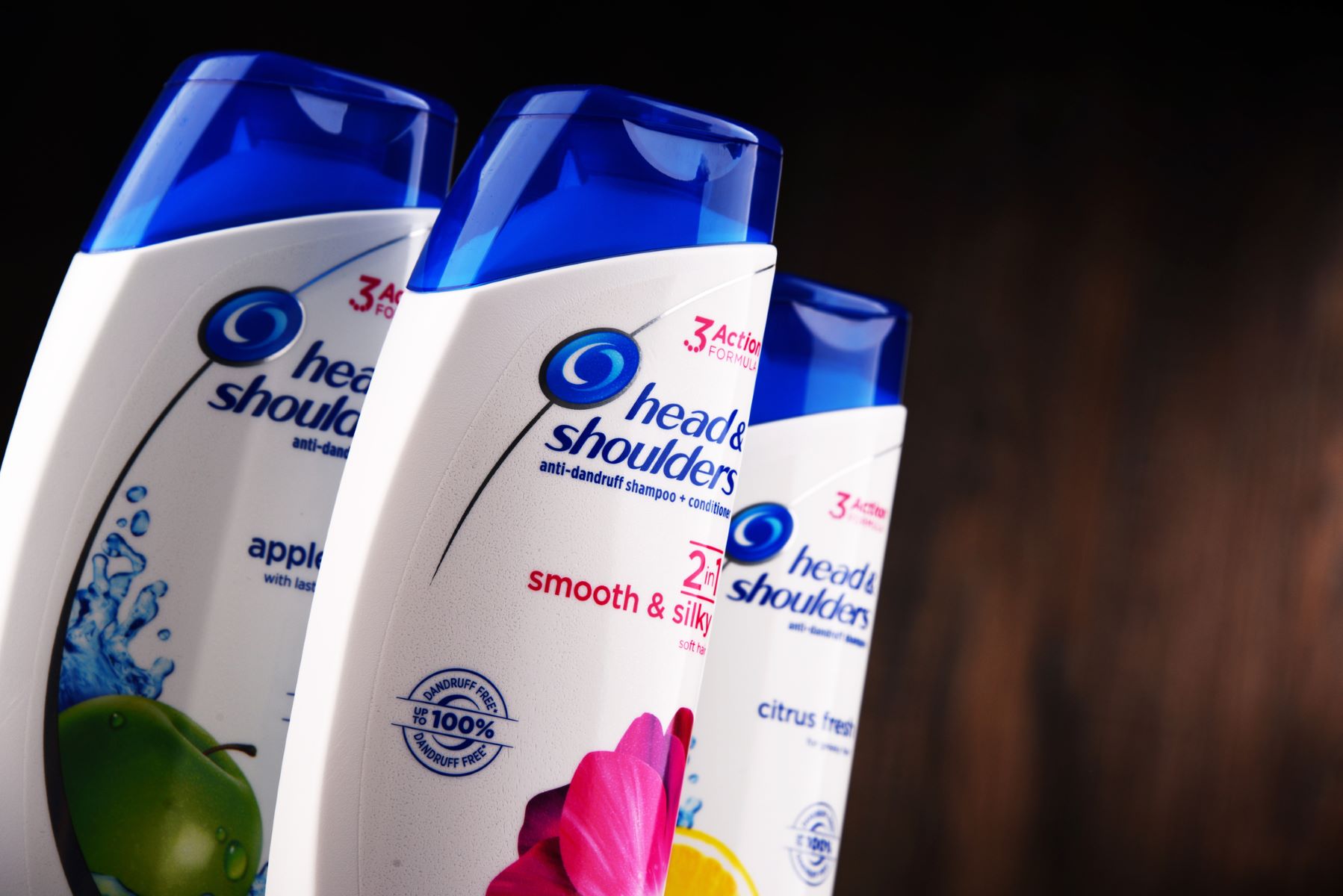
Zinc Pyrithione: The Primary Antidandruff Agent
The most notable active ingredient in Head and Shoulders is zinc pyrithione. This compound is an antifungal and antibacterial agent that targets the root causes of dandruff by reducing the Malassezia fungus on the scalp. This fungus is often responsible for flaking and irritation, leading to dandruff.
Research indicates that zinc pyrithione effectively decreases scalp inflammation and improves skin barrier function, thus alleviating symptoms of dandruff. Regular use can result in a noticeable reduction in flakes and an improved overall scalp condition.
Other Active Ingredients
- Coal Tar: Known for its anti-inflammatory properties, coal tar helps slow down skin cell turnover, reducing scaling and flaking.
- Salicylic Acid: A keratolytic agent, salicylic acid helps to exfoliate the scalp, removing dead skin cells and preventing build-up.
- Tea Tree Oil: This natural ingredient possesses antifungal and antibacterial properties, making it effective in soothing irritated skin.
Safety and Effectiveness Across Hair Types
Head and Shoulders products are generally safe for various hair types, including curly, straight, and color-treated hair. The formulation is designed to be gentle enough for regular use while effectively combating dandruff. However, individuals with sensitive skin may experience irritation from stronger active ingredients like coal tar or salicylic acid.
It is advisable to conduct a patch test before full application, particularly for those with previously sensitive or allergic reactions. While most users report positive outcomes, the effectiveness can vary based on individual hair and scalp conditions.
Comparison with Other Dandruff Treatments
Head and Shoulders competes with several other popular dandruff treatments, including:
- Nizoral: Contains ketoconazole, a potent antifungal specifically effective against dandruff.
- Selsun Blue: Features selenium sulfide, which reduces flaking but may cause discoloration in some hair types.
- Neutrogena T/Gel: Utilizes coal tar and is particularly effective for severe dandruff and psoriasis.
While Head and Shoulders is effective for many users, those with more severe scalp conditions may need to explore these alternatives.
Common misconceptions about Head and Shoulders suggest that its active ingredients may directly cause thinning hair. However, research supports the notion that dandruff itself can lead to hair thinning due to inflammation and scalp irritation. Addressing dandruff with effective treatment may actually help preserve hair health.
For individuals concerned about hair thinning, it is recommended to:
- Consult a dermatologist to assess scalp health and identify specific issues.
- Use Head and Shoulders consistently as directed to manage dandruff effectively.
- Monitor for any adverse reactions and adjust usage or switch products as necessary.
By understanding the active ingredients in Head and Shoulders and their effects, users can make informed decisions about their hair care routines and address concerns regarding thinning hair effectively.
Expert Tips for Maintaining Healthy Hair While Using Dandruff Shampoo
This section provides actionable advice from hair care professionals on how to use dandruff shampoo effectively, select complementary products, and implement lifestyle changes that support overall hair health.
Best Practices for Using Dandruff Shampoo
Using dandruff shampoo, such as Head and Shoulders, requires a strategic approach to minimize potential side effects, including hair thinning. Follow these guidelines for optimal results:
- Frequency of Use: Use the shampoo as directed, typically 2-3 times per week, to avoid scalp irritation.
- Application Technique: Massage the shampoo into the scalp for at least 5 minutes to ensure proper absorption and efficacy.
- Thorough Rinsing: Rinse thoroughly with lukewarm water to remove all product residue, which can weigh hair down and contribute to thinning.
Complementary Hair Care Products
Incorporating additional hair care products can enhance the benefits of dandruff shampoo while reducing the risk of hair thinning. Consider the following:
- Moisturizing Conditioners: Use sulfate-free conditioners that hydrate the hair without stripping it of natural oils.
- Hair Oils: Apply lightweight oils, such as argan or jojoba oil, to nourish the scalp and promote healthy hair growth.
- Leave-In Treatments: Use leave-in conditioners or treatments that contain ingredients like biotin or keratin to strengthen and protect hair.
Lifestyle Changes That Support Hair Health
Adopting certain lifestyle practices can significantly influence hair health. Implement the following strategies:
- Balanced Diet: Consume a diet rich in vitamins, minerals, and proteins, which are essential for hair strength and growth.
- Hydration: Drink adequate water to maintain hydration levels, which is crucial for healthy hair.
- Stress Management: Engage in stress-reducing activities, such as yoga or meditation, as stress can lead to hair loss.
When to Seek Professional Help
If dandruff persists or worsens despite regular shampoo use, it may be time to consult a dermatologist. Persistent scalp issues can indicate underlying conditions that require specialized treatment. Additionally, if hair thinning becomes noticeable, a healthcare provider can help identify contributing factors and recommend appropriate interventions.
Many individuals mistakenly believe that dandruff shampoos inherently cause hair thinning. In reality, the act of treating dandruff can improve scalp health and reduce hair loss if done correctly. It’s essential to differentiate between symptoms of scalp irritation and actual hair thinning caused by other factors.
To maintain healthy hair while using dandruff shampoo, adhere to the following actionable steps: limit shampoo use to 2-3 times weekly, choose complementary moisturizing products, maintain a balanced diet, and monitor scalp health. If issues persist, consulting with a professional can provide tailored strategies to promote hair vitality while addressing dandruff concerns effectively.
Real-World Experiences: User Testimonials and Case Studies
This section explores real-life accounts from users of Head and Shoulders, shedding light on varied experiences regarding hair thinning and scalp health. By examining these testimonials and case studies, readers can gain insights into the product’s effectiveness and its impact on different hair types.

User Testimonials Across Hair Types
Individuals with diverse hair types have shared their experiences with Head and Shoulders, revealing a spectrum of outcomes. Below are a few representative testimonials:
- African American Hair Type: One user reported that after using Head and Shoulders for a month, they experienced increased dryness and noticeable thinning, prompting a switch to a more moisturizing shampoo.
- Curly Hair: A user with naturally curly hair noted that while the product effectively controlled dandruff, it led to frizz and breakage, raising concerns about hair thinning.
- Straight Hair: A straight-haired user mentioned seeing improved scalp health but observed some hair shedding, which they attributed to the transition phase of using the product.
Case Studies of Hair Thinning
Several case studies provide a deeper understanding of the relationship between Head and Shoulders and hair thinning. These cases include:
- Case Study 1: A 34-year-old woman reported significant hair thinning after six months of consistent use. Upon consultation, a dermatologist suggested that the sulfates in the shampoo might have contributed to her hair’s increased fragility.
- Case Study 2: A 28-year-old man experienced scalp irritation and subsequent hair thinning. Following a switch to a sulfate-free alternative, he noted a marked improvement in hair density and scalp condition.
- Case Study 3: A 45-year-old individual with a history of hair loss prior to using Head and Shoulders experienced minimal change in hair volume but reported relief from dandruff, indicating the product’s efficacy in treating scalp issues.
Addressing Hair Concerns with Head and Shoulders
Users have taken various approaches to mitigate hair thinning while using Head and Shoulders. Common strategies include:
- Incorporating a deep conditioning treatment weekly to combat dryness.
- Alternating between Head and Shoulders and a hydrating shampoo to maintain moisture balance.
- Consulting with hair care professionals to tailor a regimen suited to individual needs.
Factors Influencing Results
Results from using Head and Shoulders can vary significantly based on multiple factors, including:
- Hair Type: The natural texture and porosity of hair can affect how it responds to the ingredients in the shampoo.
- Scalp Condition: Existing scalp health or conditions can influence the effectiveness and side effects of the product.
- Usage Frequency: Overuse or improper application may lead to adverse effects, including hair thinning.
Common misconceptions about Head and Shoulders suggest that it universally causes hair thinning. However, user experiences indicate that individual responses vary widely based on hair type and scalp condition. It is crucial for users to assess their unique needs and consult with professionals if they notice adverse reactions.
To optimize hair health while using Head and Shoulders, consider the following actionable steps:
- Monitor scalp health and hair density regularly to identify any negative changes early.
- Incorporate hydrating hair products into your routine to counteract potential dryness.
- Consult a dermatologist if concerns about thinning hair persist, particularly if there’s a family history of hair loss.
Frequently Asked Questions
Can using Head and Shoulders lead to hair loss?
There is no direct evidence that Head and Shoulders causes hair loss. However, individual reactions to the product may vary, and some users may experience temporary thinning due to irritation or sensitivity.
What ingredients in Head and Shoulders might affect hair health?
Head and Shoulders contains active ingredients like zinc pyrithione and selenium sulfide, which target dandruff but may cause scalp irritation in some users. Such irritation can potentially lead to hair thinning if not addressed.
How often should I use Head and Shoulders to avoid hair thinning?
Using Head and Shoulders 2-3 times a week is generally recommended for maintaining scalp health without risking hair thinning. Overuse may lead to dryness or irritation, which can negatively impact hair health.
Are there alternatives to Head and Shoulders that prevent hair thinning?
Yes, alternatives such as sulfate-free shampoos or those containing tea tree oil can help manage dandruff without the risk of thinning hair. It’s essential to choose products that suit your scalp sensitivity and hair type.
What are the side effects of using Head and Shoulders?
Common side effects of Head and Shoulders include scalp irritation, dryness, and in rare cases, allergic reactions. If any adverse effects occur, discontinue use and consult a healthcare professional.
Does Head and Shoulders work for all hair types?
Head and Shoulders is formulated to be effective on various hair types, but results may vary based on individual scalp conditions. Users with specific hair concerns should consult a dermatologist for tailored advice.
How long does it take for Head and Shoulders to show results?
Users typically notice improvements in dandruff control within a few weeks of consistent use. However, achieving optimal scalp health may take longer, depending on individual conditions.
Is it safe to use Head and Shoulders daily?
While some users may safely use Head and Shoulders daily, it is generally recommended to limit usage to avoid potential scalp irritation. Follow product guidelines and adjust based on personal scalp sensitivity.
Final Thoughts on does head and shoulders cause thinning hair
Current evidence suggests that Head and Shoulders does not inherently cause hair thinning, but individual reactions to its active ingredients may vary. Users concerned about hair health should focus on maintaining a balanced regimen that addresses scalp issues without excessive use of any single product.
To optimize hair health while using Head and Shoulders, consider incorporating a moisturizing conditioner or a hair serum that targets hydration and nourishment, thereby counteracting any potential dryness from the shampoo.
Understanding the relationship between scalp health and hair vitality is crucial for anyone seeking to maintain a full and healthy mane.
Leave a Reply