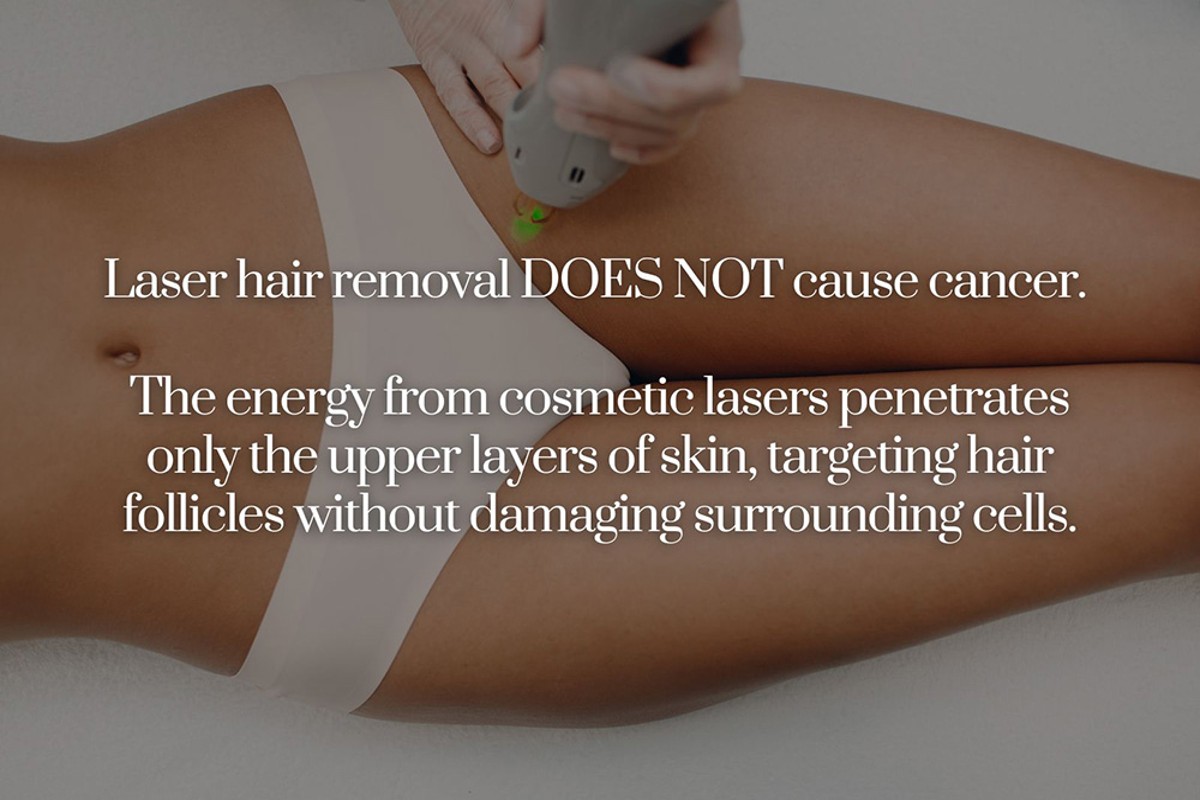
Does laser hair removal cause cancer? Current research indicates that laser hair removal is safe and does not increase cancer risk. The procedure targets hair follicles without affecting surrounding tissues.
This topic is crucial for individuals considering laser hair removal, as misconceptions about its safety can lead to unnecessary anxiety and avoidance of effective hair removal options. Understanding the facts can help consumers make informed decisions regarding their personal grooming and health.
This article will clarify the scientific evidence surrounding laser hair removal and cancer risk, debunk common myths, and provide insights into the procedure’s safety and efficacy.
What are the side effects of laser hair removal?
Common side effects of laser hair removal include skin irritation, redness, swelling, and changes in skin pigmentation. These effects are typically mild and temporary, resolving within a few hours to a few days. Serious complications are rare, making laser hair removal a generally safe procedure.
The most frequent side effects arise from the laser’s interaction with the skin. Skin irritation may manifest as redness or swelling immediately after treatment, similar to a mild sunburn. Changes in pigmentation can occur, particularly in individuals with darker skin tones, leading to hyperpigmentation or hypopigmentation. These effects are usually reversible, but some patients may experience longer-lasting changes.
- Bumps or blisters: Occasionally, small blisters or bumps may form at the treatment site.
- Allergic reactions: Some individuals may have a hypersensitivity reaction to the gel or topical anesthetics used during the procedure.
- Infection: Though rare, there is a small risk of infection if the skin is not properly cared for post-treatment.
In terms of long-term effects, there is no scientific evidence to suggest that laser hair removal increases the risk of cancer. The wavelengths used in laser hair removal target hair follicles without affecting deeper tissues, including those that can lead to cancer. Therefore, while side effects can occur, they are generally manageable and significantly less concerning than the myths surrounding cancer risks associated with the procedure.
Expert practitioners emphasize the importance of following pre- and post-treatment care instructions to minimize side effects. Consulting with a licensed professional can provide personalized insights, ensuring a safe and effective experience.
How does laser hair removal work?
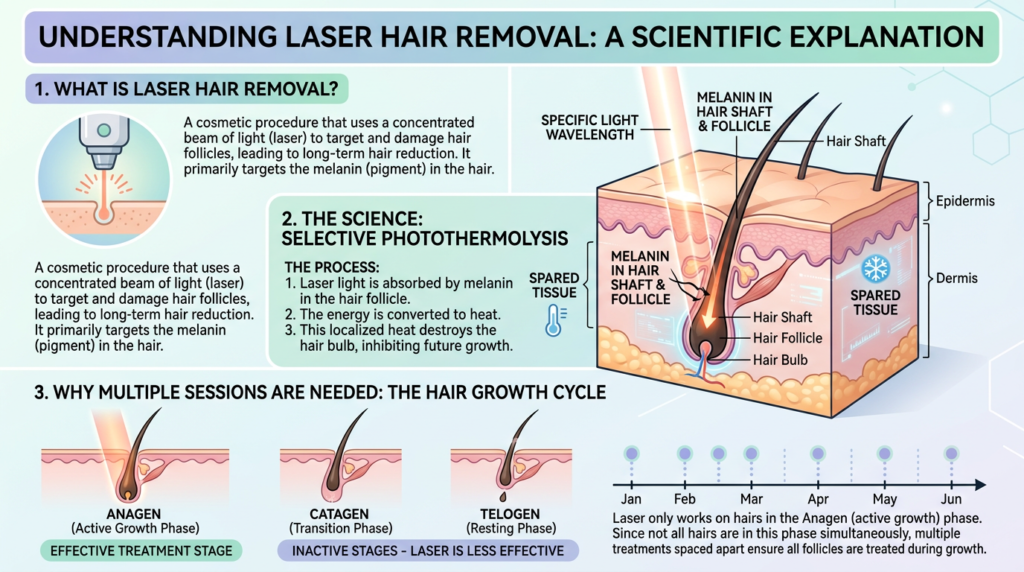
Laser hair removal utilizes concentrated light beams to target and damage hair follicles, inhibiting future hair growth. This process relies on the principle of selective photothermolysis, where specific wavelengths of light are absorbed by the pigment in hair follicles, leading to their destruction without harming surrounding skin.
The procedure begins with the technician adjusting the laser parameters based on the patient’s hair and skin type. Once set, the laser emits pulses of light that penetrate the skin to reach the hair follicles. The energy from the laser is converted into heat, effectively damaging the follicle and preventing hair regrowth. This method is highly effective for individuals with contrasting hair and skin colors, as the laser targets the pigment in the hair.
- Consultation: Before the procedure, a consultation is conducted to assess skin type, hair color, and medical history to tailor the treatment.
- Preparation: The area to be treated is shaved to ensure the laser focuses on the follicle and not on the hair above the skin.
- Laser Application: During the session, the laser is applied to the targeted areas, usually accompanied by a cooling device to minimize discomfort.
- Post-Treatment Care: After the session, patients may experience mild redness or swelling, which typically resolves quickly. Sunscreen application is recommended to protect the skin.
Multiple sessions are often required for optimal results, as hair grows in different cycles and the laser is most effective on hair in the active growth phase. The overall safety of laser hair removal is enhanced by advanced technology that includes cooling systems and adjustable laser settings, which minimize potential side effects.
Expert Tip: For best results, avoid sun exposure and waxing prior to treatments. Shaving is recommended as it maintains the hair follicle while allowing the laser to work effectively.
Is laser hair removal safe for all skin types?
Laser hair removal can be safe for various skin types, but its effectiveness and risk levels can differ significantly. Generally, individuals with lighter skin and dark hair experience the best results with minimal side effects. Conversely, those with darker skin tones may face increased risks of pigmentation changes and require specialized laser technology.
Different skin types react differently to laser hair removal due to the contrast between skin pigmentation and hair color. The Alexandrite laser is most effective for light skin and dark hair, while the Nd:YAG laser is better suited for darker skin tones. This is because the Nd:YAG laser penetrates deeper into the skin, minimizing the risk of damaging the surrounding tissue. However, it may require more sessions to achieve the desired results, as it is less effective on fine or light-colored hair.
Skin sensitivity also plays a crucial role in the safety of laser hair removal. Individuals with sensitive skin may experience more pronounced side effects, including redness and swelling. Moreover, skin conditions such as eczema or psoriasis can complicate the treatment process, necessitating a thorough consultation with a qualified practitioner to assess risks and determine the most appropriate approach.
Comparative Overview of Skin Types and Laser Hair Removal
- Light Skin, Dark Hair: Optimal results with minimal side effects; best suited for Alexandrite lasers.
- Medium Skin, Dark Hair: Good results, but may require adjustments in laser settings; Nd:YAG can be effective.
- Darker Skin, Light Hair: Higher risk of pigmentation changes; specialized lasers needed for safety and effectiveness.
When considering laser hair removal, it is essential to consult with a qualified professional who can tailor the treatment to individual skin type and hair characteristics. This personalized approach helps mitigate risks and maximize effectiveness.
What is the cost of laser hair removal?
The average cost of laser hair removal typically ranges from $200 to $400 per session, depending on various factors. Most individuals require multiple sessions to achieve desired results, which can lead to a total investment of $1,000 to $3,000 for full treatment. Prices vary significantly based on the treatment area and the provider’s expertise.
Several factors influence the overall cost of laser hair removal:
- Area of Treatment: Smaller areas like the upper lip or chin may cost less than larger areas such as the back or legs.
- Provider Experience: Clinics with experienced practitioners or advanced technology may charge higher rates, reflecting the quality of service.
- Location: Costs can vary widely by geographic region, with urban centers generally having higher prices due to increased demand and operational costs.
- Number of Sessions: Most patients require multiple sessions for optimal results, which can add significantly to the total cost.
- Promotions and Packages: Many clinics offer package deals or promotional rates, which can reduce the overall expenditure when committing to multiple sessions.
It is advisable for potential clients to consult multiple clinics to compare costs and services offered. Additionally, many facilities provide financing options or payment plans, making treatments more accessible.
Expert Tip: Ensure that the clinic uses FDA-approved laser technology and that the practitioner is certified. This not only enhances safety but also optimizes treatment effectiveness, potentially reducing the total number of required sessions.
How long does a laser hair removal session take?
A typical laser hair removal session lasts between 15 to 60 minutes, depending on the treatment area and individual factors. Smaller areas, such as the upper lip, may take as little as 15 minutes, while larger areas, like the legs or back, can take up to an hour or more.
Several factors influence the duration of laser hair removal sessions. The size of the treatment area is the most significant factor. For instance, facial hair removal may be quicker than full body treatments. Additionally, hair density and thickness can affect the time required, as denser hair may necessitate more passes of the laser for effective treatment.
Another consideration is the individual’s skin type and hair color. Different skin tones and hair colors respond differently to laser treatment, which may require adjustments in technique and timing. Furthermore, the specific type of laser technology used can also influence session length, as newer technologies often allow for faster treatments without compromising effectiveness.
Sessions are typically spaced 4 to 6 weeks apart to allow hair to enter the appropriate growth phase for effective removal. Patients should plan for multiple sessions to achieve optimal results, which can further impact the overall time commitment for the treatment process.
Expert Tip: Patients should consult with a licensed practitioner to determine the most suitable treatment plan, as personalized assessments can optimize both efficacy and efficiency during sessions.
What should I do before and after laser hair removal?
Before and after laser hair removal, specific preparations and aftercare steps are essential for optimal results and safety. Proper pre-treatment measures help minimize risks and enhance effectiveness, while post-treatment care aids in recovery and skin health.
Before undergoing laser hair removal, consider the following best practices:
- Avoid sun exposure: Limit sun exposure for at least four weeks before treatment to reduce the risk of complications and ensure the laser targets hair follicles effectively.
- Shave the treatment area: Shave the area to be treated one or two days before the appointment. This helps the laser focus on the hair follicles without singeing the hair above the skin.
- Consult with a qualified professional: Schedule a consultation to discuss your skin type, hair color, and medical history. This ensures the selected laser technology is appropriate for your specific needs.
After treatment, follow these guidelines to promote healing and optimize results:
- Keep the area clean and moisturized: Gently cleanse the treated area and apply a soothing moisturizer to prevent irritation and dryness.
- Avoid heat and strenuous exercise: For at least 24 to 48 hours post-treatment, avoid hot showers, saunas, and vigorous exercise to reduce inflammation and discomfort.
- Use sunscreen: Apply a broad-spectrum sunscreen with an SPF of 30 or higher to protect the treated area from UV damage for at least four weeks after treatment.
Expert Tip: Always adhere to the specific aftercare instructions provided by your practitioner. These guidelines may vary based on individual skin types and the specific laser technology used, ensuring personalized care and optimal results.
Can laser hair removal lead to skin cancer?
No, laser hair removal does not lead to skin cancer. The procedure utilizes specific wavelengths of light to target hair follicles, which does not damage surrounding skin cells or alter DNA in a way that would increase cancer risk.
Consider a scenario where a patient undergoes laser hair removal on their legs. The laser emits concentrated light that is absorbed by the pigment in the hair, effectively destroying the hair follicle. This process is designed to be precise, minimizing damage to the surrounding skin. Numerous studies have shown that the energy levels used in laser hair removal are not sufficient to cause cellular changes associated with cancer, such as DNA mutations.
Furthermore, the lasers used in these procedures are classified as non-ionizing radiation, which is distinct from ionizing radiation (like UV rays from the sun or X-rays) known to increase skin cancer risk. While some people may have concerns about the long-term effects of repeated exposure to laser treatments, current evidence indicates no correlation between laser hair removal and increased skin cancer incidence. Practitioners also emphasize the importance of proper skin care and sun protection, which play a significant role in reducing skin cancer risk overall.
Expert Tip: For optimal safety, choose a licensed practitioner who utilizes FDA-approved devices and adheres to established protocols. Regular follow-ups can help monitor skin health post-treatment.
Understanding the Science Behind Laser Hair Removal
This section delves into the technology of laser hair removal, exploring its mechanisms, safety profiles, and research surrounding its potential health risks, particularly cancer. Understanding these aspects is essential for informed decision-making regarding hair removal options.
Mechanism of Action of Laser Hair Removal
Laser hair removal utilizes focused light beams to target and damage hair follicles. The process involves the selective absorption of light by the pigment (melanin) in the hair. When the laser light is absorbed, it generates heat, which destroys the follicle’s ability to produce hair. This method is effective during the anagen phase of hair growth, when the hair is actively growing.
Types of Lasers Used and Their Safety
Various types of lasers are employed in hair removal, each with distinct characteristics:
- Alexandrite Laser: Best for light to olive skin tones, with a wavelength of 755 nm.
- Diode Laser: Suitable for darker skin types, operating at wavelengths of 800-810 nm.
- Nd:YAG Laser: Effective for all skin types, especially darker complexions, with a wavelength of 1064 nm.
These lasers have undergone extensive testing for safety. Side effects are generally mild and can include temporary redness or swelling, which typically resolves within hours to days.
Comparison with Other Hair Removal Methods
Laser hair removal offers advantages over traditional methods like shaving, waxing, and electrolysis:
- Long-lasting results: Unlike shaving, which requires frequent maintenance, laser hair removal can lead to permanent hair reduction.
- Precision: Lasers can selectively target dark, coarse hairs without damaging surrounding skin.
- Speed: Treatments can be completed relatively quickly, depending on the area being treated.
Research Studies on Safety and Cancer Risk
Numerous studies have investigated the safety of laser hair removal. A comprehensive review published in the *Journal of Clinical and Aesthetic Dermatology* concluded that there is no evidence to suggest that laser hair removal causes cancer. Furthermore, the American Academy of Dermatology supports this view, stating that the wavelengths used in laser treatments do not penetrate deep enough to affect internal organs or trigger cancerous changes.
Nuance and Common Misconceptions
A prevalent misconception is that laser hair removal can lead to skin cancer due to exposure to laser light. However, lasers used in hair removal target specific wavelengths that are absorbed by hair follicles and have minimal impact on surrounding tissues. The energy levels are insufficient to cause DNA damage, a critical factor in cancer development. Additionally, safety regulations and guidelines ensure that devices used are within established safety standards, further mitigating risks.
Practical Application
For individuals considering laser hair removal, it is advisable to:
- Consult with a licensed dermatologist or certified practitioner to assess skin type and hair characteristics.
- Review the safety record of the specific laser technology used in the chosen clinic.
- Understand the number of sessions required for optimal results, as multiple treatments are often necessary.
Being informed about the science behind laser hair removal empowers individuals to make safe and effective choices regarding their hair removal options, alleviating concerns about potential cancer risks associated with the procedure.
Debunking Myths: Laser Hair Removal and Cancer Risk
This section addresses prevalent myths surrounding the potential cancer risk associated with laser hair removal. Understanding these misconceptions is essential for informed decision-making regarding hair removal options.
Common Misconceptions About Laser Treatments
Many individuals believe that laser hair removal utilizes high levels of radiation, which could lead to cancer development. However, laser hair removal devices primarily emit light energy, not ionizing radiation. Ionizing radiation, which is linked to cancer, includes X-rays and gamma rays, whereas the wavelengths used in laser hair removal are non-ionizing.
Another frequent myth is that laser hair removal can cause skin cancer. Current research indicates no conclusive evidence linking laser hair removal to an increased risk of skin cancer. Instead, the procedure targets the pigment in hair follicles, minimizing any potential harm to surrounding skin tissues.
Expert Opinions and Studies on Cancer Risk
Numerous studies conducted by dermatologists and oncologists have explored the safety of laser hair removal. A notable study published in the Journal of the American Academy of Dermatology found no significant cancer risk associated with laser hair removal treatments. Leading experts affirm that the procedure is safe when performed by certified professionals.
- A 2018 review in the International Journal of Women’s Dermatology concluded that laser hair removal is a safe method for long-term hair reduction.
- The American Society for Dermatologic Surgery states that there is no evidence supporting a link between laser hair removal and cancer.
- Research published in Lasers in Surgery and Medicine indicated that patients experienced minimal adverse effects, further supporting the safety profile of laser treatments.
Real-Life Case Studies and Testimonials
Case studies from practitioners highlight the safety of laser hair removal. One study tracked over 1,000 patients who underwent laser hair removal over five years, with no reported cases of cancer development post-treatment. Testimonials from patients also reflect positive outcomes, with many expressing satisfaction regarding the efficacy and safety of the procedure.
Regulatory Standards for Laser Hair Removal
Laser hair removal is subject to strict regulatory standards to ensure client safety. In the United States, the Food and Drug Administration (FDA) regulates laser devices, requiring them to meet specific safety and efficacy criteria. Additionally, states mandate that licensed professionals perform these procedures in controlled environments, further reducing potential risks.
Nuance: The Importance of Professional Administration
While laser hair removal is generally safe, improper use of devices can lead to adverse effects, including burns or pigment changes. The distinction between professional and at-home devices is critical, as at-home lasers often lack the same power and safety measures as those used in clinical settings. This underscores the need for treatments to be conducted by qualified practitioners, who can tailor the approach to individual skin types and hair characteristics.
Practical Application
Individuals considering laser hair removal should take the following steps:
- Consult with a board-certified dermatologist or licensed practitioner to discuss personal health history and treatment goals.
- Ensure the facility adheres to regulatory standards and uses FDA-approved devices.
- Be aware of the potential side effects and discuss any concerns regarding skin sensitivity or previous skin conditions.
These actions can help mitigate risks and enhance the overall safety of the laser hair removal experience.
Long-Term Effects of Laser Hair Removal
This section explores the potential long-term outcomes of laser hair removal, focusing on skin health and the longevity of hair removal effects. Understanding these factors is essential for individuals considering or currently undergoing treatment.
Skin Changes Over Time After Treatments
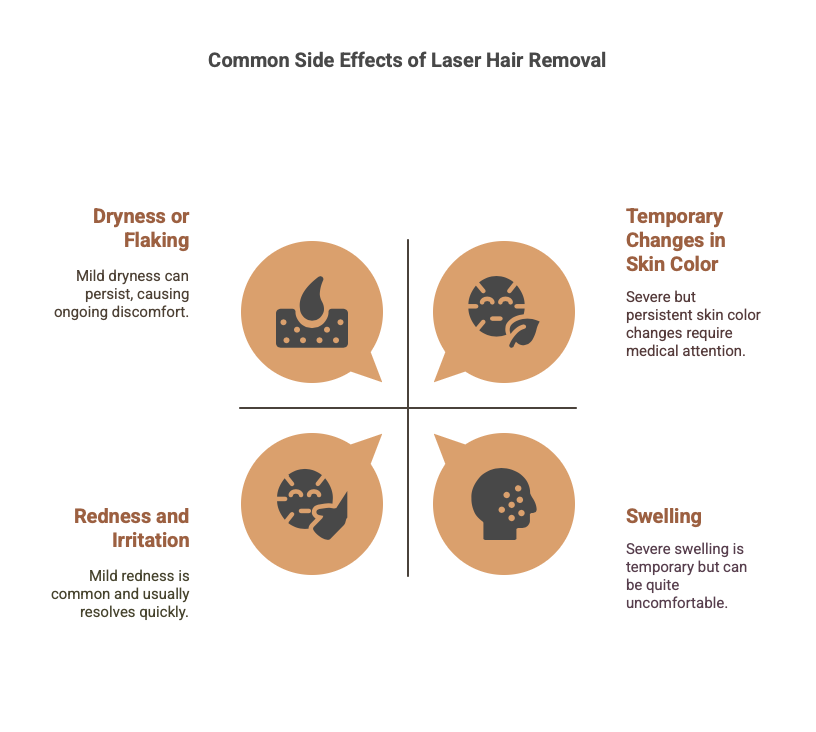
Laser hair removal can lead to various skin changes over time. Commonly reported effects include alterations in pigmentation, where some individuals may experience hyperpigmentation—darkening of the skin—or hypopigmentation, resulting in lighter patches. These changes are generally more pronounced in those with darker skin tones, as the contrast between treated and untreated areas can be more noticeable. Regular evaluations by a dermatologist can help monitor these changes and address any concerns.
Potential for Hair Regrowth and Treatment Longevity
While laser hair removal significantly reduces hair density, it does not guarantee permanent hair removal. Factors influencing regrowth include hormonal changes, genetics, and the area being treated. Studies indicate that approximately 10-30% of individuals may experience some degree of hair regrowth after treatment, necessitating follow-up sessions to maintain results. The longevity of results can vary, with some patients requiring touch-ups every 6 to 12 months.
Impact on Skin Tone and Texture
Patients often report improvements in skin texture following laser hair removal, attributed to the skin’s healing process post-treatment. The procedure can stimulate collagen production, leading to smoother skin over time. However, individuals with sensitive skin may experience temporary textural changes, such as redness or swelling, which typically resolve within a few hours to days. Long-term, consistent treatment can contribute to an overall improvement in skin appearance, but it is essential to consult with a qualified practitioner for tailored advice.
Advice for Maintenance and Follow-Up Treatments
- Schedule regular follow-up appointments to assess hair regrowth and skin condition.
- Use sunscreen diligently to protect treated areas from UV exposure, which can exacerbate pigmentation changes.
- Consider skin care products recommended by a dermatologist to enhance skin health post-treatment.
While some sources may suggest that laser hair removal poses a cancer risk, current scientific evidence does not support this claim. The wavelengths used in laser hair removal are not known to cause cellular damage associated with cancer. Understanding this helps to alleviate concerns about the long-term safety of the procedure.
For individuals considering laser hair removal, it is recommended to consult with a certified practitioner to discuss personalized treatment plans, potential risks, and expected outcomes. Regular skin assessments and adherence to post-treatment care can optimize results and minimize any adverse effects.
Choosing a Qualified Practitioner for Laser Hair Removal
Selecting a qualified practitioner for laser hair removal is critical for ensuring safe and effective treatment. This section outlines essential qualifications, key questions to ask, and factors to consider when choosing a provider.

Qualifications and Certifications to Look For
When evaluating potential practitioners, check for the following credentials:
- Medical License: Ensure the practitioner is a licensed medical professional such as a dermatologist or plastic surgeon.
- Specialized Training: Look for certifications in laser hair removal from recognized institutions.
- Experience: Choose a practitioner with substantial experience specifically in laser hair removal procedures.
Questions to Ask During Consultations
Consultations provide an opportunity to assess the practitioner’s expertise and the safety of their practices. Consider asking:
- What type of laser technology do you use, and why?
- Can you provide references or testimonials from previous clients?
- What are the potential risks and side effects associated with this treatment?
Importance of Reviews and Recommendations
Researching reviews and seeking recommendations can provide insight into a practitioner’s reputation and the quality of care. Look for:
- Online Reviews: Check platforms such as Google, Yelp, or RealSelf for patient feedback.
- Word of Mouth: Ask friends or family members about their experiences with local practitioners.
- Professional Affiliations: Verify if the practitioner is a member of professional organizations, indicating a commitment to ongoing education.
Understanding the Treatment Environment and Equipment Used
The treatment environment and equipment play a vital role in the safety and effectiveness of laser hair removal. Evaluate:
- Facility Standards: The clinic should maintain high hygiene and safety standards.
- Equipment Type: Inquire about the specific laser technology utilized and its FDA approval status.
- Maintenance Records: Ensure that equipment is regularly serviced and maintained for optimal performance.
Common misconceptions suggest that any licensed practitioner can perform laser hair removal effectively. In reality, the skill level and training of the provider significantly impact treatment outcomes. Practitioners without specific training in laser technology may not fully understand skin types, hair characteristics, or the nuances of laser settings, leading to suboptimal results. Always prioritize practitioners who specialize in laser hair removal and are well-versed in the latest technologies.
To ensure a safe and effective laser hair removal experience, take these actionable steps:
1. Verify the practitioner’s qualifications and certifications.
2. Prepare a list of questions for the consultation to gauge their expertise.
3. Research online reviews and seek personal recommendations.
4. Inspect the treatment facility and ask about the equipment used.
By following these guidelines, you can confidently choose a qualified practitioner and minimize risks associated with laser hair removal.
Frequently Asked Questions
What are the side effects of laser hair removal?
Common side effects of laser hair removal include temporary redness, swelling, and mild discomfort in the treated area. Rarely, more serious side effects like blistering or changes in skin pigmentation may occur.
How does laser hair removal work?
Laser hair removal uses concentrated light beams to target and damage hair follicles, inhibiting future hair growth. The procedure is designed to selectively affect the pigment in the hair while minimizing damage to surrounding skin.
Is laser hair removal safe for all skin types?
Laser hair removal is generally safe for various skin types, but effectiveness and risk of side effects can vary. It’s essential to consult with a qualified professional to determine the best approach for individual skin tones and hair types.
What is the cost of laser hair removal?
The cost of laser hair removal can vary widely, typically ranging from $200 to $500 per session, depending on the treatment area and provider. Multiple sessions are usually required for optimal results, impacting the overall cost.
How long does a laser hair removal session take?
The duration of a laser hair removal session can range from a few minutes to over an hour, depending on the size of the treatment area. Smaller areas like the upper lip may take only a few minutes, while larger areas like the back can take longer.
What should I do before and after laser hair removal?
Before laser hair removal, avoid sun exposure, tanning beds, and certain skincare products. After the procedure, keep the treated area clean, avoid sun exposure, and follow any aftercare instructions provided by your practitioner.
Can laser hair removal lead to skin cancer?
Current research indicates that laser hair removal does not cause skin cancer. The wavelengths used in laser treatments are not associated with DNA damage that can lead to cancer.
Final Thoughts on does laser hair removal cause cancer
Extensive research indicates that laser hair removal does not cause cancer, debunking prevalent myths surrounding its safety. The treatment utilizes targeted light wavelengths that do not penetrate deeply enough to alter cellular structures or DNA, thus posing minimal risk to overall health.
Individuals considering laser hair removal should consult a certified dermatologist or licensed practitioner to assess their skin type and ensure personalized treatment plans that prioritize safety and efficacy.
Understanding the facts surrounding laser hair removal is essential for making informed decisions in personal care and health, as misinformation can lead to unnecessary fears and hesitations.
Leave a Reply