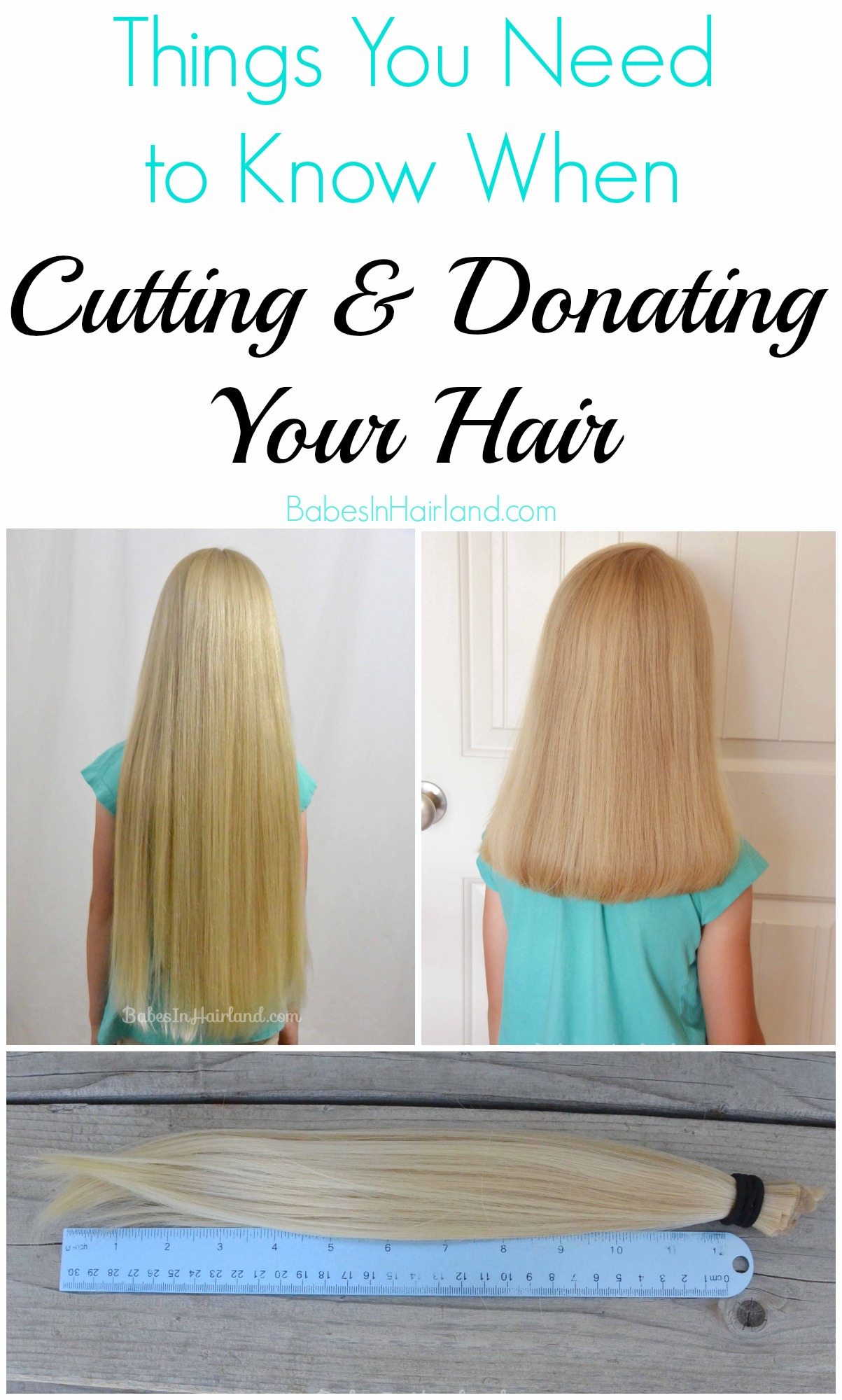
To donate hair, it typically needs to be at least 8 inches long. Some organizations may require longer lengths, such as 10 or 12 inches, depending on their specific guidelines.
This topic is crucial for individuals considering hair donation, as various organizations have different length requirements. Understanding these criteria ensures that donors can effectively contribute to making wigs for those experiencing hair loss, particularly due to medical conditions.
This guide outlines the specific hair length requirements for different organizations, the donation process, and tips for preparing hair for donation.
What is the minimum hair length required for donation?
The minimum hair length required for donation varies by organization, but most require at least 8 inches of hair. Some organizations may accept shorter lengths, while others may have stricter requirements. It is essential to check the specific guidelines of the organization to which you plan to donate.
Different hair donation organizations have varying criteria for hair length. For instance, Locks of Love accepts hair that is at least 10 inches long, while Wigs for Kids requires a minimum of 12 inches. Other organizations, such as Hair We Share, accept hair as short as 8 inches, although longer donations are often preferred. Additionally, hair must be in a single ponytail or braid to ensure it can be used effectively.
Other factors can influence hair donation eligibility beyond length. Donors should ensure their hair is clean, dry, and free of chemical treatments or dyes. Hair that has been significantly damaged or excessively layered may also be ineligible, as organizations prefer healthy, intact strands. Therefore, it is advisable to review the specific donation guidelines of your chosen organization before cutting your hair.
Expert Tip: When preparing to donate hair, consider waiting until your hair is healthy and long enough to meet the relevant guidelines. This not only maximizes the impact of your donation but also ensures that the recipient receives a high-quality wig or hairpiece.
How do I prepare my hair for donation?
Preparing hair for donation involves several key steps to ensure the hair is suitable for use. Donors should wash, cut, and package their hair properly to meet the requirements of most organizations. This process helps maintain hair quality and makes it easier for recipients to receive a usable product.
- Wash your hair: Begin by washing your hair with a mild shampoo. Avoid using conditioner, as it can make the hair slippery and harder to manage when cutting.
- Dry your hair: After washing, let your hair air dry completely. Do not use heat styling tools, as wet or damp hair can affect the donation process.
- Gather your hair: Once your hair is dry, gather it into a ponytail or braid. This keeps the hair organized and ensures a clean cut.
- Cut the hair: Using sharp hair-cutting scissors, cut the ponytail or braid at least 8 inches from the tip. Some organizations may require longer lengths, so verify specific guidelines beforehand.
- Package the hair: Place the cut hair in a resealable plastic bag or wrap it in tissue paper. Ensure that it remains dry and secure during transit.
- Label your donation: Include your contact information and any required forms from the donation organization. This helps them process your donation efficiently.
Different organizations may have varying requirements regarding hair length and preparation methods. Always check the specific guidelines of the charity you are donating to for the best results. Additionally, remember that colored or chemically treated hair is often accepted, but it is advisable to confirm this with the organization.
Expert Tip: When cutting hair for donation, consider using the “ponytail method,” where you secure the hair in multiple sections to minimize damage and ensure a cleaner cut. This method preserves the hair’s quality for the recipient.
Which organizations accept hair donations?
Several organizations accept hair donations, each with specific requirements regarding hair length and condition. Notable organizations include Locks of Love, Pantene Beautiful Lengths, and Wigs for Kids. Each has different guidelines regarding the minimum hair length and the condition of the hair they accept.
Locks of Love requires a minimum donation of 10 inches of hair, which can be colored or permed but must be free of bleach. They create custom wigs for children suffering from medical hair loss. Pantene Beautiful Lengths also accepts hair donations of 8 inches or longer. They specifically create wigs for women battling cancer. Wigs for Kids has a minimum requirement of 12 inches and accepts hair that is clean and dry, but it can be dyed or treated. They provide wigs to children facing hair loss due to medical conditions.
- Locks of Love: Requires 10 inches; accepts colored or permed hair.
- Pantene Beautiful Lengths: Requires 8 inches; focuses on wigs for women with cancer.
- Wigs for Kids: Requires 12 inches; hair can be dyed or treated, aimed at children.
Each organization has unique guidelines that reflect their mission and the populations they serve. Donors should consider these differences when selecting where to donate their hair.
Expert Tip: Before donating, ensure the hair is clean and dry, and consider contacting the organization for any updates to their donation policies, as requirements may change over time.
How long does the hair donation process take?
The hair donation process typically takes between one to two weeks from the initial cut to the moment the hair is sent to the donation organization. This timeframe can vary depending on several factors, including the length of hair being donated and the processing time of the donation center.
Firstly, the actual haircut can be done in a matter of minutes, but preparation is essential. Donors must ensure their hair meets the specific requirements set by the organization, such as minimum length, condition, and whether it has been chemically treated. After the cut, hair needs to be bundled and secured properly to prevent damage during transit. This step may take additional time, especially for those unfamiliar with the donation guidelines.
Once the hair is cut, the next phase involves mailing it to the chosen organization. The time it takes for the hair to reach its destination depends on postal service efficiency and the distance to the donation center. Some organizations may also require the completion of forms or additional documentation, which can extend the overall process. Donors should check these requirements beforehand to avoid delays.
Factors Affecting Timing
Several factors can influence the duration of the hair donation process. For instance, if a donor chooses to donate through a local organization, the entire process may be expedited compared to those using national services with longer shipping times. Additionally, peak donation periods, such as during awareness campaigns, might lead to longer processing times at the organization due to increased volume. Understanding these nuances can help donors plan accordingly and ensure their hair reaches those in need efficiently.
To streamline the hair donation process, donors should research the specific requirements of their chosen organization beforehand. Preparing all necessary materials and documentation in advance can significantly reduce delays, ensuring that the donated hair serves its purpose as quickly as possible.
Can colored or treated hair be donated?
Yes, colored or chemically treated hair can be donated, but there are specific guidelines that vary by organization. Most hair donation programs accept hair that has been dyed, permed, or chemically straightened, provided it meets certain conditions regarding length and condition.
Different organizations have their own criteria for accepting treated hair. For instance, some may require that the hair be in good condition, free of excessive damage, and not overly processed. Additionally, while many programs accept hair that has been colored, they may have restrictions on certain types of treatments, such as hair that has been excessively bleached. It is advisable to check the specific requirements of the organization to which you plan to donate.
- Check organization guidelines: Each hair donation program has its own rules about treated hair. Review their criteria to ensure your hair qualifies.
- Assess hair condition: Ensure that your hair is healthy and free from split ends or significant damage. Donated hair should be usable for wig-making.
- Avoid excessive processing: While many programs accept colored hair, excessive processing (like heavy bleaching) may disqualify your donation. Limit harsh treatments leading up to donation.
- Keep hair clean and dry: Before cutting your hair for donation, wash and dry it to remove any products that may affect its quality.
Organizations often prefer hair that has been dyed with semi-permanent or permanent colors, as these typically do not alter the hair’s structural integrity significantly. Donors should also be aware that hair must typically be at least 8 to 12 inches long, depending on the program, to ensure it can be effectively used for wigs.
When donating hair, consider reaching out to the organization for any specific questions related to your hair type or treatment history. This ensures that your donation meets their requirements and can be utilized effectively.
Expert Tip: Always consult the latest guidelines from the donation organization, as policies can change. Additionally, consider the impact of your donation; even treated hair can make a significant difference in the lives of those in need of wigs.
What are the common mistakes when donating hair?
Common mistakes when donating hair include inadequate length, improper preparation, and misunderstanding donation guidelines. These errors can prevent the hair from being accepted or reduce its value in creating wigs for those in need.
For example, a person might believe they have met the minimum length requirement of 8 inches, only to realize they measured incorrectly. Hair must be at least the required length when tied in a ponytail or braid, not just the loose strands. Additionally, if the hair is layered, the shorter layers may fall below the threshold, rendering the donation unusable.
Another frequent mistake involves the condition of the hair. Donors often overlook the necessity of clean, dry hair free from chemical treatments like dyes or relaxers. Some organizations accept only hair that has not been chemically treated, while others may have more lenient policies. Donors should research specific guidelines from the organization they intend to support to ensure compliance.
Lastly, failing to secure the hair properly can be detrimental. Hair should be tied in at least two places, ideally with a hair tie or rubber band, to prevent it from unraveling during shipment. Loose or unbound hair can compromise the donation’s quality, making it unsuitable for wig-making.
Expert Tip: Always check the specific requirements of the organization to which you plan to donate. Some may have unique specifications regarding hair color, treatment, or even the method of packaging for the donation.
Is there a cost associated with donating hair?
Donating hair typically does not incur any direct costs for the donor. However, there may be some indirect expenses related to the cutting and shipping of the hair that donors should consider.
The primary factors affecting the cost of hair donation include:
- Haircut Fees: Many salons offer free haircuts for donations, but some may charge a fee. It’s advisable to check with the salon beforehand.
- Shipping Costs: If the hair is being sent to a charity organization, donors may need to cover postage expenses. Costs can vary based on the shipping method and destination.
- Additional Styling: If donors wish to style their hair before cutting or need additional services, this can add to the overall cost.
While many organizations accept hair donations without requiring a fee, it is beneficial to confirm their specific policies. Some charities may have partnerships with local salons that provide complimentary haircuts for donors, reducing potential costs.
Donors should also consider the value of their time when planning a donation. Arranging an appointment, traveling to the salon, and preparing the hair for shipment all involve time and effort.
Expert Tip: Always verify the requirements of the organization to which you are donating. Different charities may have unique guidelines regarding hair length, condition, and packaging, which can help streamline the donation process and avoid unexpected costs.
Understanding Different Hair Donation Organizations
This section provides an overview of major hair donation organizations, outlining their specific requirements and the impactful ways they utilize donated hair. Understanding these details can guide potential donors in making informed decisions.
Major Hair Donation Organizations
- Locks of Love: This organization accepts hair that is at least 10 inches long, and it must be in good condition, free from chemical damage.
- Wigs for Kids: Donations must be a minimum of 12 inches long and can be colored or permed, but they should be clean and dry.
- Children with Hair Loss: This charity requires hair to be at least 8 inches long and can accept dyed hair, provided it is not excessively damaged.
- Hair We Share: A minimum length of 12 inches is needed, and hair can be colored or permed, as long as it is not too damaged.
Hair Condition Requirements
The condition of the hair is as critical as its length. Each organization has its own standards:
- Locks of Love prohibits hair that is excessively damaged or has been treated with chemicals.
- Wigs for Kids accepts colored or permed hair, provided it is clean and untangled.
- Children with Hair Loss allows dyed hair as long as it is not overly damaged.
- Hair We Share accepts hair that can be colored or permed, with the same condition of not being damaged.
Utilization of Donated Hair
Each organization has a unique mission regarding how they use the donated hair:
- Locks of Love: Primarily provides wigs to children suffering from medical hair loss, helping restore their self-esteem.
- Wigs for Kids: Focuses on providing free wigs to children experiencing hair loss due to medical conditions.
- Children with Hair Loss: Creates custom wigs for children and young adults at no cost to the families.
- Hair We Share: Provides wigs and hairpieces to children and adults facing hair loss due to illness.
Impact on Recipients
The impact of hair donation extends beyond physical appearance. Recipients often experience significant emotional and psychological benefits. The provision of wigs can enhance confidence and foster a sense of normalcy during challenging times. Many recipients express gratitude for the self-esteem boost that a new wig provides, allowing them to engage more freely in social interactions.
Common Misconceptions
A prevalent misconception is that all hair donation organizations have the same requirements. In reality, the length and condition specifications can vary significantly. Additionally, some individuals believe that only virgin hair is acceptable, while many organizations now accept colored or chemically treated hair, as long as it meets their specific conditions.
Furthermore, it is often assumed that all donated hair goes directly to wig production. While this is true for many organizations, others may also use donations for educational purposes or to create alternative hair products.
Practical Steps for Donors
To effectively donate hair, follow these steps:
1. Choose an organization that aligns with your values and goals.
2. Measure your hair to ensure it meets the minimum length requirement.
3. Prepare your hair by ensuring it is clean, dry, and free from damage as per the organization’s guidelines.
4. Cut your hair in a way that allows for easy packaging, often in a ponytail or braid.
5. Mail or deliver your donation according to the organization’s instructions.
By understanding the nuances of hair donation, individuals can make a meaningful contribution that significantly impacts others’ lives.
Preparing Your Hair for Donation: Best Practices
This section outlines the essential steps to prepare your hair for donation, ensuring it meets the necessary guidelines for quality and usability. Proper preparation enhances the likelihood that your donation will be accepted and put to good use.
Washing and Conditioning Your Hair
Before donating, it is crucial to wash and condition your hair thoroughly. Use a mild shampoo to remove any buildup of products, oils, or dirt. Follow with a deep conditioner to ensure that your hair is hydrated and manageable. This step improves the overall quality of the hair you donate.
Cutting Techniques
Proper cutting techniques are vital to ensure that the hair remains usable. Follow these guidelines for an effective cut:
- Section Your Hair: Divide your hair into at least four sections using hair ties or clips. This helps in managing the hair and makes cutting easier.
- Use Sharp Scissors: Invest in a pair of sharp hair-cutting scissors. Dull scissors can damage the hair and lead to split ends.
- Cut Straight Across: Ensure that the cut is straight across to maintain the integrity of the hair. Avoid layering unless specified by the donation organization.
Packaging Instructions
After cutting, packaging your hair properly is essential for its protection during shipment. Follow these steps:
- Use a Plastic Bag: Place the cut hair in a clean, dry plastic bag. Avoid using paper bags, as they can absorb moisture.
- Seal Tightly: Seal the bag tightly to prevent the hair from getting tangled or damaged.
- Label Clearly: Write your name and the intended organization on the bag for clarity during processing.
Maintaining Hair Health Before Cutting
To ensure that your hair is in optimal condition before cutting, consider the following tips:
- Avoid Heat Styling: Refrain from using heat styling tools such as blow dryers, curling irons, or straighteners for at least two weeks before your cut.
- Minimize Chemical Treatments: Limit or avoid hair dyes, relaxers, and other chemical treatments before donation.
- Stay Hydrated: Drink plenty of water and maintain a healthy diet to promote overall hair health.
Many people believe that only long hair can be donated. However, some organizations accept hair as short as 8 inches. Always check specific requirements of the donation organization to ensure compliance.
To prepare your hair for donation effectively, follow these steps: wash and condition your hair prior to cutting, utilize proper cutting techniques, package the hair securely, and maintain hair health leading up to the cut. Each of these practices enhances the chance that your donation will make a meaningful impact, especially in response to the question of how long does your hair have to be to donate.
The Emotional and Social Impact of Hair Donation
This section examines the profound emotional and social implications of hair donation, highlighting its significance for both donors and recipients. Understanding these impacts enhances appreciation for this generous act.
Personal Stories and Testimonials from Donors
Many donors report a transformative experience when they cut their hair for donation. Individuals often share feelings of empowerment and fulfillment, as they contribute to a cause greater than themselves. For instance, a donor might describe the moment they let go of their hair as liberating, symbolizing a shift towards selflessness. Testimonials frequently reveal that the act of donating hair fosters a sense of purpose, as donors connect their personal sacrifices to the tangible benefits experienced by those in need.
The Psychological Impact on Recipients
The psychological effects of receiving donated hair can be profound for recipients, particularly those undergoing medical treatments such as chemotherapy. Studies indicate that wearing a wig made from real hair can significantly improve self-image and emotional well-being. Recipients often report feeling more confident and less isolated, as a wig can restore a sense of normalcy during challenging times. The emotional boost from receiving a hair donation can facilitate recovery and enhance resilience in the face of adversity.
Community Initiatives and Awareness Campaigns
Numerous organizations promote hair donation through community initiatives and awareness campaigns. These efforts educate the public about the need for hair donations and the impact they can have on individuals battling hair loss. Campaigns often feature local events, partnerships with salons, and social media outreach to inspire participation. By fostering community engagement, these initiatives create a collective sense of purpose, encouraging more individuals to consider donating their hair.
Connection and Support Through Hair Donation
Hair donation cultivates a deep sense of connection between donors, recipients, and the wider community. This act of kindness transcends individual experiences, creating a supportive network that embraces shared struggles and triumphs. Many donors report feeling a bond with recipients, often leading to ongoing involvement in related charitable activities. This connection reinforces the idea that hair donation is not merely a transactional act but rather a meaningful exchange of compassion and support.
Nuance and Common Misconceptions
One common misconception is that hair donation requires long hair, typically over 8 inches. While many organizations have such requirements, some accept shorter lengths or even accept hair that has been dyed or treated. Additionally, there is a belief that hair donations are only for women. In reality, men and children can also donate their hair, and organizations encourage contributions from all hair types and lengths. Understanding these nuances can broaden participation and inclusivity in hair donation efforts.
Practical Application
To engage in hair donation, individuals should first research various organizations to find one that aligns with their values. Consider the following steps:
- Determine the minimum hair length required by the organization.
- Prepare for the haircut by consulting with a professional stylist familiar with donation guidelines.
- Ensure the hair is clean, dry, and securely packaged for mailing.
- Share your story on social media to inspire others to participate in hair donation.
By taking these steps, individuals can contribute meaningfully to the lives of those affected by hair loss, fostering a culture of kindness and support within their communities.
Common Myths and Misconceptions About Hair Donation
This section addresses prevalent myths surrounding hair donation, clarifying the requirements and processes involved. By dispelling these misconceptions, individuals can make informed decisions about participating in this altruistic act.
Misconceptions About Hair Types and Conditions
Many people believe that only specific hair types or conditions are suitable for donation. In reality, most organizations accept a wide variety of hair types, including straight, wavy, and curly textures. While some organizations do have specific guidelines, common misconceptions include:
- Hair must be chemically untreated: Many organizations accept hair that has been colored or permed, as long as it meets the overall length requirements.
- Hair must be a certain thickness: Thickness is not a universal requirement; some organizations focus more on length and overall health.
- Short hair cannot be donated: Some organizations accept hair as short as 8 inches, debunking the myth that only long hair is valuable.
Clarifying the Process and Requirements
The process of hair donation is often misunderstood. While most organizations specify a minimum length of 8 to 12 inches, the actual requirements vary. It is crucial to follow the specific guidelines of the organization you choose to support. Common requirements include:
- Hair must be clean and dry.
- Hair should be tied in a ponytail or braid before cutting.
- Hair must be free from excessive damage, such as split ends.
Hair Donation vs. Wig Making
Another common misconception is equating hair donation directly with wig making. While donated hair is a component of wig production, the process involves several additional steps. Hair is often blended with synthetic fibers and styled to create a final product. Understanding this distinction emphasizes that hair donation is part of a larger effort to provide wigs for those in need, rather than a direct one-to-one exchange.
The Importance of Hair Donations Beyond Aesthetics
Hair donation serves a purpose that transcends physical appearance. It provides essential support to individuals undergoing medical treatments, such as chemotherapy or alopecia, who may experience hair loss. The emotional impact of receiving a wig can significantly enhance a recipient’s self-esteem and overall quality of life. By donating hair, individuals contribute to a greater cause that fosters hope and resilience.
Nuanced Understanding of Hair Donation
Many articles overlook the complexities involved in hair donation. For instance, organizations differ in their acceptance of hair that has been previously dyed or treated. Furthermore, some organizations may have specific guidelines regarding how hair is packaged for donation, which can vary regionally or by organization. Recognizing these nuances can enhance the effectiveness of donations and ensure compliance with specific requirements.
To engage with this information effectively, individuals considering hair donation should:
- Research local organizations to understand their specific requirements.
- Prepare hair for donation by ensuring it meets guidelines regarding length and condition.
- Consider the emotional impact of donations by sharing personal stories or encouraging others to participate.
Frequently Asked Questions
What is the minimum hair length required for donation?
The minimum hair length required for donation typically ranges from 8 to 12 inches, depending on the organization. Always check specific guidelines from the charity you wish to support.
How do I prepare my hair for donation?
To prepare hair for donation, wash and dry it thoroughly without using any styling products. It should be tied in a ponytail or braid before cutting to ensure it stays together.
Which organizations accept hair donations?
Several organizations accept hair donations, including Locks of Love, Wigs for Kids, and Pantene Beautiful Lengths. Each has its own guidelines, so review them before donating.
How long does the hair donation process take?
The hair donation process can take a few weeks, from cutting the hair to sending it to the organization. Processing and creating wigs may take additional time, depending on demand.
Can colored or treated hair be donated?
Most organizations accept colored or treated hair, but some may have restrictions. It’s essential to verify the specific requirements of the charity you are donating to.
What are the common mistakes when donating hair?
Common mistakes include not meeting the minimum length requirement and failing to follow proper preparation guidelines. Additionally, sending hair that is not clean or dry can lead to rejection.
Is there a cost associated with donating hair?
Donating hair is generally free, but some organizations may require you to cover shipping costs. Always check with the organization for any potential fees involved.
Final Thoughts on how long does your hair have to be to donate
Donating hair is a powerful act of generosity, with minimum length requirements typically ranging from 8 to 12 inches, depending on the organization. Preparing your hair properly and understanding the emotional impact of such donations can enhance the experience and make a significant difference in the lives of those in need.
To take action, assess your hair length and condition today, and if it meets the minimum requirements, schedule a haircut with a stylist experienced in hair donation, ensuring you follow the best preparation practices for a successful contribution.
Embracing the opportunity to donate hair not only transforms lives but also fosters a sense of community and compassion in a world that greatly benefits from acts of kindness.
Leave a Reply