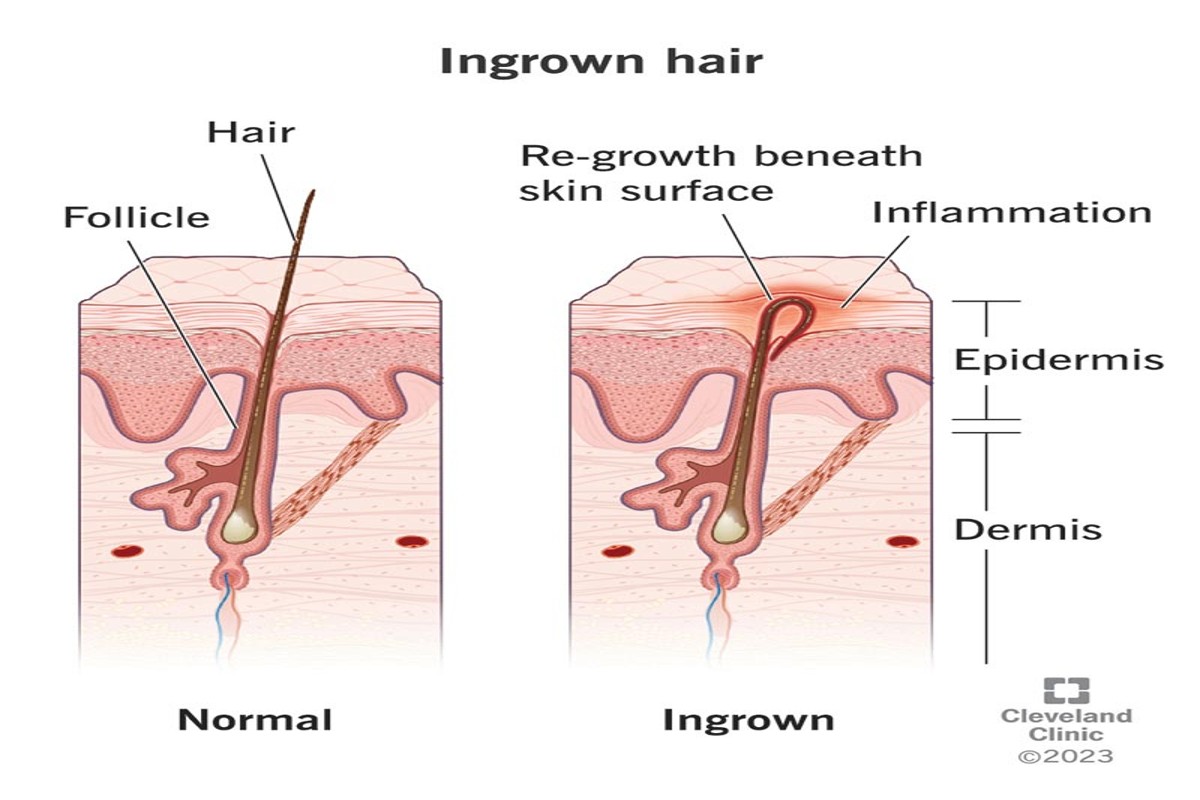
To stop ingrown hairs, exfoliate regularly, moisturize your skin, and use proper shaving techniques. Additionally, consider using products designed to prevent ingrown hairs.
Ingrown hairs can lead to discomfort, inflammation, and even infections if not addressed properly. Understanding how to stop ingrown hairs is crucial for individuals who regularly shave or wax, as failing to manage this condition can result in unsightly and painful skin issues.
This article outlines effective solutions and tips, including exfoliation techniques, moisturizing routines, proper shaving methods, and product recommendations specifically aimed at preventing ingrown hairs.
What are ingrown hairs and why do they occur?
Ingrown hairs are hairs that have curled back or grown sideways into the skin, causing inflammation and irritation. They typically occur after hair removal procedures such as shaving, waxing, or tweezing, where hair follicles become blocked by dead skin cells or other debris. This can lead to painful red bumps, ingrown hair cysts, and in some cases, infections.
Several factors contribute to the development of ingrown hairs. The most common include:
- Curly or coarse hair: Individuals with naturally curly or coarse hair are more prone to ingrown hairs, as the hair can easily bend back into the skin.
- Improper hair removal techniques: Techniques that do not remove hair properly or lead to hair being cut at an angle can increase the likelihood of ingrown hairs.
- Skin type: People with thick or coarse skin may experience a higher incidence of ingrown hairs due to increased follicle blockage.
Additionally, specific skin conditions can exacerbate the problem. For instance, conditions like hyperpigmentation or folliculitis can create an environment where ingrown hairs are more likely to occur. Maintaining proper exfoliation and hydration can help prevent these conditions, reducing the risk of ingrown hairs.
For those prone to ingrown hairs, it’s essential to adopt effective hair removal practices, such as using sharp razors, shaving in the direction of hair growth, and regularly exfoliating the skin to remove dead skin cells. These steps can significantly minimize the occurrence of ingrown hairs and associated discomfort.
Expert Tip: Incorporating products with salicylic acid or glycolic acid into your skincare routine can help keep hair follicles clear and reduce the risk of ingrown hairs. Regular use can enhance skin cell turnover, preventing blockage.
How can I prevent ingrown hairs when shaving?
Preventing ingrown hairs while shaving involves careful preparation and technique. By following specific steps, you can significantly reduce the likelihood of hair becoming trapped beneath the skin. Here are some effective strategies to consider.
- Prepare your skin: Start by exfoliating the area to remove dead skin cells. This can be done with a gentle scrub or a loofah, helping to free any trapped hairs.
- Use warm water: Always shave after a warm shower or apply a warm, damp cloth to the skin. Warm water softens the hair and opens pores, making shaving easier and more effective.
- Choose the right shaving cream: Use a high-quality shaving cream or gel that hydrates and protects the skin. This reduces friction and helps the razor glide smoothly over the skin.
- Opt for the right razor: Select a sharp razor blade and preferably use a single-blade razor. Multi-blade razors can create more irritation and increase the risk of ingrown hairs.
- Shave in the direction of hair growth: Always shave with the grain, not against it. This technique minimizes the chances of hair curling back into the skin.
- Don’t rush: Take your time while shaving. Rushing can lead to missed hairs and increased irritation, both of which contribute to ingrown hairs.
- Moisturize after shaving: Apply a soothing, alcohol-free moisturizer post-shave. This helps to keep the skin hydrated and can prevent irritation, which may lead to ingrown hairs.
Incorporating these techniques into your shaving routine can greatly reduce the occurrence of ingrown hairs. Regularly exfoliating and maintaining skin hydration are essential for long-term prevention.
Expert Tip: Consider using a shaving oil before applying cream or gel, as it can provide an additional layer of protection and lubrication, further reducing the risk of hair becoming trapped.
Are there any home remedies for ingrown hairs?
Yes, there are several effective home remedies for ingrown hairs that can help alleviate discomfort and prevent future occurrences. Common methods include exfoliation, applying warm compresses, and using natural anti-inflammatory agents like aloe vera or tea tree oil. These remedies can significantly improve skin health and reduce the likelihood of ingrown hairs.
Exfoliation is a key step in preventing ingrown hairs. Regularly using a gentle scrub can help remove dead skin cells that may trap hair beneath the surface. For example, consider incorporating a sugar or salt scrub into your shower routine twice a week. This action not only smooths the skin but also promotes healthy hair growth by allowing hairs to emerge freely. Be careful not to over-exfoliate, as this can irritate the skin and worsen the issue.
Applying a warm compress is another effective remedy. When faced with an ingrown hair, soaking a clean cloth in warm water and placing it on the affected area for several minutes can soften the skin and reduce inflammation. This method may help the ingrown hair to surface more easily. Additionally, natural ingredients like aloe vera can soothe irritation and provide moisture. Applying pure aloe vera gel to the area can help calm redness and promote healing due to its anti-inflammatory properties.
For those seeking a natural antiseptic, tea tree oil is beneficial. Diluting a few drops of tea tree oil with a carrier oil and applying it to the affected area can help reduce bacteria and inflammation. This remedy is particularly effective for those who experience frequent ingrown hairs, as it can help keep the skin clear and healthy.
Expert Tip: Incorporating a daily moisturizing routine with non-comedogenic products can further prevent ingrown hairs by keeping the skin hydrated and reducing the risk of clogged pores.
What is the best treatment for ingrown hairs?
The best treatment for ingrown hairs varies based on severity and individual skin type. Options include over-the-counter creams, home remedies, and professional treatments. Each method has distinct characteristics that cater to different needs.
Over-the-counter treatments, such as salicylic acid or glycolic acid creams, help exfoliate the skin and prevent hair from becoming trapped. These products are generally effective for mild cases and are easily accessible at pharmacies. Home remedies, including warm compresses and tea tree oil, can reduce inflammation and soothe irritation, providing a natural approach to care. These methods may be suitable for those seeking gentle solutions without chemical ingredients.
For more severe or persistent ingrown hairs, professional treatments may be necessary. Dermatologists can perform procedures such as laser hair removal, which targets hair follicles and reduces the likelihood of future ingrowns. Alternatively, they may offer treatments like microdermabrasion to remove dead skin cells, allowing hairs to grow out properly. These professional options tend to be more effective but also come with higher costs and require appointments.
- Over-the-Counter Treatments: Include exfoliating acids; accessible and effective for mild cases.
- Home Remedies: Natural methods like warm compresses; soothing but may take longer to show results.
- Professional Treatments: Procedures like laser hair removal; effective for severe cases but more costly.
For optimal results, individuals should assess their skin type and the severity of their ingrown hairs before selecting a treatment. Combining methods, such as using an over-the-counter product alongside a professional treatment, can enhance effectiveness.
Expert Tip: Regular exfoliation, even after ingrown hairs are resolved, can significantly reduce their occurrence and promote healthier skin.
How long do ingrown hairs last?
Ingrown hairs typically last from a few days to several weeks, depending on various factors. Most ingrown hairs resolve within 1 to 3 weeks, but persistent cases can take longer, especially if irritation or infection occurs.
The duration of an ingrown hair can be influenced by several factors. Skin type plays a significant role; individuals with coarse or curly hair are more prone to ingrown hairs, which can extend healing time. Additionally, the location of the ingrown hair can impact its recovery. Areas that experience frequent friction, such as the bikini line or underarms, may take longer to heal due to ongoing irritation.
Other factors include personal hygiene and skincare practices. Proper exfoliation can help prevent ingrown hairs from becoming trapped beneath the skin, while inadequate care can lead to inflammation or infection, prolonging the healing process. If an ingrown hair becomes infected, medical intervention may be necessary, further extending the duration until resolution.
Expert Tip: Regularly using a gentle exfoliating scrub or chemical exfoliants can help prevent ingrown hairs and promote faster healing when they do occur.
Is it safe to remove ingrown hairs at home?
Yes, it is generally safe to remove ingrown hairs at home if proper techniques are followed. However, caution is essential to prevent infections or skin damage. Employing the right methods can minimize risks and promote healing.
When considering home removal, it is vital to approach the process with care. The following best practices can help ensure safe and effective removal of ingrown hairs:
- Sanitize the area: Clean the skin around the ingrown hair with soap and water. Use an alcohol swab on the area to reduce the risk of infection.
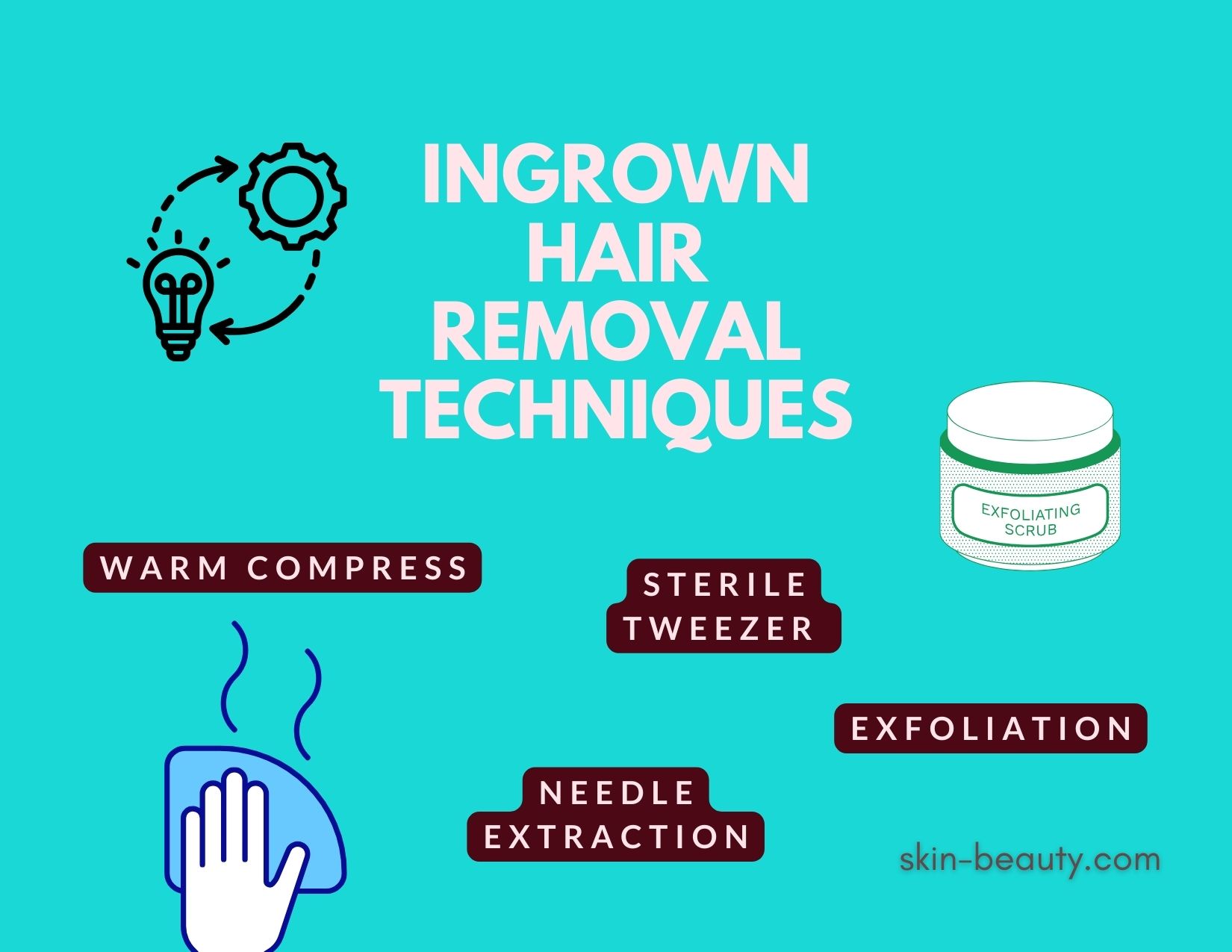
- Use sterile tools: If extracting the hair, use sterilized tweezers or a needle. This helps prevent introducing bacteria into the skin.
- Gently exfoliate: Prior to removal, exfoliate the area with a gentle scrub or chemical exfoliant. This can help free the trapped hair and reduces the likelihood of future ingrown hairs.
- Extract with care: If the hair is visible above the skin, gently grasp it with tweezers and pull it out in the direction of hair growth. Avoid digging into the skin.
- Apply aftercare: After removal, apply an antiseptic or soothing lotion to the area. This reduces irritation and promotes faster healing.
While many can safely manage ingrown hairs at home, complications may arise. If the area becomes increasingly painful, inflamed, or shows signs of infection (such as pus or excessive redness), seeking professional medical advice is recommended. Additionally, individuals with sensitive skin or a history of severe ingrown hairs should consider consulting a dermatologist before attempting home removal.
Expert Tip: Regularly using a gentle exfoliating product can significantly reduce the occurrence of ingrown hairs, especially for individuals prone to them. Incorporating this into a skincare routine can provide long-term benefits.
What are the risks of ignoring ingrown hairs?
Ignoring ingrown hairs can lead to a variety of complications, including infections, scarring, and persistent discomfort. When an ingrown hair occurs, the hair grows back into the skin, which can cause inflammation and irritation. If untreated, these conditions may worsen, leading to more serious health concerns.
Infections are one of the most significant risks associated with untreated ingrown hairs. The area around the ingrown hair can become infected, resulting in painful pustules or abscesses. This not only prolongs discomfort but may also require medical intervention, such as antibiotics. Furthermore, repeated infections can lead to chronic skin issues, which may necessitate more invasive treatments.
- Scarring: Continuous irritation from ingrown hairs can result in permanent skin damage. This scarring might be discolored or raised, impacting the skin’s appearance and texture.
- Folliculitis: Ignoring ingrown hairs can lead to folliculitis, an inflammation of hair follicles that can cause red, itchy, and painful bumps. This condition may require topical or oral medications to resolve.
- Increased Ingrown Hairs: Neglecting one ingrown hair can set a precedent for future occurrences. The skin may become more susceptible to ingrown hairs, creating a cycle of irritation and inflammation.
Properly managing and treating ingrown hairs is essential to prevent these complications. Regular exfoliation and appropriate shaving techniques can significantly reduce the likelihood of ingrown hairs developing in the first place.
Expert Tip: Consider using a gentle exfoliating scrub or chemical exfoliants containing salicylic acid to help prevent ingrown hairs and maintain skin health. This proactive approach can significantly minimize the risk of complications.
Understanding the Causes of Ingrown Hairs
This section explores the various factors that contribute to the formation of ingrown hairs, providing a comprehensive understanding of why they occur. Recognizing these causes is essential for effective prevention and treatment.

The Role of Hair Type and Growth Direction
Ingrown hairs often result from the natural characteristics of an individual’s hair type. Curly or coarse hair is more likely to bend back into the skin after shaving or waxing, leading to irritation and inflammation. The direction of hair growth also plays a critical role; if hair grows at an angle rather than straight out of the follicle, it can become trapped beneath the skin surface.
Skin Conditions That Exacerbate Ingrown Hairs
Certain skin conditions can increase the likelihood of ingrown hairs. For example, individuals with folliculitis experience inflammation of hair follicles, which can obstruct hair growth. Additionally, conditions such as acne or eczema may create uneven skin texture, making it more difficult for hair to emerge properly.
Impact of Shaving Techniques and Tools
The methods used for hair removal significantly influence the occurrence of ingrown hairs. Poor shaving techniques, such as shaving against the grain or using dull razors, can lead to hair being cut too short or at an angle that encourages it to grow back into the skin. Furthermore, the choice of shaving tools matters; electric razors may not provide a close shave, while traditional straight razors can increase the risk of irritation.
Genetic Predispositions to Ingrown Hairs
Genetics play a substantial role in the propensity for ingrown hairs. Individuals with a family history of ingrown hairs may have inherited traits that predispose them to this condition. For instance, variations in skin and hair structure can make some people more susceptible to hair becoming trapped under the skin.
Nuanced Considerations
Many articles on ingrown hairs overlook the significance of hair removal frequency. Regularly removing hair can result in a cycle of irritation, making it crucial to balance hair removal with skin recovery. Additionally, it is a common misconception that ingrown hairs only occur in areas that are shaved. In reality, they can develop in any region where hair is removed, including areas treated with waxing or tweezing. Understanding these subtleties can enhance the approach to prevention and treatment.
Practical Application
- Identify your hair type and consider adjusting your shaving technique accordingly, such as shaving with the grain.
- Invest in high-quality shaving tools, ensuring they are clean and sharp before use.
- Maintain skin health by moisturizing regularly and treating any underlying skin conditions.
- Consider reducing the frequency of hair removal to allow skin to heal.
Advanced Exfoliation Techniques for Preventing Ingrown Hairs
This section delves into advanced exfoliation techniques that effectively prevent ingrown hairs. Proper exfoliation is essential for maintaining smooth skin and minimizing the risk of hair becoming trapped beneath the surface.
Chemical vs. Physical Exfoliation Methods
Exfoliation can be categorized into two main types: chemical and physical. Each method offers distinct benefits depending on skin type and sensitivity.
- Chemical Exfoliation: Utilizes acids, such as alpha hydroxy acids (AHAs) and beta hydroxy acids (BHAs), to dissolve dead skin cells. This method penetrates deeper into the skin, making it effective for oily and acne-prone skin.
- Physical Exfoliation: Involves the use of scrubs or tools (like brushes or sponges) to manually remove dead skin cells. This method suits normal to dry skin types but can aggravate sensitive skin if used too aggressively.
Best Exfoliating Products for Different Skin Types
Selecting the right exfoliating products is crucial for achieving optimal results while avoiding irritation. Here are recommendations based on skin types:
- Oily Skin: Products containing salicylic acid or glycolic acid are ideal. Look for gel-based exfoliants that offer a deep clean without clogging pores.
- Dry Skin: Creamy exfoliants with lactic acid or gentle enzymes can provide hydration while exfoliating. Avoid harsh scrubs that can strip moisture.
- Sensitive Skin: Opt for mild exfoliating products with soothing ingredients like aloe vera or chamomile. Avoid scrubs and choose enzyme-based exfoliators.
- Combination Skin: Use a balanced approach with a dual-action exfoliant that combines both chemical and physical properties to address various skin concerns.
Frequency and Timing of Exfoliation
The frequency of exfoliation should align with individual skin types and conditions. Generally, the following guidelines apply:
- Oily Skin: 2-3 times per week to manage excess oil and prevent clogged pores.
- Dry Skin: 1-2 times per week to avoid over-exfoliation and maintain moisture levels.
- Sensitive Skin: Once a week, ensuring to monitor for any irritation.
- Combination Skin: 1-2 times per week, adjusting based on the more problematic areas.
Timing also matters; exfoliating in the evening allows for skin repair overnight, while morning exfoliation can enhance makeup application and skin brightness.
Incorporating Exfoliation into Your Skincare Routine
Integrating exfoliation into a skincare routine requires careful planning to maximize benefits. Here’s how to do it:
- Cleanse your skin thoroughly to remove makeup and impurities.
- Apply the exfoliant as instructed, avoiding the eye area.
- Rinse thoroughly and follow with a hydrating toner to restore pH balance.
- Moisturize to lock in hydration and protect the skin barrier.
- Apply sunscreen during the day, especially after exfoliating, to prevent sun sensitivity.
Advanced exfoliation techniques are vital in preventing ingrown hairs. Many individuals overlook the significance of proper exfoliation methods, assuming that basic scrubs are sufficient. Chemical exfoliants, particularly those with AHAs and BHAs, offer deeper penetration and more effective results in preventing ingrown hairs than physical methods alone. Additionally, excessive physical exfoliation can lead to micro-tears in the skin, exacerbating the problem. Understanding the right balance and method is essential.
To effectively stop ingrown hairs, choose the appropriate exfoliating products based on your skin type, adhere to a consistent exfoliation schedule, and incorporate exfoliation seamlessly into your skincare routine. This proactive approach will not only prevent ingrown hairs but also enhance overall skin texture and appearance.
When to Seek Professional Help for Ingrown Hairs
Recognizing when ingrown hairs require professional attention is essential for effective treatment and prevention of complications. This section outlines the signs that indicate a need for medical intervention, available treatments, and what to expect during a consultation.
Signs of Infection or Severe Irritation
Ingrown hairs can lead to various complications, including infections. Key indicators that professional help is necessary include:
- Persistent Pain: If pain persists beyond a few days or worsens over time.
- Swelling and Redness: Increased swelling or redness around the affected area can signal infection.
- Discharge: Pus or other discharge from the ingrown hair site indicates a possible bacterial infection.
- Fever: A fever accompanying the irritation suggests a systemic infection that requires immediate attention.
Types of Professional Treatments Available
Dermatologists offer a range of treatments for ingrown hairs, especially when home remedies fail. Common options include:
- Topical Antibiotics: These are prescribed to treat infections and reduce inflammation.
- Incision and Drainage: In cases of severe irritation or cyst formation, a doctor may need to make a small incision to relieve pressure and allow drainage.
- Laser Hair Removal: For recurrent ingrown hairs, this method can significantly reduce hair growth in problematic areas.
- Oral Medications: In some cases, oral antibiotics or anti-inflammatory medications may be necessary.
What to Expect During a Consultation
During a consultation, a dermatologist will assess the affected area and discuss your medical history. Expect the following steps:
- Visual Examination: The doctor will examine the area for signs of infection and irritation.
- Discussion of Symptoms: Be prepared to describe your symptoms, including duration and severity.
- Treatment Recommendations: Based on the assessment, the doctor will recommend an appropriate treatment plan tailored to your needs.
Preventive Care Provided by Dermatologists
Dermatologists can offer valuable preventive care strategies to minimize the occurrence of ingrown hairs. Recommendations may include:
- Proper Hair Removal Techniques: Learning the best methods for shaving or waxing to reduce the risk of ingrown hairs.
- Skin Care Regimens: Implementing exfoliation and moisturizing routines to keep hair follicles clear.
- Custom Products: Suggestions for specialized creams or treatments that can reduce irritation.
Common misconceptions suggest that ingrown hairs always resolve on their own. However, recognizing when to seek help is crucial to avoid complications. If you experience persistent symptoms or signs of infection, consult a dermatologist promptly. Additionally, adhere to preventive measures discussed during your consultation to minimize future occurrences of ingrown hairs. This proactive approach can lead to healthier skin and reduced discomfort.
Real-Life Experiences: Success Stories and Lessons Learned
This section delves into personal anecdotes and testimonials from individuals who have successfully managed ingrown hairs. Their experiences highlight both common pitfalls and effective strategies, providing relatable insights and practical advice for those struggling with this issue.

Common Mistakes in Treatment and Prevention
Many individuals inadvertently exacerbate their ingrown hair problems through ineffective treatment methods. The following mistakes are frequently observed:
- Inadequate exfoliation: Failing to regularly exfoliate can lead to dead skin buildup, trapping hairs beneath the surface.
- Improper shaving techniques: Shaving too closely or against the hair growth direction increases the likelihood of hairs curling back into the skin.
- Ignoring skin hydration: Dry skin can exacerbate irritation, leading to more ingrown hairs.
Successful Strategies for Managing Ingrown Hairs
Individuals who have triumphed over ingrown hairs often share similar successful strategies:
- Regular exfoliation: Using chemical exfoliants with ingredients like salicylic acid or glycolic acid can effectively remove dead skin cells.
- Moisturizing: Keeping the skin hydrated with non-comedogenic moisturizers helps maintain skin elasticity and reduces irritation.
- Using proper shaving tools: Switching to single-blade razors or electric trimmers can minimize skin trauma and reduce ingrown hairs.
Lessons Learned from Trial and Error
Many individuals emphasize the importance of patience and persistence in managing ingrown hairs. Common lessons include:
- Individual responses vary: What works for one person may not work for another, necessitating a personalized approach.
- Seeking professional help: Consulting with dermatologists or estheticians can provide tailored solutions and treatments that may not be available over the counter.
- Maintaining a consistent routine: Establishing a daily regimen for exfoliation and moisturizing is crucial for long-term management.
Community Resources and Support Networks
Support networks can be invaluable for those dealing with ingrown hairs. Online forums and social media groups often provide a platform for sharing experiences, tips, and encouragement. Some notable resources include:
- Reddit communities: Subreddits such as r/SkincareAddiction offer discussions on various skincare issues, including ingrown hairs.
- Facebook support groups: Groups focused on skincare can provide a sense of community and shared experiences.
- Local dermatology clinics: Many clinics organize workshops or information sessions about skin health and ingrown hair prevention.
Understanding the nuances of ingrown hair management can significantly improve outcomes. For instance, many people mistakenly believe that aggressive scrubbing will resolve the issue, when in fact, gentler exfoliation techniques are often more effective. Additionally, misconceptions about the necessity of shaving can lead to unnecessary skin damage; alternatives such as trimming or laser hair removal may provide better results for some individuals.
To effectively apply these insights, individuals should create a personalized skincare routine that includes regular exfoliation, proper hydration, and careful shaving practices. Additionally, engaging with community resources can provide ongoing support and new strategies for managing ingrown hairs. Taking these actionable steps can lead to significant improvements in both skin health and overall confidence.
Frequently Asked Questions
What are ingrown hairs and why do they occur?
Ingrown hairs occur when hair grows back into the skin instead of out of the follicle. This can happen due to improper shaving techniques, curly hair types, or clogged hair follicles.
How can I prevent ingrown hairs when shaving?
To prevent ingrown hairs while shaving, use a sharp razor and shave in the direction of hair growth. Additionally, exfoliating the skin before shaving can help remove dead skin cells and prevent hair from becoming trapped.
Are there any home remedies for ingrown hairs?
Home remedies for ingrown hairs include applying warm compresses to soothe the area and using tea tree oil for its antibacterial properties. Exfoliating scrubs can also help to free trapped hairs and reduce inflammation.
What is the best treatment for ingrown hairs?
The best treatment for ingrown hairs includes using over-the-counter products containing salicylic acid or glycolic acid to exfoliate the skin. In more severe cases, a dermatologist may recommend prescription treatments or procedures.
How long do ingrown hairs last?
Ingrown hairs typically resolve on their own within a few days to a couple of weeks. However, if they become infected or inflamed, they may take longer to heal and require medical attention.
Is it safe to remove ingrown hairs at home?
It is generally safe to remove ingrown hairs at home if done carefully, using sterilized tools to avoid infection. However, if there is significant pain or signs of infection, professional treatment is advisable.
What are the risks of ignoring ingrown hairs?
Ignoring ingrown hairs can lead to complications such as infections, scarring, and permanent skin discoloration. Chronic ingrown hairs may also result in painful bumps and require more intensive treatment.
Final Thoughts on how to stop ingrown hairs
Ingrown hairs are a common yet preventable condition that can lead to discomfort and skin irritation. By understanding their causes and implementing effective exfoliation techniques, individuals can significantly reduce their occurrence. Consistent care and targeted treatments can foster healthier skin and minimize the risk of ingrown hairs.
To take immediate action, incorporate a specialized exfoliating scrub into your shaving routine; this will help to clear dead skin cells and prevent hair from becoming trapped beneath the surface.
Addressing ingrown hairs is essential not only for physical comfort but also for maintaining overall skin health and confidence in personal grooming.
Leave a Reply