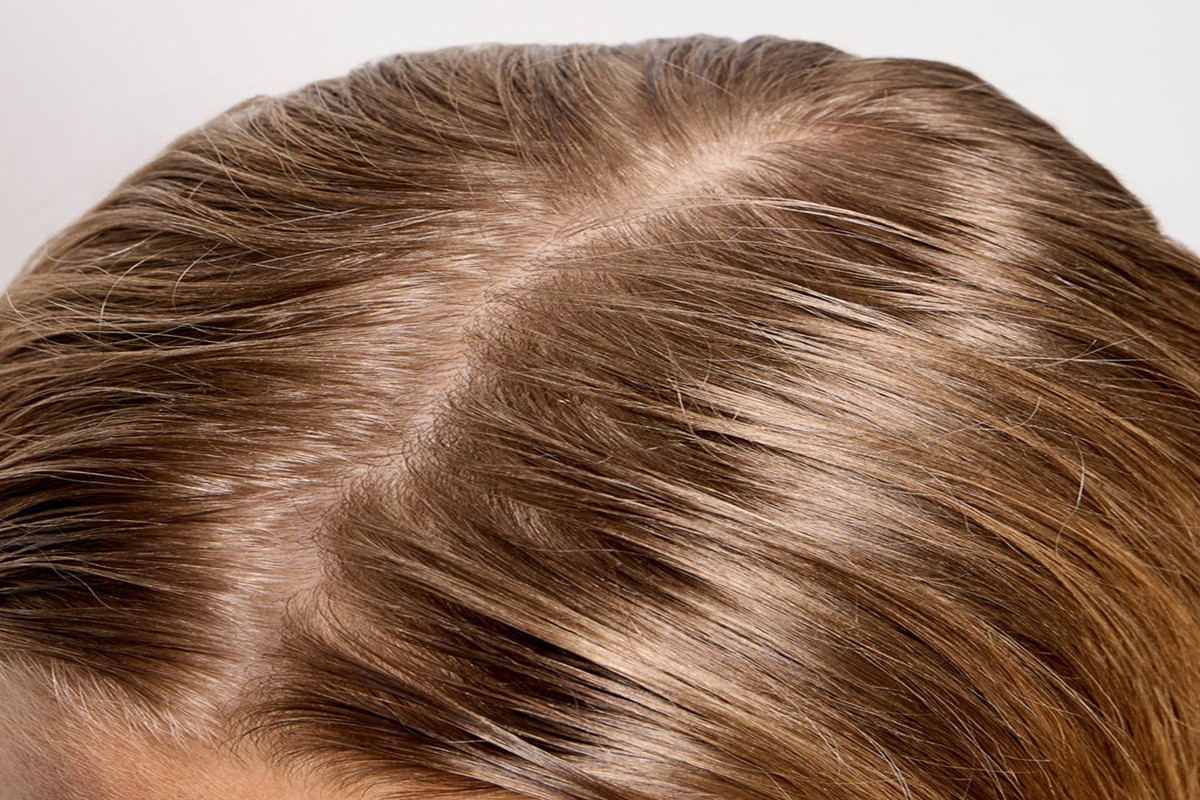
To get rid of greasy hair, wash it regularly with a clarifying shampoo, avoid heavy conditioners, and use dry shampoo in between washes. Additionally, limit the use of oils and styling products.
Understanding how to manage greasy hair is essential for maintaining a healthy appearance and promoting scalp hygiene. Individuals with oily hair types often struggle with excess sebum production, which can lead to discomfort and diminished confidence if not addressed properly.
This article provides effective tips and tricks, including the best washing techniques, recommended products, and lifestyle adjustments to help control oiliness and achieve a fresh, clean look.
What causes greasy hair?
Greasy hair is primarily caused by the overproduction of sebum, a natural oil produced by sebaceous glands in the scalp. When these glands produce excess sebum, it can lead to hair that appears oily or greasy. Various factors, including hormonal changes, genetics, and lifestyle choices, can influence sebum production.
Sebum plays a vital role in maintaining hair health by providing moisture and protection. However, when its production is excessive, it can weigh down hair strands and create an unkempt appearance. Factors that can exacerbate greasy hair include:
- Hormonal fluctuations: Changes during puberty, menstruation, or hormonal imbalances can increase oil production.
- Genetics: A family history of oily hair may predispose individuals to similar conditions.
- Diet: Consuming a diet high in sugars and fats can impact sebum production.
- Hair care products: The use of heavy conditioners or styling products can contribute to buildup and greasiness.
- Environmental factors: Humidity and pollution can increase oiliness in hair.
In addition to these factors, stress can also play a role in sebum production. Stress triggers the adrenal glands, leading to increased oil secretion. Individuals experiencing greasy hair should consider their overall lifestyle and hair care routines to identify potential contributors.
To effectively manage greasy hair, it is essential to choose the right shampoo, preferably one formulated to target oil control. Regular cleansing, while avoiding overly harsh products, can help maintain a balanced scalp environment.
Maintaining a consistent hair care routine that includes clarifying shampoos, which can remove buildup, can be beneficial. Additionally, avoiding the temptation to wash hair too frequently is crucial, as this can lead to a cycle of overproduction of sebum.
How often should I wash my hair to prevent greasiness?
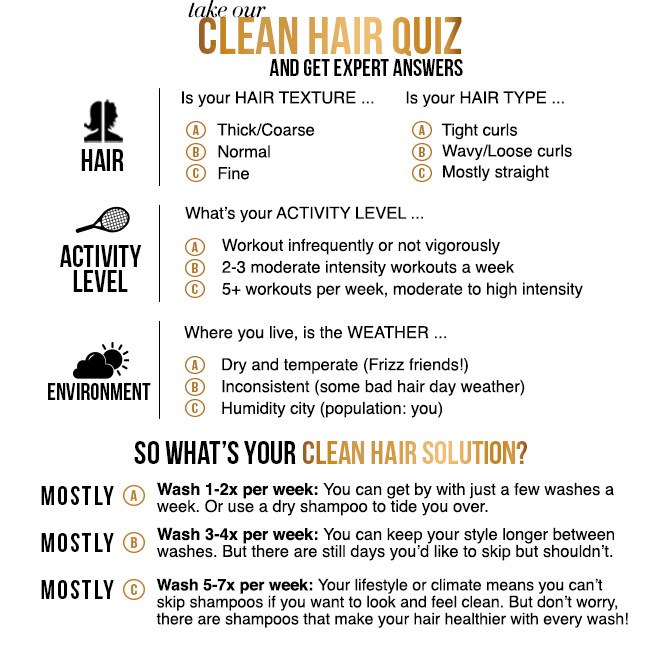
To prevent greasiness, the frequency of hair washing should be tailored to individual hair type and lifestyle. Generally, washing every 2-3 days is effective for most people. However, those with oily hair may need to wash daily, while individuals with dry or curly hair may benefit from washing less frequently.
Different hair types produce varying amounts of sebum, the natural oil that can lead to greasy hair. For example, individuals with fine or straight hair often find their hair becomes greasy more quickly, necessitating more frequent washing. In contrast, those with thicker or coarser hair may find they can go longer between washes without experiencing excessive oiliness.
- Oily Hair: Wash daily or every other day. Use a clarifying shampoo occasionally to remove buildup.
- Normal Hair: Aim for every 2-3 days. Adjust based on environmental factors like humidity or exercise levels.
- Dry or Curly Hair: Limit washing to once a week or every five days. Use a moisturizing shampoo to maintain hydration.
- Active Lifestyle: If exercising regularly, consider rinsing with water daily and using a mild shampoo every few days.
Environmental factors such as humidity, pollution, and even diet can influence oil production in the scalp. Adjust washing frequency according to changes in these conditions to maintain optimal scalp health.
To effectively manage greasiness, consider incorporating dry shampoo on non-wash days. This can absorb excess oil and extend the time between washes without compromising hair health.
Expert Tip: Regularly cleaning hair tools and pillowcases can also help reduce oil transfer to hair, supporting a fresher look and feel.
What are the best shampoos for greasy hair?
The best shampoos for greasy hair are formulated to control excess oil while maintaining scalp health. Key options include clarifying shampoos, volumizing shampoos, and those enriched with specific ingredients like tea tree oil or salicylic acid. Each type targets grease differently, providing various benefits for oily hair types.
Clarifying shampoos, such as Neutrogena Anti-Residue Shampoo, are designed to remove buildup from hair products and oils. They can be used weekly to cleanse the scalp thoroughly but may be too harsh for daily use. In contrast, volumizing shampoos like Paul Mitchell Extra-Body Shampoo add lift and texture while managing oiliness without stripping natural moisture. These are ideal for individuals looking to balance oil production with volume enhancement.
Shampoos with active ingredients, such as tea tree oil or salicylic acid, provide additional benefits. For instance, the OGX Tea Tree Mint Shampoo combines cleansing properties with a refreshing scent, helping to soothe an oily scalp. Salicylic acid, found in products like Neutrogena’s Acne Shampoo, targets oil and can help prevent scalp acne, making it suitable for those with combination issues. Below is a comparison of some effective shampoos:
| Shampoo | Type | Key Ingredients | Best For |
|---|---|---|---|
| Neutrogena Anti-Residue Shampoo | Clarifying | Gentle cleansers | Weekly buildup removal |
| Paul Mitchell Extra-Body Shampoo | Volumizing | Panthenol, wheat proteins | Adding volume |
| OGX Tea Tree Mint Shampoo | Active ingredient | Tea tree oil, mint | Soothing oily scalp |
| Neutrogena Acne Shampoo | Active ingredient | Salicylic acid | Preventing scalp acne |
When choosing a shampoo for greasy hair, consider your specific needs. For example, those with sensitive scalps may prefer gentler formulas, while individuals with significant product buildup may benefit from clarifying options. Testing different products can help determine which one balances oil removal with scalp health.
Expert Tip: Incorporate a scalp scrub into your routine once a month. This can enhance the effectiveness of your shampoo by removing dead skin cells and excess oil, leading to a healthier scalp and less greasy hair.
Can diet affect greasy hair?
Yes, diet can significantly affect greasy hair by influencing oil production in the scalp. Consuming certain foods can either exacerbate or alleviate the greasiness of hair. A balanced diet rich in specific nutrients can promote healthier hair and reduce excess oiliness.
For example, consider an individual who frequently consumes a high amount of sugary snacks and fried foods. This diet can lead to increased sebum production, resulting in greasy hair. The excess sugar may cause insulin spikes, which in turn can stimulate oil glands in the scalp. Conversely, if this person shifts to a diet high in fruits, vegetables, and omega-3 fatty acids—found in fish and flaxseeds—they may notice a reduction in oiliness. These foods help regulate hormone levels and promote overall scalp health.
Another important factor is hydration. Insufficient water intake can lead to dry skin, prompting the scalp to produce more oil to compensate. A well-hydrated body supports balanced oil production. Incorporating foods with high water content, such as cucumbers and oranges, along with adequate water consumption, can contribute to healthier scalp conditions and ultimately less greasy hair.
Expert Tip: Focus on incorporating biotin-rich foods like eggs and nuts, which can strengthen hair and help regulate oil production. Regularly consuming zinc-rich foods, such as legumes and whole grains, can also support scalp health and manage grease levels effectively.
How long does it take to get rid of greasy hair?
It typically takes about one to two weeks to see significant improvements in greasy hair with consistent care and appropriate products. However, the exact timeframe can vary based on individual hair types, scalp conditions, and the methods used to combat greasiness.
Several factors influence how quickly one can address greasy hair. First, the type of shampoo and conditioner used plays a crucial role. Products specifically designed for oily hair can expedite results. Additionally, the frequency of washing hair affects oil buildup; those who wash their hair daily may notice changes more rapidly than those who wash less often. Lifestyle factors, such as diet and stress levels, also contribute to scalp oil production and can impact the effectiveness of treatments.
In some cases, underlying conditions such as hormonal imbalances or scalp disorders may prolong the time it takes to get rid of greasy hair. If these issues are present, seeking advice from a healthcare professional is advisable. Implementing a tailored hair care routine, including regular scalp exfoliation and using dry shampoo on non-wash days, can further enhance results.
Expert Tip: Consider incorporating a clarifying shampoo once a week to remove excess oil and product buildup, but avoid overuse, as it can lead to dryness and irritation.
What home remedies can help with greasy hair?
Home remedies for greasy hair can effectively reduce oiliness using common household ingredients. These remedies often involve natural astringents and absorbents that help balance scalp oil production. Implementing these solutions can lead to cleaner, fresher hair without excessive chemical exposure.
- Apple Cider Vinegar Rinse: Mix one part apple cider vinegar with two parts water and use it as a final rinse after shampooing. This mixture helps to restore the scalp’s pH balance and reduce excess oil.
- Dry Shampoo: Use cornstarch or baby powder as a natural dry shampoo. Apply a small amount to the roots, let it sit for a few minutes, and then brush it out to absorb oil and add volume.
- Lemon Juice Treatment: Combine the juice of one lemon with a cup of water and apply it to your hair. Leave it on for 10-15 minutes before rinsing; the citric acid helps break down oil while adding shine.
- Tea Tree Oil: Add a few drops of tea tree oil to your regular shampoo or mix it with a carrier oil. This oil has natural antibacterial properties that can help reduce scalp oiliness and prevent dandruff.
- Aloe Vera Gel: Apply fresh aloe vera gel directly to the scalp and hair. Allow it to sit for 30 minutes before rinsing; it helps absorb excess oil and nourishes the hair.
These remedies can be adjusted based on individual hair types and preferences. For best results, consistency is key; integrate these methods into your regular hair care routine. Additionally, avoid over-washing, as this can lead to increased oil production.
Expert Tip: Consider using a clarifying shampoo once a month to remove product buildup and excess oils, but avoid overuse, as it can strip necessary moisture from the scalp.
Is dry shampoo effective for greasy hair?
Dry shampoo is an effective temporary solution for managing greasy hair. It absorbs excess oil, providing an immediate freshness and volume boost without the need for washing. However, it does not replace regular cleansing and can lead to product buildup if overused.
Dry shampoo works by utilizing starches or alcohol-based ingredients to soak up oil on the scalp and hair. This quick fix allows individuals to extend the time between washes, making it particularly useful for busy schedules or travel. However, it is essential to understand that while dry shampoo can mask greasiness, it does not address the underlying causes, such as scalp health or hair care routines.
- Dry Shampoo: Primarily designed for quick absorption of oil; provides temporary relief and volume.
- Regular Shampoo: Cleanses hair and scalp; removes dirt, oil, and product buildup; essential for long-term hair health.
- Baby Powder: An alternative to dry shampoo; absorbs oil but may leave a white residue unless blended well.
Choosing between these options depends on individual needs. For instance, while dry shampoo is handy for last-minute fixes, regular shampoo is necessary for maintaining scalp health and preventing issues like dandruff or irritation. Baby powder can be a budget-friendly alternative but requires careful application to avoid a dusty appearance.
For best results, incorporate dry shampoo as a supplementary tool rather than a primary solution. Regularly washing hair with a suitable shampoo is crucial for maintaining overall scalp health and preventing excessive oil production.
Use dry shampoo sparingly. Overuse can lead to clogged pores and scalp irritation, negating its benefits.
What styling tips can help disguise greasy hair?
Styling techniques can effectively minimize the appearance of greasy hair, allowing for a polished look despite oiliness. These methods include strategic hairstyles, the use of specific hair products, and clever accessory choices that divert attention from greasy roots.
- Opt for Updos and Braids: Hairstyles that pull hair away from the face, such as buns or braids, can effectively conceal greasy roots. These styles not only provide a neat appearance but also create volume, making hair look fresher.
- Use Dry Shampoo: Applying dry shampoo at the roots can absorb excess oil and add texture. Choose a product that matches your hair color for a seamless blend, and ensure to apply it at least 15 minutes before styling for optimal results.
- Incorporate Hair Accessories: Headbands, scarves, or clips can draw attention away from the scalp and add a fashionable touch. Opt for bold colors or patterns that complement your outfit, ensuring they stand out.
- Style with Texture: Texturizing sprays or mousses can create volume and disguise greasiness. Applying these products can enhance the look of your hair, making it appear fuller and less oily.
- Avoid Heavy Products: Steer clear of heavy styling products that can weigh hair down and exacerbate greasiness. Instead, use lightweight gels or sprays that provide hold without adding excess oil.
These styling techniques can help manage the appearance of greasy hair, providing a variety of options to suit different preferences and occasions. Experiment with these methods to find the combination that works best for specific hair types and styles.
Expert Tip: For a more polished look, consider using a volumizing powder at the roots before styling. This not only absorbs oil but also enhances volume, creating a healthy, vibrant appearance.
Understanding Sebum Production and Hair Health
This section delves into the biological mechanisms behind greasy hair, focusing on sebum production and its implications for hair health. Understanding these processes is essential for effective management strategies.

Role of Sebaceous Glands in Hair Oiliness
The sebaceous glands, located in the dermis layer of the skin, play a pivotal role in maintaining hair health. These glands produce a natural oil known as sebum, which lubricates hair and skin, preventing dryness. However, excessive sebum production can lead to greasy hair, making it appear unkempt and unhealthy.
Factors That Increase Sebum Production
- Hormonal Changes: Fluctuations in hormones, particularly androgens, significantly influence oil production. This is often observed during puberty, menstruation, pregnancy, and hormonal disorders.
- Diet: Diets high in refined sugars, unhealthy fats, and dairy can exacerbate sebum production. Foods rich in omega-3 fatty acids, on the other hand, may help balance oil levels.
- Environmental Factors: Humidity and heat can stimulate sebaceous glands, increasing oiliness. Additionally, frequent touching of hair can transfer oils from the hands to the hair shaft.
How Hair Type Affects Oil Retention
Hair type significantly impacts how oil is perceived and retained. For instance, straight hair tends to appear greasier than curly hair because the oil can travel more easily down the hair shaft. Conversely, curly hair may retain oil at the scalp, giving a drier appearance at the ends.
Signs of Unhealthy Scalp vs. Natural Oiliness
Distinguishing between healthy oiliness and unhealthy scalp conditions is crucial. Signs of an unhealthy scalp include:
- Excessive flakiness or dandruff
- Persistent itchiness
- Redness or swelling
In contrast, natural oiliness is characterized by a slight sheen that does not lead to discomfort or irritation.
Many incorrectly equate oily hair with poor hygiene. In reality, greasy hair can be a natural outcome of healthy sebum production. Over-washing can paradoxically lead to increased oiliness as the scalp responds by producing more sebum. Understanding this helps in formulating appropriate hair care routines.
To manage sebum production effectively, consider the following actionable steps:
- Limit hair washing to every 2-3 days to avoid overstimulation of sebaceous glands.
- Incorporate a balanced diet rich in whole foods and omega-3 fatty acids.
- Use a clarifying shampoo occasionally to remove excess oil buildup.
- Avoid heavy styling products that can contribute to greasiness.
By implementing these strategies, individuals can successfully manage oiliness while promoting overall hair health. Understanding how to get rid of greasy hair begins with recognizing the biological processes involved in sebum production.
Choosing the Right Hair Care Products
Selecting the appropriate hair care products is essential for effectively managing greasy hair. The right shampoos, conditioners, and treatments can significantly reduce oiliness while maintaining hair health.

Key Ingredients to Look For in Shampoos
When selecting a shampoo for oily hair, focus on specific ingredients that help regulate oil production and cleanse the scalp effectively. Look for:
- Salicylic Acid: Helps exfoliate the scalp, removing excess oil and buildup.
- Tea Tree Oil: Known for its antibacterial properties, it combats scalp issues and reduces oiliness.
- Charcoal: Absorbs impurities and excess oil, giving a deep clean.
- Clay: Ingredients like kaolin or bentonite help absorb oil and detoxify the scalp.
Choosing Conditioners That Won’t Weigh Hair Down
Conditioners can be tricky for those with greasy hair, as heavy formulations can exacerbate oiliness. Opt for lightweight conditioners that provide moisture without adding excess weight. Look for:
- Gel-based Formulas: These provide hydration without the heaviness of cream-based products.
- Silicone-free Options: Silicones can build up and weigh hair down, so opt for products that avoid them.
- Hydrating Ingredients: Look for ingredients like aloe vera or lightweight oils (e.g., jojoba) that nourish without greasiness.
Best Products for Oily Scalp vs. Dry Ends
Individuals with greasy hair often face the challenge of balancing an oily scalp with dry ends. To address this, consider using:
- Scalp Treatments: Products specifically designed for the scalp can help manage oil levels without affecting the hair length.
- Leave-in Conditioners: Apply these to the ends of the hair only, ensuring the scalp remains grease-free.
- Dry Shampoos: These can be used to absorb oil at the roots between washes, providing a temporary solution.
The Role of Clarifying Shampoos in a Hair Care Routine
Clarifying shampoos serve a vital role in removing product buildup and excess oil. These shampoos are formulated to provide a deep clean, typically containing stronger cleansing agents. Use them sparingly, about once a week, to avoid stripping the scalp of essential oils. This practice can enhance the effectiveness of regular shampoos and keep hair looking fresh.
Misconceptions about clarifying shampoos often lead to overuse, which can result in dryness or irritation. These products are not meant for daily use but rather as an occasional treatment to restore balance.
Practical Application
To effectively manage greasy hair, begin by selecting a shampoo with salicylic acid or tea tree oil. Pair it with a lightweight, silicone-free conditioner, applying it only to the ends. Incorporate a clarifying shampoo into your routine once a week, and utilize dry shampoo as needed to absorb excess oil between washes. This systematic approach will help in achieving a cleaner scalp and healthier-looking hair.
Lifestyle Changes to Combat Greasy Hair
Adopting specific lifestyle changes can significantly impact scalp oiliness and overall hair health. By addressing diet, hydration, stress management, and daily habits, individuals can effectively reduce greasiness and promote a cleaner, healthier mane.
Impact of Diet on Scalp Oiliness
The foods consumed directly influence the scalp’s oil production. Diets high in processed foods, sugar, and unhealthy fats can lead to increased sebum production, contributing to greasy hair. Conversely, incorporating a balanced diet rich in omega-3 fatty acids, antioxidants, and vitamins can help regulate oil production. Consider the following dietary adjustments:
- Increase fruits and vegetables: These provide essential vitamins and minerals that promote scalp health.
- Incorporate healthy fats: Foods like fish, nuts, and avocados can balance oil levels.
- Avoid excessive dairy and fried foods: These can exacerbate oiliness in some individuals.
Importance of Hydration for Healthy Hair
Hydration plays a critical role in maintaining healthy hair and scalp. When the body is adequately hydrated, the scalp is less likely to overproduce oil as a response to dryness. Aim for a daily water intake of at least 2 liters. Additionally, hydrating foods like cucumbers, oranges, and watermelons can help maintain moisture levels.
How Stress and Sleep Affect Hair Health
Chronic stress and lack of sleep can lead to hormonal imbalances, which may trigger increased oil production in the scalp. Stress management techniques such as yoga, meditation, or regular physical activity can mitigate these effects. Aim for a consistent sleep schedule, targeting 7-9 hours of quality sleep each night to promote overall wellness, including hair health.
Daily Habits to Adopt for Cleaner Hair
Implementing specific daily habits can further reduce greasiness. Consider adopting the following practices:
- Wash hair regularly: Use a gentle shampoo suited for oily hair, ideally 2-3 times per week.
- Avoid touching hair frequently: This can transfer oils from the hands to the hair.
- Use dry shampoo: This can absorb excess oil between washes.
- Choose the right hair products: Opt for lightweight, non-greasy styling products.
Many articles on greasiness overlook the cumulative effect of lifestyle factors. For instance, while shampooing frequency is often emphasized, the underlying causes such as diet and stress are equally critical. Individuals with hormonal conditions such as polycystic ovary syndrome (PCOS) may experience increased oiliness, necessitating tailored dietary and lifestyle adjustments beyond standard recommendations.
To effectively combat greasy hair, implement these actionable strategies:
1. Adjust your diet to include more whole foods and healthy fats.
2. Ensure proper hydration by drinking sufficient water daily.
3. Integrate stress-relief techniques and prioritize sleep.
4. Establish a regular hair washing routine and minimize product buildup.
By making these changes, individuals can significantly reduce greasiness and enhance the overall condition of their hair.
Common Mistakes to Avoid When Managing Greasy Hair
This section identifies frequent errors that can worsen greasy hair and provides actionable insights to correct them. Recognizing these missteps is essential for effective hair management.

Over-Washing vs. Under-Washing Hair
Finding the right balance in washing frequency is vital. Over-washing can strip the scalp of natural oils, leading to increased oil production as a compensatory response. On the other hand, under-washing allows oil and dirt to accumulate, exacerbating greasiness. Most people should wash their hair every 2-3 days, but individual needs may vary based on hair type and lifestyle.
Using Heavy Products that Contribute to Greasiness
Many hair care products contain heavy oils, silicones, and waxes that can weigh down hair and lead to a greasy appearance. Products labeled as “moisturizing” or “nourishing” may not be suitable for those with oily hair. Instead, opt for lightweight formulas and look for clarifying shampoos that can help remove buildup without overly drying the hair.
Neglecting Scalp Care in Hair Routines
The health of the scalp directly influences hair oiliness. Neglecting scalp care can lead to clogged hair follicles, which may increase oiliness and irritation. Regular exfoliation of the scalp using gentle scrubs or specialized scalp treatments can promote a healthier environment, reducing excess oil production. Incorporating scalp massages can also improve circulation and balance oil levels.
Ignoring Environmental Factors that Affect Hair Health
Environmental influences such as humidity, pollution, and hard water can significantly impact hair health. High humidity can increase oil production, while pollutants can contribute to buildup on the scalp. Hard water, rich in minerals, can also leave residues that make hair appear greasier. Using water filters or chelating shampoos can help mitigate these effects.
Common Misconceptions About Greasy Hair
One prevalent misconception is that oily hair requires the use of stronger, harsher shampoos. While these products may provide temporary relief, they can trigger a cycle of increased oil production. Additionally, many believe that frequent hair washing is the only solution to grease; however, finding a personalized washing routine is more effective. It is crucial to recognize that everyone’s scalp has unique needs, and care should be tailored accordingly.
Practical Application
- Establish a washing routine based on your hair type, aiming for every 2-3 days.
- Select lightweight hair products, avoiding those with heavy oils or silicones.
- Incorporate scalp exfoliation into your regimen at least once a week.
- Monitor environmental factors, and consider using chelating shampoos if you live in an area with hard water.
By avoiding these common mistakes and implementing these strategies, individuals can effectively manage greasy hair and enhance overall hair health.
Frequently Asked Questions
What causes greasy hair?
Greasy hair is primarily caused by overactive sebaceous glands that produce excess oil. Factors such as hormonal changes, genetics, and improper hair care can exacerbate the issue.
How often should I wash my hair to prevent greasiness?
Washing hair every 2-3 days is generally recommended to prevent excessive greasiness. However, individual hair types may require more or less frequent washing based on oil production.
What are the best shampoos for greasy hair?
Shampoos formulated with clarifying ingredients like tea tree oil, salicylic acid, or charcoal are effective for greasy hair. Look for products labeled as “oil control” or “clarifying” for optimal results.
Can diet affect greasy hair?
Yes, diet can influence oil production in the scalp. Consuming a balanced diet rich in vitamins and minerals, while avoiding excessive fats and sugars, may help reduce greasiness.
How long does it take to get rid of greasy hair?
It typically takes a few washes to notice improvement in greasy hair, but results may vary based on individual hair type and care routine. Consistency in using the right products is key to achieving lasting results.
What home remedies can help with greasy hair?
Home remedies such as applying apple cider vinegar, lemon juice, or baking soda can help absorb excess oil. These natural ingredients can balance scalp oiliness and promote a cleaner appearance.
Is dry shampoo effective for greasy hair?
Dry shampoo is an effective temporary solution for greasy hair, as it absorbs excess oil and adds volume. However, it should not replace regular washing, as it does not cleanse the scalp.
What styling tips can help disguise greasy hair?
Using hair accessories like headbands or braids can help conceal greasy roots. Additionally, opting for hairstyles that incorporate texture, like messy buns or ponytails, can distract from oiliness.
Final Thoughts on how to get rid of greasy hair
Addressing greasy hair effectively requires a comprehensive understanding of sebum production, the right hair care products, and lifestyle choices that promote scalp health. By adopting tailored washing routines and selecting appropriate shampoos, individuals can significantly reduce oiliness and enhance hair vitality.
To take immediate action, evaluate your current hair care regimen and consider integrating a clarifying shampoo into your routine once a week to remove excess oil and product buildup, which can exacerbate greasiness.
Mastering the balance of sebum production is essential not just for aesthetic appeal but also for maintaining overall scalp health, making it a crucial aspect of personal grooming and hygiene.
Leave a Reply