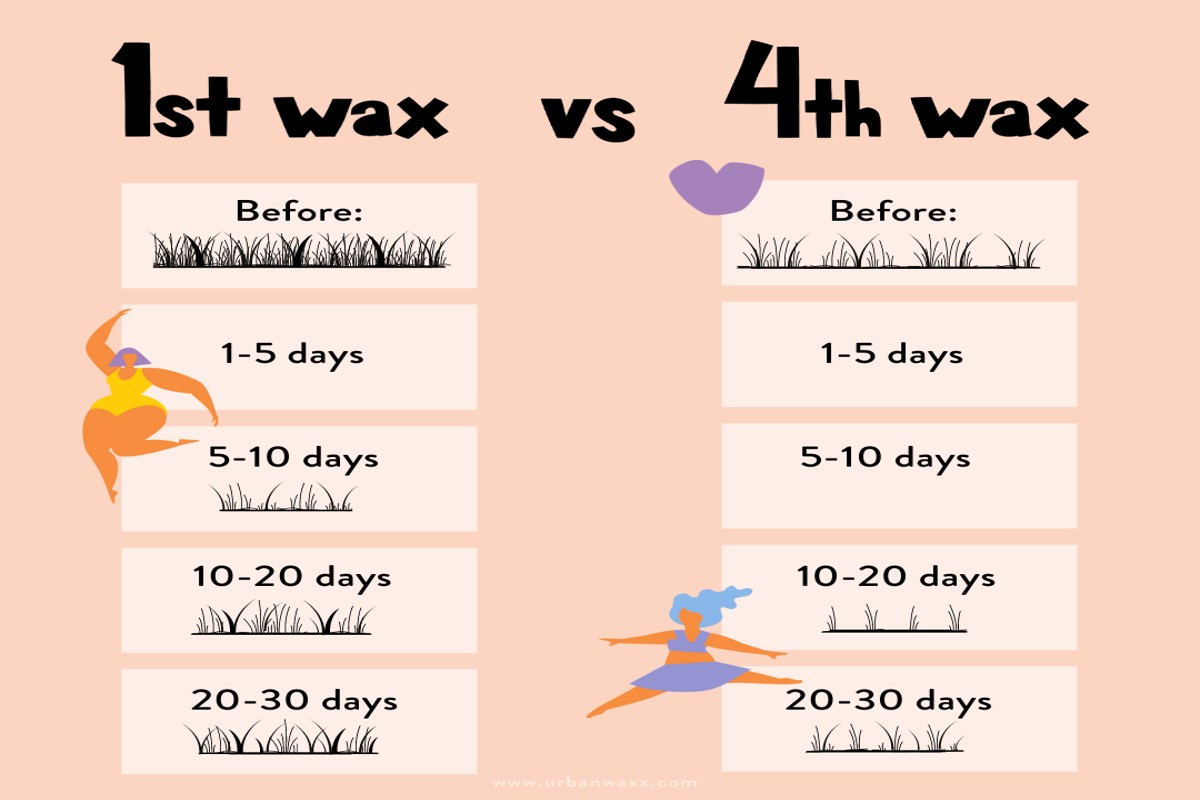
Hair needs to be at least 1/4 inch long to effectively wax. This length allows the wax to grip the hair properly for optimal removal, ensuring a smoother result and minimizing discomfort during the process.
Understanding how long hair must be to wax is crucial for anyone considering this hair removal method. Insufficient hair length can lead to ineffective waxing, resulting in missed hairs, increased pain, and potential skin irritation.
This guide details the optimal hair length for waxing, the impact of hair texture on the process, and tips for preparing your hair and skin for a successful waxing session.
How long should hair be for waxing to be effective?
For effective waxing, hair should be at least 1/4 inch (6 mm) long. This length allows the wax to grip the hair properly, ensuring that it can be pulled out from the root effectively. Hair that is too short may result in ineffective waxing and increased discomfort.
When preparing for waxing, it is crucial to consider the type of hair and the area being waxed. Different body parts may require varying lengths. For instance, facial hair may need to be slightly longer, around 1/8 inch (3 mm), to ensure successful removal without irritation.
- Assess hair length: Measure the hair to ensure it meets the minimum length requirement. Hair shorter than 1/4 inch may not adhere well to the wax.
- Consider hair type: Coarser hair typically requires a minimum length of 1/4 inch, while fine hair might be effectively waxed at 1/8 inch.
- Factor in growth cycles: Hair grows in cycles, so timing your waxing session can influence effectiveness. Waiting until hair reaches the appropriate length is essential for optimal results.
For those new to waxing, it is advisable to allow hair to grow out fully between sessions to avoid patchy results. Waxing over hair that is too short can lead to breakage rather than complete removal, resulting in a less smooth finish.
Expert Tip: Regular exfoliation before waxing can help minimize ingrown hairs and improve the overall waxing experience. This practice prepares the skin and promotes healthier hair growth, ensuring the hairs reach the optimal length for future sessions.
Can I wax hair that is shorter than 1/4 inch?
No, waxing hair that is shorter than 1/4 inch is generally not effective. For optimal results, hair should be at least 1/4 inch long, as this length allows the wax to grip the hair firmly for removal. Shorter hair may break instead of being pulled from the root, leading to incomplete hair removal and increased irritation.
When comparing waxing hair shorter than 1/4 inch with hair that meets the recommended length, several key differences emerge:
- Wax Adhesion: Longer hair allows the wax to adhere effectively, ensuring complete removal. Short hair may not provide enough surface area for the wax to grip.
- Skin Irritation: Attempting to wax shorter hair can lead to increased irritation. The hair may break, causing discomfort and potential ingrown hairs.
- Results Longevity: Waxing longer hair typically results in smoother skin for a more extended period. Shorter hair may result in uneven patches and quicker regrowth.
Additionally, individual hair types and growth patterns can influence the effectiveness of waxing. For instance, fine hair may struggle to adhere to wax even at the recommended length, while coarser hair tends to respond better. If hair is too short, alternative hair removal methods such as shaving or using depilatory creams may be more suitable.
Expert Tip: For best results, allow hair to grow to at least 1/4 inch before waxing. Regular maintenance can also help ensure hair stays within the optimal length for effective waxing.
What happens if hair is too long for waxing?
If hair is too long for waxing, it can lead to increased pain during the process, as well as a higher risk of skin irritation. Ideally, hair should be between ¼ inch and ½ inch in length for optimal results. Longer hair can cause the wax to adhere more intensely to the strands, making removal more uncomfortable and potentially damaging to the skin.
When hair exceeds the recommended length, several issues may arise:
- Increased Pain: Longer hair can lead to a more painful waxing experience since the hair follicles are anchored more deeply.
- Skin Irritation: Excessive pulling on the skin can cause redness, bumps, or even bruising, especially for those with sensitive skin.
- Uneven Results: Longer hair may not be effectively removed in a single strip, leading to uneven patches that may require additional waxing or other hair removal methods.
Moreover, if hair is excessively long, it may break instead of being pulled from the root. This can lead to ingrown hairs, which are not only uncomfortable but can also result in infections or scarring. Proper hair preparation before waxing, such as trimming, can help mitigate these issues and ensure a smoother experience.
Expert Tip: Always assess the hair length before waxing; if it exceeds ½ inch, consider trimming it to minimize discomfort and improve the effectiveness of the waxing process. Additionally, applying a soothing lotion post-wax can help reduce irritation and promote healing.
How often should I wax for best results?
For optimal results, waxing should be performed every 4 to 6 weeks. This timeframe allows hair to grow to the ideal length for effective removal while minimizing discomfort and maintaining smoother skin.
The frequency of waxing can depend on several factors, including hair growth cycles, individual hair characteristics, and the area being waxed. Hair typically grows in cycles, and waxing should coincide with the anagen phase, where hair is most effectively removed from the follicle. For some individuals, hair may grow faster, requiring sessions every 3 weeks, while others may find that waiting 6 weeks yields better results.
- Assess your hair growth: Monitor how quickly your hair returns after waxing. If you notice significant regrowth within three weeks, consider scheduling your next appointment sooner.
- Consider hair type: Coarse hair often requires more regular waxing sessions compared to finer hair. Adjust your schedule based on your hair’s texture and growth rate.
- Focus on the area: Different body parts have varying hair growth rates. For example, facial hair may require more frequent waxing than legs or arms. Tailor your schedule accordingly.
- Be mindful of skin sensitivity: If your skin is particularly sensitive or reactive post-wax, extending the time between sessions may help your skin recover fully.
Adhering to a consistent waxing schedule not only helps in achieving smoother skin but also reduces discomfort over time as hair becomes finer with repeated removal. Individual results may vary, so tracking your personal response to waxing will yield the best long-term strategy.
Expert Tip: To maximize the benefits of waxing, exfoliate the skin a few days prior to your appointment. This practice helps remove dead skin cells and can lead to a more effective wax, minimizing the chance of ingrown hairs.
What is the cost of professional waxing services?
The cost of professional waxing services typically ranges from **$15 to $100**, depending on the treatment area and location. Small areas, such as the upper lip or eyebrows, are generally on the lower end of the scale, while larger areas, like legs or back, can be significantly more expensive.
Several factors can influence the price of waxing services. These include:
- Location: Prices vary widely based on geographic area. Urban centers often have higher costs due to rent and demand.
- Treatment area: Different body parts have different pricing structures. For example, bikini waxes tend to be more expensive than arm waxes.
- Salon reputation: Established salons or those with highly skilled technicians may charge a premium for their services.
- Type of wax used: Some salons offer specialized waxes, such as hard wax or organic options, which can affect the overall price.
Additionally, many salons provide package deals or membership discounts, which can reduce overall costs for regular clients. It’s advisable to inquire about any ongoing promotions or loyalty programs that may be available.
When considering waxing services, opting for a reputable salon can ensure a better experience and minimize the risk of skin irritation or allergic reactions. Investing in quality services often pays off in terms of comfort and results.
How can I prepare my hair for waxing?
Preparing your hair and skin before waxing is essential for effective results and minimizing discomfort. The hair should ideally be at least ¼ inch long to ensure the wax adheres properly. Following specific steps can enhance the waxing experience and improve outcomes.
- Exfoliate the skin: Gently exfoliate the area to be waxed 24 to 48 hours before the appointment. This removes dead skin cells and helps prevent ingrown hairs.
- Clean the area: On the day of waxing, clean the skin thoroughly with a mild soap or cleanser. This removes oils, lotions, or any residue that could interfere with the waxing process.
- Moisturize properly: Apply a light moisturizer a few hours before waxing, but avoid heavy creams. Well-hydrated skin allows for smoother waxing, while overly oily skin can hinder wax adhesion.
- Trim hair if necessary: If the hair is longer than ½ inch, consider trimming it to about ¼ inch. This length is optimal for effective waxing without excessive discomfort.
- Avoid certain products: Refrain from using retinoids, alpha hydroxy acids, or other strong skincare products in the waxing area for at least 48 hours before your appointment. These can increase skin sensitivity.
- Consult a professional: If unsure about your hair length or skin condition, consult a licensed esthetician before waxing. They can provide tailored advice for your specific needs.
Proper preparation not only enhances the effectiveness of waxing but also significantly reduces the risk of skin irritation. Always follow your esthetician’s recommendations for the best results.
Expert Tip: Consider taking an over-the-counter pain reliever about 30 minutes before your waxing appointment to help minimize discomfort, especially for sensitive areas.
Is waxing better than shaving for hair removal?
Waxing is generally considered more effective than shaving for hair removal, as it removes hair from the root, leading to smoother skin for a longer duration. In contrast, shaving only cuts hair at the skin’s surface, resulting in quicker regrowth. The choice between the two methods ultimately depends on personal preferences and hair characteristics.
Waxing requires hair to be at least 1/4 inch long for effective removal, while shaving can be done at any hair length. This requirement means that waxing may be less convenient for those who prefer immediate results. However, waxing can result in finer regrowth over time and less frequent maintenance compared to shaving, which often requires daily or every few days upkeep.
- Duration of Results: Waxing typically lasts 3 to 6 weeks, depending on individual hair growth cycles, while shaving may only last a couple of days.
- Skin Sensitivity: Waxing may cause irritation and redness post-treatment, while shaving can lead to cuts and razor burn.
- Hair Type and Thickness: Waxing is more effective on coarser hair, while shaving can be suitable for all hair types but may not provide the same smoothness.
Individuals with sensitive skin or certain medical conditions should consult a professional before choosing waxing. Additionally, those with very fine or short hair might find shaving a more practical option, as waxing may not yield satisfactory results.
For optimal results with waxing, ensure hair is at least 1/4 inch long and consider scheduling appointments every 4 to 6 weeks to maintain smoothness. Regular exfoliation can also help prevent ingrown hairs and enhance the waxing experience.
Can I wax at home? What do I need?
Yes, you can wax at home, provided you have the right tools and follow proper techniques. Home waxing is convenient and can save on salon costs. However, it is essential to ensure that your hair is of adequate length for effective waxing.
- Gather Your Supplies: Essential tools include waxing strips, a wax warmer or microwaveable wax, pre-wax cleanser, and post-wax soothing lotion. Additionally, have a pair of scissors, a spatula for application, and baby powder or cornstarch to absorb moisture.
- Check Hair Length: For optimal results, hair should be at least 1/4 inch (6 mm) long. This length allows the wax to grip the hair effectively and remove it from the follicle.
- Prepare Your Skin: Clean the area to be waxed with a pre-wax cleanser. Once dry, dust a light layer of baby powder or cornstarch to absorb excess moisture and help the wax adhere better to the hair.
- Test the Wax Temperature: If using a wax warmer, ensure the wax is at a safe temperature to avoid burns. A small test on the inner wrist can help gauge if it’s comfortable.
- Apply the Wax: Using a spatula, apply a thin layer of wax in the direction of hair growth. Place a waxing strip over the wax, press down firmly, and ensure it adheres well.
- Remove the Wax: Hold your skin taut and quickly pull the strip off in the opposite direction of hair growth. Avoid lifting the strip upwards, as this can cause pain and ineffective hair removal.
- Post-Wax Care: After waxing, apply a soothing lotion to calm the skin. Avoid sun exposure, hot showers, and tight clothing for at least 24 hours to minimize irritation.
For those new to waxing, start with a small area to practice your technique and gauge your skin’s reaction. This approach allows for a more controlled experience and can help build confidence.
Expert Tip: Always ensure that your waxing area is well-lit and that you have a mirror to see the application clearly. This will improve precision and effectiveness, especially in hard-to-reach areas.
Understanding Hair Growth Cycles and Waxing
This section explores the hair growth phases and their implications for effective waxing. Understanding these cycles is essential for optimal results and scheduling waxing sessions.

Overview of Hair Growth Phases
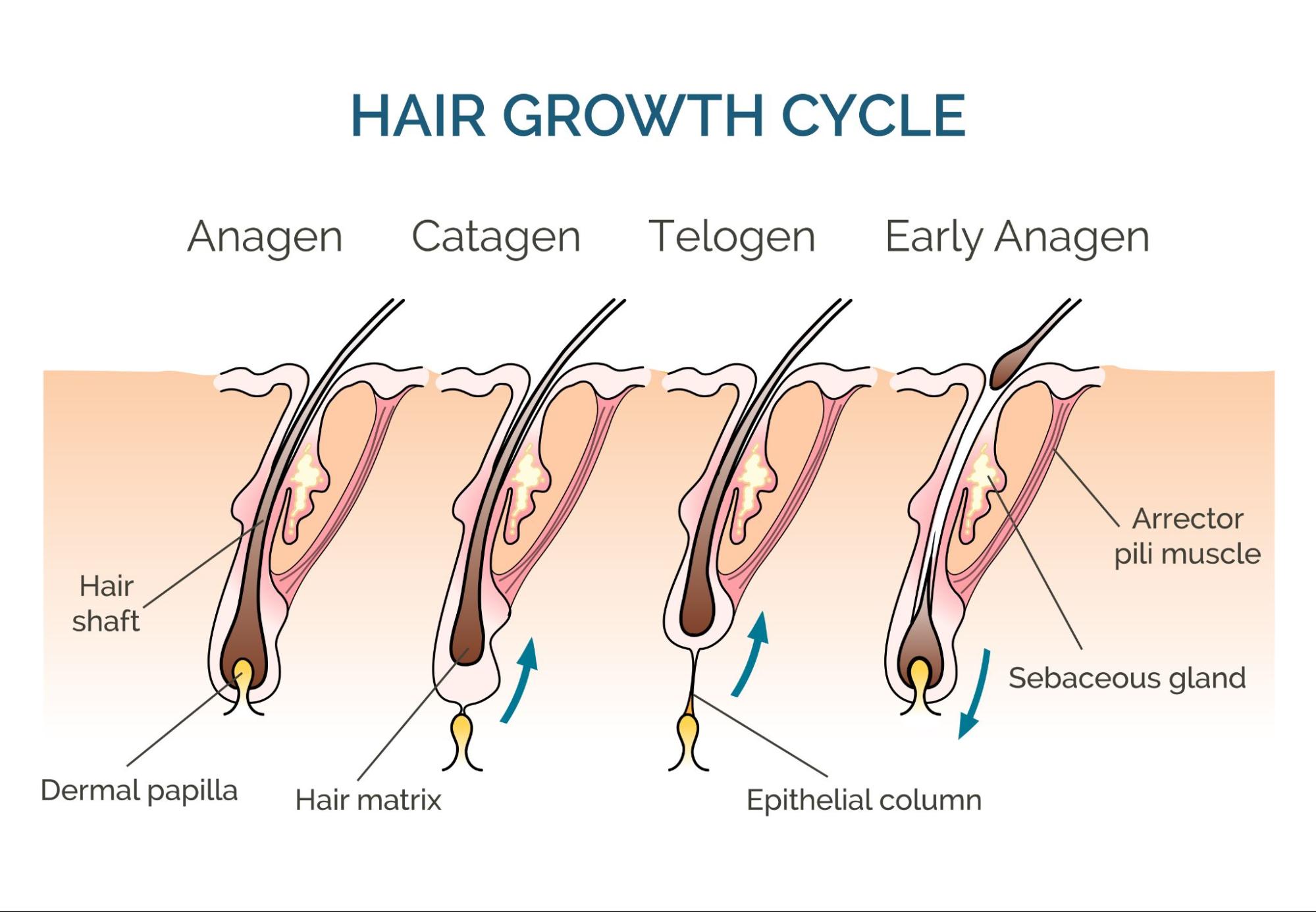
Hair growth occurs in three distinct phases: anagen, catagen, and telogen. Each phase plays a critical role in determining when hair is most suitable for waxing.
- Anagen phase: This is the active growth phase, lasting 2 to 6 years, during which hair follicles produce new hair. Hair is thick and strong, making it ideal for waxing.
- Catagen phase: Lasting 2 to 3 weeks, this transitional phase occurs when hair growth slows down. The hair follicle shrinks, and hair detaches from its blood supply, becoming weaker.
- Telogen phase: This resting phase lasts 3 to 4 months. Hair is not actively growing, and while it can be waxed, results may be less effective due to weaker hair structure.
Impact of Hair Growth Phases on Waxing
The effectiveness of waxing largely depends on the hair’s phase. Waxing during the anagen phase is most effective because the hair is deeply rooted and easier to remove. Hair that is in the catagen or telogen phases may not be removed as cleanly, leading to a less satisfactory result.
Scheduling Waxing Sessions
To maximize waxing effectiveness, schedule sessions based on hair growth cycles:
- Identify the average duration of the anagen phase for your hair type.
- Count at least 4 to 6 weeks from the last waxing session to allow hair to reach the optimal length of about 1/4 inch (6 mm).
- Monitor hair growth regularly and adjust your waxing schedule accordingly.
Signs That Hair Is Ready for Waxing
Beyond length, other indicators show that hair is ready for waxing:
- The hair should feel coarse to the touch, indicating it is in the anagen phase.
- The skin should be free of irritation or recent shaving, as freshly shaved hair is often too short for effective waxing.
- Hair should have a visible color difference compared to the skin, making it easier for the wax to grip.
Nuances in Hair Growth and Waxing
Common misconceptions suggest that hair must be a specific length to be waxed. However, hair thickness and growth phase are more critical factors. Some individuals may experience variations in hair growth rates influenced by genetics, hormonal changes, or health conditions. Recognizing that hair may grow differently on various body parts can also affect timing. For example, leg hair may require a different waxing schedule than underarm hair due to differing growth rates.
Practical Application
To effectively plan your waxing sessions, observe your hair growth and schedule appointments approximately every 4 to 6 weeks. Ensure the hair is at least 1/4 inch long and assess its texture and color. This approach will enhance the effectiveness of your waxing routine and promote smoother skin results.
Common Mistakes to Avoid When Waxing
Effective waxing requires careful attention to detail. Avoiding common mistakes can significantly enhance results and minimize discomfort.

Not Waiting for the Right Hair Length
One of the most frequent errors is not allowing hair to grow to the appropriate length before waxing. For optimal results, hair should be at least 1/4 inch (6 mm) long. This length allows the wax to grip the hair adequately, ensuring a clean removal. Waxing hair that is too short may lead to ineffective results, while hair that is too long can cause increased pain during the process.
Improper Skin Preparation Before Waxing
Preparing the skin properly is essential for a successful waxing experience. Common oversights include:
- Not exfoliating the skin a day or two before waxing, which can lead to ingrown hairs.
- Waxing on oily or moisturized skin, which prevents the wax from adhering properly.
- Failing to perform a patch test for allergies, which can result in adverse reactions.
Thorough skin preparation enhances adherence and minimizes the risk of irritation or injury during waxing.
Ignoring Aftercare
Aftercare is as critical as the waxing process itself. Neglecting post-wax care can lead to irritation, redness, and breakouts. To avoid these issues, follow these guidelines:
- Apply a soothing lotion or aloe vera gel immediately after waxing.
- Avoid hot baths, saunas, or intense workouts for at least 24 hours.
- Refrain from sun exposure for a few days to prevent skin damage.
By adhering to these aftercare practices, individuals can promote healing and maintain smooth skin longer.
Using the Wrong Type of Wax for Hair Type
Different hair types require specific wax formulations for optimal results. Using the wrong type can result in ineffective hair removal or skin damage. Consider the following:
- Soft wax is best for fine hair and larger areas like legs.
- Hard wax is ideal for coarse hair and sensitive areas such as the bikini line.
- Strip wax works well for larger areas but may not be effective on shorter or coarser hair.
Selecting the appropriate wax type ensures better adherence and minimizes discomfort during the waxing process.
Many articles overlook the importance of hair growth cycles. Hair grows in three phases: anagen (growth), catagen (transitional), and telogen (resting). Waxing during the anagen phase yields the best results since hair is at its weakest. Understanding this cycle can help individuals schedule their waxing appointments for maximum effectiveness.
To achieve optimal waxing results, ensure hair is the right length, prepare the skin adequately, follow aftercare instructions diligently, and select the appropriate wax type for your hair. Implement these practices to enhance your waxing experience and achieve smoother, longer-lasting results.
The Science Behind Waxing: How It Works
This section delves into the mechanics of waxing, outlining how it effectively removes hair from the follicle and the factors influencing its success.
Wax Adherence and Hair Removal
Waxing operates on the principle of adhesion. When warm wax is applied to the skin, it coats the hair shaft. As the wax cools, it hardens slightly, creating a bond with the hair. Upon removal, the wax pulls the hair out of the follicle, resulting in longer-lasting hair removal compared to shaving.
Hair Length and Effective Removal
Hair length plays a critical role in successful waxing. For optimal results, hair should be at least 1/4 inch (6 mm) long. This length allows the wax to grip the hair effectively, ensuring that it is removed from the root. If hair is shorter than this, the wax may not adhere properly, leading to incomplete removal and potential discomfort.
Types of Wax: Soft Wax vs. Hard Wax
- Soft Wax: This type is typically applied in a thin layer and removed with a cloth or paper strip. It adheres to both the skin and hair, making it effective for large areas like legs and arms.
- Hard Wax: Hard wax is thicker and is applied in a thicker layer. It adheres only to the hair, allowing for direct removal without the need for strips. This makes it suitable for sensitive areas like the bikini line and underarms.
Impact of Hair Thickness and Texture
Hair thickness and texture also influence waxing results. Coarser hair tends to adhere better to wax, making it easier to remove. In contrast, fine or thin hair may require multiple passes or may not come out as effectively, leading to a patchy result. Additionally, curly hair can pose challenges, as it may break during removal rather than being pulled from the follicle.
Expert Insights on Common Misconceptions
Many assume that longer hair is always better for waxing, but this is not the case. While hair should be long enough to grip, excessively long hair can lead to increased discomfort and may even break during the waxing process. Furthermore, some believe that waxing can be performed on hair that is only a few millimeters in length. This misconception can result in ineffective waxing and dissatisfaction with the results. Understanding the ideal hair length and type is crucial for achieving the best outcome.
Practical Applications
To ensure effective waxing, follow these guidelines:
- Allow hair to grow to a minimum of 1/4 inch (6 mm) before waxing.
- Choose the appropriate wax type based on the area being treated and hair characteristics.
- Consult with a professional esthetician if uncertain about hair length or waxing techniques for specific hair types.
By adhering to these recommendations, individuals can enhance their waxing experience and achieve smoother, longer-lasting results.
Post-Waxing Care: Ensuring Smooth Skin
Post-waxing care is essential for maintaining skin health and ensuring a smooth finish. Proper aftercare can minimize irritation, prevent ingrown hairs, and promote recovery.

Recommended Products for Soothing the Skin
After waxing, the skin can be sensitive and prone to irritation. Utilizing the right products can help soothe the skin and reduce inflammation. Consider the following:
- Aloe Vera Gel: Natural and effective, it provides soothing relief and hydration.
- Tea Tree Oil: Known for its antibacterial properties, it can help prevent infections.
- Fragrance-Free Moisturizers: Opt for gentle, non-comedogenic moisturizers to avoid further irritation.
Importance of Avoiding Sun Exposure and Certain Activities
Sun exposure can cause significant irritation to recently waxed skin, potentially leading to sunburn or pigmentation changes. It is advisable to:
- Stay out of direct sunlight for at least 48 hours post-waxing.
- Wear protective clothing or use broad-spectrum sunscreen with an SPF of at least 30 when going outdoors.
- Avoid activities that cause excessive sweating, such as vigorous exercise or hot baths, for 24 hours.
Tips for Preventing Ingrown Hairs and Irritation
Ingrown hairs are a common issue following waxing. To minimize their occurrence:
- Exfoliate gently 2-3 times a week using a mild scrub or exfoliating glove.
- Moisturize daily to keep the skin hydrated and supple.
- Consider using products with salicylic acid or glycolic acid to help prevent clogged pores.
When to Seek Professional Help for Post-Waxing Issues
In certain scenarios, professional intervention may be necessary. Seek help if:
- Severe redness or swelling persists for more than a few days.
- There are signs of infection, such as pus or increased pain.
- Ingrown hairs become painful or do not resolve with home treatment.
While the immediate aftermath of waxing can be managed with proper care, understanding the nuances of skin sensitivity is crucial. For instance, individuals with darker skin tones may experience post-inflammatory hyperpigmentation more readily than those with lighter skin. Additionally, misconceptions exist regarding the use of certain products; for example, many believe that alcohol-based aftercare products are beneficial, when in fact, they can exacerbate dryness and irritation.
To ensure optimal skin health post-waxing, implement a consistent aftercare routine. Apply soothing products immediately after waxing, limit sun exposure, and engage in regular exfoliation. Monitor your skin for any adverse reactions and consult a professional if necessary. Taking these steps will help maintain smooth, healthy skin and reduce the likelihood of post-waxing complications.
Frequently Asked Questions
How long should hair be for waxing to be effective?
For effective waxing, hair should be at least 1/4 inch long. This length allows the wax to grip the hair properly for removal.
Can I wax hair that is shorter than 1/4 inch?
Waxing hair shorter than 1/4 inch is generally ineffective, as the wax may not adhere well. It’s recommended to wait until the hair reaches the proper length for optimal results.
What happens if hair is too long for waxing?
If hair is too long, waxing can be more painful and may lead to breakage instead of complete removal. Trimming the hair to about 1/4 inch is advisable for a smoother waxing experience.
How often should I wax for best results?
For best results, waxing should be done every 4 to 6 weeks. This allows hair to grow back to the optimal length for effective removal.
What is the cost of professional waxing services?
The cost of professional waxing services varies by location and area being waxed, typically ranging from $10 to $100. It’s best to check local salons for specific pricing information.
How can I prepare my hair for waxing?
To prepare hair for waxing, ensure it is clean and dry, and avoid using lotions or oils beforehand. Exfoliating the area a day prior can also help improve results.
Is waxing better than shaving for hair removal?
Waxing is often considered better than shaving as it removes hair from the root, leading to longer-lasting results. Additionally, waxing can result in finer and sparser hair regrowth over time.
Can I wax at home? What do I need?
Yes, you can wax at home using over-the-counter waxing kits that include wax, applicators, and strips. Follow the instructions carefully to achieve the best results and minimize discomfort.
Final Thoughts on how long does hair have to be to wax
For optimal waxing results, hair should ideally be between 1/4 inch and 1/2 inch long, allowing the wax to effectively grip the hair shaft without causing discomfort or damage to the skin. Understanding the hair growth cycle and avoiding common waxing mistakes are crucial for achieving smooth, long-lasting results.
To ensure effective waxing, schedule your waxing sessions based on your hair growth cycle and maintain the recommended hair length, allowing at least four weeks between sessions for best results.
Mastering the nuances of hair length for waxing not only enhances the effectiveness of the treatment but also elevates overall skin health and appearance.
Leave a Reply