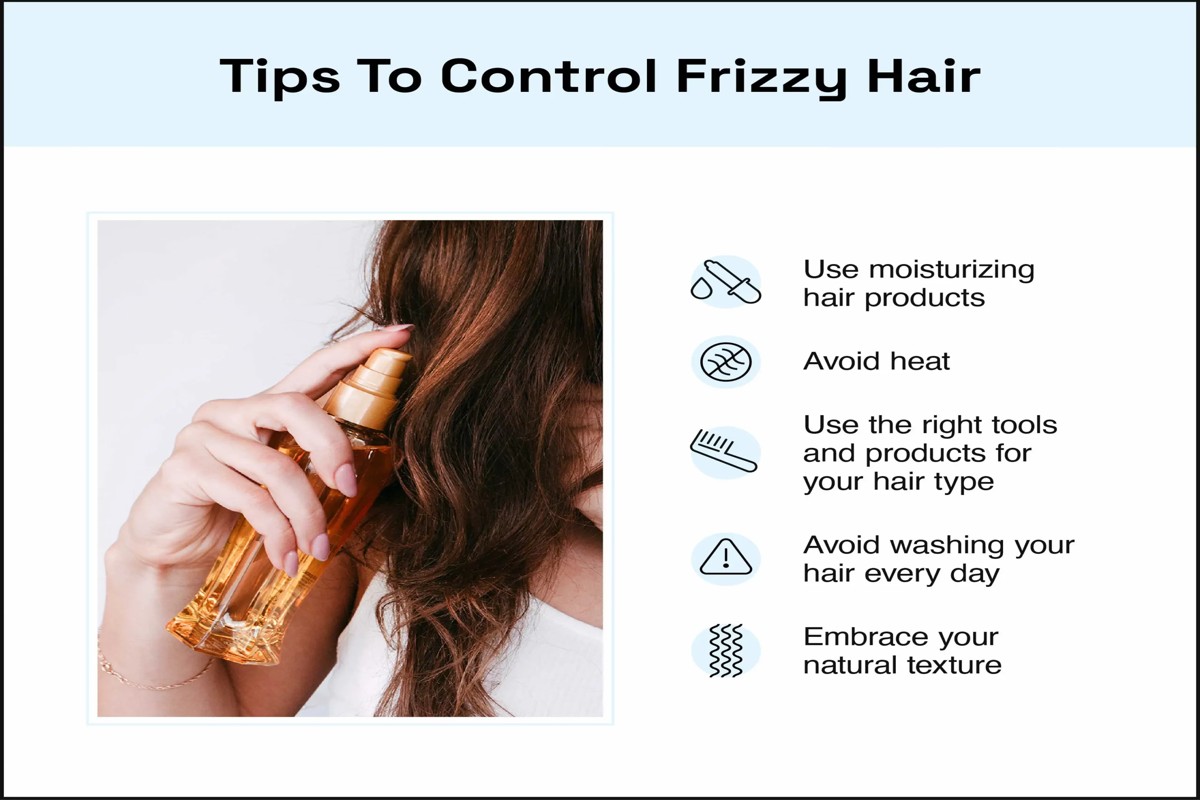
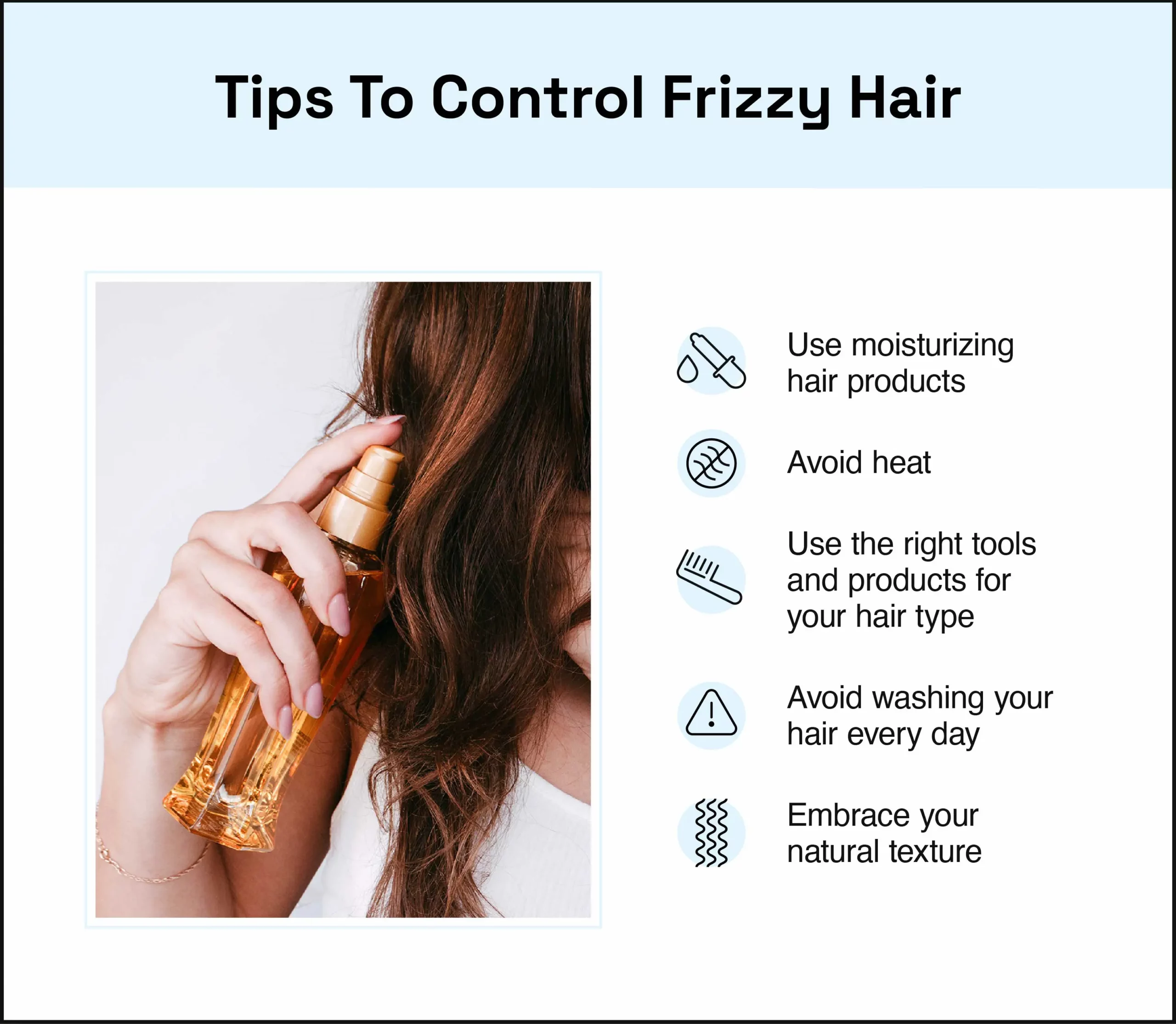
To get rid of frizzy hair, use a moisturizing shampoo and conditioner, apply leave-in conditioner, and avoid heat styling. Regular trims also help maintain smoothness.
Understanding how to manage frizzy hair is crucial for maintaining healthy, manageable locks. Frizz can result from various factors such as humidity, hair damage, and improper hair care, affecting appearance and confidence. Neglecting effective strategies can lead to ongoing hair issues and dissatisfaction.
This article provides expert tips on selecting the right hair products, techniques for reducing frizz, and the importance of regular hair maintenance. Specific methods for incorporating leave-in conditioners and avoiding heat styling will also be discussed.
What causes frizzy hair?
Frizzy hair is primarily caused by a lack of moisture and damage to the hair cuticle, leading to an uneven texture. Environmental factors, such as humidity and temperature changes, can exacerbate these issues. Additionally, hair type and styling practices play a significant role in the overall frizz experienced.
Frizz occurs when the outer layer of the hair, known as the cuticle, becomes raised or damaged. This damage can result from excessive heat styling, chemical treatments, or environmental exposure. When the cuticle is compromised, it allows moisture from the air to penetrate the hair shaft, causing strands to swell and resulting in a frizzy appearance. Hair that is naturally curly or wavy is often more prone to frizz due to its inherent structure, which can lead to uneven moisture distribution.
- Humidity: High humidity levels can lead to increased moisture in the air, which causes hair to absorb water and swell, leading to frizz.
- Hair Damage: Over-processing from bleaching, coloring, or heat styling can weaken the hair cuticle, making it more susceptible to frizz.
- Hair Type: Naturally curly or porous hair types tend to be more frizzy because of their structure and tendency to lose moisture.
In addition to these factors, the use of certain hair products can either contribute to or help mitigate frizz. Products containing alcohol or sulfates can strip moisture from the hair, while hydrating oils and creams can help to smooth and seal the cuticle. Choosing the right products tailored to one’s hair type is essential for managing frizz effectively.
Expert Tip: Consider incorporating weekly deep conditioning treatments into your hair care routine. This can significantly improve moisture retention and cuticle health, ultimately reducing frizz over time.
How can I prevent frizzy hair in humid weather?
To prevent frizzy hair in humid weather, use specific products and techniques designed to combat moisture-induced frizz. Incorporating anti-frizz serums and adopting protective hairstyles can significantly improve hair manageability. Additionally, maintaining proper hair care routines is essential for long-term results.
- Use Anti-Frizz Products: Select hair products specifically formulated to combat humidity. Look for serums, creams, or sprays that contain silicones or oils, which create a barrier against moisture.
- Apply Products on Damp Hair: For optimal results, apply anti-frizz products to damp hair after washing. This helps seal in moisture and provides a protective layer before the hair dries.
- Opt for Hydrating Shampoos and Conditioners: Use sulfate-free shampoos and deep conditioning treatments to maintain moisture balance. Well-hydrated hair is less prone to frizz.
- Limit Heat Styling: Reduce the use of heat styling tools, as they can exacerbate frizz. When necessary, use heat protectant sprays to minimize damage.
- Incorporate Protective Hairstyles: Hairstyles such as braids, buns, or ponytails can help reduce exposure to humidity. These styles keep hair contained and less susceptible to frizz.
- Dry Hair with a Microfiber Towel: Instead of a traditional towel, opt for a microfiber towel to dry hair. This method reduces friction, which can lead to frizz.
Regular trims are also essential, as split ends can contribute to frizz. Additionally, consider using a humidifier indoors during dry seasons to maintain a consistent moisture level for your hair.
Expert Tip: Choose a leave-in conditioner with anti-frizz properties to provide all-day protection against humidity. Look for ingredients like shea butter or argan oil, which not only smooth the hair but also nourish it from within.
What are the best products for frizzy hair?
Top products for frizzy hair include specialized shampoos, conditioners, and styling creams designed to reduce frizz and enhance manageability. Selecting the right product depends on hair type, desired results, and specific hair concerns. Here are some of the best options currently available.
- Shampoos:
- Living Proof No Frizz Shampoo: This sulfate-free formula cleanses while blocking humidity, making it ideal for thick, coarse hair.
- Ouidad Advanced Climate Control Defrizzing Shampoo: Formulated for curly hair, this product helps maintain moisture balance, preventing frizz in varying climates.
- Moroccanoil Smoothing Shampoo: Infused with argan oil, this shampoo nourishes and smooths hair, making it suitable for all hair types.
- Conditioners:
- SheaMoisture Coconut & Hibiscus Curl & Shine Conditioner: This conditioner hydrates curls while fighting frizz, making it perfect for textured hair.
- Kerastase Discipline Fondant Fluidealiste: A lightweight conditioner that provides smoothness and control for frizz-prone hair.
- Redken Frizz Dismiss Conditioner: This product is formulated with a humidity-resistant complex, ideal for fine to medium hair types.
- Styling Products:
- John Frieda Frizz Ease Extra Strength Serum: This serum provides intense frizz control and shine, making it suitable for all hair types.
- Garnier Fructis Sleek & Shine Anti-Frizz Serum: Affordable and effective, this serum is infused with argan oil for long-lasting smoothness.
- Bumble and bumble Hairdresser’s Invisible Oil: A lightweight oil that tames frizz and adds softness, ideal for dry hair.
When selecting products, consider your hair’s unique needs. For example, thick, curly hair may benefit from heavier, more moisturizing formulations, while fine hair might require lightweight, non-greasy options. Additionally, pay attention to ingredients; look for oils, silicones, and humectants that specifically target frizz.
Expert Tip: Always apply styling products to damp hair for optimal absorption and effectiveness. This method enhances the product’s ability to lock in moisture and shield against humidity, significantly reducing frizz throughout the day.
How long does it take to get rid of frizzy hair?
Improvement in frizzy hair can typically be seen within 1 to 3 weeks of consistent care. The exact timeframe depends on hair type, the severity of frizz, and the methods used to address it. With dedicated maintenance, significant results can often be achieved in a month.
Several factors influence how quickly frizz can be managed. Hair type plays a critical role; for instance, coarse or curly hair may take longer to show improvement compared to fine or straight hair. Additionally, the products and techniques employed—such as deep conditioning treatments, regular trims, or the use of anti-frizz serums—will affect the timeline. The environment also matters; humid conditions can exacerbate frizz, making it more challenging to achieve smoothness quickly.
Consistency is key in any hair care regimen aimed at reducing frizz. Regular use of moisturizing products, heat protection, and non-drying shampoos can prevent future frizz while improving texture over time. Moreover, lifestyle factors, such as diet and hydration, contribute to overall hair health, potentially speeding up the process of getting rid of frizz.
Expert Tip: Incorporating a weekly deep conditioning treatment can accelerate the smoothing process, providing the hair with essential moisture and nutrients to combat frizz effectively.
Is it better to air dry or blow dry frizzy hair?
Choosing between air drying and blow drying frizzy hair depends on individual hair type and desired results. Air drying is generally gentler and can reduce heat damage, while blow drying offers more control over styling and can provide a smoother finish. Both methods have their pros and cons in terms of managing frizz.
Air drying minimizes heat exposure, which is beneficial for maintaining hair’s natural moisture balance. However, it can leave hair looking more undefined or frizzy if not managed properly. To enhance results with air drying, consider the following best practices:
- Use a microfiber towel: Gently blot hair with a microfiber towel to absorb excess moisture, reducing frizz while avoiding rough towel drying.
- Apply anti-frizz products: Utilize leave-in conditioners, serums, or oils specifically designed to combat frizz before allowing hair to air dry.
- Section your hair: Divide hair into sections while air drying to promote even drying and reduce frizz.
Blow drying, when done correctly, can provide a sleek and polished look. However, it is essential to use a heat protectant to shield hair from damage. Here are tips for blow drying frizzy hair effectively:
- Use a diffuser: Attach a diffuser to the blow dryer to distribute heat evenly and minimize frizz, especially for wavy or curly textures.
- Blow dry with the cuticle: Direct airflow from roots to tips, following the hair cuticle, to smooth the hair shaft and reduce frizz.
- Finish with cool air: Use the cool setting on the blow dryer to set your style and seal the hair cuticle, further combating frizz.
Both air drying and blow drying can be effective in managing frizz. The choice ultimately hinges on personal preference and hair type. For individuals with thick or coarse hair, blow drying may yield a more polished appearance, while those with fine or damaged hair may benefit from the gentler approach of air drying.
Utilizing the right products tailored to your hair type can significantly enhance either drying method. Experiment with different techniques to discover what works best for your unique hair texture.
Can diet affect frizzy hair?
Yes, diet can significantly affect frizzy hair by influencing the overall health of hair strands. A balanced diet rich in essential nutrients can help reduce frizz and improve hair texture. Conversely, poor nutrition may exacerbate frizz and make hair more difficult to manage.
A practical example involves two individuals with similar hair types but different diets. One person consumes a diet high in omega-3 fatty acids, vitamins A, C, and E, and adequate protein, while the other has a diet high in sugar and processed foods. The first individual notices smoother, shinier hair with less frizz due to the nutrients supporting hair hydration and elasticity. In contrast, the second individual experiences increased frizz and dryness, as their diet lacks the necessary vitamins and healthy fats that nourish hair.
Moreover, hydration plays a critical role in hair health. Consuming sufficient water and hydrating foods, such as fruits and vegetables, can help maintain moisture levels in hair. Dehydration can lead to brittle hair, increasing the likelihood of frizz. Therefore, a well-rounded diet not only provides the building blocks for healthy hair but also combats environmental factors that contribute to frizz.
Expert Tip: Incorporate foods rich in biotin, such as eggs and nuts, to strengthen hair and improve its ability to retain moisture, further reducing frizz.
What home remedies can help with frizzy hair?
Several effective home remedies can help eliminate frizz and enhance hair texture. Ingredients commonly found in your kitchen can nourish and hydrate the hair, making it smoother and more manageable. Utilizing these remedies regularly can lead to significant improvements in the overall health of your hair.
- Coconut Oil Treatment: Apply warm coconut oil to your hair and scalp, massaging gently for about 10-15 minutes. Leave it in for at least an hour or overnight, then wash it out with a mild shampoo.
- Avocado Hair Mask: Blend one ripe avocado with a tablespoon of olive oil. Apply the mixture to damp hair, focusing on the ends, and let it sit for 30 minutes before rinsing thoroughly.
- Honey and Yogurt Mask: Mix two tablespoons of honey with half a cup of plain yogurt. Apply this mixture to your hair, leave it on for 30 minutes, and then rinse with lukewarm water to achieve a smooth texture.
- Aloe Vera Gel: Extract fresh aloe vera gel from the leaf and apply it directly to your hair. Leave it for about 30 minutes before washing it off; this helps in moisturizing and reducing frizz.
- Apple Cider Vinegar Rinse: Mix one part apple cider vinegar with three parts water. After shampooing, use this solution as a final rinse to smooth the hair cuticle and enhance shine.
These remedies are not only natural but also free from harsh chemicals, making them suitable for various hair types. Consistency is key; using these treatments once a week can yield the best results. Keep in mind that individual hair characteristics may affect how well each remedy works.
For optimal results, consider your hair type when selecting a remedy. Fine hair may require lighter oils, while thick, coarse hair can benefit from heavier moisturizers. Additionally, always perform a patch test with new ingredients to avoid allergic reactions.
Expert Tip: Incorporate a silk or satin pillowcase into your hair care routine to reduce friction while sleeping, which can significantly minimize frizz and breakage.
Understanding Hair Types and Their Frizz Issues
This section explores how various hair types—straight, wavy, curly, and coily—react to humidity and moisture, along with tailored product recommendations. Recognizing your specific hair type is essential for effective frizz management.

Characteristics of Hair Types
Each hair type has unique characteristics that influence its response to environmental factors. Understanding these traits aids in selecting appropriate care and styling products.
- Straight Hair: Typically smooth and shiny, straight hair has a natural sheen. However, it can become limp and lifeless in high humidity, as moisture makes it prone to frizz.
- Wavy Hair: Wavy hair is defined by its S-shaped pattern. This type can easily transition from defined waves to frizz, especially when humidity disrupts the natural wave pattern.
- Curly Hair: Curly hair ranges from loose curls to tight coils. This type is often dry due to the structure of the hair shaft, which makes it susceptible to frizz when exposed to moisture.
- Coily Hair: Coily hair has a tighter curl pattern and can be very dry. The natural oils struggle to travel down the hair shaft, leading to frizz when humidity increases.
Hair Type Responses to Moisture and Humidity
Humidity exacerbates frizz by affecting the hair’s moisture balance. Different hair types respond uniquely to moisture levels:
- Straight Hair: Absorbs moisture quickly, leading to a flat appearance with frizz at the roots.
- Wavy Hair: May lose its shape and become frizzy as the waves swell with moisture.
- Curly Hair: Often expands when exposed to humidity, resulting in puffiness and loss of definition.
- Coily Hair: Can become extremely dry and frizzy as the tight curls absorb moisture and swell.
Tailored Product Recommendations
Choosing the right products based on hair type is vital for managing frizz effectively:
- Straight Hair: Use lightweight serums or anti-frizz sprays that provide moisture without weighing the hair down.
- Wavy Hair: Look for curl-enhancing creams or mousses that define waves while controlling frizz.
- Curly Hair: Opt for rich leave-in conditioners and curl creams that provide hydration and hold.
- Coily Hair: Use thick creams and oils that deeply moisturize and define curls to combat dryness and frizz.
Importance of Knowing Your Hair Type
Identifying your hair type facilitates targeted frizz management strategies. Each hair type has specific needs, and using the wrong products can exacerbate frizz rather than alleviate it. For instance, a product designed for straight hair may not provide sufficient moisture for curly or coily hair, potentially leading to more frizz.
Many articles overlook the significance of hair porosity—the hair’s ability to absorb and retain moisture. Porosity varies among individuals and can influence how hair reacts to products and humidity. High-porosity hair absorbs moisture quickly but loses it just as fast, necessitating products that create a moisture seal, while low-porosity hair may require lighter formulations to avoid product buildup.
Practical Application
To effectively manage frizz, first determine your hair type and porosity. Once identified, select products that cater specifically to your hair’s needs. For instance, if you have curly hair with high porosity, use a heavy cream combined with an oil to lock in moisture. Regular deep conditioning treatments can also enhance hydration and reduce frizz. Adjust your hair care routine according to seasonal changes, particularly in humid conditions, to maintain smooth, frizz-free hair.
Advanced Hair Care Techniques for Frizz Control
This section delves into advanced techniques for managing frizz, including professional treatments and effective styling methods. Implementing these strategies can significantly enhance hair texture and overall appearance.
Deep Conditioning and Hair Masks
Deep conditioning treatments and hair masks are essential for combating frizz. These products penetrate the hair shaft, replenishing moisture and restoring elasticity. Regular use can improve hair texture, making it smoother and more manageable. Look for masks that contain ingredients like argan oil, sheabutter, or keratin, which are known for their hydrating properties.
Keratin Treatments: Pros and Cons
Keratin treatments offer a semi-permanent solution to frizz. They work by infusing hair with keratin, a natural protein, which smooths the cuticle and reduces frizz. The primary benefits include long-lasting smoothness and reduced styling time. However, there are downsides. The treatments can involve formaldehyde, which poses health risks. Additionally, the effects can last from three to six months, necessitating periodic touch-ups.
Heat Styling Techniques that Reduce Frizz
Using heat styling tools can exacerbate frizz if not done properly. To minimize this, consider the following techniques:
- Use a heat protectant: Always apply a heat protectant spray to shield hair from damage.
- Choose the right temperature: Use the lowest effective temperature for your hair type to prevent overheating.
- Opt for ceramic tools: Ceramic styling tools distribute heat evenly, reducing the risk of hot spots that can lead to frizz.
Protective Hairstyles During Sleep
Frizz can worsen overnight due to friction and moisture loss. Implementing protective hairstyles can help maintain hair health. Consider these options:
- Loose braids: They keep hair secure without causing tension.
- Pineapple method: Gather hair at the top of the head to prevent tangling.
- Silk or satin pillowcases: These materials reduce friction, minimizing frizz and breakage.
Many assume deep conditioning is sufficient for all hair types, but this overlooks the unique needs of different textures. For instance, curly hair often requires heavier oils, while straight hair may benefit from lighter formulations. Additionally, misconceptions about heat styling suggest that avoiding it entirely is the best option; however, when done correctly, it can be a valuable tool for frizz control.
To effectively combat frizzy hair, begin by incorporating a deep conditioning treatment into your weekly routine. Schedule a keratin treatment every few months if suitable for your hair type. When styling with heat, always protect your hair and utilize the right tools at appropriate temperatures. Finally, adopt protective hairstyles during sleep to maintain your hair’s integrity. Following these strategies will help in how to get rid of the frizzy hair and achieve a smoother, more polished look.
Common Mistakes That Worsen Frizzy Hair
Frizzy hair can be a persistent problem, often exacerbated by common styling mistakes. Recognizing and avoiding these pitfalls can significantly improve hair texture and manageability.
Over-Washing and Its Effects on Hair Moisture
Frequent washing strips the hair of its natural oils, leading to increased dryness and frizz. Hair produces sebum, a natural oil that helps to lock in moisture. When washed too often, typically more than two to three times a week, hair can lose its protective barrier, resulting in frizz. The hair becomes more porous, making it susceptible to humidity and environmental stressors.
Using the Wrong Brush or Comb for Your Hair Type
The choice of tools used for styling directly impacts hair texture. Using brushes with rigid bristles on curly or textured hair can cause breakage and frizz. Instead, opt for wide-toothed combs or brushes designed specifically for your hair type. For example:
- Curlies: Use a wide-toothed comb while the hair is wet to detangle without disrupting the curl pattern.
- Straight Hair: A paddle brush can smooth the cuticle layer without causing static.
- Wavy Hair: A vent brush can help enhance waves while minimizing frizz.
Neglecting Regular Trims and Their Impact on Frizz
Split ends and damaged hair shafts contribute significantly to frizz. Regular trims, ideally every six to eight weeks, help maintain hair health by removing split ends. This practice not only promotes a healthier appearance but also reduces the overall frizz by preventing further damage from traveling up the hair shaft.
Using Too Much Product or the Wrong Type of Product
Overloading hair with styling products, such as gels and serums, can lead to buildup and make hair appear greasy rather than smooth. Additionally, using products not suited to your hair type can exacerbate frizz. For instance:
- Heavy creams: May weigh down fine hair, leading to limpness and frizz.
- Alcohol-based products: Can dry out hair, worsening frizz.
- Silicone-heavy serums: While they can provide shine, they may also lead to buildup if not thoroughly washed out.
Many individuals assume that using more product will yield better results, but this often leads to the opposite effect. Proper product application and selection are crucial for effective frizz control.
Nuance / Expert Layer
A common misconception is that frizz is solely a result of humidity. While humidity does play a significant role, the underlying factors—such as hair health and moisture retention—are equally important. Additionally, the porosity of hair can influence how it reacts to moisture in the air. Highly porous hair tends to absorb moisture quickly, leading to frizz, while low-porosity hair may struggle to retain moisture, creating a different set of challenges. Understanding these nuances is essential for developing effective strategies for managing frizzy hair.
Practical Application
To combat frizzy hair effectively, implement the following strategies:
- Limit washing to 2-3 times per week to preserve natural oils.
- Select appropriate brushes and combs based on your hair type.
- Schedule regular trims every six to eight weeks to maintain hair health.
- Choose styling products tailored to your hair type and use them sparingly.
By avoiding these common mistakes, you can take significant steps toward achieving smoother, healthier hair.
Real-World Applications: Success Stories and Testimonials
This section explores real-life success stories of individuals who have effectively managed frizzy hair. By examining their experiences, readers can find inspiration and practical guidance for their own hair care journeys.

Case Studies of Success
Numerous individuals have transformed their frizzy hair into smooth, manageable locks through a combination of products and techniques. Here are a few standout case studies:
- Jessica, 32: After years of struggling with frizz, Jessica discovered a routine involving a silicone-based serum and a microfiber towel. Her hair went from unmanageable to sleek within weeks.
- Michael, 28: Michael faced constant frizz due to humidity. He implemented a daily leave-in conditioner and found that using a diffuser while blow-drying made a significant difference.
- Rita, 45: Rita embraced a no-heat styling approach, opting for braiding damp hair overnight. The result was defined waves without any frizz, showcasing the effectiveness of heat-free methods.
Before-and-After Comparisons
Visual transformations highlight the impact of specific products and techniques. Below are a few examples:
- Product: Argan Oil Treatment – Before: Dry, frizzy hair; After: Smooth, shiny hair.
- Technique: Smoothing Brush – Before: Unruly curls; After: Sleek, polished finish.
- Routine: Weekly Deep Conditioning – Before: Dull, lifeless strands; After: Vibrant, healthy hair.
Personal Testimonials
Testimonials from individuals provide insight into the effectiveness of various methods. Consider the following remarks:
- “Using a sulfate-free shampoo changed everything. My frizz decreased significantly.” – Sarah, 25
- “The right hair oil made my hair so much more manageable. I can’t believe I waited this long to try it!” – Tom, 37
- “Heat protectants are essential. I noticed a drastic reduction in frizz when I started using one.” – Emily, 30
Lessons Learned and Tips
Individuals who have successfully managed frizz often share valuable lessons:
- Consistency is key. Regular use of products leads to better results.
- Personalized routines matter. What works for one person may not work for another; experimentation is crucial.
- Environmental factors, such as humidity, can affect hair texture. Adjusting products seasonally can help maintain smoothness.
Many misconceptions surround frizzy hair, particularly the belief that all frizz is a result of damage. While damage can contribute to frizz, factors such as humidity, hair type, and styling methods also play significant roles. Furthermore, the effectiveness of products can vary based on hair texture and health; understanding one’s unique hair needs is essential for success. Many articles overlook the importance of a holistic approach that includes diet, hydration, and overall hair care routines.
To apply these insights, readers should consider a personalized hair care regimen that includes:
- Identifying hair type and suitable products.
- Establishing a consistent routine that incorporates moisture-rich products.
- Experimenting with various techniques to find what minimizes frizz.
By leveraging the experiences of others, individuals can take actionable steps toward achieving smooth, frizz-free hair.
Frequently Asked Questions
What causes frizzy hair?
Frizzy hair is primarily caused by a lack of moisture in the hair shaft, leading to raised cuticles. Factors such as humidity, heat styling, and damage from chemicals can exacerbate frizz.
How can I prevent frizzy hair in humid weather?
To prevent frizzy hair in humid weather, use anti-frizz products containing silicones or oils to create a barrier against moisture. Additionally, consider wearing your hair in a protective style to minimize exposure.
What are the best products for frizzy hair?
The best products for frizzy hair include leave-in conditioners, serums, and hair oils designed to smooth and hydrate. Look for products that contain ingredients like argan oil, coconut oil, or shea butter for optimal results.
How long does it take to get rid of frizzy hair?
Getting rid of frizzy hair can take a few weeks to several months, depending on the extent of damage and the methods used. Consistent use of moisturizing treatments and proper hair care can lead to noticeable improvements over time.
Is it better to air dry or blow dry frizzy hair?
Air drying is generally better for frizzy hair as it reduces heat damage and allows hair to retain moisture. If blow drying is necessary, use a low heat setting and a diffuser to minimize frizz.
Can diet affect frizzy hair?
Yes, diet can significantly affect hair health, including frizz levels. Consuming a balanced diet rich in vitamins, minerals, and healthy fats can promote smoother, healthier hair.
What home remedies can help with frizzy hair?
Home remedies for frizzy hair include using natural oils like coconut or olive oil, applying a honey and yogurt mask, or rinsing with apple cider vinegar. These remedies can help moisturize and smooth the hair cuticle.
Final Thoughts on how to get rid of the frizzy hair
Achieving smooth, manageable hair requires a comprehensive understanding of individual hair types and the specific causes of frizz. By employing targeted techniques and choosing the right products, one can effectively tame frizz and maintain healthy hair, regardless of environmental challenges.
Begin by incorporating a high-quality leave-in conditioner or anti-frizz serum into your daily hair care routine, as these products can provide the necessary moisture and protection against humidity that frizzy hair often craves.
Prioritizing effective frizz management not only enhances personal appearance but also promotes overall hair health, making it a vital aspect of any grooming regimen.
Leave a Reply