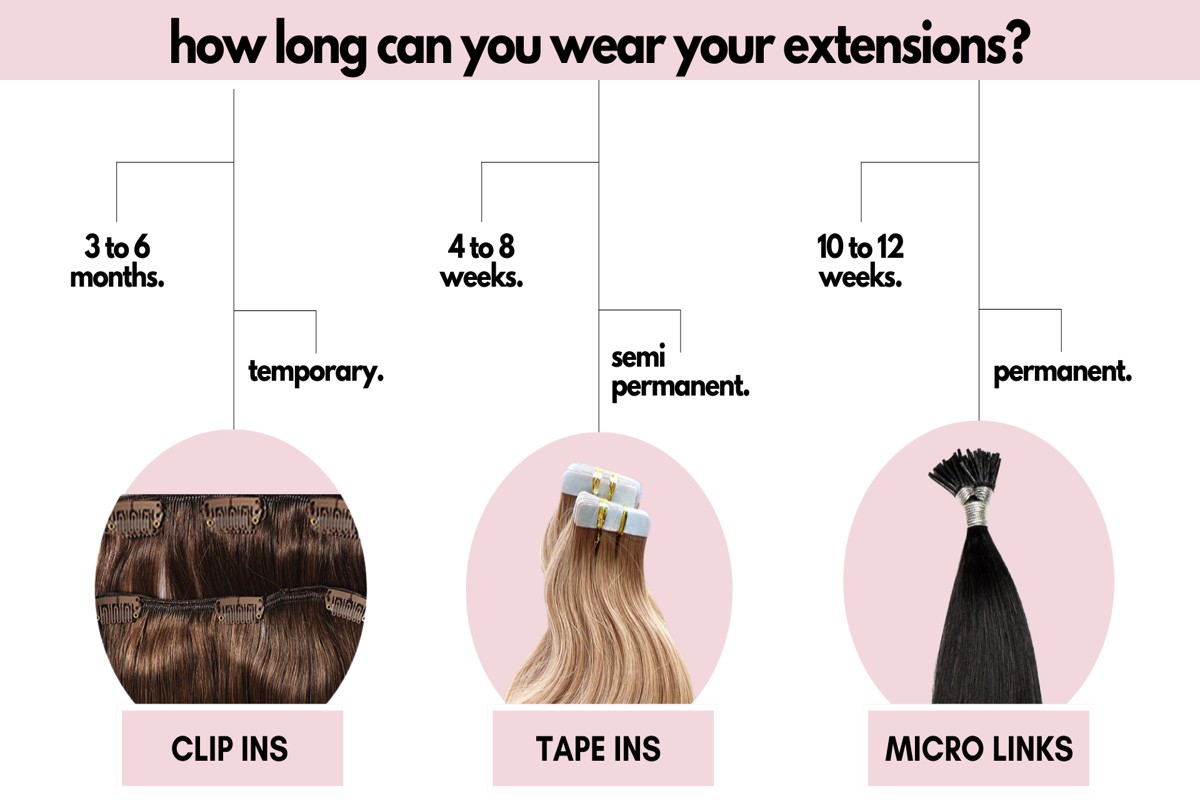
Hair extensions should last anywhere from 3 months to 2 years, depending on the type and maintenance. Proper care can significantly extend their lifespan, ensuring a beautiful look for an extended period.
Understanding how long hair extensions should last is crucial for anyone considering or currently using them. Misjudging their longevity can lead to unexpected expenses and dissatisfaction, emphasizing the importance of proper maintenance and care.
This article will provide expert insights on the different types of hair extensions, factors influencing their lifespan, and essential maintenance tips to maximize durability.
How long do different types of hair extensions last?
The lifespan of hair extensions varies significantly depending on the type. Generally, extensions can last anywhere from a few weeks to several months. Factors such as maintenance, quality, and application method play critical roles in their longevity.
There are several popular types of hair extensions, each with distinct characteristics and durability. Below is a comparison of common extension types:
- Clip-In Extensions: Typically last 6 to 12 months. These are temporary solutions that can be easily applied and removed, making them ideal for occasional use.
- Tape-In Extensions: Can last 6 to 8 weeks before needing repositioning. They are semi-permanent and require professional installation and removal, which contributes to their longevity.
- Fusion Extensions: Offer a lifespan of 3 to 6 months. They involve a keratin bond that fuses the extension to natural hair, providing a more permanent solution, but require careful maintenance.
- Weft Extensions: Can last 6 to 12 months, depending on whether they are sew-in or micro-link. These extensions are attached to natural hair using various methods and require regular maintenance to ensure longevity.
Factors influencing the lifespan of hair extensions include the quality of the hair used, the installation method, and the level of care provided. High-quality human hair extensions tend to last longer than synthetic options. Additionally, proper maintenance routines, such as using appropriate products and minimizing heat exposure, can significantly extend the life of any extension type.
Regular visits to a professional stylist for reapplication and care are essential for maintaining the integrity of extensions, especially for semi-permanent types. This ensures that they remain secure and blend seamlessly with natural hair.
Expert Tip: Invest in high-quality extensions and adhere to a strict maintenance schedule. This will maximize their lifespan and maintain the health of your natural hair.
What factors affect the lifespan of hair extensions?
The lifespan of hair extensions is influenced by several key factors, including the type of hair used, the quality of application, and maintenance practices. Generally, human hair extensions can last anywhere from six months to a year, while synthetic options may last only a few months. Understanding these factors can help users maximize the longevity of their extensions.
One of the most significant elements affecting the lifespan of hair extensions is the material used. Human hair extensions typically offer a more natural look and feel, and with proper care, they can last longer than synthetic ones. Synthetic hair, while often more affordable, is less durable and can be damaged by heat styling and environmental factors. Additionally, the method of application—such as tape-in, sew-in, or clip-in—also plays a role; well-applied extensions will generally last longer.
- Maintenance: Regular upkeep, including gentle washing and conditioning, can significantly extend the life of hair extensions. Proper detangling and avoiding harsh chemicals are also crucial.
- Styling Practices: Minimizing heat exposure and using protective styles can help preserve the integrity of extensions. Over-styling can lead to premature wear.
- Environmental Factors: Exposure to chlorine, saltwater, and harsh weather can degrade hair extensions. Protective measures, such as using UV sprays, can mitigate damage.
Users should also consider their individual hair type and lifestyle when selecting extensions, as these can impact how well the extensions hold up over time. For example, individuals with finer hair may find that certain application methods do not work as well for them.
Expert Tip: Investing in high-quality extensions and scheduling regular maintenance appointments with a professional stylist can significantly enhance the durability and appearance of hair extensions, ensuring they remain a beautiful addition to your look for as long as possible.
How can I make my hair extensions last longer?
To extend the lifespan of hair extensions, proper care and maintenance are essential. By following specific guidelines, users can significantly enhance durability and appearance. Here are effective steps to ensure your hair extensions remain in optimal condition.
- Choose high-quality extensions: Invest in premium hair extensions made from 100% human hair, as they typically last longer and maintain their appearance better than synthetic options.
- Wash carefully: Limit washing to every 1-2 weeks. Use sulfate-free shampoos and conditioners to prevent stripping natural oils. Always detangle before washing to minimize damage.
- Use heat protectants: When styling with heat tools, apply a heat protectant to shield the hair extensions from thermal damage. Keep heat settings moderate to avoid excessive wear.
- Avoid excessive friction: Minimize friction by using a silk or satin pillowcase while sleeping. This reduces tangling and breakage during the night.
- Regular maintenance: Schedule regular appointments with a professional stylist for maintenance. This includes reapplication if using bonded or tape-in extensions, which need adjustment every few weeks.
- Store properly: When not in use, store extensions in a cool, dry place. Use a dedicated storage bag or box to keep them free from tangles and dust.
These practices not only preserve the quality of hair extensions but also enhance their overall look. Additionally, be mindful of environmental factors such as chlorine from swimming pools or saltwater, which can further affect the longevity of your extensions.
Expert Tip: Regularly apply a leave-in conditioner or serum specifically designed for hair extensions. This helps maintain moisture and shine, contributing to a longer lifespan and healthier appearance.
What are the signs that hair extensions need to be replaced?
Hair extensions need to be replaced when they show visible signs of wear and damage. Common indicators include excessive tangling, noticeable shedding, and a loss of luster or shine.
For instance, if an individual notices that their extensions are tangling more frequently and require constant brushing to maintain a smooth appearance, this may signal that the extensions are nearing the end of their life. Additionally, if the extensions begin to shed excessively, with strands falling out during regular handling, this is another clear sign that replacement is necessary. The shedding can compromise the overall look and fullness of the hair, making it appear less natural.
Another indicator is the change in texture. If the extensions feel rough, dry, or brittle compared to the natural hair, they may no longer blend well and could detract from the overall hairstyle. Over time, exposure to heat styling, environmental factors, and inadequate maintenance can lead to diminished quality. Regular assessment of the extensions is essential to ensure they remain in optimal condition.
Expert Tip: Schedule regular maintenance appointments with a professional stylist. They can provide valuable insights into the condition of the extensions and recommend the best time for replacement based on their expertise.
Are expensive hair extensions worth the investment?
Yes, expensive hair extensions can be worth the investment due to their superior quality and longevity. Typically, high-end extensions last between 6 to 12 months, while budget options may only last 2 to 4 months. The cost difference reflects both the materials used and the manufacturing process.
Several factors influence the cost of hair extensions, which can help determine their value:
- Material Quality: Human hair extensions, especially those made from Remy or virgin hair, are typically more expensive than synthetic options. They offer a more natural look and can withstand styling.
- Type of Extension: Different application methods, such as tape-in, micro-link, or keratin bond, vary in price. Higher-end methods often require professional installation, impacting overall costs.
- Brand Reputation: Established brands often charge a premium due to their quality assurance and customer service. Investing in a reputable brand can lead to better longevity and satisfaction.
Additionally, the maintenance required for hair extensions plays a role in their overall value. Expensive extensions may necessitate professional care, which can add to the long-term investment. However, the initial cost is often offset by their durability and the reduced need for frequent replacements.
Expert Tip: When considering hair extensions, factor in the total cost of ownership, including maintenance and styling products. This holistic view will provide a clearer picture of the true value of your investment.
Can hair extensions be reused, and how long do they last if reused?
Yes, hair extensions can be reused, and their lifespan depends on several factors including the type of extensions and how well they are maintained. Generally, high-quality extensions can last from six months to a year when reused properly. However, the longevity can vary based on the care routine and the method of attachment.
There are several types of hair extensions, each with different reusability and durability characteristics. For instance, clip-in extensions can last up to six months with proper care, while tape-in extensions can be reused for up to a year, provided the adhesive is intact. Weft extensions, often sewn in, can last for a year or more with regular maintenance. Below is a comparison of the key types of hair extensions and their reusability:
- Clip-in Extensions: Reusable for 3-6 months; ideal for temporary use.
- Tape-in Extensions: Reusable for up to 1 year; easy to reapply with new adhesive.
- Weft Extensions: Can last 1 year or more; requires professional installation and care.
Several factors affect how long hair extensions last when reused. Quality of hair is paramount; 100% human hair extensions generally offer better longevity than synthetic options. Additionally, the maintenance routine plays a critical role. Extensions should be washed gently, conditioned regularly, and styled with care to maximize their lifespan. Environmental factors such as exposure to heat and humidity can also impact durability.
Regular visits to a professional stylist for maintenance can further ensure the extensions remain in good condition. Proper installation and removal techniques are essential, particularly for tape-in and weft extensions, to prevent damage to the natural hair.
Expert Tip: When reusing hair extensions, invest in a high-quality extension care kit specifically designed for your type of hair. This will help maintain their texture and appearance, extending their overall lifespan.
What is the average lifespan of clip-in hair extensions?
The average lifespan of clip-in hair extensions is typically between 6 to 12 months, depending on various factors. Proper care and maintenance can significantly extend their durability, while poor handling may shorten their lifespan. Users can expect the extensions to last longer if they are made from high-quality materials and are used less frequently.
Several factors influence the longevity of clip-in hair extensions. The quality of the hair—whether human or synthetic—plays a crucial role. Human hair extensions, especially those made from Remy hair, tend to last longer and can withstand styling tools better than synthetic options. Additionally, how often the extensions are worn affects their lifespan; daily use will wear them down faster compared to occasional use. Proper storage when not in use also contributes to their longevity; extensions should be kept in a cool, dry place to prevent tangling and damage.
Maintenance practices are equally important. Regular washing with suitable products, avoiding excessive heat, and limiting exposure to harsh chemicals can help preserve the extensions’ condition. Users should also take care not to clip them too tightly, as this can lead to breakage and damage to the natural hair. Adhering to these guidelines can make a significant difference in how long the extensions maintain their quality.
Expert Tip: For optimal lifespan, invest in high-quality clip-in extensions and treat them as you would your natural hair. Regular conditioning and gentle handling will enhance their durability and appearance.
How do I properly care for my hair extensions?
Proper care for hair extensions is essential to maximize their lifespan and maintain their appearance. With the right techniques, hair extensions can last several months or even years, depending on the type. Following a consistent care routine will help keep them looking vibrant and healthy.
Begin by adopting a gentle hair care regimen. Use sulfate-free shampoos and conditioners specifically designed for extensions. These products are less harsh and help preserve the integrity of the hair. Avoid washing hair extensions too frequently; aim for every 3-5 days to prevent dryness.
- Brush regularly: Use a wide-tooth comb or a soft-bristle brush to detangle your extensions. Start from the ends and work your way up to prevent breakage.
- Avoid heat damage: Limit the use of heat styling tools. When heat is necessary, apply a heat protectant spray to shield the hair from damage.
- Store properly: When not in use, store extensions in a cool, dry place, ideally in a fabric bag or box to prevent tangling and dust accumulation.
- Limit exposure to chlorine and saltwater: If swimming, wear a swim cap or rinse hair immediately after exposure to protect it from drying out and becoming tangled.
Regular maintenance is crucial. Schedule appointments with a professional stylist for adjustments and to check the condition of your extensions. This ensures they remain securely attached and in good health.
For longevity, consider using leave-in conditioners or serums specifically formulated for extensions. These products help maintain moisture and shine without weighing the hair down.
Hair extensions require dedicated care to ensure they last as long as possible. Regular maintenance and proper products will enhance their durability and appearance, making them a worthwhile investment.
Understanding Different Types of Hair Extensions and Their Lifespans
This section examines the various types of hair extensions, focusing on their materials and how these influence their longevity. Recognizing the differences between synthetic and human hair extensions, along with specific application methods, is essential for making informed decisions regarding hair extension purchases and maintenance.

Comparison of Synthetic vs. Human Hair Extensions
Synthetic hair extensions are made from man-made fibers, typically designed to mimic the appearance of natural hair. They generally have a shorter lifespan, averaging between 3 to 6 months, depending on usage and care. In contrast, human hair extensions, derived from real hair, can last significantly longer, often ranging from 6 months to over a year with proper maintenance. Factors such as styling, washing frequency, and environmental conditions can influence the durability of both types.
Lifespan of Different Extension Types
- Tape-in Extensions: These can last between 6 to 8 weeks before needing reapplication. With proper care, the hair itself can last up to 1 year.
- Sew-in Extensions: Typically used for thicker hair, sew-in extensions can last 6 to 12 weeks before requiring maintenance. The quality of the hair can allow for longevity of up to 1 year.
- Clip-in Extensions: These are temporary and can last 3 to 12 months depending on usage frequency. They are easily removed and should be stored properly to maintain quality.
Factors Affecting Durability
Each type of hair extension has unique factors that affect its lifespan:
- Application Method: Tape-in and sew-in extensions require professional installation, which can impact durability if not done correctly.
- Maintenance: Regular maintenance, including proper washing and conditioning, is crucial for extending the life of any hair extension.
- Styling Products: The use of heat styling tools and chemical treatments can lead to quicker deterioration of both synthetic and human hair extensions.
Real-World Experiences and User Feedback
User experiences vary widely based on individual hair types and maintenance routines. Many users report that high-quality human hair extensions can last significantly longer than the average lifespan, especially when paired with minimal heat styling and proper care. Conversely, synthetic extensions often receive mixed reviews regarding their longevity, with users noting that while they are budget-friendly, they may require more frequent replacements due to wear and tear.
Common misconceptions include the belief that all hair extensions are created equal. In reality, factors such as hair origin, processing methods, and installation techniques play critical roles in determining how long should hair extensions last.
Practical Application
To maximize the lifespan of hair extensions, consider the following actions:
- Choose high-quality human hair extensions for durability.
- Follow a consistent maintenance routine, including gentle washing and conditioning.
- Avoid excessive heat styling and chemical treatments to prevent damage.
- Consult with a professional stylist for proper installation and care tips.
Essential Maintenance Tips for Prolonging Hair Extension Life
This section outlines essential maintenance strategies tailored to various hair extension types, emphasizing the significance of proper care for longevity.
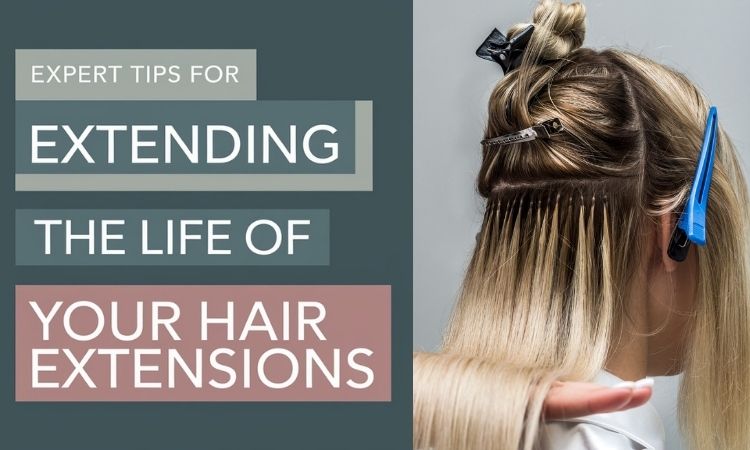
Daily Care Routines for Different Extension Types
Each type of hair extension requires a tailored daily care routine to ensure optimal longevity. Below are recommended practices for three common types:
- Clip-In Extensions: Remove extensions each night to prevent tangling. Brush gently with a wide-tooth comb before storage. Clean with sulfate-free shampoo once a week.
- Bonded Extensions: Avoid oil-based products near the bonds. Use a gentle brush to detangle, and ensure hair is dry before styling to prevent bond breakdown.
- Micro-Link Extensions: Do not pull on the beads. Use a loop brush to detangle from the ends upwards. Regularly check beads for tightness and reposition as necessary.
Importance of Using Specific Products and Tools
Utilizing the right products and tools is crucial for maintaining hair extensions. Select products that are specifically formulated for extensions, as they are generally free from harsh chemicals that can cause damage. Essential products include:
- Sulfate-Free Shampoo: Prevents drying out the hair and extensions.
- Conditioner: Hydrates and nourishes extensions, enhancing softness and reducing tangling.
- Heat Protectant: Essential before using heat styling tools to minimize damage.
Avoiding Common Mistakes that Shorten Lifespan
Several common mistakes can significantly shorten the lifespan of hair extensions. Avoid the following:
- Using regular shampoos or products containing sulfates and alcohol.
- Sleeping with wet extensions, which can lead to matting and tangling.
- Neglecting to schedule regular maintenance appointments with a professional stylist.
Professional Maintenance Options and Their Benefits
Engaging in professional maintenance is essential for preserving the integrity of hair extensions. Options include:
- Reapplication: Bonded and micro-link extensions may require reapplication every 6-8 weeks, depending on growth rates.
- Deep Conditioning Treatments: Professional treatments can restore moisture and luster, extending the life of extensions.
- Regular Adjustments: A stylist can ensure extensions are securely attached and repositioned as hair grows.
Many individuals underestimate the importance of professional maintenance, often attempting to manage their extensions solely at home. However, professional insights can prevent issues that may arise from improper care.
Practical Application
To maximize the lifespan of hair extensions, implement the following actionable strategies:
- Establish a daily routine tailored to your extension type.
- Invest in high-quality, extension-specific products and tools.
- Avoid common mistakes by regularly reviewing your maintenance practices.
- Schedule professional maintenance appointments every 6-8 weeks.
Recognizing When to Replace Hair Extensions
This section outlines the critical signs that indicate when hair extensions should be replaced. Recognizing these signs can prevent further damage to your natural hair and ensure that your extensions maintain their appearance and functionality.
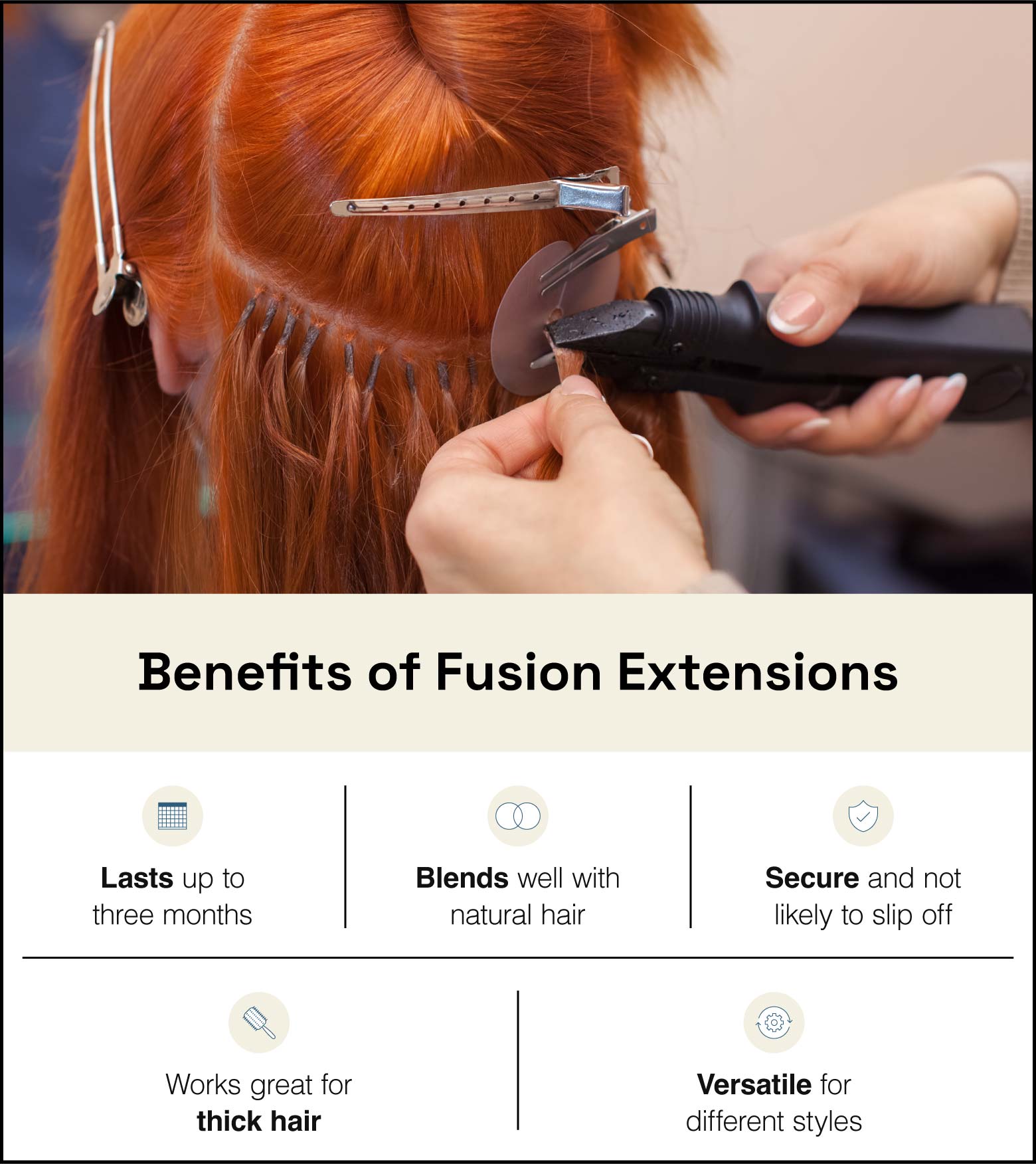
Common Signs of Wear and Tear
Hair extensions, regardless of type, will show signs of wear over time. Common indicators include:
- Tangling: Excessive tangling, especially if it occurs frequently despite proper care, signals that the extensions are nearing the end of their lifespan.
- Shedding: Noticeable shedding, where you find more strands of hair on your brush or in the shower, can indicate that the extensions are deteriorating.
- Matting: Matting at the base of the extensions or in specific sections indicates that the hair is losing its integrity and should be evaluated for replacement.
Differences in Appearance and Texture
As hair extensions age, their appearance and texture can change significantly. Look for:
- Loss of Luster: Extensions may become dull and lack the natural shine they once had, making them appear lifeless.
- Frizz and Split Ends: Increased frizz or the presence of split ends can indicate excessive wear, detracting from the overall look.
- Color Fading: Extensions may fade or change color due to product buildup or sun exposure, affecting their match with your natural hair.
Assessing Damage Before Deciding to Replace
Before making the decision to replace hair extensions, conduct a thorough assessment. Examine the following:
- Physical Inspection: Check for visible damage such as splits, frizz, or thinning.
- Texture Comparison: Compare the texture of the extensions to your natural hair. Significant differences may indicate that replacement is necessary.
- Longevity Consideration: Consider the length of time you have been using the extensions. Most high-quality extensions last between 6 to 12 months, depending on maintenance and usage.
Impact of Neglect on Extension Lifespan
Neglecting proper care can significantly shorten the lifespan of hair extensions. Factors contributing to this include:
- Improper Washing: Using harsh shampoos or washing too frequently can lead to dryness and damage.
- Lack of Conditioning: Failure to regularly condition extensions can result in tangling and loss of moisture.
- Heat Damage: Excessive heat styling without protection can weaken the hair structure, leading to premature wear.
Proper care is essential for extending the life of hair extensions. Regular maintenance, including gentle washing, conditioning, and avoiding excessive heat, can significantly improve longevity. Assess extensions every few weeks for signs of damage and replace them if they no longer meet quality standards. By maintaining awareness of wear and tear, users can ensure their extensions remain healthy and visually appealing.
Cost vs. Quality: Making Informed Decisions on Hair Extensions
This section examines the intricate relationship between the cost and quality of hair extensions, emphasizing its significance in selecting the best options that align with individual budgets and expectations.
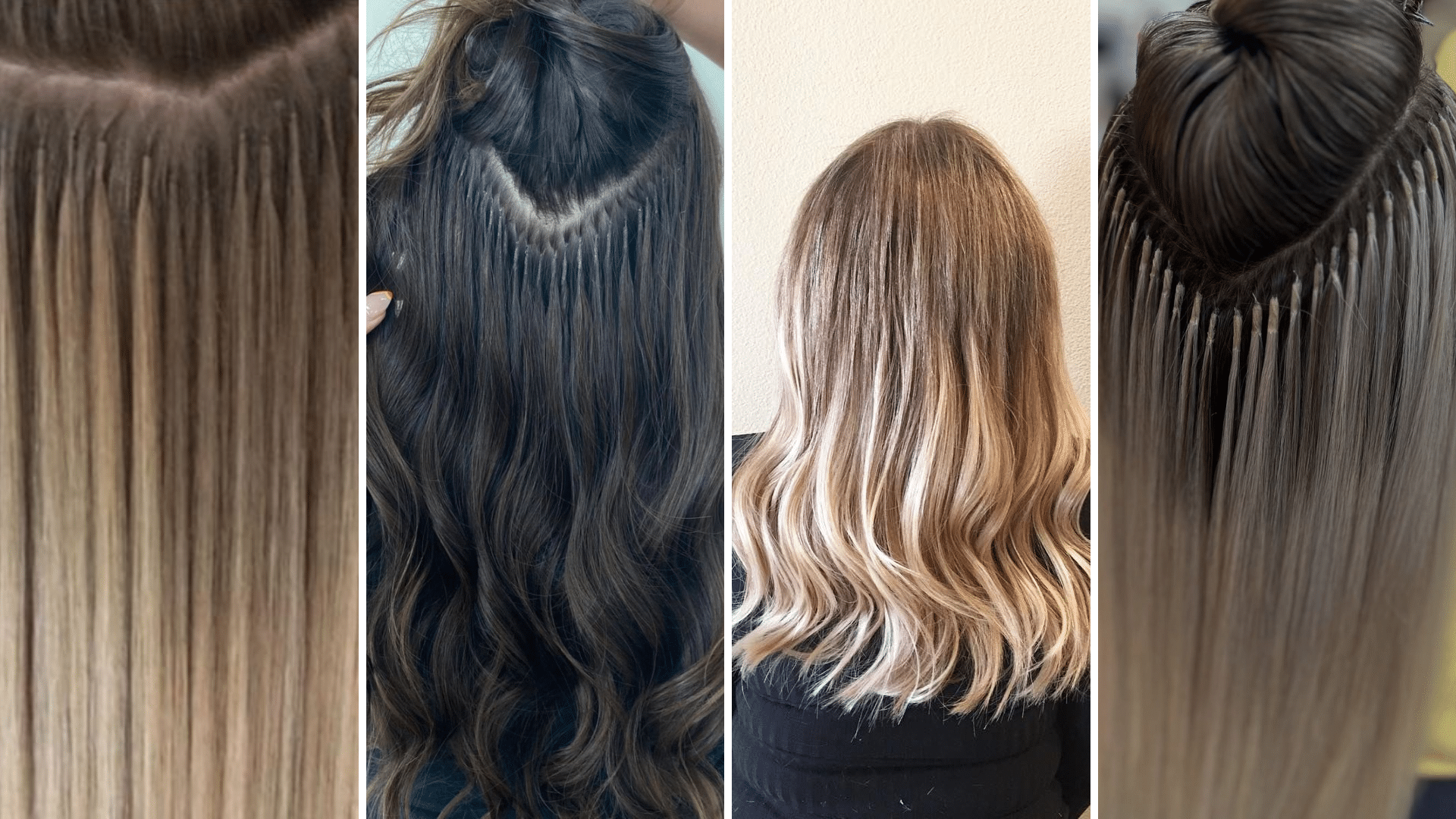
Budget vs. High-End Extensions
Hair extensions are available at a wide range of price points, typically categorized as budget, mid-range, and high-end. Budget extensions often cost between $50 to $150, and while they may offer a temporary solution, they frequently lack durability and can lead to increased maintenance costs. In contrast, high-end extensions can range from $300 to over $1,000, depending on the type and quality of hair used.
High-quality extensions are usually made from 100% human hair, providing a more natural look and feel. They can last anywhere from six months to several years with proper care, thereby offering a better long-term investment. In comparison, lower-quality extensions may only last a few weeks, resulting in more frequent replacements and additional costs over time.
Long-Term Cost-Effectiveness of Quality Hair Extensions
Investing in quality hair extensions can be significantly more cost-effective in the long run. Although the initial purchase price is higher, the longevity and minimal maintenance required often offset these upfront costs. For example, a high-end set of clip-in extensions priced at $600 can last up to two years, while a budget set costing $100 might need replacement every few months, ultimately totaling $400 within the same period.
Furthermore, quality extensions maintain their integrity better, reducing the need for frequent salon visits for adjustments or repairs. This not only saves money but also time and effort for the user.
User Testimonials on Value for Money
- One user reported that investing in premium extensions resulted in fewer tangles and easier styling, thereby saving time on daily preparations.
- Another testimonial highlighted that high-quality extensions maintained their shine and softness after multiple washes, unlike cheaper alternatives that quickly became dull.
- A stylist noted that clients who chose higher-end options often required less frequent touch-ups, reinforcing the idea that quality can lead to long-term savings.
Market Trends in Hair Extension Pricing
Recent market trends indicate a growing awareness of the benefits of quality hair extensions. As consumers become more educated about hair care, the demand for premium products has increased. This shift has led to a rise in the availability of ethically sourced human hair extensions, which often come at a higher price due to their quality and sourcing practices.
Additionally, brands are increasingly transparent about their pricing structures, which helps consumers make informed decisions. Many manufacturers now provide detailed information regarding the lifespan, care instructions, and expected performance of their products, further assisting buyers in weighing cost against quality.
In the realm of hair extensions, misconceptions often arise regarding the necessity of high-priced products. Some believe that a higher price guarantees superior quality, while others assume that cheaper options will suffice for temporary use. However, the key distinction lies not only in price but also in the quality of materials and craftsmanship.
To maximize the benefits of this information, consumers should:
- Assess their budget and determine how long they expect their extensions to last.
- Research brands and read reviews to gauge the quality and performance of various options.
- Consider long-term costs associated with maintenance and replacements when evaluating cheaper alternatives.
Frequently Asked Questions
How long do different types of hair extensions last?
The lifespan of hair extensions varies by type: clip-ins typically last 6-12 months, while tape-ins and sew-ins can last 6-8 weeks with proper care. Fusion extensions may last up to 3-6 months, depending on maintenance and hair growth.
What factors affect the lifespan of hair extensions?
How can I make my hair extensions last longer?
To extend the lifespan of hair extensions, maintain a gentle washing routine, avoid excessive heat styling, and use sulfate-free products. Regular maintenance appointments can also help keep them looking fresh and prolong their usability.
What are the signs that hair extensions need to be replaced?
Signs that hair extensions need replacement include tangling, shedding, loss of shine, and visible damage or matting. If the extensions no longer blend seamlessly with natural hair, it’s time to consider a replacement.
Are expensive hair extensions worth the investment?
Expensive hair extensions often offer higher quality materials, better durability, and a more natural appearance. Investing in premium extensions can result in longer-lasting wear and a more satisfying overall experience.
Can hair extensions be reused, and how long do they last if reused?
Many hair extensions, such as tape-ins and clip-ins, can be reused if properly maintained and stored. Reused extensions can last an additional 2-3 months, depending on their condition and care during initial use.
What is the average lifespan of clip-in hair extensions?
The average lifespan of clip-in hair extensions ranges from 6 to 12 months, depending on usage and care. Proper maintenance, including gentle washing and storage, can help maximize their longevity.
How do I properly care for my hair extensions?
Proper care for hair extensions includes gentle washing with sulfate-free shampoo, avoiding excessive heat, and using a wide-tooth comb to detangle. Regular conditioning and proper storage also contribute to their longevity.
Final Thoughts on how long should hair extensions last
The longevity of hair extensions hinges on their type, maintenance, and individual usage patterns, with quality extensions typically lasting between six weeks to several months. Understanding these factors enables users to make informed choices, ensuring they maximize the lifespan of their investments while maintaining optimal appearance.
To enhance the durability of hair extensions, invest in a high-quality maintenance regime that includes specialized products and regular professional care, tailored to the specific type of extensions you choose.
Leave a Reply