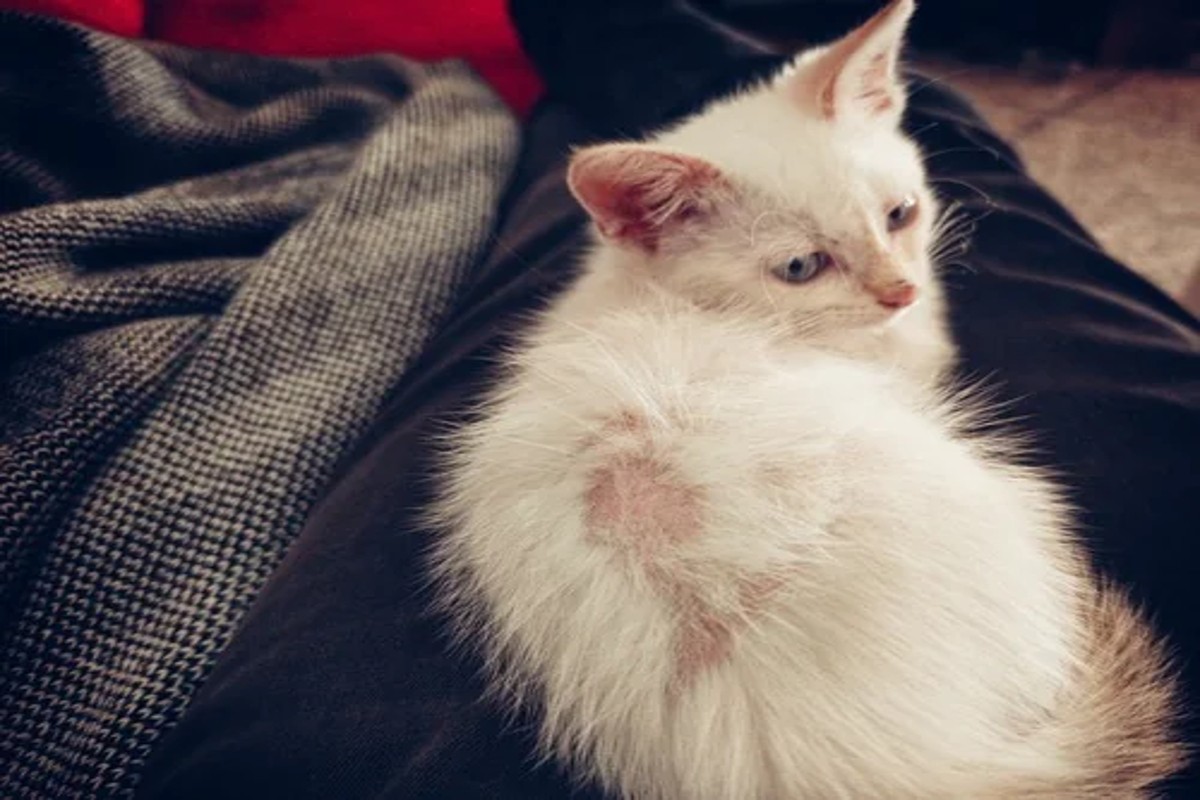
Why is my cat losing hair? Cats can lose hair due to various reasons including allergies, parasites, stress, or underlying health issues. Identifying the cause is crucial for treatment.
Understanding the reasons behind hair loss in cats is essential for pet owners and veterinarians alike. Timely identification of the underlying issue can prevent further health complications and ensure the well-being of the cat.
This article will explain the common causes of hair loss in cats, including allergies, skin conditions, and stress, along with effective solutions and treatment options to restore your cat’s health.
What are the common causes of hair loss in cats?
Hair loss in cats can result from various medical and environmental factors. Common causes include allergies, skin infections, parasites, and stress-related behaviors. Understanding these factors can help in identifying the underlying issue and determining appropriate treatment.
Allergies are a prevalent cause of hair loss in cats. They can be triggered by food ingredients, environmental allergens like pollen or dust mites, or flea bites. Cats often respond to these allergens by excessive grooming, resulting in localized or generalized hair loss. Skin infections, whether bacterial or fungal, can also lead to patchy hair loss and typically require veterinary intervention for proper diagnosis and treatment.
Parasites such as fleas, mites, and ticks can cause significant discomfort and lead to hair loss. Flea allergy dermatitis is particularly common; it results from a hypersensitivity to flea saliva, prompting intense itching and grooming. Environmental stressors, including changes in the household, introduction of new pets, or even loud noises, can lead to behavioral issues like over-grooming, contributing to hair loss. Each of these factors necessitates careful observation and, in many cases, veterinary consultation for effective management.
Expert Tip: Regularly inspecting your cat for signs of parasites and maintaining a consistent grooming routine can help mitigate some causes of hair loss. If hair loss is accompanied by other symptoms such as itching or skin lesions, prompt veterinary evaluation is essential to prevent further complications.
How can I treat my cat’s hair loss at home?
Treating your cat’s hair loss at home can be effective for mild cases. Start by identifying potential causes, such as allergies, stress, or skin conditions. Implementing specific home remedies and lifestyle changes can support your cat’s recovery.
- Check for Allergens: Examine your cat’s environment for potential allergens like dust, pollen, or certain foods. Switching to hypoallergenic cat food or using air purifiers may help reduce allergic reactions.
- Improve Nutrition: Ensure your cat is receiving a balanced diet rich in essential fatty acids, vitamins, and minerals. Consider adding omega-3 fatty acid supplements, which can promote healthier skin and fur.
- Manage Stress: Identify potential stressors in your cat’s life, such as changes in routine or the introduction of new pets. Creating a calm environment with safe spaces can help alleviate stress-induced hair loss.
- Regular Grooming: Frequent brushing can help remove loose fur and reduce matting. It also allows for closer inspection of the skin, making it easier to spot any abnormalities or irritations.
- Use Natural Remedies: Certain natural treatments, such as aloe vera or coconut oil, can soothe irritated skin. Apply these sparingly and monitor your cat for any adverse reactions.
Consult a veterinarian if home treatments do not yield results after a few weeks. Persistent hair loss may indicate an underlying health issue that requires professional diagnosis and treatment.
Expert Tip: Regularly check your cat for parasites like fleas or mites, as these can cause significant hair loss. Early intervention can prevent further complications and promote quicker recovery.
When should I take my cat to the vet for hair loss?
Take your cat to the vet for hair loss if you notice any concerning symptoms or changes in behavior. Hair loss can indicate underlying health issues that require professional evaluation. Early intervention can prevent complications and lead to more effective treatment.
Several specific signs indicate that veterinary attention is necessary. If your cat is experiencing persistent hair loss accompanied by other symptoms, such as excessive scratching, skin lesions, or changes in appetite, a veterinary visit is warranted. Additionally, if the hair loss appears sudden or affects large areas of the body, this may signal a more serious condition.
- Persistent or Worsening Hair Loss: If hair loss continues for more than a few weeks without improvement, it is time to consult a veterinarian.
- Skin Irritation or Lesions: Redness, swelling, or sores on the skin can indicate infections or allergies that need immediate care.
- Behavioral Changes: Increased scratching, biting, or grooming can be signs of discomfort or stress, prompting a need for veterinary assessment.
- Changes in Appetite or Weight: Unexplained weight loss or changes in eating habits can indicate systemic health issues that require investigation.
- Fleas or Other Parasites: If you notice fleas or other parasites, seek veterinary help to address the infestation and any associated skin issues.
Prompt veterinary attention is crucial in diagnosing the underlying cause of hair loss. Many conditions, such as allergies or hormonal imbalances, can be effectively treated when identified early.
Consider keeping a record of your cat’s symptoms, including onset and duration, to facilitate a thorough examination by the veterinarian.
What are the differences between allergies and parasites as causes of hair loss in cats?
Allergies and parasites are two common causes of hair loss in cats, but they stem from different sources and exhibit distinct symptoms. Allergies typically result from environmental factors, such as pollen or certain foods, while parasites, like fleas and mites, are living organisms that infest the cat’s skin. Understanding these differences can help in diagnosing and treating the underlying issue effectively.
Allergies can lead to hair loss due to excessive scratching or grooming triggered by itchiness. Cats may develop allergic reactions to various substances, including food ingredients, pollen, or dust mites. Symptoms often include red, inflamed skin, and hair loss may be patchy, localized, or widespread depending on the severity of the reaction. In contrast, parasites cause hair loss primarily through irritation and skin damage as they feed on the cat’s blood or skin cells. Infestations usually show signs like visible fleas, flea dirt, or scabs where the parasites have been active.
- Source: Allergies are caused by environmental or dietary factors, while parasites are living organisms.
- Symptoms: Allergies lead to itching and inflammation; parasites result in visible infestations and irritation.
- Appearance of Hair Loss: Allergic hair loss may be patchy and associated with skin lesions; parasitic hair loss often has a more scattered or clumped appearance.
Additionally, the age and health of the cat can influence these conditions. Young cats may be more prone to parasites due to their outdoor exposure, whereas older cats might experience allergies more frequently as their immune systems change. A veterinary examination is crucial for accurate diagnosis, as treatment strategies differ significantly between allergies and parasites.
Expert Tip: Regular grooming and flea prevention are vital in managing these issues. Identifying the specific cause of hair loss early on can lead to more effective treatment and prevent further complications.
How much does it cost to treat hair loss in cats?
Treating hair loss in cats can range from $100 to $1,500, depending on the underlying cause and the required treatment. Basic examinations and initial treatments tend to fall on the lower end, while specialized diagnostics and long-term care can significantly increase costs.
Several factors influence the overall cost of diagnosing and treating hair loss in cats:
- Veterinary Consultation Fees: Initial visits typically range from $50 to $150, depending on the clinic and location. Follow-up visits may be necessary, adding to the total.
- Diagnostic Testing: Blood tests, skin scrapings, or allergy panels can cost between $100 and $600. The complexity of the tests required will affect this range.
- Treatment Options: Treatment costs vary widely. Medications, topical treatments, or specialized diets can range from $20 to $300 per month. More advanced interventions, such as surgeries or long-term therapies, can escalate expenses significantly.
- Underlying Conditions: If hair loss is a symptom of a more serious health issue, such as autoimmune diseases or hormonal disorders, the treatment costs can increase substantially, potentially exceeding $1,000.
It is essential to establish a clear treatment plan with a veterinarian to manage costs effectively. Some pet insurance policies may cover certain aspects of diagnosis and treatment, alleviating financial burdens.
Expert Insight: Regular veterinary check-ups can help identify potential issues early, potentially reducing long-term costs associated with severe conditions leading to hair loss. Early intervention is often more cost-effective than extensive treatments later on.
How long does it take for a cat’s hair to grow back after losing it?
Typically, a cat’s hair will begin to grow back within 2 to 6 weeks after hair loss occurs. The exact timeline for regrowth can vary significantly depending on the underlying cause of the hair loss and the cat’s overall health.
Several factors influence the speed of hair regrowth. For example, if the hair loss is due to a simple case of stress or environmental changes, regrowth may occur on the shorter end of the spectrum, around 2 to 4 weeks. In contrast, hair loss caused by more serious issues, such as allergies, infections, or hormonal imbalances, may take longer, sometimes up to 12 weeks or more, particularly if treatment is required to address the underlying problem.
The health status of the cat also plays a crucial role in hair regrowth. Cats with a well-balanced diet, proper hydration, and overall good health will generally experience quicker regrowth. Conversely, cats that are malnourished or suffer from chronic health conditions may face delays in hair regrowth. Additionally, grooming habits and external factors, such as seasonal shedding, can also affect how quickly hair returns to its normal state.
Expert Tip: Monitor any patches of hair loss regularly. If regrowth is not evident within 6 weeks or if the hair loss worsens, consult a veterinarian for further evaluation and treatment options.
What are the best dietary supplements for cats with hair loss?
Dietary supplements can play a crucial role in improving coat health and reducing hair loss in cats. Several options are available that target specific nutritional needs, promoting a healthier skin and fur condition. Implementing these supplements can enhance overall well-being and address underlying deficiencies.
- Omega-3 Fatty Acids: These essential fats are known for their anti-inflammatory properties and can help improve skin health. Fish oil supplements or flaxseed oil are excellent sources. Dosage should be based on the cat’s weight and vet recommendations.
- Biotin: This B-vitamin is vital for maintaining healthy skin and fur. Biotin supplements can strengthen hair follicles and promote growth. Consult a veterinarian for appropriate dosing, particularly in cases of severe hair loss.
- Zinc: Zinc is an important mineral that supports skin health and immune function. Supplementing with zinc can help address deficiencies that may contribute to hair loss. Ensure the supplement is specifically formulated for cats to avoid toxicity.
- Probiotics: A healthy gut microbiome is essential for nutrient absorption and overall health. Probiotic supplements can enhance digestive health, which may indirectly support fur quality. Choose a cat-specific probiotic for optimal effectiveness.
- Amino Acids: Essential amino acids like L-lysine and L-carnitine are crucial for fur strength and growth. These can be found in powder or capsule form and should be mixed with food as directed by a veterinarian.
Before introducing any new supplement, consulting a veterinarian is essential. They can identify specific deficiencies through diagnostic testing and recommend suitable products. Consider integrating supplements gradually to monitor your cat’s response and adjust as needed.
Expert Tip
Regularly assess your cat’s diet and consider switching to a high-quality, balanced cat food that contains all necessary nutrients for optimal coat health. Supplements are most effective when combined with a proper diet tailored to your cat’s needs.
Understanding Feline Skin Conditions and Their Impact on Hair Loss
This section explores specific skin conditions that can cause hair loss in cats, emphasizing their symptoms, diagnostic methods, and treatment options. Understanding these conditions is essential for effective management and recovery.

Common Skin Conditions
Feline hair loss can often be attributed to various skin conditions, notably dermatitis and ringworm. Each condition presents unique challenges and symptoms that require careful evaluation.
- Dermatitis: This inflammation of the skin can arise from allergies, irritants, or parasites. Cats with dermatitis may exhibit red, inflamed skin, excessive scratching, and localized hair loss.
- Ringworm: A fungal infection that leads to circular patches of hair loss, often accompanied by scaly skin. Ringworm is highly contagious and can spread to humans and other animals.
- Other Conditions: Additional skin issues such as miliary dermatitis, folliculitis, and pyoderma can also result in hair loss, each with distinct underlying causes.
Symptoms Accompanying Hair Loss
Hair loss in cats is rarely isolated. In conjunction with hair loss, owners should monitor for:
- Redness or irritation of the skin
- Itching or excessive grooming
- Scabs or lesions
- Changes in behavior, such as increased lethargy or aggression
Recognizing these symptoms can aid in early diagnosis and treatment, reducing the risk of complications.
Diagnostic Procedures
Veterinarians employ several diagnostic tools to identify the cause of hair loss in cats:
- Physical Examination: A thorough examination of the skin and coat helps identify visible signs of dermatological issues.
- Skin Scraping: This procedure involves taking samples of skin to check for parasites, fungi, or bacterial infections.
- Fungal Culture: For suspected ringworm cases, a culture can confirm the presence of fungi.
- Allergy Testing: In cases where allergies are suspected, testing can identify specific allergens.
Treatment Options
Effective treatment varies based on the underlying condition:
- Dermatitis: Treatment may include topical corticosteroids, antihistamines, or a change in diet to eliminate allergens.
- Ringworm: Antifungal medications, both topical and systemic, are commonly used. Environmental decontamination is also crucial to prevent reinfection.
- Supportive Care: Regular grooming and maintaining overall skin health can enhance recovery for various conditions.
Addressing feline skin conditions promptly is critical to prevent further complications or secondary infections. Misdiagnosis is a common issue, as symptoms can overlap between different conditions. For example, excessive grooming may be misattributed to stress rather than an underlying skin issue. Additionally, not all skin infections present the same symptoms, which can complicate diagnosis.
To effectively manage your cat’s hair loss, schedule a veterinary visit at the first sign of skin changes. Document any additional symptoms and consider potential allergens in your cat’s environment. Following a veterinarian’s recommendations for treatment and ongoing care can significantly improve your cat’s health and comfort.
The Role of Stress and Behavioral Issues in Cat Hair Loss
This section examines how stress and behavioral challenges can lead to hair loss in cats, highlighting the significance of environmental factors and psychological well-being in feline health.

Identifying Stressors in a Cat’s Environment
Various stressors can contribute to hair loss in cats. These may include changes in the household, such as moving to a new home, the introduction of new pets, or alterations in routine. Additionally, environmental factors like loud noises, overcrowding, or the presence of unfamiliar animals can induce stress.
- Changes in family dynamics, such as a new baby or a partner moving in.
- Introduction of new pets or changes in the social structure among existing pets.
- Environmental changes, including moving homes or renovations.
Behavioral Signs That Accompany Hair Loss
When stressed, cats may exhibit specific behavioral changes that signal underlying issues. These behaviors include excessive grooming, which can lead to localized hair loss, as well as withdrawal from social interaction or increased aggression. Observing these signs can help owners identify stress-related hair loss early.
- Increased grooming or licking of specific areas, often leading to bald spots.
- Hiding or seeking isolation, indicating discomfort or fear.
- Changes in appetite or litter box habits, signaling potential anxiety.
Techniques for Reducing Stress in Cats
Reducing stress in cats requires a multifaceted approach. Creating a calm environment is crucial. This can be achieved through the use of pheromone diffusers, providing safe spaces for retreat, and maintaining a consistent daily routine. Additionally, interactive playtime can alleviate anxiety and strengthen the bond between cat and owner.
- Utilize pheromone products to create a sense of security.
- Establish a routine for feeding, playtime, and interactions.
- Provide vertical spaces and hiding spots to enhance the cat’s sense of safety.
Long-Term Solutions for Behavioral Hair Loss
Addressing behavioral hair loss effectively often requires ongoing management strategies. Regular veterinary check-ups are essential to rule out medical conditions that may exacerbate stress. Behavioral therapy, including desensitization techniques, can help cats adjust to anxiety-inducing situations. In some cases, consultation with a veterinary behaviorist may provide tailored strategies for persistent issues.
- Schedule routine veterinary visits to monitor both physical and psychological health.
- Explore behavioral therapy options, including gradual exposure to stressors.
- Consider environmental enrichment to promote mental stimulation and reduce boredom.
Behavioral hair loss in cats can often be mitigated through proactive measures. Owners should observe their pets closely for signs of stress and implement techniques to foster a peaceful environment. By addressing both the environmental factors and the cat’s behavioral responses, it is possible to reduce hair loss and improve overall health. Regular vet consultations can further enhance this process, ensuring that cats receive the comprehensive care they need.
Preventative Measures to Maintain Your Cat’s Healthy Coat
This section outlines essential preventative measures to ensure your cat maintains a healthy coat, reducing the likelihood of hair loss. Proactive care is vital for long-term coat health and overall well-being.

Regular Grooming Practices
Consistent grooming plays a crucial role in maintaining your cat’s coat. Regular brushing removes loose hair, dirt, and debris, preventing matting and skin irritations. It also stimulates the skin’s natural oils, contributing to a shinier and healthier coat.
- For short-haired cats, grooming once a week is sufficient.
- Long-haired breeds should be brushed several times a week to prevent tangles.
- Use tools appropriate for your cat’s coat type, such as slicker brushes or combs.
Importance of a Balanced Diet
A well-balanced diet is foundational for a healthy coat. Nutritional deficiencies can lead to hair loss and poor coat quality. Key nutrients that support coat health include:
- Omega-3 and Omega-6 fatty acids: Promote skin hydration and reduce inflammation.
- High-quality protein: Essential for hair structure and growth.
- Vitamins A, E, and biotin: Support skin health and overall coat vitality.
Consult your veterinarian to select a diet that meets your cat’s specific nutritional needs.
Routine Veterinary Check-ups
Regular veterinary visits are critical for early detection and prevention of conditions that may contribute to hair loss. During these check-ups, vaccinations and health screenings can identify underlying issues such as:
- Skin infections
- Parasite infestations
- Allergies or food sensitivities
Establish a schedule for annual or biannual veterinary visits based on your cat’s age, health status, and lifestyle.
Environmental Enrichment to Reduce Stress
Stress can significantly affect a cat’s health, including its coat condition. An enriched environment can alleviate anxiety and promote overall well-being. Consider implementing the following:
- Interactive toys and puzzles to stimulate mental engagement.
- Safe spaces for retreat and relaxation, such as cat trees or cozy hideaways.
- Regular playtime with your cat to strengthen the human-animal bond.
A stable and stimulating environment can reduce stress-induced grooming behaviors, which often lead to hair loss.
Expert Insights
Common misconceptions about cat grooming often overlook the importance of both physical and mental health. Many owners assume that shedding is a natural occurrence without considering the impact of stress, diet, or medical conditions. Additionally, some may believe that only long-haired cats require regular grooming, while short-haired breeds also benefit significantly from consistent care. Understanding these nuances is essential for effective coat maintenance.
Practical Application
To implement these preventative measures:
- Establish a regular grooming schedule tailored to your cat’s coat type.
- Choose a high-quality, balanced diet, consulting your veterinarian for recommendations.
- Schedule routine veterinary check-ups to monitor your cat’s health.
- Create an enriched environment to minimize stress and promote mental well-being.
Taking these proactive steps can significantly reduce the risk of hair loss and contribute to your cat’s overall health and happiness.
Case Studies: Real-Life Examples of Cat Hair Loss Solutions
This section presents detailed case studies illustrating effective treatments for cat hair loss, providing valuable insights for pet owners facing similar challenges.

Case Study 1: Bella’s Allergic Reaction
Bella, a three-year-old Siamese cat, exhibited significant hair loss around her neck and hindquarters. A veterinary visit revealed an allergic reaction to a specific food ingredient. To address this, the veterinarian prescribed a hypoallergenic diet and antihistamines. Within six weeks, Bella’s coat showed remarkable improvement, with hair regrowth evident and her itching subsiding. This case highlights the importance of identifying allergens in preventing hair loss.
Case Study 2: Max’s Stress-Induced Over-Grooming
Max, a five-year-old domestic shorthair, began losing hair in patches due to stress-induced over-grooming. The owner noted changes in the household, including a new baby and increased noise levels. A behavioral specialist recommended creating a more stable environment and provided enrichment activities. Additionally, anxiety-reducing supplements were introduced. After two months, Max’s grooming behavior decreased significantly, and his fur started to regrow. This case illustrates the profound impact of environmental changes on feline well-being.
Case Study 3: Luna’s Fungal Infection
Luna, a four-year-old Persian cat, presented with circular patches of hair loss and scabs. A veterinary examination confirmed a fungal infection known as ringworm. The treatment plan involved antifungal medication and topical treatments, along with thorough cleaning of her living environment. After a full treatment course of eight weeks, Luna’s fur returned to its normal state. This case emphasizes the need for prompt veterinary intervention in cases of suspected infections.
Lessons Learned from Each Case
- Allergies: Identifying and eliminating allergens can effectively reverse hair loss.
- Stress Management: Providing a calm environment and enrichment can reduce stress-related grooming.
- Timely Treatment: Early intervention for infections is crucial for recovery.
Common Misconceptions
A prevalent misconception is that all instances of cat hair loss are due to poor nutrition. While diet plays a role, many factors, including stress, allergies, and infections, can contribute to this issue. Additionally, not all grooming behavior is detrimental; some cats groom more during stressful periods, indicating a need for behavioral assessment rather than dietary changes alone.
Practical Tips for Pet Owners
- Monitor your cat’s environment for stressors and allergens.
- Consult a veterinarian at the first sign of hair loss to rule out medical conditions.
- Consider behavioral interventions if over-grooming is suspected.
By applying insights from these case studies, pet owners can take proactive measures to address hair loss in cats, ensuring their furry companions maintain healthy coats and overall well-being.
Frequently Asked Questions
What are the common causes of hair loss in cats?
Common causes of hair loss in cats include allergies, parasites like fleas or mites, stress, and underlying medical conditions. Each cause may require different approaches for diagnosis and treatment.
How can I treat my cat’s hair loss at home?
At-home treatments for hair loss in cats may include ensuring a balanced diet, regular grooming, and managing stress. However, it is essential to identify the underlying cause before attempting home remedies.
When should I take my cat to the vet for hair loss?
A visit to the vet is recommended if the hair loss is sudden, accompanied by other symptoms like itching or redness, or if it persists despite home treatment. Early intervention can prevent more serious health issues.
What are the differences between allergies and parasites as causes of hair loss in cats?
Allergies typically cause itching and inflammation, leading to hair loss, while parasites like fleas or mites directly damage hair follicles. Identifying the specific cause is crucial for effective treatment.
How much does it cost to treat hair loss in cats?
The cost of treating hair loss in cats can vary widely, ranging from $50 to several hundred dollars depending on the underlying cause and required treatments. Veterinary consultations, diagnostic tests, and medications can all contribute to the total cost.
How long does it take for a cat’s hair to grow back after losing it?
Hair regrowth in cats can take several weeks to months, depending on the cause of hair loss and the cat’s overall health. Consistent care and addressing the underlying issue can help expedite the process.
What are the best dietary supplements for cats with hair loss?
Omega-3 fatty acids, biotin, and zinc are commonly recommended dietary supplements that may support healthy skin and coat in cats experiencing hair loss. Always consult a veterinarian before introducing new supplements.
Final Thoughts on why is my cat losing hair
Understanding the underlying causes of hair loss in cats is crucial for effective treatment and prevention. From allergies to stress-related behaviors, identifying the root issue not only aids in restoring your cat’s coat but also enhances overall well-being.
As an immediate step, conduct a thorough examination of your cat’s environment and routine to identify potential stressors or allergens, and consult with a veterinarian if symptoms persist or worsen.
Addressing hair loss promptly is vital, as it can signal more serious health issues that require intervention to ensure your cat’s long-term health and happiness.
Leave a Reply