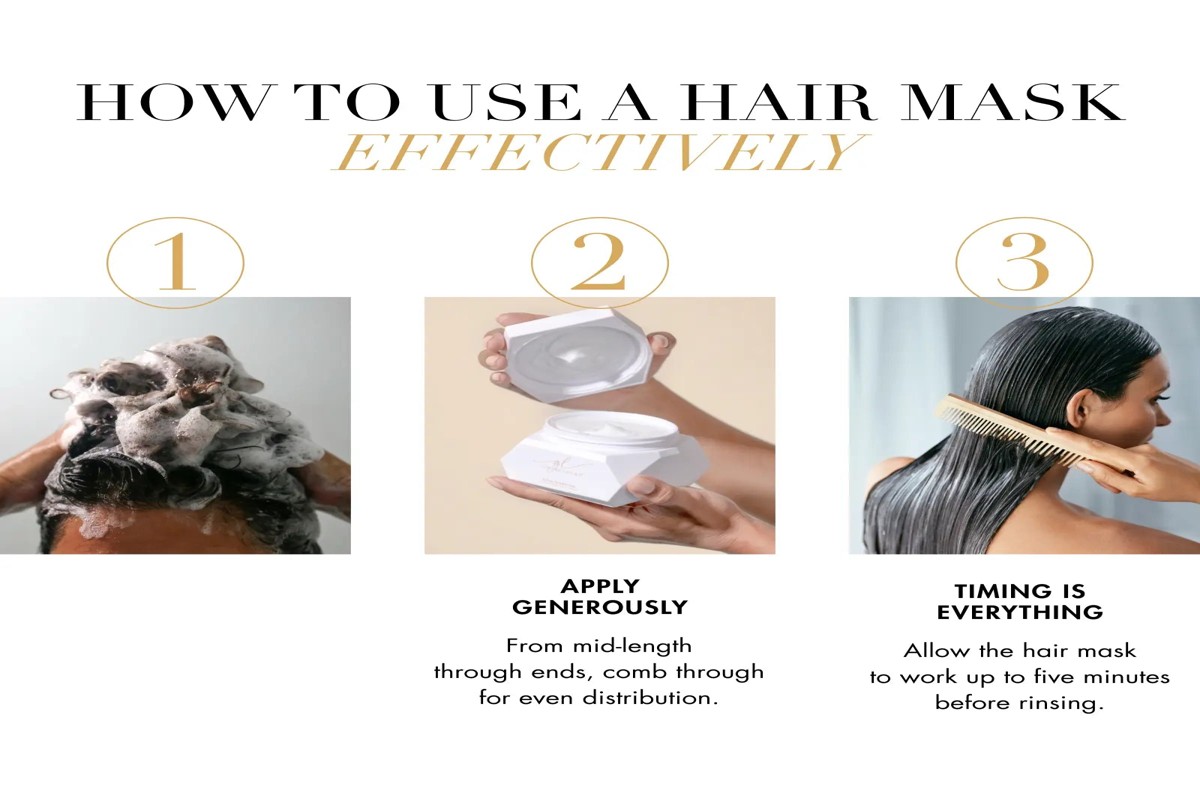
To apply a hair mask, start with clean, damp hair. Section your hair, apply the mask evenly from roots to ends, leave it on for the recommended time, and then rinse thoroughly.
Understanding how to apply a hair mask is essential for anyone seeking to improve the health and appearance of their hair. Incorrect application can lead to ineffective results, leaving hair dull and unmanageable, while proper technique ensures optimal nourishment and hydration.
This guide details the step-by-step process for applying a hair mask effectively, including tips on selecting the right product, recommended application times, and best practices for rinsing to achieve healthy, vibrant hair.
What is a hair mask and how does it work?
A hair mask is a deep conditioning treatment designed to nourish and repair hair. Typically thicker than regular conditioners, hair masks penetrate the hair shaft, delivering essential nutrients and moisture. They are formulated with various ingredients that target specific hair concerns, helping to improve overall hair health.
Hair masks often contain a combination of natural oils, proteins, and botanical extracts. These components work synergistically to restore hydration, strength, and elasticity to the hair. Common ingredients include:
- Coconut oil – hydrates and adds shine
- Argan oil – rich in antioxidants and fatty acids
- Aloe vera – soothes the scalp and promotes growth
- Honey – a natural humectant that retains moisture
- Keratin – strengthens and repairs damaged hair
The efficacy of a hair mask largely depends on the specific needs of the hair and the formulation of the product. For instance, color-treated hair may benefit from a mask rich in protein to restore strength, while dry hair may require a mask with intense moisturizing properties. Additionally, factors such as hair type, environmental damage, and heat styling can influence the choice and frequency of application.
To achieve optimal results, it is recommended to apply a hair mask on clean, damp hair and leave it on for a duration specified by the product instructions, typically ranging from 10 to 30 minutes. The longer the mask remains on the hair, the more beneficial ingredients are absorbed.
Expert Tip: For enhanced absorption, consider using a shower cap during application. The heat generated can help open the hair cuticles, allowing the mask to penetrate deeper and provide more intensive treatment.
How often should I apply a hair mask?
The frequency of applying a hair mask depends on your hair type and its specific condition. Generally, for most hair types, using a hair mask once a week is effective. However, those with dry or damaged hair may benefit from more frequent applications, while individuals with oily hair may need to limit usage.
Different hair types respond uniquely to hair masks. For dry or damaged hair, applying a hair mask 1-2 times a week can help restore moisture and repair damage. Products formulated with nourishing ingredients, such as oils or proteins, can significantly improve overall hair health. For normal hair, a weekly application is usually sufficient to maintain shine and manageability. Conversely, individuals with oily hair should consider using a hair mask every two weeks or even once a month to avoid excessive buildup.
- Fine or thin hair: Use a lightweight mask once every two weeks to prevent weighing down your hair.
- Curly or textured hair: Apply a hydrating mask weekly to enhance curl definition and moisture retention.
- Color-treated hair: Consider using a mask once a week to help maintain vibrancy and prevent fading.
Environmental factors, such as climate and exposure to heat styling, can also influence how often to apply a hair mask. In humid climates, hair may require less frequent treatment, while dry, cold environments may necessitate more regular applications.
Choosing the right product is crucial. Selecting a mask that caters specifically to your hair’s needs will yield the best results.
For optimal results, always follow the manufacturer’s instructions regarding application time and frequency. This ensures that the active ingredients in the mask can penetrate effectively, providing the desired benefits.
Can I apply a hair mask on dry hair?
Yes, you can apply a hair mask on dry hair, but the effectiveness may vary compared to applying it on damp hair. Using a hair mask on dry hair can provide intense nourishment, while damp hair allows for better absorption of the product. Each method has its advantages, depending on the specific needs of the hair.
Applying a hair mask on dry hair can be beneficial for individuals with extremely dry or damaged hair. The mask acts like a protective barrier, allowing the hair to soak up the nourishment without dilution. This method can be particularly effective for deeply conditioning masks, as the hair cuticles are more open and receptive to the ingredients. However, it may also lead to uneven distribution, as the product can clump in certain areas if not applied carefully.
On the other hand, applying a hair mask on damp hair is a common practice that helps to achieve a more uniform application. Damp hair allows the mask to spread more easily and can enhance the absorption of moisturizing agents. When hair is slightly wet, the cuticles are more raised, promoting better penetration of the mask’s beneficial ingredients. This method is often recommended for regular maintenance treatments, as it can help prevent product buildup and ensure that the hair remains healthy over time.
- Dry Hair: Intense nourishment; may lead to uneven application.
- Damp Hair: Better product absorption; easier to apply evenly.
- Hair Type Consideration: Dry masks may suit damaged hair; damp masks work for routine care.
Expert Tip: For optimal results, consider your hair’s condition and the specific mask’s formulation. Experimenting with both methods can help identify which approach yields the best results for your hair type and concerns.
What are the best hair masks for damaged hair?
The best hair masks for damaged hair are those specifically formulated to repair and nourish compromised strands. Effective options include masks containing ingredients like keratin, argan oil, and shea butter, which help to restore moisture, strengthen hair, and improve elasticity.
One highly recommended product is the Olaplex No. 3 Hair Perfector. This treatment works on a molecular level to repair broken bonds in the hair, making it particularly effective for chemically treated or heat-damaged hair. Users typically apply it to damp hair, leave it on for at least 10 minutes, and then rinse thoroughly, following up with their regular shampoo and conditioner routine.
Another excellent choice is the Moroccanoil Intense Hydrating Mask. Infused with argan oil, this mask provides deep hydration and improves hair’s overall texture. It is suitable for all hair types, including color-treated hair. To use, apply a generous amount to clean, towel-dried hair, comb through, and let it sit for 5 to 10 minutes before rinsing. This mask can be used once a week for optimal results.
For a more natural approach, consider the SheaMoisture Raw Shea Butter Restorative Hair Masque. This mask is rich in shea butter, sea kelp, and argan oil, making it ideal for restoring moisture and repairing dry, damaged hair. Apply it to clean, damp hair, leave it on for 30 minutes, and rinse for best results.
Utilizing a hair mask regularly can significantly enhance the health of damaged hair. When selecting a mask, consider your specific hair needs and the types of damage present, whether it’s from heat styling, chemical treatments, or environmental factors.
Expert Tip: For maximum effectiveness, always apply hair masks to clean, damp hair to ensure better absorption of the nourishing ingredients. Additionally, using a heat source, such as a warm towel or a heated cap, can enhance the mask’s penetration, resulting in more noticeable improvements in hair health.
How long should I leave a hair mask on?
You should typically leave a hair mask on for 10 to 30 minutes, depending on the specific formulation and your hair type. Some masks may recommend longer application times, while others can be effective in a shorter duration.
The recommended time to leave a hair mask on varies based on its ingredients and your hair’s condition. For instance, protein-based masks are often designed for shorter applications, around 10 to 15 minutes, as prolonged use can lead to stiffness in hair. Moisturizing masks, on the other hand, can be left in for 20 to 30 minutes to allow deeper penetration of hydrating ingredients.
Additionally, hair type plays a significant role in determining the ideal application time. Fine or oily hair may require less time to avoid weighing it down, while thick or dry hair can benefit from longer exposure to nourishing components. Always follow the manufacturer’s instructions on the packaging, as these are tailored to the specific formulation of the mask.
Factors Influencing Timing
Environmental factors, such as humidity and temperature, can also affect how long a mask should be left on. In dry climates, hair may absorb moisture more quickly, potentially reducing the time needed for a mask to be effective. Conversely, in humid environments, hair might retain moisture longer, allowing for extended application without adverse effects.
Ultimately, personal experimentation can help determine the optimal duration for your individual needs. Start with the recommended time, then adjust based on your hair’s response and condition after treatment.
Expert Tip: For enhanced results, consider covering your hair with a shower cap during the application. This creates a warm environment that can help the mask penetrate more deeply, maximizing its effectiveness.
Are homemade hair masks as effective as store-bought ones?
Homemade hair masks can be as effective as store-bought ones, but their efficacy largely depends on the ingredients used and individual hair needs. While commercial masks often contain specialized formulations and preservatives, homemade options allow for customization and the use of fresh, natural ingredients.
Store-bought hair masks typically contain a blend of scientifically formulated ingredients designed to target specific hair issues, such as dryness, damage, or frizz. These products often include preservatives and stabilizers to enhance shelf life and maintain consistency. In contrast, homemade hair masks can be tailored to individual hair types and concerns, using ingredients like avocado, honey, or coconut oil, which may provide deep nourishment without the chemicals found in some commercial products.
- Ingredients: Store-bought masks often include synthetic additives, while homemade masks rely on natural components.
- Customization: Homemade masks can be tailored to specific hair concerns, offering a more personalized approach.
- Cost: Homemade options may be more economical, utilizing common kitchen ingredients compared to the price of commercial masks.
However, the effectiveness of homemade masks can vary significantly based on the recipe and hair type. For instance, individuals with specific conditions, such as severe damage or color-treated hair, may benefit more from the targeted ingredients in commercial masks, which are often backed by research and development. Additionally, some store-bought products may contain professional-grade ingredients that are less accessible in homemade formulations.
When choosing between homemade and store-bought hair masks, consider hair type, specific needs, and any sensitivities to certain ingredients. Experimentation may be necessary to find the most effective solution.
Expert Tip: For optimal results, combine the strengths of both approaches. Use a homemade mask for regular nourishment and a commercial product for targeted treatments during intense care sessions.
What common mistakes should I avoid when applying a hair mask?
Applying a hair mask incorrectly can diminish its effectiveness and lead to suboptimal results. Common mistakes include improper application techniques, neglecting specific hair types, and failing to follow recommended timing. Avoiding these errors ensures that the mask delivers maximum benefits to the hair.
One prevalent error is applying the mask to dry hair when it is intended for damp hair. Hair absorbs products more effectively when slightly wet, allowing the mask to penetrate the strands better. Additionally, not sectioning the hair can lead to uneven application. For optimal coverage, divide hair into manageable sections.
- Neglecting to read the instructions: Every hair mask has specific guidelines. Some masks require heat for better absorption, while others work best at room temperature. Always follow the manufacturer’s instructions to achieve desired effects.
- Overusing the product: Using too much mask can weigh hair down and lead to buildup. A quarter-sized amount is often sufficient for medium-length hair. Adjust the quantity based on hair length and thickness.
- Leaving the mask on for too long: While longer application times may seem beneficial, overdoing it can lead to reverse effects, such as greasy hair or scalp irritation. Stick to the recommended time, usually between 10 to 30 minutes.
Another common mistake is rinsing with hot water. Hot water can strip moisture and negate the benefits of the mask. Use lukewarm or cool water for rinsing, as it helps seal the hair cuticle and retain moisture.
For best results, consider your hair type and needs. Fine hair may require lighter formulas, while thick or curly hair can benefit from richer masks. Tailoring the hair mask to your specific hair type maximizes its effectiveness.
Expert Tip: Always perform a patch test with a new hair mask to check for allergic reactions, especially if you have sensitive skin or a history of allergies. This precaution can prevent adverse effects and ensure a positive experience with the product.
Choosing the Right Hair Mask for Your Hair Type
Selecting the appropriate hair mask is essential for addressing specific hair needs and achieving optimal results. This section provides insights on how to choose a hair mask tailored to your hair type and concerns.

Understanding Different Hair Types
Hair types can be categorized into four primary groups: straight, wavy, curly, and coily. Each type has unique characteristics that influence how it responds to products, including hair masks.
- Straight Hair: Generally shiny and smooth, straight hair can become oily quickly. It may require lightweight masks to avoid weighing it down.
- Wavy Hair: Wavy hair has a natural bend and tends to be more voluminous. Masks that enhance wave definition and reduce frizz are beneficial.
- Curly Hair: Curly hair is prone to dryness and requires moisture-rich masks to maintain its shape and softness. Look for products that promote curl definition.
- Coily Hair: Coily hair is densely packed and can be very dry. Deep conditioning masks with nourishing ingredients are essential for hydration and elasticity.
Identifying Hair Concerns
Recognizing specific hair concerns is key to selecting the right mask. Common issues include:
- Dryness: Often caused by environmental factors or heat styling, dryness can be remedied with hydrating masks rich in oils and humectants.
- Damage: Hair subjected to frequent coloring or heat styling requires reparative masks containing proteins and amino acids to restore strength.
- Frizz: Frizz results from moisture loss or humidity. Look for smoothing masks that contain silicones or natural oils to seal the cuticle.
- Color-Treated Hair: Color-treated hair needs extra care to maintain vibrancy. Masks with color-protecting ingredients can help preserve hue and shine.
Ingredients to Look For Based on Hair Needs
Choosing a hair mask with the right ingredients can significantly impact its effectiveness. Consider the following:
- For Dry Hair: Look for ingredients like shea butter, avocado oil, or glycerin.
- For Damaged Hair: Opt for masks containing keratin, hydrolyzed proteins, or argan oil.
- For Frizz Control: Seek out masks with silicones, coconut oil, or jojoba oil.
- For Color Protection: Ingredients like sunflower seed extract and vitamin E help maintain color.
Recommendations for Various Hair Types and Conditions
Here are tailored recommendations for different hair types and concerns:
- Straight Hair: Lightweight gel-based masks with aloe vera or tea tree oil.
- Wavy Hair: Creamy masks with shea butter and seaweed extract for added hydration and definition.
- Curly Hair: Rich, emollient masks with coconut oil and honey for moisture and curl enhancement.
- Coily Hair: Deep conditioning masks with mango butter and castor oil to restore moisture and elasticity.
Many consumers mistakenly believe that all hair masks perform similarly across different hair types. However, the effectiveness of a hair mask is highly contingent on its formulation and the individual’s hair characteristics. For example, a protein-heavy mask may benefit damaged hair but could exacerbate dryness in already dry hair types. Therefore, understanding your unique hair profile is crucial for selecting the right treatment.
To apply this knowledge effectively, start by evaluating your hair type and specific concerns. Choose a hair mask that aligns with these factors, paying close attention to ingredient lists. Incorporate the mask into your hair care routine 1-2 times per week for optimal results, ensuring proper application techniques for best absorption.
Step-by-Step Guide to Applying a Hair Mask
This section provides a detailed, actionable process for effectively applying a hair mask. Proper application enhances the mask’s benefits, leading to healthier hair.

Preparing Your Hair and Workspace
Before applying a hair mask, preparation is essential. Start by selecting a clean, quiet area where you can focus on the process without distractions. Gather the necessary tools, including a wide-tooth comb, a towel, clips, and a bowl for mixing if needed.
1. **Start with Clean Hair**: Wash your hair with a gentle shampoo to remove any product buildup and dirt. This ensures the mask can penetrate effectively.
2. **Towel Dry**: Gently towel dry your hair to remove excess moisture. Hair should be damp but not dripping.
3. **Detangle**: Use a wide-tooth comb to detangle your hair, minimizing breakage during application.
Techniques for Even Application
Applying the hair mask evenly is crucial to avoid product waste and ensure all strands receive treatment.
1. **Section the Hair**: Divide your hair into four sections using clips. This allows for systematic application.
2. **Use Your Hands or a Brush**: Apply the mask using your hands or a color brush. If using hands, coat them with the mask and apply from roots to ends. If using a brush, start from the mid-lengths and work towards the roots and ends.
3. **Massage the Product**: After applying, massage the mask into your scalp and hair for 3-5 minutes. This promotes blood circulation and enhances absorption.
Maximizing Absorption and Effectiveness
To maximize the hair mask’s benefits, consider the following techniques:
– **Heat Activation**: Cover your hair with a shower cap or warm towel. The heat opens up the hair cuticles, allowing for deeper penetration.
– **Leave-In Time**: Follow the recommended leave-in time on the product label, generally between 15 to 30 minutes.
– **Add Oils**: Mixing a few drops of carrier oils, such as argan or jojoba oil, can enhance the mask’s nourishing properties.
Post-Application Care and Maintenance
After the mask has been left in for the appropriate duration, it’s time for rinsing and follow-up care.
1. **Thorough Rinse**: Rinse your hair thoroughly with lukewarm water to remove all traces of the mask.
2. **Conditioner**: Follow up with a light conditioner if desired, focusing on the ends. This can help seal in moisture.
3. **Drying**: Avoid vigorous towel drying. Instead, gently squeeze out excess water and air dry or use a blow dryer on a low heat setting.
Expert Considerations
Common misconceptions about hair masks include the belief that more product equals better results. In reality, using an appropriate amount based on your hair length and thickness is more effective. Over-application can lead to buildup, making hair greasy and heavy. Additionally, not all masks are suitable for all hair types; understanding your hair’s unique needs can enhance results. For instance, fine hair may benefit from lighter formulations, while thick, curly hair often requires richer, more hydrating masks.
Practical Application
To effectively apply a hair mask, follow these steps:
1. Prepare your workspace and gather tools.
2. Cleanse and towel dry your hair.
3. Section your hair for even application.
4. Apply the mask using your hands or a brush, massaging it in.
5. Utilize heat and adhere to recommended leave-in times.
6. Rinse thoroughly and follow up with conditioner if necessary.
By executing these steps, the application of a hair mask can transform your hair health, leading to improved moisture, shine, and overall vitality.
Understanding Hair Mask Ingredients: What to Look For
This section delves into the essential ingredients found in hair masks, highlighting their benefits and potential allergens. Understanding these components equips users to make informed choices for healthier hair.
Common Beneficial Ingredients
Hair masks contain a variety of ingredients that can significantly enhance hair health. Key categories include:
- Oils: Nutrient-rich oils such as argan, coconut, and jojoba provide deep hydration and nourishment. They help to seal moisture in the hair shaft, reducing frizz and improving shine.
- Proteins: Hydrolyzed silk, keratin, and wheat protein strengthen hair by repairing damaged strands. Proteins fill in gaps in the hair structure, making it more resilient.
- Vitamins: Vitamins A, E, and B-complex play vital roles in promoting scalp health and hair growth. They support the overall vitality of hair, enhancing its appearance and texture.
Ingredients to Avoid
Certain ingredients can exacerbate sensitivities or damage specific hair types. Consider avoiding:
- Alcohols: Many alcohols can dry out hair and irritate the scalp. Look for masks that are alcohol-free, especially if you have dry or curly hair.
- Fragrances: Synthetic fragrances can cause allergic reactions for some individuals. Opt for fragrance-free or naturally scented options if you have a sensitive scalp.
- Harsh sulfates: These can strip natural oils from hair, leading to dryness and brittleness. Choose sulfate-free formulas to maintain moisture balance.
How to Read and Understand Product Labels
Product labels can be overwhelming. To effectively assess a hair mask:
- Start with the ingredients list. Ingredients are listed in order of concentration, so the first few ingredients are the most significant.
- Look for certifications such as organic, cruelty-free, or vegan, which may indicate higher quality or ethical production standards.
- Check for allergen warnings if you have known sensitivities. This information is often found near the ingredients list.
Natural Alternatives and DIY Options
For those who prefer natural solutions, several DIY hair masks can be made from kitchen staples:
- Coconut Oil and Honey: A mixture that hydrates and adds shine.
- Avocado and Olive Oil: Rich in vitamins and healthy fats, this combination nourishes and strengthens hair.
- Banana and Yogurt: This mask promotes moisture retention and enhances elasticity.
When opting for DIY, ensure ingredients are fresh and free from contaminants to maximize benefits.
Many misconceptions exist regarding hair mask ingredients. For example, it’s commonly believed that all oils are heavy and greasy; however, lighter oils like argan and grapeseed can be beneficial for fine hair types. Additionally, while proteins are essential for strengthening hair, overuse can lead to stiffness and breakage. Balance is key.
To apply this knowledge effectively, start by assessing your hair type and specific needs. Select hair masks with beneficial ingredients tailored to your hair goals. Always conduct a patch test for new products to avoid allergic reactions, and consider integrating natural options into your routine for a holistic approach to hair care.
Real-World Results: Before and After Hair Mask Applications
This section presents real-life case studies and testimonials that demonstrate the effectiveness of hair masks across different hair types. These examples highlight the transformative impact of consistent use, supported by expert insights and practical maintenance tips.

Case Studies of Different Hair Types
Individuals with varying hair types experience distinct benefits from hair masks. Here are three notable case studies:
- Curly Hair: A user with tight curls reported improved definition and reduced frizz after using a protein-rich hair mask weekly for a month. The mask enhanced moisture retention, resulting in shinier, bouncier curls.
- Color-Treated Hair: A person with color-treated hair experienced significant fade reduction and increased softness after incorporating a hydrating mask into their routine. The mask’s ingredients helped seal the hair cuticle, preserving color vibrancy.
- Fine Hair: An individual with fine hair found that a lightweight hair mask added volume without weighing it down. With regular application, hair appeared thicker and had more body, addressing the common concern of limpness.
Visual Results of Consistent Use
Before and after images of hair mask applications illustrate their effectiveness. Many users report visible changes in texture, shine, and overall hair health after just a few treatments. For instance, a 30-day regimen often leads to smoother strands and improved manageability. Consistency is key; results are amplified with regular use.
Expert Opinions on Long-Term Benefits
Hair care professionals emphasize the long-term benefits of using hair masks. Regular application can lead to:
- Strengthened Hair: Nutrients penetrate the hair shaft, reducing breakage and split ends.
- Improved Elasticity: Masks help restore elasticity, making hair more resilient to styling.
- Enhanced Shine: Ingredients such as oils and butters provide a natural shine, improving overall appearance.
Experts recommend selecting hair masks based on specific hair needs, ensuring maximum efficacy over time.
Maintaining Results After Using a Hair Mask
To prolong the benefits of hair masks, individuals should follow these tips:
- Limit heat styling to avoid damage.
- Use a sulfate-free shampoo to maintain moisture levels.
- Incorporate a leave-in conditioner for added hydration.
- Regularly trim hair to eliminate split ends and promote healthy growth.
After applying a hair mask, individuals must adopt a holistic hair care routine. This includes using suitable products and minimizing exposure to environmental stressors. Tailoring post-mask care to individual hair types enhances the longevity of results.
In summary, the evidence from real-world applications of hair masks underscores their effectiveness across various hair types. By understanding different case studies, visual results, expert opinions, and maintenance tips, individuals can make informed choices about their hair care routines. To achieve optimal results, commit to regular applications and adapt your routine based on your hair’s specific needs.
Frequently Asked Questions
What is a hair mask and how does it work?
A hair mask is a deep conditioning treatment designed to nourish and repair hair. It penetrates the hair shaft, providing moisture and nutrients to improve texture and overall health.
How often should I apply a hair mask?
Applying a hair mask once a week is generally recommended for most hair types. However, those with severely damaged hair may benefit from more frequent applications.
Can I apply a hair mask on dry hair?
Yes, some hair masks can be applied to dry hair for more intense treatment. However, many formulas work best on damp hair to facilitate better absorption.
What are the best hair masks for damaged hair?
Look for hair masks containing ingredients like keratin, argan oil, or shea butter to effectively repair damaged hair. Products specifically formulated for restoration and hydration are ideal.
How long should I leave a hair mask on?
Most hair masks should be left on for 10 to 30 minutes, depending on the product instructions. Leaving it on longer can enhance the benefits, but always check the specific guidelines.
Are homemade hair masks as effective as store-bought ones?
Homemade hair masks can be effective, especially when made with nourishing ingredients. However, store-bought masks often contain specialized formulations that may provide more consistent results.
What common mistakes should I avoid when applying a hair mask?
Avoid applying too much product, as this can lead to buildup and weigh hair down. Additionally, neglecting to follow the recommended application time can reduce the mask’s effectiveness.
Final Thoughts on how to apply hair mask
Applying a hair mask is not merely an indulgent treatment; it is a pivotal step in maintaining healthy, vibrant hair. Selecting the right formulation tailored to your hair type and following a systematic application process can significantly enhance the benefits of the mask, ensuring that hair receives the nourishment it desperately needs.
To maximize results, begin a regimen of applying a hair mask bi-weekly, choosing a product rich in beneficial ingredients such as keratin or natural oils that align with your specific hair concerns. This commitment will yield noticeable improvements in texture and overall health.
Understanding the importance of hair masks is vital in today’s fast-paced world, where hair is often subjected to environmental stressors and styling tools that can compromise its integrity.
Leave a Reply