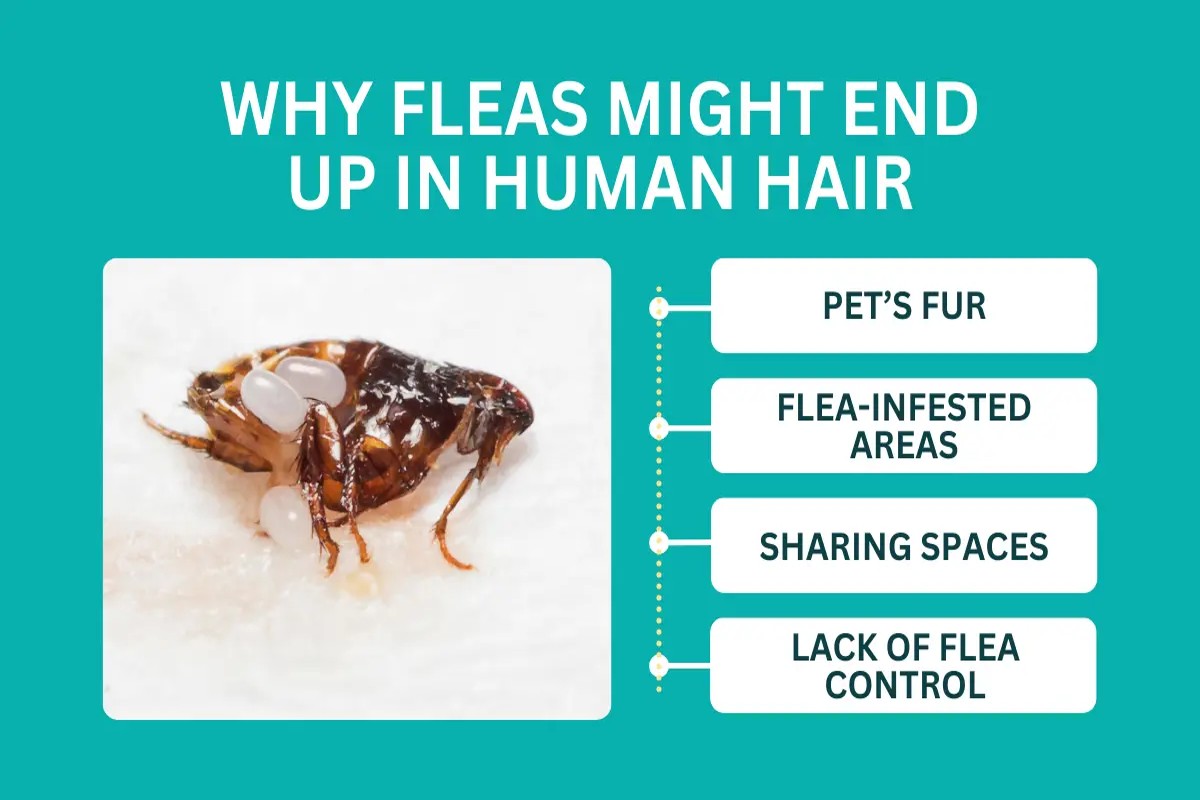
Yes, a flea can live in human hair, although they prefer animal hosts. While fleas can bite humans and cause irritation, they typically do not thrive in human hair.
Understanding whether fleas can inhabit human hair is crucial for pet owners and individuals living in areas with high flea populations. Misconceptions about flea behavior can lead to ineffective pest control measures and increased discomfort from bites.
This article will detail the reasons fleas prefer animal hosts, the implications of flea bites on humans, and effective strategies for managing flea infestations in both pets and living environments.
Can fleas survive on humans?
Fleas cannot survive long-term on humans, as they prefer other hosts such as dogs or cats. While they may occasionally bite humans, their lifespan and reproductive capabilities are significantly diminished in this environment.
Fleas are ectoparasites that thrive on the blood of warm-blooded animals. For survival, they require specific conditions that humans do not typically provide. Factors that influence their ability to survive include:
- Host Preference: Fleas are highly specialized for animal hosts, particularly pets like dogs and cats. Their anatomy and feeding behavior are adapted to these hosts.
- Feeding Frequency: Fleas need to feed every few days to maintain their lifecycle. Humans do not provide the consistent access to blood that fleas require for optimal survival.
- Environmental Conditions: Fleas thrive in warm, humid environments, which are not characteristic of human hair or skin. This limits their ability to reproduce and survive.
Although fleas can bite humans and may temporarily inhabit human hair, they will not establish a permanent residence. Most adult fleas that land on humans will eventually jump off in search of a more suitable host. In the case of a severe infestation in pets or living environments, fleas may be found in areas frequented by humans, but these instances do not indicate that fleas can live on human hosts.
Expert Tip: Regularly treating pets for fleas and maintaining a clean living environment can significantly reduce the chances of fleas coming into contact with humans. Additionally, understanding the specific lifecycle of fleas can aid in effective pest control strategies.
How to tell if fleas are in your hair?
Fleas can infest human hair, although it is not common. To determine if fleas are present, look for several signs and symptoms, including itching and visible bites on the scalp.
- Itching and Irritation: One of the primary indicators of flea presence is persistent itching. Flea bites can cause localized irritation, leading to discomfort and scratching.
- Visible Bites: Inspect the scalp and neck for small, red, raised welts that may appear in clusters. These bites typically resemble mosquito bites and can be quite itchy.
- Flea Dirt: Look for black specks in the hair or on the scalp, which are flea feces. This material resembles ground pepper and is a telltale sign of flea activity.
- Unusual Behavior: If you find yourself scratching your head more frequently than usual, especially at night, it may indicate an infestation. Fleas are more active during this time, leading to increased biting.
- Presence of Fleas: If possible, check the hair for adult fleas. They are small, dark brown insects that can move quickly, making them difficult to catch. A fine-toothed comb can help in identifying them.
Fleas prefer pets as hosts, but they can occasionally latch onto humans, especially if they are in close contact with infested animals. If you suspect an infestation, it is crucial to treat both the environment and the affected individuals.
Expert Tip: Regularly inspecting and grooming pets can help prevent fleas from transferring to humans. Consider using flea prevention treatments on pets to reduce the risk of infestation.
What are the best treatments for flea bites on humans?
Effective treatments for flea bites on humans focus on alleviating discomfort and preventing infection. Immediate care typically involves cleaning the bite area, reducing inflammation, and managing itching. A combination of home remedies and over-the-counter solutions can provide relief.
Start by washing the affected area with soap and water to remove irritants. Following this, consider the following best practices for treating flea bites:
- Apply a cold compress: Use a clean cloth soaked in cold water or ice wrapped in a towel to reduce swelling and numb the itching sensation. Apply for 10-15 minutes at a time.
- Use anti-itch creams: Topical treatments containing hydrocortisone or calamine lotion can effectively soothe itching and reduce inflammation. Apply as directed on the packaging.
- Take antihistamines: Oral antihistamines, such as diphenhydramine (Benadryl), can help alleviate severe itching and allergic reactions. Follow the dosage instructions carefully.
- Keep nails trimmed: To prevent skin infection from scratching, keep fingernails short. This minimizes the risk of breaking the skin and introducing bacteria.
- Monitor for signs of infection: If the bite area becomes increasingly red, swollen, or pus-filled, seek medical attention. Early intervention is critical in managing potential infections.
Effective management also includes preventive measures to avoid future bites. Regularly treating pets with veterinarian-approved flea control products and maintaining a clean living environment can significantly reduce exposure to fleas.
Expert Tip: Consider using essential oils, such as tea tree oil or lavender, diluted in a carrier oil, to apply topically for their anti-inflammatory and soothing properties, but perform a patch test first to avoid further irritation.
How long can fleas live without a host?
Fleas can survive without a host for approximately one to two weeks, depending on environmental conditions. Factors such as temperature, humidity, and the flea’s life stage play a critical role in their survival duration.
Adult fleas typically live longer without a host than younger fleas. In favorable conditions—warm temperatures and high humidity—adult fleas may survive up to two weeks. Conversely, in dry or cold environments, their lifespan can shorten significantly. Additionally, flea larvae and pupae have a more extended survival capacity, often remaining dormant for months until conditions become favorable for hatching.
The presence of a host is crucial for feeding and reproduction. Without a host, adult fleas cannot obtain blood meals, which are essential for their reproductive cycle. This lack of nourishment not only limits their lifespan but also prevents them from laying eggs. Consequently, infestations can be controlled by eliminating potential hosts and maintaining a clean environment.
Factors Influencing Flea Survival
Several factors influence how long fleas can survive without a host. These include:
- Temperature: Fleas thrive in warm environments, ideally between 70°F to 85°F. Colder temperatures can significantly reduce their lifespan.
- Humidity: High humidity levels (around 50-70%) can support flea survival, while low humidity can lead to desiccation.
- Life Stage: Fleas in the egg and larval stages can survive for extended periods, often waiting for hosts to become available.
Maintaining a clean environment is essential for controlling flea populations. Regular vacuuming and washing of bedding can disrupt their life cycle and prevent infestations.
Expert insight: Implementing flea control strategies during peak infestation seasons—typically spring and summer—can significantly reduce the likelihood of an outbreak, as adult fleas are more likely to seek hosts during these times.
Are fleas more likely to infest human hair or pet fur?
Fleas are significantly more likely to infest pet fur than human hair. While fleas can occasionally be found on humans, they are primarily adapted to thrive in the fur of animals, especially cats and dogs. Their anatomy and behavior make them better suited for life on furry hosts.
Fleas prefer hosts that provide them with the necessary warmth, shelter, and easy access to blood meals. Pet fur offers a dense environment where fleas can easily hide and reproduce. In contrast, human hair is less conducive to flea survival due to its lack of insulation and the grooming habits of humans, which remove many potential fleas. Additionally, the specific species of fleas that commonly infest pets, such as the cat flea (Ctenocephalides felis), are not biologically inclined to live on humans.
- Host Preference: Fleas are more attracted to warm-blooded animals with fur, making pets their primary targets.
- Habitat Suitability: Pet fur provides a suitable environment for fleas to hide, breed, and feed, while human hair lacks these characteristics.
- Grooming Behavior: Humans regularly groom their hair, which can help remove fleas, whereas pets may not exhibit the same level of grooming.
The implications of this preference are significant for pet owners. It indicates the importance of regular flea prevention treatments for pets to minimize the risk of infestation and the potential for fleas to transfer to humans. Furthermore, a flea infestation in pets can lead to discomfort and health issues for both pets and their owners, emphasizing the need for vigilance in flea control.
Expert Tip: Regularly inspect and treat pets with veterinarian-recommended flea control methods, as this not only protects the animals but also reduces the likelihood of fleas transferring to humans.
What is the cost of professional flea treatment?
The cost of professional flea treatment typically ranges from $100 to $300, depending on various factors such as the size of the infestation and the area being treated. Some services may charge a flat fee, while others might base their pricing on the size of your home or the severity of the flea problem. Additional factors can influence these costs significantly.
Several elements affect the overall price of professional flea extermination services:
- Size of the Infestation: A larger infestation usually requires more extensive treatment, increasing the cost.
- Type of Treatment: Different methods, such as chemical sprays, fogging, or heat treatments, can vary in price. Heat treatments, while effective, tend to be more expensive.
- Home Size: The square footage of your residence directly impacts the cost. Larger homes may require more time and resources for effective treatment.
- Follow-up Services: Some companies offer follow-up treatments or guarantees, which can add to the initial cost but may be necessary for thorough eradication.
- Geographic Location: Prices may vary based on regional market rates and the availability of pest control services in your area.
When considering professional flea treatment, it is advisable to obtain multiple quotes to ensure competitive pricing. Additionally, inquire about any guarantees or follow-up services that may be included in the cost. This can provide a clearer understanding of the total investment needed to effectively eliminate fleas from your environment.
Expert Tip: Always choose a licensed and insured pest control service to ensure the safety and effectiveness of the treatment. This can also provide peace of mind regarding any potential damages or issues that may arise during the extermination process.
Can fleas live in bedding or clothing?
Fleas can indeed live in bedding and clothing, as these environments provide warmth and a food source. They thrive in areas with regular human or pet activity, where they can easily find hosts to feed on. Fleas can survive in these materials as they can hide in fibers, making it difficult to eliminate them without proper cleaning and treatment.
Bedding and clothing serve as suitable habitats for fleas due to the following factors:
- Temperature and Humidity: Fleas prefer warm and humid conditions, which are often found in bedding and clothing, especially in households with pets.
- Food Source: Fleas feed on blood, and they can easily access a host when humans or animals come into contact with infested items.
- Protection from Predators: The fibers in bedding and clothing provide a safe space for fleas to hide from potential threats, allowing them to breed and thrive.
Additionally, fleas can lay eggs in these materials, leading to a more significant infestation if not addressed promptly. Regular washing of bedding and clothing in hot water, along with vacuuming, can help mitigate the risk of fleas living in these areas. It is also advisable to treat pets for fleas to prevent them from introducing these pests into the household.
Expert Tip: Using a combination of heat and insecticides is often the most effective method for eliminating flea infestations in bedding and clothing, as fleas can be resistant to certain treatments when they are in their larval or pupal stages.
Understanding Flea Life Cycle and Behavior
This section delves into the life cycle of fleas and their behavioral patterns, providing essential insights into their presence in human environments. Understanding these factors is crucial for effective flea management.
Flea Life Stages
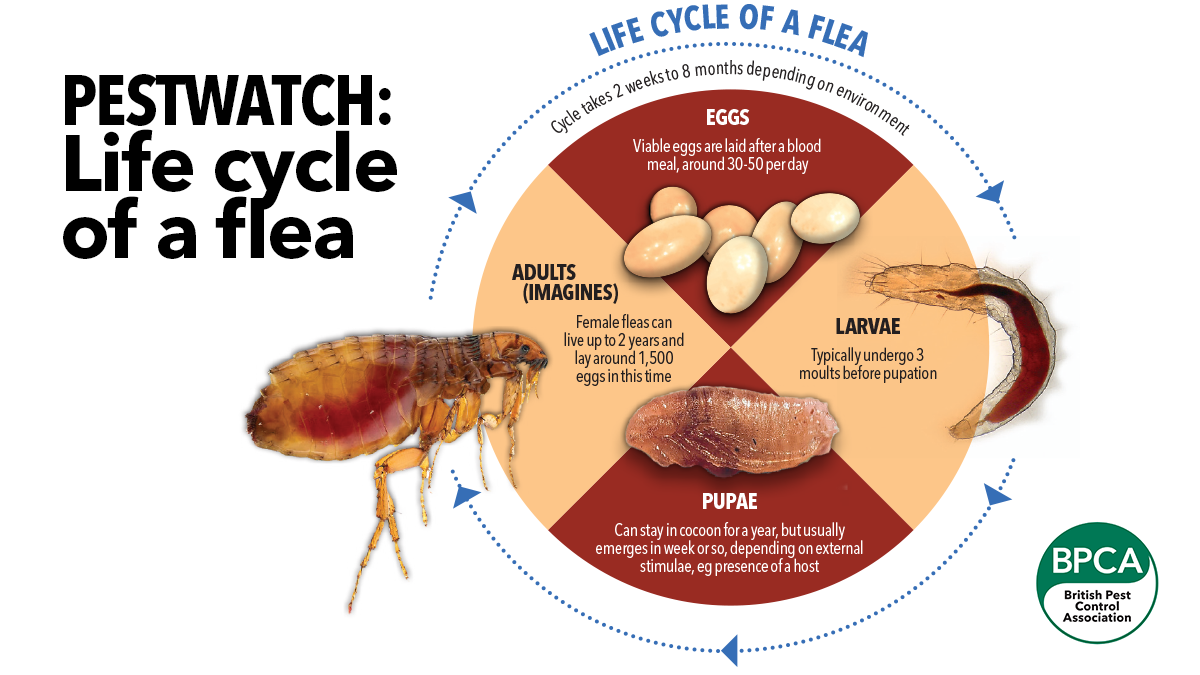
Fleas undergo four distinct life stages: **egg**, **larva**, **pupa**, and **adult**. Each stage has unique characteristics and requirements that influence their survival and proliferation.
- Egg: Flea eggs are small, white, and oval-shaped, measuring approximately 0.5 mm. A female flea can lay up to 50 eggs daily, often in the host’s fur or surrounding environment.
- Larva: After hatching, larvae emerge and are about 2-5 mm long. They are blind and prefer dark, moist areas, feeding on organic debris, including adult flea feces, which contain digested blood.
- Pupa: The larval stage lasts about 5 to 11 days, depending on environmental conditions. Pupae spin silk cocoons and can remain dormant for several months until conditions are favorable for hatching.
- Adult: Adult fleas emerge from the pupal stage, ready to seek a host. They can live for several weeks to months, depending on food availability and environmental conditions.
Factors Influencing Flea Behavior and Host Selection
Fleas are primarily attracted to warm-blooded animals, including pets and humans. Factors influencing their selection of hosts include:
- Body heat: Fleas are sensitive to temperature and are drawn to the warmth produced by potential hosts.
- Carbon dioxide: Fleas detect carbon dioxide exhaled by animals, signaling the presence of a host.
- Movement: Fleas are also attracted to vibrations and movement, which indicate the presence of a living host nearby.
Duration of Each Life Stage and Environmental Conditions
The duration of each life stage varies based on environmental factors such as temperature and humidity:
- The **egg** stage can last 1-10 days, depending on conditions.
- The **larval** stage typically lasts 5-11 days.
- The **pupal** stage can last from a week to several months, depending on external factors.
- Adult fleas can live for several weeks to months, with adequate food supply extending their lifespan.
High humidity and warmer temperatures accelerate flea development, while cooler and drier conditions can prolong their life cycle.
Impact of Pet Ownership on Flea Infestations
Pet ownership significantly increases the likelihood of flea infestations. Pets, especially dogs and cats, can act as primary hosts, providing fleas with a consistent food source. The presence of pets promotes a conducive environment for fleas to thrive, leading to potential infestations in the household.
Common misconceptions suggest that fleas cannot survive in human hair; however, while they can jump onto humans, they do not typically establish themselves there due to the lack of a suitable habitat and food source. Fleas prefer fur-covered hosts where they can easily hide and feed.
Expert Considerations
Many articles oversimplify flea behavior by failing to address the complexity of their life cycle and environmental adaptability. For instance, while fleas can jump onto humans, their lifecycle depends heavily on the presence of a suitable host. They are unlikely to thrive in human hair due to the absence of the necessary conditions for breeding and development.
Practical Application
To mitigate flea infestations, consider the following actionable steps:
- Regularly treat pets with veterinarian-recommended flea prevention methods.
- Maintain a clean environment by vacuuming frequently and washing pet bedding.
- Monitor for signs of fleas on pets and in the home, such as flea dirt or scratching behavior.
Understanding flea behavior and their life cycle is essential for effective control and prevention strategies.
Preventing Flea Infestations in Your Home
Effective prevention of flea infestations is essential for maintaining a healthy living environment for both humans and pets. This section outlines practical strategies to minimize the risk of fleas entering your home.
Effective Home Cleaning Practices
Regular cleaning is a fundamental step in controlling flea populations. Fleas thrive in warm, humid environments and are often found in carpets, upholstery, and bedding. Consider implementing the following cleaning practices:
- Vacuum frequently: Vacuum carpets, rugs, and upholstered furniture at least once a week. Focus on areas where pets spend time, as these are likely to harbor flea eggs and larvae.
- Wash bedding: Launder pet bedding and any washable fabrics every two weeks in hot water to kill fleas and their eggs.
- Use steam cleaning: Steam cleaning carpets and furniture can effectively kill fleas at all life stages and eliminate eggs and larvae.
Flea Prevention Products for Pets
Utilizing veterinarian-recommended flea prevention products is critical in safeguarding pets from flea infestations. Options include:
- Topical treatments: Apply monthly topical treatments that kill fleas on contact and prevent future infestations.
- Flea collars: Some collars release chemicals that repel and kill fleas, providing long-lasting protection.
- Oral medications: Prescription oral medications can effectively eliminate fleas and prevent new infestations.
Outdoor Strategies to Minimize Flea Risks
Fleas can also enter homes from outdoor environments. Implementing outdoor strategies can significantly reduce the likelihood of infestations:
- Maintain your yard: Regularly mow the lawn and trim shrubs to reduce shady areas where fleas thrive.
- Use flea control products: Apply flea control treatments in your yard, particularly in shaded areas and near pet resting spots.
- Limit wildlife access: Prevent wild animals from entering your yard, as they can carry fleas. Secure trash and use fences where possible.
The Importance of Regular Pet Grooming and Vet Visits
Regular grooming is vital for detecting and removing fleas before they become a problem. Brush pets weekly with a flea comb and check for signs of infestation. Additionally, schedule regular veterinary visits to ensure pets receive necessary flea prevention treatments and check-ups.
Many pet owners mistakenly believe that if their pet does not show visible signs of fleas, they are safe from infestations. However, fleas can remain dormant in the environment, ready to emerge when conditions are favorable. Furthermore, flea eggs can survive for months in the home, complicating eradication efforts. Therefore, maintaining a proactive approach to flea prevention, including consistent cleaning, grooming, and veterinary care, is essential.
To implement these strategies effectively, establish a cleaning routine that includes vacuuming and washing fabrics, invest in quality flea prevention products for pets, and maintain your outdoor space. Regularly groom pets and schedule veterinary check-ups to ensure continued protection against fleas. By taking these steps, you can significantly reduce the risk of flea infestations in your home and enhance the well-being of your family and pets.
Natural Remedies and Treatments for Flea Control
This section explores effective natural remedies and treatments for controlling fleas, focusing on methods that prioritize safety for both humans and pets. Understanding these alternatives is essential for effective pest management without harmful chemicals.
Overview of Natural Flea Repellents
Natural flea repellents can be effective in deterring fleas and reducing infestations. Common options include:
- Diatomaceous Earth: A fine powder made from fossilized algae, it dehydrates fleas upon contact, making it a powerful, non-toxic option.
- Salt: When sprinkled on carpets and furniture, salt can dehydrate flea eggs and larvae, helping to break the flea life cycle.
- Vinegar: A diluted vinegar solution can repel fleas due to its strong odor when sprayed on pets and around the home.
These natural repellents often require consistent application for maximum effectiveness.
Homemade Flea Treatments for Carpets and Furniture
Creating homemade treatments for carpets and furniture can be both cost-effective and eco-friendly. Here are a few methods:
- Vacuuming: Regular vacuuming is essential. It removes adult fleas, eggs, and larvae from carpets and upholstery. Dispose of the vacuum bag or empty the canister outdoors immediately.
- Essential Oil Sprays: Combine water with a few drops of essential oils such as lavender, peppermint, or eucalyptus to create a natural flea spray for carpets and furniture.
- Soap and Water Traps: Place shallow dishes filled with soapy water near light sources. Fleas are attracted to the light, and when they jump in, they become trapped.
These treatments can help reduce flea populations when used in conjunction with other methods.
Benefits and Drawbacks of Using Essential Oils
Essential oils are popular for their natural insect-repelling properties. However, they come with both benefits and drawbacks:
Benefits:
– Natural and non-toxic when used correctly.
– Pleasant scents for humans and pets.
– Versatile in application (sprays, diffusers, etc.).
Drawbacks:
– Some essential oils can be toxic to pets, particularly cats.
– Efficacy may vary depending on the oil and concentration.
– Requires careful dilution and testing for skin sensitivity.
Adhering to safety guidelines is vital when using essential oils for flea control.
Safety Considerations When Using Natural Remedies
While natural remedies can be safer than chemical treatments, certain precautions are necessary. Always consider the following:
– **Pet Safety:** Ensure that any natural remedy used is safe for pets. Some substances, such as certain essential oils, can be harmful to animals.
– **Human Sensitivity:** Test any homemade sprays on a small area first to avoid allergic reactions or skin irritations.
– **Environmental Impact:** While natural, some remedies can still affect local ecosystems. Use responsibly and in moderation.
Nuance / Expert Layer
A common misconception is that natural remedies provide instant results comparable to chemical treatments. In reality, natural methods often take longer to show effectiveness. They require persistence and a combination of strategies to fully eradicate a flea infestation. Additionally, while some natural ingredients may repel fleas, they might not eliminate established populations. This distinction is critical for effective management. Fleas can survive in various environments, and a holistic approach is necessary to disrupt their life cycle fully.
Practical Application
To effectively implement natural flea control methods, consider the following steps:
1. Regularly vacuum carpets and furniture; dispose of waste outdoors.
2. Create and apply homemade flea sprays using safe essential oils.
3. Use diatomaceous earth in areas where fleas are prevalent, ensuring pets are kept away during application.
4. Monitor for flea activity and adjust methods as necessary to maintain effectiveness.
By following these actionable steps, individuals can manage flea populations while maintaining a safe environment for both people and pets.
The Impact of Fleas on Human Health
This section explores the health implications of flea bites and the potential diseases they may transmit to humans. Understanding these factors is essential for effective prevention and treatment.
Common Symptoms of Flea Bites in Humans
Flea bites on humans typically manifest as small, red, itchy welts. These bites commonly appear in clusters or lines on the skin, particularly around the ankles, waist, and other areas where clothing is tight. Additional symptoms may include:
- Intense itching: The primary symptom associated with flea bites.
- Swelling: A localized reaction can cause surrounding skin to swell.
- Rash: Some individuals may develop a rash from scratching.
Potential Diseases Associated with Flea Bites
Fleas are vectors for several diseases that can affect humans. Notably, fleas can transmit:
- Plague: Caused by the bacterium Yersinia pestis, transmitted through flea bites.
- Murine typhus: Caused by Rickettsia typhi, often linked to flea infestations in rodent populations.
- Bartonellosis: Also known as cat scratch fever, this disease can be transmitted by fleas from infected cats.
Long-Term Health Effects of Flea Infestations
While most individuals experience mild symptoms from flea bites, prolonged exposure to fleas can lead to significant health issues. Chronic scratching may result in secondary infections, such as cellulitis, which requires medical treatment. Additionally, individuals with allergies may develop more severe reactions over time, increasing their susceptibility to infections.
When to Seek Medical Attention for Flea Bites
Medical attention should be sought in the following circumstances:
- If the bite area shows signs of infection, such as increased redness, warmth, or pus.
- If severe allergic reactions occur, including difficulty breathing or swelling beyond the bite site.
- If symptoms persist or worsen despite home treatment.
Expert-level understanding of flea behavior reveals that fleas are primarily adapted to thrive on animals, making their presence on humans less common. However, the potential for disease transmission underscores the need for vigilance. Many assume that flea bites are harmless; however, the associated health risks can be significant, particularly for those with compromised immune systems.
To mitigate the health risks associated with flea bites, consider the following actions:
- Regularly inspect pets for fleas and use appropriate preventative treatments.
- Maintain cleanliness in living areas, including vacuuming and washing bedding frequently.
- Consult a healthcare provider if flea bites cause severe symptoms or if an infestation is suspected.
Frequently Asked Questions
Can fleas survive on humans?
Fleas can bite humans but do not typically survive on human hair or skin for long. They prefer furry hosts like pets, where they can feed and reproduce more effectively.
How to tell if fleas are in your hair?
Signs of fleas in hair include itching, irritation, and the presence of flea dirt or bites on the scalp. A thorough inspection with a fine-toothed comb can help identify any fleas or eggs.
What are the best treatments for flea bites on humans?
Effective treatments for flea bites include topical antihistamines, hydrocortisone cream, and oral antihistamines to relieve itching. Keeping the affected area clean and applying cold compresses can also help reduce discomfort.
How long can fleas live without a host?
Fleas can survive for several days to weeks without a host, depending on environmental conditions. In a suitable environment, adult fleas can live up to two weeks without feeding.
Are fleas more likely to infest human hair or pet fur?
Fleas are significantly more likely to infest pet fur than human hair, as they have evolved to thrive on animals. Human hair does not provide the same conducive environment for flea reproduction.
What is the cost of professional flea treatment?
The cost of professional flea treatment varies widely, typically ranging from $100 to $300 depending on the size of the home and severity of the infestation. Additional follow-up treatments may incur extra costs.
Can fleas live in bedding or clothing?
Yes, fleas can live in bedding and clothing, especially if these items are in close contact with infested pets. Regular washing and vacuuming can help eliminate fleas and their eggs from these areas.
Final Thoughts on can a flea live in human hair
Fleas are primarily adapted to thrive on animal hosts, making their survival on human hair unlikely. However, their presence on humans can occur, especially if the individual has been in close contact with infested animals. Understanding flea behavior and implementing preventive measures is crucial to avoid infestations and manage any potential health risks associated with flea bites.
To effectively protect yourself and your home, consider using a combination of regular vacuuming, washing pet bedding, and applying veterinarian-recommended flea treatments for pets. This multi-faceted approach will significantly reduce the likelihood of fleas making contact with humans.
Addressing flea infestations promptly is essential not only for comfort but also for maintaining overall health and hygiene in your living environment.
Leave a Reply