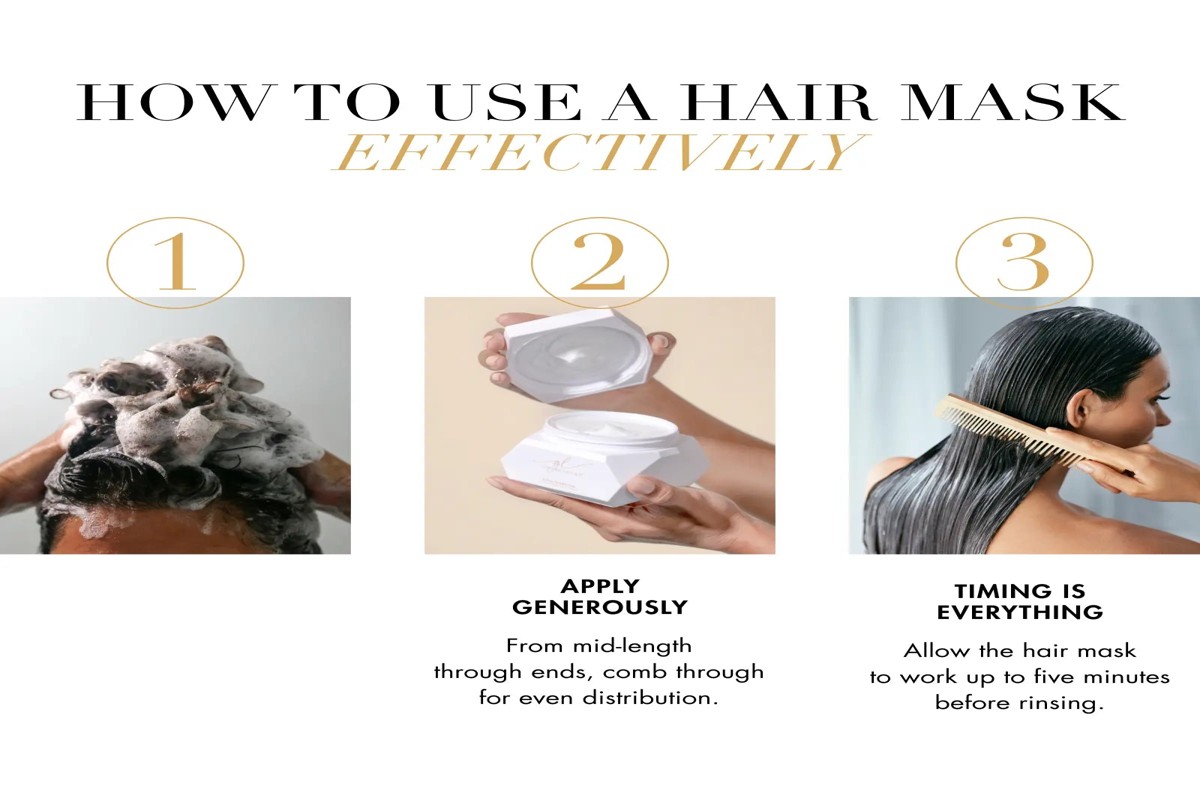
To use a hair mask, apply it to clean, damp hair, focusing on the ends. Leave it on for 10-30 minutes, then rinse thoroughly for best results.
Understanding how to use a hair mask is essential for maintaining healthy, vibrant hair. Improper application can lead to ineffective results, leaving hair dull or weighed down. Knowledge of proper techniques ensures optimal nourishment and care for various hair types.
This article will provide expert tips on selecting the right hair mask, detailed application techniques, and recommended frequency for use to achieve gorgeous hair.
What is a hair mask and how does it work?
A hair mask is a concentrated treatment designed to nourish, hydrate, and repair hair. Typically richer than regular conditioners, hair masks penetrate the hair shaft to deliver essential nutrients and moisture. They work by using a combination of oils, proteins, and humectants to improve the overall health and appearance of hair.
Hair masks can address a variety of hair concerns, including dryness, damage, frizz, and lack of shine. The effectiveness of a hair mask depends on its formulation, the specific ingredients used, and the hair type it is applied to. Common ingredients in hair masks include:
- Natural oils: Such as argan, coconut, or olive oil for moisture and shine.
- Proteins: Keratin or silk proteins to strengthen and repair damaged hair.
- Humectants: Ingredients like glycerin that attract moisture to the hair.
The application process is equally important. For optimal results, hair masks should usually be applied to clean, damp hair and left on for a specified duration, often ranging from 10 to 30 minutes. This allows the active ingredients to penetrate effectively. Additionally, some masks can be used as overnight treatments for deep conditioning, while others are designed for quick fixes.
Factors such as hair type, damage level, and specific needs will influence the choice of hair mask. For example, fine hair may benefit from lighter formulations that do not weigh it down, while thick or curly hair often requires richer, more moisturizing masks. Regular use of hair masks can lead to improved hair texture, enhanced shine, and overall healthier hair.
Expert Tip: For maximum efficacy, consider incorporating heat during application. Using a heated towel or a shower cap can help open the hair cuticles, allowing the mask to penetrate deeper and deliver better results.
How often should I use a hair mask?
Frequency of hair mask application depends on individual hair type and condition. For most people, using a hair mask once a week is ideal, but specific circumstances may warrant adjustments. Those with very dry or damaged hair may benefit from more frequent use, while individuals with fine or oily hair might need to apply masks less often.
Consider the following guidelines for frequency:
- Dry or damaged hair: Use a hair mask 1-2 times per week. This helps to restore moisture and repair damage.
- Normal hair: Once a week is typically sufficient. This maintains overall health without weighing the hair down.
- Fine or oily hair: Limit use to every 10-14 days. This prevents excess buildup and maintains volume.
- Color-treated hair: Apply a mask once a week to help preserve color and manage dryness.
- Seasonal adjustments: Increase frequency during harsh weather (e.g., winter dryness or summer sun exposure) and decrease during milder months.
Hair condition can change due to various factors such as diet, environmental exposure, and styling practices. Monitoring your hair’s response to masks will provide insight into the optimal frequency for your routine. If hair appears limp or greasy, consider reducing the frequency. Conversely, if hair feels dry or brittle, increase the application.
Expert Tip: Always choose a hair mask that aligns with your specific hair needs. Ingredients like keratin for strengthening or oils for hydration can significantly enhance results, tailored to your hair’s unique characteristics.
Can I use a hair mask on dry hair?
Yes, hair masks can be used on dry hair, but the results may vary compared to using them on wet hair. Applying a hair mask on dry hair allows for deeper penetration of the product, but it may not provide the same level of hydration and ease of application as when used on wet strands. Understanding these differences can help in achieving the desired hair health outcomes.
When using a hair mask on wet hair, the moisture in the hair can help the mask spread more evenly and be absorbed more effectively. Wet hair cuticles are open, allowing the nourishing ingredients in the mask to penetrate deeply. This method is particularly beneficial for enhancing hydration and repairing damage. Additionally, wet hair can better retain moisture, which can amplify the effects of the mask, resulting in softer and shinier hair.
Conversely, applying a hair mask on dry hair can be useful for targeted treatment, especially for very dry or damaged areas. The product can cling to the strands without dilution, allowing for concentrated treatment. However, dry hair might not absorb the mask’s ingredients as efficiently, potentially leading to uneven results. For those with fine or oily hair, applying a mask on dry hair can also weigh down the strands, making them appear greasy.
- Application: Wet hair allows for easier spreading of the mask, while dry hair may require more effort.
- Absorption: Wet hair promotes better absorption of nutrients; dry hair may lead to less effective penetration.
- Results: Wet application generally enhances hydration; dry application may focus on targeted repairs but can risk unevenness.
For optimal results, consider your hair type and condition. Fine or oily hair may benefit more from a wet application, whereas very dry or damaged hair can gain from a targeted dry application. Adjusting the method based on specific hair needs can lead to better overall outcomes.
Expert Tip: For maximum effectiveness, consider pre-treating extremely dry hair with a light oil before applying a mask on dry hair. This can create a barrier that enhances moisture retention and aids in better product absorption.
What ingredients should I look for in a hair mask?
When selecting a hair mask, look for ingredients tailored to your specific hair type and condition. Common beneficial ingredients include keratin for strengthening, argan oil for hydration, and aloe vera for soothing the scalp. Understanding your hair’s needs will guide you to the right mask.
For dry or damaged hair, ingredients like coconut oil and sheabutter are effective as they penetrate the hair shaft and provide deep moisture. A hair mask containing hyaluronic acid can also help retain moisture and improve elasticity. Conversely, if your hair is fine or oily, opt for lighter ingredients such as green tea or grapeseed oil, which nourish without weighing hair down.
If you are dealing with color-treated hair, look for masks with proteins and UV filters to help maintain color vibrancy and protect against fading. Ingredients like panthenol and vitamin E can also enhance shine and strengthen the hair. For those with a sensitive scalp, oat extract and chamomile can provide soothing benefits while conditioning the hair.
When choosing a hair mask, always consider the specific needs of your hair type and condition. Tailoring your selection ensures maximum effectiveness and promotes overall hair health.
Expert Tip: Conduct a patch test when trying a new hair mask to avoid allergic reactions, especially if it contains potent botanical extracts or essential oils. This simple step can save you from discomfort and ensure a safe experience.
How long should I leave a hair mask on?
A hair mask should typically be left on for 15 to 30 minutes, depending on its formulation and your hair type. Some masks may recommend longer application times, especially those designed for deep conditioning or intensive repair. Always follow the specific instructions provided with the product for optimal results.
The duration for which a hair mask should remain on the hair can vary significantly based on the ingredients and the intended purpose of the mask. For instance, protein-based masks, which are designed to strengthen the hair, may require a shorter application time of about 10 to 20 minutes. In contrast, moisturizing masks that aim to hydrate dry or damaged hair can often be left on for up to 30 minutes or more, allowing the ingredients to penetrate more deeply.
Several factors influence how long a hair mask should be applied. Hair type plays a crucial role; for example, finer hair may become overwhelmed by heavy masks and require a shorter duration, while thicker and coarser hair may benefit from longer exposure. Additionally, the specific needs of the hair, such as whether it is color-treated or chemically processed, can dictate the appropriate timing. For best results, consider performing a patch test or observing how your hair responds to different mask durations.
Expert Tip: For an enhanced effect, consider wrapping your hair in a warm towel after applying the mask. The heat can help open up the hair cuticles, allowing the mask to penetrate more effectively, leading to improved hydration and nourishment.
Are hair masks worth the cost?
Hair masks can be a worthwhile investment, particularly for those with specific hair concerns. Prices typically range from $5 to $50, depending on the brand and ingredients. The benefits often outweigh the costs, especially when considering the long-term health and appearance of hair.
Several factors influence the cost of hair masks, which can help consumers determine their value:
- Ingredients: Premium brands often use high-quality, natural ingredients that can be more effective but also more expensive. Look for masks with nourishing oils, proteins, and vitamins.
- Brand Reputation: Established brands may charge more due to their proven track record and customer loyalty. However, lesser-known brands can offer comparable results at a lower price.
- Type of Hair Concern: Masks formulated for specific issues, such as deep conditioning for damaged hair or treatments for color-treated hair, may come at a premium due to their targeted formulations.
In addition to costs, consider the frequency of use when evaluating hair masks. For optimal results, using a hair mask weekly or bi-weekly can lead to healthier, shinier hair, potentially reducing the need for additional styling products or treatments. This can translate to savings over time.
For those with specific hair types or damage, investing in a quality hair mask can be particularly beneficial. Regular use can improve hair elasticity, reduce breakage, and enhance manageability, making the initial cost seem minimal compared to the benefits.
Expert Tip: When selecting a hair mask, consider your hair type and specific needs. A tailored approach can maximize effectiveness, ensuring that the investment yields significant improvements in hair health.
How do I apply a hair mask for best results?
To apply a hair mask effectively, follow a systematic approach that ensures even distribution and optimal absorption. Start by preparing your hair, selecting the right mask, and then applying it correctly for the best results.
- Wash your hair. Begin with clean, damp hair to allow the mask to penetrate effectively. Use a mild shampoo to remove any product buildup without stripping natural oils.
- Choose the right hair mask. Select a mask that suits your hair type and specific needs, whether it’s hydration, repair, or nourishment. Read the instructions for any specific application tips.
- Section your hair. Divide your hair into manageable sections. This ensures even distribution of the mask and allows you to target areas that need extra attention.
- Apply the mask. Using your fingers or a brush, apply the mask starting from the mid-lengths to the ends of your hair. Avoid the scalp unless the product is designed for it, as this can lead to oiliness.
- Massage gently. Work the mask into your hair with a gentle massaging motion. This helps enhance absorption and stimulates blood circulation in the scalp.
- Leave it on for the recommended time. Follow the product’s instructions regarding how long to leave the mask on, typically ranging from 10 to 30 minutes. For deeper conditioning, consider using a shower cap to trap heat.
- Rinse thoroughly. After the recommended time, rinse your hair thoroughly with lukewarm water. This helps remove the mask without stripping moisture.
- Follow with conditioner. For extra softness and manageability, apply a light conditioner after rinsing out the mask, then rinse again.
For optimal results, consider using a hair mask once a week, or more frequently for very dry or damaged hair. Adjust the frequency based on your hair’s condition and response to treatment.
Expert Tip: For enhanced effectiveness, warm the mask slightly before application. The heat opens the hair cuticles, allowing for deeper penetration of nourishing ingredients.
What are common mistakes when using a hair mask?
Common mistakes when using a hair mask can significantly reduce its effectiveness. Many people either misuse the product or overlook essential steps in the application process. Understanding these errors is key to achieving optimal results.
One prevalent mistake is applying a hair mask to dry hair instead of damp hair. Hair masks are designed to penetrate the hair shaft better when the hair is moist. Using a mask on dry hair can lead to uneven distribution and limit the product’s benefits.
- Neglecting to read the instructions: Each hair mask has specific directions for use, including recommended application time and frequency. Following these guidelines ensures that the mask performs optimally.
- Overusing the product: Many individuals believe that more product translates to better results. However, using excessive amounts can weigh hair down, making it greasy rather than nourished. A quarter-sized amount is often sufficient, depending on hair length and thickness.
- Rinsing too quickly: Allowing the mask to sit for the recommended time is crucial for effective absorption. Rinsing too soon means missing out on the full benefits of the ingredients. Typically, a duration of 10 to 30 minutes is advised.
- Not considering hair type: Different hair types require different formulations. For example, a heavy mask may be beneficial for thick, curly hair but could be detrimental for fine, straight hair. Choosing the right product based on hair texture and needs is essential.
Proper application of a hair mask can transform hair health. Tailoring the approach to individual hair needs enhances results, ensuring that the mask delivers maximum nourishment and hydration.
Expert Tip: For an extra boost, consider using a heat cap or wrapping hair in a warm towel during the mask treatment. This method can enhance product penetration and effectiveness, leading to noticeably healthier hair.
Choosing the Right Hair Mask for Your Hair Type
Selecting the appropriate hair mask is essential for addressing specific hair concerns and achieving optimal results. Different hair types and conditions require tailored solutions to ensure effective treatment and nourishment.

Identifying Hair Types
Understanding your hair type is the first step in choosing a hair mask. Hair types can be categorized as follows:
- Straight Hair: Typically smooth and shiny, straight hair may require masks that enhance moisture without weighing it down.
- Wavy Hair: With a natural texture that can be prone to frizz, wavy hair benefits from masks that provide hydration and definition.
- Curly Hair: Curly hair often needs extra moisture and nourishment to maintain its shape and prevent dryness.
- Coily Hair: This type is typically the driest and most fragile, requiring rich, emollient masks to maintain elasticity and moisture.
Addressing Specific Concerns
Hair concerns vary widely, and selecting a mask that targets specific issues is crucial:
- Dryness: Look for masks with hydrating ingredients such as aloe vera, coconut oil, or shea butter.
- Damage: Masks containing proteins like keratin or silk can help repair and strengthen damaged strands.
- Frizz: Anti-frizz masks often include smoothing agents such as argan oil or jojoba oil.
- Color-Treated Hair: Choose masks with color-safe formulas that include antioxidants and UV protectants to maintain vibrancy.
Understanding Ingredients
Different ingredients cater to various hair types and concerns:
- Coconut Oil: Excellent for moisture retention, suitable for dry and coily hair.
- Argan Oil: Provides shine and frizz control, effective for wavy and straight hair.
- Honey: A natural humectant, ideal for all hair types needing hydration.
- Protein Complexes: Essential for damage repair, particularly beneficial for curly and color-treated hair.
Product Recommendations
Here are some popular hair masks suited for each hair type:
- Straight Hair: Olaplex No. 3 Hair Perfector
- Wavy Hair: Briogeo Curl Charisma Rice Amino + Avocado Leave-In Defining Crème
- Curly Hair: SheaMoisture Coconut & Hibiscus Curl Enhancing Smoothie
- Coily Hair: Mielle Organics Babassu Oil & Mint Deep Conditioner
Many people mistakenly believe that all hair masks work the same for every hair type. In reality, a hair mask’s effectiveness hinges on its formulation, which should align with the user’s specific hair needs. For instance, a mask rich in proteins may restore strength to damaged hair but could over-proteinize already healthy hair, leading to brittleness. Similarly, heavy oils may weigh down fine hair but offer essential moisture to thicker textures. Selecting the right mask based on individual hair characteristics ensures the best results.
To effectively use this information, first assess your hair type and specific concerns. Next, choose a hair mask that aligns with these characteristics and incorporates beneficial ingredients. Apply the mask according to the product instructions, typically after shampooing, and allow it to penetrate for the recommended time to maximize its effects. Regular use will yield noticeable improvements in hair health and appearance.
DIY Hair Masks: Natural Ingredients for Nourishment
This section provides a comprehensive guide on creating effective DIY hair masks using common kitchen ingredients. Utilizing natural components not only enhances hair health but also allows for customization based on individual hair needs.

Common Kitchen Ingredients for Hair Masks
- Avocado: Rich in fatty acids and vitamins, it deeply moisturizes and nourishes hair.
- Honey: A natural humectant, honey attracts moisture and adds shine while also possessing antimicrobial properties.
- Coconut Oil: Known for its ability to penetrate the hair shaft, it provides hydration and reduces protein loss.
- Yogurt: Contains lactic acid that cleanses the scalp and promotes hair growth.
- Olive Oil: Packed with antioxidants, it helps to strengthen and soften hair.
Benefits of Natural Ingredients
Natural ingredients offer a plethora of benefits for hair health. For instance, avocado is renowned for its high content of vitamins E and K, which promote scalp health and hair elasticity. Honey’s natural humectant properties ensure that moisture is locked into the hair, making it ideal for dry or frizzy hair types. Coconut oil not only adds moisture but also protects hair from damage due to its unique ability to penetrate the hair shaft.
Step-by-Step Instructions for Making and Applying DIY Masks
1. **Choose Your Base Ingredient:** Select one or two primary ingredients based on your hair’s needs, such as avocado for moisture or honey for shine.
2. **Prepare the Mask:**
– For an avocado mask, mash 1 ripe avocado and mix with 2 tablespoons of honey.
– For a coconut oil mask, melt 3 tablespoons of coconut oil and mix with 1 tablespoon of olive oil.
3. **Application:**
– Start with dry or slightly damp hair.
– Section the hair for easier application.
– Apply the mask from roots to tips, ensuring even coverage.
4. **Set the Mask:**
– Allow the mask to sit for 30 minutes to 1 hour. Cover hair with a shower cap to enhance absorption.
5. **Rinse and Cleanse:**
– Rinse thoroughly with lukewarm water and follow up with a gentle shampoo to remove residue.
Potential Allergens and Sensitivity Testing
Natural ingredients can still cause allergic reactions. Before applying any homemade mask, conduct a patch test. Apply a small amount of the mixture to a discreet area, such as the inner wrist, and wait 24 hours to check for any adverse reactions. Common allergens include honey and certain nut oils, so individual sensitivities should be considered.
Expert Insights on DIY Hair Masks
Many believe that more expensive ingredients equate to better results, but this is a misconception. Effective hair masks can be created from simple, accessible ingredients that provide specific benefits. Additionally, overuse of certain oils, like coconut oil, can lead to buildup and weigh hair down. Balancing ingredient types and frequency of application is essential for optimal hair health.
To utilize this information effectively, experiment with different combinations of the listed ingredients based on your hair type. Create a personalized hair mask routine by applying a DIY mask once a week, adjusting ingredients as needed to address changing hair conditions. Document results to refine your approach, ensuring that your hair maintains its health and vitality.
The Science Behind Hair Masks: How They Benefit Your Hair
This section explores the scientific principles underlying hair masks and their effects on hair health. By understanding hair structure, porosity, and the roles of various ingredients, users can maximize the benefits of hair masks.

Hair Structure and Porosity
The effectiveness of hair masks is significantly influenced by the structure of hair and its porosity. Hair is composed of three main layers: the cuticle, cortex, and medulla. The cuticle is the outermost layer, consisting of overlapping cells that protect the inner layers. Hair porosity refers to how well hair can absorb and retain moisture and nutrients. There are three types of porosity:
- Low porosity: Hair is resistant to moisture absorption, often requiring heat or steam to open the cuticle.
- Normal porosity: Hair maintains a balance of moisture and can easily absorb and retain products.
- High porosity: Hair absorbs moisture quickly but loses it just as fast, often resulting from damage.
Understanding porosity helps in selecting the right hair mask, as different formulations cater to varying needs.
The Role of Moisture, Protein, and Oils
Hair masks often combine moisture, protein, and oils to address specific hair concerns. Moisture is crucial for maintaining hair elasticity and preventing breakage. Ingredients such as glycerin and aloe vera attract moisture to the hair. Protein, found in ingredients like keratin and hydrolyzed silk, helps strengthen the hair shaft and repair damage. Oils, such as coconut and argan oil, provide nourishment and seal in moisture, enhancing shine and manageability.
Repairing Damage at a Molecular Level
Hair masks can repair damage at a molecular level by penetrating the hair shaft. Ingredients like amino acids and lipids can restore the integrity of the hair structure, filling in gaps and smoothing the cuticle. This process not only improves the appearance of hair but also enhances its overall strength. Research indicates that regular use of repairing masks can lead to a significant decrease in hair breakage and improved texture.
Research Supporting Hair Masks
Several studies support the efficacy of hair masks in improving hair health. A study published in the International Journal of Cosmetic Science demonstrated that hair treated with protein-rich masks experienced less damage and improved tensile strength compared to untreated hair. Additionally, research in the Journal of Cosmetic Dermatology highlighted that moisturizing masks significantly increased hair hydration levels, resulting in a softer and more manageable texture.
Despite the benefits, misconceptions about hair masks persist. Some believe that all hair masks are the same or that more expensive products yield better results. In reality, the effectiveness of a mask depends on its formulation and the individual’s hair type. For example, a protein mask may be detrimental to low-porosity hair, which requires moisture rather than additional protein.
Practical Application
To maximize the benefits of a hair mask, consider the following steps:
- Assess your hair’s porosity and structure to choose an appropriate mask.
- Apply the mask to clean, damp hair, focusing on the mid-lengths and ends.
- Incorporate heat or steam to enhance absorption, particularly for low-porosity hair.
- Leave the mask on for the recommended time, typically between 15 to 30 minutes.
- Rinse thoroughly and follow with a conditioner to seal in moisture.
Regular use of hair masks tailored to individual needs can significantly enhance hair health and appearance.
Integrating Hair Masks into Your Hair Care Routine
Incorporating hair masks into your hair care routine is essential for achieving and maintaining healthy, vibrant hair. This section offers a structured approach to effectively use hair masks alongside complementary products and treatments.

Weekly Hair Care Schedule
Establishing a structured schedule for applying hair masks can significantly enhance their effectiveness. Consider the following weekly routine:
- Day 1: Apply a nourishing hair mask after shampooing, leaving it on for the recommended time. Follow with a conditioner.
- Day 2: Use a lightweight leave-in conditioner to maintain moisture.
- Day 3: Shampoo and condition as usual, no mask this day.
- Day 4: Apply a hair mask, focusing on ends, before washing out and conditioning.
- Day 5: Use a clarifying shampoo to remove product buildup.
- Day 6: Hydrate with a leave-in treatment or light oil.
- Day 7: Rest day; no products applied to allow hair to recover.
Complementary Products
The effectiveness of hair masks is enhanced when used with complementary products. Choose shampoos and conditioners that align with your hair type and treatment goals. For instance:
- Moisturizing shampoos: Pair with hydrating masks for dry or curly hair.
- Color-safe shampoos: Use with masks designed to protect and enhance color-treated hair.
- Lightweight oils: Apply after using a mask to seal in moisture and add shine.
Timing Around Other Treatments
Strategically timing hair mask application can optimize results. Avoid using a hair mask immediately after a deep-cleansing treatment or chemical process, as this can overwhelm the hair. Instead, allow a few days for the hair to stabilize before applying a mask. For example:
- After coloring, wait at least 48 hours before using a nourishing mask.
- Post-keratin treatment, use a mask specifically formulated for treated hair after a week.
User Testimonials and Case Studies
Incorporating hair masks into a routine has shown transformative results for many users. For instance, one case study involved a user with dry, frizzy hair who committed to a weekly mask regimen. Over three months, they reported a 70% reduction in frizz and increased manageability. Such testimonials underline the efficacy of consistent application and the right combination of products.
Expert Insights
Common misconceptions about hair masks include the belief that they replace conditioner entirely. While hair masks provide deep treatment, they should complement regular conditioning. Additionally, the frequency of use can vary based on hair type; for example, fine hair may require less frequent application compared to thick, textured hair. Understanding these distinctions is vital for tailoring a routine that maximizes benefits.
Practical Application
To effectively integrate hair masks into your routine, adhere to the following actionable steps:
- Establish a weekly schedule that includes mask application on non-chemical treatment days.
- Choose complementary products that align with your hair type and needs.
- Be mindful of timing, particularly around other hair treatments.
By following these guidelines, you can enhance the health and appearance of your hair through the strategic use of hair masks.
Frequently Asked Questions
What is a hair mask and how does it work?
A hair mask is a deep conditioning treatment designed to nourish and repair hair. It works by penetrating the hair shaft, providing moisture and nutrients to improve texture and manageability.
How often should I use a hair mask?
Hair masks can be used once a week for most hair types, but those with dry or damaged hair may benefit from using them every 3-5 days. Adjust frequency based on individual hair needs and condition.
Can I use a hair mask on dry hair?
Yes, some hair masks can be applied to dry hair for intense hydration. However, others are designed for use on damp hair, so it’s important to follow the product instructions for best results.
What ingredients should I look for in a hair mask?
Look for ingredients like argan oil, shea butter, keratin, and vitamins that promote moisture and repair. Avoid masks with harsh chemicals that can damage hair over time.
How long should I leave a hair mask on?
Typically, hair masks should be left on for 10 to 30 minutes, depending on the product instructions. For deeper conditioning, some masks can be left on longer, but always check the label for guidance.
Are hair masks worth the cost?
Hair masks can be a worthwhile investment for maintaining healthy hair, especially for those with specific concerns like dryness or damage. The benefits of improved hair texture and manageability often justify the price.
How do I apply a hair mask for best results?
Apply a hair mask evenly through clean, damp hair, focusing on the ends. Use a wide-tooth comb to distribute the product and ensure even coverage for optimal results.
What are common mistakes when using a hair mask?
Common mistakes include applying the mask to dirty hair or not leaving it on long enough to be effective. Additionally, using too much product can lead to buildup, while not using enough may not provide adequate benefits.
Final Thoughts on how to use a hair mask
Utilizing a hair mask tailored to your specific hair type and needs can transform the health and appearance of your hair. Regular application, based on your hair’s condition, will enhance moisture retention, repair damage, and promote overall vitality, making it a crucial element of any comprehensive hair care routine.
To maximize your results, select a high-quality hair mask that contains beneficial ingredients such as keratin or natural oils, and apply it consistently, ideally once a week, to maintain optimal hair health.
Prioritizing the right hair mask not only elevates your hair care regimen but also empowers you to achieve and sustain gorgeous hair, reflecting your overall well-being.
Leave a Reply