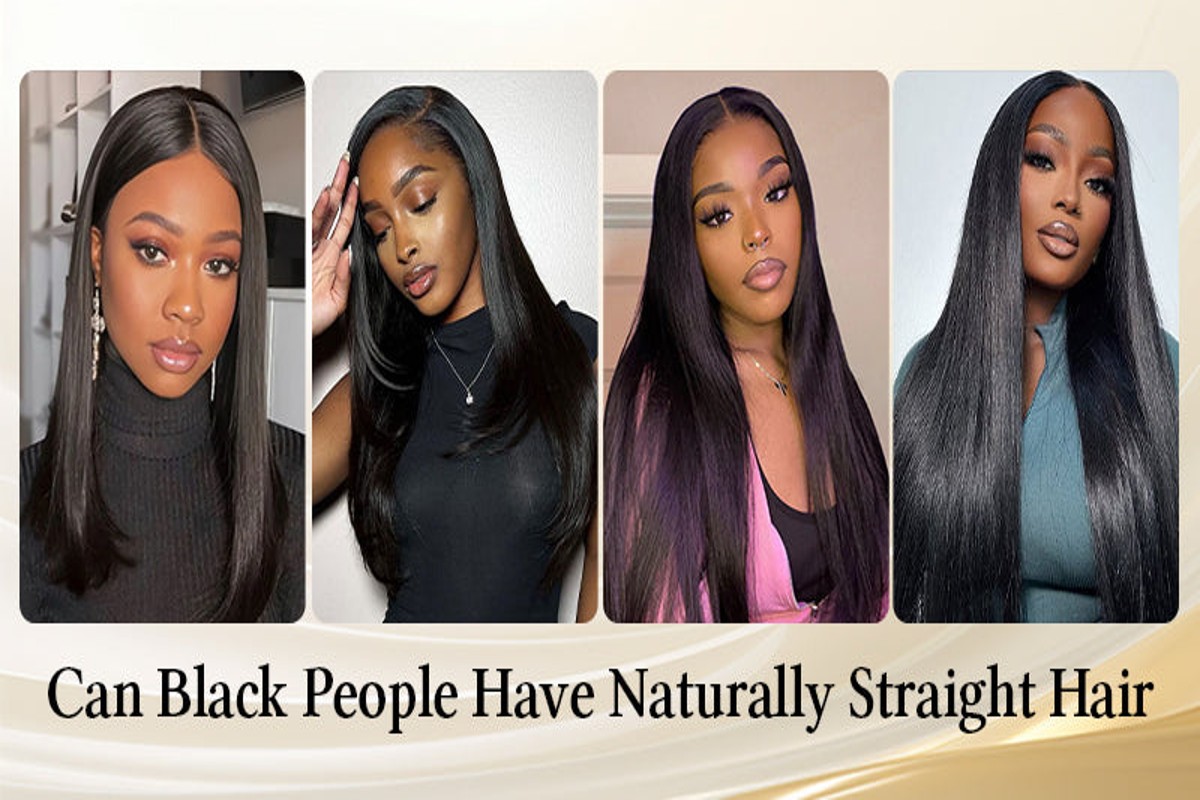
Yes, black people can have naturally straight hair, although it is rare. Hair texture is determined by genetics, and some individuals may have straight strands. This phenomenon is not the norm but does occur within the diverse spectrum of hair types found in the black community.
This topic is significant for understanding the complexities of hair texture among black individuals. Misconceptions can lead to stigmas and unrealistic beauty standards, making it crucial for people to recognize the variety of hair types that exist.
This article examines the genetic factors influencing hair texture, highlights the rarity of naturally straight hair among black individuals, and discusses the cultural implications of hair diversity.
Can black people have naturally straight hair?
Yes, black people can have naturally straight hair, though it is relatively rare. Hair texture among black individuals typically ranges from tightly coiled to wavy, with naturally straight hair being an uncommon variation. This diversity in hair texture is largely influenced by genetic factors.
Hair texture is primarily determined by the shape of the hair follicle, which is genetically inherited. While most black individuals possess curly or wavy hair, there are exceptions due to genetic diversity. For example, some individuals may have straight hair as a result of mixed ancestry or specific genetic variations that affect hair shape and texture.
Additionally, environmental factors and hair care practices can also influence the appearance of hair. Hair can be straightened temporarily through heat styling or chemical treatments, but this does not equate to having naturally straight hair. It’s also essential to recognize that hair texture can change over time due to various factors, including hormonal changes or health conditions.
Key Takeaway: While naturally straight hair is not the norm among black individuals, genetic diversity allows for a range of hair types, including straight hair. Understanding the genetic background and influences on hair texture can provide insights into the broader discussion of hair diversity within the black community.
What causes straight hair in black people?
Straight hair in black individuals can occur due to a combination of genetic and environmental factors. While the majority of black people have naturally curly or coily hair, some may have straight hair due to specific genetic variations. These variations can influence the shape and structure of hair follicles, leading to different hair textures.
- Genetic Variations: Hair texture is primarily determined by genetics. Certain genes, such as the KRT17 gene, can lead to straight hair by influencing the shape of the hair follicle. Individuals with specific alleles may inherit straight hair traits from their ancestors.
- Mixed Heritage: Many black individuals have mixed heritage, which can introduce genetic traits associated with straight hair. For example, having ancestry from populations that typically exhibit straight hair can result in a blend of hair textures within the family.
- Environmental Factors: External factors, such as heat styling and chemical treatments, can temporarily alter hair texture. Regular use of straightening tools or relaxers can lead to straightened hair, but this is not a natural state. Environmental conditions, like humidity, can also influence how hair appears.
- Health and Nutrition: Overall health and dietary habits can impact hair texture and growth. A balanced diet rich in vitamins and minerals supports healthy hair, potentially affecting its natural state. Conditions like hormonal imbalances can also influence hair texture.
Understanding the causes of straight hair in black individuals highlights the diversity within the African diaspora. Hair texture is not solely dictated by race; it is a complex interplay of genetics, ancestry, and environmental influences.
Expert Tip: Genetic testing can provide insights into hair texture predispositions, revealing ancestral connections that may explain variations in hair types within families.
How to care for naturally straight hair in black people?
Black individuals with naturally straight hair can maintain its health and appearance through specific care techniques. Regular washing, conditioning, and proper styling methods are essential to keep the hair looking its best. Additionally, the right products can enhance shine and manageability.
1. Wash regularly: Use a sulfate-free shampoo to cleanse the scalp and hair without stripping natural oils. Aim to wash your hair every 5-7 days, depending on your scalp’s oiliness.
2. Deep condition: Incorporate a deep conditioning treatment at least once a week. This will help to restore moisture and maintain elasticity, especially if the hair is exposed to heat or chemicals.
3. Use leave-in conditioner: Apply a lightweight leave-in conditioner after washing to provide ongoing moisture and protection. This product can help manage frizz and improve the hair’s overall texture.
4. Limit heat styling: Minimize the use of heat tools like flat irons and blow dryers. When heat is necessary, always use a heat protectant to prevent damage.
5. Protect at night: Use a silk or satin scarf or pillowcase while sleeping to reduce friction and moisture loss. This will help preserve the hair’s natural straightness and shine.
6. Trim regularly: Schedule trims every 8-12 weeks to remove split ends and keep the hair looking healthy. Regular maintenance promotes growth and prevents breakage.
7. Choose the right styling products: Opt for lightweight styling creams or serums that enhance shine without weighing the hair down. Avoid heavy gels that can lead to buildup and dullness.
Expert Tip: Consider incorporating natural oils, such as argan or jojoba oil, into your routine. These oils can provide essential nutrients and enhance the hair’s natural luster without making it greasy.
Is straight hair more common in mixed-race black individuals?
Straight hair is generally more common among mixed-race black individuals compared to those with full African ancestry. This difference is largely due to genetic diversity and the influence of non-African ancestry. While individuals of mixed heritage may inherit traits from both parents, those with full African ancestry often have hair textures that are tightly coiled or curly.
Genetic factors play a significant role in determining hair texture. Mixed-race individuals may inherit genes associated with straight or wavy hair from their non-black parent, leading to a broader range of hair types. In contrast, individuals with full African ancestry typically exhibit a predominance of genes that result in coiled or kinky hair textures. This genetic distinction explains why straight hair is more prevalent among mixed-race populations.
- Genetic Diversity: Mixed-race individuals often inherit a combination of genes, which can include those associated with straight hair.
- Parental Influence: The hair type of mixed-race individuals is influenced by both black and non-black parents, leading to varied textures.
- Full African Ancestry: Those with full African ancestry generally have hair that is more consistently curly or coiled due to genetic factors specific to African populations.
Societal perceptions also affect how hair is viewed among different groups. Mixed-race individuals may experience different cultural expectations regarding hair texture, which can impact personal identity and self-expression. Understanding these nuances can foster greater appreciation for the diversity of hair types within the black community.
Expert Tip: When discussing hair types, consider the significance of cultural heritage and identity. Hair texture can play a pivotal role in individual self-image and social dynamics, making it essential to approach the topic with sensitivity and respect.
What are the best products for straightening black hair?
The best products for straightening black hair include specialized shampoos, conditioners, and heat protectants designed for textured hair. These products help maintain moisture and prevent damage while achieving a sleek look. Selecting the right formulations can significantly enhance the straightening process and ensure long-lasting results.
To effectively straighten black hair while preserving its health, consider the following best practices:
- Sulfate-Free Shampoo: Use a sulfate-free shampoo to cleanse hair without stripping essential oils. This helps maintain moisture, which is crucial for healthy, straightened hair.
- Moisturizing Conditioner: Opt for a rich, moisturizing conditioner that nourishes and hydrates the hair. Look for ingredients like shea butter or argan oil to enhance softness and manageability.
- Heat Protectant Spray: Always apply a heat protectant before using any heat styling tools. This product creates a barrier against heat damage, preserving hair integrity while straightening.
- Smoothing Serum: Incorporate a smoothing serum into your routine to combat frizz and enhance shine. Apply it to damp hair before blow-drying or after straightening for a polished finish.
- Leave-In Conditioner: Utilize a leave-in conditioner to provide ongoing moisture and protection throughout the day. This is particularly beneficial for maintaining straight hair in humid conditions.
Choosing the right products is essential for achieving and maintaining straight hair textures in black hair. Each of these products plays a role in preventing damage and ensuring that the hair remains healthy and vibrant.
Expert Tip: For optimal results, consider using a flat iron with adjustable heat settings. This allows for better control, minimizing damage while effectively straightening the hair.
How long does it take to straighten black hair?
Straightening black hair typically takes between 30 minutes to 2 hours, depending on the method used and the hair’s texture. Techniques such as flat ironing, chemical relaxers, or blowouts each have different time requirements. Factors like hair length, thickness, and previous treatments also influence the overall time needed.
Using a flat iron, the process can take approximately 30 to 60 minutes for average-length hair. This method is popular for its immediate results but requires careful attention to avoid heat damage. Blowouts, which involve drying and styling the hair straight, usually take about 45 minutes to 90 minutes, depending on hair density and the desired look.
Chemical relaxers provide a longer-lasting straightening effect but require more time for application and processing, often ranging from 1 to 2 hours. This method involves applying a chemical solution that alters the hair’s structure, so it requires careful application and thorough rinsing. Additionally, the time spent on preparation, including washing and sectioning the hair, can add to the overall duration.
Expert Tip: For optimal straightening results, consider investing in high-quality heat protectants and tools designed for textured hair. These can minimize damage while improving the efficiency of the straightening process.
Can black people with curly hair achieve straight hair temporarily?
Yes, black people with curly hair can achieve straight hair temporarily using various methods. Common techniques include heat styling, chemical straightening, and certain hair products designed for smoothing. Each method has its own implications for hair health and longevity of the straightened style.
One popular method is using a flat iron. For example, a person with tight curls can wash and condition their hair, apply a heat protectant, and then section the hair before using the flat iron to straighten each section. This process can yield smooth, straight hair that lasts until the next wash, depending on humidity levels and hair texture. However, repeated use of high heat can lead to damage over time, so it’s essential to use heat protectants and not to overdo it.
Another option is to utilize chemical treatments, such as keratin smoothing treatments or relaxers. These treatments alter the hair’s structure to achieve a straighter look. While they can produce lasting results, they may also lead to significant changes in hair texture and require careful maintenance. Additionally, these processes can involve strong chemicals, which may not be suitable for all hair types or individuals, particularly those with sensitive scalps.
Expert Tip: Regular deep conditioning treatments can help maintain the health of curly hair before and after straightening. This practice minimizes damage and keeps the hair hydrated, making it more resilient to the stresses of heat styling or chemical treatments.
Understanding Hair Texture: Genetics and Diversity
This section delves into the genetic factors influencing hair texture among black individuals, emphasizing the diversity within the community. Understanding these elements provides clarity on the question of whether black people can have naturally straight hair.
The Genetic Basis of Hair Texture
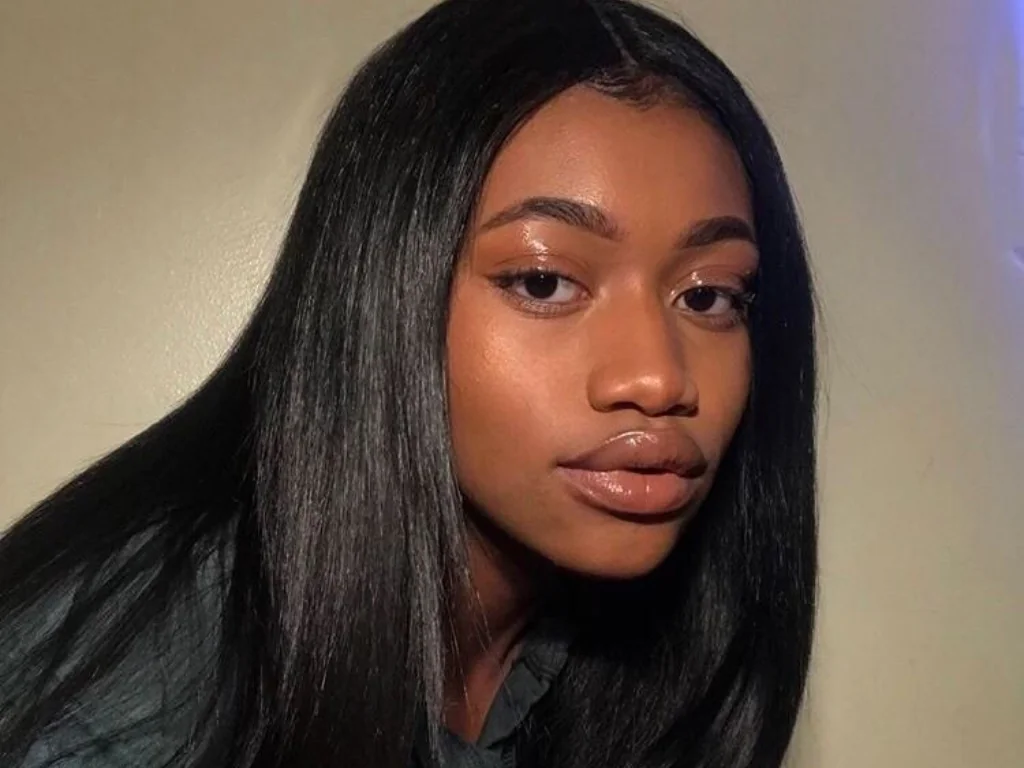
Hair texture is primarily determined by genetics, specifically by the interaction of multiple genes. The EDAR gene, for instance, plays a significant role in hair follicle shape and, consequently, hair texture. Variants of this gene can lead to straight or wavy hair, while other genes like KRT71 influence curliness. This genetic complexity means that straight hair is a possibility, albeit rare, within the black community.
Variability of Hair Types Within the Black Community
The black community exhibits a wide range of hair types, from tightly coiled curls to looser waves and even straight strands. This variability is attributed to a combination of genetic ancestry and environmental factors. Hair types can be categorized into four main types:
- Type 1: Straight hair
- Type 2: Wavy hair
- Type 3: Curly hair
- Type 4: Coily or kinky hair
While Type 1 hair is less common among black individuals, it does exist, influenced by mixed ancestry or specific genetic markers.
The Influence of Ancestry on Hair Characteristics
Ancestry plays a crucial role in determining hair texture. Many black individuals have diverse backgrounds that include European, Native American, or other ethnicities, which can introduce genes associated with straight hair. For example, individuals with a higher percentage of European ancestry may exhibit straighter hair due to the prevalence of straight hair genes in those populations.
Scientific Studies on Hair Texture Diversity
Research has underscored the genetic diversity within the black population regarding hair texture. A study published in the Journal of Investigative Dermatology analyzed hair samples from various populations, revealing that genetic factors influencing hair shape are multifaceted. The findings highlight that while many black individuals have curly or coily hair, there are instances of naturally straight hair, particularly in individuals with diverse ancestry.
Furthermore, studies have shown that environmental factors, such as humidity and hair care practices, can also affect the appearance of hair texture, leading to misconceptions about the inherent qualities of black hair.
Common misconceptions suggest that all black individuals possess curly or coily hair. This oversimplification ignores the genetic diversity that exists and the possibility of naturally straight hair in some cases. Distinctions in hair texture can often be traced back to specific genetic combinations rather than a singular narrative about black hair.
Practical Applications of Understanding Hair Texture
Recognizing the genetic basis of hair texture can empower individuals to embrace their unique hair characteristics. Here are actionable steps:
- Explore and understand your genetic background for insights into your hair type.
- Consult with a trichologist or dermatologist for personalized hair care advice.
- Experiment with different hair care products to find what works best for your specific hair texture.
By appreciating the genetic diversity within the black community, individuals can cultivate a positive relationship with their hair, regardless of its texture.
Cultural Perspectives on Hair Texture in the Black Community
This section examines the historical and cultural significance of hair texture within the Black community, highlighting societal perceptions and the ongoing evolution of these views.
Historical Context of Hair Texture in Black Culture
The perception of hair texture among Black individuals has deep historical roots that trace back to the era of slavery. During this time, Eurocentric beauty standards were imposed, leading to the stigmatization of natural Black hair. The preference for straight or wavy hair was often linked to notions of professionalism and beauty, causing many to feel pressured to conform. This historical backdrop has profoundly influenced how hair texture is viewed within the community.
Impact of Media Representation on Hair Perceptions
Media representation plays a crucial role in shaping societal perceptions of beauty and hair. For decades, mainstream media predominantly showcased straight-haired individuals, often marginalizing natural Black hair. This lack of representation perpetuated the idea that straight hair is synonymous with attractiveness and success. However, recent shifts in media narratives have begun to celebrate diverse hair textures, promoting a broader understanding of beauty that includes natural curls and kinks.
Cultural Pride and Identity Related to Hair Texture
Hair texture in the Black community is closely tied to cultural pride and identity. The embrace of natural hair has become a symbol of resistance against historical oppression and a celebration of heritage. Movements such as the “Black is Beautiful” campaign have empowered individuals to take pride in their unique hair textures. This reclamation fosters a sense of belonging and community among those who share similar experiences.
Current Trends in Embracing Natural Hair
In recent years, there has been a marked increase in the celebration of natural hair within the Black community. The rise of the natural hair movement has encouraged individuals to embrace their authentic textures, often leading to a renaissance of styles that honor their heritage. Social media platforms have played a pivotal role in this trend, as influencers and everyday individuals share their journeys of self-acceptance and hair care tips.
- Participation in natural hair expos and festivals.
- Utilization of social media to showcase diverse hairstyles.
- Support for brands that cater to natural hair products.
Nuance and Misconceptions
A common misconception is that Black individuals cannot have naturally straight hair. While it is rare, some individuals may possess hair that is naturally straighter due to genetic diversity. Additionally, the idea of “good” hair versus “bad” hair perpetuates harmful stereotypes and oversimplifies the complexity of hair textures within the Black community. This oversimplification fails to recognize the rich diversity and individual variations present among Black people.
Practical Application
To foster a more inclusive understanding of hair texture, individuals can:
- Educate themselves about the history and cultural significance of Black hair.
- Support media that represents diverse hair types.
- Encourage open discussions about hair texture within their communities.
Engaging in these actions can contribute to a more accepting and appreciative culture surrounding hair diversity. By challenging stereotypes and celebrating all textures, society can move towards greater inclusivity.
Styling Techniques for Straight Hair in Black Individuals
This section provides advanced styling techniques for achieving and maintaining straight hair in Black individuals, whether naturally straight or temporarily styled. Understanding these methods is essential for promoting hair health while achieving desired aesthetics.
Heat Styling vs. Chemical Straightening Methods
Heat styling involves the use of tools like flat irons, blow dryers, and curling wands to achieve straight hair. While effective, frequent heat exposure can lead to damage, including dryness and breakage. It is advisable to use heat-protectant sprays to minimize potential harm.
Chemical straightening methods, such as relaxers and keratin treatments, alter the hair’s structure to create a straight appearance. While these methods can provide long-lasting results, they may weaken the hair shaft and lead to health issues if not applied properly. Regular deep conditioning treatments are recommended to maintain moisture levels after chemical treatments.
Protective Styles for Maintaining Hair Health
Protective styles are crucial for preserving the health of straight hair. These styles minimize manipulation and protect the ends from breakage. Examples include:
- Braids: Can be worn in various sizes and styles, keeping hair secure.
- Twists: Offer versatility and allow for easy maintenance of straightened hair.
- Wigs and weaves: Provide a break from daily styling while allowing for a variety of looks.
Incorporating these styles into a hair care routine can significantly lower the risk of damage, especially after heat or chemical treatments.
Best Practices for Using Styling Tools
When utilizing styling tools, adherence to best practices is essential for preserving hair integrity. Consider the following:
- Always apply a heat protectant before using heated tools.
- Set tools to the lowest effective temperature to reduce damage.
- Limit the frequency of heat styling to once a week or less.
Additionally, using high-quality tools with ceramic or tourmaline plates can help distribute heat evenly and reduce the risk of hot spots.
Seasonal Care Tips for Straight Hair
Different seasons present unique challenges for maintaining straight hair. In humid conditions, hair may revert to its natural texture, while winter can cause dryness. To address these issues:
- In humid weather, consider using anti-frizz serums and styling creams designed for straight hair.
- During colder months, increase moisture retention by using heavier leave-in conditioners or oils.
- Regularly trim ends to prevent split ends and maintain a healthy appearance.
Many individuals believe that straight hair requires constant styling, leading to potential damage from excessive heat. Understanding the balance between styling and protective care is essential for long-term health.
To effectively apply these techniques, develop a personalized hair care routine that incorporates protective styles, limits heat exposure, and adjusts products seasonally. Regularly evaluate hair health through moisture tests and adjust practices as needed. Prioritize the use of nourishing treatments to maintain vibrancy and strength in straight hair.
Common Misconceptions About Black Hair and Straightening
This section addresses prevalent myths surrounding black hair and the straightening processes, clarifying facts that influence perceptions and choices regarding hair texture and care.

Myths About Hair Damage from Straightening
Many believe that straightening black hair inevitably leads to severe damage. While excessive heat and improper techniques can cause harm, damage is not a guaranteed outcome when straightening is done correctly. Utilizing quality products and tools, along with appropriate techniques, minimizes risks. Regular treatments and protective styling can also help maintain hair health, allowing for safe straightening practices.
Understanding the Difference Between Permanent and Temporary Straightening
The terms “permanent” and “temporary” straightening refer to distinct processes.
- Temporary Straightening: This includes methods like blow-drying and flat-ironing, which provide short-term results and can be easily reversed with washing.
- Permanently Straightening: Techniques such as chemical relaxers or keratin treatments alter the hair structure, resulting in lasting straightness until new hair grows in.
Understanding these differences is critical for anyone considering straightening options, as each method carries its own set of implications for hair health and maintenance.
Misconceptions About the Versatility of Black Hair
Black hair is often mischaracterized as being limited in styling options. In reality, it is highly versatile, capable of a wide range of styles, from afros to braids to sleek straight looks. This adaptability is a result of the unique structure and composition of black hair, which can be styled in various ways without compromising its integrity.
The Importance of Proper Care Post-Straightening
Post-straightening care is essential for preserving hair health. After straightening, the following practices should be adopted:
- Moisturize: Use hydrating products to restore moisture lost during the straightening process.
- Avoid Heat: Limit the use of heat styling tools to prevent cumulative damage.
- Regular Trims: Schedule trims every 6-8 weeks to remove split ends and maintain hair health.
Implementing these practices ensures longevity in the straightened style and promotes overall hair vitality.
Beyond the basics, it is essential to recognize that not all black hair is the same. Variations in hair texture, porosity, and health can influence how well hair responds to straightening. Some individuals may find that their hair can achieve a straighter appearance naturally due to specific hair types or environmental factors. Additionally, many commercial products designed for straightening may contain harsh chemicals that can exacerbate damage if misused. A tailored approach to hair care, including consultations with hair care professionals, can provide personalized solutions that respect individual hair characteristics.
To effectively manage and style black hair, consider these actionable steps:
- Research and select quality straightening products tailored to your hair type.
- Consult with a professional stylist to determine the best straightening method for your hair.
- Adopt a consistent hair care regimen to support the health of your hair before and after straightening.
Frequently Asked Questions
Can black people have naturally straight hair?
Yes, black people can have naturally straight hair, though it is less common compared to wavy or curly textures. Genetic variations play a significant role in determining hair type.
What causes straight hair in black people?
Straight hair in black individuals is primarily caused by genetic factors that influence the shape and structure of hair follicles. The presence of specific genes can lead to a straight hair texture, regardless of ethnicity.
How to care for naturally straight hair in black people?
Caring for naturally straight hair involves using sulfate-free shampoos and moisturizing conditioners to maintain hydration and shine. Regular trims and heat protection products are also essential to prevent damage.
Is straight hair more common in mixed-race black individuals?
Straight hair is often more prevalent among mixed-race individuals due to the combination of genetic traits from different ethnic backgrounds. However, hair texture varies widely among individuals, regardless of racial classification.
What are the best products for straightening black hair?
The best products for straightening black hair include heat protectants, smoothing serums, and lightweight oils. Look for products specifically formulated to provide moisture and reduce frizz while enhancing shine.
How long does it take to straighten black hair?
The time it takes to straighten black hair varies based on its length and thickness, typically ranging from 30 minutes to over an hour. Using effective heat styling tools can expedite the process.
Can black people with curly hair achieve straight hair temporarily?
Yes, black individuals with curly hair can achieve straight hair temporarily through methods such as flat ironing or blow drying. These techniques can create a sleek look but require proper heat protection to minimize damage.
Final Thoughts on can black people have naturally straight hair
Understanding that black individuals can indeed have naturally straight hair challenges prevailing stereotypes and highlights the rich diversity within the community. Genetics plays a pivotal role in determining hair texture, and mixed-race individuals often exhibit a wider range of hair types, including straight hair.
To embrace and care for naturally straight hair, individuals should prioritize a tailored hair care regimen that includes hydrating products and gentle styling techniques, allowing for the natural texture to shine while maintaining health and vitality.
Recognizing the complexity of hair texture in the black community is essential, as it fosters inclusivity and appreciation for the multifaceted identities within it.
Leave a Reply