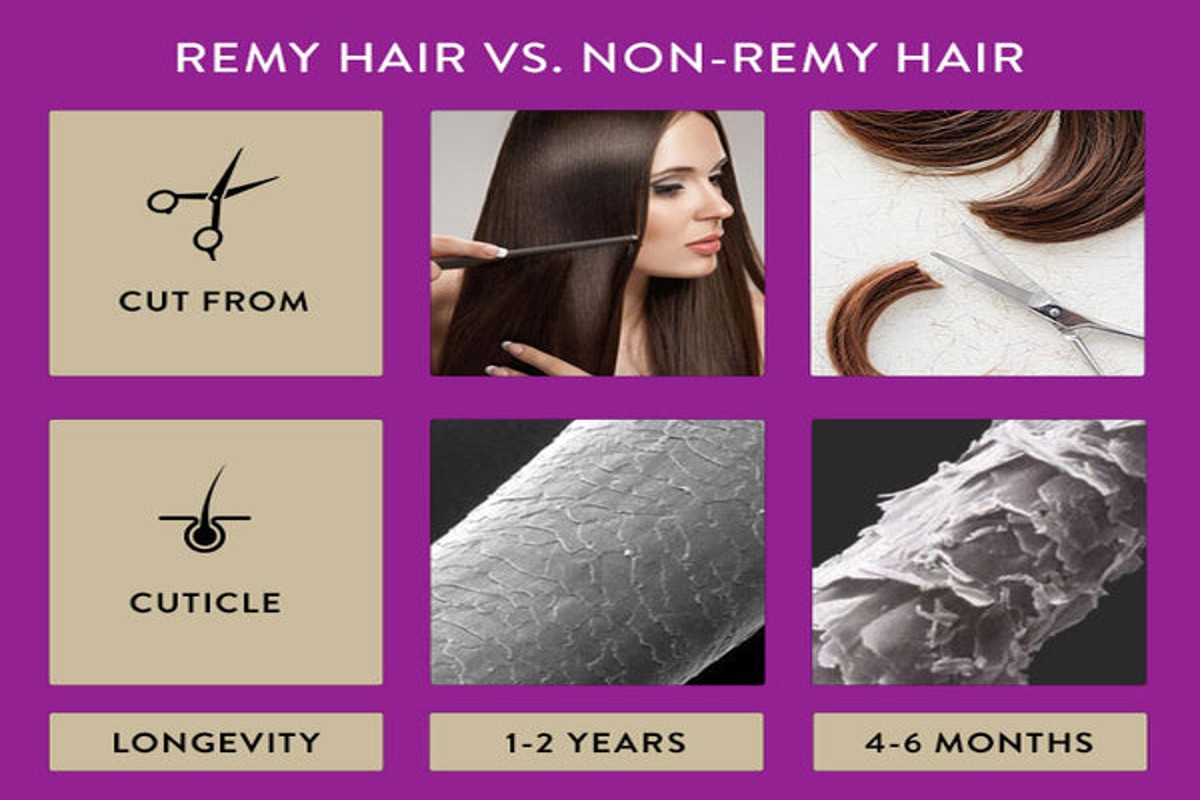
Remy hair is human hair that has been collected with the cuticles intact and aligned in the same direction. This ensures a natural look and minimizes tangling, making it a preferred choice for hair extensions.
Understanding what Remy hair is crucial for anyone considering hair extensions or wigs. Choosing the right type of hair can significantly impact the appearance, longevity, and overall experience of using hair products, with poor choices leading to tangling and an unnatural look.
This guide will delve into the characteristics of Remy hair, its benefits over non-Remy options, and tips for selecting high-quality extensions that suit individual needs.
What is the difference between Remy hair and non-Remy hair?
Remy hair refers to hair extensions made from 100% human hair that has been collected in a way that keeps the cuticles aligned and intact. In contrast, non-Remy hair is collected from various sources, often resulting in mixed cuticle directions and lower quality. The differences between these two types of hair significantly affect their quality, appearance, and longevity.
One of the primary distinctions lies in the cuticle alignment. Remy hair maintains the natural direction of the cuticles, which helps prevent tangling and ensures a more natural look. Non-Remy hair, on the other hand, is often gathered from multiple donors, leading to cuticles facing different directions. This misalignment can cause tangling and a less uniform appearance. As a result, Remy hair typically looks shinier and more vibrant compared to its non-Remy counterpart.
In terms of longevity, Remy hair generally outlasts non-Remy hair. With proper care, Remy extensions can last anywhere from six months to a year or more, while non-Remy hair may only last a few weeks to a couple of months. This durability is due to the intact cuticles and the higher quality of the hair used. Additionally, Remy hair can withstand styling and coloring better than non-Remy hair, which may become damaged more easily.
- Cuticle Alignment: Remy hair has aligned cuticles; non-Remy hair does not.
- Appearance: Remy hair appears shinier and more natural; non-Remy hair may look dull and inconsistent.
- Longevity: Remy hair lasts 6-12 months; non-Remy hair lasts weeks to a few months.
When selecting hair extensions, consider the intended use and maintenance requirements. Remy hair is often the preferred choice for those seeking high-quality, long-lasting extensions. The investment in Remy hair can yield significant benefits in terms of appearance and durability.
How do I care for Remy hair extensions?
Caring for Remy hair extensions involves a specific routine to maintain their quality and extend their lifespan. Proper washing, styling, and maintenance are crucial for preserving the hair’s natural look and feel. Follow these steps to keep your Remy hair extensions in optimal condition.
- Washing: Use a sulfate-free shampoo and conditioner designed for hair extensions. Gently detangle the hair with your fingers before washing to prevent breakage.
- Drying: Pat the extensions dry with a microfiber towel instead of rubbing them. Avoid using heat; instead, allow them to air dry on a flat surface.
- Styling: When styling, use a heat protectant spray to shield the hair from damage. Limit the use of heat styling tools, and opt for lower temperature settings when possible.
- Brushing: Use a wide-tooth comb or a brush specifically designed for extensions. Always start from the ends and work your way up to prevent tugging and pulling.
- Storage: Store Remy hair extensions in a cool, dry place, preferably in a silk or satin bag to minimize tangling. Avoid keeping them in direct sunlight.
- Regular Maintenance: Schedule regular maintenance appointments with a professional stylist. This includes re-tipping or re-bonding if necessary.
Maintaining Remy hair extensions requires attention to detail and a consistent care routine. Factors like humidity, frequency of use, and styling techniques can significantly influence the longevity of the extensions. Always be gentle during handling to prevent any potential damage.
Expert Tip: Incorporate a deep conditioning treatment once a month to keep the hair soft and hydrated. This will help maintain its luster and manageability over time.
Is Remy hair worth the price?
Yes, Remy hair is generally worth the price due to its superior quality and durability compared to other types of hair extensions. Prices for Remy hair can range from $100 to $600 or more, depending on various factors. While it may be more expensive than non-Remy options, the investment often pays off in terms of longevity and natural appearance.
The cost of Remy hair is influenced by several factors, which can help consumers understand its value:
- Source of Hair: Remy hair is sourced from a single donor, ensuring the cuticles are intact and aligned. This quality control contributes to a higher price point.
- Type of Extensions: Different extension types, such as clip-ins, tape-ins, and wefts, vary in cost. Tape-ins and wefts typically provide a more seamless look but can be pricier.
- Length and Volume: Longer and thicker extensions require more hair, which increases the price. Consumers should consider their desired style when budgeting.
- Processing: Minimal processing of Remy hair enhances its natural look and feel. However, higher-quality processing methods can lead to increased costs.
When comparing Remy hair to non-Remy options, the latter often lacks the same level of quality and can lead to tangling and shedding. Non-Remy hair may be significantly cheaper but requires more frequent replacement, ultimately costing more over time. Therefore, investing in Remy hair can yield long-term savings and satisfaction.
Expert Tip: When purchasing Remy hair, always verify the authenticity by checking for cuticle alignment and sourcing information. Reputable suppliers will provide details about the hair’s origin and processing methods, ensuring a wise investment.
How long does Remy hair last?
Remy hair can last between six months to two years when properly cared for. The lifespan depends on various factors, including maintenance, usage, and the quality of the hair itself.
One of the primary factors affecting the longevity of Remy hair is the level of care it receives. Regular washing with sulfate-free shampoos, conditioning, and avoiding excessive heat styling can significantly extend its life. Additionally, how often the hair is worn plays a crucial role; daily wear will naturally lead to more wear and tear compared to occasional use. Proper storage when not in use—such as keeping extensions in a cool, dry place—also contributes to their durability.
The type of installation method can impact lifespan as well. For example, clip-in extensions may last longer than bonded or tape-in extensions due to less stress on the hair strands. Moreover, the overall quality of the Remy hair, including its source and processing, can lead to variations in longevity. High-quality Remy hair that has been minimally processed will generally outlast lower-quality alternatives.
Environmental factors, such as exposure to chlorine, saltwater, and pollution, can also diminish the lifespan of Remy hair. Therefore, protecting the hair from harsh elements is essential for maintaining its integrity over time.
Expert Tip: Regularly using a leave-in conditioner or hair oil can help maintain moisture levels and prevent tangling, significantly enhancing the lifespan of Remy hair extensions.
What are the best practices for choosing Remy hair?
Choosing high-quality Remy hair extensions requires careful consideration of several factors. The core principle is to ensure that the hair is ethically sourced and maintains its cuticle alignment. This results in a natural look and feel, as well as longevity in wear.
- Verify the Source: Always inquire about where the hair is sourced. High-quality Remy hair typically comes from reputable suppliers who can provide information about the origin and ethical collection practices.
- Check for Cuticle Alignment: Ensure that the hair cuticles are intact and aligned in the same direction. This prevents tangling and ensures a smooth texture, enhancing the overall appearance and durability of the extensions.
- Look for Certification: Seek suppliers who offer certification for their Remy hair. Certifications can indicate adherence to industry standards and ethical sourcing practices, giving you confidence in your purchase.
- Assess the Texture and Quality: Examine the hair’s texture, lustre, and overall quality. Quality Remy hair should feel soft and silky, without signs of damage or excessive processing.
- Read Reviews and Testimonials: Research customer feedback about the extensions. Reviews can provide insights into the hair’s performance, longevity, and the supplier’s reliability.
When selecting Remy hair, consider the specific application and desired style. Different types of extensions, such as clip-ins, tape-ins, or wefts, may have varying quality standards. Ensure the chosen method complements your lifestyle and hair care routine to maximize the benefits of your Remy hair extensions.
Expert Tip: Always request a sample before making a large purchase. This allows for a firsthand assessment of the texture and quality, ensuring it meets your expectations before committing to a full set.
Can I dye Remy hair extensions?
Yes, you can dye Remy hair extensions, but there are several factors to consider before doing so. Remy hair is known for its intact cuticles, which can influence how well the hair absorbs dye. Proper techniques and products must be used to ensure the extensions remain healthy and vibrant after coloring.
For an example, consider a user who purchased a set of Remy hair extensions in a light blonde shade. They decided to dye the extensions a rich chestnut brown. Before starting the dyeing process, it’s crucial to conduct a strand test. This involves applying the dye to a small section of hair to assess how the color develops and how the hair responds to the dye. Because Remy hair is generally of high quality, it will likely take the color well, but over-processing can lead to damage.
Additionally, use high-quality dye specifically formulated for human hair. Avoid bleach, as it can strip the hair of its natural oils and lead to dryness. After dyeing, proper aftercare is essential. Use sulfate-free shampoos and conditioners to maintain the hair’s moisture and integrity. Regular deep conditioning treatments will also help keep the extensions looking healthy and vibrant.
Expert Tip: When dyeing Remy hair extensions, always opt for semi-permanent dye, as it is less damaging than permanent options and allows for easier color shifts in the future.
What are some common misconceptions about Remy hair?
Many misconceptions exist regarding Remy hair, primarily surrounding its quality and sourcing. A prevalent myth is that all Remy hair is 100% human hair, while in reality, it can sometimes be blended with synthetic fibers. Another common misunderstanding is that Remy hair is always of high quality, but the grading can vary significantly based on the supplier.
One major misconception is that Remy hair means the hair is of superior quality simply because it is labeled as such. In truth, Remy hair refers to the method of collection, where the cuticles are kept intact and aligned in the same direction. This alignment helps reduce tangling and matting, but the actual quality can depend on the source and processing of the hair. High-quality Remy hair is often sourced from healthy donors, while lower-grade variants may be collected from less reliable sources.
Another misunderstanding is that all Remy hair extensions are the same. In reality, there are various types of Remy hair extensions, including:
- Clip-in extensions
- Tape-in extensions
- Wefted extensions
- Micro-link extensions
Each type serves different styling needs and can vary in quality and longevity. Consumers should carefully research the specific type they are interested in, as not all Remy hair extensions will perform equally.
Expert Tip: When purchasing Remy hair, always inquire about the sourcing and processing methods. Quality assurance from reputable suppliers can lead to a more satisfying experience and longer-lasting extensions.
Are there different types of Remy hair?
Yes, there are different types of Remy hair, primarily categorized as single-drawn and double-drawn. These classifications refer to the method of collecting and processing the hair, which impacts the final product’s appearance and quality. Understanding these distinctions is essential for selecting the right type of extensions for your needs.
Single-drawn Remy hair consists of strands that are cut from the same donor, but the lengths vary. This results in a more natural look, as it mimics the way hair grows naturally from the scalp. However, single-drawn hair may require more styling to achieve a fuller appearance. In contrast, double-drawn Remy hair features strands that are all cut to the same length, creating a thicker and more voluminous effect. This type of hair is often preferred for those seeking a polished look with minimal styling effort.
- Single-Drawn Remy Hair: Characterized by varying lengths, offering a natural appearance.
- Double-Drawn Remy Hair: Consists of strands cut to the same length, resulting in a fuller volume.
- Virgin Remy Hair: Collected from a single donor without any chemical processing, retaining its natural characteristics.
Another important distinction is between virgin Remy hair and processed Remy hair. Virgin Remy hair comes from a single donor and has not undergone chemical treatments, making it the highest quality option available. Processed Remy hair, while still high-quality, may be treated to achieve specific colors or textures, which can affect its longevity and styling options.
When choosing Remy hair extensions, consider your lifestyle and styling preferences. Single-drawn hair may be ideal for those desiring a more natural look, while double-drawn hair suits individuals seeking volume with less maintenance.
Expert Tip: Always opt for hair sourced ethically and check for certifications to ensure you’re getting genuine Remy hair, which will significantly affect the longevity and appearance of your extensions.
Understanding the Sourcing and Processing of Remy Hair
This section explores the sourcing and processing of Remy hair, focusing on the ethical practices that ensure its quality and authenticity. Understanding these aspects is essential for consumers seeking reliable hair extensions.

Ethical Sourcing of Remy Hair
Remy hair is sourced directly from human donors, often through salons or dedicated organizations that prioritize ethical practices. Donors are typically compensated fairly, and the hair is collected in a manner that respects the individual’s consent. This sourcing method not only ensures the authenticity of the hair but also promotes fair trade principles.
Processing Methods that Maintain Cuticle Integrity
After collection, Remy hair undergoes minimal processing to maintain its natural cuticles. This is vital for preserving the hair’s health and luster. Common processing methods include:
- Gentle washing with sulfate-free shampoos to remove dirt and oils.
- Air drying instead of heat drying to prevent damage.
- Limited chemical treatments to avoid stripping the hair of its natural properties.
These methods ensure that the hair remains in its natural state, enhancing its overall quality.
Importance of Cuticle Alignment
One of the defining features of Remy hair is the alignment of the cuticles. When the cuticles are preserved and aligned in the same direction, the hair experiences less friction and tangling. This results in smoother, shinier hair that mimics natural growth patterns. Cuticle alignment is a critical factor that distinguishes Remy hair from non-Remy alternatives, which often have mixed cuticle directions leading to a rough texture.
Regulations and Certifications that Ensure Quality
Various regulations and certifications exist to uphold the quality and ethical standards of Remy hair. Some notable certifications include:
- ISO 9001: Ensures quality management systems are in place.
- Fair Trade Certification: Guarantees ethical sourcing and fair compensation for donors.
- OEKO-TEX Standard 100: Confirms that the hair is free from harmful substances.
These certifications offer consumers assurance regarding the quality and ethical considerations behind their Remy hair extensions.
Common misconceptions surrounding Remy hair often stem from a lack of understanding about its sourcing and processing. Some consumers believe that all human hair extensions are Remy, but this is not the case. Non-Remy hair typically has mixed cuticle directions and may be more heavily processed, leading to a lower quality product. Additionally, some brands may falsely label their products as Remy without adhering to the strict ethical and quality standards associated with true Remy hair.
To make informed decisions when purchasing hair extensions, consumers should seek products with clear sourcing information and relevant certifications. Look for brands that provide transparency about their sourcing practices and processing methods. When evaluating options, consider the following:
- Research the brand’s reputation and customer reviews.
- Check for certifications that validate sourcing and processing quality.
- Ask for details on the hair’s cuticle alignment and processing methods.
By applying this knowledge, consumers can ensure they are investing in high-quality Remy hair extensions that meet their aesthetic and ethical standards.
Comparing Remy Hair with Other Hair Types
This section provides a detailed comparison of Remy hair with other hair types, including virgin and synthetic hair. Understanding these differences is essential for selecting the best option for your needs.

Quality Differences
Remy hair is known for its superior quality, characterized by the alignment of cuticles in the same direction. This alignment minimizes tangling and increases the hair’s natural appearance. In contrast, virgin hair refers to unprocessed hair that has not been dyed or chemically treated, retaining its natural state. Although virgin hair is of high quality, it may not always have the cuticle alignment that Remy hair provides. On the other hand, synthetic hair is made from man-made fibers and lacks the natural look and feel of human hair. It also cannot withstand heat styling like Remy or virgin hair.
Longevity and Maintenance Requirements
- Remy Hair: Typically lasts 6-12 months with proper care. Maintenance includes regular washing with sulfate-free shampoos and avoiding excessive heat.
- Virgin Hair: Can last up to 2 years if maintained well. It requires similar care as Remy hair but can be styled with heat due to its natural composition.
- Synthetic Hair: Generally lasts 4-6 months. Maintenance is simpler, requiring minimal washing and no heat styling, as it can damage the fibers.
Cost Analysis and Value for Money
When considering cost, Remy hair tends to be more expensive than synthetic options but offers better longevity and a more natural appearance. Prices for Remy hair extensions vary from $100 to $500, depending on the length and quality. Virgin hair is often the most expensive, ranging from $150 to $600, justified by its unprocessed state and durability. Synthetic hair can be found at much lower prices, typically ranging from $20 to $200, making it an affordable option but with shorter lifespan and less versatility.
Recommended Uses for Each Hair Type
- Remy Hair: Ideal for long-term extensions, wigs, and styling versatility.
- Virgin Hair: Suitable for those seeking a natural look and who intend to dye or style their hair.
- Synthetic Hair: Best for temporary styles, costume use, or budget-conscious consumers.
Nuance and Expert Insights
One common misconception is that all human hair extensions are of equal quality. The distinction between Remy and non-Remy hair is significant; non-Remy hair often has mixed cuticle directions, leading to tangling and a less natural appearance. Additionally, the term “virgin” can sometimes be misused, as not all virgin hair is Remy. Understanding these nuances helps consumers make informed choices when purchasing hair extensions.
Practical Application
When selecting hair extensions, assess your budget, desired longevity, and maintenance commitment. For long-term use with a natural look, Remy hair is the best choice. If you’re open to dyeing or styling, virgin hair provides excellent versatility. For temporary or cost-effective solutions, synthetic hair is the way to go. Always consider your lifestyle and preferences to make the most suitable choice.
Expert Tips for Maintaining Remy Hair Extensions
Maintaining the quality and appearance of Remy hair extensions requires specialized care techniques. This section provides advanced maintenance strategies to ensure your extensions remain vibrant and healthy over time.

Best Products for Washing and Styling
To preserve the integrity of Remy hair, select high-quality products specifically designed for hair extensions. Look for sulfate-free shampoos and conditioners that are moisturizing but gentle. Recommended products include:
- Shampoo: Choose a sulfate-free, pH-balanced formula.
- Conditioner: Opt for a deep-conditioning treatment that restores moisture.
- Leave-in Conditioner: Use a lightweight leave-in product to maintain hydration and manageability.
- Styling Products: Select heat protectants and serums without alcohol to prevent drying out the hair.
Techniques for Detangling Without Damage
Detangling Remy hair extensions requires a gentle approach to avoid breakage. Follow these steps for effective detangling:
- Start with dry or slightly damp hair. Wet hair is more prone to breakage.
- Use a wide-tooth comb or a specialized detangling brush.
- Begin at the ends and work your way up to the roots, sectioning the hair for better control.
- Apply a detangling spray or leave-in conditioner to ease the process.
Heat Styling Tips to Avoid Damage
If heat styling is necessary, implement the following precautions:
- Always apply a heat protectant spray before using any styling tools.
- Limit the use of heat tools to once or twice a week to minimize damage.
- Set styling tools to a lower heat setting, ideally below 350°F (175°C).
- Consider using heatless styling methods, such as braiding or using rollers, to maintain hair health.
Storage Solutions to Preserve Quality
Proper storage of Remy hair extensions is essential to maintain their quality. Utilize these techniques when not in use:
- Store extensions in a cool, dry place away from direct sunlight.
- Use a silk or satin bag to prevent tangling and friction.
- Keep extensions flat or hung on a hanger to avoid kinks and bends.
Many consumers believe that regular human hair care products are suitable for Remy hair extensions. This misconception can lead to premature wear and tear. Remy hair requires specialized products and techniques to maintain its unique qualities. For instance, using products with harsh chemicals or sulfates can strip the hair of its natural moisture, leading to dryness and tangling. Furthermore, not all Remy hair is created equal; verify that your extensions are 100% Remy to ensure the cuticles are intact and aligned, which is crucial for longevity.
To effectively maintain Remy hair extensions, implement a dedicated care routine. Use the recommended products for washing, detangle with care, limit heat exposure, and store them properly when not in use. Regularly assess the condition of your extensions to identify any signs of wear early, allowing for timely interventions. By following these expert guidelines, you can significantly enhance the lifespan and appearance of your Remy hair extensions.
Real-World Applications of Remy Hair in Fashion and Beauty
This section explores the diverse applications of Remy hair within the fashion and beauty industries, illustrating its significance through various real-world scenarios, from red-carpet events to everyday wear.
Use of Remy Hair in Celebrity Hairstyles
Remy hair has become a staple in celebrity hairstyling, enhancing the allure of high-profile individuals during major events. Celebrities often choose Remy hair extensions for their natural look and feel, which allows for seamless blending with their own hair. For instance, stars like Kim Kardashian and Beyoncé frequently utilize Remy hair to achieve voluminous, luxurious hairstyles that captivate audiences.
Trends in Hair Extensions for Special Occasions
Special occasions such as weddings, proms, and fashion shows showcase the versatility of Remy hair extensions. Many brides opt for Remy hair to create intricate updos or flowing locks that enhance their overall appearance. According to a survey by The Knot, over 30% of brides incorporate hair extensions into their wedding looks, with Remy hair being a preferred choice due to its high quality and ability to withstand styling.
- Bridal Styles: Long, flowing locks or elegant updos.
- Prom Looks: Dramatic transformations with volume and length.
- Fashion Shows: Trendsetting styles that highlight the latest trends.
Impact of Social Media on Remy Hair Popularity
Social media platforms, particularly Instagram and TikTok, have significantly boosted the popularity of Remy hair. Influencers and beauty gurus regularly showcase their transformations using Remy hair extensions, often providing tutorials that highlight their application and styling. This visibility encourages consumers to explore Remy hair options, driving demand in the market. A study by Statista indicated that 65% of beauty product consumers are influenced by social media, underscoring the connection between online trends and purchasing behavior.
Case Studies of Successful Hair Extension Brands
Several brands have successfully capitalized on the growing demand for Remy hair. For example, Luxy Hair and Bellami Hair have established themselves as leaders in the industry by offering high-quality Remy hair extensions and investing heavily in marketing strategies that leverage social media. These brands focus on transparency regarding hair sourcing and provide extensive tutorials, further enhancing their reputation and consumer trust.
Nuances and Common Misconceptions
While Remy hair is often celebrated for its superior quality, misconceptions persist regarding its maintenance and longevity. Some consumers mistakenly believe that all Remy hair is the same. In reality, the grade of Remy hair can vary significantly based on the sourcing and processing methods. Higher grade Remy hair undergoes less processing, retaining its natural cuticle direction and ensuring a longer lifespan. Additionally, incorrect care can lead to tangling and shedding, emphasizing the need for proper maintenance routines.
Practical Application
For those considering Remy hair extensions, start by researching reputable brands that offer quality products. Assess your desired look and occasion to choose the right type of extensions, whether clip-ins, tape-ins, or sew-ins. Familiarize yourself with proper care techniques, including gentle washing and avoiding excessive heat styling, to maximize the longevity of your extensions. Engaging with tutorials on social media can provide valuable styling inspiration and practical application advice.
Frequently Asked Questions
What is the difference between Remy hair and non-Remy hair?
Remy hair is collected with the cuticles intact and aligned in the same direction, minimizing tangling and ensuring a natural look. Non-Remy hair may have mixed cuticle directions and often undergoes chemical processing, leading to a less natural appearance.
How do I care for Remy hair extensions?
To care for Remy hair extensions, use sulfate-free shampoos and conditioners, and avoid excessive heat styling. Regularly detangle and store them properly to maintain their quality and longevity.
Is Remy hair worth the price?
Remy hair is generally considered worth the investment due to its high quality, natural appearance, and durability. The intact cuticles and aligned strands contribute to a more realistic look and easier maintenance compared to lower-quality options.
How long does Remy hair last?
With proper care, Remy hair extensions can last anywhere from six months to a year or longer. Factors such as usage, maintenance, and environmental conditions can influence their lifespan.
What are the best practices for choosing Remy hair?
When selecting Remy hair, look for reputable suppliers who provide clear information about the hair’s origin and quality. Check for consistent texture, color, and the presence of intact cuticles to ensure authenticity.
Can I dye Remy hair extensions?
Yes, Remy hair extensions can be dyed, but it is recommended to use professional-grade hair dye and conduct a strand test first. This ensures the desired color is achieved without damaging the hair.
What are some common misconceptions about Remy hair?
A common misconception is that all Remy hair is of the same quality; however, the sourcing and processing can vary significantly. Additionally, some believe that Remy hair is indestructible, but it still requires proper care to maintain its quality.
Are there different types of Remy hair?
Yes, there are various types of Remy hair, including virgin Remy hair, which has never been chemically treated, and processed Remy hair, which may have undergone coloring or texturizing. Each type offers unique characteristics suited for different styling needs.
Final Thoughts on what is remy hair
Remy hair represents the pinnacle of quality in hair extensions, offering unmatched natural appearance and longevity due to its meticulous sourcing and processing. Its alignment of cuticles ensures that the hair remains tangle-free and retains its luster, distinguishing it from non-Remy alternatives.
To maximize the investment in Remy hair, prioritize professional installation and maintenance, ensuring that you follow expert care tips to prolong its lifespan and maintain its appearance.
Understanding the nuances of Remy hair is crucial for anyone serious about achieving a flawless and natural look with hair extensions.
Leave a Reply