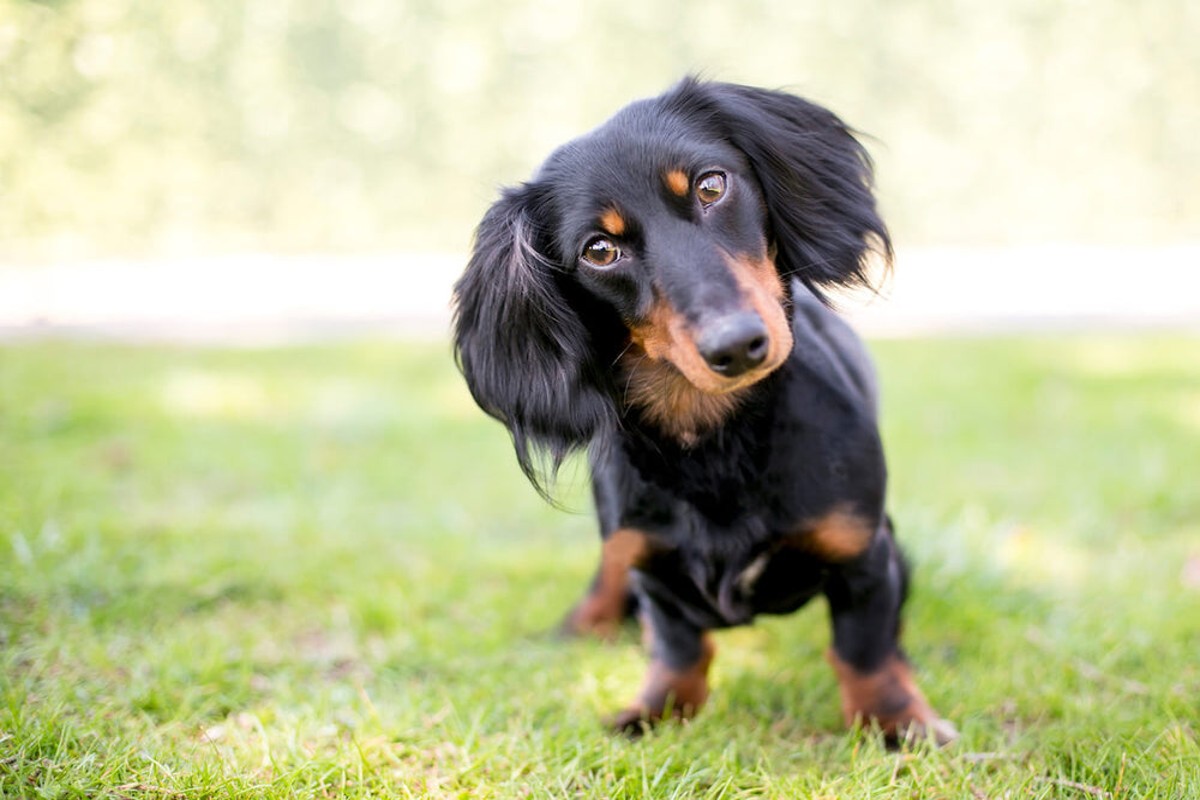
Do long haired dachshunds shed? Yes, they do shed, but their shedding is generally moderate compared to short-haired breeds. Regular grooming helps manage their coat.
Understanding the shedding habits of long haired dachshunds is crucial for prospective and current owners. Misjudging their grooming needs can lead to discomfort for the dog and an unkempt living environment, impacting both pet and owner satisfaction.
This guide details the shedding characteristics of long haired dachshunds, effective grooming techniques, and tips to minimize shedding in the home.
Do long haired dachshunds shed more than short haired ones?
Long haired dachshunds generally shed less than their short haired counterparts. While both types do shed, the difference in their coat types leads to variations in the amount and frequency of shedding. Long haired dachshunds have a double coat, which can trap loose hair, making it less noticeable.
The shedding patterns between long haired and short haired dachshunds can be summarized as follows:
- Long Haired Dachshunds: These dogs have a longer, flowing coat that consists of a soft undercoat and a longer outer coat. They tend to shed less frequently, but when they do, the shedding can be more substantial due to the volume of hair. Regular grooming helps manage this shedding effectively.
- Short Haired Dachshunds: With a sleek, single coat, these dachshunds typically shed more consistently throughout the year. Their fur is easier to manage, but they may require more frequent cleaning to keep up with the steady loss of hair.
Factors such as health, diet, and seasonal changes can also influence shedding in both types. Long haired dachshunds may experience heavier shedding during seasonal changes, particularly in spring and fall when they transition their coats. Meanwhile, short haired dachshunds may shed consistently year-round, which can be more manageable for some owners.
Regular grooming for long haired dachshunds is essential to reduce loose hair and prevent matting. Brushing several times a week can help keep their coat healthy and minimize shedding. Conversely, short haired dachshunds can benefit from occasional brushing to remove loose hair, but their grooming needs are generally less demanding.
Expert Tip: For owners of long haired dachshunds, investing in a quality de-shedding tool can significantly reduce the amount of fur left around the house, making maintenance easier and more efficient.
How often should I groom my long haired dachshund?
Long haired dachshunds require grooming every 4 to 6 weeks to maintain a healthy coat and minimize shedding. Regular grooming also helps prevent matting and keeps the skin clean. For optimal results, a consistent grooming schedule is essential.
To develop an effective grooming routine, consider the following steps:
- Brush regularly: Brush your long haired dachshund at least once a week to remove loose hair and prevent tangles. During shedding seasons, increase the frequency to 2-3 times per week.
- Schedule professional grooming: Every 4 to 6 weeks, take your dachshund to a professional groomer for a thorough wash and trim. This helps maintain the coat’s health and keeps it looking neat.
- Check for mats: Regularly inspect your dog’s coat for any mats or tangles, especially around areas prone to matting, such as the ears and underbelly. Addressing mats promptly can prevent discomfort and skin issues.
- Bathing: Bathe your long haired dachshund every 6 to 8 weeks, or as needed based on their activity level. Use a gentle dog shampoo to avoid drying out their skin.
- Keep nails trimmed: Trim your dachshund’s nails every 3-4 weeks to prevent discomfort and potential injuries. Long nails can also lead to improper walking posture.
Additionally, factors such as the dog’s activity level, health, and environment can influence grooming needs. Dogs that spend more time outdoors may require more frequent grooming to manage dirt and debris in their coat.
Expert Tip: Consider using a de-shedding tool during the shedding season. This can significantly reduce loose hair while promoting a healthy coat by stimulating the skin and redistributing natural oils.
What are the best grooming tools for long haired dachshunds?
Long haired dachshunds require specific grooming tools to maintain their coat and minimize shedding. Essential tools include brushes, combs, and bathing supplies that cater to their unique fur type. Using the right equipment can enhance the grooming experience for both the dog and the owner.
- Slicker Brush: This brush features fine, bent wire bristles to effectively remove loose hair and tangles. It is ideal for long haired dachshunds as it penetrates deep into the coat, helping to prevent matting.
- Wide-Toothed Comb: A wide-toothed comb is essential for detangling and smoothing the coat. It is particularly useful after using a slicker brush, as it helps to ensure that all knots are removed without damaging the hair.
- Undercoat Rake: This tool is designed to remove dead hair from the undercoat, which can be particularly beneficial during shedding seasons. Regular use can help reduce the amount of hair shed around the home.
- Dog Shampoo: A quality dog shampoo formulated for long haired breeds will keep the coat clean and healthy. Look for a shampoo that is gentle and moisturizing to maintain coat texture and shine.
- Grooming Gloves: These gloves are useful for gentle brushing and massaging the dog during grooming sessions. They help to collect loose hair while allowing for a more personal grooming experience.
Regular grooming not only keeps the coat in good condition but also promotes bonding between the owner and the pet. Frequency of grooming may vary based on the dog’s activity level and environment. Diligent grooming helps manage shedding and reduces the risk of skin issues.
Expert Tip: Incorporate grooming into a routine that includes regular check-ups for skin and coat health. This proactive approach will help identify any potential issues early, ensuring a healthy and happy long haired dachshund.
What causes excessive shedding in long haired dachshunds?
Excessive shedding in long haired dachshunds can result from various health issues and environmental factors. Common causes include skin conditions, allergies, hormonal imbalances, and stress. These factors can lead to increased hair loss beyond the normal seasonal shedding cycle.
Health issues such as dermatitis or parasite infestations (like fleas or mites) can irritate the skin and cause dogs to lose more hair than usual. Allergies, whether environmental or food-related, can also trigger excessive scratching and grooming, which exacerbates shedding. Hormonal changes, particularly those related to thyroid dysfunction, may lead to alterations in coat quality and density, resulting in increased hair loss.
- Environmental factors: Changes in climate, humidity, and seasonal transitions can affect shedding. For instance, dogs often shed more during spring and fall as they adjust their coats for temperature regulation.
- Nutrition: A poor diet lacking essential fatty acids, vitamins, and minerals can lead to a dull coat and increased shedding. Ensuring a balanced diet tailored to a dachshund’s needs is vital for maintaining healthy skin and fur.
- Stress and anxiety: Emotional factors, such as changes in routine, loud noises, or separation anxiety, can lead to excessive grooming behaviors that increase shedding.
Regular veterinary check-ups are essential to identify underlying health issues that could contribute to excessive shedding. Additionally, proper grooming practices, including regular brushing and bathing with appropriate products, can help manage and reduce shedding.
Expert Tip: Consider a high-quality fatty acid supplement if the dog’s diet is lacking essential nutrients. This can significantly improve coat health and reduce shedding over time.
How can I reduce shedding in my long haired dachshund?
To reduce shedding in long haired dachshunds, implement a regular grooming routine, maintain a balanced diet, and ensure proper health care. These steps can significantly minimize the amount of hair your dog sheds throughout the year.
- Establish a grooming routine. Regular brushing is essential for long haired dachshunds. Aim to brush your dog at least once or twice a week to remove loose hair and prevent matting, which can contribute to excessive shedding.
- Choose the right grooming tools. Use a slicker brush or a comb designed for long-haired breeds. These tools effectively remove loose fur and help distribute natural oils, promoting a healthy coat.
- Maintain a balanced diet. Ensure your dachshund’s diet is rich in omega fatty acids and high-quality proteins. A nutritious diet supports skin health and can reduce shedding caused by poor nutrition.
- Keep your dog hydrated. Adequate water intake is crucial for maintaining healthy skin. Ensure fresh water is always available to your dachshund to prevent dryness, which can lead to increased shedding.
- Schedule regular vet check-ups. Health issues can lead to excessive shedding. Regular veterinary visits can help identify any underlying conditions that may require treatment, such as allergies or skin infections.
- Minimize stress and anxiety. Stress can exacerbate shedding. Create a calm environment for your dachshund, providing plenty of exercise, mental stimulation, and a consistent routine to help reduce anxiety.
Implementing these strategies will help manage shedding effectively, resulting in a healthier coat and a cleaner home environment. Regular grooming not only reduces hair loss but also strengthens the bond between you and your dachshund.
Expert Tip: Consider using a de-shedding tool during shedding seasons, as these specialized brushes can remove even more loose fur, keeping your dog’s coat looking its best while minimizing shedding around the house.
Are long haired dachshunds hypoallergenic?
Long haired dachshunds are not considered hypoallergenic. While they may shed less than some other breeds, they still produce dander, which can trigger allergies in sensitive individuals.
Hypoallergenic dogs are typically those that produce fewer allergens, including dander and saliva. Long haired dachshunds, like all dogs, produce allergens that can affect allergy sufferers, particularly during shedding seasons. Although their shedding is generally moderate, regular grooming and cleaning can help manage allergens in the home.
Factors influencing allergy reactions include:
- Individual Sensitivity: Some people may react strongly to specific breeds or individual dogs, regardless of their shedding.
- Grooming Frequency: Regular grooming can reduce dander and loose hair, minimizing allergens.
- Home Environment: Maintaining a clean environment with frequent vacuuming and air filtration can help alleviate allergy symptoms.
While long haired dachshunds may be suitable for some allergy sufferers, it is advisable to spend time with the breed before making a decision. This allows potential owners to gauge their individual reactions to the dog’s presence and dander.
Expert Tip: Consider consulting an allergist for personalized advice on dog allergies, as they can provide tailored recommendations based on specific sensitivities and the home environment.
What is the average cost of grooming a long haired dachshund?
The average cost of grooming a long haired dachshund typically ranges from **$50 to $80** per session. This price can vary based on factors such as location, the groomer’s experience, and the specific services provided. For those who prefer DIY grooming, costs can be significantly lower, primarily involving the purchase of grooming tools and supplies.
Several factors influence the cost of grooming a long haired dachshund:
- Location: Grooming prices can vary widely depending on geographic area. Urban settings often have higher rates than rural locations.
- Groomer’s Experience: Established groomers with a reputation for quality services may charge more than less experienced ones.
- Service Type: Basic grooming services like bathing and brushing may cost less than full grooming packages that include nail trimming, ear cleaning, and anal gland expression.
- Frequency of Grooming: Regular grooming can reduce the overall cost in some cases, as groomers may offer package deals for loyal customers.
For those opting for DIY grooming, initial costs may include buying high-quality grooming tools such as a slicker brush, clippers, and shampoo, which can range from **$50 to $150**. Once equipped, ongoing costs are minimal, primarily involving shampoo and grooming products.
Regular grooming is essential for long haired dachshunds to prevent matting and maintain coat health. Investing in professional grooming services can save time and ensure a thorough job, while DIY grooming can be a cost-effective alternative for those comfortable with the process.
Consider scheduling grooming sessions every 6-8 weeks to maintain coat quality. This frequency helps minimize shedding and keeps your dachshund looking its best.
Understanding the Shedding Cycle of Long Haired Dachshunds
This section delves into the shedding cycle of long haired dachshunds, detailing seasonal patterns, hormonal influences, and indicators of healthy versus unhealthy shedding. A comprehensive understanding of these aspects is essential for effective grooming and overall dog care.

Seasonal Shedding Patterns
Long haired dachshunds experience a natural shedding cycle that is influenced by seasonal changes. Typically, these dogs shed most during the spring and fall. During spring, they lose their heavier winter coat to prepare for warmer weather. In the fall, they shed their lighter summer coat to make way for a denser winter coat.
Shedding can vary based on factors such as climate and indoor living conditions. For example, dogs that live in warmer climates may shed more consistently throughout the year, while those in temperate regions may adhere more closely to the seasonal shedding pattern.
Hormonal Changes and Shedding
Hormonal fluctuations can significantly impact the shedding cycle of long haired dachshunds. Changes in hormones due to age, health, or reproductive status can lead to variations in shedding. For instance, female dachshunds may experience increased shedding during heat cycles or after giving birth due to hormonal changes.
Additionally, stress and underlying health issues can cause irregular shedding patterns. If a long haired dachshund experiences sudden or excessive shedding, it may indicate a need for veterinary evaluation to rule out medical concerns.
Signs of Healthy vs. Unhealthy Shedding
Identifying healthy shedding is crucial for maintaining your dog’s coat and overall health. Healthy shedding typically involves:
- Consistent hair loss with a regular cycle.
- Minimal bald patches or skin irritation.
- A shiny, smooth coat that feels soft to the touch.
In contrast, unhealthy shedding may present as:
- Excessive hair loss beyond normal seasonal shedding.
- Visible bald spots or skin redness and irritation.
- Changes in coat texture, such as brittleness or dullness.
Monitoring your dog’s shedding patterns is vital. A sudden shift may warrant a veterinary consultation to address potential health issues.
Nuanced Considerations
While many believe that long haired dachshunds shed excessively due to their coat type, this is a misconception. The breed’s shedding can be managed effectively through regular grooming. A common error is expecting that all long haired dogs will shed the same amount. Individual factors such as genetics, diet, and overall health play significant roles in determining shedding levels. Grooming frequency can also impact the amount of loose hair found in the home.
Practical Application
To effectively manage shedding in long haired dachshunds, consider the following actions:
- Implement a regular grooming routine, ideally 2-3 times per week, to remove loose hair and prevent matting.
- Monitor changes in shedding patterns and consult a veterinarian if excessive shedding occurs.
- Provide a balanced diet rich in omega fatty acids to support a healthy coat.
By understanding the shedding cycle and its influences, you can maintain your long haired dachshund’s coat health and enhance your grooming routine.
Grooming Techniques for Long Haired Dachshunds
This section provides essential grooming techniques tailored for long haired dachshunds, focusing on effective brushing methods, detangling strategies, and appropriate bathing practices. Proper grooming is crucial for maintaining coat health and minimizing shedding.

Brushing Methods for Various Coat Types
Long haired dachshunds typically have a soft, flowing coat that requires specific brushing techniques to maintain its condition. The following methods are effective for different coat types:
- Slicker Brush: Ideal for removing loose hair and preventing matting. Use it 2-3 times a week to keep the coat smooth.
- Pin Brush: Best for daily use, this brush helps to detangle and distribute natural oils throughout the coat.
- Comb: A wide-toothed comb can effectively detangle specific areas, especially behind the ears and under the legs.
Detangling Without Causing Discomfort
Detangling is a crucial aspect of grooming long haired dachshunds. Follow these steps to ensure comfort:
- Start by assessing the tangles. Use your fingers to gently separate the matted areas.
- Apply a detangling spray or conditioner to the affected area. This will help loosen the hair.
- Using a comb, start at the tips of the hair and gradually work towards the roots. This method minimizes pulling on the skin.
Regular detangling sessions can prevent severe matting, which is painful and challenging to remove.
Bathing Frequency and Suitable Products
Bathing is another essential part of the grooming routine for long haired dachshunds. The frequency of baths should be determined by the dog’s lifestyle and coat condition:
- For active dogs exposed to dirt and debris, bathing every 4-6 weeks is advisable.
- Less active dogs may require baths every 8-12 weeks.
- Always use a gentle, dog-specific shampoo to avoid skin irritation.
After bathing, a conditioner formulated for long haired breeds can help maintain coat moisture and prevent tangling.
Nuances and Common Misconceptions
Many owners mistakenly believe that long haired dachshunds require less grooming than their short-haired counterparts. In reality, these dogs need regular grooming to prevent matting and skin issues. Additionally, shedding varies significantly among individual dogs, influenced by factors such as diet, health, and seasonal changes. Understanding these factors can lead to more effective grooming strategies and better overall coat health.
Practical Application
To implement these grooming techniques effectively, establish a routine that includes:
- Brushing your dachshund’s coat 2-3 times a week with a slicker brush and daily with a pin brush.
- Detangling any knots with a gentle approach, utilizing detangling sprays as necessary.
- Bathing your dog every 4-8 weeks, depending on their activity level, and using appropriate products to protect their coat.
Following these steps will help reduce shedding and maintain a healthy, beautiful coat for long haired dachshunds.
Health Implications of Shedding in Long Haired Dachshunds
Shedding in long haired dachshunds can be a key indicator of underlying health issues. Recognizing the signs of excessive shedding and understanding its causes is essential for maintaining your pet’s overall well-being.
Common Health Problems That Lead to Excessive Shedding
Excessive shedding in long haired dachshunds may be linked to various health problems, including:
- Allergies: Environmental allergens, food sensitivities, and flea infestations can lead to skin irritation and increased shedding.
- Hormonal Imbalances: Conditions such as hypothyroidism or Cushing’s disease can disrupt normal hair growth cycles, resulting in hair loss.
- Skin Infections: Bacterial or fungal infections can cause inflammation and excessive shedding, requiring prompt veterinary intervention.
Nutritional Factors Affecting Coat Health
A balanced diet plays a crucial role in maintaining a healthy coat. Nutritional deficiencies can result in poor coat quality and increased shedding. Key nutrients to consider include:
- Omega-3 and Omega-6 Fatty Acids: These essential fatty acids promote skin health and reduce inflammation, contributing to a shinier coat.
- High-Quality Protein: Adequate protein intake supports hair structure and growth, preventing excessive shedding.
- Vitamins and Minerals: Vitamins A, E, and B-complex, along with minerals like zinc, are vital for maintaining skin and coat health.
When to Consult a Veterinarian Regarding Shedding
Monitoring the shedding patterns of long haired dachshunds is essential. Consult a veterinarian if you observe:
- Sudden or excessive hair loss, particularly in patches.
- Skin irritation, redness, or signs of infection.
- Changes in behavior, such as increased scratching or biting at the skin.
Addressing these concerns promptly can lead to effective treatment and improved coat health.
Nuances and Misconceptions About Shedding
Many pet owners mistakenly believe that shedding is solely a seasonal occurrence. While shedding can vary with the seasons, chronic or excessive shedding often indicates health issues that require attention. Moreover, some owners may overlook the role of diet in coat health. A common misconception is that all commercial dog foods provide adequate nutrition. In reality, not all dog foods are created equal, and poor-quality ingredients can exacerbate shedding problems. Regular dietary assessments and consultations with a veterinarian can help ensure that long haired dachshunds receive optimal nutrition.
Practical Application
To effectively manage shedding in long haired dachshunds, take the following actions:
- Schedule regular veterinary check-ups to monitor your dog’s health.
- Evaluate and adjust your dog’s diet to include high-quality ingredients rich in essential fatty acids and proteins.
- Implement a consistent grooming routine to remove loose hair and promote healthy skin.
These steps will help maintain coat health and address any underlying issues that may lead to excessive shedding.
Lifestyle Adjustments for Managing Shedding
Effective management of shedding in long haired dachshunds requires strategic lifestyle adjustments. By creating a conducive environment, optimizing diet, and ensuring regular veterinary care, owners can significantly mitigate the impact of shedding.
Creating a Shedding-Friendly Environment
Transforming your home into a shedding-friendly zone can reduce the visibility of pet hair and make maintenance easier. Consider the following adjustments:
- Flooring Choices: Opt for hard surface floors such as tile or laminate, which are easier to clean than carpet.
- Furniture Covers: Use washable covers on furniture to protect upholstery and simplify cleaning.
- Designated Pet Areas: Create specific spaces for your dachshund, equipped with their bedding and toys, to contain shedding to one area.
Adjusting Diet and Supplements for Coat Health
The health of a dachshund’s coat is intrinsically linked to their diet. A balanced and nutritious diet can enhance coat quality and reduce excessive shedding. Focus on:
- High-Quality Protein: Ensure the diet includes sufficient protein to support hair growth and maintenance.
- Omega Fatty Acids: Incorporate supplements such as fish oil to improve coat condition and reduce shedding.
- Hydration: Maintain proper hydration as it is vital for skin health, which directly affects shedding.
Regular Vet Check-Ups
Routine veterinary visits play a crucial role in monitoring a dachshund’s overall health, including shedding patterns. Regular check-ups can help identify:
- Allergies: Environmental or food allergies can exacerbate shedding and should be addressed promptly.
- Skin Conditions: Conditions such as dermatitis may lead to increased shedding and require treatment.
- Thyroid Issues: Hormonal imbalances can cause significant changes in coat health and shedding frequency.
Nuances in Shedding Management
Many owners mistakenly believe that shedding in long haired dachshunds is solely seasonal. However, shedding can be influenced by various factors, including stress, changes in environment, and underlying health issues. For instance, a sudden increase in shedding could indicate an emotional response to changes in the household or even illness. Regular grooming practices can also offer insight into coat health, helping identify issues before they escalate.
Practical Application
To effectively manage shedding in long haired dachshunds, implement the following actionable steps:
- Introduce a high-quality diet rich in protein and omega fatty acids.
- Create a designated pet area with easy-to-clean surfaces.
- Schedule routine veterinary check-ups to monitor health and address any issues.
- Incorporate regular grooming sessions to reduce loose hair and maintain coat health.
Frequently Asked Questions
Do long haired dachshunds shed more than short haired ones?
Long haired dachshunds generally shed less than their short haired counterparts. However, shedding can vary based on individual dog factors such as health and environment.
How often should I groom my long haired dachshund?
Long haired dachshunds should be groomed at least once a week to prevent matting and reduce shedding. Regular grooming also helps maintain their coat’s health and appearance.
What are the best grooming tools for long haired dachshunds?
The best grooming tools for long haired dachshunds include a slicker brush, comb, and de-shedding tool. These tools effectively remove loose hair and prevent tangles.
What causes excessive shedding in long haired dachshunds?
Excessive shedding in long haired dachshunds can be caused by factors such as allergies, poor diet, stress, or underlying health issues. Regular veterinary check-ups can help identify the cause.
How can I reduce shedding in my long haired dachshund?
To reduce shedding, maintain a consistent grooming routine, provide a balanced diet, and ensure your dog is healthy. Regular baths can also help manage loose fur.
Are long haired dachshunds hypoallergenic?
Long haired dachshunds are not considered hypoallergenic, as they still produce dander and shed hair. Individuals with allergies may react to them, so it’s important to spend time with the breed before deciding.
What is the average cost of grooming a long haired dachshund?
The average cost of grooming a long haired dachshund ranges from $30 to $70, depending on the services included. Prices may vary based on location and the groomer’s expertise.
Final Thoughts on do long haired dachshunds shed
Long haired dachshunds do shed, but their shedding patterns can be effectively managed with proper grooming and care. Understanding their unique shedding cycle and health implications allows owners to maintain a clean environment while ensuring their pets remain healthy and comfortable.
To minimize shedding and promote a healthy coat, implement a consistent grooming routine using appropriate tools, such as slicker brushes and combs, at least twice a week. This proactive approach will not only reduce hair around the home but also enhance your dachshund’s overall well-being.
The significance of managing shedding in long haired dachshunds extends beyond aesthetics; it is integral to their health and the quality of life they enjoy.
Leave a Reply