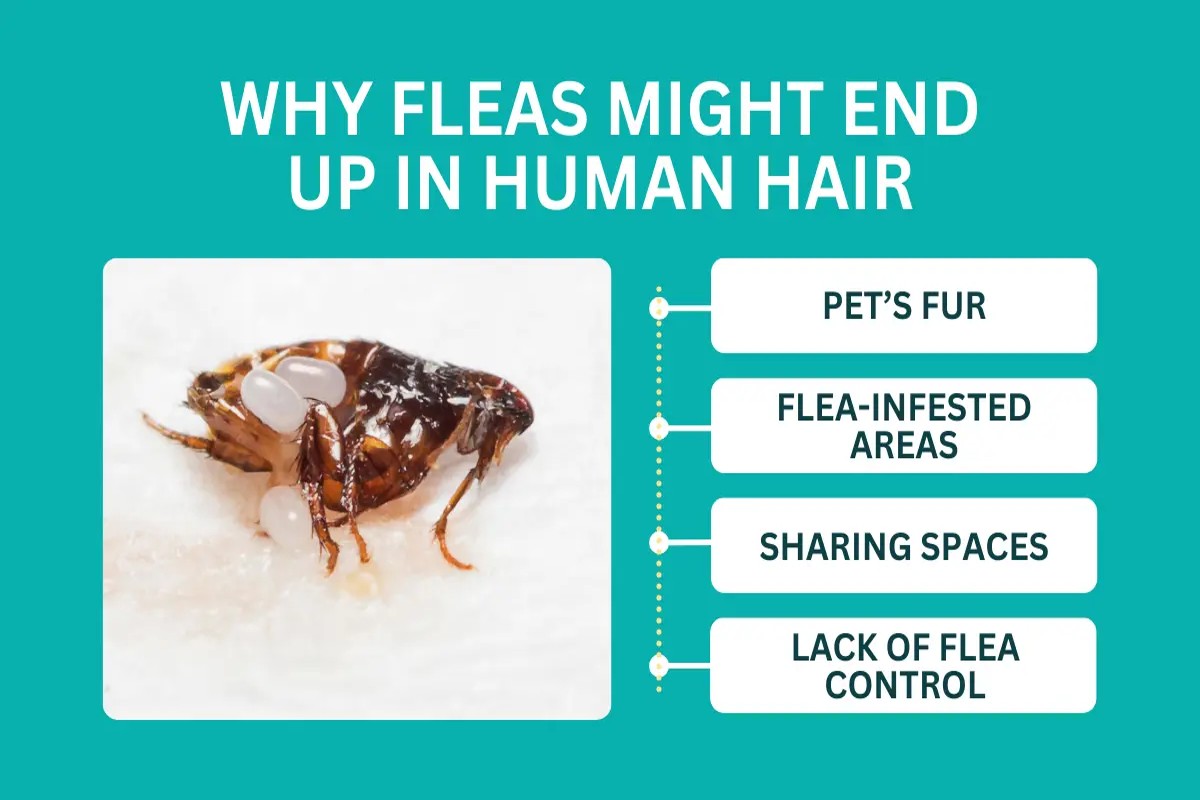
Will dog fleas live in human hair? No, dog fleas prefer to live on dogs and other animals. They may jump onto humans but cannot survive in human hair.
This topic is crucial for pet owners and caregivers, as misconceptions about flea behavior can lead to unnecessary panic and ineffective treatments. Understanding the limitations of dog fleas helps in implementing proper pest control measures and maintaining a healthy environment for both pets and humans.
This article will clarify the biology of dog fleas, explain why they do not reside in human hair, and provide guidance on effective flea prevention and treatment strategies for pets.
Can dog fleas survive on humans?
Dog fleas cannot survive on humans for an extended period. While they may bite humans, their primary host is dogs, and they rely on specific conditions found on canine fur for survival and reproduction. Human hair does not provide the necessary environment for dog fleas to thrive.
Dog fleas, scientifically known as Ctenocephalides canis, have evolved to live on dogs and other mammals, utilizing their fur as a habitat. The fleas feed on blood, which they can obtain from human hosts if they come into contact. However, the lack of suitable living conditions, such as warmth and humidity found in dog fur, limits their ability to establish themselves on humans.
When exposed to human environments, dog fleas may experience significant stress. This includes factors such as differences in body temperature and lack of appropriate nesting sites. Consequently, while they can bite humans and cause discomfort, they do not reproduce or survive long-term on human hosts. It is also essential to recognize that flea bites can lead to allergic reactions and secondary infections in humans, underscoring the importance of effective flea control in pets.
Expert tip: Regular grooming and flea prevention for pets can significantly reduce the likelihood of fleas transferring to humans, thereby minimizing health risks associated with flea bites.
How to remove fleas from human hair?
Fleas can occasionally be found in human hair if they have been transferred from pets or environments infested with fleas. To effectively remove fleas from hair, follow these practical steps to ensure thorough elimination.
- Use a fine-toothed comb. Begin by using a flea comb specifically designed for pets. This will help catch adult fleas and flea eggs as you comb through the hair, section by section.
- Wash your hair. After combing, wash your hair with a strong shampoo that can help dislodge any remaining fleas and eggs. Consider using a shampoo that contains natural flea-repelling ingredients like tea tree oil or neem oil.
- Rinse thoroughly. Follow up with a thorough rinse, ensuring that all shampoo and any fleas are washed away. Hot water is generally more effective at killing fleas and their eggs.
- Treat your environment. While treating your hair, also address the environment. Vacuum carpets, furniture, and wash any bedding in hot water to eliminate fleas and their eggs present in your home.
- Monitor for re-infestation. Continue to check your hair and scalp for any signs of fleas over the next few days. If fleas persist, consult a healthcare professional for advice on further treatment options.
Fleas can be resilient, so it’s crucial to not only treat your hair but also ensure that your home is free from infestations. Regularly checking your pets for fleas can help prevent future transfers.
Expert Tip: Consider using a natural flea repellent spray on your hair and clothing that contains essential oils like lavender or peppermint, which can deter fleas without harsh chemicals.
What are the symptoms of flea bites on humans?
Flea bites on humans typically present as small, red, itchy welts on the skin. These bites are often found in clusters or lines and can cause significant discomfort, leading to scratching and irritation.
For example, an individual may suddenly notice intense itching on their legs or ankles, particularly after spending time around pets or in areas where fleas are common. Upon inspection, they may discover several small, raised, red spots that appear similar to mosquito bites. The bites can become inflamed and may even develop a crust if scratched excessively, increasing the risk of secondary infections.
Additionally, flea bites are often accompanied by other symptoms, such as a burning sensation or localized swelling. Some individuals may experience allergic reactions, leading to hives or more severe irritation. It is essential to monitor the affected areas and seek medical advice if symptoms worsen or if there are signs of infection, such as pus or increased redness around the bites.
Expert Tip: Regularly inspect pets for fleas and maintain a clean living environment to prevent infestations. If flea bites occur, using over-the-counter antihistamines or topical treatments can alleviate discomfort while addressing the source of the problem is crucial to prevent further bites.
Are dog fleas different from human fleas?
Yes, dog fleas and human fleas are distinct species with different habitats and behaviors. While they may share some similarities, their preferences for hosts and living environments set them apart significantly.
Dog fleas, scientifically known as Ctenocephalides canis, primarily inhabit dogs and other mammals. They thrive in warm, furry environments, making pets their ideal hosts. These fleas prefer to live in the fur of dogs and cats, where they can easily access blood for nourishment. In contrast, human fleas, or Pulex irritans, are adapted to live on humans and sometimes other mammals. They tend to inhabit clothing and bedding rather than directly on human hair, as they require less warmth than dog fleas.
Key differences between dog fleas and human fleas include:
- Preferred Hosts: Dog fleas prefer dogs and cats, while human fleas prefer humans.
- Habitat: Dog fleas live in the fur of their hosts, whereas human fleas tend to reside in clothing or bedding.
- Behavior: Dog fleas are more likely to jump onto a host to feed, while human fleas may linger in environments where humans are present, such as in homes or public spaces.
These differences have practical implications for treatment and prevention. For instance, specific flea control products are designed for the unique life cycles and habitats of each flea type. Understanding these distinctions can help in effectively managing flea infestations in both pets and humans.
Expert Tip: Regular grooming and bathing of pets, along with thorough cleaning of living spaces, can significantly reduce the risk of flea infestations, ensuring a healthier environment for both pets and their owners.
How long do dog fleas live without a host?
Dog fleas can survive without a host for approximately one to two weeks. However, under optimal conditions, some fleas may live up to several weeks without a blood meal. The exact duration depends on environmental factors such as temperature and humidity.
The lifespan of dog fleas in the absence of a host is influenced primarily by their life stage. Adult fleas require a blood meal to reproduce and thrive; without it, their survival is limited. Eggs and larvae can persist longer in favorable conditions, but adult fleas will generally die off after a short period without access to a host. Additionally, higher humidity and warmer temperatures can extend their lifespan, while dry and cold conditions can shorten it significantly.
Practical implications of this lifespan are significant in flea control strategies. By understanding that fleas can survive for a limited time off a host, pet owners can take effective measures to treat their homes and pets. Regular cleaning, vacuuming, and the use of flea treatments can significantly reduce the chances of reinfestation. It’s also essential to treat all pets in the household, as fleas can easily jump between hosts.
Expert Tip: Flea eggs can remain dormant for months in carpets and bedding, hatching only when conditions are right. Therefore, comprehensive treatment should focus not just on the pets but also on the environment to break the flea life cycle effectively.
What is the best treatment for dog fleas?
The best treatment for dog fleas involves a combination of topical treatments, oral medications, and environmental control measures. Effective flea management requires addressing both the pet and its surroundings to prevent reinfestation. Here are some recommended practices for treating and preventing fleas.
- Topical Treatments: Apply veterinarian-recommended flea treatments such as spot-on medications. These products typically provide immediate relief and last for several weeks, ensuring fleas are eliminated from your dog’s coat.
- Oral Medications: Consider oral flea medications, which work systemically to kill fleas within hours. These are often easier to administer and can be combined with topical treatments for enhanced effectiveness.
- Environmental Control: Treat your home by vacuuming regularly and washing your dog’s bedding in hot water. Use insect growth regulators (IGRs) in your living space to disrupt the flea life cycle and prevent new infestations.
- Professional Pest Control: If fleas persist despite home treatments, consult a pest control professional. They can apply stronger insecticides and provide targeted solutions to eliminate fleas in your environment.
- Regular Preventative Care: Establish a routine flea prevention regimen. Use flea collars, topical treatments, or oral medications year-round, especially in warm months, to keep your dog protected from infestations.
When selecting treatments, consider your dog’s age, weight, and health status. Always consult a veterinarian before starting any flea control program to ensure the chosen method is safe and effective for your pet. Additionally, maintaining a clean living environment is crucial for long-term flea management.
Expert Tip: Fleas can develop resistance to certain treatments, so it may be necessary to rotate products periodically. This strategy helps maintain effectiveness and minimizes the risk of reinfestation.
Can fleas jump from dogs to humans?
Yes, fleas can jump from dogs to humans. While fleas primarily infest animals, they are capable of jumping onto humans when in close proximity to infested pets. Once on a human, fleas may bite, but they do not establish a permanent residence in human hair.
Fleas are agile jumpers, capable of leaping up to 150 times their body length. This ability allows them to easily transfer from one host to another. When a flea jumps onto a human, it typically seeks to feed on blood, which is essential for its survival and reproduction. However, the flea’s life cycle is closely tied to its preferred hosts—mainly dogs and cats.
- Infestation Risk: If a dog is heavily infested, fleas can easily jump onto family members. This is particularly common in homes with multiple pets.
- Human Interaction: Close contact with an infested pet, such as cuddling or sleeping together, increases the likelihood of fleas jumping onto a human.
- Environmental Factors: Fleas thrive in warm, humid conditions. Homes with carpets, bedding, and soft furnishings can harbor fleas, creating opportunities for them to jump onto humans.
Fleas do not live in human hair; they prefer the fur of their animal hosts where they can hide and reproduce. However, a flea can bite humans, causing irritation and discomfort. If fleas are present in the home, controlling the infestation through veterinary treatment for pets and thorough cleaning is essential.
Regularly treating pets with veterinarian-recommended flea control products can significantly reduce the likelihood of fleas transferring from dogs to humans. Additionally, maintaining a clean living environment helps prevent flea infestations from becoming established.
Understanding Flea Life Cycles and Host Preferences
This section delves into the biological characteristics of fleas, their life cycles, and the ecological factors that determine their host preferences, particularly focusing on whether dog fleas will live in human hair.
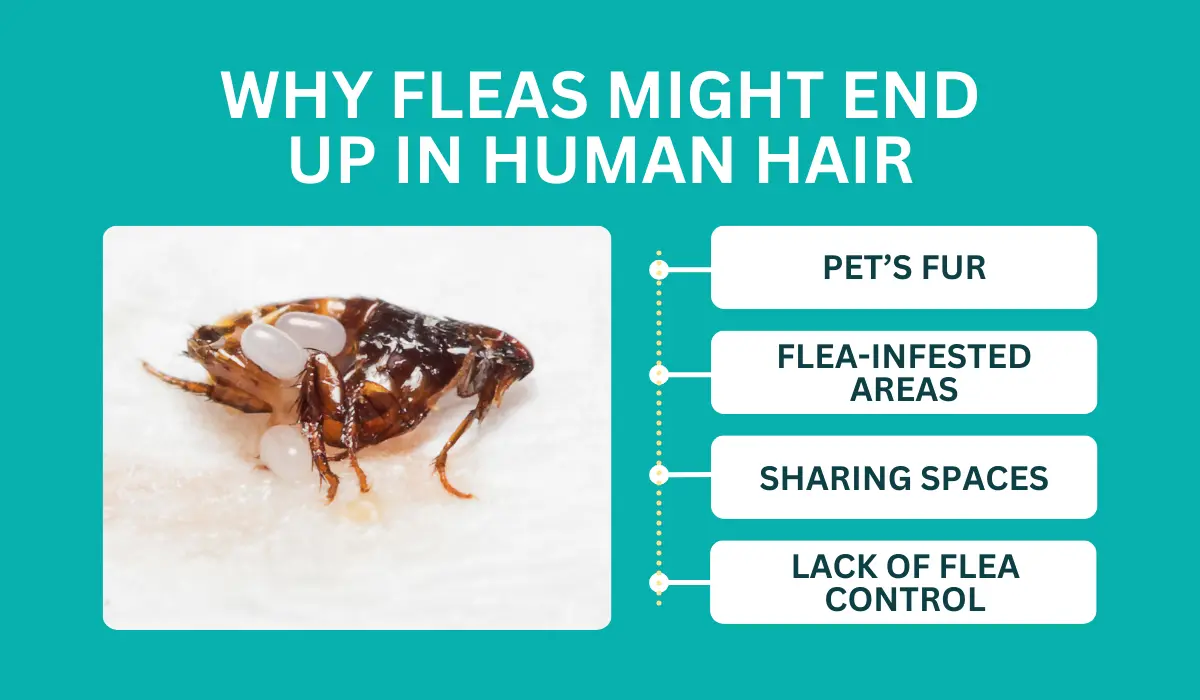
Flea Life Cycles
Fleas undergo a complex life cycle consisting of four distinct stages: egg, larva, pupa, and adult. Understanding this cycle is essential for effective flea control and treatment.
- Egg: Adult fleas lay eggs on their host or in the environment. A female flea can produce up to 50 eggs per day, which can fall into carpets, bedding, or cracks in the floor.
- Larva: Flea eggs hatch into larvae within a week. Larvae feed on organic debris, including adult flea feces, which contains undigested blood. This stage lasts about 5 to 11 days depending on environmental conditions.
- Pupa: After several days, larvae spin cocoons and enter the pupal stage, which can last from a few days to several months. This stage is resistant to environmental factors.
- Adult: Once conditions are favorable, adults emerge from the cocoon, ready to find a host and begin the cycle anew.
Host Preferences of Fleas
Fleas exhibit strong host preferences influenced by various factors, including body temperature, carbon dioxide output, and specific hair types. Dog fleas, or *Ctenocephalides canis*, predominantly target dogs due to their warm bodies and suitable fur for the fleas’ feeding and breeding needs.
The anatomy of dog fur provides an ideal environment for fleas to hide and reproduce. In contrast, human hair does not offer the same level of protection or nourishment, making it less favorable for dog fleas. While fleas can land on humans, they do not thrive or reproduce effectively in human hair.
Environmental Factors in Flea Survival
Fleas require specific environmental conditions to survive and reproduce. Key factors include:
- Temperature: Fleas thrive in temperatures between 70°F and 85°F (21°C to 29°C).
- Humidity: High humidity levels (around 70% or more) are necessary for flea eggs and larvae to develop successfully.
- Host Availability: The presence of suitable hosts greatly influences flea populations. Areas with high pet density are more likely to experience flea infestations.
Comparison of Flea Species
Different flea species exhibit varying levels of host specificity. While dog fleas primarily target dogs, other fleas, such as cat fleas (*Ctenocephalides felis*), can infest both cats and dogs. Human fleas (*Pulex irritans*) are less common but can also affect humans directly.
Flea species demonstrate a range of adaptability to hosts, but dog fleas are not biologically equipped to live in human hair. The physiological differences between dogs and humans, including skin type and hair structure, contribute to this disparity.
Expert Insights
A common misconception is that fleas can easily transition between species. While some fleas can infest multiple hosts, each species has evolved to thrive on specific animals. Dog fleas have adapted to the physiology of dogs, which includes factors like body temperature and fur density. Fleas that attempt to live in human hair may bite but will not establish a breeding population due to the unsuitable environment.
Practical Application
To effectively manage flea infestations, pet owners should focus on the following actions:
- Regularly treat pets with veterinary-approved flea control products.
- Maintain a clean environment by vacuuming carpets and washing bedding often.
- Monitor for signs of fleas and take immediate action if detected.
Understanding flea biology and host preferences helps in preventing infestations and addressing them effectively.
Effective Flea Prevention Strategies for Homes and Pets
Implementing effective flea prevention strategies is essential for maintaining a healthy environment for both pets and households. This section outlines advanced measures that can significantly reduce the risk of flea infestations.
Regular Pet Grooming and Veterinary Check-Ups
Routine grooming is vital in preventing flea infestations. Regular brushing helps remove fleas and their eggs from your pet’s coat. Additionally, scheduling veterinary check-ups ensures that your pet receives appropriate flea treatments and vaccinations. A veterinarian can recommend the best flea prevention products tailored to your pet’s specific needs.
Use of Flea Prevention Products
Flea prevention products are essential in protecting pets from infestations. These include:
- Flea collars: These emit chemicals that repel or kill fleas.
- Topical treatments: Applied directly to the skin, these treatments provide long-lasting protection.
- Oral medications: These are ingested and work systemically to eliminate fleas.
Selecting reputable brands and following dosage instructions is crucial for effectiveness and safety.
Cleaning Routines for Homes
Maintaining a clean living space is fundamental in preventing flea infestations. Implement the following cleaning routines:
- Vacuum regularly: Focus on areas where pets spend time, including carpets, rugs, and upholstered furniture. Dispose of the vacuum bag or empty the canister immediately.
- Wash bedding: Clean pet bedding and any blankets or linens they use in hot water weekly.
- Yard maintenance: Keep the yard tidy by mowing the lawn regularly and removing debris where fleas may thrive.
Utilizing Professional Pest Control Services
In cases of severe infestations, professional pest control services can be highly effective. These experts employ targeted treatments that may not be available to the general public. They can assess the severity of the infestation and recommend appropriate solutions, including indoor and outdoor treatments.
Nuances in Flea Prevention
Many assume that fleas only thrive in pet environments, but they can also infest homes without pets. Fleas can survive in various conditions, making it essential to implement preventative measures even in pet-free homes. Additionally, the life cycle of fleas can complicate eradication efforts. Flea eggs can remain dormant for months, meaning that even after treating pets and spaces, vigilance is necessary to prevent re-infestation.
Practical Application
To effectively prevent flea infestations, pet owners should establish a comprehensive flea management routine that includes:
- Regularly groom pets and monitor for signs of fleas.
- Use veterinarian-recommended flea prevention products consistently.
- Maintain a rigorous cleaning schedule, focusing on pet areas and living spaces.
- Consider consulting professional pest control services if infestations occur.
By implementing these strategies, the likelihood of fleas not only surviving but thriving in your home and on your pets will be significantly reduced, addressing concerns such as whether dog fleas will live in human hair. Consistent efforts yield the best results in maintaining a flea-free environment.
Identifying and Treating Flea Bites on Humans
This section provides essential information on recognizing flea bites, effective treatment options, and preventive measures against complications. Understanding flea bites and their treatment is crucial for maintaining comfort and health.
Identifying Flea Bites
Flea bites typically appear as small, red, raised welts that may be itchy. They often occur in clusters or lines, commonly on the lower legs and ankles. Distinguishing flea bites from other insect bites, such as those from mosquitoes or bedbugs, is vital for effective treatment.
- Flea Bites: Small, red bumps, usually with a central dark spot; often grouped together.
- Mosquito Bites: Raised, itchy welts that may be larger and occur singly.
- Bedbug Bites: Red, itchy welts that can appear in a line or cluster, often on exposed skin.
Treatment Options for Flea Bites
Effective treatment for flea bites includes both home remedies and over-the-counter options. Initial care focuses on alleviating itching and reducing inflammation.
- Home Remedies:
- Apply a cold compress to the affected area to reduce swelling.
- Use aloe vera gel for its soothing properties.
- Mix baking soda with water to create a paste and apply it to the bites.
- Over-the-Counter Treatments:
- Topical antihistamines, such as diphenhydramine, can relieve itching.
- Hydrocortisone cream reduces inflammation and itching.
- Oral antihistamines, like cetirizine or loratadine, may be effective for systemic itching.
When to Seek Medical Attention
Allergic reactions to flea bites can occur, resulting in severe symptoms such as difficulty breathing, swelling of the face or throat, or hives. In these cases, immediate medical attention is essential. Additionally, if bites become increasingly painful or show signs of infection, such as pus or fever, consult a healthcare professional.
Preventing Secondary Infections
Scratching flea bites can lead to secondary infections. To minimize this risk, keep nails trimmed and clean. Consider using cold compresses to alleviate itching and discourage scratching. If a bite becomes infected, seek medical advice for appropriate treatment.
Common misconceptions suggest that fleas will live in human hair; however, they prefer animal hosts. Understanding the behavior of fleas can inform prevention measures. Regular cleaning of living spaces and treating pets with veterinary-approved flea control can significantly reduce flea populations.
To effectively manage flea bites, recognize the symptoms early and implement treatment options promptly. Apply topical treatments to alleviate discomfort and monitor any changes in the bites. Maintain cleanliness in your environment to prevent further infestations. If allergic reactions or infections occur, do not hesitate to seek medical assistance.
Common Myths About Fleas and Their Impact on Humans
This section addresses prevalent misconceptions regarding fleas, particularly their ability to thrive on humans and the associated risks. Understanding these myths is essential for effective flea management and protecting both pets and families.
Myths About Fleas Living in Human Hair
A widespread belief is that dog fleas can inhabit human hair. However, this is a misunderstanding of flea biology. Fleas primarily target animal hosts, particularly dogs and cats, due to their specific feeding needs. Dog fleas (Ctenocephalides canis) are adapted to live on animals with fur, where they can easily access blood. Human hair does not provide the environment necessary for fleas to survive, reproduce, or thrive.
Clarifying the Differences Between Fleas and Lice
Fleas and lice are often confused, but they are distinct parasites. The key differences include:
- Hosts: Fleas prefer warm-blooded animals, while lice are specific to humans and certain animals.
- Appearance: Fleas are small, brown, and have elongated bodies that allow them to jump; lice are flat and wingless.
- Feeding Behavior: Fleas feed on blood and can jump between hosts, whereas lice remain on a single host for their entire lifecycle.
These differences highlight why dog fleas do not pose a direct threat to human hair, unlike lice, which are specifically adapted to live on human hosts.
Understanding the Risks of Flea-Transmitted Diseases
While dog fleas do not live in human hair, they can still pose health risks to humans. Fleas can transmit diseases such as:
- Cat Scratch Fever: A bacterial infection that can occur if a person is scratched or bitten by a flea-infested animal.
- Flea Allergy Dermatitis: An allergic reaction in humans that can result from flea bites, leading to itching and skin irritation.
- Tapeworms: Humans can accidentally ingest flea larvae, which may result in tapeworm infection.
Awareness of these risks underscores the importance of comprehensive flea control for pets and living environments.
The Psychological Impact of Flea Infestations on Pet Owners
The presence of fleas can have significant psychological effects on pet owners. Concerns about infestations often lead to stress and anxiety, particularly regarding the health of pets and the potential spread of fleas within the home. The fear of persistent flea problems can result in constant vigilance, leading to fatigue and frustration for pet owners.
Furthermore, the stigma associated with flea infestations can cause embarrassment, prompting pet owners to withdraw from social interactions. Effective flea management strategies are essential not only for the physical health of pets but also for the mental well-being of their owners.
Considering these factors, it is vital for pet owners to implement regular flea prevention measures. This includes maintaining a consistent grooming routine, using veterinarian-recommended flea treatments, and ensuring the living environment is regularly cleaned and treated for fleas. By addressing both the biological and psychological aspects of flea control, pet owners can significantly reduce the impact of fleas on their lives.
Frequently Asked Questions
Can dog fleas survive on humans?
Dog fleas primarily target dogs and other animals, but they can bite humans. However, they do not thrive or reproduce in human hair.
How to remove fleas from human hair?
To remove fleas from human hair, wash the hair with a strong shampoo and use a fine-toothed comb to remove any remaining fleas or eggs. Additionally, you may consider consulting a healthcare professional for further treatment options.
What are the symptoms of flea bites on humans?
Flea bites on humans typically result in red, itchy welts, often appearing in clusters or lines. Some individuals may also experience allergic reactions, leading to more severe itching and inflammation.
Are dog fleas different from human fleas?
Yes, dog fleas (Ctenocephalides canis) and human fleas (Pulex irritans) are different species. Dog fleas prefer canine hosts and are not adapted to live on humans.
How long do dog fleas live without a host?
Dog fleas can survive without a host for about 2 to 3 weeks, depending on environmental conditions. They require a host to feed and reproduce effectively.
What is the best treatment for dog fleas?
The best treatment for dog fleas includes topical or oral flea medications specifically designed for pets. Regularly treating the home environment with insecticides and vacuuming can also help eliminate fleas.
Can fleas jump from dogs to humans?
Fleas can jump from dogs to humans, especially if a person is in close contact with an infested pet. While they may bite humans, they do not establish themselves in human hair.
Final Thoughts on will dog fleas live in human hair
While dog fleas are primarily adapted to their canine hosts and are unlikely to thrive in human hair, they can bite humans, leading to discomfort and potential allergic reactions. Understanding their lifecycle and behavior is crucial for effective prevention and treatment of infestations.
To mitigate the risk of flea bites, it is imperative to maintain a rigorous flea control regimen for pets and regularly treat your living environment. Utilize veterinarian-recommended flea prevention products and conduct routine cleaning to minimize the presence of fleas.
Addressing flea infestations promptly not only protects humans and pets but also contributes to overall public health, underscoring the importance of vigilance in flea management.
Leave a Reply