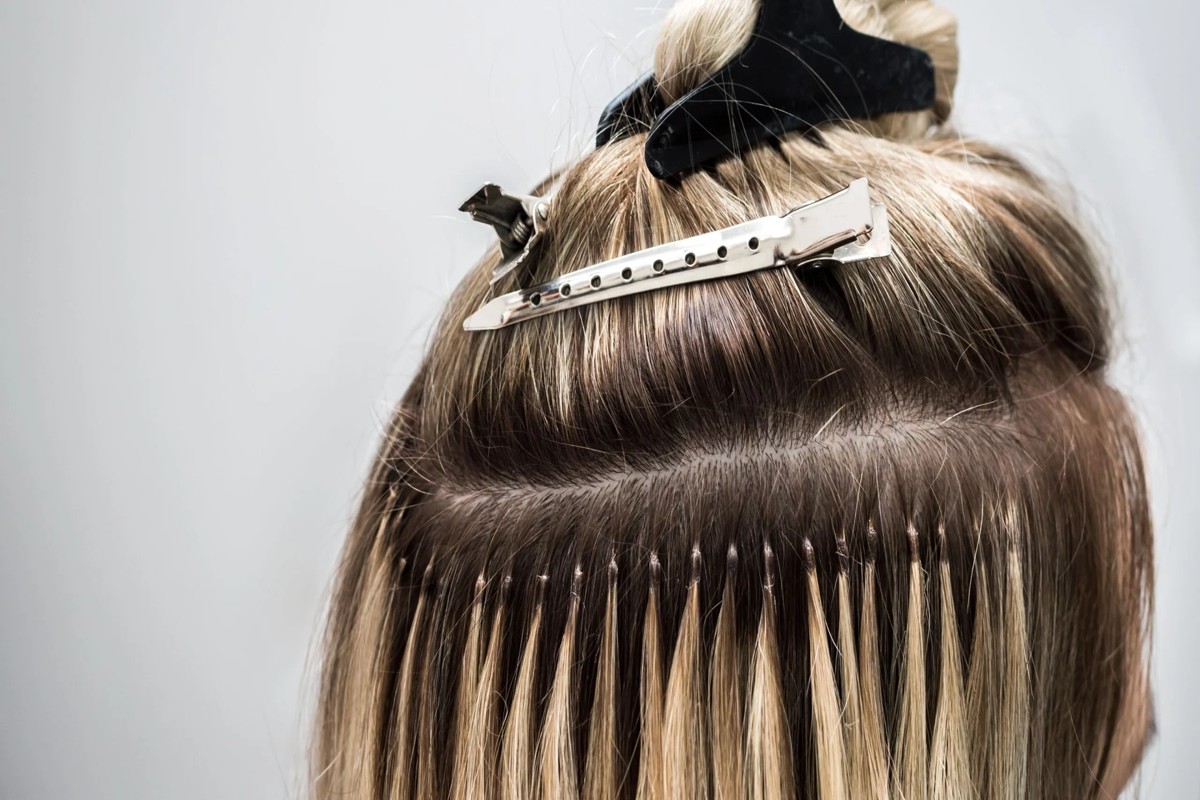
Hair extensions work by adding length and volume to natural hair using various methods of attachment. They can be made from synthetic or human hair and are applied using techniques like clip-ins, tape-ins, or sew-ins.
Understanding how hair extensions work is essential for anyone considering them for cosmetic enhancement. Misapplying or choosing the wrong type can lead to damage, discomfort, or unsatisfactory results, making informed decisions critical.
This guide provides a detailed overview of the different types of hair extensions, the methods of application, and tips for maintenance to ensure optimal results and longevity.
What are the different types of hair extensions?
Hair extensions come in several types, each with unique application methods and characteristics. The most common types include clip-in, tape-in, sew-in, and fusion extensions. Each type serves different needs and preferences regarding installation, duration of wear, and hair care.
Clip-in extensions are temporary and ideal for those seeking versatility. They consist of wefts attached to clips, allowing for easy application and removal without professional assistance. Tape-in extensions, on the other hand, are semi-permanent, featuring adhesive strips that bond to natural hair. These provide a more seamless look and can last several weeks with proper care.
- Sew-in extensions involve braiding natural hair into cornrows, with wefts sewn into the braids. This method is durable and can last for several months, making it suitable for individuals looking for long-term options.
- Fusion extensions use a keratin-based adhesive to bond strands of extension hair to natural hair. This method allows for a natural look and movement, but it requires a professional application and removal.
Choosing the right type of hair extension depends on factors such as lifestyle, hair type, and desired longevity. For example, those with fine hair may prefer tape-in extensions for their lightweight feel, while individuals seeking a more robust solution might opt for sew-in extensions.
Expert Tip: Always consult with a hair specialist to assess hair health before choosing a method, as improper application or maintenance can lead to damage or hair loss.
How long do hair extensions last?
Hair extensions can last anywhere from 2 to 12 months, depending on the type and maintenance. Clip-in extensions typically last 3 to 6 months, while tape-in and bonded extensions can last 6 to 12 months with proper care. The lifespan of hair extensions is significantly influenced by factors such as the quality of the hair, the method of application, and the individual’s hair care routine.
The type of hair extensions plays a crucial role in determining longevity. Remy human hair extensions tend to last longer than synthetic options, often providing a more natural look and feel. Among human hair extensions, tape-in and sew-in methods generally offer a longer lifespan than clip-in extensions, as they are more securely attached to the natural hair. Additionally, the application technique and expertise of the stylist can impact the durability of the extensions.
Maintenance is another vital factor. Regular washing, conditioning, and avoiding excessive heat can help prolong the life of hair extensions. It is also essential to follow the specific care instructions provided by the manufacturer or stylist. Improper handling, such as tugging or using the wrong products, can lead to premature wear and tear. Furthermore, individual hair growth can affect how extensions look over time, necessitating adjustments or replacements as natural hair grows.
Expert Tip: Regularly schedule touch-ups with a professional stylist to maintain the appearance and longevity of your extensions, especially for methods that require repositioning, such as tape-in or bonded extensions.
What is the cost of hair extensions?
The cost of hair extensions typically ranges from $100 to $3,000, depending on the type of extensions and the application method. Factors such as the quality of the hair, the length desired, and the expertise of the stylist can significantly influence the final price.
Different types of hair extensions come with varying price points. For instance, clip-in extensions generally cost between $100 and $300, while more permanent options, such as tape-in or fusion extensions, can range from $300 to $1,500. Luxury options like hand-tied wefts or custom-made extensions may cost upwards of $2,000. Additionally, the application method affects the overall cost; methods that require more time and skill, such as micro-link or keratin bond installations, tend to be pricier.
- Hair Type: Remy human hair is more expensive than synthetic hair due to its natural look and durability.
- Application Method: Methods like sew-ins or micro-links require professional installation and can add to the overall cost.
- Stylist Expertise: Experienced stylists may charge higher rates, reflecting their skill and the quality of the service provided.
- Maintenance and Products: Regular maintenance appointments can cost between $50 and $200, depending on the method used. Additionally, specialized care products may be necessary, adding to ongoing expenses.
Investing in hair extensions also involves considering maintenance and care. Regular maintenance is essential to ensure the longevity of the extensions, which can add an ongoing cost of $50 to $200 every 6 to 8 weeks. Additionally, quality care products specifically designed for extensions can further contribute to the overall expense.
Expert Tip: When budgeting for hair extensions, consider not only the initial cost but also the long-term maintenance expenses. Choosing high-quality extensions can reduce the need for frequent replacements, resulting in better value over time.
How do you take care of hair extensions?
Proper care for hair extensions is essential to maintain their appearance and longevity. Regular maintenance, including washing, conditioning, and styling techniques, can greatly influence the durability and look of your extensions. Following specific care tips can help you enjoy beautiful hair extensions for an extended period.
- Use sulfate-free shampoo and conditioner: Choose products specifically designed for hair extensions, as they are gentler and help retain moisture without stripping the hair of its natural oils.
- Wash sparingly: Limit washing to once a week or as needed. Over-washing can lead to dryness and tangling, which can negatively impact the extensions’ appearance.
- Detangle carefully: Use a wide-tooth comb or a specialized detangling brush to gently remove knots. Start from the ends and work your way up to avoid breakage.
- Limit heat exposure: Minimize the use of heat styling tools. When necessary, apply a heat protectant and use the lowest heat setting to prevent damage.
- Store properly: When not in use, store hair extensions in a cool, dry place. Consider using a silk or satin pouch to prevent tangling and maintain their shape.
- Schedule regular maintenance: If you have bonded or clip-in extensions, schedule regular appointments with a professional stylist to ensure they are applied and maintained correctly.
Hair extensions require a different level of care compared to natural hair. Environmental factors, such as humidity and sun exposure, can also affect their condition. Always adapt your care routine based on the type of extensions you have, whether they are synthetic or human hair.
Use a leave-in conditioner or hair oil sparingly to enhance shine and manageability. However, avoid applying products too close to the roots, as this can cause buildup and affect the attachment of the extensions.
Expert Tip: Regularly check the bonds or clips of your extensions. Address any loosening immediately to prevent damage to your natural hair.
Are hair extensions damaging to natural hair?
Hair extensions can potentially damage natural hair, but the extent of the damage largely depends on the method of application and maintenance. Some techniques are more damaging than others, while proper care can mitigate risks. Understanding the differences among extension types is crucial for maintaining hair health.
There are several methods of applying hair extensions, each with distinct implications for natural hair. Here are the main types:
- Clip-in Extensions: These are temporary and cause minimal damage since they can be removed daily. However, improper handling or excessive tension can lead to breakage.
- Fusion Extensions: These are bonded with keratin glue, which can be damaging if not applied or removed correctly. The added weight can also pull on natural hair, leading to traction alopecia.
- Micro-link Extensions: These involve small beads that attach extensions to natural hair. They are less damaging than fusion methods, but improper installation can still cause breakage.
- Tape-in Extensions: These are applied with adhesive tape and are relatively gentle. They require professional installation and removal to avoid damage.
Key differences between these methods impact hair health significantly. Temporary solutions like clip-in extensions offer flexibility and minimal risk, making them suitable for occasional use. In contrast, semi-permanent options like tape-in and micro-link extensions require careful maintenance and professional handling to prevent damage. Fusion extensions carry the highest risk due to the use of heat and adhesives, which can weaken the hair structure over time.
Moreover, individual hair type, existing damage, and maintenance routines play pivotal roles in determining the overall impact of extensions. Regular conditioning, avoiding excessive tension, and following professional advice can help maintain hair health, regardless of the extension method chosen.
Expert Tip: To minimize damage, consult with a professional stylist who specializes in hair extensions. They can assess your hair type and recommend the safest installation and maintenance practices tailored to your needs.
How do I choose the right hair extensions for my hair type?
Choosing the right hair extensions involves matching them to your natural hair texture, color, and lifestyle. The right extensions can enhance your look and ensure a seamless blend with your natural hair. Careful consideration of these factors will lead to a more satisfying and natural appearance.
First, assess your natural hair texture. Hair extensions come in various textures, including straight, wavy, and curly. Selecting extensions that mimic your natural texture will create a cohesive look. If your hair is fine, consider lightweight options like clip-ins or tape-ins that won’t weigh your hair down. For thicker hair, bulkier extensions such as sew-ins or fusion extensions may be more suitable.
- Color Matching: Choose extensions that closely match your natural hair color. If you have highlights or balayage, consider getting a set that blends multiple shades to achieve a more natural gradient.
- Length Consideration: Determine the length you desire based on your current hair length. Extensions should ideally add length without overwhelming your natural hair’s weight or volume.
- Consult a Professional: For best results, consult a stylist who specializes in hair extensions. They can provide personalized recommendations based on your hair type, lifestyle, and maintenance preferences.
Additionally, consider your daily activities and maintenance routine. Some extension types require more care than others. For example, clip-in extensions are great for occasional use and easy application, while sew-in extensions may offer more longevity but require regular upkeep.
Expert Tip: Always opt for high-quality, 100% Remy human hair extensions. These can be styled and treated just like your natural hair, ensuring a more seamless blend and longer lifespan.
Can you dye hair extensions?
Yes, you can dye hair extensions, but the process varies depending on the type of extensions. Human hair extensions can generally be dyed, while synthetic extensions usually cannot withstand dyeing without damage.
When dyeing human hair extensions, start by selecting a high-quality dye formulated for hair. For example, if a user has natural, straight human hair extensions in a light blonde shade and wants to achieve a darker chestnut color, they would mix the dye according to the manufacturer’s instructions. It’s essential to conduct a strand test first to ensure the desired color can be achieved without compromising the quality of the hair. If the strand test is successful, apply the dye evenly, following up with a deep conditioning treatment to maintain moisture and shine.
On the other hand, synthetic hair extensions are typically made from materials like Kanekalon, which do not absorb dye well. Attempting to dye these can result in uneven coloring and may even melt the fibers. Instead, those with synthetic extensions might consider using temporary hair color sprays or markers, which can provide a temporary change without damaging the hair.
Expert Tip: Always opt for a semi-permanent dye for human hair extensions, as this type tends to be less damaging and allows for a more gradual fade, which is beneficial for maintaining the extensions over time.
Understanding the Science Behind Hair Extensions
This section explores the materials and technologies that enable hair extensions to seamlessly integrate with natural hair. A comprehensive understanding of these elements is crucial for making informed choices about hair extensions.

Composition of Synthetic vs. Human Hair Extensions
Hair extensions are primarily made from two types of materials: synthetic fibers and human hair. Each type has distinct properties that affect their appearance, durability, and styling potential.
- Synthetic Hair Extensions: Made from plastic fibers, synthetic hair is often more affordable and comes in a wide range of colors and styles. However, they can lack the natural look and feel of human hair. Heat styling options are limited since high temperatures can damage synthetic fibers.
- Human Hair Extensions: Sourced from donors, these extensions offer the most natural appearance and versatility. They can be styled, dyed, and treated like natural hair. Human hair extensions are categorized into various grades, with higher grades offering better quality and longevity.
How Hair Extensions Mimic Natural Hair Structure
Hair extensions are designed to replicate the natural structure of human hair, which consists of three layers: the cuticle, cortex, and medulla. The cuticle is the outer protective layer, while the cortex provides strength and color. High-quality extensions often feature a cuticle layer that runs in the same direction as natural hair, preventing tangling and enhancing shine.
Innovations in Hair Extension Technology
Recent advancements in hair extension technology have significantly improved the quality and usability of these products. Innovations include:
- Keratin Bonding: This technique uses a keratin adhesive to attach extensions to natural hair, providing a secure and lasting hold.
- Micro-link Systems: Small beads are used to attach extensions without heat or glue, allowing for easy application and removal.
- Clip-in Extensions: These temporary extensions feature clips that make them easy to apply and remove, offering versatility for special occasions.
Impact of Hair Texture and Color Matching
Successful integration of hair extensions relies on precise color and texture matching. Extensions are available in various textures—straight, wavy, and curly—to match the natural hair of the wearer. Additionally, color matching is vital for achieving a seamless look. Extensions can be custom-dyed, or pre-colored options can be selected to ensure a close match to the wearer’s natural shade.
Nuance / Expert Layer
Common misconceptions about hair extensions often arise from a lack of understanding of quality differentiation. Not all human hair extensions are created equal; variations in sourcing, processing, and treatment impact their longevity and appearance. For instance, Remy hair is collected in a manner that preserves the cuticle, resulting in extensions that behave more like natural hair. Conversely, non-Remy hair may be mixed and can lead to tangling and shedding over time. Recognizing these distinctions is essential for selecting the right type of extension.
Practical Application
When considering hair extensions, assess your budget and desired style. Research reputable suppliers that offer high-quality products, and pay attention to the type of hair (synthetic vs. human) to best suit your needs. Additionally, consult with a stylist for expert advice on color and texture matching, ensuring a natural and flattering look. Understanding how do hair extensions work can lead to a more satisfying and successful hair extension experience.
Comprehensive Guide to Application Techniques
This section delves into various hair extension application methods, detailing the step-by-step processes, benefits, and drawbacks of each technique. Understanding these methods is essential for achieving desired results and ensuring the safety and longevity of hair extensions.

1. Clip-In Extensions
Clip-in extensions are one of the most popular temporary methods for adding length and volume. They can be applied and removed at home, making them a versatile option for many.
- Preparation: Start with clean, dry hair. Brush through to remove tangles.
- Sectioning: Divide the hair into sections, typically starting from the bottom and working upwards.
- Attachment: Open the clips on the extensions, align them with the roots, and snap them shut securely.
- Blending: Gently blend your natural hair with the extensions using a brush for a seamless look.
Pros: Easy to apply, reusable, and no damage to natural hair. Cons: May slip or become uncomfortable if not applied correctly.
2. Tape-In Extensions
Tape-in extensions provide a semi-permanent solution, typically lasting 6-8 weeks before requiring repositioning. This method uses adhesive tape to bond the extensions to natural hair.
- Preparation: Wash and dry hair thoroughly to remove any product buildup.
- Sectioning: Create a horizontal parting where the extensions will be applied.
- Placement: Sandwich a section of natural hair between two tape-in wefts, ensuring they adhere properly.
- Sealing: Press down firmly to secure the bond and ensure a flat application.
Pros: Natural appearance and less visible than clip-ins. Cons: Requires professional application for best results and can damage hair if not removed properly.
3. Fusion Extensions
Fusion extensions involve a keratin bond that is melted and fused to natural hair. This method provides a long-lasting option, generally lasting 3-6 months.
- Preparation: Clean hair is essential. Ensure there is no oil or product residue.
- Sectioning: Divide hair into small sections for precise application.
- Bonding: Use a fusion tool to heat the keratin bonds and attach them to natural hair.
- Cooling: Allow the bonds to cool completely for a secure attachment.
Pros: Very discreet and long-lasting. Cons: Time-consuming and may require professional expertise for application and removal.
4. Micro-Link Extensions
This method involves attaching extensions using small beads or links. Micro-link extensions are adjustable and do not require heat or glue.
- Preparation: Brush hair and section it for easy access.
- Attachment: Insert a small section of natural hair into the bead, then add the extension hair and clamp the bead shut.
- Adjustment: Regularly check and adjust the beads as the natural hair grows.
Pros: No heat or glue, adjustable, and less damaging. Cons: Can be heavy on fine hair and may slip if not applied correctly.
Best Practices for Application
- Always consult with a professional stylist for methods requiring expertise.
- Perform a strand test for any adhesives to prevent allergic reactions.
- Follow specific aftercare instructions to maintain the integrity of the extensions.
Safety Measures
It is crucial to ensure proper hygiene during application to avoid scalp irritation. Regularly inspect extensions for signs of wear or damage and avoid excessive heat styling to prolong their lifespan.
Many common misconceptions about hair extensions suggest that all methods are harmful. In reality, with correct application and care, they can be a safe way to enhance hair. Professionals emphasize the importance of selecting the right method based on hair type and lifestyle.
For effective use of this information, assess your hair type and lifestyle before choosing an application method. Consult a professional stylist for complex techniques, and always adhere to aftercare guidelines to maximize the lifespan of your extensions.
Common Mistakes to Avoid When Using Hair Extensions
Using hair extensions can enhance your look, but several common mistakes can lead to dissatisfaction or even damage. This section highlights key pitfalls to avoid, ensuring you achieve the best results and maintain the health of your natural hair.

Choosing the Wrong Type of Extensions for Your Hair
Selecting the appropriate type of hair extensions is crucial. Different methods, such as clip-in, tape-in, or sew-in extensions, cater to various hair types and lifestyles. For example, individuals with fine hair may struggle with heavy sew-in extensions, which can cause breakage. Conversely, those with thicker hair might find clip-ins uncomfortable or difficult to blend. Always assess your hair’s texture, density, and health before making a choice.
Neglecting Maintenance and Care Routines
Hair extensions require specific maintenance to ensure longevity and appearance. Common maintenance oversights include:
- Infrequent washing: Extensions should be cleaned regularly but gently, using sulfate-free shampoos.
- Skipping conditioning: Hydrating products help maintain softness and prevent tangling.
- Heat damage: Excessive use of heat styling tools can lead to irreversible damage.
Implementing a consistent care routine is essential for maintaining both the extensions and natural hair.
Improper Installation Techniques
Installation methods significantly impact the outcome and health of both the extensions and natural hair. Improper techniques can lead to:
- Slippage: Extensions may not adhere properly, leading to a disheveled appearance.
- Damage: Poor installation can cause traction alopecia, where hair is pulled too tightly.
- Uneven blending: This results in noticeable extensions and an unnatural look.
Investing in proper installation is vital for achieving natural-looking results.
Ignoring the Importance of Professional Consultation
Consulting with a professional stylist can prevent many issues associated with hair extensions. Professionals can provide insights on the best type of extensions for your hair, recommend suitable maintenance routines, and ensure proper installation techniques are followed. Moreover, a stylist can evaluate your hair’s condition, helping to avoid potential damage from incompatible methods.
Some individuals may believe they can achieve salon-quality results at home, but this often leads to dissatisfaction and hair damage. A professional consultation is an investment in both your appearance and hair health.
Beyond the basics, many articles overlook the significance of hair health when using extensions. Extensions can weigh down fine hair or exacerbate pre-existing scalp issues. Understanding your hair’s unique characteristics and consulting a specialist can provide tailored solutions. Additionally, some people mistakenly believe that all extensions are the same. In reality, the quality of hair used—whether synthetic or human—can significantly affect the overall look and feel.
To avoid common mistakes with hair extensions, consider the following actionable steps:
- Assess your hair type and choose extensions that suit your specific needs.
- Establish a maintenance routine that includes regular washing, conditioning, and limited heat styling.
- Seek professional installation to ensure a seamless look and minimize damage.
- Consult with a stylist for personalized advice tailored to your hair’s unique characteristics.
By following these guidelines, you can maximize the benefits of hair extensions while minimizing the risk of damage or dissatisfaction.
Real-Life Experiences and Case Studies
This section examines personal narratives and professional insights to highlight the transformative power of hair extensions. User testimonials and stylist observations reveal the multifaceted impact of these accessories across different contexts.

Before and After Transformations
Visual transformations serve as compelling evidence of the effectiveness of hair extensions. Many users report significant changes in their appearance and self-esteem after incorporating extensions into their hairstyles. For example, a client who had thin, shoulder-length hair opted for clip-in extensions, resulting in a dramatic transition to voluminous, waist-length locks. This transformation not only enhanced her physical appearance but also influenced her confidence in social and professional settings.
Another case involves a woman with naturally curly hair who sought out tape-in extensions for a special event. The extensions allowed her to achieve a sleek, straight look, demonstrating versatility in styling options. These before-and-after scenarios underscore how hair extensions can cater to a variety of aesthetic goals.
User Experiences with Different Types of Extensions
- Clip-in Extensions: Users appreciate the convenience and flexibility. Many report that they are easy to apply and remove, making them ideal for temporary changes.
- Tape-in Extensions: These extensions are favored for their natural look and seamless integration. Users often note the comfort and longevity of wear, lasting several weeks with proper care.
- Sew-in Extensions: While more permanent, they require professional installation. Clients often express satisfaction with the durability and styling versatility they provide.
Professional Stylist Insights on Client Outcomes
Professional stylists frequently observe the emotional and psychological benefits experienced by clients after receiving hair extensions. Many report that clients leave the salon feeling rejuvenated and empowered. For instance, a stylist shared a case involving a client who had experienced hair loss due to medical conditions. The application of high-quality extensions restored not only her hair volume but also her sense of identity and femininity.
Another stylist emphasized the importance of matching extension type and color to the client’s natural hair. Proper selection significantly impacts the overall look and how clients perceive themselves. Testimonials from stylists reveal that successful transformations often lead to repeat business and client loyalty.
Cultural and Personal Significance of Hair Extensions
Hair extensions hold varying cultural meanings across different communities. In some cultures, long, flowing hair symbolizes beauty and femininity, while in others, extensions are used to express individuality or fashion. Personal stories illustrate how hair extensions can serve as a means of self-expression. For example, a woman of mixed heritage shared her experience of using extensions to celebrate her diverse background, allowing her to experiment with different textures and styles.
Expert Layer: Nuances and Misconceptions
Many misconceptions surround hair extensions, particularly regarding maintenance and damage. A common myth is that extensions inherently damage natural hair. However, when applied and maintained correctly, extensions can actually protect hair by reducing the need for heat styling. Additionally, the choice of high-quality extensions, whether synthetic or human hair, plays a crucial role in minimizing potential damage. Understanding the intricacies of installation methods and care routines can lead to positive outcomes, challenging widespread assumptions about hair extensions.
Practical Application: What to Do with This Information
To capitalize on the insights from user experiences and professional observations, individuals considering hair extensions should:
- Research different types of extensions to determine which suits their lifestyle and hair type.
- Consult with a professional stylist to ensure proper color matching and installation method.
- Prioritize maintenance routines to prolong the life of extensions and protect natural hair health.
Frequently Asked Questions
What are the different types of hair extensions?
The main types of hair extensions include clip-in, tape-in, sew-in, and fusion extensions. Each type varies in application method and duration of wear, catering to different styling needs.
How long do hair extensions last?
Hair extensions can last anywhere from a few weeks to several months, depending on the type and maintenance. Proper care and installation techniques significantly influence their longevity.
What is the cost of hair extensions?
The cost of hair extensions varies widely, typically ranging from $100 to $1,000 or more. Factors influencing price include the type of extensions, quality of hair, and application method.
How do you take care of hair extensions?
Caring for hair extensions involves using sulfate-free shampoos, avoiding excessive heat, and regularly moisturizing. Gentle handling and proper storage when not in use also help maintain their quality.
Are hair extensions damaging to natural hair?
How do I choose the right hair extensions for my hair type?
Selecting the right hair extensions involves considering your hair texture, color, and length. Consulting with a professional stylist can help ensure compatibility and achieve a natural look.
Can you dye hair extensions?
Many hair extensions can be dyed, especially those made from human hair. However, it is essential to conduct a strand test first and use color-safe products to avoid damage.
Final Thoughts on how do hair extensions work
Hair extensions, when applied and maintained correctly, offer a transformative solution for enhancing length and volume, allowing for versatile styling options. Understanding the nuances of various types, application techniques, and care routines is essential for achieving a natural look while preserving the integrity of both extensions and natural hair.
To maximize the longevity and appearance of hair extensions, invest in high-quality products tailored to your specific hair type and commit to a regular maintenance routine that includes proper washing and conditioning techniques.
Mastering the art of hair extensions not only elevates personal style but also empowers individuals to express themselves confidently through their hair.
Leave a Reply