Do red Indians have facial hair? Yes, some Native Americans, often referred to as red Indians, can grow facial hair. However, the prevalence and style vary among individuals and tribes.
Understanding the characteristics of facial hair among Native Americans is important for cultural appreciation and accurate representation. Misconceptions can lead to stereotypes that undermine the rich diversity within Indigenous communities.
This article examines the genetic, cultural, and historical factors influencing facial hair growth among Native Americans, highlighting variations across different tribes and the significance of these traits.
Why do some Native Americans have facial hair?
Some Native Americans have facial hair due to a combination of genetic predisposition and cultural practices. While many Native American tribes historically exhibited less facial hair growth compared to other ethnic groups, variations exist based on individual genetics and ancestral lineage.
The presence of facial hair among Native Americans can be attributed to several factors:
- Genetic Diversity: Native American populations are not monolithic. Genetic variation arises from the complex history of migration and intermarriage with other ethnic groups, influencing traits like facial hair growth.
- Environmental Adaptation: Some tribes may have adapted to their environments in ways that influenced hair growth patterns. For instance, individuals from colder regions might exhibit different hair characteristics compared to those from warmer climates.
- Cultural Significance: Facial hair can also hold cultural importance. In certain tribes, facial hair may be seen as a symbol of maturity or wisdom, influencing personal grooming choices.
It is also essential to recognize that the perception of masculinity and beauty varies across cultures and can influence individual grooming practices. For example, some Native American men may choose to grow facial hair as a personal or cultural expression, while others may prefer a clean-shaven look based on societal norms or personal preference.
Ultimately, the variability in facial hair among Native Americans reflects a broader tapestry of genetic and cultural influences. Understanding the individual and collective identities of Native American tribes provides insight into the diversity of traits, including facial hair growth.
Expert Tip: Genetic studies have shown that certain alleles associated with hair growth can be prevalent in some Native American populations, suggesting that regional ancestry plays a significant role in determining facial hair characteristics.
How do red Indians groom their facial hair?
Grooming practices among Native American men, often referred to as “red Indians,” vary significantly across tribes and individuals. Many men may choose to grow facial hair, while others may prefer to remain clean-shaven. Traditional grooming often reflects cultural heritage and personal preference.
- Regular Trimming: Many men maintain their facial hair through regular trimming to keep it neat and tidy. This can be done with scissors or clippers, depending on the desired style and length.
- Washing: Keeping facial hair clean is essential. Using mild soap or specialized beard shampoos can prevent buildup of dirt and oil, promoting healthy hair growth.
- Moisturizing: Applying oils or balms helps to condition the hair and skin underneath. Natural oils, such as jojoba or argan oil, are often preferred for their nourishing properties.
- Styling: Some men may choose to style their facial hair using combs or brushes. This helps in managing the hair and achieving the desired look, whether it’s a full beard, goatee, or mustache.
- Traditional Practices: In some tribes, grooming rituals may include specific ceremonies or the use of traditional tools. These practices can hold cultural significance and vary widely between different Native American groups.
Facial hair grooming among Native American men is deeply personal and often influenced by cultural traditions. Individual preferences play a significant role, leading to a diverse array of styles and grooming techniques.
Expert Tip: To maintain healthy facial hair, incorporate a balanced diet rich in vitamins and minerals, as nutritional health significantly impacts hair growth and quality.
Is facial hair common among Native American tribes?
Facial hair prevalence among Native American tribes varies significantly. While some tribes exhibit higher occurrences of facial hair, others demonstrate minimal facial hair growth due to genetic and cultural factors. Understanding these variations provides insight into the diverse characteristics of Native American identities.
Facial hair among Native Americans can be influenced by genetics, culture, and environmental factors. For instance, tribes such as the Sioux and Crow may display more facial hair than others due to genetic predispositions. In contrast, tribes like the Hopi or Zuni historically have lower incidences of facial hair, which can be attributed to specific genetic traits prevalent within those groups. This variation highlights the complex interplay between genetics and cultural identity.
Additionally, cultural practices play a significant role in the perception and acceptance of facial hair. Some tribes embrace traditional grooming styles that may discourage facial hair, aligning with their cultural aesthetics. Others may encourage facial hair as a symbol of masculinity or maturity. These cultural norms can shape individual choices regarding facial hair, leading to diverse expressions of identity within and across tribes.
Variations Across Tribes
- Sioux: Generally exhibit more facial hair, reflecting genetic traits.
- Crow: Similar to Sioux, facial hair is more common.
- Hopi: Typically show less facial hair due to genetic factors.
- Zuni: Also characterized by minimal facial hair growth.
Expert Tip: Understanding the variations in facial hair among Native American tribes can provide deeper insights into their cultural practices and identities. When studying these differences, consider the historical and social contexts that shape individual and collective expressions of masculinity.
What is the cultural significance of facial hair in Native American culture?
Facial hair holds varying cultural significance across different Native American communities. While some tribes view it as a symbol of wisdom and maturity, others may not emphasize facial hair due to traditional grooming practices. Overall, the meanings associated with facial hair can reflect broader cultural beliefs and values.
In many Native American cultures, facial hair is not universally common, often due to biological factors and historical grooming practices. For instance, some tribes historically preferred clean-shaven faces, associating smooth skin with youthfulness and vitality. In contrast, among certain tribes, facial hair may symbolize strength, resilience, and a connection to ancestral heritage. These differing views highlight the rich diversity within Native American cultures regarding personal appearance and grooming.
- Respect for Tradition: Many Native American communities emphasize traditional grooming practices, which may discourage facial hair. Understanding these customs is essential for respectful engagement with these cultures.
- Symbol of Maturity: In some tribes, facial hair may represent a rite of passage or maturity. Men who grow facial hair may be seen as taking on adult responsibilities, reflecting their status within the community.
- Individual Expression: Personal choices regarding facial hair can also reflect individual identity and expression. Some members may choose to grow facial hair to honor their heritage or personal beliefs.
- Regional Differences: The significance of facial hair can vary widely across different tribes. It is crucial to recognize these regional differences when discussing cultural practices.
Facial hair in Native American culture can be a complex interplay of tradition, personal choice, and community values. Understanding these nuances can enhance respect and appreciation for the diverse cultural identities within Native American societies.
Facial hair serves as a lens into the values and beliefs of various Native American tribes. Engaging with these cultural practices requires sensitivity to individual and community perspectives on identity and tradition.
Are there any health implications for Native Americans with facial hair?
Yes, there can be health implications for Native Americans with facial hair, primarily related to grooming and maintenance. Factors such as skin health, hygiene, and the potential for irritation or infection are significant considerations. These issues can arise regardless of ethnic background but may have unique cultural contexts within Native American communities.
For example, a Native American man with a full beard may experience skin irritation if he does not maintain proper hygiene. This can lead to conditions like folliculitis, an inflammation of hair follicles, which can cause redness, swelling, and discomfort. Regular cleansing and moisturizing are essential to prevent such conditions, particularly in environments with varying climates that can affect skin health.
Moreover, the use of grooming products can also pose health risks. Some individuals may have sensitivities or allergic reactions to certain ingredients found in beard oils or shampoos. It is advisable for those with facial hair to choose products free of harsh chemicals and allergens. Consulting with a dermatologist can provide tailored recommendations to ensure both the health of the skin underneath the beard and the beard itself.
Expert Tip: Regular skin checks can help identify potential issues early. Incorporating natural oils, such as jojoba or argan oil, may improve skin hydration and reduce irritation while promoting healthy facial hair growth.
How does facial hair vary among different ethnic groups?
Facial hair characteristics vary significantly among different ethnic groups due to genetic, environmental, and cultural factors. Native Americans, often referred to as “Red Indians,” typically have less facial hair compared to many other ethnic groups. This variation can be attributed to the unique genetic heritage that influences hair follicle density and growth patterns.
Native Americans generally exhibit finer and sparser facial hair. This can be contrasted with populations from regions such as the Middle East, where thicker, denser facial hair is common. In other ethnic groups, such as those of East Asian descent, facial hair growth is also typically minimal, similar to Native Americans, but with variations in texture and distribution. African and European populations often display a wide range of facial hair characteristics, with many individuals having the ability to grow full beards and mustaches.
- Native Americans: Generally have sparse and fine facial hair.
- Middle Easterners: Known for thick and dense facial hair, often culturally significant.
- East Asians: Typically have minimal facial hair, similar to Native Americans, but with variations.
- Africans and Europeans: Exhibit a broad spectrum of facial hair characteristics, including full beards.
Genetics play a crucial role in these differences. Hormonal factors, particularly testosterone levels, influence facial hair growth across different populations. Moreover, cultural practices and grooming habits can also affect the appearance of facial hair, leading to variations within ethnic groups. For instance, some cultures place a high value on facial hair, while others may encourage clean-shaven appearances.
Expert Tip: Understanding the sociocultural significance of facial hair within various ethnic groups can provide deeper insights into identity and heritage, influencing individual grooming choices beyond mere genetics.
Cultural Perspectives on Facial Hair Among Native Americans
This section explores the historical and cultural significance of facial hair among Native American tribes, highlighting how masculinity, rituals, and colonization have shaped grooming practices within these communities.

Historical Views on Masculinity and Facial Hair
In many Native American cultures, facial hair has not universally symbolized masculinity. While some tribes regarded facial hair as an expression of manhood, others viewed smooth faces as ideal. For instance, the Lakota traditionally associated facial hair with maturity and wisdom, while the Ojibwe held a different perspective, where men often shaved their faces as a cultural norm. These differing views illustrate that perceptions of masculinity were, and still are, diverse across tribes.
Variances in Facial Hair Styles Across Tribes
Facial hair styles among Native American tribes exhibit considerable variation, influenced by cultural practices and environmental factors. Some tribes, such as the Navajo, typically favored minimal facial hair, often adopting a clean-shaven look, while others, like the Cree, embraced fuller beards. Notable styles include:
- Full Beards: Common in tribes that valued rugged masculinity.
- Moustaches: Sometimes worn for ceremonial purposes.
- Shaved Faces: Preferred in some tribes, symbolizing youthfulness or social status.
Rituals and Traditions Involving Facial Hair
Facial hair has played a role in various rituals and traditions across Native American cultures. Some tribes incorporate facial hair into rites of passage or warrior ceremonies. For example, among the Lakota, the act of growing a beard can signify the transition into adulthood and the responsibilities that come with it. Additionally, specific grooming practices may accompany spiritual ceremonies, where the way one presents themselves can reflect their cultural identity.
Impact of Colonization on Grooming Practices
Colonization profoundly affected Native American grooming practices, including attitudes toward facial hair. European settlers often imposed their own standards of masculinity, which included different grooming habits. Many Native men were pressured to adopt a clean-shaven look to align with European norms, leading to a decline in traditional facial hair practices. This shift often resulted in the loss of cultural identity and the erasure of historical grooming customs.
Nuance in Cultural Expressions
Common misconceptions suggest that all Native Americans either have or do not have facial hair based solely on visible traits. However, the reality is more complex. Some individuals may possess the genetic capability to grow facial hair but may choose not to due to personal, cultural, or tribal preferences. Additionally, contemporary influences, such as media representations and evolving gender roles, have further diversified expressions of masculinity and grooming among Native Americans today.
Practical Application
Understanding the cultural perspectives on facial hair among Native Americans can enhance appreciation for their rich traditions. Individuals interested in Native American culture should consider:
- Engaging with tribal history to appreciate diverse grooming practices.
- Respecting personal choices regarding facial hair within Native communities.
- Supporting cultural preservation efforts that honor traditional practices.
Genetics and Facial Hair Growth in Native Americans
This section delves into the genetic mechanisms that influence facial hair growth among Native Americans, providing insights into the biological and ancestral factors that shape these characteristics.
Genetic Factors Influencing Hair Growth
The growth of facial hair is primarily regulated by genetic factors. Key genes associated with hair growth include the androgen receptor gene (AR), which plays a significant role in the development of male secondary sexual characteristics, including facial hair. Variations in this gene can lead to differences in hair density and growth rates among individuals.
Other genes, such as those involved in the follicle development and hair cycle regulation, also contribute to the overall pattern of hair growth on the face. These genetic factors can vary widely not only among individuals but also across different populations, including Native Americans.
Differences in Hair Growth Patterns Among Tribes
Facial hair growth can differ significantly among various Native American tribes. Some tribes may exhibit a higher prevalence of facial hair due to specific genetic traits, while others may show sparse facial hair growth. These differences can often be traced back to historical patterns of migration and intermarriage with other populations, affecting the genetic pool.
- Tribe A: Known for a higher incidence of dense facial hair.
- Tribe B: Typically exhibits minimal facial hair growth.
- Tribe C: Displays an intermediate pattern with occasional facial hair.
Role of Ancestry in Facial Hair Characteristics
Ancestry plays a crucial role in determining facial hair characteristics. Native Americans, like other populations, inherit traits from their ancestors. The genetic diversity within Native American populations is influenced by the historical intermixing with other ethnic groups, such as Europeans and Asians, which can introduce various hair growth traits.
Studies suggest that specific ancestral lineages are associated with different hair growth patterns. For instance, some lineages may carry genetic markers that promote thicker and faster-growing facial hair, while others may not.
Studies on Native American Genetics and Hair Growth
Recent genetic studies have focused on understanding the specific markers associated with hair growth among Native Americans. Research has identified several single nucleotide polymorphisms (SNPs) that correlate with variations in hair density and growth speed. For example, a study published in the journal “Nature” examined the genetic profiles of various Native American tribes and found distinct markers linked to facial hair growth.
These studies provide a clearer understanding of how genetic diversity within Native American populations affects facial hair characteristics, challenging the notion that all individuals within these groups present the same traits.
Common misconceptions often arise regarding the uniformity of facial hair growth among Native Americans. Many assume that all Native Americans have limited facial hair due to stereotypes, overlooking the significant genetic diversity that exists within these populations. Each tribe’s unique genetic history plays a critical role in shaping facial hair traits.
To apply this knowledge, individuals interested in understanding or studying Native American facial hair characteristics should consider the genetic diversity present in different tribes. Engaging with genetic studies or exploring ancestral backgrounds can provide further insights into personal traits. Additionally, awareness of these variations can foster a more nuanced understanding of cultural and biological diversity in hair growth patterns.
Modern Grooming Trends Among Native American Men
This section examines contemporary grooming practices among Native American men, highlighting the blend of traditional and modern styles. Understanding these trends provides insight into cultural identity and personal expression.
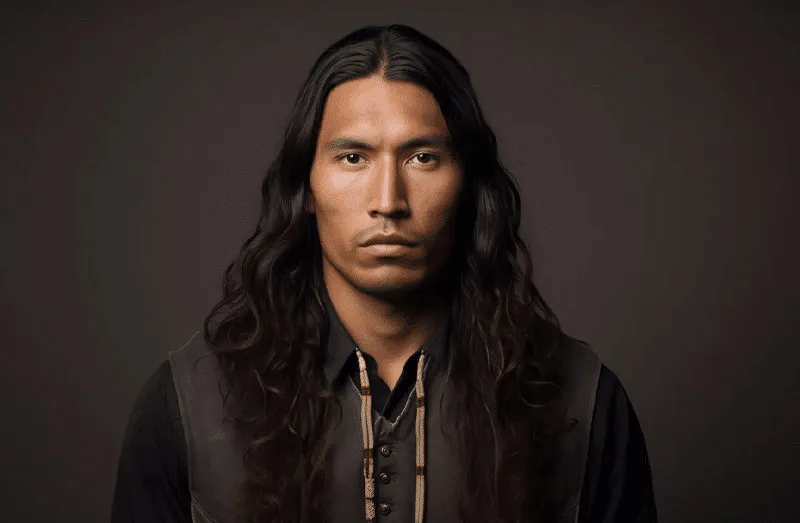
Popular Grooming Products
Native American men today are increasingly utilizing a variety of grooming products that cater to their unique hair and skin types. These products often emphasize natural ingredients, reflecting a cultural appreciation for traditional practices. Common items include:
- Beard oils: Formulated with essential oils to promote healthy hair growth and soften facial hair.
- Shampoos and conditioners: Specifically designed for coarse hair, often featuring botanical extracts.
- Styling gels and waxes: Used to shape and maintain hairstyles, catering to both traditional and modern looks.
Influence of Social Media
Social media platforms play a significant role in shaping grooming habits among Native American men. Influencers and community leaders use these channels to share grooming tips, tutorials, and personal experiences. This visibility fosters a sense of community and encourages men to experiment with their styles. Additionally, hashtags related to Native American culture and grooming trends allow individuals to connect and share their unique approaches to personal grooming.
Interviews with Native American Men
Interviews with Native American men reveal a diverse range of grooming routines that reflect both personal preferences and cultural heritage. Many express pride in maintaining traditional styles, such as long hair or specific beard shapes that signify tribal identity. Others embrace modern trends, finding a balance between cultural respect and contemporary fashion. This duality highlights the evolving nature of identity among Native American communities.
Traditional vs. Modern Grooming Techniques
Grooming practices among Native American men can be categorized into traditional and modern techniques. Traditional grooming often involves minimal products and focuses on natural maintenance, while modern techniques embrace a wider array of products and styles. Key differences include:
- Approach to Hair: Traditional methods prioritize simplicity, using natural oils, while modern techniques may involve elaborate styling and the use of multiple products.
- Facial Hair Management: Historically, facial hair was often less common, but modern practices now include grooming and styling beards as a form of self-expression.
- Ritual vs. Routine: Traditional grooming can be ceremonial, tied to cultural practices, whereas modern grooming routines are often practical and influenced by current trends.
While some may assume that all Native American men adhere strictly to traditional grooming practices, this section illustrates a more nuanced reality. The intersection of cultural heritage and modern influences creates a diverse landscape of grooming habits. Misconceptions often arise from oversimplified views of cultural identity, failing to recognize the dynamic nature of personal expression within Indigenous communities.
To adopt modern grooming trends, Native American men can explore specific products that cater to their hair and skin needs. Engaging with social media for tips and inspiration can help individuals find a balance between traditional values and contemporary styles. Additionally, participating in community discussions about grooming can foster connections and promote cultural pride.
Challenges and Stereotypes Related to Facial Hair in Native American Communities
This section examines the societal perceptions and stereotypes that impact Native Americans, particularly concerning facial hair. Addressing these challenges is essential for fostering understanding and respect for cultural diversity.
Common Stereotypes Faced by Native American Men
Native American men often encounter a variety of stereotypes that shape public perception. These stereotypes include assumptions about masculinity, appearance, and behavior. For instance, many individuals mistakenly believe that Native American men do not grow facial hair, aligning with outdated and inaccurate images propagated by early American art and literature.
- Facial Hair Absence: The notion that Native American men lack facial hair is a persistent myth, ignoring the genetic diversity within tribes.
- Warrior Archetype: The portrayal of Native Americans as stoic warriors often excludes representations of their grooming and personal expression.
- Homogeneity: Stereotypes tend to homogenize Native American identity, neglecting the rich variations among different tribes and regions.
Impact of Media Representation on Public Perception
Media representation plays a crucial role in shaping societal attitudes toward Native Americans. Historically, films, television shows, and advertisements have relied on stereotypes, often depicting Native Americans in a narrow, romanticized lens. This limited portrayal can lead to misconceptions about their cultural practices, including personal grooming habits such as facial hair.
Recent efforts to include more authentic Native American voices in media have begun to challenge these stereotypes. By showcasing diverse stories and appearances, filmmakers and creators contribute to a broader understanding of Native American identity.
Personal Stories of Native Americans Regarding Facial Hair
Many Native Americans have shared personal stories that highlight the significance of facial hair in their lives. For some, facial hair is a symbol of cultural identity and heritage, while others view it as a form of personal expression. These narratives often reveal the complexities of cultural pride versus societal expectations.
Examples include:
- A member of the Navajo Nation who embraces his facial hair as a connection to traditional masculinity.
- A Lakota artist who uses his beard to challenge stereotypes, seeing it as an act of defiance against mainstream narratives.
- A young Native American man who discusses the pressure to conform to societal norms regarding grooming while expressing pride in his heritage.
Efforts to Challenge Stereotypes and Promote Cultural Pride
Various initiatives aim to combat the stereotypes associated with Native Americans and their appearances, including facial hair. Cultural organizations and advocates work to celebrate diversity within Native communities and promote positive representations. These efforts often involve:
- Educational programs that inform the public about the diversity of Native American cultures.
- Artistic expressions that challenge stereotypes, including photography and visual arts.
- Community events that celebrate traditional practices, including grooming rituals.
Understanding the nuances behind the question, “do red indians have facial hair,” requires a recognition of the diverse identities within Native American communities. The narratives surrounding facial hair are not monolithic and reflect a broader context of cultural expression.
To engage with this information effectively, individuals can support Native American artists and filmmakers, participate in cultural events, and educate themselves about the diverse experiences within Native communities. Challenging stereotypes begins with informed conversations and respectful representation.
Frequently Asked Questions
Why do some Native Americans have facial hair?
Facial hair presence among Native Americans varies due to genetic factors and individual traits. Some tribes may have members with thicker facial hair, while others may have less due to their unique genetic backgrounds.
How do red Indians groom their facial hair?
Grooming practices for facial hair among Native Americans can include trimming, shaving, or maintaining natural growth. Techniques and styles often depend on personal preference and cultural influences.
Is facial hair common among Native American tribes?
Facial hair prevalence varies among Native American tribes, with some individuals having little to no facial hair. This diversity is influenced by genetic heritage and cultural practices.
What is the cultural significance of facial hair in Native American culture?
Facial hair can hold different meanings in Native American culture, often symbolizing maturity or wisdom. However, its significance varies widely across tribes and individual beliefs.
Are there any health implications for Native Americans with facial hair?
There are no specific health implications directly associated with facial hair among Native Americans. However, proper grooming and hygiene are important to prevent skin issues, regardless of ethnicity.
How does facial hair vary among different ethnic groups?
Facial hair growth and characteristics differ significantly among ethnic groups due to genetic diversity. This variation can affect the density, texture, and growth patterns of facial hair.
Final Thoughts on do red indians have facial hair
The presence and grooming of facial hair among Native Americans, often referred to as “red Indians,” is shaped by a complex interplay of genetics, cultural practices, and individual preferences. While not universally common, facial hair can carry significant cultural meaning and reflects modern grooming trends within various tribes.
To gain a deeper understanding of the cultural significance of facial hair in Native American communities, consider engaging with local tribes or attending cultural events that celebrate their heritage. This firsthand experience can provide invaluable insights into their traditions and personal grooming practices.
Leave a Reply